

Property insurance is a standard part of homeownership and investment in Sydney. But when damage occurs from storms, flooding, fire, vandalism, or other events, many property owners find the claims process confusing and slow. Understanding how the assessment works, what the assessor is looking for, and how to prepare your evidence gives you a much stronger position when dealing with your insurer.
For a complete overview, see our guide to insurance claim assessments.
The Insurance Landscape in Sydney
Sydney property owners have several types of insurance available depending on their circumstances.
| What It Covers | Who Needs It | |
|---|---|---|
| Building Insurance | Structural damage to walls, roof, floors, and fixed elements | All property owners (required by most mortgage lenders) |
| Contents Insurance | Personal belongings, furniture, appliances, and fixtures inside the home | Homeowners and tenants who want to protect their possessions |
| Landlord's Insurance | Tenant-related risks including lost rent, property damage by tenants, and liability | Property investors with rental properties |
| Home Building Compensation Cover (icare HBCF) | Protection if a builder cannot complete work or fix defects due to insolvency, death, or licence suspension | Homeowners undertaking residential building work valued over $20,000 in NSW |
Sydney-Specific Considerations
Sydney's geography and climate create specific insurance considerations that property owners should be aware of:
- Coastal properties are vulnerable to storm surge, salt corrosion, and flooding, often requiring additional flood coverage
- Properties in bushfire-prone areas (particularly western and northern Sydney) may need comprehensive fire cover beyond standard policies
- Densely populated areas can have higher theft and vandalism risk, which may warrant enhanced coverage
- Properties near major infrastructure projects (road, rail, or tunnel construction) may face risks from vibration and ground movement
- High property values in many Sydney suburbs mean building insurance sums must reflect true replacement costs to avoid underinsurance
Starting the Claim Process
When property damage occurs, the steps you take in the first 24 to 48 hours have a direct impact on the success of your claim.
Contact your insurer immediately
Report the incident by phone, email, or through the insurer's website or app. Provide basic details of what happened and the type of damage.
File an incident report
Complete the insurer's incident report form with accurate, detailed information about the event, the damage, and any immediate actions you took.
Take immediate preventive action
Make temporary repairs to prevent further damage, such as tarping a roof, boarding windows, or moving valuables to safety. Document everything you do.
Secure your claim reference number
Request a written confirmation of your claim lodgement and reference number for all future communications.
Delays in reporting can complicate your claim or lead to denial. Most insurers expect notification within 24 to 48 hours of the event. Always check your policy's specific timeframe.
Gathering Supporting Documentation
Strong documentation is the foundation of a successful insurance claim. The more evidence you can provide, the stronger your position.
The Role of the Assessor
The insurance assessor is appointed by your insurer to evaluate the damage and determine whether it falls within your policy's coverage.
What the Assessor Does
- Visits the property to conduct a thorough visual evaluation of all damaged areas
- Takes measurements and photographs to document the extent of the damage
- May consult with contractors or tradespeople to understand repair costs and methods
- Compares the damage against your policy's inclusions, exclusions, and limits
- Prepares a detailed report that your insurer uses to calculate the settlement offer
How to Work with the Assessor
- Be present during the assessment so you can point out all areas of damage and provide context
- Share your photographic evidence, repair receipts, and inventory lists with the assessor
- Ask questions about anything you do not understand during the inspection
- Take your own notes during the visit and request a written summary of the assessor's findings
Understanding the Settlement Offer
After the assessor completes their report, your insurer will issue a settlement offer.
How the Offer Is Calculated
The offer is based on the assessor's report, your policy terms, the cost of repairs or replacement, and any applicable excess (deductible). The offer usually comes with a breakdown showing the costs assigned to each damaged area or item.
What to Watch For
- Low estimates that do not reflect the true cost of professional repairs in Sydney
- Items or areas of damage that have been excluded without clear justification
- Calculations based on depreciated value rather than replacement cost (check your policy terms)
- Failure to include costs for temporary accommodation, professional cleaning, or emergency repairs
Negotiating a Better Outcome
The initial settlement offer is often a starting point, not a final figure. You have the right to negotiate.
- Obtain multiple repair estimates from licensed contractors to compare against the insurer's figure
- Use your photographs, documentation, and any independent assessments as evidence to support your counter-offer
- Maintain open communication with your insurer throughout the negotiation
- Put all counter-offers and responses in writing for your records
The Value of Independent Assessments
An independent insurance claim assessment provides a second, unbiased evaluation of the damage by a qualified building inspector who works for you, not the insurer.
Pros
- Offers an impartial evaluation free from the insurer's interests
- Identifies damage the insurer's assessor may have missed or undervalued
- Provides credible evidence for negotiations and dispute resolution
- Particularly valuable for complex damage, high-value claims, or disputed assessments
Cons
- Requires an upfront fee for the independent inspection
- The inspector must be qualified and experienced for the report to carry weight
Resolving Disputes
If you are not satisfied with the outcome of your claim, there is a clear dispute resolution pathway available.
Request an internal review
Ask your insurer to review the claim decision through their Internal Dispute Resolution (IDR) process. Provide any additional evidence you have.
Submit a formal written complaint
If the internal review does not resolve the issue, submit a formal written complaint to the insurer outlining your concerns and supporting evidence.
Contact SIRA (for HBCF claims)
For home building compensation claims in NSW, the State Insurance Regulatory Authority (SIRA) oversees the process.
Escalate to AFCA
For general insurance disputes, the Australian Financial Complaints Authority (AFCA) provides free, independent dispute resolution. AFCA decisions are legally binding on the insurer.
Key Takeaways
- Insurance claim assessments in Sydney involve an insurer-appointed assessor evaluating damage and producing a report that determines your settlement.
- Report damage to your insurer within 24 to 48 hours and document everything with photographs, video, and receipts.
- Be present during the assessment and provide the assessor with all your evidence and documentation.
- The initial settlement offer is negotiable. Use independent repair estimates and documentation to support a counter-offer.
- An independent building inspection report provides unbiased evidence that strengthens your claim or dispute.
- If your claim is denied or undervalued, escalate through the insurer's IDR process, then to AFCA for free binding resolution.
- Sydney-specific risks including coastal storms, bushfire, and infrastructure projects affect the type and level of coverage you need.
Frequently Asked Questions
What is an insurance claim assessment?
An insurance claim assessment is the process where a professional assessor evaluates damage to your property, determines its cause, and calculates the repair or replacement costs. The assessor's report is used by your insurer to decide the value of your claim and the settlement amount.
How does timing affect my insurance claim in Sydney?
Reporting damage promptly is important. Most insurers expect notification within 24 to 48 hours of the event. Late reporting can delay processing, reduce your payout, or even lead to claim denial. Acting quickly also ensures that temporary repairs are documented before conditions change.
What documents do I need for my insurance claim?
You will typically need photographs and video of the damage, receipts for emergency repairs, written repair estimates from licensed tradespeople, an inventory of damaged items with values, and copies of any relevant contracts or warranties. Keep both digital and physical copies of everything.
Who is an insurance assessor and what do they do?
An insurance assessor is a professional appointed by your insurer to evaluate property damage. They visit the property, document the damage with photographs and measurements, compare the findings against your policy, and prepare a report that the insurer uses to calculate your settlement offer.
How is the initial settlement offer calculated?
The initial offer is based on the assessor's evaluation of the damage, the repair or replacement costs, your policy terms (including coverage limits and excess), and any supporting documentation you have provided. The offer usually comes with a detailed breakdown of costs assigned to each damaged area or item.
Can I negotiate my insurance claim settlement?
Yes. The initial offer is often a starting point for negotiation. You can use additional repair estimates, independent assessment reports, and your own documentation to support a higher counter-offer. Always communicate in writing and keep records of all negotiations.
How can I resolve a dispute with my insurer in Sydney?
Start by requesting an internal review through your insurer's dispute resolution process. If that does not resolve the issue, lodge a formal written complaint. If you are still not satisfied, escalate to the Australian Financial Complaints Authority (AFCA), which provides free, independent resolution and can make binding decisions.
What is the Australian Financial Complaints Authority (AFCA)?
AFCA is a free, independent dispute resolution body that handles complaints about financial services including insurance. If your insurer denies your claim or offers an unfair settlement and their internal process does not resolve it, you can lodge a complaint with AFCA. Their decisions are legally binding on the insurer.
Why should I consider an independent insurance claim assessment?
An independent assessment provides an unbiased second opinion on the damage and its cost. It is conducted by a qualified building inspector who works for you, not the insurer. This is particularly valuable when you disagree with the insurer's assessment, when the claim is complex, or when the stakes are high.
What types of insurance do Sydney property owners need?
At minimum, homeowners need building insurance (often required by mortgage lenders). Contents insurance protects personal belongings. Landlords need landlord insurance for tenant-related risks. Properties in coastal, bushfire-prone, or flood-risk areas may need additional coverage. In NSW, home building compensation cover through icare HBCF is required for residential building work over $20,000.
References and Resources
- Australian Financial Complaints Authority (AFCA) - Free dispute resolution for insurance complaints
- NSW Fair Trading - Home Building - Consumer protection for home building in NSW
- icare HBCF (Home Building Compensation Fund) - Home building compensation cover in NSW
- Insurance Council of Australia - Disaster statistics and claims data
- State Insurance Regulatory Authority (SIRA) - Insurance regulation in NSW
Related Articles
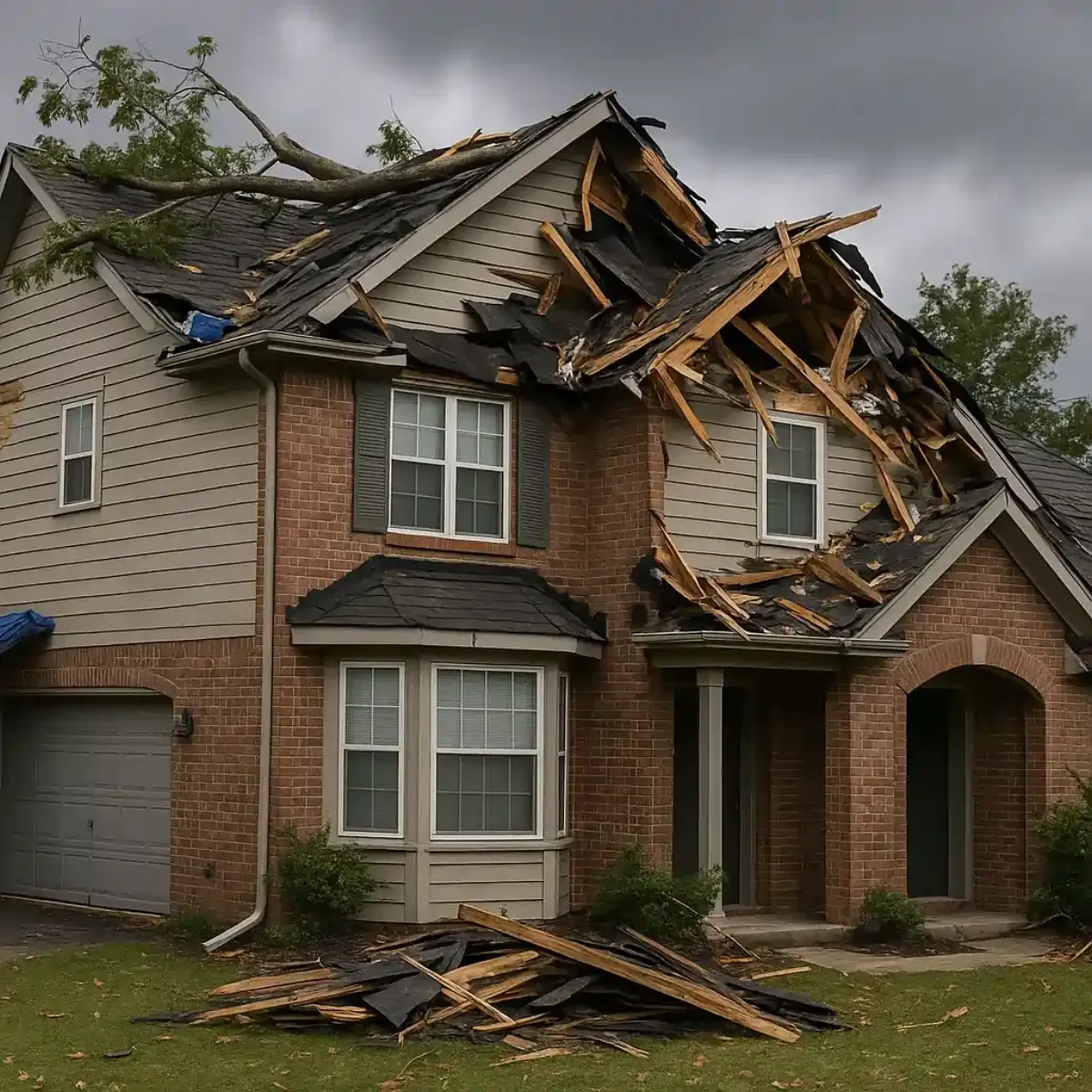
Steps to File a Building Insurance Claim after Storm Damage
Filing a building insurance claim after storm damage requires fast action, thorough documentation, and a clear understanding of your policy. This guide walks Australian homeowners through each step from initial safety checks to settlement negotiation and dispute resolution.
Insurance Claim Assessment

Expert Witnesses: Balancing Homeowner vs Insurance Disputes
Insurance disputes can leave homeowners feeling overwhelmed and outmatched. Expert witnesses provide independent, evidence-based analysis that levels the playing field between homeowners and insurance companies.
Need an independent assessment of property damage in Sydney? Owner Inspections provides detailed, unbiased insurance claim assessment reports across NSW. Our NSW Fair Trading licensed inspectors document the full extent of damage and provide independent repair cost estimates. Get a quote today or call us on 1300 471 805.
For a complete overview, see our guide to insurance claim assessments.
Need an Insurance Claim Assessment?
Our independent assessors cover Sydney, Melbourne, and all major Australian cities.