
After a natural disaster, dealing with the insurance claims process can feel overwhelming. However, knowing how the assessment works, what to prepare, and what your rights are makes a significant difference to the outcome. This guide provides practical, step-by-step advice for Gold Coast homeowners on working through the insurance claim assessment process from the moment damage occurs through to settlement or dispute resolution.
For a complete overview, see our guide to insurance claim assessments.
The Role of Insurance Assessments After Natural Disasters
After a natural disaster, the insurance assessor acts as the link between your loss and your insurance claim. The assessor is appointed by your insurer to evaluate the damage, determine its cause, and assess the cost of repairs or replacement.
What the Assessor Does
Photographic documentation
The assessor captures comprehensive photographs of all damage to create a visual record that supports the claim.
Measurement and evaluation
They measure the extent of physical damage to determine the scope of repair or replacement needed.
Discussion with the homeowner
The assessor will ask questions about the timeline of events, any immediate repairs you made, and specific concerns you have about the damage.
Policy review
The findings are compared against your policy's inclusions, exclusions, and limits to determine what is covered.
Report preparation
The assessor prepares a detailed report that forms the basis of your insurer's settlement offer.
Your Immediate Repairs
If you have made emergency repairs to prevent further damage (such as tarping a damaged roof or boarding up broken windows), the assessor will need to see documentation of these works.
How to Prepare for the Assessment
Good preparation can significantly improve the outcome of your insurance claim assessment.
- Assemble all evidence including photographs taken immediately after the disaster, contractor estimates, and receipts for emergency repairs
- Write a brief timeline of events describing what happened and the actions you took
- Make yourself available for the assessor's visit and plan to be present for the entire inspection
- Walk the assessor through each damaged area, explaining what the property looked like before the event and what changed
- Have your insurance policy and Product Disclosure Statement (PDS) accessible so you can reference specific clauses
You have the right to request a second assessment if you believe the initial assessment does not accurately reflect the damage. An independent building inspection report can also be used to support your position.
Tips for a Smooth Assessment Process
Lodging Your Claim
Once the assessment is complete, you can proceed with lodging your formal claim.
- Submit all documentation including the assessor's report, your photographs, repair receipts, and any independent assessments
- Keep a claims diary recording every interaction with your insurer, including names, dates, and what was discussed
- Request your claim reference number in writing
- Stay in regular contact with your insurer to check progress
Review the Settlement Offer
When the insurer issues a settlement offer, it will usually be in one of two forms:
| How It Works | Considerations | |
|---|---|---|
| Cash Settlement | The insurer pays you an agreed amount and you arrange your own repairs | Gives you control over contractor selection and timing. Check that the amount covers the full cost of repairs. |
| Insurer-Managed Repairs | The insurer appoints contractors to carry out the repairs on your behalf | You have less control over who does the work. Check the scope of work matches the damage documented in the assessment. |
If the offer does not reflect the true cost of repairs, request a written breakdown of how the amount was calculated and submit additional quotes or an independent assessment for review.
What to Do If Your Claim Is Denied
A denied claim is not the end of the process. There are clear steps you can take to challenge the decision.
Request a written explanation
Ask your insurer to explain in writing exactly why the claim was denied or the amount reduced.
Lodge a formal complaint with your insurer
Use the insurer's Internal Dispute Resolution (IDR) process. They are required to respond within set timeframes.
Escalate to AFCA
If the internal process does not resolve the issue, lodge a complaint with the Australian Financial Complaints Authority (AFCA). AFCA provides free dispute resolution services and its decisions are binding on the insurer.
Get an independent assessment
An independent building inspection report from a qualified inspector can provide unbiased evidence to support your case during the dispute process.
Keep records of every interaction with your insurer. Documentation of dates, names, and conversations is invaluable if the matter escalates to AFCA or legal proceedings.
The Value of Independent Assessments
Many homeowners rely solely on the assessment provided by their insurer. However, an independent insurance claim assessment offers several advantages.
Pros
- Provides an unbiased, objective evaluation of the damage free from any vested interest
- Often uncovers damage that the insurer's assessor may have overlooked or undervalued
- Serves as a credible second opinion if you disagree with the insurer's findings
- Strengthens your position in negotiations, disputes, or AFCA complaints
- Can lead to a more accurate damage valuation and a fairer settlement
Cons
- Involves an upfront cost for the independent assessment
- You need to choose a qualified, experienced inspector for the report to carry weight
Common Gold Coast Disaster Types and Coverage
The Gold Coast is exposed to a range of natural disaster events. Understanding which events your policy covers is important for setting expectations.
| Typical Coverage | Common Issues | |
|---|---|---|
| Storms and Hail | Generally covered under standard building insurance | Disputes over pre-existing roof damage versus storm damage |
| Flooding | Often excluded or requires separate flood cover at additional premium | Definition of "flood" vs "stormwater" can be contentious |
| Cyclones | Generally covered, but may have higher excess amounts in cyclone-prone areas | High claim volumes after cyclone events can cause significant processing delays |
| Bushfires | Generally covered under standard building insurance | Properties in high-risk zones may face higher premiums or conditions |
Key Takeaways
- The Gold Coast is one of Australia's most disaster-affected regions, making insurance claim assessments a common reality for homeowners.
- Document all damage thoroughly with photographs, video, and written records before making any repairs.
- Be present during the insurance assessment and walk the assessor through every area of damage.
- Review your Product Disclosure Statement to understand what is covered and what is excluded before lodging your claim.
- If your claim is denied or undervalued, you can escalate through the insurer's internal dispute process or to AFCA for free.
- An independent building inspection report provides unbiased evidence that can strengthen your claim or support a dispute.
- Keep a claims diary recording every interaction with your insurer, including names, dates, and outcomes.
Frequently Asked Questions
What should I do first after a natural disaster damages my Gold Coast property?
Prioritise the safety of yourself and your family. Once it is safe, document all damage with photographs and video before cleaning up or making any repairs. Contact your insurer within 24 to 48 hours to begin the claims process.
How soon should I contact my insurance provider after a disaster?
Contact your insurer as soon as possible, ideally within 24 to 48 hours. Early notification ensures your claim is lodged and prioritised. During large-scale disaster events, insurers handle thousands of claims simultaneously, so lodging early gives you a better position in the queue.
Can local authority reports help with my insurance claim?
Yes. Local council reports, Bureau of Meteorology data, and SES records can provide independent evidence of the disaster event and its severity. These official records support the timeline and nature of your claim.
Does insurance cover temporary accommodation on the Gold Coast?
Many home insurance policies include temporary accommodation cover (also called Additional Living Expenses) if your home is deemed uninhabitable. This can cover hotel stays, short-term rental, meals, and transport. Check your PDS for specific limits and conditions, and get written approval from your insurer before incurring costs.
How does insurance determine the value of damaged items?
Insurers typically use a formula based on the item's age, original cost, and current condition. Some policies offer replacement value (the cost to buy the same item new), while others use indemnity value (the current market value of the item). Check your policy for the valuation method it uses.
Should I hire a lawyer for my insurance claim?
A lawyer is not required for most claims, but legal advice can be helpful in complex cases or when disputes arise. If your claim is denied or significantly reduced and the internal dispute process and AFCA do not resolve the issue, legal representation may be worth considering.
What if my insurance provider is unresponsive?
If your insurer is not responding to your communications, escalate by contacting their complaints department or customer service supervisor. Document all attempts to contact them. If the issue persists, you can lodge a complaint with AFCA, which can compel the insurer to respond.
Will my premiums increase after filing a claim?
Premiums may increase after a claim, but this depends on the insurer, the type of claim, and your claims history. Some insurers offer a "no claims bonus" that protects your premium after a first claim. Review your policy or speak with your insurer to understand how a claim may affect your future premiums.
Should I get an independent insurance claim assessment on the Gold Coast?
Yes. An independent assessment provides an unbiased evaluation of the damage, which can highlight issues the insurer's assessor may have missed or undervalued. This is particularly valuable if you disagree with the insurer's findings or if your claim is disputed. The cost of an independent assessment is often recovered through a more accurate and fair settlement.
What is AFCA and how can it help Gold Coast homeowners?
The Australian Financial Complaints Authority (AFCA) is a free, independent dispute resolution service for financial complaints, including insurance disputes. If your insurer denies your claim or offers an unfair settlement and their internal complaint process does not resolve it, you can escalate to AFCA. Their decisions are legally binding on the insurer.
References and Resources
- Australian Financial Complaints Authority (AFCA) - Free dispute resolution for insurance complaints
- Queensland Government - Disaster Management - Disaster information and recovery support
- Insurance Council of Australia - Disaster statistics and claims data
- Queensland Building and Construction Commission (QBCC) - Building regulation in Queensland
Related Articles
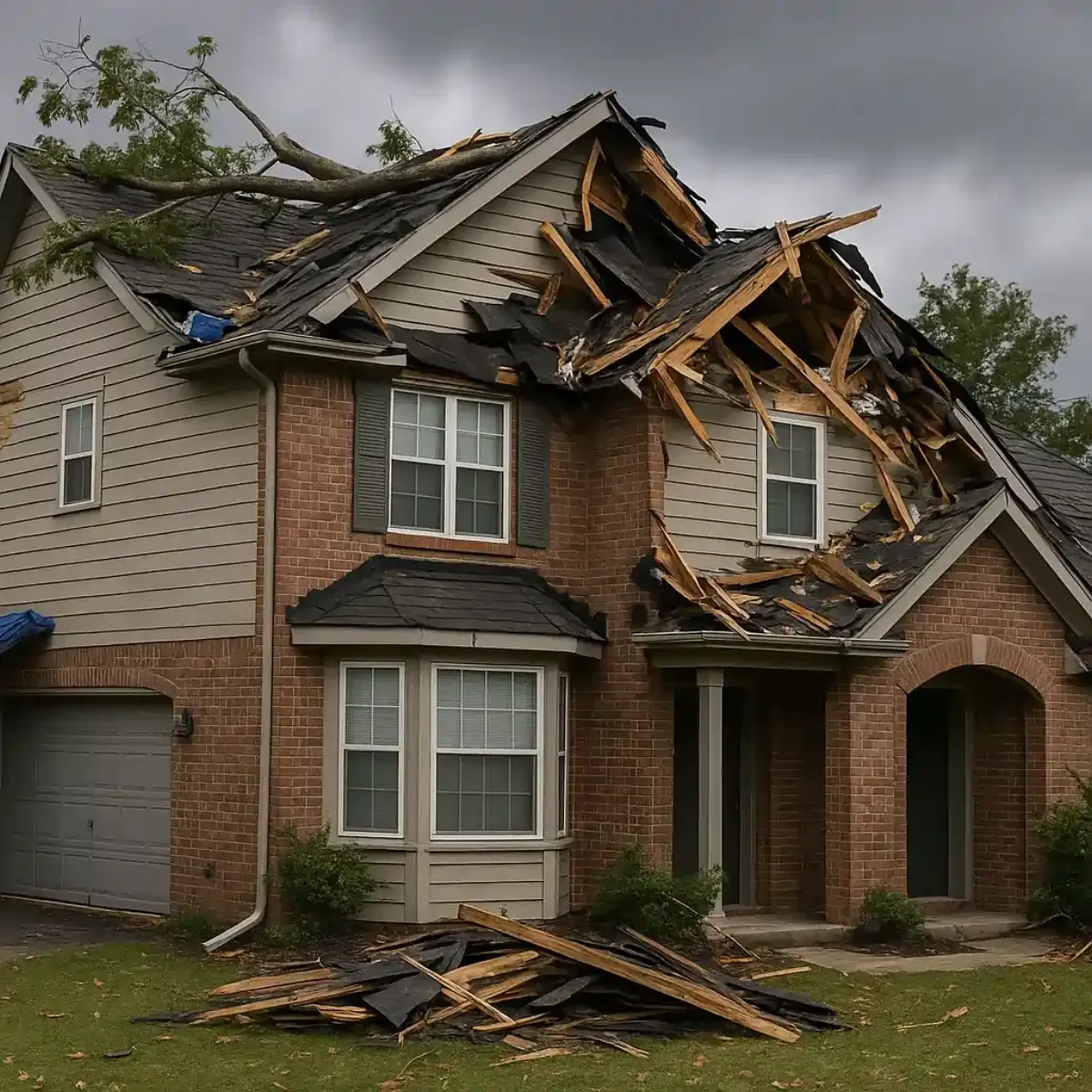
Steps to File a Building Insurance Claim after Storm Damage
Filing a building insurance claim after storm damage requires fast action, thorough documentation, and a clear understanding of your policy. This guide walks Australian homeowners through each step from initial safety checks to settlement negotiation and dispute resolution.

Expert Witnesses: Balancing Homeowner vs Insurance Disputes
Insurance disputes can leave homeowners feeling overwhelmed and outmatched. Expert witnesses provide independent, evidence-based analysis that levels the playing field between homeowners and insurance companies.
Insurance Claim Assessment
Need an independent assessment of property damage on the Gold Coast? Owner Inspections provides detailed, unbiased insurance claim assessment reports across Queensland. Our licensed inspectors document the full extent of damage and provide independent repair cost estimates to support your claim. Get a quote today or call us on 1300 471 805.
For a complete overview, see our guide to insurance claim assessments.
Need an Insurance Claim Assessment?
Our independent assessors cover Sydney, Melbourne, and all major Australian cities.