

Melbourne's climate can be unpredictable. The city regularly experiences severe weather events that cause significant property damage, from roof and gutter destruction to flooding, tree strike impacts, and hail damage to external surfaces. When damage occurs, the insurance claims process can be stressful and confusing, particularly if you have not been through it before. This guide walks Melbourne property owners through each stage of the insurance assessment process, from first contact with your insurer to settlement and dispute resolution.
For a complete overview, see our guide to insurance claim assessments.
Common Causes of Property Damage in Melbourne
Melbourne is exposed to a range of weather and environmental events that cause property damage. Understanding the common causes helps you prepare and document claims more effectively.
| Damage Types | Frequency | |
|---|---|---|
| Severe Storms and Wind | Roof tile displacement, gutter damage, fallen trees and branches, broken windows, fence damage | Several times per year, particularly in spring and summer |
| Hail | Dented roofing, cracked tiles, damaged skylights, vehicle damage, external surface pitting | Periodic severe events, especially from October to March |
| Flash Flooding | Water ingress through floors and walls, sub-floor flooding, damaged flooring and contents, mould growth | During heavy rainfall events, particularly in low-lying suburbs |
| Burst Pipes and Water Damage | Internal water damage to walls, ceilings, floors, and contents. Mould development if not dried quickly. | Year-round, increased during winter from frozen pipes and older plumbing |
| Fire | Structural damage, smoke damage to contents, total or partial property loss | Less common but high severity when it occurs |
How the Insurance Assessment Process Works
The insurance assessment process in Melbourne follows the same general framework used across Australia, but local factors such as weather patterns, property types, and the Victorian regulatory environment add specific considerations.
Report the damage to your insurer
Contact your insurer within 24 to 48 hours of the event. Provide basic details of what happened and the type of damage. Request your claim reference number.
Document everything
Photograph and video all damage before making any repairs. Create an inventory of damaged items with descriptions and estimated values.
Make temporary repairs only
Prevent further damage by tarping roofs, boarding windows, or removing water. Keep all receipts and document the work with photos.
Assessor visit
The insurer appoints an assessor to inspect your property. They document the damage, take measurements, and compare findings against your policy.
Settlement offer
Based on the assessor's report, your insurer issues a settlement offer as either a cash payment or insurer-managed repairs.
Review and negotiate
Review the offer carefully. If it does not reflect the true cost of repairs, negotiate using independent estimates and documentation.
Documenting Property Damage
Thorough documentation is the single most important factor in a successful insurance claim. Poor records are one of the most common reasons for claim denial or reduced payouts.
Take photos and video before cleaning up or making any repairs. The insurer needs to see the damage as it occurred. Cleaning up first can reduce the visual impact of the damage and weaken your claim.
Working with the Insurance Assessor
The assessor's report is the primary document your insurer uses to determine your settlement. How you interact with the assessor can influence the outcome.
- Be present during the assessment so you can walk the assessor through every area of damage
- Provide your photographic evidence, item inventory, and repair receipts
- Point out damage the assessor may not immediately notice, such as internal water damage or damage in concealed areas
- Ask questions about the process and timeline
- Take your own notes during the visit and request a written summary of the assessor's findings
- Obtain independent repair quotes from licensed tradespeople to compare against the assessor's estimates
Understanding Your Policy
Before lodging your claim, review your Product Disclosure Statement (PDS) to understand what is covered and what is excluded.
| Building Insurance | Contents Insurance | |
|---|---|---|
| Typically Covered | Structural damage from storms, fire, impact, and accidental damage | Personal belongings and fixtures damaged by insured events |
| Common Exclusions | Pre-existing defects, wear and tear, gradual deterioration, damage from lack of maintenance | Items stored outside, unspecified high-value items, intentional damage |
| Often Requires Extra Cover | Flood damage (rising water), actions of the sea, subsidence | Accidental damage, motor burnout, portable electronics outside the home |
Underinsurance is a significant problem in Melbourne. Make sure your building sum insured reflects the current full replacement cost of your home, not its market value. The Insurance Council of Australia estimates that up to 80% of Australian homes may be underinsured.
The Settlement Offer
Once the assessor's report is complete, your insurer will issue a settlement offer. This is typically presented as either a cash payment (you arrange your own repairs) or insurer-managed repairs (the insurer appoints contractors).
Reviewing the Offer
- Request a written breakdown of how the settlement amount was calculated
- Compare the offer against your independent repair quotes
- Check that all documented damage is accounted for in the offer
- Verify that the calculation uses the correct valuation method (replacement value vs indemnity value)
If the offer is lower than your documented costs, you can negotiate by providing additional evidence, independent repair estimates, or an independent building inspection report.
Independent Assessments for Melbourne Claims
An independent insurance claim assessment provides an unbiased evaluation of your property damage by a qualified building inspector who works for you, not the insurer.
Pros
- Provides objective, independent evidence of the damage and repair costs
- Identifies damage the insurer's assessor may have missed or undervalued
- Strengthens your position in negotiations and disputes
- Can lead to a higher and fairer settlement amount
- Carries weight as evidence in VCAT proceedings or AFCA complaints
Cons
- Requires an upfront investment for the independent report
- The inspector must be VBA-registered and experienced for the report to be credible
Disputing a Claim Decision
If your claim is denied or the settlement offer is unfair, Melbourne homeowners have a clear dispute resolution pathway.
Request a written explanation
Ask your insurer to explain in writing exactly why the claim was denied or the amount was reduced.
Lodge an internal complaint
Use the insurer's Internal Dispute Resolution (IDR) process. They are required to respond within set timeframes under the General Insurance Code of Practice.
Escalate to AFCA
If the internal process does not resolve the issue, lodge a complaint with the Australian Financial Complaints Authority (AFCA). AFCA provides free, independent dispute resolution and its decisions are binding on the insurer.
Get an independent building inspection report
An independent report from a VBA-registered inspector provides unbiased evidence that can support your case at any stage of the dispute process.
Key Takeaways
- Melbourne's weather patterns, including storms, hail, flooding, and high winds, frequently cause property damage that triggers insurance claims.
- Document all damage thoroughly with photographs, video, and written records before making any repairs.
- Report damage to your insurer within 24 to 48 hours and keep a claims diary of every interaction.
- Be present during the assessor's visit and provide all your evidence and documentation.
- Review your PDS to understand what is covered and what is excluded before lodging your claim.
- The initial settlement offer is negotiable. Use independent repair quotes and documentation to support a counter-offer.
- An independent building inspection report from a VBA-registered inspector provides unbiased evidence that strengthens your claim.
- If your claim is denied or undervalued, escalate through the insurer's IDR process, then to AFCA for free binding resolution.
Frequently Asked Questions
What should I do first when my Melbourne property is damaged?
Make sure you and your family are safe. Once it is safe, document all damage with photographs and video before cleaning up or making any repairs. Contact your insurer within 24 to 48 hours to begin the claims process. Make only temporary repairs to prevent further damage and keep receipts for all costs.
How long does the insurance assessment process take in Melbourne?
The timeline varies depending on the severity and scale of the damage and whether there has been a widespread weather event. For individual claims, the assessor typically visits within one to two weeks of lodgement. After large-scale events, processing times can be longer due to high claim volumes. The full process from lodgement to settlement can take weeks to months.
Does standard home insurance cover flood damage in Melbourne?
Not always. Many standard policies exclude flood damage (defined as inundation from rising water, riverine flooding, or overflowing watercourses). Some policies offer flood cover as an optional add-on at additional premium. Stormwater damage (water entering from rain runoff) is often covered under standard policies. Check your PDS carefully for the specific definitions used by your insurer.
Can I choose my own contractor for repairs after an insurance claim?
This depends on the type of settlement your insurer offers. With a cash settlement, you can choose your own licensed contractors. With insurer-managed repairs, the insurer appoints contractors on your behalf. If you prefer to use your own tradespeople, discuss this with your insurer when reviewing the settlement offer.
What is the difference between replacement value and indemnity value?
Replacement value is the cost to replace or rebuild the damaged property or item with new, equivalent materials at current prices. Indemnity value is the current market value of the damaged item, taking into account age, wear, and depreciation. Replacement value policies generally provide higher payouts. Check your policy to confirm which valuation method applies.
How can an independent assessment help my Melbourne insurance claim?
An independent building inspection report provides an unbiased evaluation of the damage and repair costs from a qualified inspector who works for you, not the insurer. This can identify damage the insurer's assessor missed, provide a more accurate repair valuation, and strengthen your position if you need to negotiate or dispute the settlement.
What is AFCA and how can it help Melbourne homeowners?
The Australian Financial Complaints Authority (AFCA) is a free, independent dispute resolution body that handles complaints about insurance and other financial services. If your insurer denies your claim or offers an unfair settlement and their internal complaint process does not resolve the issue, you can lodge a complaint with AFCA. Their decisions are legally binding on the insurer.
Will my insurance premiums increase after making a claim in Melbourne?
Premiums may increase after a claim, though this varies by insurer and depends on your claims history, the type of event, and your specific policy terms. Some insurers offer claim-free or no-claims bonus protections. Review your policy or speak with your insurer to understand the potential impact on your premiums.
How do I know if I am underinsured in Melbourne?
Underinsurance occurs when your building sum insured is less than the actual cost to rebuild your home at current prices. The Insurance Council of Australia estimates that a large proportion of Australian homes are underinsured. Review your sum insured regularly and compare it against current building costs in your area. A quantity surveyor or your insurer can help you calculate the correct figure.
Does temporary accommodation get covered by Melbourne home insurance?
Many home insurance policies include temporary accommodation cover (also called Additional Living Expenses) if your home is uninhabitable after an insured event. This can cover hotel costs, short-term rental, meals, and transport for a period of 30 to 90 days depending on your policy. Check your PDS for specific limits and get written approval from your insurer before incurring costs.
References and Resources
- Australian Financial Complaints Authority (AFCA) - Free dispute resolution for insurance complaints
- Victorian Building Authority (VBA) - Regulator for building in Victoria
- Insurance Council of Australia - Disaster statistics, claims data, and underinsurance information
- Bureau of Meteorology - Victoria - Weather data and severe weather information for Melbourne
Related Articles
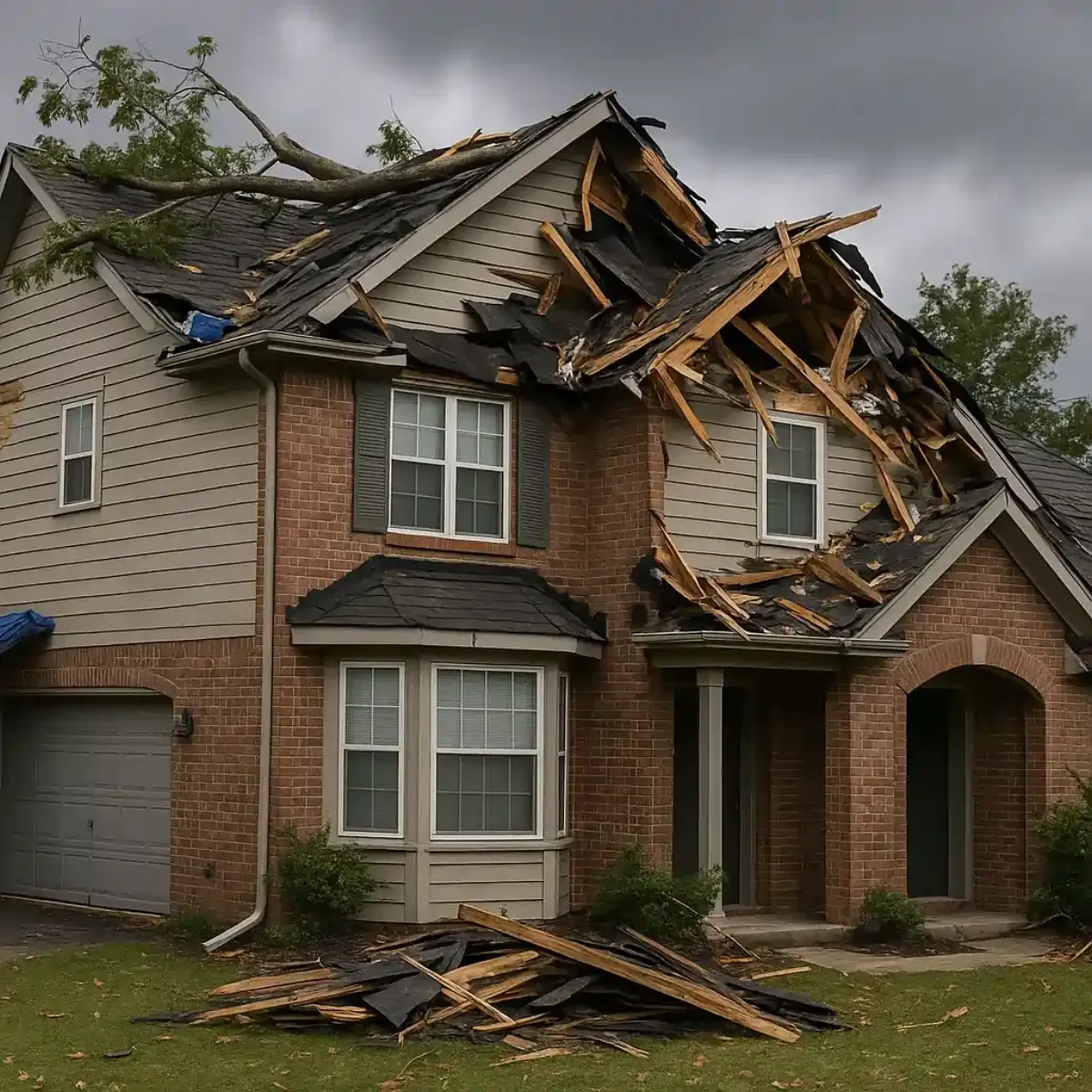
Steps to File a Building Insurance Claim after Storm Damage
Filing a building insurance claim after storm damage requires fast action, thorough documentation, and a clear understanding of your policy. This guide walks Australian homeowners through each step from initial safety checks to settlement negotiation and dispute resolution.

Expert Witnesses: Balancing Homeowner vs Insurance Disputes
Insurance disputes can leave homeowners feeling overwhelmed and outmatched. Expert witnesses provide independent, evidence-based analysis that levels the playing field between homeowners and insurance companies.
Insurance Claim Assessment
Need an independent assessment of property damage in Melbourne? Owner Inspections provides detailed, unbiased insurance claim assessment reports across Melbourne and Victoria. Our VBA-licensed inspectors document the full extent of damage and provide independent repair cost estimates to support your claim. Get a quote today or call us on 1300 471 805.
For a complete overview, see our guide to insurance claim assessments.
Need an Insurance Claim Assessment?
Our independent assessors cover Sydney, Melbourne, and all major Australian cities.