
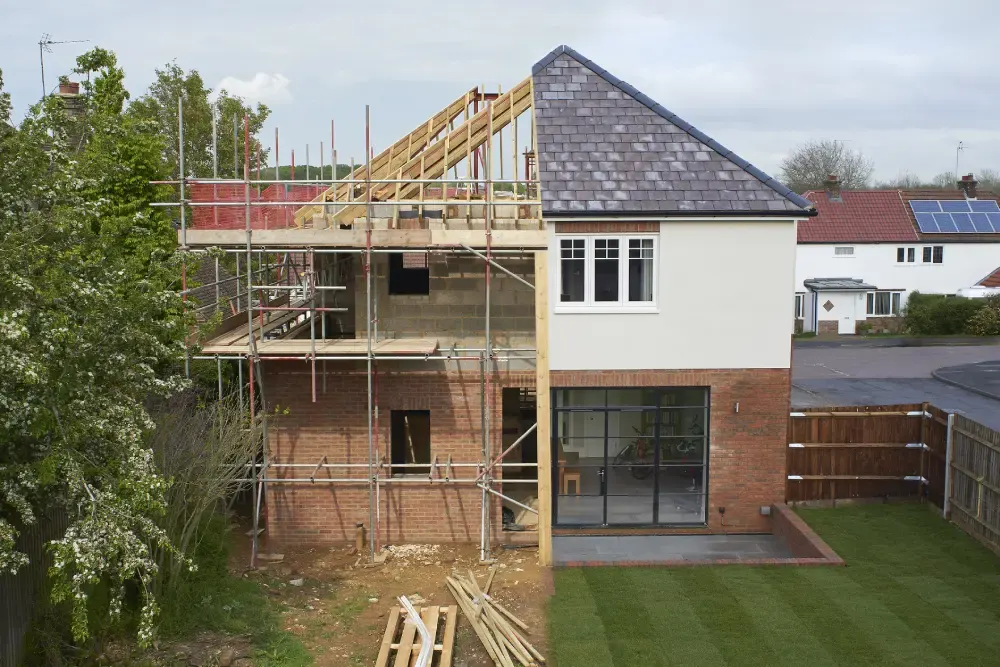
Understanding what an insurance inspection involves, what inspectors look for, and how to prepare your property can make the difference between comprehensive coverage at a fair premium and costly gaps in your insurance protection. This guide covers the full process from pre-inspection preparation to post-inspection actions.
For a complete overview, see our guide to insurance claim assessments.
What Is a Building Insurance Inspection?
A building insurance inspection is a professional assessment that evaluates a property's condition, safety features, and code compliance to help insurers determine the level of risk associated with providing coverage.
Key Components Assessed
- Structural elements: Foundation, load-bearing walls, roofing, and support structures examined for integrity
- Electrical systems: Wiring, circuit breakers, and overall electrical safety checked for fire hazard prevention
- Plumbing and drainage: Leak detection, pipe condition, and plumbing code adherence assessed to avoid water damage
- Fire safety measures: Smoke alarms, fire exits, sprinkler systems, and suppression measures reviewed for compliance
- Building code compliance: The property is checked against the NCC and local council regulations
- Environmental risks: Properties in flood zones, bushfire-prone areas, or cyclone regions are evaluated for risk mitigation strategies
Why Insurance Inspections Matter
Compliance with the NCC
Compliance with the National Construction Code is a baseline for maintaining property value, securing insurance coverage, and preventing legal disputes. The NCC sets minimum building safety standards that all properties must meet.
Identifying Risks and Hazards
A comprehensive inspection can reveal foundational weaknesses, ageing infrastructure, faulty electrical systems, and plumbing failures. Identifying these issues early prevents costly damage claims and improves property safety.
Impact on Premiums
Insurance companies use inspection reports to assess risk levels. The condition and compliance of your property directly affects what you pay for coverage.
| Risk Level | Premium Impact | Claims Risk | |
|---|---|---|---|
| Well-Maintained, Code-Compliant Property | Lower | Eligible for lower premiums and broader coverage | Reduced likelihood of claims and disputes |
| Property with Unresolved Hazards | Higher | Higher premiums, reduced coverage, or coverage denial | Increased likelihood of claims and potential disputes |
What Inspectors Look For
Inspectors evaluate the following areas during an insurance inspection:
The Inspection Process
Pre-Inspection Preparations
Gather documentation
Collect prior inspection reports, maintenance records, and building permits. Having these ready speeds up the process and demonstrates a history of property care.
Conduct a self-assessment
Walk through the property and note any visible defects, such as leaking taps, cracked walls, or non-functional smoke alarms. Fixing these before the inspection can improve your outcome.
Provide clear access
Ensure the inspector can reach all areas of the property including attics, crawl spaces, utility systems, switchboards, and hot water units.
Post-Inspection Procedures
After the inspection, the inspector provides a detailed report highlighting areas that require repairs or upgrades. Property owners receive recommendations for corrective actions. The insurance company uses the findings to determine eligibility, coverage terms, and pricing.
Common Issues Found
Structural Deficiencies
Cracks in foundations, sagging roofs, and unstable load-bearing walls are common structural issues that can affect the building's integrity and insurance assessment.
Non-Compliance with Building Codes
The NCC establishes national standards for safety, accessibility, sustainability, and durability. Properties that do not meet these standards face difficulties obtaining or renewing insurance.
Fire Safety Concerns
Poorly installed smoke alarms, inadequate fire escapes, improper storage of flammable materials, and missing safety switches significantly increase fire risk and affect insurance premiums.
Electrical and Plumbing Issues
Outdated electrical wiring, circuit overloads, and plumbing leaks can lead to severe property damage and safety hazards. These issues are among the most common findings in insurance inspections and often require remediation before coverage can be secured.
Consequences of Failing an Inspection
- Required remedial actions: Owners must complete repairs and ensure compliance before securing or renewing coverage
- Project delays: For new constructions or renovations, inspection failures can delay occupancy approvals
- Financial penalties: Unaddressed issues can result in denied claims, higher premiums, or reduced property value
How to Prepare
Cost of Insurance Inspections
The cost of a building insurance inspection depends on several factors:
- Property size and architectural complexity
- Scope of the inspection (structural, electrical, fire safety, or combined)
- Geographic location and local regulatory requirements
Regular inspections can enhance property value, reduce insurance premiums over time, and prevent costly emergency repairs. The investment in a periodic inspection is significantly lower than the cost of a denied claim or an unexpected structural failure.
| Typical Scope | Recommended Frequency | |
|---|---|---|
| Residential Property | Structural, electrical, plumbing, and fire safety | Every 3 to 5 years |
| Commercial Property | All residential items plus accessibility, fire suppression, and NCC compliance | Every 1 to 3 years, depending on use and risk profile |
Key Takeaways
- Building insurance inspections assess structural integrity, safety compliance, and risk factors to determine coverage and premiums.
- Properties that meet the NCC and maintain good safety records qualify for lower premiums and broader coverage.
- Common issues include structural deficiencies, fire safety concerns, electrical and plumbing faults, and non-compliance with building codes.
- Failing an inspection can result in required remedial actions, denied claims, higher premiums, or reduced coverage.
- Preparing in advance by fixing minor defects, gathering documentation, and providing clear access improves the outcome.
- Residential properties should be inspected every 3 to 5 years; commercial properties every 1 to 3 years.
- Regular inspections are more cost-effective than dealing with denied claims or emergency repairs.
Frequently Asked Questions
What happens if you fail a building insurance inspection?
Failure may require mandatory repairs and reassessment before you can secure or renew insurance. The insurer may also increase your premium, reduce your coverage, or decline to insure the property until the identified issues are resolved.
How often should building insurance inspections be conducted?
Routine inspections every 3 to 5 years help maintain compliance and ensure insurance eligibility for residential properties. Commercial properties should be inspected every 1 to 3 years depending on their use and risk profile.
Can I use my own inspector for insurance purposes?
Most insurers accept reports from certified, independent inspectors, but they may require specific qualifications or accreditations. Check with your insurer to confirm their requirements before engaging an inspector.
What is included in an insurance inspection checklist?
An inspection checklist typically covers structural integrity, electrical systems, plumbing, fire safety, smoke alarms, emergency exits, and NCC compliance. Environmental risk factors such as flood and bushfire exposure are also assessed for properties in high-risk locations.
How do building codes impact insurance premiums?
Properties that meet the NCC and local building regulations often qualify for lower premiums and better coverage options. Non-compliant properties represent a higher risk to insurers and typically face higher premiums, exclusions, or coverage limitations.
Are there different requirements for commercial properties?
Yes. Commercial properties have additional safety, accessibility, and fire compliance standards beyond those required for residential buildings. The NCC sets specific requirements for commercial and public buildings, and insurance inspections for these properties are typically more detailed and frequent.
What qualifications should a building insurance inspector have?
A licensed building inspector with experience in NCC compliance and risk assessment is ideal. They should be accredited by the relevant state body, carry professional indemnity insurance, and have a track record of providing detailed, independent reports.
How can I improve my property's insurance assessment?
Regular maintenance, up-to-date safety features such as smoke alarms and safety switches, compliance with NCC standards, and proactive repair of identified defects all contribute to a better assessment and lower insurance costs.
What is the role of the Australian Building Codes Board (ABCB)?
The ABCB oversees national building regulations, manages updates to the National Construction Code, and ensures consistent compliance standards across Australian states and territories. Their guidelines form the baseline for building safety that insurers rely on when assessing properties.
Does insurance cover pre-existing defects found during an inspection?
No. Insurance policies typically exclude pre-existing defects and wear and tear. The purpose of the inspection is to identify these issues so they can be addressed before they lead to a larger claim. Fixing identified defects improves your coverage position and reduces the risk of a denied claim in the future.
References and Resources
- National Construction Code (NCC) - Australian Building Codes Board
- Australian Building Codes Board (ABCB) - Building regulation and NCC oversight
- Insurance Council of Australia - Industry guidance and consumer resources
- NSW Fair Trading - Building and Renovating - Building compliance and consumer protection
- Victorian Building Authority (VBA) - Building regulations and inspections in Victoria
Related Articles
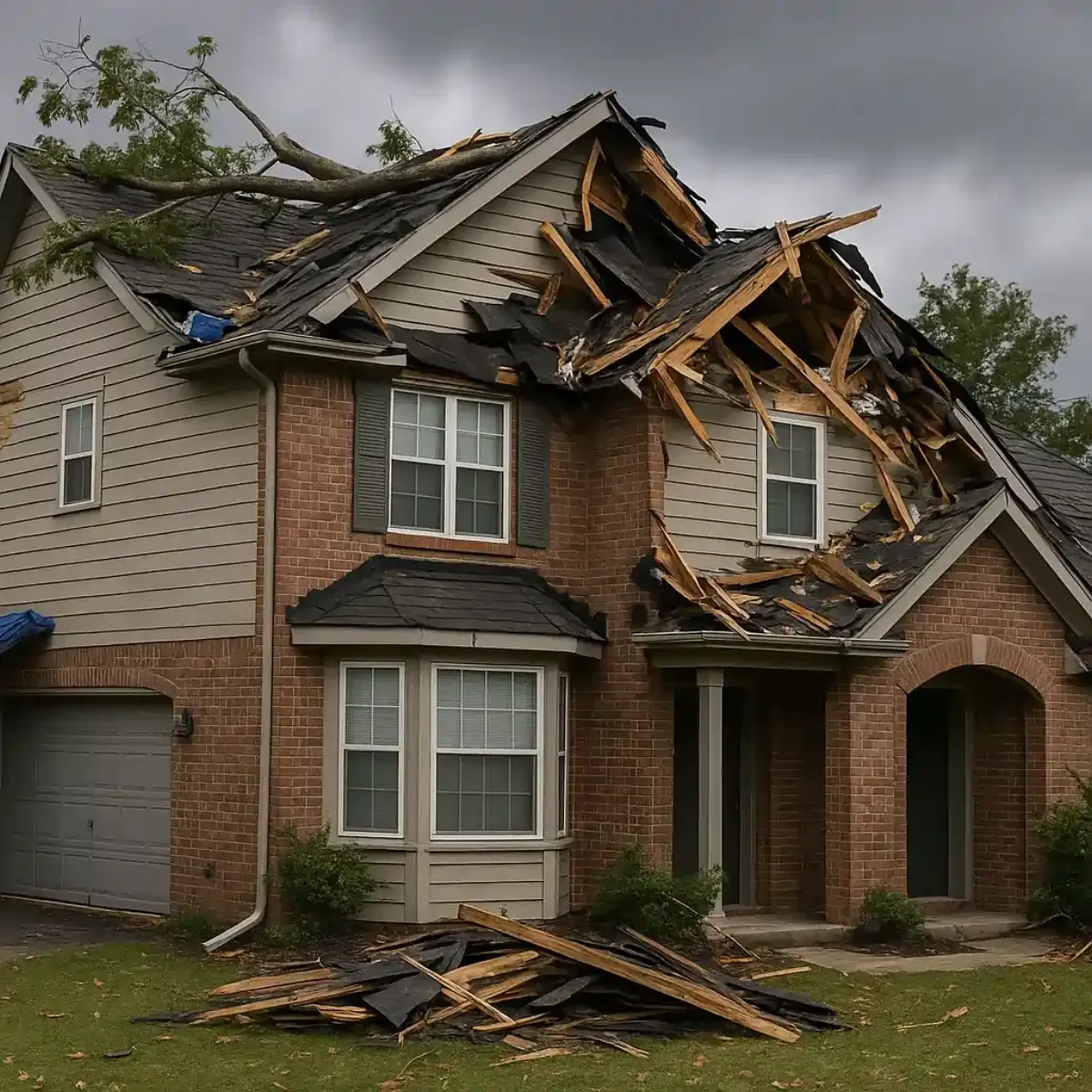
Steps to File a Building Insurance Claim after Storm Damage
Filing a building insurance claim after storm damage requires fast action, thorough documentation, and a clear understanding of your policy. This guide walks Australian homeowners through each step from initial safety checks to settlement negotiation and dispute resolution.
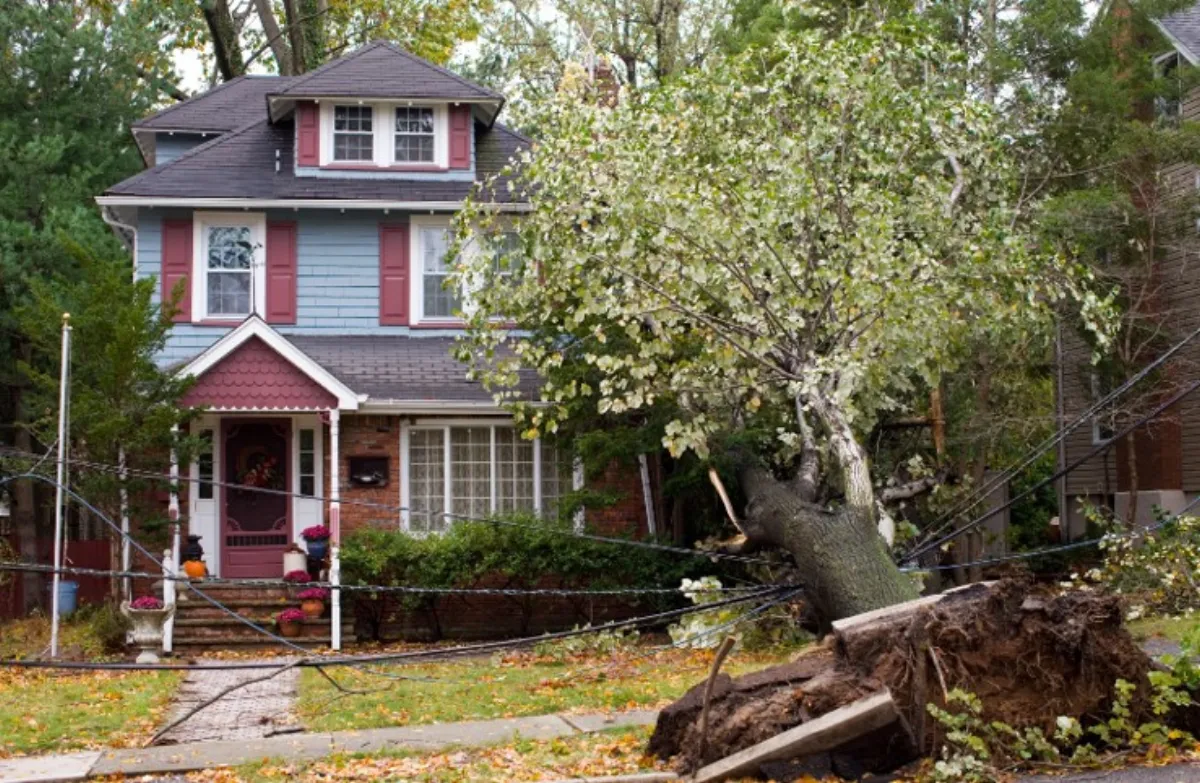
Guide to Insurance Claim Assessments for Property Damage
Property damage insurance claims in Australia have surged due to extreme weather events. This guide walks you through the assessment process, from documenting damage to disputing low settlement offers, so you can secure fair compensation.

How Do Insurance Companies Assess Claims in Australia?
Insurance claim assessments in Australia follow a structured six-stage process from lodgement to settlement. Understanding each step helps builders, contractors, and property owners prepare stronger claims and avoid common pitfalls that lead to underpayment or denial.
Need an independent building inspection to support your insurance application or renewal? Owner Inspections provides detailed assessments of structural integrity, safety compliance, and building code adherence across NSW, Victoria, and Queensland. Our reports give insurers the evidence they need to offer you the best coverage. Get an insurance inspection quote or call us on 1300 471 805.
For a complete overview, see our guide to insurance claim assessments.
Need an Insurance Claim Assessment?
Our independent assessors cover Sydney, Melbourne, and all major Australian cities.