

Home insurance, also called building insurance, can help pay for repairing or rebuilding a house when something goes wrong, but buyers should compare what is and is not covered before choosing a policy.
Structural insurance claims often become difficult because the damage is serious, expensive, and open to dispute. One assessor may call it storm damage. Another may say it is old movement, poor drainage, defective workmanship, or a pre-existing fault.
For homeowners, buyers and property investors, the key question is simple: is structural damage covered by home insurance, or will the insurer reject the claim?
This guide explains what may be covered, what is often excluded, why claims get denied, and how an insurance claim building inspection or independent insurance claim inspection can support your case.
Need Clear Evidence for a Building Defect Claim?
A defect investigation report can help document visible defects, likely causes and the next steps before a builder, insurer or tribunal dispute becomes harder to prove.
Investigation
Does Home Insurance Cover Structural Damage?
Home insurance may cover structural damage when the damage is caused by an insured event listed in the policy, such as storm, fire, lightning, impact, earthquake or another covered event. MoneySmart notes that most home insurance covers storms, including damage from strong winds, rainwater, hail and cyclones, and most home and contents policies cover fire damage.
Home insurance may not cover structural damage if the issue is linked to wear and tear, gradual deterioration, poor maintenance, faulty workmanship, natural settlement, pre-existing defects, or exclusions listed in the policy. AFCA decisions regularly consider exclusions such as wear and tear, gradual deterioration, lack of maintenance, structural defects and poor workmanship in home insurance disputes.
That means does insurance cover structural damage is not answered by the size of the crack alone. It is answered by the cause, evidence, policy wording and timing.
| Damage type | More likely to be considered | Often disputed or excluded |
|---|---|---|
| Storm-damaged roof framing | Sudden insured event | Poor roof maintenance |
| Fire-damaged structural timbers | Insured fire event | Non-compliant installation issues |
| Foundation cracking after a burst pipe | Sudden water event, depending on policy | Long-term soil movement |
| Wall cracks from tree root movement | Often disputed | Gradual ground movement |
| Defective load-bearing wall | Warranty or builder issue | Standard home insurance exclusion |
| Sinking foundation | Depends on cause | Settlement, drainage, soil movement |
Structural Insurance Claims vs Standard Home Insurance
The phrase structural insurance claims is often used broadly, but it can refer to several different types of cover.
Standard home insurance usually deals with insured events that damage the building. Domestic building insurance, home building compensation or home warranty insurance deals with certain defective or incomplete building work, depending on the state and the trigger event.
In NSW, home building compensation protects homeowners and future homeowners for 6 years against major construction defects and 2 years for other losses from project completion.
In Victoria, domestic building insurance can cover costs up to $300,000 to fix structural defects for 6 years and non-structural defects for 2 years, but in many cases the builder remains responsible unless the builder has died, disappeared, become insolvent, or failed to comply with a final VCAT or court order under certain VMIA policies.
In Queensland, structural defects under the Queensland Home Warranty Scheme are covered if the owner becomes aware of the defect within 6 years and 6 months after the cover commencement day and makes the claim within 3 months of becoming aware.
| Question | Best-fit topic |
|---|---|
| Does house insurance cover structural damage after a storm? | Home insurance or building insurance |
| Does building insurance cover structural damage from fire? | Home insurance or building insurance |
| Does insurance cover unknown building faults? | Policy wording, evidence and timing |
| Are construction defect insurance claims covered? | Domestic building insurance or statutory warranty |
| Is poor workmanship insurance claim covered? | Usually disputed under standard home insurance |
| Are foundation issues covered by insurance? | Depends on cause and policy exclusions |
What Structural Damage Is Usually Covered?
Structural damage may be covered when it results from a sudden insured event and affects parts of the building such as foundations, walls, roof framing, support beams, floor systems or other load-bearing elements.
Examples may include:
- Storm damage that affects roofing or wall framing
- Fire damage to structural timbers or load-bearing walls
- Impact damage from a vehicle or fallen tree
- Accidental damage, if the policy includes accidental damage cover
- Water damage from a sudden insured event, depending on the policy
Your insurer will review your claim to decide whether your policy covers the event or circumstances you are claiming for.
What Structural Damage Is Usually Not Covered?
Many structural damage disputes arise because the insurer argues that the problem was not caused by an insured event.
Common exclusions include:
- Normal wear and tear
- Gradual deterioration
- Poor maintenance
- Long-term leaks
- Pre-existing structural issues
- Hidden defect insurance disputes
- Defective design or poor workmanship
- Unauthorised renovations
- Natural settlement or soil movement
- Tree root damage or poor drainage around footings
Financial Rights Legal Centre says insurers may refuse a home or contents claim because of misrepresentation, a policy condition or exclusion clause, a cancelled policy, or fraud.
Does Insurance Cover Unknown Building Faults?
Does insurance cover unknown building faults? Sometimes, but not always.
An unknown building fault may still be excluded if it existed before the policy started, developed slowly, came from poor workmanship, or should have been found through normal maintenance.
This is why the timing and evidence matter. A building inspection report can record visible defects, movement in walls, rising damp, safety hazards and faulty roofing before a property is purchased.
A report can also recommend further assessment by a structural engineer, geotechnical engineer, surveyor, pest inspector or another specialist when the issue sits outside the inspector’s scope.
For claim support, Owner Inspections should explain whether the issue appears sudden, gradual, structural, cosmetic, moisture-related, movement-related or linked to poor workmanship.
| Fault or defect | Why insurers may dispute it | Evidence that helps |
|---|---|---|
| Hidden wall movement | May be called pre-existing | Dated photos and inspection report |
| Cracked slab | May be called settlement | Engineer or structural report |
| Roof sagging | May be called wear and tear | Maintenance records and roof inspection |
| Water-damaged framing | May be called long-term leak | Moisture testing and repair history |
| Poor workmanship | May be excluded by policy | Builder documents and warranty checks |
Does Building Insurance Cover Structural Movement?
Does building insurance cover structural movement? It depends on the cause.
Structural movement may be considered if it results directly from an insured event. It may be disputed if the insurer links it to natural settlement, soil changes, tree roots, poor drainage, defective footing design, poor workmanship or gradual movement.
A standard inspection report may identify visible movement in walls, cracking, rising damp, safety hazards and roof faults, but it does not deal with every aspect of the property or every hidden item.
This is where an independent insurance claim inspection helps. It can document the visible damage, likely cause, affected areas, safety concerns and whether a specialist structural engineer or geotechnical report is needed.
Are Foundation Issues Covered by Insurance?
Many users ask: are foundation issues covered by insurance, does insurance cover sinking foundation, and does house insurance cover foundation repair.
Foundation issues may be covered if a policy covers the direct cause of the damage. For example, sudden damage from an insured water event may be treated differently from long-term settlement or drainage-related movement.
Foundation claims are often difficult because the damage may develop slowly and may involve soil, drainage, tree roots, slab design, nearby excavation or old construction defects.
When the insurer rejects a foundation claim, ask for the reason in writing and request the evidence relied on, including assessor reports, expert reports and photos. Financial Rights Legal Centre recommends asking for the reason for rejection, the evidence used, and a copy of the policy documents.
The Four Most Common Structural Insurance Claim Issues
1. Delayed detection of structural defects
Structural damage may take years to become visible, particularly with foundation movement or gradual material degradation. Many insurance policies have strict reporting timeframes, and failing to report damage promptly can lead to claim denial.
Example: A homeowner notices cracks in the walls five years after moving in. When they file a claim, the insurer rejects it because a clause requires damage to be reported within three years of construction completion.
How to avoid this: Conduct regular inspections and document any minor issues before they escalate. Retain engineer reports as evidence that supports future claims if problems develop.
2. Policy exclusions and limitations
Insurers often include specific exclusions for damage attributed to maintenance neglect or pre-existing conditions. This creates disputes over coverage and responsibility.
Example: A roof collapses due to long-term water exposure from an undetected leak. The insurer denies the claim, arguing that maintenance failure contributed to the damage.
How to avoid this: Schedule annual maintenance checks and retain inspection records to demonstrate due diligence in property upkeep.
3. Insufficient documentation
A lack of detailed documentation is one of the biggest reasons for claim delays or denials. Without proper records, insurers may argue that the damage is not covered under the policy.
What to keep on file:
4. Disputes over the cause of damage
Insurers may attribute damage to natural ground movement or other factors outside of policy coverage, leading to disputes about who is responsible and whether the damage qualifies.
Example: A homeowner files a claim for a sinking foundation, but the insurer argues it is due to normal settling rather than a construction defect.
How to avoid this: Obtain an independent structural engineer's assessment to challenge insurer findings and support your claim with objective, expert analysis.
Dispute Heading Toward a Tribunal or Legal Claim?
An expert witness report can provide an independent technical opinion when a building defect matter needs stronger evidence for mediation, tribunal proceedings or court.
Witness Report
Coverage vs. Exclusions at a Glance
| Claim issue | May support the claim | May weaken the claim |
|---|---|---|
| Sudden storm damage | Event date, photos, weather records, roof inspection | Old roof defects or poor maintenance |
| Fire damage | Fire report, insurer inspection, building report | Non-compliant heater or intentional damage |
| Structural movement | Engineer findings and event link | Long-term settlement or soil movement |
| Foundation cracking | Cause report and drainage evidence | Pre-existing cracks or tree root movement |
| Construction defects | Builder documents and warranty records | Standard policy exclusion for poor workmanship |
| Hidden building faults | Independent report and purchase records | Evidence the fault existed before cover |
How to Handle Structural Insurance Claims Effectively
Report issues promptly
Most policies require claims to be filed within a specific timeframe. As soon as damage is noticed, notify your insurer in writing and keep a log of all communication.
Gather strong documentation
Collect photographs, video evidence, professional assessments from licensed engineers, and detailed repair invoices. The more evidence you have, the harder it is for the insurer to deny your claim.
Understand your policy terms
Before filing, review your policy carefully to understand coverage limits, excess amounts, and exclusions. If the policy wording is unclear, consult an insurance lawyer or claims specialist.
Hire an independent engineer
An independent structural engineer can provide an unbiased assessment that strengthens your case if the insurer disputes the cause or extent of damage.
Negotiate or escalate
If your claim is denied or undervalued, request a formal claim review. You can escalate the dispute to the Australian Financial Complaints Authority (AFCA) or seek legal counsel if negotiations stall.
What to Do Before Lodging a Structural Insurance Claim
- Take photos and videos before moving, cleaning or repairing anything.
- Read your policy schedule and PDS.
- Check whether the damage came from a listed insured event.
- Record when the damage was first noticed.
- Keep receipts for emergency repairs.
- Ask the insurer what reports or evidence they need.
- Arrange an insurance claim assessment if the cause is unclear.
- Ask for an engineer or specialist report if the matter involves foundation movement, structural cracking or major deformation.
Your insurer must respond within 10 business days after you make a claim, either with a decision or by telling you what further information or assessment is needed.
Preventative Measures
Regular property inspections
Annual inspections by licensed professionals help detect minor issues before they escalate into costly structural failures. Early detection means problems can be addressed under warranty or insurance before they become exclusion-level maintenance issues.
Ensure quality workmanship in construction
Work with reputable, licensed builders and contractors who comply with Australian construction standards. Request documentation of compliance at each stage of the build.
Maintain detailed records
Retain all construction warranties, engineer reports, and maintenance logs. These records form the foundation of any future insurance claim and demonstrate that the property has been properly looked after.
What to Do If Your Structural Insurance Claim Is Denied
If your claim is denied, ask the insurer to explain the decision in writing.
If a claim is denied, the insurer must provide written reasons, identify what part of the claim was not accepted, explain your right to ask for reports, and tell you how to complain.
If you disagree, request copies of the assessor report, photos, expert reports and policy documents.
Financial Rights Legal Centre says you can complain to the insurer’s internal dispute resolution department and, if the insurer does not fix the problem within 30 days, your next step is usually AFCA, which is a free and independent complaints service.
How an Independent Insurance Claim Inspection Helps
An independent insurance claim inspection can give a clear record of the condition of the property, visible damage, likely cause and recommended next steps.
This is helpful when:
- The insurer’s assessor says the damage is not covered
- The scope of works misses structural items
- The claim involves foundation issues
- The damage is linked to building movement
- There may be construction defect insurance claims
- The property has hidden defects
- A poor workmanship insurance claim is being disputed
The insurer may appoint a loss assessor or loss adjuster to assess the claim and must tell you their role within five business days of appointing them. Homeowners may need their own expert evidence to argue against the insurer’s decision or the insurer’s assessor findings.
Getting the Most Value from Your Home and Building Investment
Structural insurance claims are hard because one phrase can change the outcome: sudden damage, gradual deterioration, poor workmanship, hidden defect, structural movement, insured event or maintenance issue.
To improve your position, focus on evidence. Read the PDS, report damage quickly, take photos, keep records and get an independent inspection when the cause is unclear.
Owner Inspections can help homeowners, buyers and investors with independent building inspection reports, defect investigations, insurance claim assessments and expert witness reports.
Need Help Documenting Building Defects?
Speak with Owner Inspections about defect reports, expert evidence and inspection options for building disputes, insurance claims or legal matters.
Key Takeaways
- The four most common structural insurance claim problems are delayed detection, policy exclusions, insufficient documentation, and disputes over damage cause.
- Report structural damage to your insurer promptly and in writing to avoid claim denial based on late reporting.
- Keep detailed photographic records, engineer reports, and maintenance logs to support your claim.
- An independent structural engineer's assessment can challenge insurer findings and strengthen your position.
- If a claim is denied or reduced, you can escalate to AFCA for free dispute resolution.
- Regular inspections and proper maintenance reduce the risk of your claim being denied on maintenance grounds.
- Always read your policy's Product Disclosure Statement before lodging a claim so you understand the inclusions and exclusions.
Frequently Asked Questions
Does home insurance cover structural damage?
Does insurance cover structural issues?
Is structural damage covered by home insurance?
Does house insurance cover structural damage?
Does building insurance cover structural movement?
Does insurance cover unknown building faults?
Are foundation issues covered by insurance?
Does insurance cover sinking foundation?
Does homeowners insurance cover structural damage?
Can an independent building inspection help with an insurance claim?
Related Articles
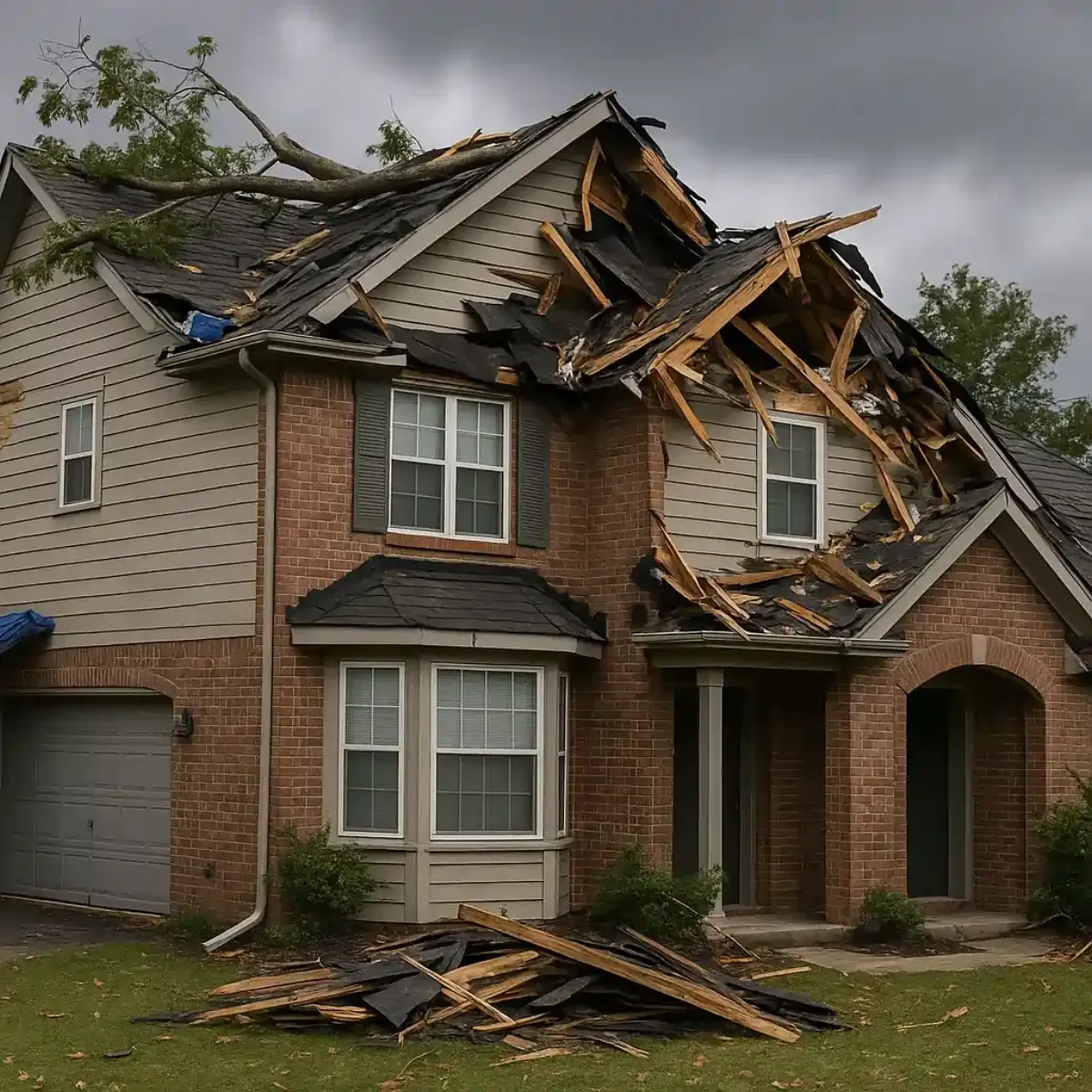
Steps to File a Building Insurance Claim after Storm Damage
Filing a building insurance claim after storm damage requires fast action, thorough documentation, and a clear understanding of your policy. This guide walks Australian homeowners through each step from initial safety checks to settlement negotiation and dispute resolution.

Expert Witnesses: Balancing Homeowner vs Insurance Disputes
Insurance disputes can leave homeowners feeling overwhelmed and outmatched. Expert witnesses provide independent, evidence-based analysis that levels the playing field between homeowners and insurance companies.

Structural Defect Inspections to Prevent Future Problems
Approximately one in five Australian homes experience structural issues. Learn how structural defect inspections can prevent expensive repairs and ensure safety.
Need an Insurance Claim Assessment?
Our independent assessors cover Sydney, Melbourne, and all major Australian cities.