

The Complete Guide to Pre-Purchase Building & Pest Inspections in Australia
Everything you need to know before buying property in Sydney, Melbourne, or anywhere in Australia. From costs and checklists to reading your report.
Instant Quote
What Is a Pre-Purchase Building and Pest Inspection?
A pre-purchase building and pest inspection is an independent assessment of a property's condition carried out before you finalise the purchase. It is designed to uncover structural defects, safety hazards, and pest activity that may not be visible during a regular open-home walkthrough. The goal is simple: give you a clear picture of what you are actually buying so you can make an informed decision.
The inspection is performed by a licensed building inspector, sometimes referred to as a building consultant or building practitioner depending on the state. In most cases, the inspector holds qualifications in building, construction, or a related trade and carries professional indemnity insurance. They follow Australian Standard AS 4349.1 (for building inspections) and AS 4349.3 (for timber pest inspections), which define the scope and methodology of the assessment.
Building-only inspections focus on the structural and non-structural elements of the property. This includes things like the roof, walls, foundations, wet areas, windows, doors, and drainage. The inspector is looking for cracking, movement, moisture damage, poor workmanship, and anything that does not meet acceptable building standards.
Combined building and pest inspections add a thorough check for timber pests, including termites (white ants), borers, and wood decay fungi. In a country like Australia where termite damage costs homeowners more than fire, flood, and storms combined, skipping the pest inspection is a risk few buyers should take.
At Owner Inspections, our inspectors are licensed across NSW, VIC, and QLD and have been carrying out independent property inspections since 2014. We always recommend combined building and pest inspections because the two assessments complement each other and provide a more complete understanding of the property's condition.
What Does the Inspection Cover?
A standard pre-purchase building and pest inspection covers a wide range of elements across the property. While the exact checklist may vary slightly between inspectors, the scope defined by Australian Standards provides a consistent baseline. Here is what you can expect your inspector to assess:
Structural elements:
- Foundations, footings, and stumps (including signs of movement or subsidence)
- Load-bearing walls, beams, and columns
- Roof structure and framing (where accessible)
- Floor systems and subfloor areas (where accessible via crawl space)
Exterior:
- External walls, cladding, and render (checking for cracking, deterioration, or damage)
- Windows, doors, and frames
- Balconies, decks, verandahs, and pergolas
- Driveways, paths, retaining walls, and fencing within the property boundary
- Gutters, downpipes, and stormwater drainage
Interior:
- Walls, ceilings, and floors in all accessible rooms
- Wet areas such as bathrooms, laundries, and kitchens (checking for moisture, leaks, and waterproofing issues)
- Doors, windows, built-in cupboards, and benchtops
- Visible electrical fittings and plumbing (the inspector notes obvious issues but does not test services)
Roof exterior:
- Roof covering (tiles, metal sheeting, or other materials)
- Flashing, ridges, valleys, and penetrations
- Condition and adequacy of roof drainage
Subfloor (where accessible):
- Ventilation and clearance
- Condition of bearers, joists, and stumps
- Evidence of dampness, ponding water, or inadequate drainage
Timber pest inspection:
- Evidence of live termite activity or previous termite damage
- Borer activity in timber elements
- Wood decay and fungal damage
- Conditions conducive to pest attack (such as timber-to-ground contact, poor drainage, or stored timber near the building)
- Termite management systems in place (chemical barriers, physical barriers, or monitoring stations)
It is worth noting that inspections are limited to accessible areas. If the roof space has no access hatch, or if the subfloor is enclosed, the inspector will note these as limitations in the report. Similarly, items behind walls, under fixed floor coverings, or inside locked rooms cannot be inspected. This is standard practice and not a shortcoming of any particular inspector.
How Much Does a Pre-Purchase Inspection Cost?
In Australia, the cost of a pre-purchase building and pest inspection typically ranges from $400 to $700 or more, depending on several factors. Given that you are likely spending hundreds of thousands of dollars on the property itself, this is a relatively small outlay for significant peace of mind.
Here is a rough guide to what you can expect to pay:
- Building inspection only: $300 to $500 for a standard house
- Combined building and pest inspection: $400 to $700 for a standard house
- Units, apartments, and townhouses: $300 to $550 (typically less area to inspect)
- Large or complex properties: $700 and above (multi-level homes, older homes, acreage properties)
Factors that affect the price:
- Property size and type: A five-bedroom house on a large block will take longer to inspect than a two-bedroom apartment, and the price reflects that.
- Location: Prices can be higher in metro areas like Sydney and Melbourne compared to regional centres, though this varies by provider.
- Combined vs. separate reports: Booking a combined building and pest inspection is almost always more cost-effective than ordering two separate inspections from different providers.
- Age and complexity of the property: Older homes, heritage properties, and those with extensions or renovations may require more time to assess.
- Additional services: Some buyers add on extras like a pool inspection, asbestos assessment, or electrical safety check, each of which carries an additional cost.
Be cautious of prices that seem unusually low. An inspector offering a combined building and pest report for under $250 may be cutting corners, spending less time on site, or producing a generic report. The cheapest quote is rarely the best value when it comes to protecting what may be your largest financial commitment.
At Owner Inspections, we provide transparent pricing with no hidden fees. Our combined building and pest inspections include detailed photographic reports delivered within 24 hours, giving you the information you need to make confident decisions.
When Should You Book Your Inspection?
Timing is one of the most important aspects of getting a pre-purchase inspection right. Book too late and you might miss your window to negotiate or withdraw from the sale. Here is what you need to know about when to arrange your inspection.
Before exchanging contracts (private treaty sales):
If you are buying a property through private treaty (the most common method), the ideal time to book your inspection is after you have made an offer but before you exchange contracts. Many buyers make their offer subject to a satisfactory building and pest inspection. This gives you a clear exit if the report reveals serious problems. Most contracts allow a period (often five to seven business days) for you to complete inspections and other due diligence.
During the cooling-off period:
In NSW, VIC, and QLD, buyers have a cooling-off period after exchanging contracts (typically five business days in NSW and QLD, three business days in VIC). You can use this window to arrange your inspection, but be aware the timeframe is tight. If the inspection reveals major defects and you want to pull out, you may lose a small percentage of the deposit (usually 0.25% of the purchase price in NSW). Booking before exchange is almost always a better strategy.
Before auction:
Properties sold at auction do not come with a cooling-off period. Once the hammer falls, the sale is unconditional. This means you must arrange your building and pest inspection before auction day. Most agents will provide access for inspections in the weeks leading up to auction. Do not wait until the last minute, as inspectors book out quickly during busy auction seasons, particularly in Sydney and Melbourne.
How far in advance should you book?
We recommend booking your inspection at least three to five business days before your deadline. This allows time for the inspection to be carried out and the report to be prepared and delivered. In a fast-moving market, your inspector may need a day or two of notice to fit you in. At Owner Inspections, we understand that property transactions move quickly and do our best to accommodate urgent bookings when available.
How to Read Your Inspection Report
Your building and pest inspection report can be a detailed document, sometimes running to 30 or 40 pages with photographs and technical descriptions. Understanding how to read it will help you separate the things that matter from the minor items that are part of normal wear and tear.
Report structure:
Most professional reports follow the structure set out in Australian Standards. They begin with a summary of findings, followed by detailed room-by-room or element-by-element assessments. Key sections typically include an overall condition rating, a list of significant items, and a detailed breakdown with supporting photographs.
Severity ratings:
Good reports categorise defects by severity. While the exact terminology varies between inspectors, you will generally see categories along these lines:
- Major defects: These are significant problems that could be expensive to repair, may affect the structural integrity of the building, or could pose a safety risk. Examples include major structural cracking, active termite infestation, significant roof damage, or failed waterproofing in wet areas.
- Minor defects: These are items that need attention but are not urgent or structurally significant. Examples include minor cracking in render, worn weatherstripping, small areas of peeling paint, or a sticking door.
- Maintenance items: These are routine upkeep tasks that are expected in any property. Cleaning gutters, resealing around wet areas, and touching up paintwork all fall into this category.
What to focus on:
- Read the summary section first. This gives you the big picture.
- Pay close attention to any items flagged as major defects or requiring further specialist assessment (for example, if the inspector recommends a structural engineer review cracking in a load-bearing wall).
- Look at the photographs carefully. They provide evidence of what the inspector found and can help you understand the scale of any issues.
- Check the limitations section. This tells you what the inspector could not access, which may warrant further investigation.
Do not panic over minor items. Almost every property inspection report will list defects. Older homes will have more than newer ones. The key question is whether the defects are manageable and within your expectations for a property of that age, type, and price range. If you are unsure about anything in the report, call your inspector and ask them to walk you through it. A good inspector will take the time to explain their findings.
What Happens After the Inspection?
Once you have your inspection report in hand, you have several options depending on what it reveals. The report is a tool for informed decision-making, not just a pass or fail verdict on the property.
Option 1: Proceed with the purchase
If the report shows no major defects and only minor or maintenance items, most buyers are comfortable proceeding with the purchase as planned. You now have a detailed record of the property's condition at the time of sale, which is useful for planning future maintenance and renovations.
Option 2: Negotiate on price
If the report identifies defects that will cost money to fix, you can use the findings to negotiate a lower purchase price. For example, if the inspection reveals the roof needs replacement in the near future (estimated cost $15,000 to $20,000), you have solid grounds to ask for a price reduction. Provide the vendor with the relevant sections of your report to support your negotiation.
Option 3: Request repairs before settlement
In some cases, buyers negotiate for the vendor to carry out specific repairs before settlement rather than adjusting the price. This works best for clearly defined items like fixing a leaking tap, replacing broken tiles, or treating a termite issue. Be specific about what you want done, and consider having your inspector verify the repairs have been completed satisfactorily.
Option 4: Walk away
If the report reveals serious structural problems, extensive termite damage, or defects that would be very expensive to rectify, you may decide the property is not worth the risk. This is exactly why you get an inspection before committing to the purchase. Walking away from a bad deal is never a loss. It is the inspection doing its job.
Using your report for future planning:
- Keep your report as a baseline document. It records the property's condition at the time of purchase and is helpful if you need to make an insurance claim later.
- Use the maintenance recommendations in the report to create a maintenance schedule for your new home.
- If the report noted areas that could not be accessed, consider arranging follow-up inspections once you have moved in and can provide access.
- Share relevant findings with tradespeople if you plan renovations, as the report may highlight issues they need to work around.
Pre-Purchase Inspections in Sydney and Melbourne
While the fundamentals of a building and pest inspection are the same across Australia, there are some market-specific considerations worth knowing about if you are buying in Sydney or Melbourne. Owner Inspections has been operating across both cities since 2014, and our inspectors are familiar with the building styles, common issues, and local conditions in each market.
Sydney
Sydney's property market includes everything from Federation-era cottages in the Inner West to post-war fibro homes in the suburbs and modern high-rise apartments in the CBD. Each building type comes with its own set of common issues:
- Termites: Sydney's warm, humid climate makes it one of the highest-risk areas in Australia for termite activity. Properties with mature gardens, poor subfloor ventilation, or timber-to-ground contact are particularly vulnerable. A pest inspection is not optional here.
- Older homes: Many Sydney homes were built before modern building codes were introduced. Common findings include asbestos-containing materials (especially in homes built before the mid-1980s), inadequate waterproofing in bathrooms, outdated electrical wiring, and foundations that have moved over time.
- Strata properties: Sydney has a large apartment and townhouse market. When buying strata, your inspection covers the individual lot. Common areas are the responsibility of the owners corporation, so reviewing the strata report alongside your building inspection gives you the full picture.
- Renovation quality: Sydney has seen decades of home renovations, and not all of them were done with proper approvals or to a high standard. Inspectors frequently find unapproved structures, DIY waterproofing failures, and structural modifications that were never certified.
Melbourne
Melbourne's housing stock ranges from Victorian-era terraces in the inner suburbs to 1960s brick homes in the middle ring and new estates on the city fringe. The local conditions create a different set of inspection priorities:
- Reactive soils: Much of Melbourne sits on highly reactive clay soils that expand and contract with moisture changes. This is a leading cause of cracking in walls and movement in foundations. Your inspector will look for signs of differential movement, and if significant cracking is found, they may recommend a structural engineer assessment.
- Stumps and subfloors: Many older Melbourne homes are built on timber stumps (or later replaced with concrete stumps). Deteriorating stumps can cause uneven floors, sticking doors, and cracking. Re-stumping is a common and sometimes costly repair in Melbourne.
- Heritage homes: Inner Melbourne is full of heritage-listed or heritage-overlay properties. While these homes are architecturally beautiful, they can come with restrictions on what modifications you can make and may have issues related to their age, including outdated plumbing, non-compliant electrical, and original timber that may be susceptible to decay.
- New estates: Properties on Melbourne's outer growth corridors may be relatively new but are not immune to defects. Common issues in newer builds include poor site drainage, incomplete landscaping, minor cracking from settling, and workmanship defects from the construction phase.
Whether you are buying in Sydney's Northern Beaches or Melbourne's Mornington Peninsula, a thorough building and pest inspection tailored to local conditions is essential. Our inspectors know what to look for in each market because they inspect properties in these areas every day.
How to Choose the Right Inspector
Not all building inspectors are created equal. The quality of your inspection depends directly on the qualifications, experience, and professionalism of the person you hire. Here is what to look for when choosing an inspector.
Licensing and qualifications:
Building inspectors must hold the appropriate licence for the state they operate in. In NSW, this is a building consultant licence issued by NSW Fair Trading. In VIC, inspectors should hold registration with the Victorian Building Authority. In QLD, the relevant licence is issued by the Queensland Building and Construction Commission (QBCC). Always ask to see the inspector's licence number and verify it is current. Owner Inspections holds all required licences across NSW, VIC, and QLD.
Professional indemnity insurance:
A reputable inspector will carry professional indemnity insurance. This protects you if the inspector makes an error or omission that results in financial loss. Ask for evidence of insurance before you book. If an inspector cannot or will not provide it, look elsewhere.
Experience and track record:
- How long has the inspector been operating? Look for a provider with a solid track record. Owner Inspections has been carrying out property inspections since 2014 across multiple states.
- How many inspections do they carry out each year? A busy, experienced inspector is more likely to spot issues than someone who does inspections only occasionally.
- Do they have experience with the type of property you are buying? An inspector who primarily works on new builds may not be the best choice for a heritage home, and vice versa.
Sample reports:
Ask to see a sample report before you commit. A good report should be clear, well-structured, and include photographs. It should use plain language, not just technical jargon, and clearly explain the severity of any defects found. If the sample report is vague, poorly formatted, or hard to understand, it is a sign that the actual report you receive will be the same.
Independence from real estate agents:
This is a critical point. Some real estate agents will recommend "preferred" inspectors. While some of these inspectors are perfectly competent, there is an inherent conflict of interest when the inspector's referral source is the agent trying to sell you the property. An independent inspector, one you find and book yourself, has no relationship with the selling agent and no incentive to downplay defects. Their only obligation is to you.
Other things to check:
- Do they use modern tools such as thermal imaging cameras and moisture meters? These tools help detect hidden issues like moisture in walls and termite activity behind surfaces.
- What is their turnaround time for reports? In a fast-moving market, you need your report quickly. Most professional inspectors deliver reports within 24 hours of the inspection.
- Are they willing to take your call after the inspection to discuss the findings? A good inspector will make themselves available to answer your questions.
- Do they inspect to Australian Standards (AS 4349.1 and AS 4349.3)? This ensures a consistent and thorough scope of inspection.
Choosing the right inspector is one of the most important decisions you will make during the property buying process. Take the time to do your research, and do not let price be the only factor in your decision.
Ready to Get Started?
Our licensed inspectors are ready to help across Sydney, Melbourne, and all major Australian cities.
Explore Our In-Depth Guides
Dive deeper into specific topics with our detailed articles.
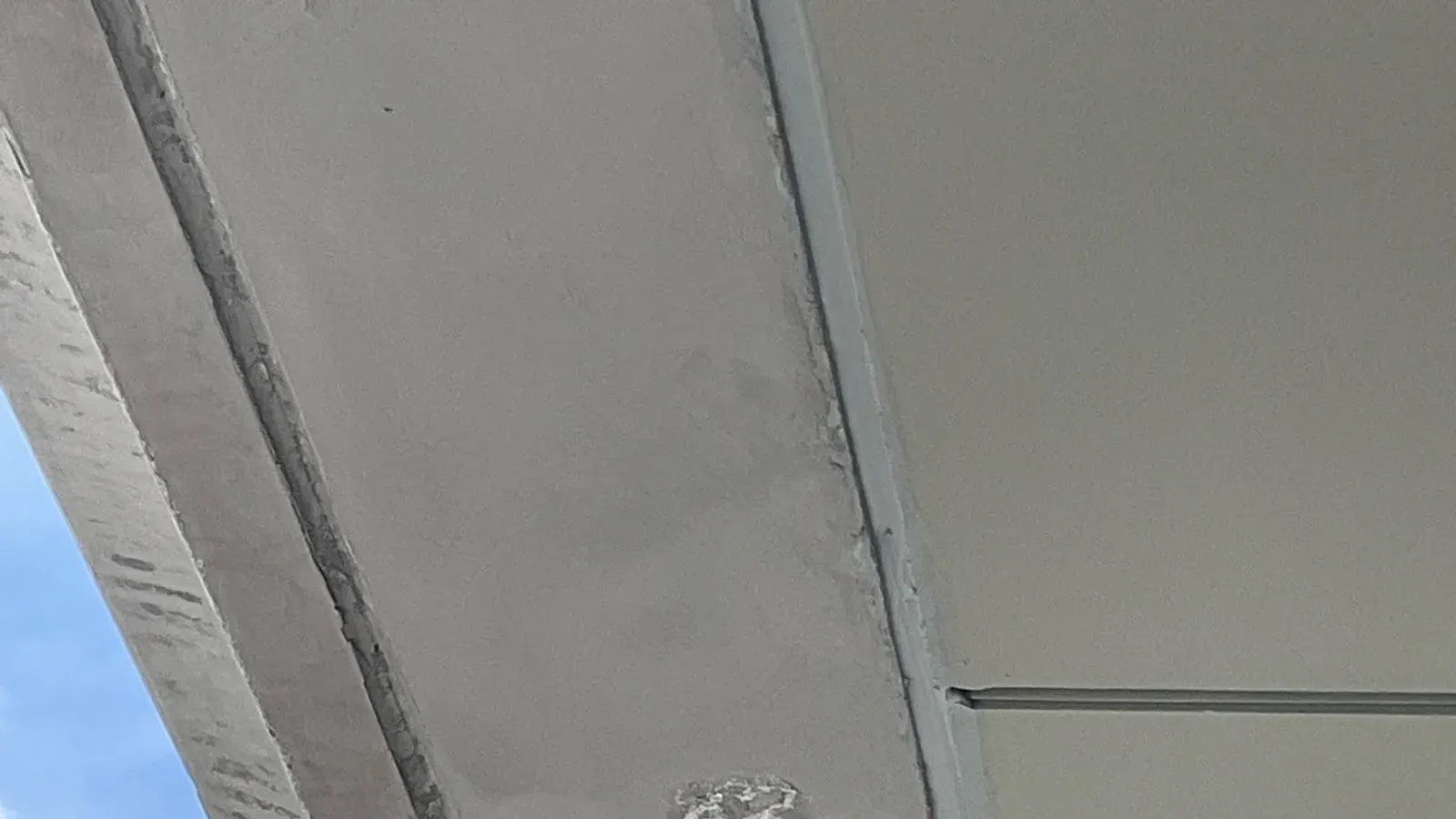
Do Apartments Need a Building and Pest Inspection?
No law makes you inspect an apartment before buying, but the inspection only covers your lot. This guide sets out what it can and cannot see, when pest matters, and which document answers which risk.
6 min read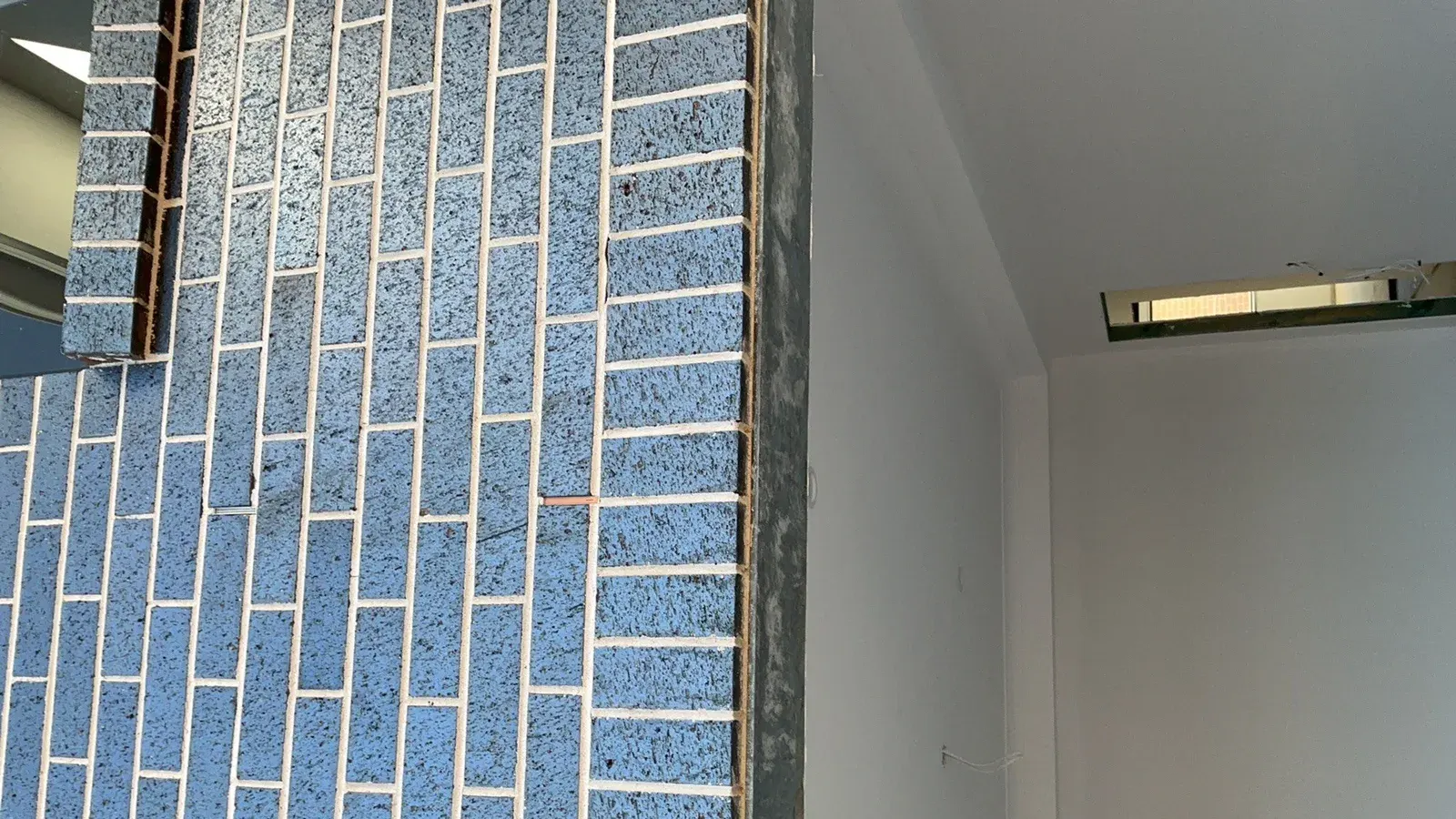
Do You Need a Pest Inspection Before Buying a House?
No law makes a buyer get a pest inspection, but it is the only chance to find termite activity before you are locked into the contract. Here is when to book one, who pays, what a bad report means and when skipping it is defensible.
7 min read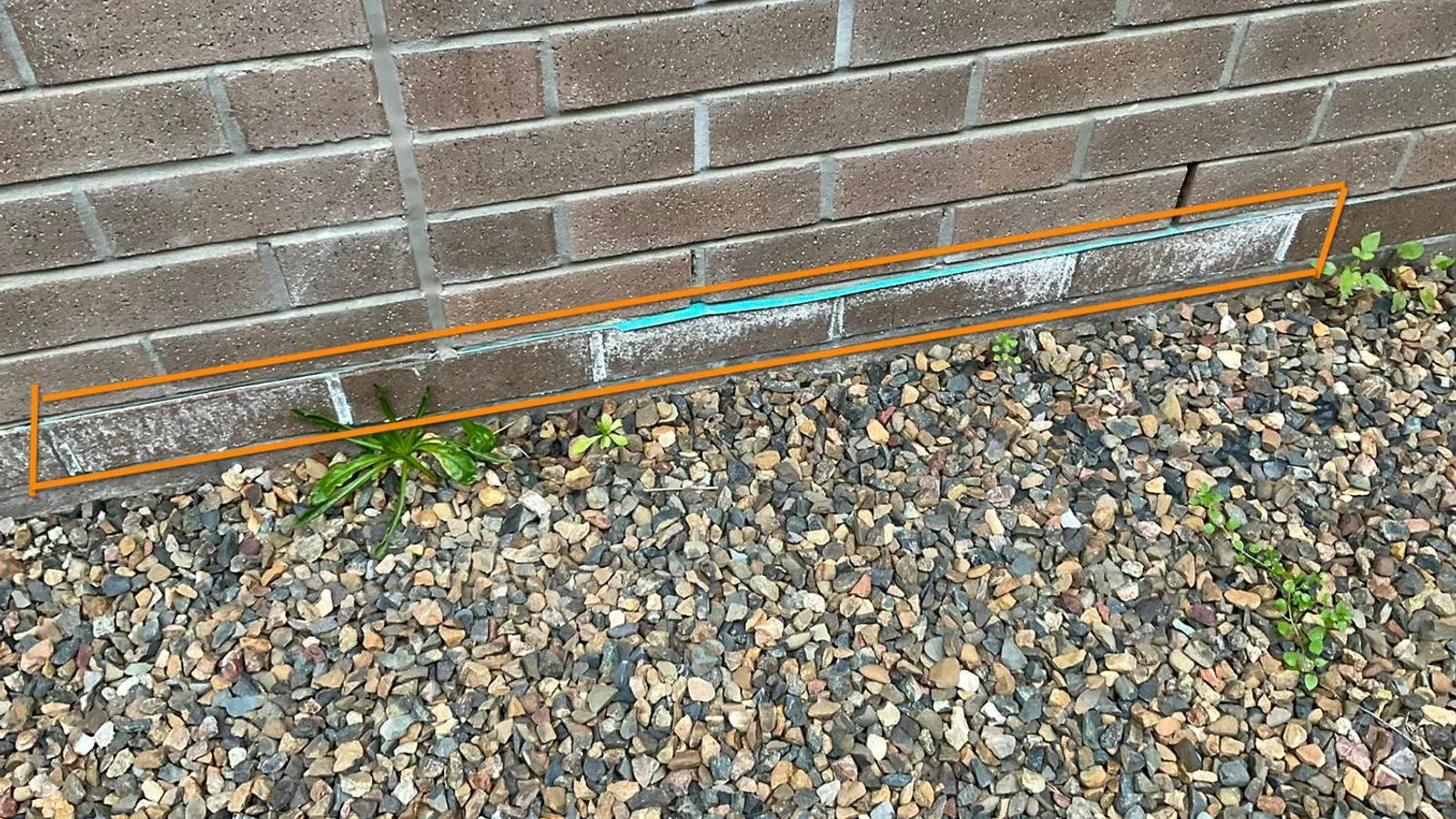
What Can You Do If the Vendor Skips Agreed Repairs Before Settlement?
Vendors sometimes reach settlement day without doing the repairs they promised. This guide explains whether the promise is enforceable, what your realistic options are, and why the evidence has to be gathered before you settle rather than after.
6 min read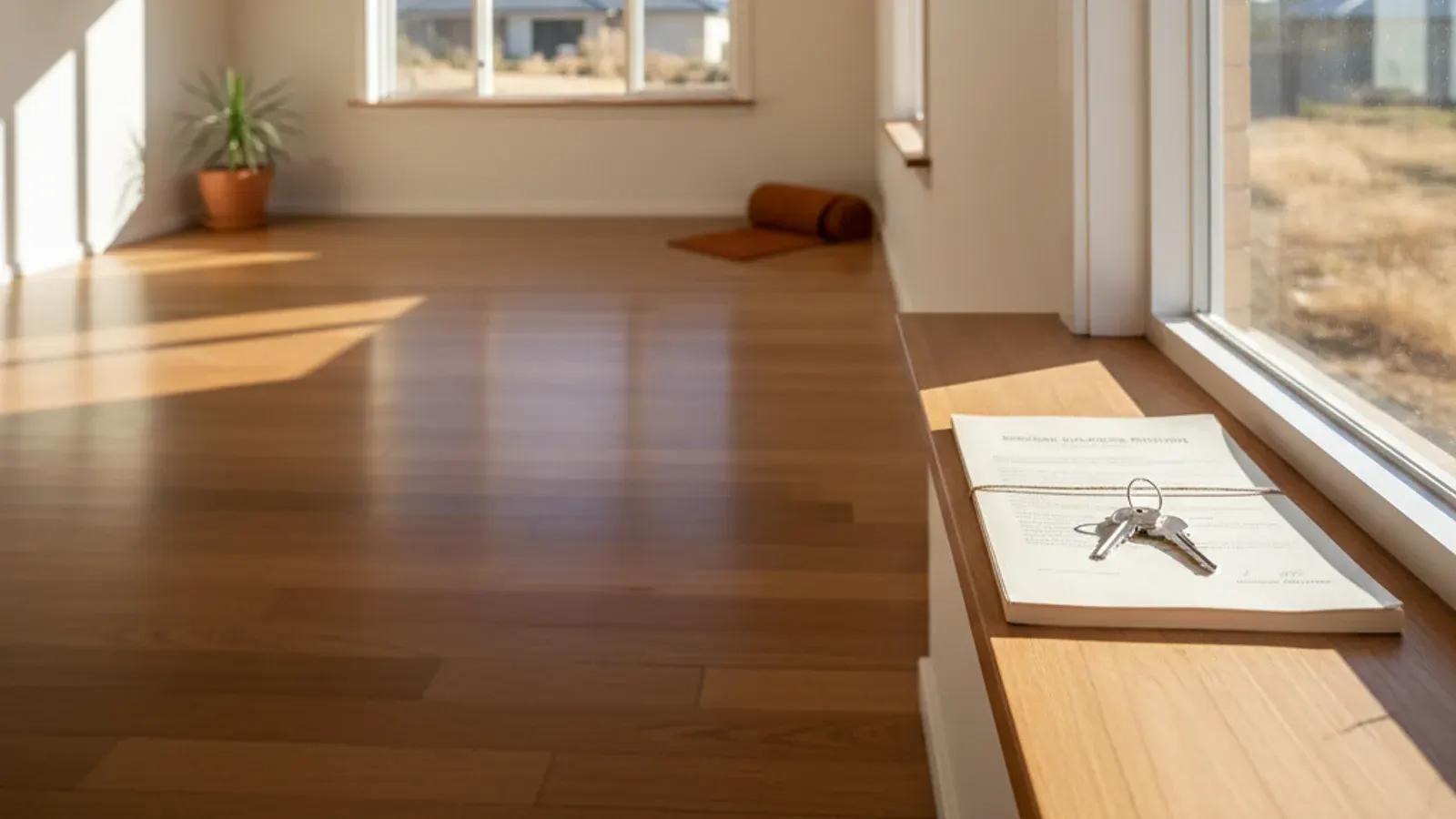
Bought a Home? 9 Things To Do Before Moving In
The days between settlement and moving day are the only time you will have the house completely empty, and that makes them the cheapest time to fix anything. This guide covers the nine jobs worth doing in that window, starting with the building inspection report most buyers never open again.
9 min read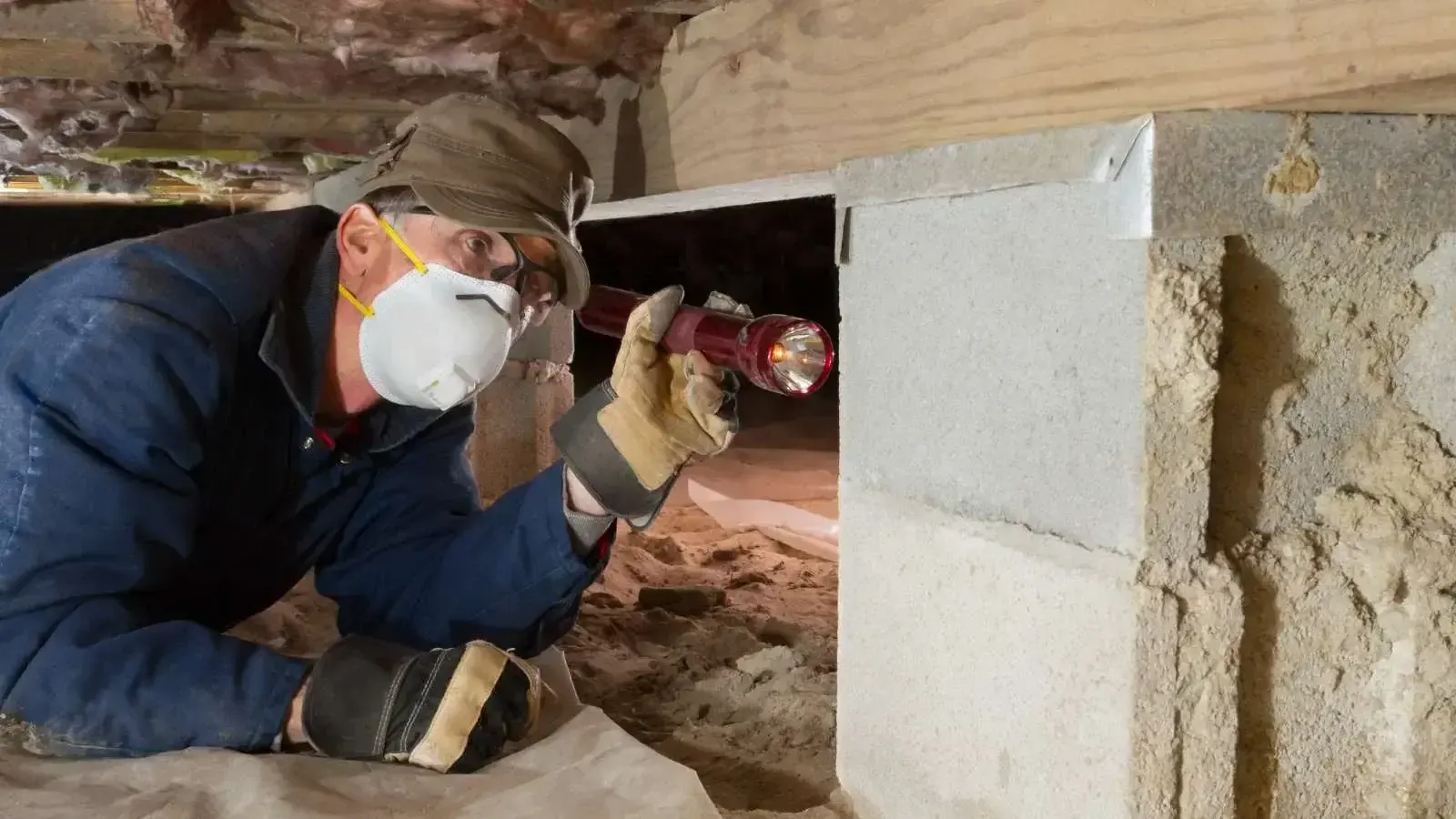
First-Time Homebuyer's Building and Pest Inspection Guide
A building and pest inspection is one of the most important steps for first-time homebuyers in Australia. This guide covers what the inspection includes, typical costs, common defects found, how to read the report, and how to use the findings to make a confident purchase decision.
12 min read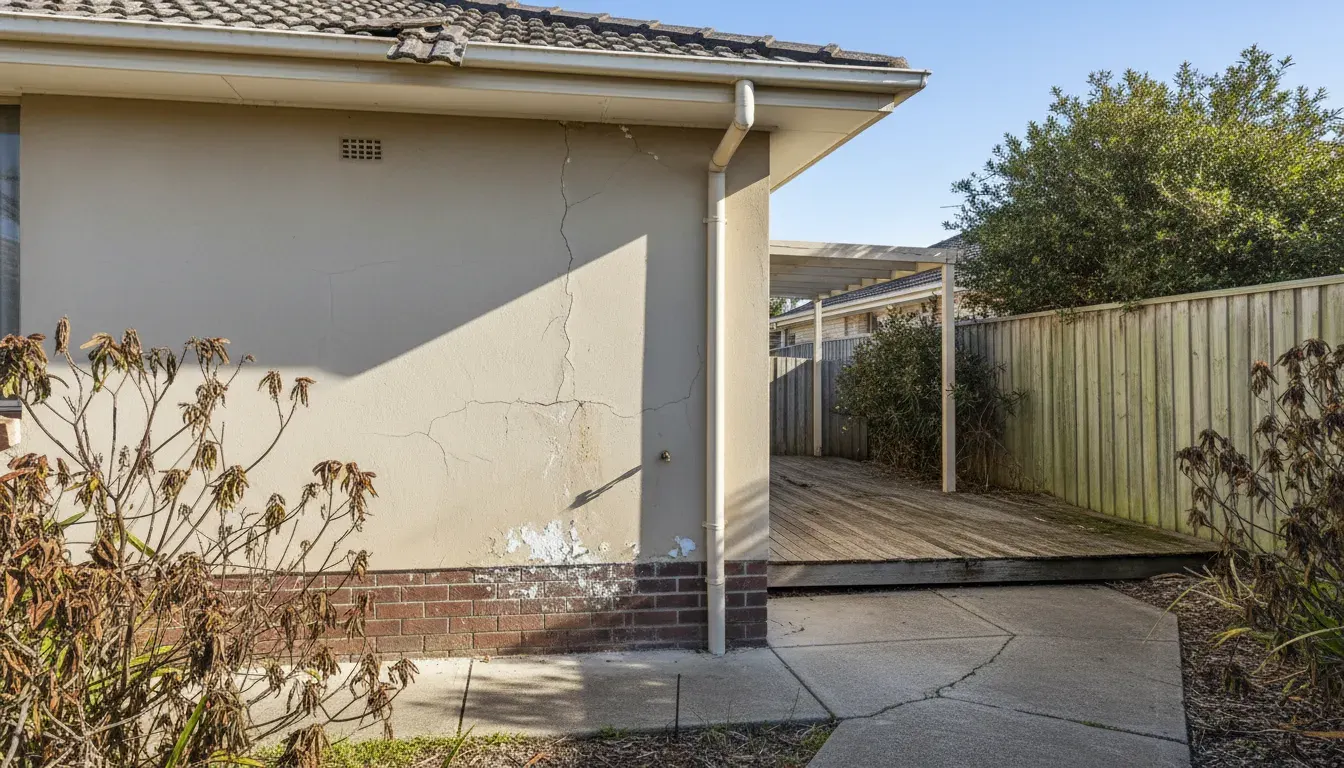
What Defects in a 10-Year-Old Property Should Make You Walk Away?
Buying a 10-year-old property in Australia comes with specific risks. Learn which defects found during building inspections should make you reconsider your purchase, from major structural failures to hidden termite damage.
11 min read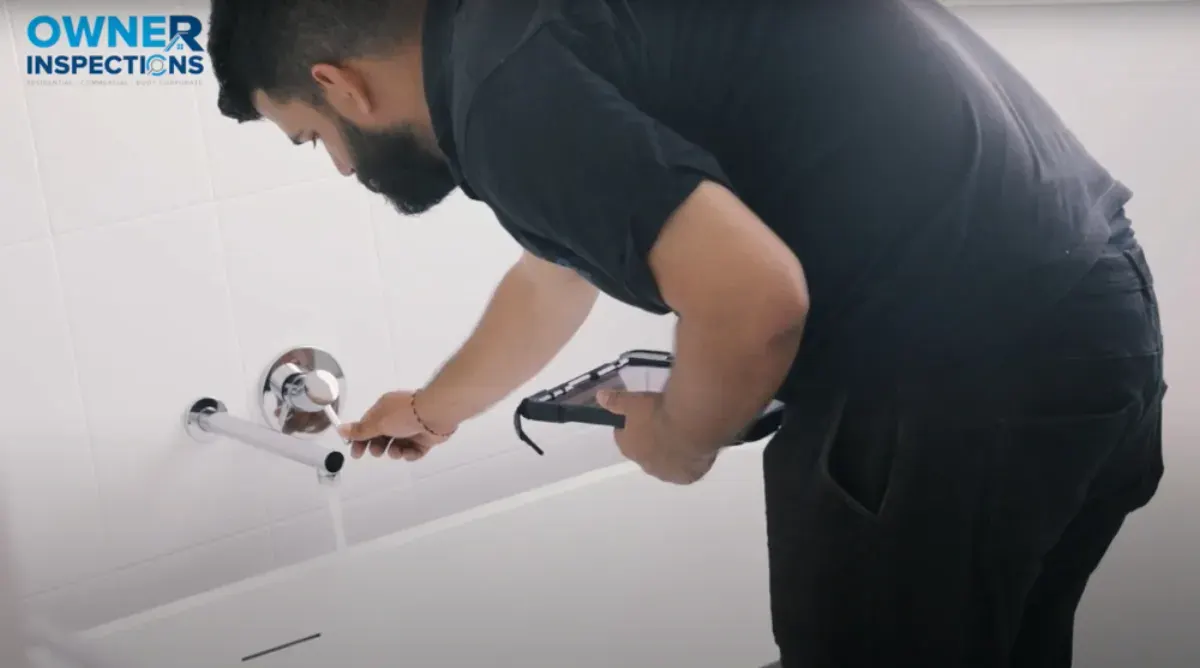
What Does a Building Inspector Do in Victoria?
Building inspectors in Victoria assess property safety, compliance, and construction quality. Learn about their qualifications, responsibilities, and when you need one.
13 min read
Why Hire a Private Building Inspector in Melbourne
Hiring a private building inspector in Melbourne provides independent, unbiased property assessments that go beyond council compliance checks. Learn the benefits, costs, and how to choose the right inspector.
12 min read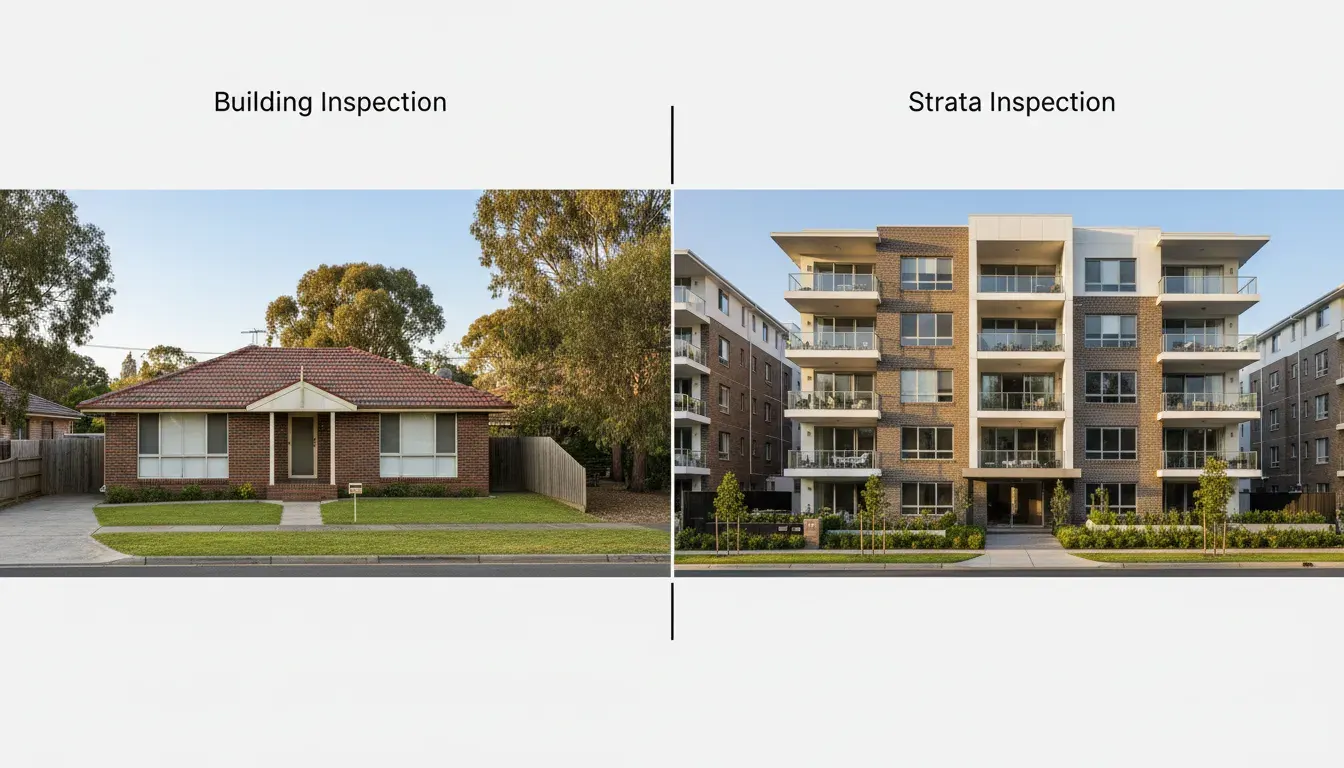
What Is the Difference Between a Building Inspection and a Strata Inspection?
A building inspection is a physical examination of the unit you are buying. A strata inspection is a document review of the owners corporation records behind it. This guide covers what each one finds, what neither can find, the rules in every state, and how to sequence both inside a contract deadline.
12 min read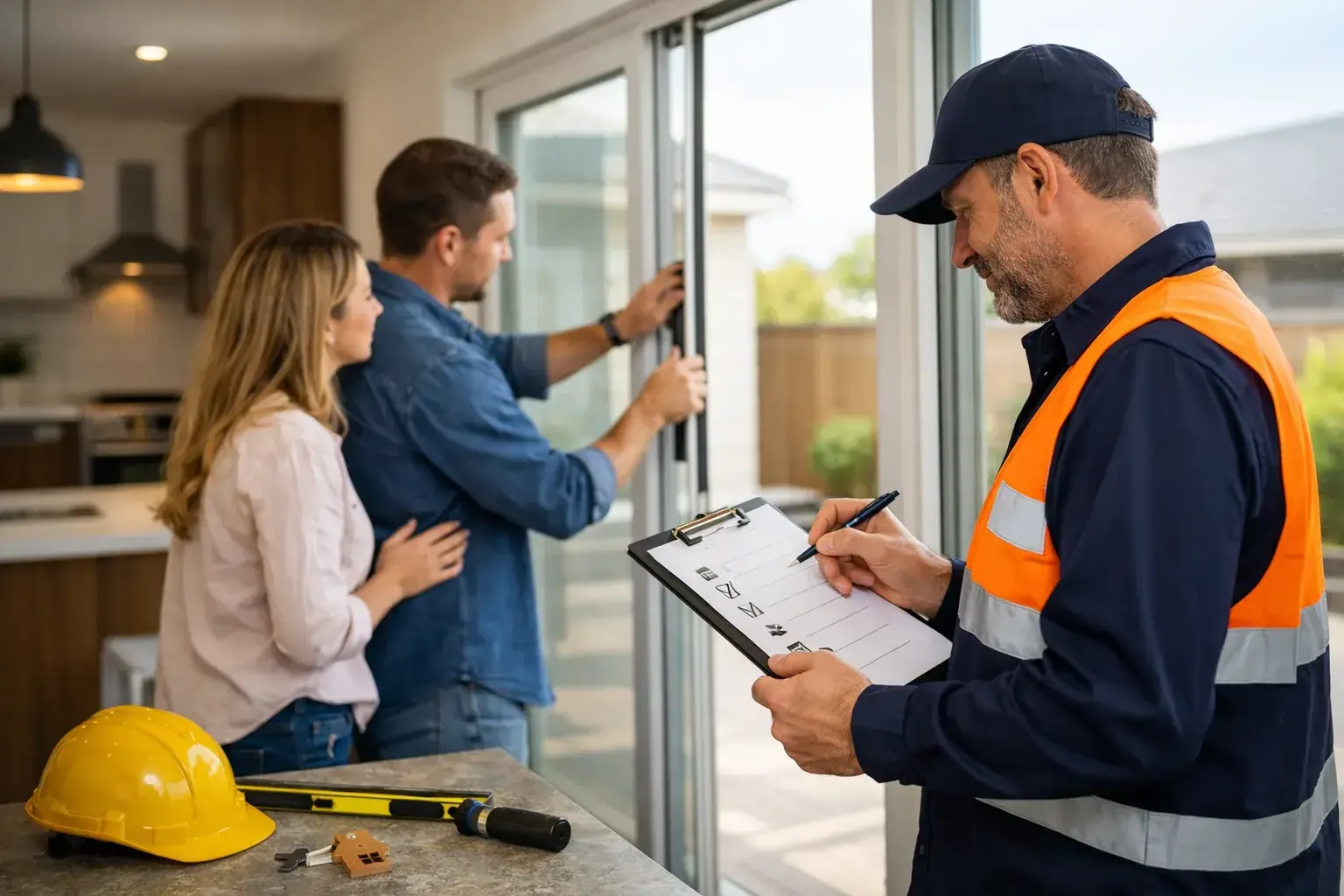
What to Expect in Your Pre-Settlement Inspection
Your final walkthrough before settlement is crucial. Learn what to check, your legal rights, and when to call in professional help.
15 min read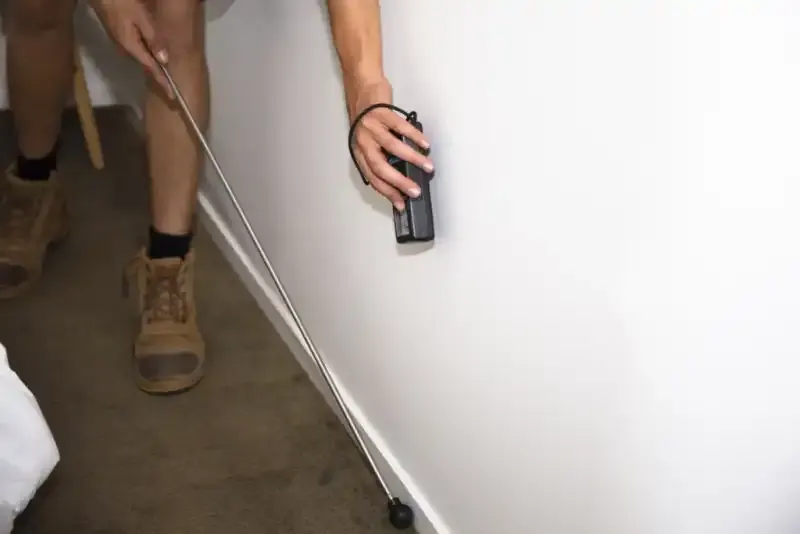
What's Involved in a Building and Pest Inspection?
Building and pest inspections evaluate structural integrity and pest-related issues in Australian properties. Learn what inspectors check, common issues detected, costs, and legal requirements.
10 min read
Home Defect Inspection Report for a Safe and Secure Purchase
A home defect inspection report evaluates a property's structural integrity, safety hazards, and compliance with Australian building standards. It helps buyers avoid hidden defects, sellers reduce legal liability, and investors make informed decisions before committing to a purchase.
11 min read
What Does a Building Inspection Cover
Building inspections serve as a critical investment safeguard, examining structural integrity, electrical systems, plumbing, and more before property purchase.
10 min read
Building Inspection Glossary: 80+ Terms Every Australian Property Buyer Should Know
This glossary defines more than 80 building inspection terms commonly found in Australian property reports. It covers inspection types, Australian Standards, defect categories, regulatory bodies, building elements, and legal terminology used in construction disputes.
15 min read
How to Read and Use Your Property Inspection Report
Property inspection reports contain technical findings that can be difficult to interpret. This guide explains how to read your report, distinguish critical issues from maintenance items, and take effective action.
9 min read
Building and Pest vs Pre-Purchase Inspections in Brisbane
Building and pest inspections and pre-purchase inspections are closely related but not identical. This guide explains the differences, what each covers, typical costs in Brisbane, and how to decide which inspection you need before buying a property.
10 min read
How Does Weather Affect Property Inspection Reports in Australia?
Weather conditions significantly influence what inspectors can detect during property assessments. Rain can reveal leaks but obscure drainage, while heat affects material expansion. This guide covers how Australian weather impacts inspection results.
9 min read
The Process of Conducting a Pre-Purchase Timber Pest Inspection
Timber pests including termites, borers, and wood decay fungi cause billions of dollars in damage to Australian homes every year. A pre-purchase timber pest inspection is a critical step before buying a property, identifying active infestations and existing damage that could cost thousands to repair. This guide walks through the full inspection process.
10 min read
The Importance of Home and Building Inspections
Building inspections protect buyers, sellers, and homeowners by identifying defects, safety hazards, and non-compliant work before they become expensive problems. This guide covers the types of inspections, what they include, and why they matter in the Australian property market.
10 min read
Are Home Inspections Mandatory in Australia?
Home inspections are not universally mandatory for property purchases in Australia, but they are required at specific construction stages for new builds. This guide explains the rules by state, when inspections are compulsory, and why they are always recommended.
11 min read
The Importance of Pre-Purchase Inspections in Sydney
In Sydney's competitive property market, pre-purchase inspections play a pivotal role for prospective homebuyers. These detailed assessments go beyond surface appearances to uncover hidden structural defects, outdated electrical systems, and other issues that could cost thousands. This guide covers the benefits, common issues found, and how to choose the right inspector.
10 min read
A Comprehensive Guide to House Inspections
House inspections are detailed professional assessments evaluating structural integrity, safety systems, and component functionality. Learn everything you need to know.
12 min read
How to Thoroughly Inspect the Condition of a House
A thorough house condition inspection protects buyers from hidden defects and costly repairs. This guide covers structural, electrical, plumbing, and pest checks.
14 min read
Pre-Purchase Inspections vs DIY for Geelong Buyers
Geelong's growing property market presents both opportunities and risks for buyers. This guide compares professional pre-purchase building inspections with DIY assessments, covering the advantages and limitations of each approach to help Geelong buyers make informed decisions.
11 min readFrequently Asked Questions
<p>No, a building and pest inspection is not legally required when buying a property in Australia. However, it is strongly recommended by conveyancers, solicitors, and property professionals. Without an inspection, you are relying solely on what you can see with your own eyes during an open home, which is unlikely to reveal structural issues, hidden pest damage, or problems in areas like the roof space and subfloor. The cost of an inspection is minor compared to the potential cost of discovering major defects after you have already committed to the purchase. Most experienced buyers consider it an essential part of the due diligence process.</p>
<p>A combined building and pest inspection for a standard three-bedroom house typically takes between one and a half to two and a half hours on site. Larger properties, older homes, or properties with significant access to subfloor and roof spaces may take longer. After the on-site inspection, the inspector prepares a detailed written report with photographs, which is usually delivered within 24 hours. The total turnaround from inspection to report delivery is generally one to two business days.</p>
<p>Yes, and we encourage it. Attending the inspection gives you the opportunity to see any issues firsthand and ask the inspector questions on the spot. Your inspector can point out areas of concern, explain what they are looking at, and give you a general feel for the property's condition before the written report is finalised. If you cannot attend in person, most inspectors are happy to arrange a phone call to walk you through the key findings once the report is ready. At Owner Inspections, we always welcome buyers on site during the inspection.</p>
<p>A building inspection assesses the structural and non-structural condition of the property, covering elements like the foundations, walls, roof, floors, wet areas, and drainage. A pest inspection focuses specifically on timber pests, including termites, borers, and wood decay fungi. The pest inspector looks for evidence of active infestation, previous damage, and conditions that make the property vulnerable to future attack. While they are technically separate assessments governed by different Australian Standards (AS 4349.1 for building and AS 4349.3 for pests), most providers offer them as a combined service. Booking a combined inspection is more cost-effective and ensures nothing falls between the gaps.</p>
<p>No inspection can guarantee that every single defect will be identified. Building and pest inspections are visual assessments of accessible areas. Inspectors cannot see through walls, under fixed floor coverings, or inside sealed cavities. If areas are inaccessible (for example, a roof space with no access hatch or a subfloor area that is too low to enter), these will be noted as limitations in the report. Some defects may also be concealed by furniture, stored goods, or vegetation. That said, a thorough inspection by an experienced inspector will identify the vast majority of significant defects and give you a reliable picture of the property's overall condition.</p>
<p>Absolutely. This is one of the main reasons buyers invest in a pre-purchase inspection. If the report identifies defects that will require repair or rectification, you can present the findings to the vendor and negotiate a price reduction to account for the estimated repair costs. For example, if the report reveals the property needs re-stumping, a new roof, or termite treatment, these are legitimate grounds for renegotiation. You can also ask the vendor to carry out specific repairs before settlement. The inspection report gives you documented evidence to support your position, making negotiations more straightforward and fact-based.</p>
<p>The inspection should be carried out before you exchange contracts, not before settlement. These are different stages of the property transaction. Ideally, you arrange the inspection after your offer is accepted but before contracts are exchanged, or during the cooling-off period if your state allows one. For auction properties, the inspection must be done before auction day since there is no cooling-off period. We recommend booking at least three to five business days before your deadline to allow time for the inspection and report delivery. Leaving it until the last minute creates unnecessary pressure and may limit your options if the report reveals significant issues.</p>
<p>A building inspector should hold the relevant state licence for the jurisdiction they operate in. In NSW, this means a building consultant licence from NSW Fair Trading. In VIC, they should be registered with the Victorian Building Authority. In QLD, they need a licence from the Queensland Building and Construction Commission (QBCC). Beyond licensing, look for inspectors with professional indemnity insurance, several years of practical experience, and a commitment to inspecting in accordance with Australian Standards AS 4349.1 (building) and AS 4349.3 (timber pests). Qualifications in building, construction management, or a related trade background are also strong indicators of competence. Do not be afraid to ask your inspector about their credentials before you book.</p>
Reviewed across every major platform