
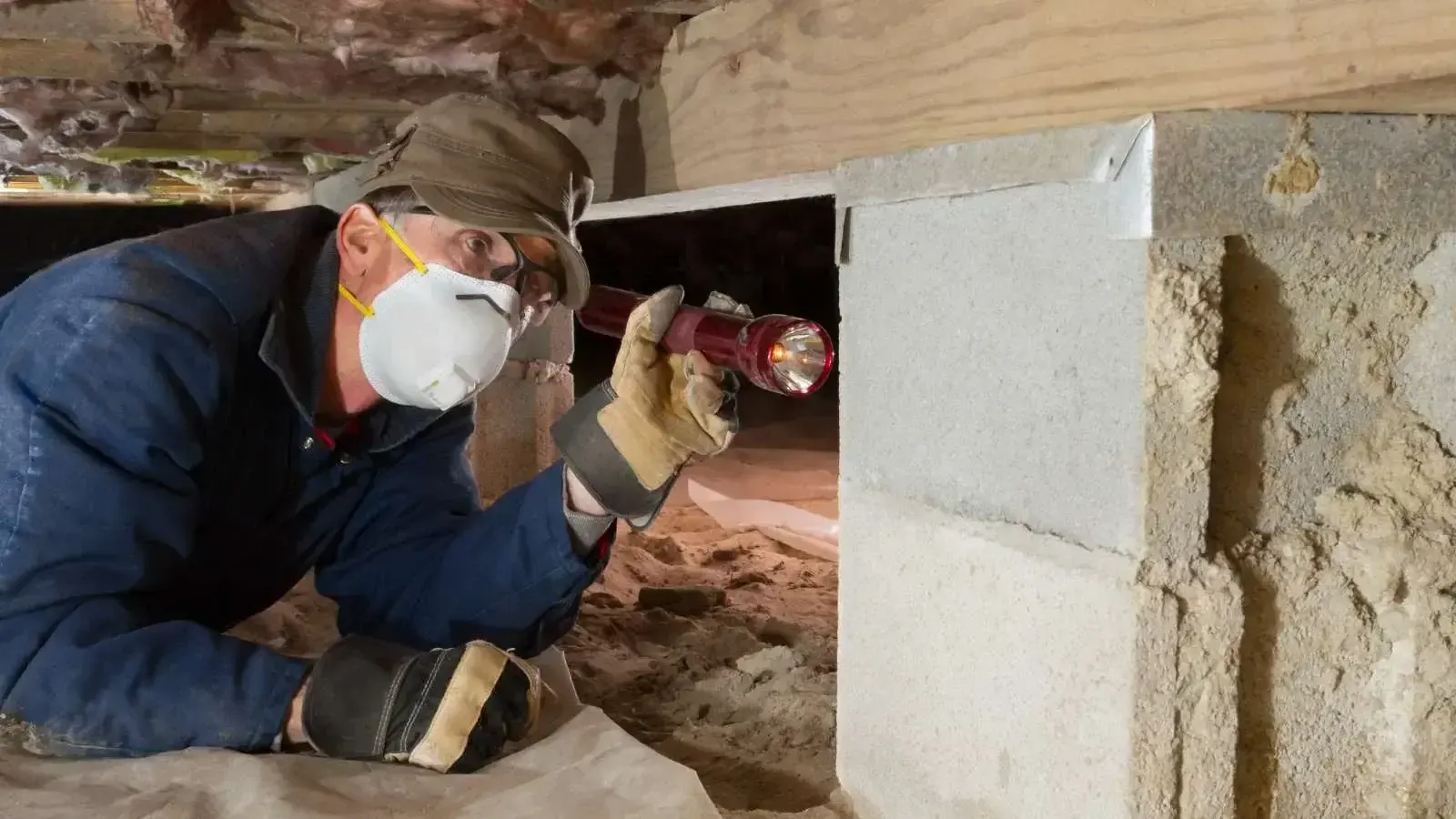
A building and pest inspection for first-time homebuyers in Australia is a professional assessment of a property's structural condition and timber pest activity, typically carried out before you commit to a purchase. The building inspection follows Australian Standard AS 4349.1 and covers the roof, subfloor, walls, wet areas, exterior, and site drainage. The pest inspection follows AS 4349.3 and checks for termites, borers, and wood decay. Combined, these inspections cost between $400 and $800 depending on the property size and location, and they can reveal defects that would cost thousands to repair if discovered after settlement.
Buying your first home is likely the largest financial decision you will make. The excitement of finding a property you love can make it tempting to skip the inspection and move quickly, especially in a competitive market. But for first-time buyers who may not have experience identifying building problems, an independent inspection is your best protection against inheriting someone else's costly defects. This guide walks you through what to expect, what the report covers, and how to use the findings when negotiating your purchase.
What Is a Building and Pest Inspection?
A building and pest inspection is actually two separate inspections, often carried out on the same visit by qualified professionals.
| Standard | What It Covers | |
|---|---|---|
| Building Inspection | Australian Standard AS 4349.1 | Structural elements, roof, subfloor, walls, wet areas, windows, doors, exterior, site drainage, and safety hazards |
| Pest Inspection | Australian Standard AS 4349.3 | Evidence of termites, borers, wood decay fungi, and conditions conducive to timber pest activity |
The building inspection assesses the property's structural integrity and identifies defects in materials, workmanship, and compliance. The pest inspection specifically targets timber-destroying pests, which are a significant concern across most of Australia, particularly in Queensland, NSW, and parts of Victoria.
Why First-Time Buyers Need an Inspection
As a first-time buyer, you may not know what to look for when walking through a property. Problems that appear minor or invisible to an untrained eye can represent thousands of dollars in repair costs.
Pros
- Independent assessment of the property's true condition before you commit
- Identification of structural defects, pest damage, and safety hazards
- Ability to negotiate a lower price or request repairs based on findings
- Protection against inheriting costly defects you did not know about
- Peace of mind that comes from professional verification
Cons
- Hidden defects such as termite damage, roof leaks, or foundation issues may only surface after settlement
- No documented evidence to negotiate a fair price or request rectification
- Risk of buying a property that needs immediate, expensive repairs
- No way to assess whether the asking price reflects the property's actual condition
CSIRO estimates that termites cause more than $1.5 billion in damage to Australian homes each year. Around one in three Australian homes will be affected by termites at some point. For first-time buyers, a pest inspection is not an optional extra.
What the Building Inspection Covers
A standard pre-purchase building inspection under AS 4349.1 covers the following areas:
- Roof exterior: Tiles, sheeting, flashing, gutters, downpipes, chimneys, and penetrations
- Roof interior: Framing, insulation, ventilation, and evidence of leaks
- Subfloor: Stumps, bearers, joists, ventilation, moisture levels, and evidence of movement
- Interior: Walls, ceilings, floors, windows, doors, wet areas (bathrooms, laundry, kitchen), and fixtures
- Exterior: Walls, cladding, foundations visible above ground, retaining walls, fences, garages, and carports
- Site: Drainage, ground levels, vegetation proximity to the building, and paths
- Safety hazards: Electrical concerns visible without testing, trip hazards, and structural risks
The inspection is visual and non-invasive. Inspectors do not move furniture, lift carpet, or break open walls. They assess what is reasonably accessible at the time of the inspection. If areas are obstructed, this will be noted in the report.
What the Pest Inspection Covers
The timber pest inspection under AS 4349.3 checks for:
- Live termites: Active termite colonies, workings, and shelter tubes
- Evidence of past termite activity: Damage patterns, old shelter tubes, and repaired areas
- Borers: Beetle and borer damage to timber elements
- Wood decay fungi: Rot caused by moisture exposure in timber
- Conditions conducive to pest activity: Poor drainage, timber-to-ground contact, stored timber near the building, and inadequate ventilation
Inspectors commonly use moisture meters and thermal imaging cameras to detect activity behind walls and in concealed areas without causing damage to the property.
How Much Does It Cost?
| Typical Cost | Best For | |
|---|---|---|
| Building Inspection Only | $300 to $500 | Properties where pest risk is low or a separate pest inspection has already been arranged |
| Pest Inspection Only | $200 to $350 | Properties where the building has been recently inspected but pest activity is a concern |
| Combined Building and Pest | $400 to $800 | Most first-time buyers. Provides the most comprehensive assessment at a lower combined cost |
Costs vary by property size, location, and the complexity of the site. Properties with large subfloor areas, multiple levels, or difficult access may be at the higher end of the range.
When to Book the Inspection
For most property purchases in Australia, the inspection should be booked during the cooling-off period after signing the contract of sale. The exact timing depends on your state:
- NSW: 5 business day cooling-off period for private treaty sales. Book the inspection immediately after exchanging contracts.
- VIC: 3 business day cooling-off period. Inspections should be arranged before or immediately after signing.
- QLD: 5 business day cooling-off period. The inspection is typically a condition of the contract.
For auction purchases, there is no cooling-off period. If you are bidding at auction, book the inspection before auction day so you know exactly what you are buying.
If you are buying at auction, arrange the building and pest inspection before the auction. There is no cooling-off period for auction purchases, and you cannot withdraw once the hammer falls.
How to Read the Inspection Report
A building and pest inspection report can be 30 to 80 pages long. As a first-time buyer, focus on these sections:
Summary of findings
Start with the summary page. This gives you an overview of the significant defects, safety hazards, and areas of concern identified during the inspection.
Major defects
Look for items classified as major or significant. These are defects that affect the structural integrity, safety, or livability of the property and typically require immediate attention.
Minor defects
Review the minor defect list. These are cosmetic or maintenance items that are worth knowing about but are unlikely to be deal-breakers.
Areas not inspected
Check which areas were inaccessible during the inspection. If significant areas could not be assessed (such as a locked subfloor or roof space), consider requesting access for a follow-up inspection.
Pest findings
Review the pest section separately. Look for any evidence of live termite activity, past damage, or conditions that make the property susceptible to future infestation.
Recommendations
Note any recommendations for further investigation by a specialist, such as a structural engineer, electrician, or plumber. These indicate areas where the inspector has identified a potential problem that requires more detailed assessment.
Common Defects Found in Australian Homes
- Roof defects: Cracked or missing tiles, deteriorated flashing, blocked gutters, and evidence of leaks
- Rising damp: Moisture rising through the walls due to failed damp-proof courses, particularly in older homes
- Subfloor ventilation issues: Inadequate airflow causing moisture buildup, timber decay, and conditions favourable to termites
- Cracking: Cracks in walls, foundations, or ceilings that may indicate movement or structural issues
- Waterproofing failures: Leaks in bathrooms, showers, and balconies that can cause significant water damage over time
- Termite damage: Active or historical termite damage to structural timbers, particularly in Queensland and NSW
- Electrical and plumbing issues: Outdated wiring, non-compliant installations, and plumbing leaks
- Drainage problems: Poor site drainage causing water to pool near the building, increasing the risk of foundation movement and damp
Using the Report to Negotiate
The inspection report is a powerful negotiation tool. Here is how first-time buyers can use it effectively.
- Negotiate a price reduction: If significant defects are found, you can request a reduction in the purchase price that reflects the estimated repair costs
- Request repairs before settlement: Ask the seller to carry out specific repairs before the sale is completed, with evidence that the work has been done properly
- Factor in future costs: Even if you proceed at the asking price, the report helps you budget for repairs and maintenance after moving in
- Withdraw from the sale: If the inspection reveals serious structural defects or active termite damage that makes the property a poor investment, you can withdraw during the cooling-off period (subject to state-specific conditions)
What to Do If Serious Defects Are Found
If the inspection report identifies major structural defects, active termite infestation, or other significant problems:
Get specialist advice
Follow the inspector's recommendations and engage the relevant specialists, such as a structural engineer for foundation issues or a pest management company for active termites.
Get repair quotes
Obtain written quotes for the rectification work from licensed tradespeople. This gives you a concrete figure to work with during negotiations.
Decide whether to proceed
Weigh the cost of repairs against the purchase price and the property's value. Some defects are manageable; others may make the property a poor investment at the offered price.
Negotiate or withdraw
Use the evidence from the report and repair quotes to negotiate a fair outcome with the seller. If the defects are too severe or the seller will not negotiate, exercise your right to withdraw during the cooling-off period.
Key Takeaways
- A building and pest inspection costs between $400 and $800 and can save first-time buyers thousands in unexpected repair costs.
- The building inspection covers structural elements, roof, subfloor, wet areas, exterior, and drainage under AS 4349.1.
- The pest inspection checks for termites, borers, and wood decay under AS 4349.3, with termites causing over $1.5 billion in damage to Australian homes annually.
- Book the inspection during the cooling-off period for private treaty sales, or before auction day for auction purchases.
- Focus on the summary, major defects, and pest findings when reading the report.
- Use the report to negotiate a lower price, request repairs, or withdraw from the sale if serious issues are found.
- First-time buyers who skip the inspection risk inheriting costly defects that an experienced inspector would have identified.
Frequently Asked Questions
Do first-time homebuyers need a building and pest inspection?
Yes. While not legally required in most Australian states, a building and pest inspection is strongly recommended for all first-time buyers. It identifies structural defects, pest damage, and safety hazards that could cost thousands to repair. For buyers without experience in assessing property condition, an independent inspection is your best protection.
How much does a building and pest inspection cost for a house in Australia?
A combined building and pest inspection typically costs between $400 and $800, depending on the property size, location, and complexity. The cost is a small fraction of the potential repair bills you could face if defects go undetected before purchase.
What is the difference between a building inspection and a pest inspection?
A building inspection assesses the property's structural condition, including the roof, walls, subfloor, wet areas, and exterior, under AS 4349.1. A pest inspection specifically checks for termites, borers, and wood decay under AS 4349.3. They are separate inspections but are commonly done together during the same visit.
When should I book the inspection when buying a property?
For private treaty sales, book the inspection as soon as possible during the cooling-off period (5 business days in NSW and QLD, 3 business days in VIC). For auction purchases, arrange the inspection before auction day, as there is no cooling-off period after the hammer falls.
What happens if the inspection finds termites?
If active termites are found, the report will detail the extent and location of the activity. You should engage a licensed pest management company for a full assessment and treatment quote. You can then use this information to negotiate a lower price, request treatment before settlement, or withdraw from the purchase during the cooling-off period.
Can I attend the building and pest inspection?
Yes, and it is recommended. Attending allows you to see defects firsthand, ask the inspector questions, and gain a better understanding of the property's condition. However, attending is not required, as the written report documents all findings in detail.
What areas does a building inspection not cover?
The inspection is visual and non-invasive. It does not cover areas concealed behind walls, under fixed floor coverings, or blocked by furniture and stored items. It does not include testing of electrical, plumbing, or gas systems. Any inaccessible areas will be noted in the report.
Can I use the inspection report to negotiate the purchase price?
Yes. If the report identifies significant defects, you can request a price reduction that reflects the estimated repair costs, ask the seller to carry out repairs before settlement, or withdraw from the sale during the cooling-off period. The report provides documented evidence to support your position.
Is a building and pest inspection required for a mortgage?
Most Australian lenders do not require a building and pest inspection as a condition of lending. However, some lenders or mortgage insurers may request one, particularly for older properties or those in high-risk pest areas. Regardless of lender requirements, the inspection protects your financial interests as the buyer.
How long does a building and pest inspection take?
A combined building and pest inspection for a standard house typically takes 1.5 to 3 hours on-site, depending on the property's size and accessibility. The written report is usually delivered within 24 to 48 hours after the inspection.
Should I get an inspection for an apartment or unit?
Yes. For apartments, an apartment pre-settlement inspection or pre-purchase inspection checks for defects in finishes, fixtures, waterproofing, windows, and doors. A strata report review is also recommended to understand the building's financial health and defect history. Pest inspections may be less relevant for upper-floor apartments but are still worth considering for ground-floor and older units.
References and Resources
- Australian Standard AS 4349.1 - Inspection of Buildings - Standards Australia
- Australian Standard AS 4349.3 - Timber Pest Inspections - Standards Australia
- CSIRO - Termites in Australia - Research on termite activity and damage across Australia
- NSW Fair Trading - Buying Property - Consumer information on property purchases in NSW
- Consumer Affairs Victoria - Buying a Home - Property buying guidance in Victoria
Related Articles
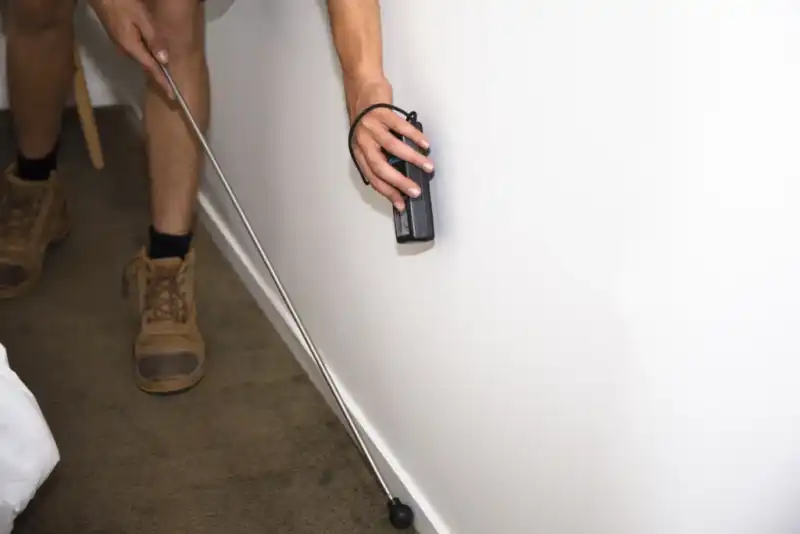
What's Involved in a Building and Pest Inspection?
Building and pest inspections evaluate structural integrity and pest-related issues in Australian properties. Learn what inspectors check, common issues detected, costs, and legal requirements.
Pre-Purchase Inspection Checklist for Buyers
A pre-purchase inspection checklist helps buyers assess property condition before committing. Covers structural, electrical, plumbing, roofing, and pest checks.
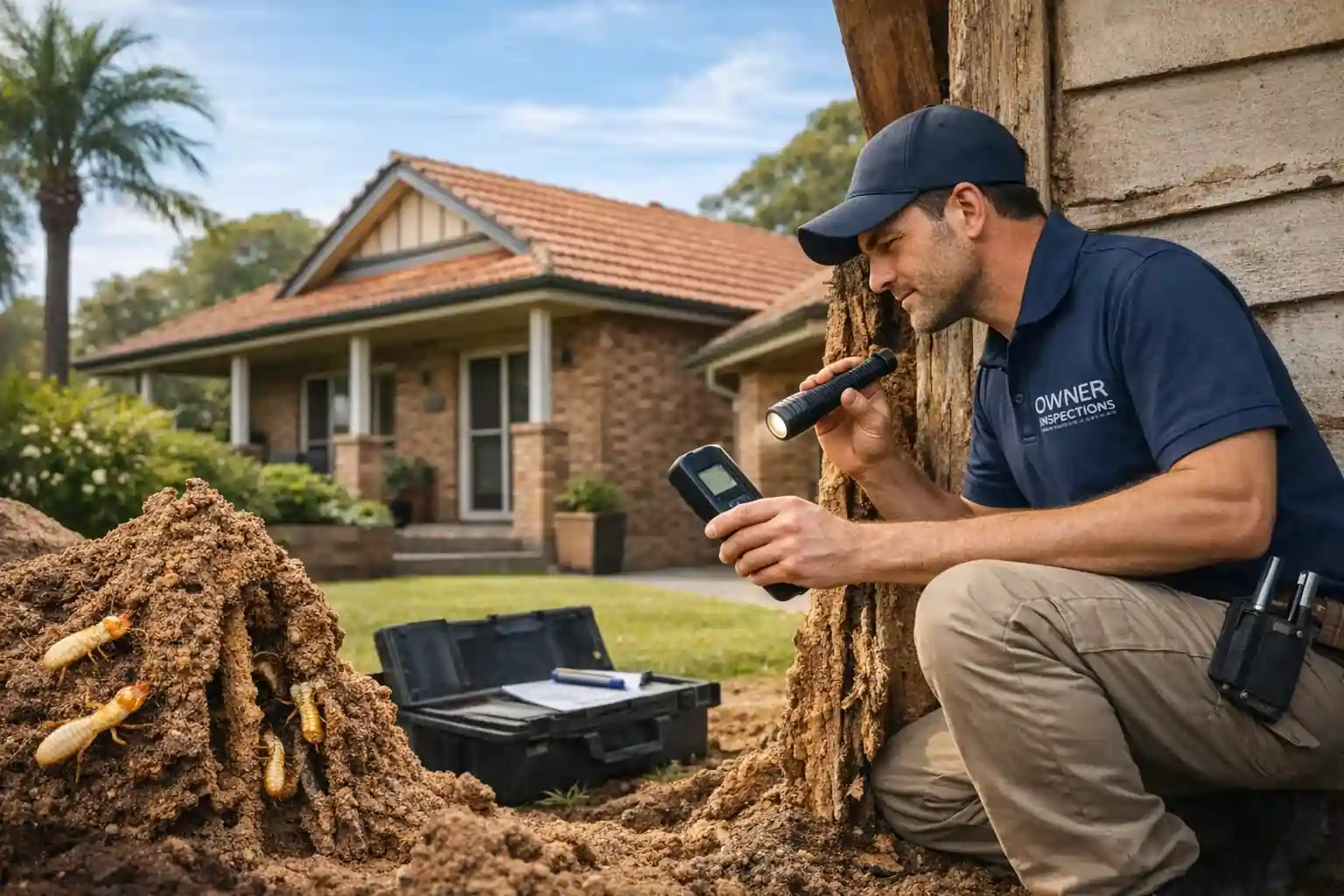
Termite Inspection to Protect Your Home
Termites cause approximately $1.5 billion in damage to Australian properties annually. Learn how professional termite inspections can protect your home and investment.
For a complete overview, see our guide to pre-purchase building and pest inspections.
Need a Pre-Purchase Inspection?
Our licensed inspectors cover Sydney, Melbourne, and all major Australian cities.
Buying your first home? A building and pest inspection gives you the confidence to make an informed decision. Owner Inspections provides independent pre-purchase inspections and timber pest inspections across NSW, Victoria, and Queensland. Get a quote today or call us on 1300 471 805.