
Properties around the 10-year mark have usually run out their builder warranty period. NSW covers major defects for six years under the Home Building Act 1989, Queensland's QBCC statutory insurance runs 6 years and 6 months for structural defects, and Victoria's ten-year limit under section 134 of the Domestic Building Contracts Act 1995 is right at the edge. This means you inherit responsibility for almost anything found after settlement.
As building inspectors, we see the 10-year mark as a watershed moment. Early construction shortcuts become visible. Termite barriers begin failing. Waterproofing membranes approach end of life. Understanding which defects warrant walking away could save you from a costly mistake.
$1.5B
Annual termite damage in Australia
10 years
When major defects typically surface
32%
Properties with significant defects
What Counts as a Major Defect?
A major defect is one that affects the structural performance of the building, makes part of it unsafe or unsanitary, or makes it unfit to live in. A minor defect is everything else: finishes, fittings, wear and tear, and workmanship that looks poor but performs. The distinction is what decides whether you negotiate or leave.
This is not a matter of opinion. AS 4349.1, the standard your inspection is written to, asks the inspector to report a defect against the reasonable expectation for a building of that age and type, and to flag anything classed as a major defect separately. Statutory definitions run in parallel: NSW defines a major defect in section 18E of the Home Building Act 1989 around structural failure, uninhabitability and a failure of a major element such as footings, load-bearing walls, roof or waterproofing.
| Question to ask | Minor defect | Major defect |
|---|---|---|
| Does it carry load? | No | Yes |
| Is the building safe and habitable with it? | Yes | No, or not for long |
| Does it get worse if ignored? | Slowly, or not at all | Yes, and the cost accelerates |
| Who can fix it? | A general trade | Engineer, then a licensed builder |
| Typical cost | Hundreds to low thousands | Tens of thousands upward |
QIs Water Ingress a Major Defect?
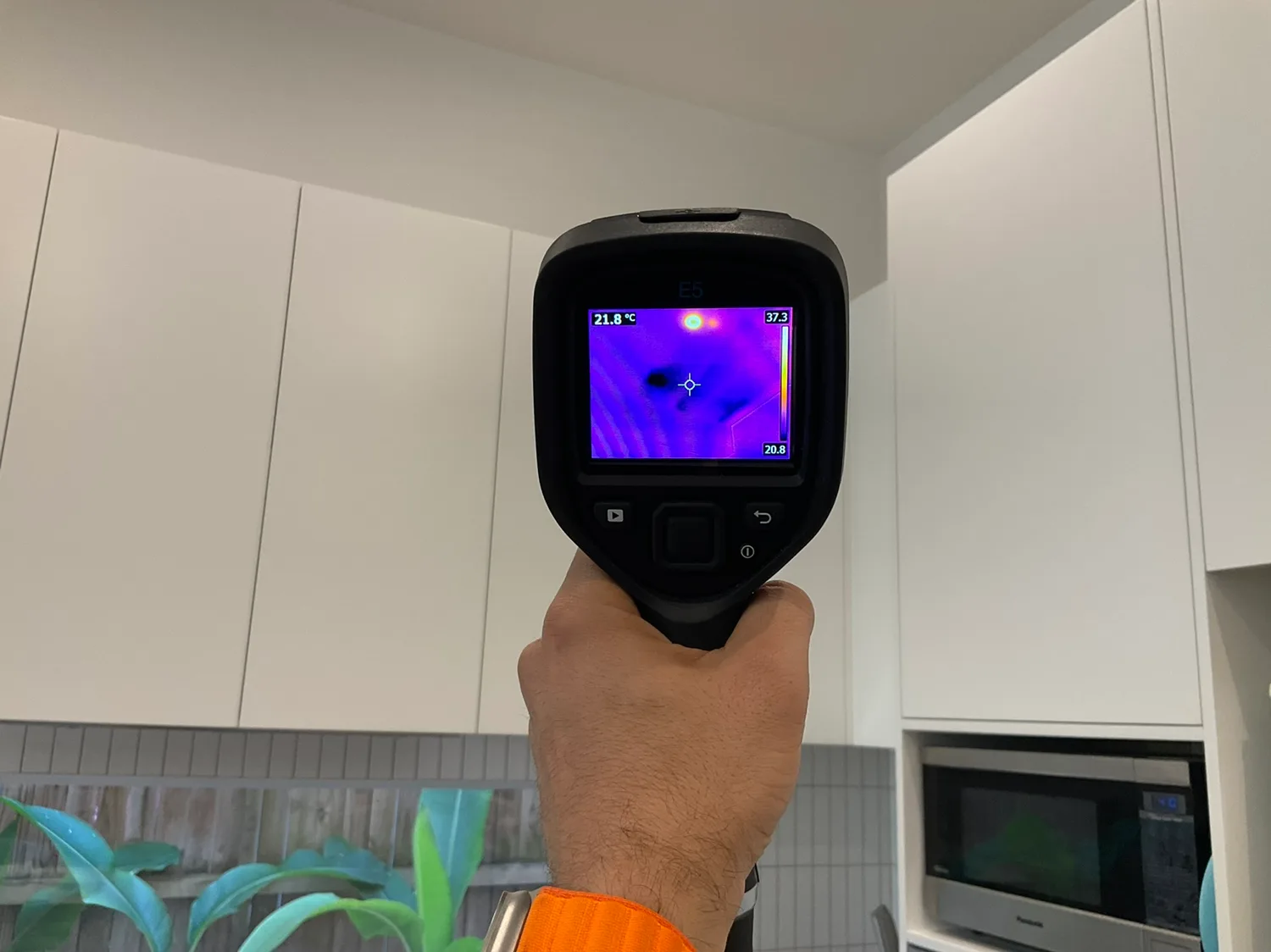
Water ingress is a major defect whenever it reaches structure, framing or a waterproofing membrane, because it keeps damaging the building for as long as it continues. Water staining on a ceiling below a bathroom, or damp at the base of a wall, is major. A weeping shower screen seal is not.
The reason we treat water so seriously at the 10-year mark is that the damage is cumulative and hidden. By the time a stain appears on plasterboard, the framing behind it has usually been wet for months. Wet framing then attracts termites, which is how one defect becomes two.
Critical Structural Defects
Structural defects in a 10-year-old property are cracking, floor movement or footing failure that affects how the building carries load. They matter more than any other category because they are the most expensive to fix, the hardest to price before work starts, and the ones that keep moving after the repair.
These defects usually point back to either the soil under the house or shortcuts taken during original construction, and neither is something a buyer can negotiate away.
Significant Cracking Patterns
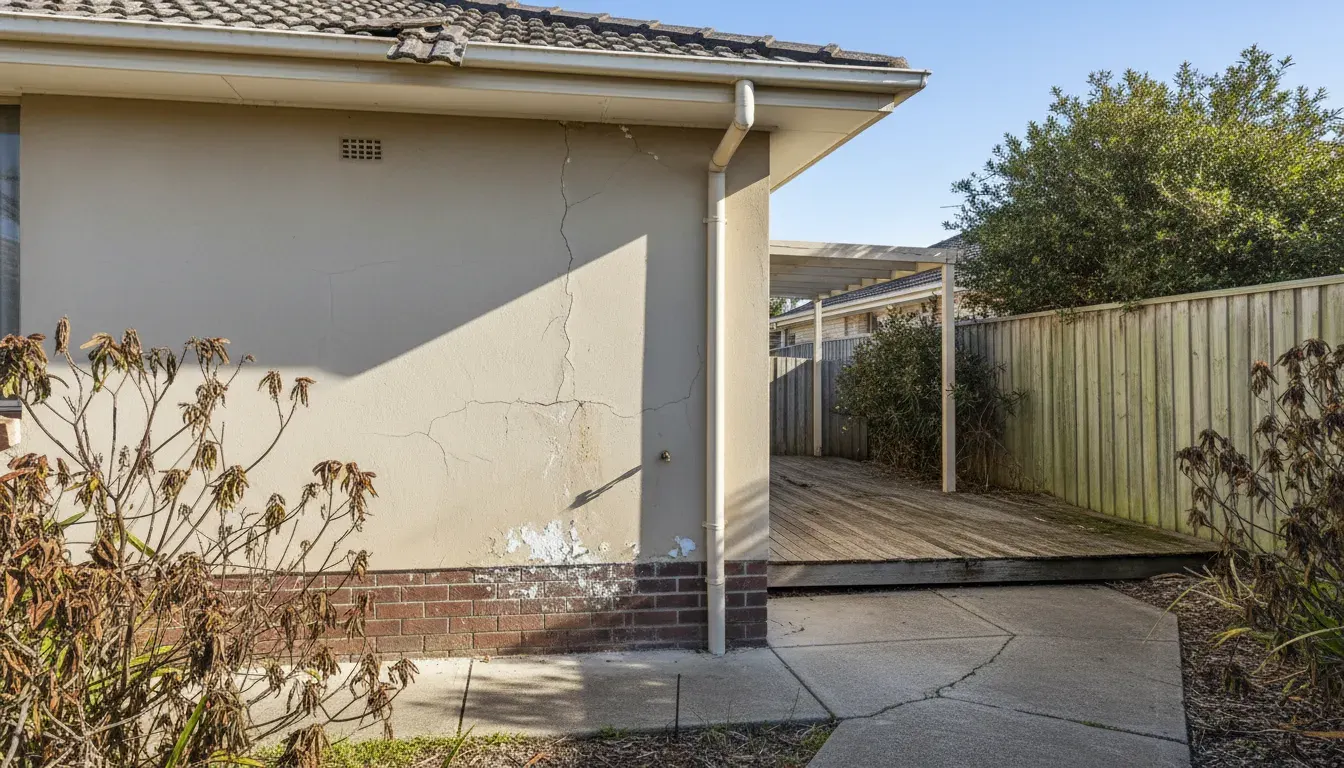
Not all cracks are equal. Hairline cracks from normal settlement rarely concern us. However, diagonal cracks wider than 5mm, particularly around windows and doors, suggest foundation movement. Horizontal cracks in brickwork indicate lateral pressure from soil movement or failed retaining walls.
| Crack Type | Width | Concern Level | Typical Repair Cost |
|---|---|---|---|
| Hairline settling | Under 1mm | Low | $500 - $2,000 |
| Moderate movement | 1-5mm | Medium | $5,000 - $20,000 |
| Severe structural | Over 5mm | High | $30,000 - $100,000+ |
| Horizontal/stepped | Any width | Critical | $50,000 - $150,000+ |
Red Flag
Stepped cracking following the mortar joints, combined with doors and windows that stick, suggests ongoing foundation movement requiring immediate structural engineering assessment.
Foundation and Footing Failures
Reactive clay soils across much of Sydney, Melbourne, and Adelaide cause significant foundation issues. By 10 years, inadequate footings designed without proper soil testing reveal themselves through:
- Floor level variations exceeding 25mm across a room
- Gaps appearing between walls and floors
- Concrete slab edge cracking and lifting
These defects typically require underpinning or full slab replacement. Costs start at $50,000 and can exceed $200,000 for severe cases.
Termite and Timber Pest Damage
Termite damage is a walk-away defect when white ants are active in structural timbers, or when past damage has taken meaningful section out of joists, bearers or trusses. Old, treated, repaired damage with current protection in place is a negotiation. Live termites in a bearer are not.
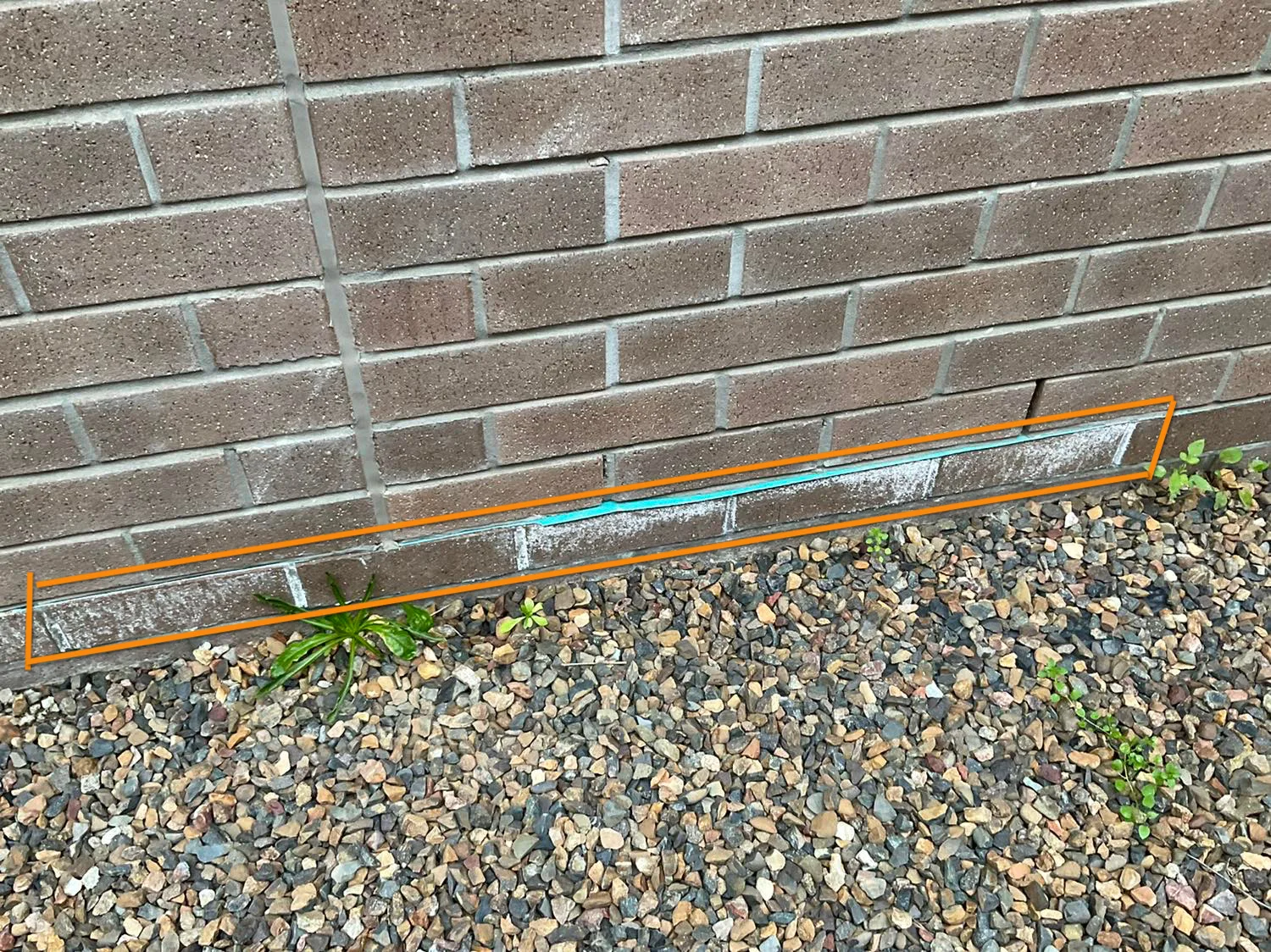
At 10 years, chemical barriers installed during construction have often degraded or expired. Physical barriers may have been bridged by landscaping, pavers, or debris pushed up against the slab edge.
Termite Barrier Lifespan
Most chemical termite barriers last 5-10 years depending on soil conditions and product used. A 10-year-old property may have no effective termite protection remaining.
We recommend a thorough timber pest inspection for any property this age. Deal-breaking termite findings include:
- Active termite infestation in structural timbers
- Extensive damage to floor joists or bearers (over 30% loss)
- Termite damage to roof trusses affecting load capacity
- Multiple previous treatments suggesting ongoing issues
| Termite Damage Extent | Remediation Cost | Should You Walk Away? |
|---|---|---|
| Surface damage only | $3,000 - $8,000 | Negotiate price |
| Moderate structural | $15,000 - $40,000 | Consider carefully |
| Extensive structural | $50,000 - $150,000+ | Strong consideration |
| Active infestation + damage | Varies widely | Yes, unless major discount |
Waterproofing and Moisture Failures
Failed wet area waterproofing is a major defect, and in a 10-year-old property it is one of the most likely things to be near the end of its life. Membranes typically last 10 to 15 years, so a house at this age is either approaching failure or already leaking quietly into the framing behind the tiles.
Signs of Waterproofing Failure
During inspection, we look for:
- Bubbling or lifting tiles in wet areas
- Musty odours indicating hidden moisture
- Staining on ceilings below bathrooms
- Soft or spongy flooring around showers
Replacing failed waterproofing requires complete bathroom strip-out. Budget $15,000 to $35,000 per bathroom. If moisture has spread to wall framing, structural repairs add substantially to costs.
Compliance Check
Waterproofing must comply with AS 3740. Non-compliant work, common in owner-builder projects, voids any insurance coverage and may affect your ability to claim on building insurance.
Roof and Drainage Issues
Roof coverings at 10 years should still have most of their service life left, so a roof in trouble at this age almost always means an installation defect rather than age. Sagging framing, failed box gutters and widespread rust are the findings that turn a roof from a maintenance item into a reason to reconsider.
Major Roof Defects to Watch
A professional roof inspection identifies issues invisible from ground level. Defects requiring immediate attention include:
- Collapsed or sagging roof framing
- Widespread rust on metal roofing
- Failed box gutters causing internal leaks
- Blocked or undersized downpipes causing overflow
Non-Compliant Building Work
Unapproved building work is a walk-away defect because you buy the problem, not the person who created it. Once you settle, the council order, the rectification cost and the insurance exposure are all yours, and no amount of inspection detail changes that. It is the one defect category where the risk is legal rather than physical.
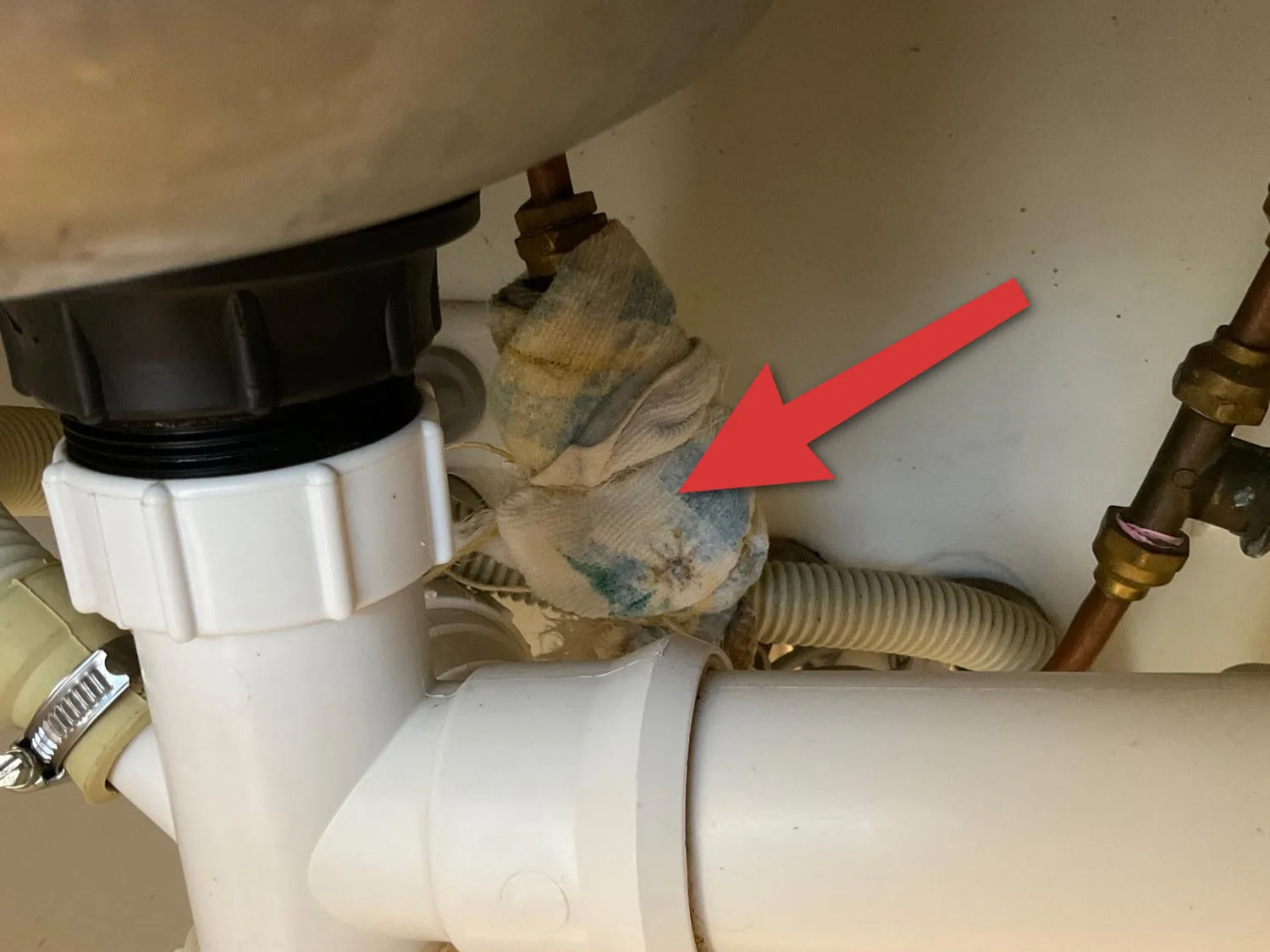
Makeshift repairs are the visible tip of the same problem. A rag tied around a leaking waste connection, or a pipe joint patched rather than replaced, tells you work has been done outside the licensing system somewhere in this house.
Common issues in 10-year-old properties include:
| Non-Compliant Work | Risk Level | Resolution |
|---|---|---|
| Enclosed carport/patio | Medium | Council approval + possible modifications |
| Unpermitted bathroom | High | Strip-out or certification required |
| Structural alterations | Critical | Engineering assessment + council order |
| Illegal pool fencing | High | Immediate compliance required |
Insurance Impact
Non-compliant building work may void your home insurance entirely. If fire or storm damage occurs in an unapproved structure, your insurer can refuse the claim.
How Long Is a Builder Liable for Defects?
In most of Australia a builder is liable for major or structural defects for six to ten years from completion, and for minor defects for one to two years. At the 10-year mark you are at or past the end of every one of those windows, which is the single most important reason to inspect a property of this age properly.
| State | Major or structural defects | Minor defects |
|---|---|---|
| NSW | 6 years | 2 years |
| VIC | 10 years from occupancy permit | 10 years, with shorter contract warranty periods |
| QLD | 6 years 6 months (QBCC cover) | 12 months |
| WA | 6 years (Building Act limitation) | 6 years |
| SA | 5 years statutory warranty | 5 years |
The practical effect
Even inside a warranty period, the protection usually follows the original contract and the original owner, and claiming on it means a dispute process rather than a phone call. Treat any surviving warranty as a bonus, not as a reason to skip an inspection.
If you have already settled and defects have surfaced, a defect investigation report documents cause and extent to the standard a tribunal expects.
Defect Severity Guide
Minor Defects
Cosmetic issues, minor maintenance items, wear and tear. Budget $1,000 - $5,000. Proceed with purchase.
Moderate Defects
Requires professional repair within 12 months. Budget $5,000 - $20,000. Negotiate purchase price.
Major Defects
Structural, safety, or compliance issues. Budget $20,000 - $100,000. Consider walking away or major price reduction.
Critical Defects
Immediate safety risk or uninhabitable conditions. Budget $100,000+. Walk away unless extraordinary circumstances.
Frequently Asked Questions
What is the difference between a major and a minor defect?
A major defect affects structural performance, safety or habitability, or involves a failure of a major element such as footings, load-bearing walls, the roof or waterproofing. A minor defect is finishes, fittings and workmanship that looks poor but performs.
The practical test is whether the element carries load or keeps water out. If it does neither, the defect is almost always minor regardless of how bad it looks. NSW sets this out in section 18E of the Home Building Act 1989, and inspectors reporting to AS 4349.1 flag major defects separately for the same reason.
Is water ingress a major defect?
Water ingress is a major defect once it reaches framing, structure or a waterproofing membrane, because the damage continues for as long as the water does. A leaking shower screen seal or a weeping tap is a minor defect.
Ceiling staining below a bathroom, damp at the base of a wall, and lifting tiles in a wet area all point to membrane failure rather than surface leakage. Wet framing also attracts termites, which is how a single water defect becomes a compounding one.
Is it a good idea to buy a house with structural defects?
Only with an engineer's report, a fixed-price rectification quote and a price reduction covering both plus a contingency. Without all three, you are guessing at a number that usually grows once work starts.
Structural defects are not automatically deal breakers. A single repaired crack with a documented cause and a stable footing is manageable. Ongoing differential movement in reactive clay is not, because the repair does not stop the soil.
What defects should definitely make me walk away from a 10-year-old property?
Active termite infestation with structural damage, major foundation failure, and extensive non-compliant building work are clear walk-away defects.
These issues share common characteristics: unpredictable repair costs, potential for hidden damage beyond what is visible, and ongoing risk even after remediation. Active termites mean the colony is established and has been feeding undetected. Foundation failure indicates soil conditions that will continue causing movement. Non-compliant work creates legal and insurance complications that persist throughout ownership.
How much does it cost to fix major defects in a 10-year-old house?
Major structural defects typically cost $30,000 to $150,000 to remediate, while termite damage repairs range from $15,000 to $100,000 depending on extent.
Costs vary significantly based on property location, accessibility, and the specific defect. Sydney and Melbourne attract higher labour rates than regional areas. Multi-storey properties cost more due to scaffold requirements. The true cost often exceeds initial estimates as hidden damage is uncovered during repair work. Budget an additional 20-30% contingency.
Is a building inspection enough for a 10-year-old property?
A combined building and pest inspection is essential, and you may also need specialist reports for pool compliance, electrical safety, or structural engineering.
Standard building inspections follow AS 4349.1 and cover accessible areas visually. Properties with specific concerns warrant additional investigation. If cracking suggests foundation issues, a structural engineer provides detailed assessment. Swimming pools require separate compliance certification. Older electrical systems may need inspection by a licensed electrician.
Are cracks in a 10-year-old house normal?
Minor hairline cracks under 1mm are normal settling. Cracks over 5mm wide, diagonal cracking, or stepped cracking through brickwork indicate structural movement requiring investigation.
All buildings move slightly during their lifetime. Temperature changes, moisture variations, and minor soil movement cause small cracks that are purely cosmetic. The concern arises when crack patterns suggest differential foundation movement. This happens when one part of the building moves independently of another. Diagonal cracks radiating from corners of windows and doors are classic indicators.
Should I buy a house with termite history?
Previous termite treatment is not automatically a deal breaker if the infestation was properly treated, damage was repaired, and ongoing protection is maintained.
Request documentation of previous treatments including the product used, date applied, and warranty period. Have a qualified pest inspector assess whether treatment was comprehensive and whether current barriers are effective. Check that all damaged timber was replaced, not just treated. Properties with termite history require vigilance and annual inspections.
What is the builder warranty period for a 10-year-old property?
In most Australian states, statutory warranty for major defects expires after 6-7 years, meaning a 10-year-old property has no remaining builder warranty coverage.
NSW provides 6 years for major defects under the Home Building Act 1989. Queensland offers 6.5 years through QBCC. Victoria provides 10 years for structural defects but only 6 years for non-structural. This means you assume full responsibility for any defects discovered after purchase. A thorough pre-purchase inspection becomes even more important when warranty protection has expired.
How long do bathroom waterproofing membranes last?
Properly installed waterproofing membranes typically last 10-15 years, though lifespan varies based on material quality, installation standard, and usage patterns.
In a 10-year-old property, waterproofing is approaching mid-life. High-traffic bathrooms or those with poor ventilation may fail earlier. Signs of imminent failure include grout cracking, tile movement, and musty odours. Budget for potential bathroom renovation within 5-10 years of purchasing a property this age.
Can I negotiate the purchase price based on inspection defects?
Yes. A detailed inspection report provides documented evidence for price negotiation, typically allowing reductions equal to repair costs plus a margin for inconvenience.
Present specific defects with estimated repair costs to the vendor. Major defects may warrant $20,000 to $100,000 reductions depending on severity. Some vendors prefer to complete repairs rather than reduce price. Others prefer a clean break with reduced price. Your bargaining position strengthens with detailed professional documentation.
What questions should I ask after receiving my inspection report?
Ask your inspector to clarify defect severity, repair urgency, estimated costs, and whether specialist investigation is recommended for any findings.
Request specific advice on which defects are deal breakers versus negotiation points. Ask about the likely progression of identified issues if left unaddressed. Understand which defects are DIY-fixable versus requiring licensed tradespeople. Clarify any limitations in the inspection that may warrant further investigation.
Should I get quotes for repairs before making an offer?
Obtaining repair quotes before finalising your offer strengthens your negotiating position with documented costs from licensed tradespeople.
This approach works best when you have identified specific defects through inspection. Request quotes from two or three contractors for major items. Be aware that detailed quotes take time and may cost you if the purchase falls through. For significant structural issues, budget estimates from your inspector may suffice for initial negotiations.
What Australian Standards apply to building inspections?
Building inspections follow AS 4349.1 for residential buildings, while timber pest inspections follow AS 4349.3. These standards define inspection scope and reporting requirements.
These standards establish minimum requirements for visual inspection of accessible areas. They do not require destructive investigation or specialist testing unless specifically requested. Inspectors must report on conditions observed at the time of inspection and identify areas that were inaccessible. Understanding these limitations helps set realistic expectations for what an inspection can reveal.
How do I check if building work is approved?
Request a Section 149 certificate (NSW) or equivalent from your local council, which lists all approved building work and any outstanding orders on the property.
Compare the certificate against current property conditions. Any structures or modifications not listed may be unapproved. Council records also reveal development applications, complying development certificates, and building compliance certificates. Your conveyancer should obtain these documents as standard practice during due diligence.
Key Takeaways
- A major defect affects structure, safety, habitability or waterproofing; everything else is a negotiation, not a reason to walk
- Water ingress becomes a major defect the moment it reaches framing or a membrane, because the damage keeps compounding
- Properties at 10 years have typically exceeded builder warranty periods, making thorough inspection essential
- Active termite infestation, major foundation failure, and extensive non-compliant work are clear walk-away defects
- Waterproofing in wet areas approaches end of life at 10 years, budget for potential bathroom renovation
- Cracks over 5mm wide or showing stepped patterns through brickwork require structural engineering assessment
- Chemical termite barriers may have expired, verify current protection status
- Non-compliant building work can void insurance coverage and create ongoing legal complications
- Use inspection findings to negotiate purchase price with documented repair cost estimates
- Always verify building approvals through council records before finalising purchase
References and Resources
- Building Commission NSW - How building defect complaints are handled
- icare NSW - Home Building Compensation
- QBCC - Home Warranty Insurance Scheme
- Domestic Building Contracts Act 1995 (Vic), section 134
- Consumer Affairs Victoria - Building disputes, defects and delays
- National Construction Code - Volume Two, Class 1 and 10 buildings
Related Articles

Decoding Pre-Purchase Inspection Reports
Understanding your pre-purchase inspection report is essential for making confident purchasing decisions. Learn how to decode technical findings and identify significant problems.

Pre-Purchase Inspection Checklist for Buyers
A pre-purchase inspection checklist helps buyers assess property condition before committing. Covers structural, electrical, plumbing, roofing, and pest checks.
Hiring a Private Inspector for a New House Purchase
A private building inspector provides independent assessments of new house purchases beyond council compliance checks. Learn what they cover and how to choose one.
For a complete overview, see our guide to pre-purchase building and pest inspections.
Need a Pre-Purchase Inspection?
Our licensed inspectors cover Sydney, Melbourne, and all major Australian cities.
Get Expert Advice on Your 10-Year-Old Property
Our experienced inspectors identify defects that matter and provide clear guidance on your purchase decision.
If you have already purchased and discovered defects, see our guide to building defect investigations for your next steps.