
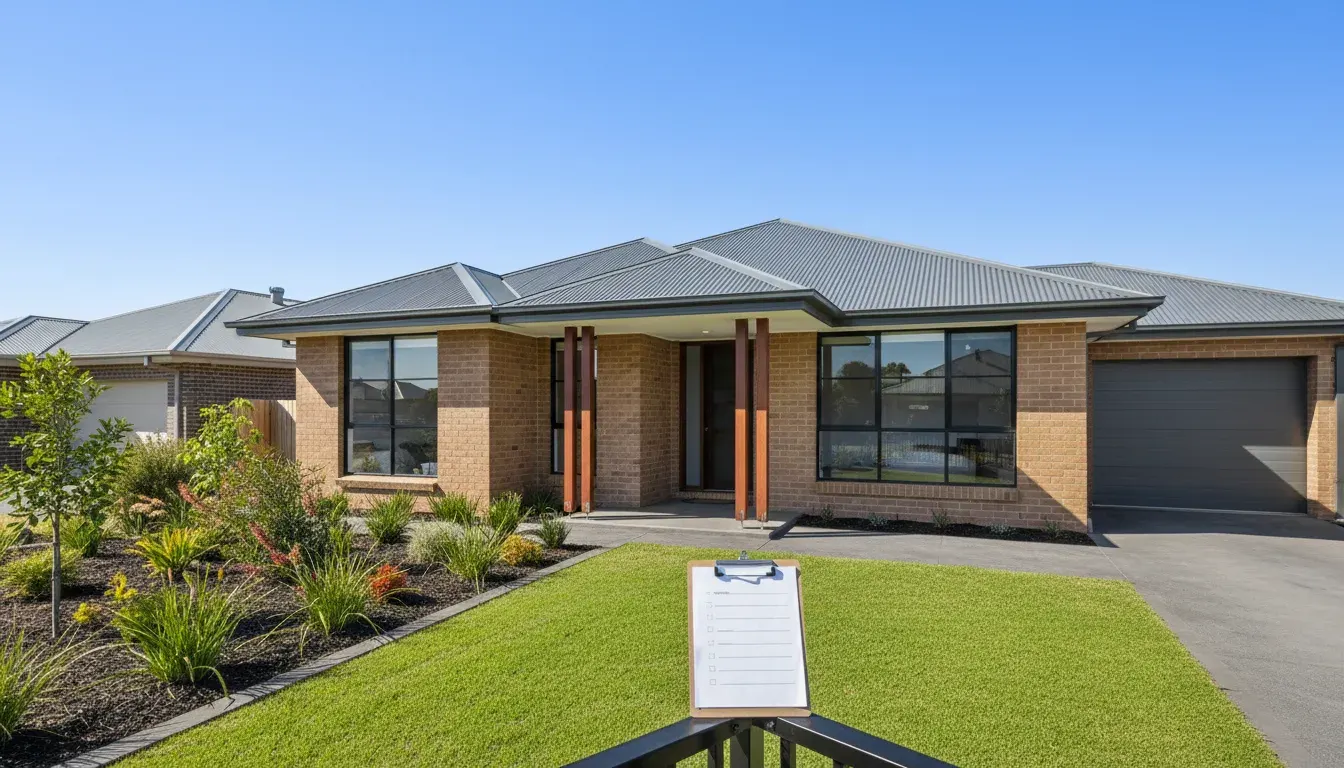
Purchasing a home is one of the largest financial commitments most Australians will make. Even properties that appear flawless on the surface can hide costly structural defects, pest activity, faulty wiring, or plumbing problems. A building inspection removes the guesswork. It gives buyers leverage in negotiations, gives sellers transparency, and gives homeowners a clear picture of what needs attention now and what can wait.
What Is a Building Inspection?
A building inspection is a comprehensive visual examination of a property's accessible areas, conducted by a licensed and qualified inspector. The inspector assesses structural soundness, identifies defects, checks compliance with building standards, and documents findings in a detailed report with photographs and recommendations.
In Australia, building inspections follow Australian Standard AS 4349.1, which outlines the scope, methodology, and reporting requirements. The inspector examines all reasonably accessible areas of the property but does not carry out invasive testing such as drilling into walls or lifting floor coverings unless specifically agreed.
Types of Building Inspections
| Who It's For | Purpose | |
|---|---|---|
| Pre-Purchase Inspection | Buyers considering a property purchase | Identifies defects and issues before you commit to buying |
| Pre-Sale Inspection | Sellers preparing to list their property | Uncovers problems so sellers can fix them before listing, reducing surprises during negotiation |
| Construction Stage Inspection | Homeowners building a new home | Checks compliance with building codes and quality standards at each stage of construction |
| Timber Pest Inspection | Buyers and homeowners in pest-prone areas | Detects termites, borers, and wood decay per AS 4349.3 |
| Defect Investigation | Homeowners experiencing problems with their property | Identifies the cause, extent, and recommended rectification of specific defects |
Benefits for Buyers
A pre-purchase inspection is one of the smartest investments you can make before buying a property.
According to the NSW Government, more than half of all buildings registered between July 2016 and June 2022 had serious defects. A pre-purchase inspection is your primary defence against buying a property with hidden problems.
Benefits for Sellers
A pre-sale inspection helps sellers take control of the process.
Benefits for Property Owners
Even if you are not buying or selling, regular inspections protect your investment.
- Reveals current maintenance issues before they become major repairs
- Provides a roadmap for future maintenance and budgeting
- Uncovers safety hazards such as faulty wiring, structural movement, or mould growth
- Supports insurance claims by documenting the property's condition at a specific point in time
- Helps you comply with landlord obligations if you are renting the property out
What Does a Building Inspector Check?
A qualified building inspector examines the following areas during a standard inspection:
Structural Components
- Foundation condition, including signs of settlement, cracking, or movement
- Framing integrity (timber or steel frame)
- Roof structure, including trusses, rafters, and load-bearing elements
- Load-bearing walls and columns
Exterior
- Condition of cladding, brickwork, or render
- Windows and doors (operation, seals, and frames)
- Gutters, downpipes, and stormwater drainage
- Site grading and drainage away from the building
- Fencing, retaining walls, and external structures
Interior
- Walls, ceilings, and floors for cracking, water stains, or movement
- Wet areas (bathrooms, laundry, kitchen) for waterproofing and tiling condition
- Doors, windows, and cabinetry for operation and finish
Systems
- Plumbing: leaks, water pressure, hot water system condition
- Electrical: switchboard, visible wiring, safety switches (RCDs)
- Ventilation: subfloor ventilation, exhaust fans, and roof space airflow
Other
- Signs of timber pest activity (termites, borers, wood decay)
- Mould growth or excessive moisture
- Asbestos-containing materials (in homes built before 1990)
- General energy efficiency observations
Choosing the Right Building Inspector
Not all inspectors are equal. When selecting a building inspector, consider the following:
Key Takeaways
- A building inspection is a visual assessment of a property's condition carried out by a qualified inspector following AS 4349.1.
- Over 53% of NSW buildings registered between 2016 and 2022 had serious defects, highlighting the importance of inspections.
- Pre-purchase inspections help buyers identify defects, negotiate better prices, and avoid costly surprises.
- Pre-sale inspections give sellers transparency, reduce disputes, and can lead to faster, stronger sales.
- Inspectors check structural components, exterior, interior, plumbing, electrical, ventilation, and pest activity.
- Always choose a licensed, insured inspector with experience relevant to your property type.
- Regular inspections protect property value and support insurance claims through documented evidence.
Frequently Asked Questions
What preparations are necessary before a building inspector visits?
Clear access to all areas of the property, including the roof space, subfloor, garage, and utility rooms. Remove any stored items blocking access to electrical panels, plumbing connections, and HVAC systems. If there are locked rooms or gates, make sure keys are available on the day of the inspection.
How long does a building inspection take?
A standard residential building inspection typically takes 1 to 3 hours depending on the size, age, and condition of the property. Larger or older properties may take longer. The inspector will provide a detailed written report, usually within 24 to 48 hours after the inspection.
Should I attend the building inspection?
Yes, attending the inspection is highly recommended. It allows you to observe the process, ask questions in real time, and gain immediate insights about the property's condition. If you cannot attend, the inspector will provide a comprehensive report with photographs and descriptions of all findings.
What types of properties need building inspections?
Building inspections are recommended for all property types including houses, apartments, townhouses, commercial buildings, and new constructions. They are particularly important for older properties, recently renovated homes, and properties in areas prone to specific issues like termites, flooding, or subsidence.
What is the difference between a building inspection and a building survey?
A building inspection is a visual examination of accessible areas, focused on identifying defects and assessing overall condition. It follows AS 4349.1 and is commonly used for pre-purchase assessments. A building survey is more comprehensive and may include detailed measurements, structural analysis, and assessment of heritage features. Surveys are more common for older or architecturally unique properties.
What are the limitations of a building inspection?
Building inspections are limited to visible and accessible areas. Inspectors do not move heavy furniture, lift floor coverings, or dismantle any part of the building. Areas that are concealed, inaccessible, or obstructed will be noted as limitations in the report. For hidden issues, additional specialised inspections (such as thermal imaging or invasive testing) may be recommended.
Do I need a separate pest inspection?
Yes, a separate timber pest inspection is recommended, particularly in areas prone to termite activity such as Queensland, northern NSW, and coastal regions. Some inspection companies offer combined building and pest inspections for convenience. The pest inspection follows AS 4349.3 and specifically checks for termites, borers, and wood decay fungi.
How do I choose a competent building inspector?
Look for an inspector who is licensed in your state, holds professional indemnity insurance, and is a member of a recognised industry body such as the Australian Institute of Building Surveyors. Check online reviews, ask for sample reports, and confirm their experience with your property type. A good inspector provides clear, detailed reports with photographs and references to Australian Standards.
How much does a building inspection cost in Australia?
The cost of a standard residential building inspection in Australia typically ranges from $400 to $800 depending on the property size, location, and type. Combined building and pest inspections usually cost between $500 and $1,000. Investment in an inspection is small compared to the potential cost of undiscovered defects.
Can a building inspection report be used in legal disputes?
Yes. A professional building inspection report is a factual document that can be used as evidence in legal disputes, tribunal hearings, and insurance claims. For reports to carry maximum weight, they should be prepared by a licensed inspector and follow Australian Standard AS 4349.1. For tribunal or court proceedings, an expert witness report may also be required.
References and Resources
- NSW Government - Building Defects Data - NSW Government
- Australian Standard AS 4349.1 - Inspection of Buildings - Standards Australia
- NSW Fair Trading - Building Inspections - NSW Government
- Victorian Building Authority (VBA) - Victorian Government
- Queensland Building and Construction Commission (QBCC) - Queensland Government
Related Articles
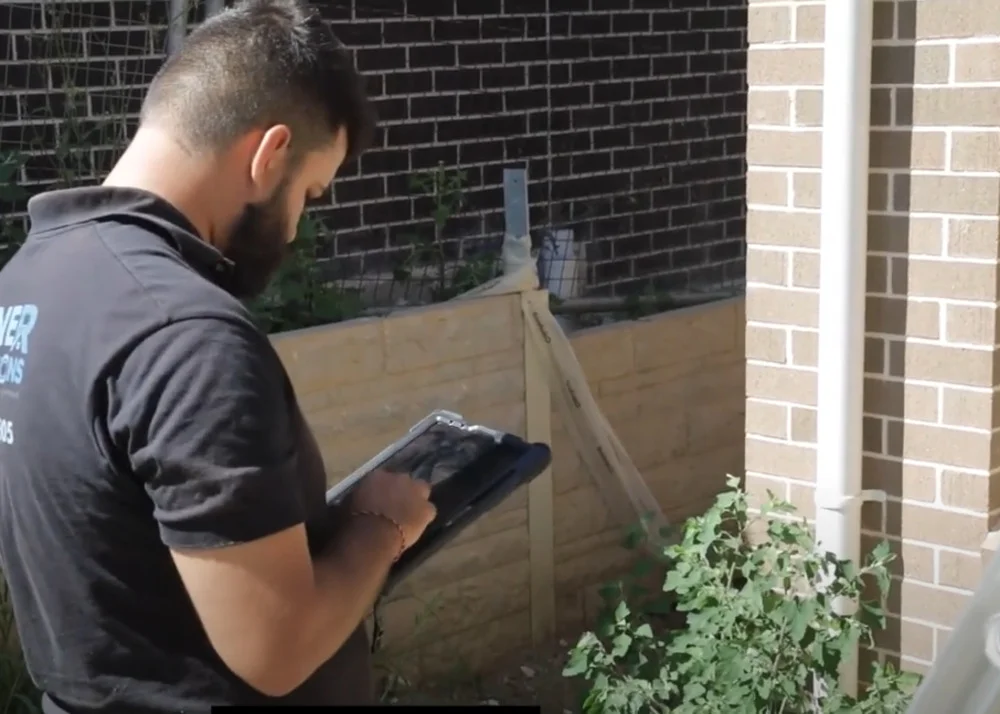
A Comprehensive Guide to House Inspections
House inspections are detailed professional assessments evaluating structural integrity, safety systems, and component functionality. Learn everything you need to know.
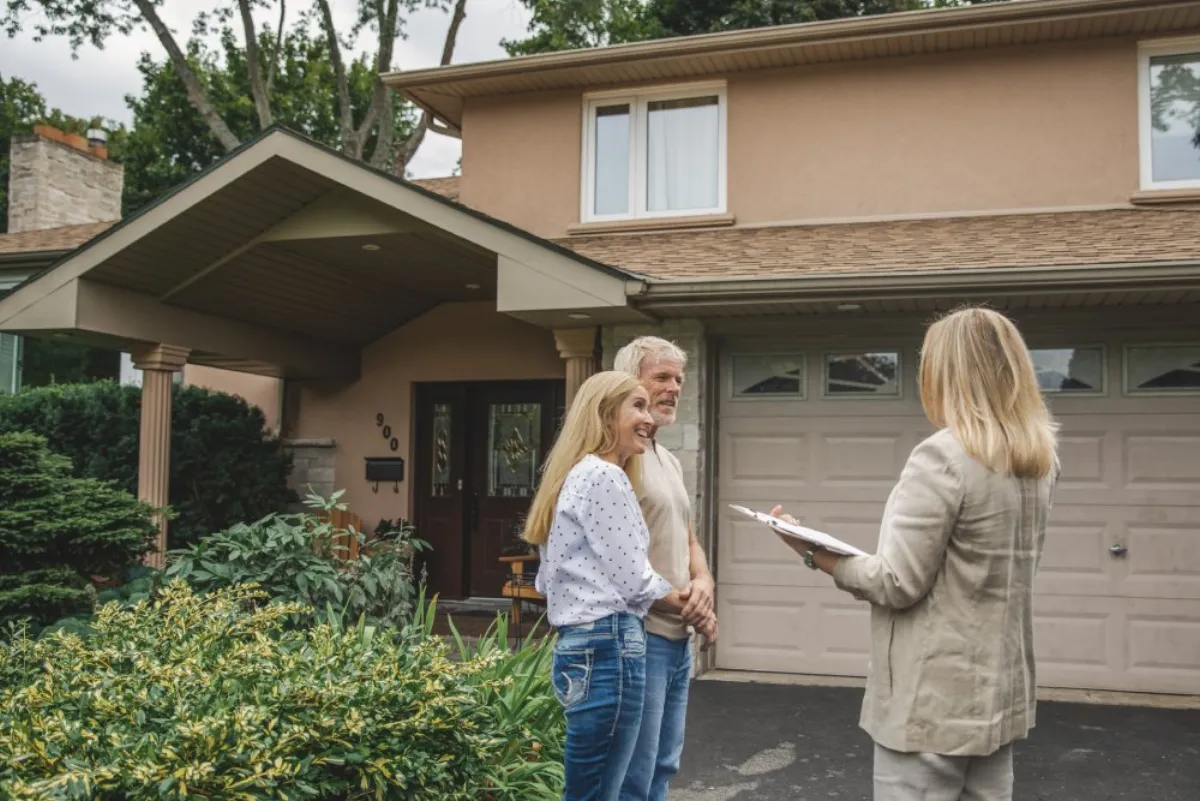
Pre-Purchase Inspections Guide Sydney
In Sydney's competitive property market, pre-purchase inspections play a pivotal role for prospective homebuyers. These detailed assessments go beyond surface appearances to uncover hidden structural defects, outdated electrical systems, and other issues that could cost thousands. This guide covers the benefits, common issues found, and how to choose the right inspector.
What Does a Building Inspection Cover?
Building inspections serve as a critical investment safeguard, examining structural integrity, electrical systems, plumbing, and more before property purchase.
For a complete overview, see our guide to pre-purchase building and pest inspections.
Need a Pre-Purchase Inspection?
Our licensed inspectors cover Sydney, Melbourne, and all major Australian cities.
Ready to protect your property investment? Owner Inspections provides independent, detailed building inspections across NSW, Victoria, and Queensland. Our licensed inspectors identify defects, assess structural condition, and deliver clear reports that give you the confidence to make informed decisions. Get a quote today or call us on 1300 471 805.