
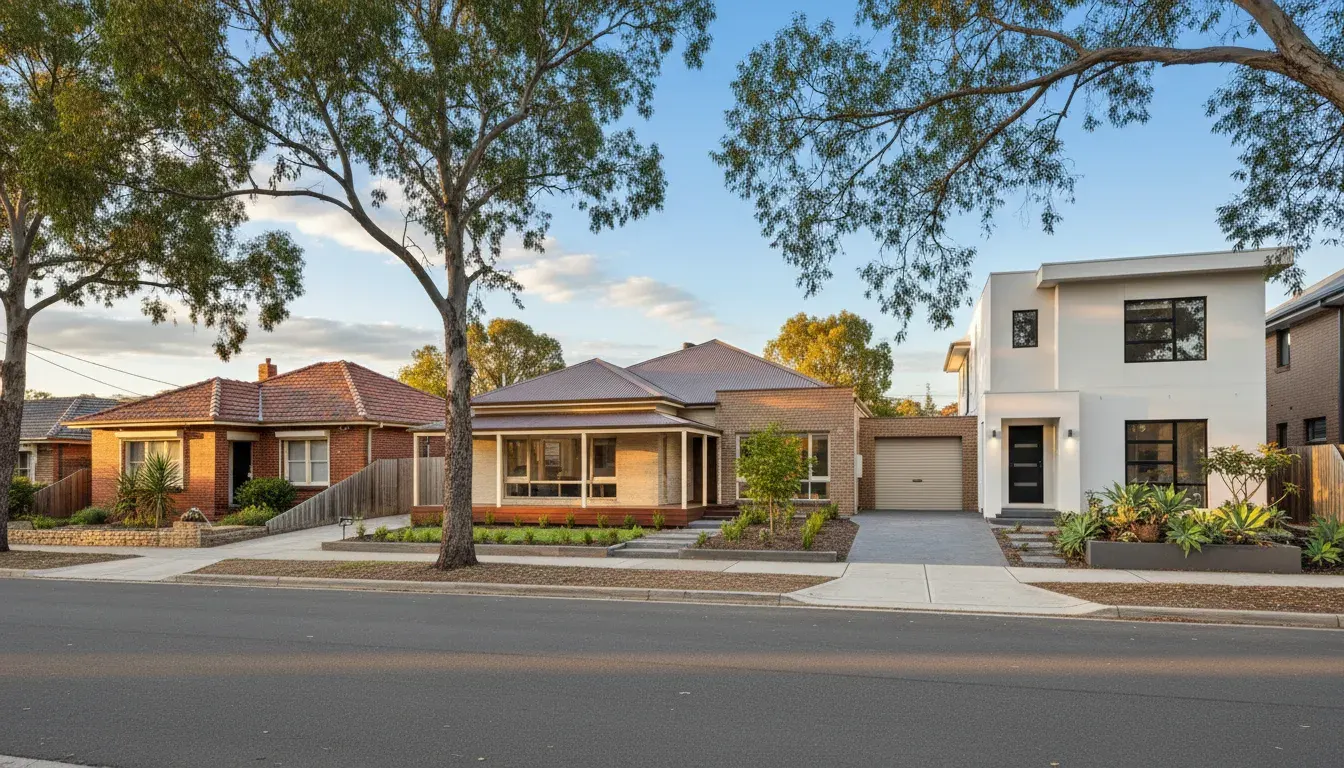
For a buyer, a building inspection may happen before signing a contract or during a cooling-off period. For a new build, inspections happen at set construction stages. For an existing home, building maintenance inspection frequency depends on the age, condition, location, pest risk, and signs of structural movement.
Building inspections are a fundamental component of property ownership and construction in Australia. From mandatory compliance checks during new construction to voluntary maintenance assessments for existing buildings, understanding inspection requirements and recommended frequencies helps property owners protect their investments and ensure occupant safety.
Need proof of building defects?
Get an independent defect investigation report to help document cracking, leaks, poor workmanship, movement or incomplete work before the issue becomes harder to prove.
Investigation
The Australian building inspection framework operates across multiple levels of government. The National Construction Code (NCC) establishes baseline requirements that apply nationwide, while individual states and territories implement their own Building Acts and regulations that specify when inspections must occur and who may conduct them. Local councils add another layer through development approvals and ongoing compliance monitoring.
This guide explains building inspection frequency in Australia, including mandatory inspections, NCC building inspections, new building inspection timing, pest checks, structural checks and when to book an independent inspection.
How Often Should Inspections Be Conducted?
For most established homes, a professional building inspection every 2 to 3 years is a practical baseline, with annual termite inspections where termite risk applies. The Australian Government’s YourHome guide recommends an annual termite inspection by a reputable licensed inspector, and says regular maintenance helps prevent or identify problems early.
For a property purchase, inspection should happen before committing fully to the purchase, because NSW Government guidance tells buyers to understand the condition of a home before buying to avoid later problems and extra costs.
| Situation | Recommended inspection frequency | Why it matters |
|---|---|---|
| Buying a home | Before contract becomes unconditional | Helps identify defects, structural problems, damp, drainage issues, and repair risk before purchase. |
| New building inspection | At key construction stages | Mandatory and independent checks help confirm work matches approved plans and building standards. |
| Existing home, 5 to 15 years old | Every 2 to 3 years | Helps track roof, drainage, wet area, cladding, movement, and maintenance issues. |
| Older home, 15 years plus | Every 1 to 2 years | Older homes have higher risk of damp, ageing services, roof wear, pest damage, and movement. |
| Timber pest inspection | Annually in termite-risk areas | Yearly inspections are recommended as protection against termites. |
| Commercial building inspection | Based on use, risk, and compliance duties | Some commercial buildings need annual essential safety measures reporting. |
Building Inspection Frequency in Australia: What Changes the Timing?
Building inspection frequency is not the same for every property. A new townhouse in Melbourne, a coastal home in Queensland, a 1970s brick house in Sydney, and a commercial building with fire safety systems all carry different inspection needs.
The main factors are:
- Property age
- Construction type
- Location and weather exposure
- Soil movement
- Termite risk
- Drainage and moisture history
- Renovation or extension work
- Whether the property is being bought, sold, leased, or insured
- Whether the building is residential, strata, or commercial
Look for signs such as damp, mould, sagging ceilings, buckling walls, windows and doors that do not open easily, plumbing damage, and structural problems during personal inspections.
New Building Inspection: When Should It Happen?
A new building inspection should happen at key stages before defects become hidden. Mandatory certifier checks focus on compliance. Independent stage inspections focus on the owner’s interests, workmanship, and defect risk.
In NSW, a principal certifier oversees the construction phase and completes mandatory building inspections, also called critical stage inspections, to check that building standards are met.
In Queensland, building certifiers check that the builder has complied with approved plans and building provisions, and certification during key stages helps confirm the project is safe, compliant, and structurally sound.
Suggested new building inspection schedule
| Stage | When to inspect | What to check |
|---|---|---|
| Pre-slab or footing | Before concrete is poured | Excavation, reinforcement, vapour barrier, set-out, termite management, drainage provisions |
| Frame | After frame is complete and before internal linings | Bracing, tie-downs, framing alignment, roof trusses, structural connections |
| Lock-up or pre-lining | Before walls and ceilings are covered | Windows, external cladding, flashings, services, insulation, wall wrap |
| Waterproofing | Before tiles or finishes cover wet areas | Membrane coverage, floor falls, penetrations, shower zones, waterstops |
| Practical completion or handover | Before final payment or settlement | Finishes, fixtures, doors, windows, drainage, defects, compliance documents |
Queensland requires dwelling inspections at excavation, footing, slab, frame, and final stages.
Mandatory Inspections and NCC Building Inspections
Mandatory inspections are compliance checks required by the building approval, building permit, or state rules. They are not the same as a full independent building inspection.
The National Construction Code sets requirements for the design and construction of buildings in Australia, including plumbing and drainage work.
That means NCC building inspections are not routine inspections of every part of a home. They are checks against approved plans, building rules, and minimum standards at required points.
- In NSW, the principal certifier completes mandatory critical stage inspections and may issue the final occupation certificate when the work is finished and requirements are satisfied.
- In Victoria, the relevant building surveyor must nominate mandatory inspections required for the stage of building work under regulation 171.
- In Queensland, on-site building inspections check that construction work complies with approved plans and recognised building standards, including the Building Code of Australia.
Australian Legal Framework for Building Inspections
Building inspections in Australia are governed by a hierarchical framework of national codes, state legislation, and local council requirements. Understanding this framework helps property owners navigate their obligations and rights.
National Construction Code Requirements
The National Construction Code (NCC) is Australia's primary regulatory framework for building construction. Developed and maintained by the Australian Building Codes Board (ABCB), the NCC sets minimum performance standards that all buildings must meet. While the NCC itself does not mandate specific inspection frequencies, it establishes the standards against which buildings are assessed during mandatory inspections.
Key NCC provisions relevant to inspections include:
- Structural provisions (Section B): Requirements for structural adequacy that must be verified through foundation and frame inspections
- Fire safety provisions (Section C): Fire resistance and compartmentation requirements assessed during construction
- Health and amenity provisions (Section F): Wet area waterproofing standards verified through dedicated inspections
- Energy efficiency provisions (Section J): Insulation and glazing requirements checked at lockup stage
State and Territory Building Acts
Each Australian state and territory has enacted its own Building Act that governs construction, inspections, and certification within its jurisdiction. These Acts specify mandatory inspection points, who may conduct inspections, and the consequences of non-compliance.
| State/Territory | Primary Legislation | Regulatory Authority | Mandatory Stages |
|---|---|---|---|
| New South Wales | Environmental Planning and Assessment Act 1979 | NSW Fair Trading | Up to 6 stages |
| Victoria | Building Act 1993 | Victorian Building Authority | 4 to 5 stages |
| Queensland | Building Act 1975 | QBCC | 4 to 6 stages |
| South Australia | Planning, Development and Infrastructure Act 2016 | SA Government | 3 to 5 stages |
| ACT | Building Act 2004 | Access Canberra | 4 to 5 stages |
| Western Australia | Building Act 2011 | DMIRS Building and Energy | 3 to 4 stages |
| Tasmania | Building Act 2016 | Consumer Building and Occupational Services | 3 to 5 stages |
| Northern Territory | Building Act 1993 | NT Building Advisory Services | 3 to 4 stages |
How Many Inspections Per Year NSW?
For an existing private home in NSW, there is no single rule that says every homeowner must book a set number of building inspections each year. The better question is: what risk level does the property carry?
A typical NSW homeowner may use this schedule:
| Property type or condition | Suggested frequency |
|---|---|
| Low-risk established home | Every 2 to 3 years |
| Older home or visible defects | Every 1 to 2 years |
| Coastal, damp, or high termite-risk property | Annually |
| Property with previous termite activity | Every 6 to 12 months |
| Before buying or selling | Before contract, settlement, or listing |
| After storm, flood, fire, or nearby excavation | As soon as safe and practical |
Balconies, decks, balustrades and railings must be inspected and maintained regularly for safety, and landlords must keep rented premises in a reasonable state of repair.
Mandatory Inspections for New Buildings
New constructions in Australia must undergo several compliance inspections at key stages. These mandatory inspections, conducted by council officers or registered private certifiers, ensure that construction meets NCC standards and the approved building plans before work can proceed to the next phase.
Pre-Slab or Footing Inspection
The pre-slab inspection is the first mandatory checkpoint in residential construction. This critical assessment must occur after excavation, formwork installation, and reinforcement placement, but before concrete is poured.
What inspectors verify:
- Excavation depth and dimensions: Verification that excavation matches approved engineering drawings and site classification requirements
- Steel reinforcement placement: Assessment of rebar sizing, spacing, lap lengths, and positioning using bar chairs to achieve correct cover
- Formwork integrity: Inspection of edge boards, bracing, and form ties to ensure concrete containment during pour
- Underground services: Verification that plumbing, electrical conduits, and other services are correctly positioned and protected
- Vapour barriers: Confirmation that moisture barriers are installed as specified in engineering documentation
- Soil classification compliance: Verification that foundation design matches the geotechnical site classification (A, S, M, H1, H2, E, P)
In reactive soil areas prevalent throughout Australia, particularly in Victoria, South Australia, and parts of New South Wales, foundation design is critical. The pre-slab inspection ensures that the foundation system appropriately addresses soil movement characteristics.
Frame Inspection
The frame inspection occurs once the structural skeleton of the building is complete, including wall frames, floor joists for multi-storey construction, and roof trusses. This inspection must take place before any cladding, insulation, or internal linings are installed.
What inspectors verify:
- Timber or steel member sizing: Confirmation that studs, plates, beams, and lintels match engineering specifications and span tables
- Member spacing: Verification of stud spacing (typically 450mm or 600mm centres) and noggin placement
- Connection details: Assessment of nail patterns, connector plates, bolts, and brackets securing frame members
- Bracing systems: Inspection of diagonal bracing, sheet bracing, or structural plywood providing racking resistance
- Tie-down systems: Verification of cyclone straps, hold-down bolts, and connections resisting uplift forces (particularly important in cyclonic regions of Queensland and Northern Australia)
- Roof truss installation: Confirmation of truss spacing, bearing points, bracing, and apex connections
- Opening compliance: Verification that window and door openings match approved plans and have appropriate lintels
Lockup Inspection
The lockup inspection occurs when the building envelope is complete and weather-tight. At this stage, external cladding, roofing, and windows are installed, creating a secure, weather-protected structure. This is the final opportunity to inspect elements that will be concealed by internal linings.
What inspectors verify:
- External cladding installation: Assessment of brick, weatherboard, rendered masonry, or other cladding systems for correct fixing and weatherproofing
- Roof covering: Verification of tile or metal roofing installation, including flashings, valleys, and ridge capping
- Window and door installation: Confirmation of correct flashing, sealing, and weather strip installation
- Wall sarking and building wrap: Inspection of weather barrier installation and correct lapping
- Insulation installation: Verification that thermal insulation meets NCC requirements for the relevant climate zone (R-values ranging from R2.0 to R6.0 depending on location)
- Electrical rough-in: Visual inspection of wiring, conduit, and junction box placement (detailed testing by licensed electrician required separately)
- Plumbing rough-in: Assessment of water supply and drainage pipework installation
Waterproofing Inspection
Waterproofing inspection is mandatory for wet areas in most jurisdictions. This assessmentmust occur after waterproofing membranes are applied but before tiling or other floor andwall finishes are installed. Waterproofing failures are among the most common and expensive defects in Australian buildings.
What inspectors verify under AS 3740:
- Membrane application: Verification that waterproofing membrane is correctly applied to all required surfaces with appropriate thickness
- Wall turnups: Confirmation that membrane extends at least 150mm up walls in general wet areas and at least 1800mm in shower areas
- Penetration sealing: Assessment of waterproofing around pipes, drains, and other penetrations using appropriate collars or flanges
- Corner and junction treatment: Inspection of reinforcing at internal and external corners, wall-floor junctions
- Floor falls: Verification that floor gradients direct water to floor wastes (typically 1:100 minimum fall)
- Hob or step-down installation: Where required, confirmation of water containment barriers at door openings
Final or Handover Inspection
The final inspection, also known as the practical completion inspection, is the comprehensive assessment conducted before occupancy. This inspection verifies that all construction is complete, all systems are operational, and the building complies with the approved plans and relevant codes.
What inspectors verify:
- Completion of all building work: Confirmation that all construction specified in the approved plans is complete
- Internal finishes: Assessment of plasterwork, painting, tiling, flooring, joinery, and fixtures
- Fixture functionality: Testing of taps, toilets, doors, windows, locks, and all installed hardware
- Electrical completion: Verification of power points, lighting, smoke alarms, and safety switch operation
- Plumbing completion: Testing of water supply, drainage, hot water system, and gas installations
- External works: Assessment of driveways, paths, fencing, retaining walls, and landscaping as per approval
- Compliance documentation: Collection of certificates for electrical, plumbing, waterproofing, and other regulated work
| Inspection Stage | Purpose | Critical Timing | Consequence of Missing |
|---|---|---|---|
| Pre-Slab | Verify foundation will adequately support structure | Before concrete pour | Foundation defects impossible to rectify |
| Frame | Confirm structural integrity and wind resistance | Before cladding and lining | Structural issues concealed behind walls |
| Lockup | Assess services and insulation before concealment | Before wall linings installed | Service defects require wall removal to access |
| Waterproofing | Verify wet area protection before tiling | Before tiles or finishes applied | Leaks cause extensive damage and mould |
| Final | Comprehensive completion verification | Before occupancy and final payment | Loss of leverage for defect rectification |
State-Specific Inspection Requirements
While the NCC provides national standards, each state implements inspection requirements through its own legislation. Understanding your state's specific requirements ensures compliance and protects your rights.
New South Wales
Under the Environmental Planning and Assessment Act 1979 and the Home Building Act 1989, NSW has one of Australia's most prescriptive inspection regimes for residential construction.
- Mandatory critical stage inspections: Pre-slab, frame, pre-lining, and final inspections are required for all Class 1 and 2 buildings
- Principal certifier requirements: A Principal Certifier (council or registered private certifier) must be appointed before construction commences
- Occupation certificate: An occupation certificate must be issued before the building can be legally occupied
- Statutory warranty: 6 years for major defects, 2 years for non-structural defects under the Home Building Act
Victoria
The Building Act 1993 and Building Regulations 2018 govern building inspections in Victoria. The state has implemented reforms following the cladding crisis to strengthen inspection oversight.
- Mandatory inspection stages: Footings, frame, and final inspections required as a minimum for domestic construction
- Building permit conditions: Additional inspections may be mandated as conditions of the building permit based on project complexity
- Relevant building surveyor: Must be appointed before work commences and is responsible for conducting or organising inspections
- Occupancy permit: Required before occupation, confirming compliance with the building permit and relevant codes
- Statutory warranty: 6 years for structural defects, 2 years for non-structural defects under the Domestic Building Contracts Act 1995
Queensland
The Building Act 1975 and Building Regulation 2021 establish inspection requirements in Queensland. The QBCC provides extensive guidance on mandatory inspection stages.
- Mandatory inspection stages: Typically include foundation, frame, pre-lining, and final stages
- Private certification: Registered building certifiers conduct most inspections in Queensland
- Form 21 certificate: Final inspection certificate confirming building complies with approval and building codes
- Cyclone requirements: Additional tie-down and structural connection inspections in cyclonic areas
- Statutory warranty: 6 years 6 months for structural defects, 6 months for non-structural defects under the QBCC Act
South Australia
The Planning, Development and Infrastructure Act 2016 and related regulations govern building work in South Australia. The state transitioned to a new planning system in 2021.
- Mandatory notifications: Builders must notify the relevant authority at key stages including foundation, frame, and completion
- Building rules consent: Required before construction, specifying which inspections are mandatory for the project
- Statement of Compliance: Required at completion confirming building work meets the approved plans and relevant codes
- Statutory warranty: 5 years for structural defects under the Building Work Contractors Act 1995
Australian Capital Territory
The Building Act 2004 and Building (General) Regulation 2008 establish the ACT's building inspection framework.
- Mandatory inspection stages: Foundation, frame, and final stages are required for residential construction
- Certifier requirements: A building certifier must be engaged before construction commences
- Certificate of occupancy: Required before legal occupation of completed buildings
- Owner notification: Builders must provide written notice to owners at each mandatory inspection stage
Preparing evidence for a building dispute?
An expert witness report can support your claim with clear findings, photos and professional opinion for tribunal, court or insurance matters.
Witness Report
Recommended Inspection Frequencies for Existing Buildings
While inspections during construction are mandatory, ongoing inspections for existing buildings are generally voluntary. However, regular professional assessments are strongly recommended to maintain building condition, protect property value, and identify issues before they become costly problems.
Newer Buildings (1 to 5 Years Old)
Buildings in their first five years experience the greatest amount of settlement and material stabilisation. During this period, construction defects typically become apparent and warranty periods are in effect.
- Recommended frequency: Annual inspections for the first 3 years, then every 2 years
- Warranty inspections: Conduct a thorough inspection at 3 months (end of defect liability period) and before warranty expiry
- Key focus areas: Settlement cracks, door and window operation, waterproofing performance, drainage issues
Established Buildings (5 to 15 Years Old)
Buildings in this age range have generally stabilised but are beginning to show wear and may require maintenance intervention. Regular inspections help identify issues at early stages when they are most cost-effective to address.
- Recommended frequency: Every 2 to 3 years for comprehensive building inspection
- Annual pest inspection: Timber pest inspections should be conducted annually regardless of building age
- Key focus areas: Roofing condition, external cladding, wet area integrity, structural movement, pest activity
Older Buildings (15+ Years Old)
Older buildings require more frequent monitoring as building components approach or exceed their design life. Regular inspections become increasingly important to identify deterioration and plan maintenance.
- Recommended frequency: Annual comprehensive inspections
- Systems assessments: Electrical, plumbing, and structural systems should be assessed by relevant specialists
- Key focus areas: Structural integrity, roof condition, rising damp, pest damage, services condition, safety compliance
| Building Age | Recommended Frequency | Pest Inspections | Priority Focus |
|---|---|---|---|
| 0 to 3 years | Annually | Annually | Settlement, warranty defects, waterproofing |
| 3 to 5 years | Every 2 years | Annually | Emerging defects, drainage, structural movement |
| 5 to 15 years | Every 2 to 3 years | Annually | Roofing, cladding, wet areas, pest activity |
| 15 to 30 years | Every 1 to 2 years | Annually | Services, structural integrity, damp, maintenance planning |
| 30+ years | Annually | Every 6 months in high risk areas | All systems, structural assessment, safety compliance |
Building Maintenance Inspection for Existing Homes
A building maintenance inspection checks how the property is ageing. It is different from a pre-purchase inspection because the goal is not only to decide whether to buy. The goal is to prevent small defects becoming expensive repairs.
A maintenance inspection should check:
- Roof coverings, flashings, gutters, downpipes, and stormwater flow
- External walls, cladding, render, brickwork, and cracking
- Wet areas, shower leaks, damp, mould, and ventilation
- Subfloor ventilation, timber condition, and moisture
- Retaining walls, paths, paving, and site drainage
- Doors and windows that bind, which may indicate movement
- Balconies, decks, stairs, handrails, and balustrades
- Signs of termite activity or conducive termite conditions
A regular maintenance schedule, an annual schedule for inside and outside the home, and expert advice for problems such as leaks, cracks, settlement, damp, salt, and termites.
Factors Affecting Inspection Frequency
While the age-based recommendations above provide a useful baseline, several factors should influence your specific inspection schedule. Properties with higher risk factors may require more frequent professional assessment.
Geographic and Environmental Factors
Location significantly impacts the stresses a building experiences and the types of issues it may develop:
- Coastal areas: Salt air accelerates corrosion of metal components, deterioration of timber, and weathering of external finishes. Properties within 1km of the coast should be inspected more frequently
- High humidity regions: Increased moisture promotes mould growth, timber decay, and pest activity. Northern Australia and coastal Queensland properties require heightened vigilance
- Reactive soil areas: Properties built on expansive clay soils (common in Victoria, South Australia, and Western Sydney) experience more movement and require monitoring for structural cracking
- Bushfire prone areas: Properties in bushfire zones should be inspected for ember defence, vegetation clearance, and condition of fire-rated materials
- Flood prone areas: Post-flood inspections are essential, and pre-emptive assessment of drainage and sub-floor condition is advisable
Pest Risk Factors
Timber pest activity, particularly termite infestation, poses significant risk to Australian buildings:
- High risk zones: Most of Australia except Tasmania and the arid interior is classified as high termite risk
- Adjacent vegetation: Properties near bushland, gardens with timber retaining walls, or large trees require more frequent pest inspection
- Previous pest activity: Properties with previous termite history should be inspected every 6 months
- Timber construction: Timber-framed and weatherboard properties face higher risk than masonry construction
Building Type and Use
Different building types and uses create varying inspection priorities:
- Investment properties: Rental properties should be inspected at each tenancy change and annually during long-term tenancies
- Strata properties: Common property inspections are typically managed by the owners corporation, but individual lot inspections remain the owner's responsibility
- Heritage buildings: Older heritage-listed properties require specialist assessment and more frequent monitoring of period-specific issues
- Commercial properties: Subject to additional compliance requirements including fire safety, accessibility, and essential services testing
Event-Triggered Inspections
Certain events should trigger an inspection regardless of your regular schedule:
- Natural disasters: Following storms, floods, earthquakes, or bushfires, immediate inspection is essential to assess damage
- Renovations: Before and after significant renovation work to document existing condition and verify renovation quality
- Property transactions: Pre-purchase inspections for buyers and pre-sale inspections for vendors
- Insurance claims: Professional inspection to document damage and support insurance claims
- Signs of problems: New cracks, water stains, musty odours, door or window binding, or any unexplained changes warrant investigation
Types of Building Inspections Available
Different inspection types serve different purposes. Understanding the available options helps you select appropriate inspections for your circumstances.
| Inspection Type | Purpose | Typical Duration | Approximate Cost |
|---|---|---|---|
| Pre-Purchase Inspection | Comprehensive assessment before property purchase | 2 to 3 hours | $400 to $700 |
| Timber Pest Inspection | Detection of termites and other timber pests | 1 to 2 hours | $250 to $400 |
| Combined Building and Pest | Comprehensive building plus pest assessment | 3 to 4 hours | $500 to $900 |
| New Construction Stages | Progress inspections during construction | 1 to 2 hours each | $300 to $600 each |
| Handover/PCI Inspection | Defect identification before settlement | 2 to 4 hours | $400 to $800 |
| Maintenance Inspection | Routine condition assessment | 1 to 2 hours | $300 to $500 |
| Dilapidation Report | Document condition before adjacent construction | 1 to 2 hours | $400 to $700 |
| Strata Inspection | Common property assessment for owners corporations | Variable | $500 to $2,000+ |
Inspection of Buildings and Structures: What Should Be Checked?
A building structure inspection looks for visible signs that may point to movement, settlement, poor load transfer, moisture damage, termite damage, or unsafe building elements.
Common signs include:
- Step cracking in brickwork
- Wide or growing cracks
- Sloping floors
- Doors or windows sticking
- Sagging ceilings
- Bowed walls
- Rusted lintels
- Damaged stumps, piers, or bearers
- Damp subfloors
- Deck or balcony movement
Look for structural warning signs such as sagging ceilings, buckling walls, damp, mould, and doors or windows that do not open easily during property inspections.
Benefits of Regular Building Inspections
Maintaining a regular inspection schedule provides substantial benefits that far outweigh the modest cost of professional assessments.
Early Detection of Defects and Deterioration
Regular inspections identify issues in their early stages when they are most cost-effective to address. Small cracks, minor water damage, or early signs of pest activity can be resolved before they escalate into major structural concerns. The cost of early intervention is typically a fraction of major repair costs.
Protection of Property Value
Properties with documented inspection histories and well-maintained conditions command higher market values. Regular inspections demonstrate responsible ownership and provide confidence to potential purchasers. Undetected defects can significantly impact property value when eventually discovered during a sale process.
Safety Assurance for Occupants
Regular professional assessments ensure buildings remain safe for occupants. Structural issues, electrical hazards, and other safety concerns are identified and addressed promptly. This is particularly important for landlords who have legal obligations to provide safe premises for tenants.
Insurance and Warranty Support
Inspection reports provide documented evidence of building condition that supports insurance claims and warranty actions. Without professional documentation, proving when damage occurred or that maintenance was adequate can be difficult.
Maintenance Planning and Budgeting
Regular inspections enable proactive maintenance planning rather than reactive emergency repairs. Understanding the condition of building components allows owners to budget for upcoming maintenance and avoid unexpected major expenses.
Council Building Inspection vs Independent Building Inspection
A council building inspection or certifier inspection is usually about compliance with the building approval, approved plans, and minimum standards. An independent inspection gives the owner or buyer a more detailed view of defects, workmanship, and future repair risk.
| Inspection type | Who it serves | Main purpose |
|---|---|---|
| Council or certifier inspection | Regulatory process | Confirms required stages meet approval and building standards |
| Independent building inspection | Buyer, owner, or investor | Identifies visible defects, safety issues, maintenance needs, and repair risk |
| Pest inspection | Buyer or owner | Checks for timber pest activity, damage, and termite risk |
| Structural inspection | Owner, buyer, insurer, or builder | Reviews visible structural concerns and may recommend engineer review |
Mandatory Compliance Inspections
Council officers or registered private certifiers conduct mandatory inspections to verify compliance with building approvals and the National Construction Code. These inspections:
- Focus primarily on code compliance rather than overall quality
- Are conducted efficiently due to high workload and time constraints
- Represent the interests of the regulatory system, not the property owner
- May not examine all accessible areas during each stage
- Result in approval to proceed or occupancy, not detailed quality assessment
Independent Building Inspections
Independent inspections conducted by a building inspector engaged by the property owner provide a different perspective:
- Act solely in the client's interest
- Provide comprehensive assessment of workmanship quality
- Identify defects that may comply with minimum code requirements but still represent poor practice
- Include detailed reports with photographs and recommendations
- Provide documentation supporting defect claims against builders
- Examine all accessible areas during each inspection
Mandatory certifier inspections and independent building inspections serve different purposes. Certifier inspections verify minimum code compliance. Independent inspections assess overall construction quality and protect the property owner's interests.
How Long Is a Building and Pest Inspection Valid For?
A building and pest inspection report is best treated as a point-in-time report. It records visible and accessible conditions on the day of inspection.
There is no national rule that makes a building and pest inspection valid for one fixed period across Australia. Conditions can change after heavy rain, storm damage, termite activity, plumbing leaks, nearby building work, or owner repairs.
For buyers, a newer report is safer than relying on an old report. NSW Government says buyers can arrange property inspection reports, such as a building inspection report, and that agents must tell prospective buyers about previous property inspection reports.
For timber pests, AS 4349.3 covers minimum requirements for non-invasive inspection of buildings for timber pest activity and associated reports.
Getting the Most Value from Your Home and Building Investment
The right inspection frequency depends on the property, not just the calendar. New builds need checks at construction stages. Existing homes need regular maintenance inspections. Timber pest inspections should be annual in termite-risk areas. Older, coastal, damp, or visibly damaged properties need closer monitoring.
For Owner Inspections, this page should now act as the main guide for building inspection frequency in Australia. Link readers to the right service pages for pre-purchase inspections, building and pest inspections, new construction stage inspections, maintenance inspections, timber pest inspections, structural inspections, and commercial property inspections.
Need help documenting a building defect?
Speak with Owner Inspections before you submit a claim, escalate a dispute or rely on photos alone. Get clear advice on the right inspection or report for your situation.
Frequently Asked Questions
How often should inspections be conducted?
How often do house inspections happen?
What are NCC building inspections?
What are mandatory building inspections?
When should I book a new building inspection?
How many inspections per year NSW?
How long is a building and pest inspection valid for?
Is a council building inspection enough?
Key Takeaways
- Mandatory building inspections are required during new construction at pre-slab, frame, lockup, waterproofing, and final stages, with specific requirements varying by state.
- Each Australian state has its own Building Act governing inspection requirements, with NSW, Victoria, and Queensland having particularly detailed frameworks.
- For existing buildings, comprehensive inspections every 2 to 3 years combined with annual timber pest inspections is the recommended baseline.
- Building age, location, environmental factors, and previous issues should all influence your specific inspection frequency.
- Coastal properties, those in high termite risk areas, and buildings on reactive soils require more frequent inspection than standard recommendations.
- Independent building inspections complement mandatory certifier inspections by providing detailed quality assessment in the property owner's interest.
- The cost of regular inspections is minimal compared to the expense of repairing defects that have been allowed to progress undetected.
- Natural disasters, property transactions, visible damage, and adjacent construction should trigger unscheduled inspections regardless of regular schedule.
- Documented inspection history supports property value, insurance claims, warranty actions, and demonstrates responsible property ownership.
Related Articles
A Comprehensive Guide to House Inspections
House inspections are detailed professional assessments evaluating structural integrity, safety systems, and component functionality. Learn everything you need to know.

Building Inspection Stages: A Comprehensive Guide
With new home starts projected to exceed 190,000 annually by 2025, quality assurance at each construction phase is increasingly important. Learn the six key stages.
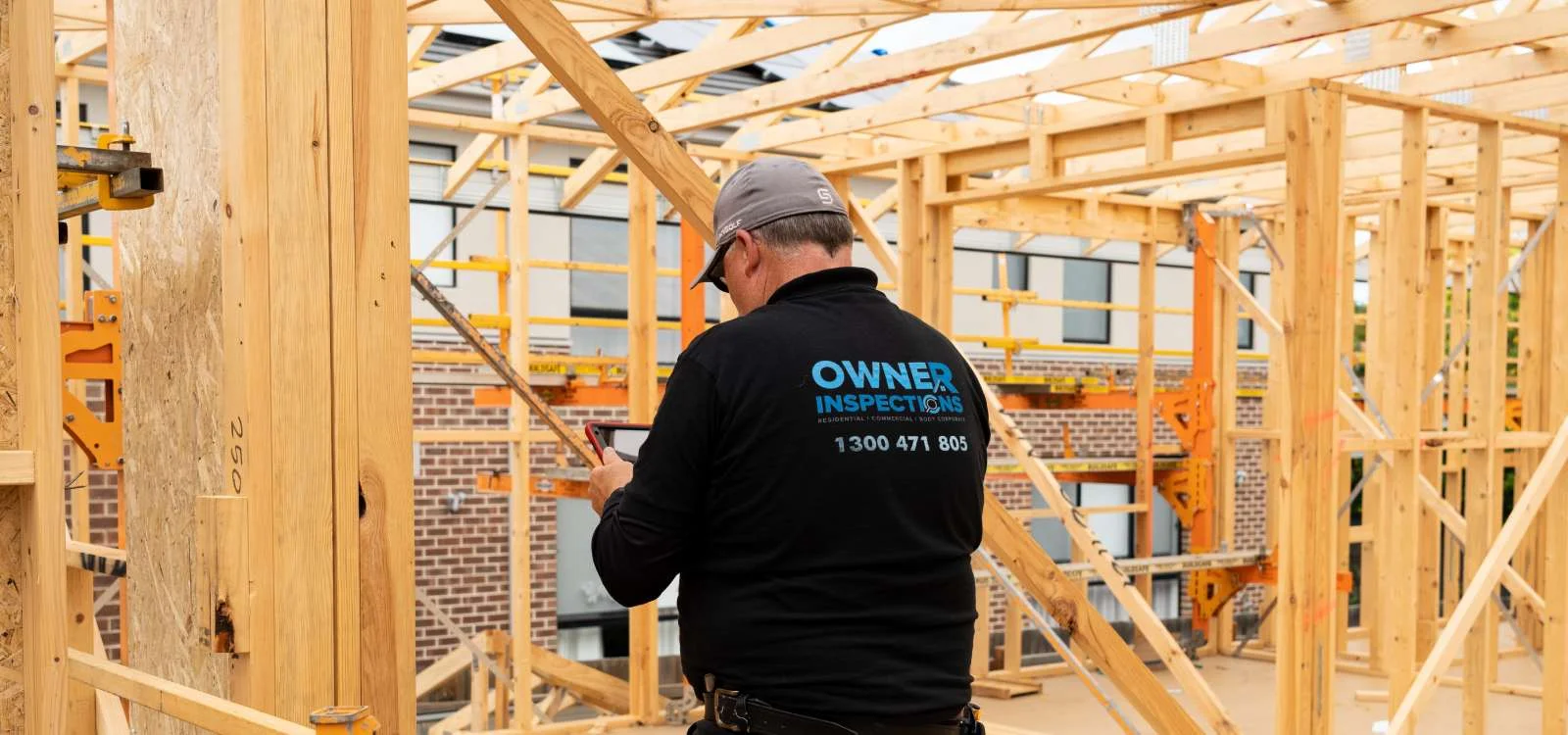
Common Frame Defects and How to Address Them
A home
For a complete overview, see our guide to pre-purchase building and pest inspections.
Need a Pre-Purchase Inspection?
Our licensed inspectors cover Sydney, Melbourne, and all major Australian cities.