
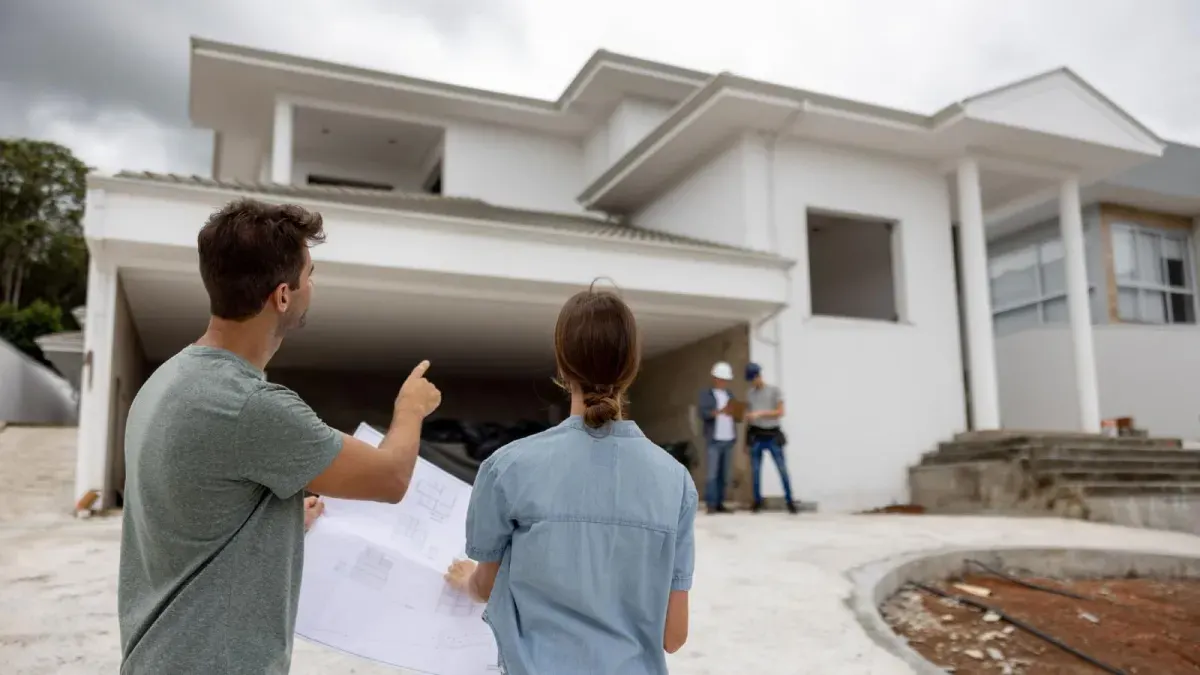
Whether you are a first home buyer or an experienced investor, knowing what to look for during a property inspection can save you tens of thousands of dollars. A house may appear flawless on the surface, yet conceal serious problems beneath its walls, in its roof cavity, or under its foundations. Understanding the full scope of a condition inspection puts you in a stronger negotiating position and reduces the chance of costly surprises after settlement.
A house condition inspection is not simply a visual walkthrough. It is a systematic evaluation of every accessible area of a property, designed to uncover defects that could affect safety, liveability, and long-term value.
Why Inspecting House Condition Matters
Property defects are far more common than most buyers expect. Research from the Housing Industry Association (HIA) shows that a significant proportion of Australian homes, both old and new, contain defects ranging from minor cosmetic issues to serious structural failures. Without a proper inspection, these defects can go unnoticed until they become expensive problems.
Financial protection: Identifying defects before purchase allows you to negotiate a lower price or request repairs as a condition of sale.
Safety assurance: Electrical faults, structural cracks, and termite damage can present genuine safety risks for occupants.
Maintenance planning: An inspection report gives you a clear picture of upcoming maintenance needs and their estimated costs.
Insurance considerations: Some insurers may decline coverage or increase premiums for properties with known unresolved defects.
Legal compliance: Properties must meet the requirements of the National Construction Code (NCC) and relevant state building legislation.
Preparing Before the Inspection
Good preparation makes the inspection more effective. Before you arrive at the property or before your inspector begins their assessment, take time to gather information and set clear objectives.
Research the property history
Request any available building records, previous inspection reports, renovation approvals, and certificates of compliance from the seller or their agent. Council records can also reveal past development applications and any building orders.
Review the contract of sale
Check the contract for any special conditions, disclosed defects, or limitations on inspections. In most Australian states, buyers have a cooling-off period during which inspections should be completed.
Prepare a checklist
Having a written checklist ensures you do not overlook any area during the inspection. This guide includes a comprehensive checklist further below.
Gather basic tools
If conducting a preliminary assessment yourself, bring a torch, moisture meter, spirit level, binoculars (for roof inspection from ground level), a tape measure, and a camera or smartphone to document findings.
Check weather conditions
Rain can reveal drainage issues and leaks that are invisible in dry weather. If possible, schedule at least one visit during or shortly after rainfall.
Tools and Equipment for a House Condition Inspection
Professional building inspectors carry specialised equipment to assess property condition accurately. If you are conducting a preliminary review yourself, some basic tools can help you identify potential issues.
| Tool | Purpose | Used By |
|---|---|---|
| Moisture meter | Detects moisture levels in walls, floors, and ceilings | Professional and DIY |
| Thermal imaging camera | Identifies heat loss, moisture, and electrical hotspots | Professional only |
| Spirit level | Checks floors and walls for uneven surfaces indicating movement | Professional and DIY |
| Torch (high-powered) | Illuminates roof cavities, subfloor areas, and dark corners | Professional and DIY |
| Bore scope or inspection camera | Views inside wall cavities and concealed spaces | Professional only |
| Binoculars | Ground-level visual assessment of roof condition | Professional and DIY |
Structural Assessment: Foundations, Walls, and Cracks
The structural integrity of a house is the single most important factor in any condition inspection. Structural defects can be extremely costly to repair and may compromise the safety of the entire building.
Foundation Inspection
Foundations transfer the weight of the building to the ground. Australian homes typically sit on concrete slab foundations, pier and beam (stump) foundations, or strip footings. Each type has its own common failure modes.
Concrete slab: Look for cracks wider than 2mm, uneven surfaces, and signs of heaving or sinking. Hairline cracks are common and generally not a concern, but wider cracks with displacement may indicate reactive soil movement.
Stumps and piers: Check timber stumps for rot, splitting, and termite damage. Steel stumps should be examined for rust. Look for stumps that are leaning or sinking, which indicates ground movement.
Strip footings: Common in older homes, these should be checked for cracking, erosion, and whether they extend to adequate depth below ground level.
Wall Assessment
Both internal and external walls require careful examination. Cracking patterns can tell you a great deal about what is happening structurally.
Understanding crack patterns: Horizontal cracks along mortar joints often suggest lateral pressure from soil or moisture. Vertical cracks may indicate settling. Diagonal or staircase cracks in brickwork are commonly associated with foundation movement and should be assessed by a structural engineer.
Check walls for:
Interior Checks: Electrical, Plumbing, and Insulation
The internal systems of a house directly affect day-to-day liveability and safety. While a licensed electrician or plumber is needed for detailed assessments, a visual inspection can reveal many common problems.
Electrical Systems
Electrical faults are a leading cause of house fires in Australia. During a condition inspection, look for warning signs that the electrical system may need attention.
Switchboard condition: An older ceramic fuse board is a strong indicator that the wiring may be outdated. Modern homes should have circuit breakers and a safety switch (RCD).
Power points and switches: Test every power point and light switch. Look for scorch marks, cracking, warm-to-the-touch power points, or a buzzing sound, all of which suggest wiring faults.
Wiring type: Homes built before the 1980s may contain older wiring types that do not meet current standards. Rewiring an entire house can cost $10,000 to $30,000 or more.
Compliance certificates: Ask whether any electrical work has been carried out and whether certificates of compliance were issued.
Plumbing and Drainage
Water damage is one of the most common and expensive problems found during property inspections. Check the following areas carefully.
Insulation and Ventilation
Poor insulation and ventilation contribute to mould growth, condensation, and higher energy costs. If accessible, inspect the roof cavity for insulation type, coverage, and condition. Subfloor areas should have adequate ventilation through vents or mechanical systems to prevent moisture build-up.
Exterior Checks: Roof, Drainage, and Gutters
The exterior of a property is its first line of defence against weather and environmental damage.
Roof Inspection
The roof is one of the most expensive components to replace, with a full re-roofing often costing $15,000 to $40,000 or more depending on the size and materials. Assess the following:
Tile roofs: Look for cracked, broken, or displaced tiles. Check ridge capping for deteriorating bedding and pointing.
Metal roofs: Check for rust, loose or lifting sheets, deteriorating fasteners, and gaps at flashings.
Flat roofs: These are particularly prone to ponding water. Look for sagging, blistering membrane, and inadequate drainage falls.
Roof cavity: Where accessible, inspect for sagging rafters or trusses, water staining, daylight penetration, and adequate sarking.
Gutters and Drainage
Poor drainage is a frequent contributor to foundation problems, rising damp, and subfloor moisture.
Pest and Termite Inspection
Australia has some of the most destructive termite species in the world. The CSIRO estimates that one in three Australian homes will be affected by termites at some point. A timber pest inspection, ideally conducted alongside the building inspection, should cover all accessible areas of the property.
AS 4349.3 compliance: A professional pest inspection should be conducted in accordance with AS 4349.3 (Inspection of Buildings, Part 3: Timber Pest Inspections). This standard specifies the areas to be inspected and the reporting requirements.
Key areas to check for pest activity include:
Subfloor: Inspect stumps, bearers, joists, and any timber in contact with the ground.
Roof cavity: Check timber framing for termite leads (mud tubes), damage, and live activity.
Exterior perimeter: Look for termite leads on the foundation walls, particularly around plumbing penetrations and expansion joints.
Garden and landscaping: Timber garden beds, stored firewood against the house, and tree stumps near the building all increase termite risk.
Borers and decay fungi: In addition to termites, inspectors check for wood borers and fungal decay in timber elements.
Assessing the Age of Major Systems and Components
Understanding the age and remaining service life of major building systems helps you plan for future expenses. Ask the seller for any records and look for manufacturing dates on equipment.
| Component | Typical Lifespan | Replacement Cost Range |
|---|---|---|
| Roof tiles (concrete/terracotta) | 40 to 60 years | $15,000 to $40,000 |
| Metal roofing (Colorbond) | 25 to 50 years | $10,000 to $30,000 |
| Hot water system (electric/gas) | 8 to 15 years | $1,500 to $4,000 |
| Air conditioning (split system) | 10 to 15 years | $2,000 to $6,000 |
| Electrical switchboard | 25 to 40 years | $2,000 to $5,000 |
| Interior paint | 7 to 10 years | $5,000 to $15,000 (whole house) |
| Timber flooring | 20+ years (with sanding) | $3,000 to $8,000 (sanding/refinishing) |
DIY Inspection vs Professional Building Inspection
While a personal walkthrough can help you identify obvious issues, it is no substitute for a professional building inspection conducted in accordance with AS 4349.1.
| Factor | DIY Inspection | Professional Inspection |
|---|---|---|
| Cost | Free | $400 to $800 (combined building and pest) |
| Expertise | Limited to personal knowledge | Licensed inspector with years of experience |
| Equipment | Basic tools only | Moisture meters, thermal cameras, bore scopes |
| Report | Personal notes | Detailed written report compliant with AS 4349.1 |
| Legal standing | None | Can be used in negotiations and legal proceedings |
| Thoroughness | Surface-level assessment | Systematic inspection of all accessible areas |
Note
A DIY walkthrough is useful as a preliminary screening tool to decide whether a property warrants further investigation. However, it should always be followed by a professional inspection before making a purchase decision.
Comprehensive House Condition Checklist
Use this checklist as a guide when inspecting any residential property. Tick off each item as you assess it.
Frequently Asked Questions
What does a house condition inspection cover?
A house condition inspection covers the structural elements (foundations, walls, roof), internal systems (electrical, plumbing, insulation), external components (gutters, drainage, cladding), wet areas, subfloor spaces, roof cavities, and site conditions including fencing and retaining walls. When combined with a pest inspection, it also covers termite and borer activity.
How much does a building inspection cost in Australia?
A combined building and pest inspection in Australia typically costs between $400 and $800, depending on the property size, location, and the inspector's qualifications. Larger homes or properties with additional structures such as granny flats may cost more.
Can I inspect a house myself before buying?
You can conduct a preliminary inspection yourself using basic tools such as a torch, moisture meter, and spirit level. However, a DIY inspection is no substitute for a professional assessment. Licensed building inspectors have the training, experience, and equipment to identify defects that are invisible to untrained eyes.
What are the most common defects found during house inspections?
The most common defects include cracking in walls and foundations, rising damp, poor drainage, roof leaks, faulty or outdated electrical wiring, plumbing leaks, insufficient insulation, termite damage, and defective waterproofing in wet areas.
What is AS 4349.1 and why does it matter?
AS 4349.1 is the Australian Standard for Inspection of Buildings, Part 1: Pre-purchase Inspections of Residential Buildings. It sets out the minimum requirements for conducting and reporting on building inspections. Inspections conducted in accordance with this standard provide a consistent, reliable assessment that can be used in negotiations and legal proceedings.
How long does a house inspection take?
A thorough building inspection typically takes between 1.5 and 3 hours, depending on the size and age of the property. Older homes and larger properties require more time. The inspector will usually provide the written report within 24 to 48 hours.
Should I attend the house inspection?
Yes. Attending the inspection allows you to see the defects first-hand, ask the inspector questions in real time, and gain a better understanding of the property's condition. Most inspectors welcome buyers attending and will explain their findings as they go.
What should I do if the inspection reveals serious defects?
If serious defects are found, you have several options depending on your contract terms. You may negotiate a price reduction to account for repair costs, request the seller to complete repairs before settlement, or withdraw from the purchase if the contract allows. For structural defects, seek advice from a structural engineer before making a decision.
Are termite inspections included in a standard building inspection?
Termite inspections are not automatically included in a standard building inspection. They are conducted as a separate assessment under AS 4349.3. However, most inspection companies offer combined building and pest inspection packages, and it is strongly recommended that you book both together.
How often should a homeowner have their property inspected?
Homeowners should have a professional building and pest inspection conducted at least every two to three years. Annual termite inspections are recommended in high-risk areas, particularly in Queensland, New South Wales, and other regions with significant termite activity.
What is the difference between a building inspection and a strata inspection?
A building inspection assesses the physical condition of a property, while a strata inspection reviews the financial and administrative records of a strata scheme. For apartments and townhouses in a strata plan, both inspections are recommended before purchase.
Can a house fail a building inspection?
A building inspection does not result in a pass or fail outcome. Instead, the inspector documents the condition of the property, identifies defects, and classifies them by severity. The buyer then uses this information to make an informed decision about whether to proceed with the purchase.
References and Resources
Related Articles
A Comprehensive Guide to House Inspections
House inspections are detailed professional assessments evaluating structural integrity, safety systems, and component functionality. Learn everything you need to know.
What Does a Building Inspection Cover
Building inspections serve as a critical investment safeguard, examining structural integrity, electrical systems, plumbing, and more before property purchase.
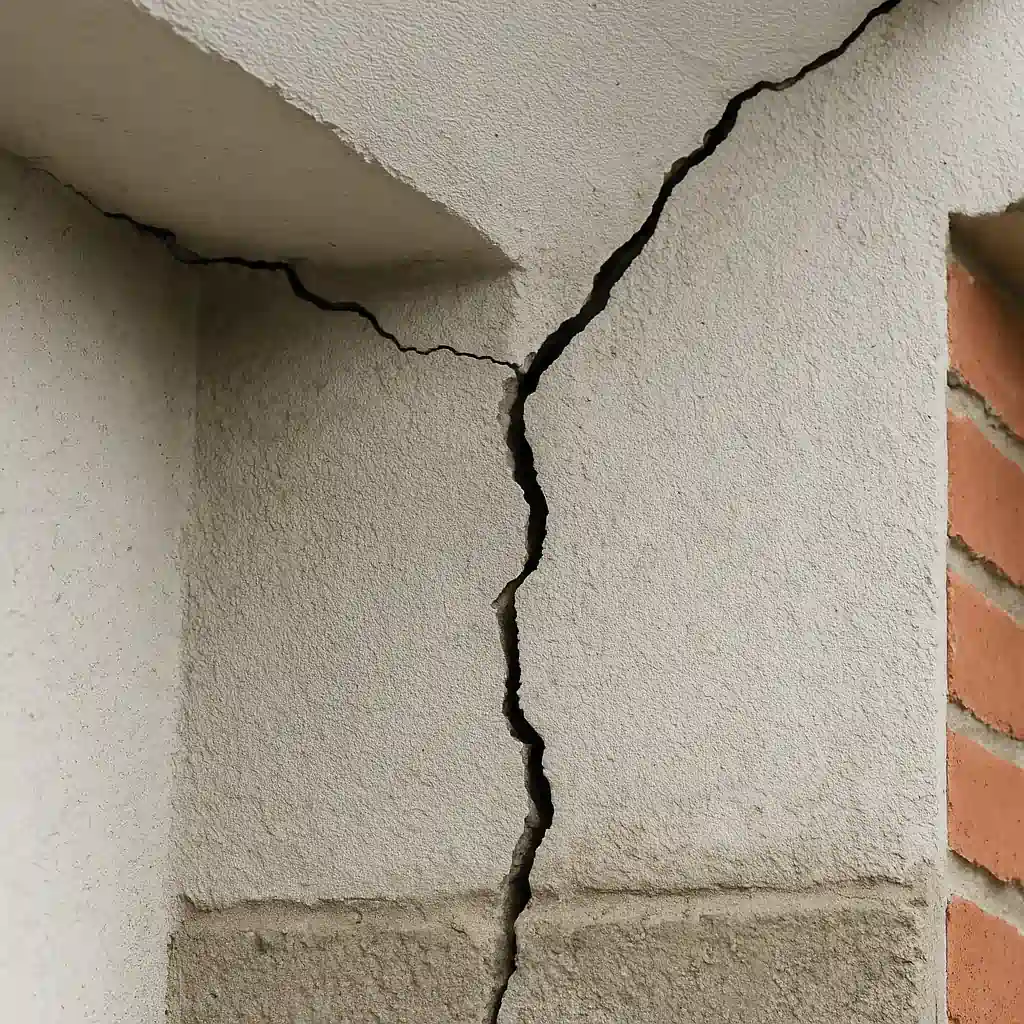
Structural Defects in New Builds: Warning Signs
Nearly 70% of newly built Australian homes show major defects. Learn the eight key warning signs of structural issues and how to protect your investment.
Book a Professional House Condition Inspection
Our licensed building inspectors provide thorough property assessments in accordance with AS 4349.1. Protect your investment with a detailed inspection report before you buy.
For a complete overview, see our guide to pre-purchase building and pest inspections.
Need a Pre-Purchase Inspection?
Our licensed inspectors cover Sydney, Melbourne, and all major Australian cities.