
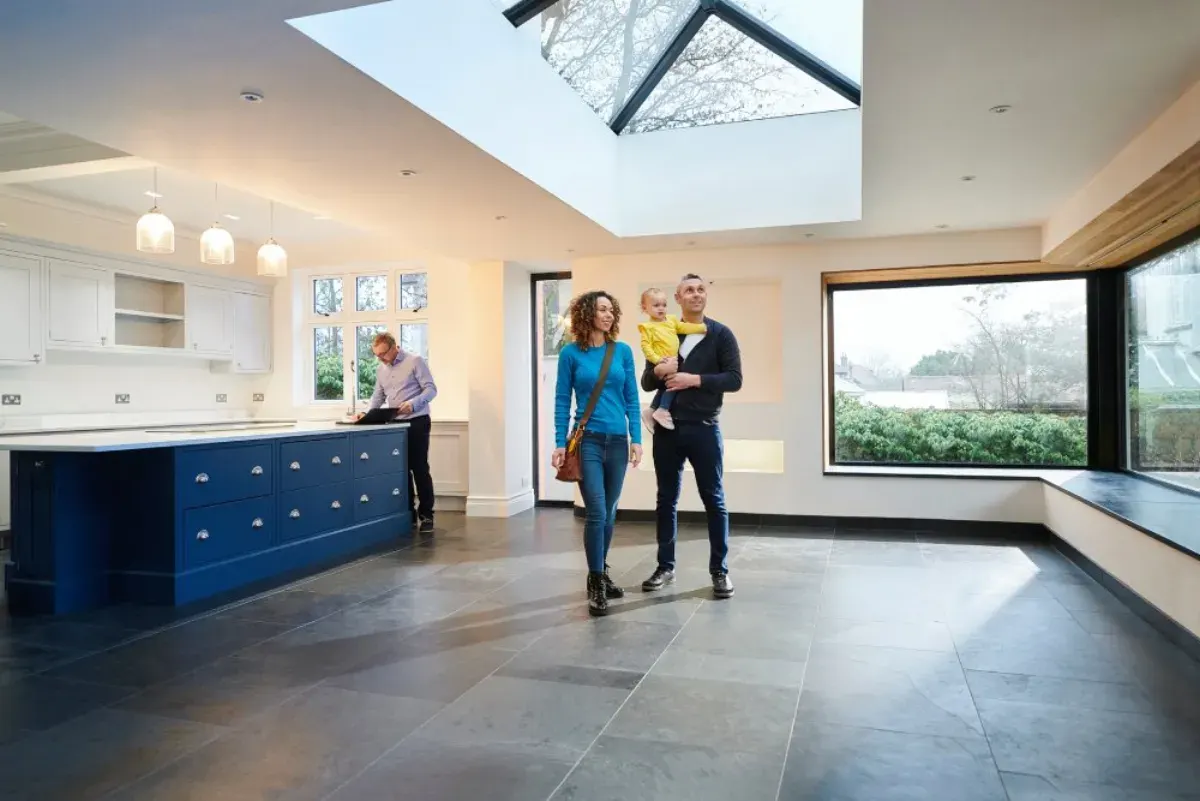
For buyers entering the Geelong market, the question of whether to commission a professional pre-purchase building inspection or attempt a DIY assessment is an important one. Both approaches have their place, but understanding the strengths and limitations of each is essential to making a sound purchasing decision.
Professional Pre-Purchase Inspections
A professional pre-purchase inspection is conducted by a licensed building inspector who systematically assesses the property's condition in accordance with AS 4349.1. The inspection covers accessible areas of the building including the interior, exterior, roof space, subfloor, roof exterior, and site drainage.
Pros
- Conducted by a qualified, licensed inspector with years of experience
- Follows a standardised methodology under AS 4349.1
- Identifies concealed defects using tools such as moisture meters and thermal cameras
- Provides a detailed written report with photographs and severity ratings
- Covers structural elements, waterproofing, timber pest risk, and safety hazards
- Report can be used for negotiation on price or contract conditions
- Inspector carries professional indemnity insurance
- Knowledge of local Geelong conditions including soil types and common issues
Cons
- Costs between $400 and $700 depending on the property size and type
- Requires scheduling, which can be difficult in a fast-moving market
- Limited to accessible areas only (cannot inspect inside walls or under fixed coverings)
- Does not cover compliance with current building codes for older properties
What a Professional Inspection Covers
DIY Assessments
A DIY assessment involves the buyer personally inspecting the property to identify any visible issues. While not a substitute for a professional inspection, a DIY walkthrough can provide useful initial information and help buyers decide whether to proceed with a formal inspection.
Pros
- No cost involved
- Can be done during any open for inspection or private viewing
- Helps buyers develop familiarity with the property
- Can identify obvious cosmetic and maintenance issues
- Useful for narrowing down a shortlist before investing in professional inspections
Cons
- Cannot identify concealed defects in wall cavities, roof spaces, or subfloors
- No access to specialist tools such as moisture meters or thermal cameras
- Lacks the training to interpret what defects mean structurally
- No formal report that can be used for negotiation or legal purposes
- Risk of missing serious issues that could cost thousands to rectify
- No professional indemnity coverage if something is missed
Comparing the Two Approaches
| Factor | Professional Inspection | DIY Assessment |
|---|---|---|
| Cost | $400 to $700 | Free |
| Scope | Comprehensive, systematic | Surface-level, visual only |
| Tools | Moisture meters, thermal cameras, levels | None or basic |
| Structural Assessment | Yes, including roof space and subfloor | No |
| Report | Detailed written report with photos | Personal notes only |
| Negotiation Value | High, report supports price negotiation | Limited |
| Risk of Missing Defects | Low | High |
DIY Guidance Tips
If you are conducting a preliminary DIY walkthrough of a Geelong property, the following tips can help you make the most of it:
Check the Exterior First
Walk around the outside of the property. Look for cracking in walls, damaged or missing gutters, staining on external walls, and the condition of the roof from ground level. Check that the ground slopes away from the building for drainage.
Inspect Wet Areas Carefully
In bathrooms, laundries, and kitchens, look for signs of moisture damage including peeling paint, discoloured grout, mould, and soft or spongy flooring. Run taps and flush toilets to check water pressure and drainage.
Open and Close Doors and Windows
Test every door and window. Doors that stick or fail to close properly may indicate structural movement. Windows that do not lock or seal correctly affect security and energy efficiency.
Look at Ceilings and Walls
Check for water stains on ceilings, particularly below bathrooms on upper floors. Look for cracks in walls, especially diagonal cracks above door and window frames.
Check Under the House If Accessible
If the property has an accessible subfloor, look for signs of dampness, timber damage, inadequate ventilation, and any evidence of termite activity such as mud tubes on stumps or bearers.
Note the Age and Materials
Older Geelong properties may contain asbestos (common in homes built before 1990), lead paint, or outdated electrical wiring. Note the construction era and materials and factor these into your decision about whether a professional inspection is warranted.
Decision Factors
Consider commissioning a professional inspection in the following situations:
A DIY walkthrough is appropriate as a first step when viewing multiple properties, to narrow your shortlist, and to identify any obvious red flags before deciding which properties warrant a professional inspection.
For most property purchases in Geelong, a professional pre-purchase inspection is strongly recommended. The cost of the inspection is modest compared to the potential cost of undetected defects, and the report provides valuable information for making an informed purchasing decision.
Frequently Asked Questions
How much does a pre-purchase inspection cost in Geelong?
Pre-purchase building inspections in Geelong typically cost between $400 and $700 depending on the property size, type, and whether additional services such as timber pest inspection are included.
Is a building inspection required before buying in Victoria?
A building inspection is not legally required in Victoria, but it is strongly recommended. Most conveyancers and solicitors advise buyers to include an inspection clause in the contract of sale to allow time for a professional assessment.
Can I negotiate the price based on an inspection report?
Yes. A professional inspection report that identifies defects provides documented evidence to support price negotiations. Buyers can request a price reduction, ask the seller to rectify defects before settlement, or factor repair costs into their offer.
What are common defects in older Geelong homes?
Older Geelong homes commonly have issues including reactive soil movement causing cracking, deteriorated stumps and subfloor framing, asbestos-containing materials, outdated electrical wiring, rising damp, and termite damage in timber-framed construction.
Does a DIY inspection replace a professional one?
No. A DIY walkthrough is useful for identifying obvious issues and narrowing your property shortlist, but it cannot replicate the scope, tools, and expertise of a professional inspection. Concealed defects in roof spaces, wall cavities, and subfloors require professional assessment.
How long does a professional inspection take?
A standard pre-purchase inspection typically takes one to two hours on site, depending on the property size and accessibility. The written report is usually delivered within 24 to 48 hours.
Should I get a pest inspection as well as a building inspection?
Yes. Geelong has a moderate to high termite risk, particularly for timber-framed and weatherboard properties. A combined building and pest inspection covers both structural defects and timber pest activity, providing a comprehensive assessment.
What should I look for when choosing an inspector in Geelong?
Look for a licensed building inspector with experience in the Geelong area, knowledge of local construction types and soil conditions, professional indemnity insurance, and a track record of detailed, clear reporting.
Are new homes in Geelong less likely to have defects?
Not necessarily. New builds, including those in Geelong's growth areas such as Armstrong Creek and Lara, can have defects related to workmanship, materials, and compliance. Pre-purchase inspections are valuable for new and established properties alike.
Can I attend the pre-purchase inspection?
Most inspectors welcome buyers attending the inspection. Being present allows you to see the property through an expert's eyes, ask questions, and gain a better understanding of the findings. However, the written report will contain all the necessary information regardless.
What areas of Geelong have reactive soils?
Parts of Geelong, particularly areas with clay-based soils in suburbs such as Corio, Norlane, Bell Park, and sections of the northern suburbs, have reactive soils that can cause foundation movement. A site-specific soil assessment is the most reliable way to determine the soil class for a particular property.
What happens if serious defects are found after purchase?
If serious defects are found after purchase that were not disclosed by the seller, you may have legal recourse depending on the circumstances. However, prevention is always better than cure. A pre-purchase inspection is the most effective way to identify defects before they become your responsibility.
Key Takeaways
- Professional pre-purchase inspections follow a standardised methodology and identify concealed defects that DIY assessments cannot
- DIY walkthroughs are useful for initial screening but are not a substitute for professional assessment
- The cost of a professional inspection ($400 to $700) is modest compared to the potential cost of undetected defects
- Geelong properties face specific risks including reactive soils, asbestos in older homes, and termite activity
- Inspection reports provide documented evidence that supports price negotiation
- Older Geelong homes and renovated properties particularly benefit from professional inspection
- A combined building and pest inspection provides the most comprehensive coverage for Geelong buyers
References and Resources
Related Articles
Pre-Purchase Inspection Checklist for Buyers
A pre-purchase inspection checklist helps buyers assess property condition before committing. Covers structural, electrical, plumbing, roofing, and pest checks.
Inspecting House Condition Guide
A thorough house condition inspection protects buyers from hidden defects and costly repairs. This guide covers structural, electrical, plumbing, and pest checks.
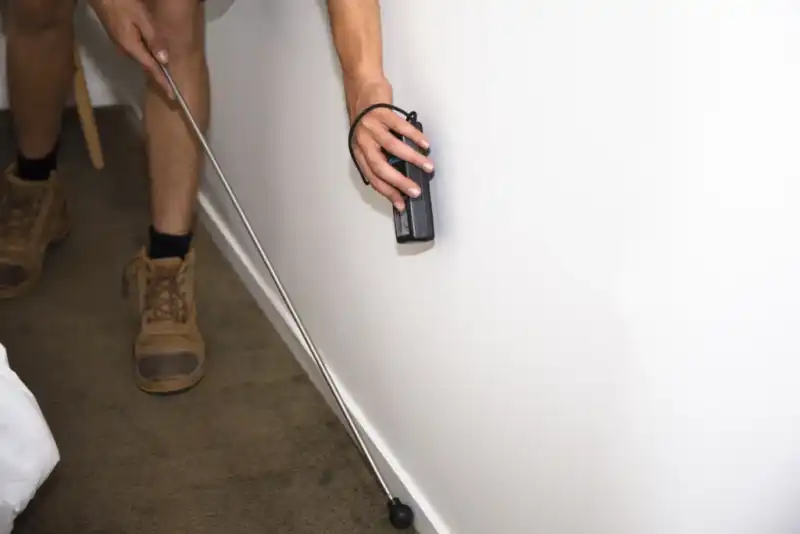
What's Involved in a Building and Pest Inspection?
Building and pest inspections evaluate structural integrity and pest-related issues in Australian properties. Learn what inspectors check, common issues detected, costs, and legal requirements.
For a complete overview, see our guide to pre-purchase building and pest inspections.
Need a Pre-Purchase Inspection?
Our licensed inspectors cover Sydney, Melbourne, and all major Australian cities.
Buying in Geelong?
Our licensed building inspectors provide thorough pre-purchase inspections across Geelong and the Bellarine Peninsula. Protect your investment with a professional assessment.