
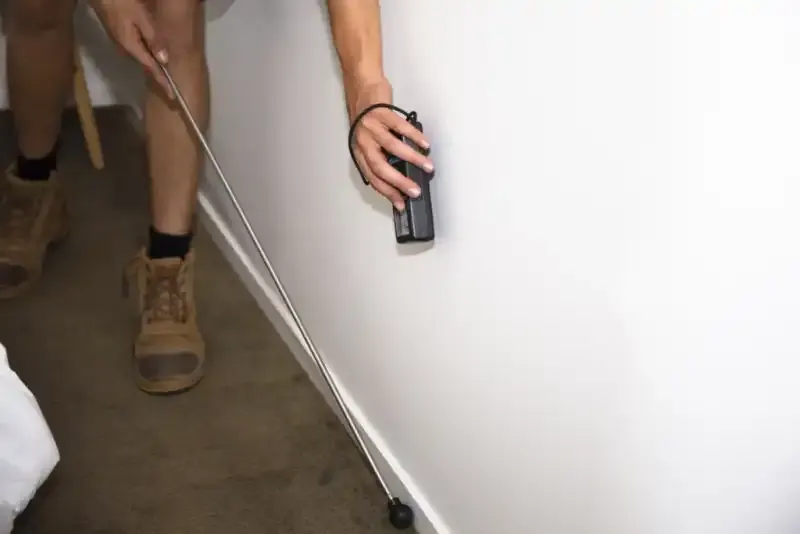
Whether you are buying your first home or adding to an investment portfolio, knowing what these inspections cover puts you in a stronger negotiating position. This guide breaks down every aspect of the process, from structural assessments to termite detection, costs, legal standards, and what happens after the report is delivered.
A combined building and pest inspection can uncover issues that cost tens of thousands of dollars to repair. Spending a few hundred dollars before settlement is a fraction of what you might pay to fix undetected problems later.
What Is a Building and Pest Inspection?
A building and pest inspection is a professional assessment of a property's structural condition and pest status. It is typically carried out before a buyer finalises the purchase of a residential property, though existing homeowners also commission inspections for maintenance purposes.
The building component examines the physical structure of the home, including the roof, walls, floors, foundations, and wet areas. The pest component focuses on timber-destroying pests such as termites, borers, and wood decay fungi.
In most cases, both inspections are completed on the same day by either one inspector with dual qualifications or two specialists working together. The result is a detailed written report that outlines defects, pest findings, risk areas, and recommended actions. If you are buying for the first time, our first time homebuyers building and pest inspection guide covers what to expect in more detail.
The Building Inspection Component
Structural Assessment
The structural assessment is the core of the building inspection. An inspector evaluates load-bearing elements to determine whether the property is sound or showing signs of movement, deterioration, or failure.
Key structural elements inspected include:
- Foundations and footings for cracking, subsidence, or heave
- Load-bearing walls for cracks, bowing, or water damage
- Roof structure and framing for sagging, broken members, or inadequate bracing
- Floor systems for excessive bounce, rot, or structural compromise
- Retaining walls for leaning, cracking, or drainage failure
Inspectors classify defects as minor, significant, or major. Major structural defects can affect the safety of occupants and often require immediate remediation.
Interior Inspection
Inside the property, inspectors check every accessible room. They look for visible signs of damage, poor workmanship, and wear that could indicate deeper issues.
Interior elements assessed include walls, ceilings, floors, doors, windows, built-in fixtures, and stairways. Inspectors note cracking patterns, water staining, mould growth, and any evidence of previous repairs. If mould is detected, a specialist mould inspection may be recommended as a follow-up.
Wet areas such as bathrooms, kitchens, and laundries receive particular attention. Leaking showers, failed waterproofing membranes, and damaged grouting are among the most common defects found in Australian homes.
Exterior Inspection
The exterior inspection covers cladding, brickwork, render, paintwork, fascias, eaves, gutters, downpipes, and drainage systems. Inspectors also examine decks, balconies, pergolas, carports, garages, fencing, driveways, and paths.
Drainage is a critical focus. Poor site drainage can lead to water pooling against foundations, causing structural movement over time. Inspectors assess the grading of the land around the building and the condition of stormwater systems.
Roof Inspection
The roof is inspected both externally and from within the roof space. External checks cover tiles or metal sheeting, ridge capping, flashings, valleys, and guttering. Inside the roof void, inspectors look at framing timbers, sarking, insulation, ventilation, and any signs of leaks or pest activity.
Roof access is not always possible. Inspectors will note if areas could not be accessed due to safety concerns, height limitations, or obstructions. For a broader look at what inspectors assess across the entire property, see our guide on essential home building inspections in Australia.
Subfloor Inspection
Properties with accessible subfloor areas are inspected underneath. Inspectors check stumps or piers, bearers, joists, and the underside of flooring. They also look for moisture, ventilation adequacy, drainage issues, and evidence of pest activity.
Subfloor areas are one of the most common locations for termite entry. Inspectors pay close attention to timber-to-ground contact, which is a significant risk factor for termite infestation.
The Pest Inspection Component
QWhat Pests Are Inspected For?
The pest inspection targets timber-destroying organisms. These are the pests and conditions that cause the most significant structural damage to Australian homes.
The primary pests and conditions assessed include:
- Subterranean termites (the most destructive pest in Australia)
- Drywood termites (less common but still significant)
- Wood borers (various beetle species that attack seasoned timber)
- Wood decay fungi (wet rot and dry rot)
- Dampwood termites (found in areas with chronic moisture)
The inspection does not typically cover general household pests such as cockroaches, spiders, or rodents, unless specifically requested. For detailed information about termite risk and detection, read our article on termite inspection to protect your home.
How Pest Inspections Are Conducted
A qualified pest inspector examines all accessible areas of the property for evidence of live pests, previous damage, and conditions that favour pest activity. This includes a visual assessment combined with the use of specialised detection equipment.
Inspectors check both the interior and exterior of the building, including the roof void, subfloor, garden beds, retaining walls, stored timber, tree stumps, and fencing. They look for mud leads (termite tunnels), frass (borer dust), damaged or hollow-sounding timber, and moisture conditions that attract pests.
Properties in high-risk areas, such as south-east Queensland, may require more frequent inspections. Our article on Brisbane termite infestations and when to schedule an inspection provides region-specific guidance.
Detection Tools and Technology
Modern pest inspectors use a range of tools beyond a visual assessment. These technologies increase the chance of detecting hidden activity behind walls, under floors, and within roof spaces.
| Tool | Purpose | How It Works |
|---|---|---|
| Moisture meter | Detects elevated moisture levels | Measures moisture content in timber and other materials, highlighting areas attractive to pests |
| Thermal imaging camera | Identifies temperature anomalies | Detects heat patterns behind walls that may indicate termite activity or moisture intrusion |
| Termatrac motion detection | Locates live termite activity | Uses radar technology to detect movement behind surfaces without physical intrusion |
| Sounding device (donger) | Tests timber integrity | Tapping timber to listen for hollow sounds indicating internal damage |
| Borescope | Views concealed spaces | A small camera inserted through tiny holes to inspect wall cavities and other hidden areas |
These tools do not replace a thorough visual inspection but supplement it. In many cases, thermal imaging or moisture readings provide the first indication of a problem that is not yet visible on the surface.
Australian Standards and Legal Requirements
Building and pest inspections in Australia are governed by specific standards published by Standards Australia. These standards set out the scope, methodology, and reporting requirements for inspectors.
AS 4349.1 covers pre-purchase building inspections for residential properties. It defines the areas to be inspected, the limitations of a visual inspection, and how defects should be classified and reported.
AS 4349.3 covers timber pest inspections. It specifies the procedures for detecting timber-destroying pests and the reporting format for findings. Both standards are referenced by the Standards Australia organisation.
Inspectors must also hold the appropriate licences for their state or territory. In Queensland, building inspectors require a licence from the Queensland Building and Construction Commission (QBCC). Pest inspectors require a pest management licence from the relevant state authority. You can verify inspector licences through the QBCC online search tool.
It is worth noting the difference between a standard pre-purchase inspection and a more detailed investigation. Our article on pre-inspection vs full inspection explains how the scope and depth of assessment can vary.
When Do You Need a Building and Pest Inspection?
Before Buying a Property
The most common reason for a building and pest inspection is a pre-purchase inspection. Most property contracts in Australia include a building and pest clause that allows the buyer to arrange an inspection during the cooling-off period.
If the inspection reveals significant defects or active pest damage, the buyer can negotiate a lower price, request repairs, or withdraw from the contract entirely. Without an inspection, you are accepting the property in its current condition, defects and all.
Before Selling a Property
Some sellers commission a building and pest inspection before listing their property. This approach, sometimes called a pre-sale or vendor inspection, allows sellers to address issues in advance and present the report to prospective buyers as evidence of the property's condition.
During Ownership
Annual termite inspections are recommended for all Australian homeowners, particularly in areas with high termite activity. Regular building inspections can also catch maintenance issues before they escalate into major repairs. A dedicated timber pest inspection is an effective way to stay on top of pest risk during ownership.
Before Renovating
If you are planning a renovation or extension, a building and pest inspection can reveal existing issues that need to be addressed before construction begins. Discovering termite damage or structural defects during a renovation is far more disruptive and costly than finding them beforehand.
What Common Issues Do Inspections Detect?
Building and pest inspections regularly uncover problems that are invisible during a casual property viewing. Some of the most frequently detected issues include:
- Cracking in walls and foundations caused by soil movement, poor construction, or tree root activity
- Roof leaks and deteriorated flashings leading to water ingress and timber decay
- Rising damp and failed damp-proof courses in older homes
- Defective waterproofing in wet areas allowing moisture to travel into wall and floor cavities
- Active termite infestations often found in subfloor areas, wall frames, and roof timbers
- Previous termite damage that has been concealed or inadequately repaired
- Borer activity in hardwood and softwood timbers
- Mould growth in poorly ventilated areas, behind furniture, or in roof spaces
- Non-compliant building work including unlicensed additions, poor drainage, and electrical hazards
- Asbestos-containing materials in homes built before 1990
Mould is an increasingly common finding, particularly in properties with poor ventilation or a history of water damage. If your inspection flags mould, our mould inspection guide explains the next steps and health considerations.
What Does a Building and Pest Inspection Cost?
Inspection costs vary depending on the property size, location, age, and the level of detail required. As a general guide, here is what you can expect to pay across Australia.
| Inspection Type | Typical Cost Range |
|---|---|
| Building inspection only | $300 to $500 |
| Pest inspection only | $200 to $350 |
| Combined building and pest | $400 to $700 |
| Large or complex property | $700 to $1,000+ |
| Additional services (pool, asbestos) | $100 to $300 per item |
These figures are indicative and can vary by region. Metropolitan areas and properties with large footprints or multiple structures tend to sit at the higher end of the range.
Choosing the cheapest inspection is rarely a good strategy. An experienced inspector with proper equipment and thorough reporting practices is worth the investment. A missed defect or undetected termite colony can result in repair costs that dwarf the inspection fee.
How Long Does a Building and Pest Inspection Take?
A combined building and pest inspection for a standard three-bedroom house typically takes between 1.5 and 3 hours on site. Larger, older, or more complex properties can take longer.
The written report is usually delivered within 24 to 48 hours of the inspection. Some inspectors offer same-day reporting for an additional fee. Reports are delivered as PDF documents and include photographs, descriptions of defects, risk ratings, and recommendations.
Buyers should allow enough time within their contract's inspection clause to receive the report, review it, and seek further advice if needed. Rushing this process can lead to poor decisions.
Who Conducts Building and Pest Inspections?
Building inspectors in Australia are typically licensed builders, building surveyors, or construction professionals with specific training in property assessment. They must hold a current licence in the state or territory where they operate.
Pest inspectors hold a pest management technician licence and specialise in timber pest detection. Some inspectors are dual-qualified, holding both building and pest inspection licences, which allows them to complete the full assessment in a single visit.
When choosing an inspector, look for:
- Current and valid licences for your state
- Professional indemnity insurance and public liability cover
- Experience with the type of property you are purchasing
- Membership of a professional body such as the Master Builders Association or the Australian Environmental Pest Managers Association
- Use of modern detection equipment including thermal imaging
- Clear, detailed sample reports
The distinction between a routine inspection and an expert investigation is also relevant in certain situations. Our article on expert witness vs routine inspection reports explains when a higher level of assessment may be required.
What Happens After the Inspection?
Once you receive the report, read it thoroughly. Pay attention to the summary section, which highlights major and significant defects, as well as any active pest findings.
If the report identifies major issues, you have several options. You can negotiate a price reduction based on estimated repair costs. You can request that the seller complete the repairs before settlement. Or you can choose to walk away from the purchase if the contract allows it.
For pest findings, particularly active termite infestations, you should seek a quote for treatment and any necessary repairs. A property with active termites is not necessarily a deal-breaker, but you need to understand the full cost of remediation before proceeding.
If you are unsure about anything in the report, contact the inspector directly. Good inspectors are willing to explain their findings over the phone or in person and can help you understand the severity of each issue.
Limitations of Building and Pest Inspections
It is essential to understand what a building and pest inspection cannot do. These are visual inspections of accessible areas only. Inspectors do not move furniture, lift floor coverings, remove wall linings, or excavate soil.
Areas that are inaccessible due to stored goods, fixed coverings, safety hazards, or insufficient clearance will be noted in the report as limitations. This means some defects or pest activity may exist in areas the inspector could not access.
A building and pest inspection is not a guarantee that the property is free of defects. It is a professional opinion based on the conditions observed at the time of the inspection. Concealed defects, latent conditions, and pest activity in inaccessible areas may not be identified.
The inspection does not cover compliance with local council approvals, plumbing and electrical systems (beyond visible components), swimming pool safety barriers (unless specifically requested), or environmental hazards such as soil contamination.
Frequently Asked Questions
What Is a Building and Pest Inspection?
What Pests Are Inspected For?
What Does a Building and Pest Inspection Cost?
How Long Does a Building and Pest Inspection Take?
Who Conducts Building and Pest Inspections?
What Happens After the Inspection?
Tips for Getting the Most From Your Inspection
To maximise the value of your building and pest inspection, keep these practical tips in mind.
Request access to all areas of the property before the inspection. Ask the seller or agent to clear stored items from the subfloor, roof space, garage, and along external walls. The more the inspector can see, the more comprehensive the report will be.
Attend the inspection in person if possible. Walking through the property with the inspector gives you a firsthand look at the issues they identify and the opportunity to ask questions on the spot.
Choose an inspector who provides a detailed, photographic report rather than a basic tick-and-flick checklist. The quality of the report directly affects your ability to make an informed decision.
Do not rely solely on the real estate agent's recommendation for an inspector. While some agents recommend reputable inspectors, there can be a conflict of interest. Select your own inspector to ensure independence.
Frequently Asked Questions
QWhat is a building and pest inspection?
A building and pest inspection is a professional assessment of a property's structural condition and timber pest status. It identifies defects, damage, safety hazards, and active or previous pest activity in accessible areas of the building.
QHow much does a building and pest inspection cost in Australia?
A combined building and pest inspection typically costs between $400 and $700 for a standard residential property. Costs vary based on property size, location, and age. Larger or more complex properties may cost $1,000 or more.
QHow long does a building and pest inspection take?
The on-site inspection for a standard three-bedroom house takes approximately 1.5 to 3 hours. The written report is usually delivered within 24 to 48 hours after the inspection.
QDo I need a building and pest inspection before buying a house?
While not legally mandatory in most states, a building and pest inspection is strongly recommended before any property purchase. It can reveal hidden defects and pest damage that may cost thousands of dollars to repair.
QWhat do building inspectors look for?
Building inspectors examine the structural integrity of the property, including foundations, walls, roof, floors, wet areas, exterior cladding, drainage, and all accessible internal and external areas. They classify defects as minor, significant, or major.
QWhat do pest inspectors look for?
Pest inspectors look for evidence of timber-destroying pests including termites, wood borers, and wood decay fungi. They check for live activity, previous damage, conducive conditions, and risk factors such as timber-to-ground contact and excessive moisture.
QCan I do a building and pest inspection myself?
While you can visually assess a property yourself, a professional inspection is far more thorough. Licensed inspectors have the training, experience, and specialised equipment (thermal cameras, moisture meters, motion detectors) needed to identify issues that are not visible to the untrained eye.
QWhat happens if termites are found during an inspection?
If active termites are detected, the report will detail the location and extent of activity. You can then obtain quotes for termite treatment and damage repair. This information helps you negotiate the purchase price or decide whether to proceed with the sale.
QAre building and pest inspections mandatory in Australia?
Building and pest inspections are not legally required in most Australian states and territories. They are, for all practical purposes, an industry standard for property transactions and are strongly advised by conveyancers, solicitors, and financial institutions.
QWhat is the difference between a building inspection and a pest inspection?
A building inspection focuses on the structural and physical condition of the property, covering elements like walls, roof, foundations, and wet areas. A pest inspection specifically targets timber-destroying organisms such as termites and borers. They are often combined into a single appointment for efficiency.
QWhat areas of a property cannot be inspected?
Inspectors cannot access areas concealed by furniture, floor coverings, wall linings, stored goods, or dense vegetation. Areas with insufficient clearance (less than 400mm in subfloors) or safety hazards are also excluded. These limitations are documented in the report.
QHow often should I get a pest inspection on my home?
Annual timber pest inspections are recommended for all Australian homes, particularly in termite-prone regions such as south-east Queensland, northern New South Wales, and northern Australia. Regular inspections allow early detection before significant damage occurs.
Book Your Building and Pest Inspection
A thorough building and pest inspection gives you the information you need to make a confident property decision. Whether you are buying, selling, or maintaining your home, professional inspections protect your investment and your family's safety.
Owner Inspections provides comprehensive building and pest inspections conducted by licensed, experienced inspectors using the latest detection technology. Contact Owner Inspections today to book your inspection and get a detailed report you can rely on.
Related Articles
Essential Home Building Inspections in Australia
Building inspections function as protective mechanisms throughout both new construction and property acquisition phases. Learn what inspections are essential.
Pre Inspection vs. Full Inspection: What
Pre-inspections and full inspections serve different purposes for homebuyers. Learn when to use each type and what they cover.
A Comprehensive Guide to House Inspections
House inspections are detailed professional assessments evaluating structural integrity, safety systems, and component functionality. Learn everything you need to know.
For a complete overview, see our guide to pre-purchase building and pest inspections.
Need a Pre-Purchase Inspection?
Our licensed inspectors cover Sydney, Melbourne, and all major Australian cities.