
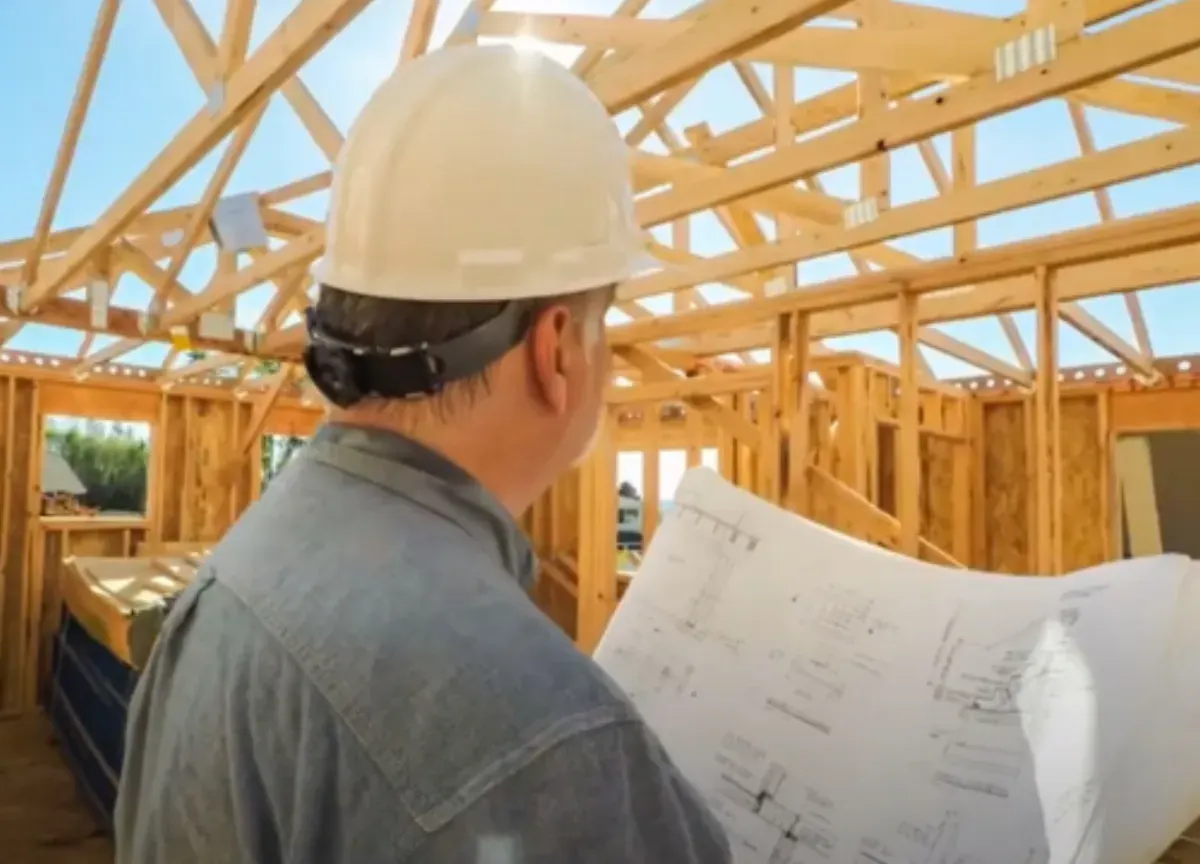
Melbourne's property market moves quickly, and buyers often face pressure to waive due diligence steps to secure a purchase. However, skipping an independent building inspection is one of the costliest mistakes a buyer can make. An ABC News investigation highlighted a case where homeowners discovered over $700,000 worth of defects in their new Melbourne home, defects that an independent inspection during construction stages could have identified far earlier and at a fraction of the rectification cost.
A private building inspector works exclusively for you. Unlike council inspectors who check minimum regulatory compliance, a private inspector assesses overall build quality, workmanship and adherence to your approved plans and specifications.
What Is a Private Building Inspector?
A private building inspector is a licensed professional who carries out property inspections independently of builders, developers and government bodies. In Victoria, building inspectors must hold registration with the Victorian Building Authority (VBA) under the Building Act 1993 (VIC). This registration confirms they have the qualifications, experience and insurance required to conduct inspections and provide professional opinions on building work.
Private inspectors differ from council or municipal building surveyors in several ways. Council inspectors focus on confirming that building work meets minimum regulatory requirements at mandatory inspection stages. A private inspector goes further, assessing the quality of workmanship, identifying defects that may not breach regulations but could cause problems later, and providing detailed photographic reports written in plain language.
VBA Registration Requirements for Building Inspectors in Victoria
All building inspectors practising in Victoria must be registered with the Victorian Building Authority. Registration categories include Building Inspector (Limited) and Building Inspector (Unlimited). Always verify your inspector's registration on the VBA practitioner register before engaging their services.
Qualifications to Look For
When engaging a private building inspector in Melbourne, confirm that they hold the following:
- VBA registration as a building inspector or building surveyor
- Professional indemnity insurance covering the value of properties they inspect
- Public liability insurance in case of injury or damage during the inspection
- Relevant tertiary qualifications in building, construction management or a related field
- Membership in a professional body such as the Master Builders Association of Victoria (MBAV) or the Australian Institute of Building Surveyors (AIBS)
Benefits of Hiring a Private Building Inspector
Independent Quality Verification
A private inspector has no commercial relationship with the builder, vendor or real estate agent. This independence means they have no incentive to overlook or minimise defects. Their report reflects the true condition of the property, giving you an accurate picture of what you are buying or what has been built.
Early Defect Detection
Identifying defects early, particularly during construction, saves significant money. A crack in a concrete slab identified before framing begins may cost a few hundred dollars to address. The same defect discovered after completion could require tens of thousands of dollars in demolition and rectification work. Private inspectors can attend each construction stage to catch problems before they are concealed by subsequent work.
Negotiation Leverage
A detailed inspection report from a qualified professional gives you documented evidence to negotiate price reductions or request repairs before settlement. Vendors and builders take formal inspection reports seriously, particularly when they include photographs, references to Australian Standards and estimated rectification costs.
Unbiased Advocacy
Your private inspector works for you and only you. They are not beholden to the builder's timeline, the agent's commission or the vendor's asking price. This means they can provide frank, honest advice about whether a property represents good value or whether the construction quality meets acceptable standards.
| Aspect | Council Inspector | Private Building Inspector |
|---|---|---|
| Who they work for | Local council or municipal authority | The homebuyer, homeowner or investor |
| Scope of inspection | Minimum regulatory compliance | Comprehensive quality and compliance assessment |
| Report detail | Pass/fail at mandatory stages | Detailed report with photographs, defect descriptions and recommendations |
| Independence | Employed by the regulatory body | Fully independent, no commercial ties to any party |
| Cost to buyer | Included in building permit fees | Paid directly by the client, typically $300 to $800 per inspection |
When to Hire a Private Building Inspector in Melbourne
Pre-Purchase Inspections
Before buying any property in Melbourne, a pre-purchase building inspection is one of the most important steps you can take. The inspection assesses the structural integrity, safety and overall condition of the property. In Victoria, buyers should include a building inspection clause in their contract of sale, giving them the right to withdraw or renegotiate if significant defects are found.
During New Home Construction
The Domestic Building Contracts Act 1995 (VIC) governs residential building contracts in Victoria. Under this legislation, builders must carry out work in a proper and workmanlike manner. However, relying solely on the builder's own quality checks or the private building surveyor engaged by the builder is a significant risk. A private inspector can attend each construction stage, including pre-slab, frame, lock-up, fixing and handover, to verify the work meets your contract specifications and Australian Standards.
Renovation and Extension Projects
Renovations and extensions are common in Melbourne's inner suburbs, where heritage overlays and planning restrictions often mean modifying existing homes rather than building new. A private inspector can review renovation work at key stages to confirm structural adequacy, compliance with planning permits and quality of finishes.
Pre-Settlement and Handover
For new builds, the handover inspection is your last opportunity to identify defects before the builder's liability shifts. A private inspector will compile a comprehensive defect list that becomes part of your formal handover documentation. Under Victorian law, builders are liable for defects for six years (non-structural) and ten years (structural) from the date of the occupancy permit.
| Inspection Type | Typical Cost in Melbourne | What It Covers |
|---|---|---|
| Pre-purchase inspection | $400 to $700 | Full assessment of existing property condition, structure, roofing, plumbing, electrical |
| Single stage construction inspection | $300 to $500 | One construction stage (e.g. frame, lock-up) assessed against plans and standards |
Full construction inspection package (all stages) | $1,500 to $3,500 | Pre-slab through to handover, all stages inspected and reported |
| Handover/defect inspection | $400 to $800 | Comprehensive defect identification before taking possession |
| Combined building and pest inspection | $500 to $900 | Building condition plus termite and timber pest assessment under AS 4349.3 |
How to Choose the Right Private Building Inspector in Melbourne
Selecting the right inspector requires more than choosing the cheapest quote. The quality of your inspection directly affects the protection you receive. Consider the following when making your decision.
Verify VBA registration. Search the VBA practitioner register online to confirm your inspector holds current registration in Victoria.
Check insurance coverage. Request evidence of professional indemnity insurance and public liability insurance. Minimum coverage should reflect the value of the properties being inspected.
Review sample reports. Ask to see a sample inspection report before booking. Reports should include colour photographs, clear descriptions of defects, references to relevant standards, and recommendations for rectification.
Ask about experience. Enquire about the inspector's experience with properties similar to yours. Inspecting a 1920s weatherboard in Fitzroy requires different expertise than assessing a new apartment in Docklands.
Confirm independence. Ensure the inspector has no relationship with the builder, vendor, real estate agent or mortgage broker involved in your transaction.
Understand the scope. Clarify exactly what the inspection includes and excludes before booking. Standard building inspections are visual and non-invasive, meaning areas that are concealed, inaccessible or obstructed may not be assessed.
Important
Under the Domestic Building Contracts Act 1995 (VIC), homeowners have the right to engage independent inspectors during construction. Builders cannot unreasonably prevent access for inspections, and any contract clause attempting to restrict your right to independent inspections may be void.
Cost vs Value: Why the Investment Pays Off
The average cost of a pre-purchase building inspection in Melbourne, between $400 and $700, is a small fraction of the property's purchase price. Consider what this investment protects you against:
- Structural defects that could cost $50,000 or more to rectify
- Termite damage that affects approximately one in three Australian properties over their lifetime
- Non-compliant building work that could render your insurance void
- Moisture and waterproofing failures that lead to mould growth and health issues
- Electrical and plumbing defects that pose safety hazards
The ABC News story of Melbourne homeowners facing $700,000 in defect rectification costs illustrates the extreme end of the risk. But even moderate defects, a leaking shower, inadequate drainage or substandard roofing, can cost thousands of dollars to repair. A $500 inspection that identifies a $20,000 problem before you commit to purchase delivers an extraordinary return on investment.
What Happens Without an Independent Inspection
Without an independent inspection, buyers accept the property in its current condition. If defects are discovered after settlement, the cost of rectification falls entirely on you. In Victoria, VCAT (Victorian Civil and Administrative Tribunal) regularly hears disputes involving building defects, but litigation is time-consuming, expensive and stressful. Prevention through independent inspection is always the better approach.
Understanding Your Rights in Victoria
Victorian legislation provides several protections for homebuyers and homeowners engaging private building inspectors.
Domestic Building Contracts Act 1995 (VIC)
This Act governs residential building contracts in Victoria and includes provisions for:
- Implied warranties that work will be carried out in a proper and workmanlike manner
- Implied warranties that materials will be suitable for their intended purpose
- Defect liability periods of six years for non-structural defects and ten years for structural defects
- Homeowner rights to engage independent inspectors during construction
Victorian Civil and Administrative Tribunal (VCAT)
If disputes arise from building defects, VCAT provides a relatively accessible forum for resolution. A private inspector's report can serve as supporting evidence in VCAT proceedings, and your inspector may be called upon to provide expert testimony.
Building Act 1993 (VIC)
This Act establishes the regulatory framework for building in Victoria, including the registration of building practitioners and the role of building surveyors. Understanding this framework helps you appreciate why VBA registration is a non-negotiable requirement for any inspector you engage.
| Victorian Legislation | Relevance to Private Inspections |
|---|---|
| Domestic Building Contracts Act 1995 | Protects homeowners with implied warranties, defect liability periods and the right to independent inspections |
| Building Act 1993 | Requires inspector registration with VBA and establishes the building permit and inspection framework |
Australian Consumer Law (Schedule 2, Competition and Consumer Act 2010) | Provides consumer guarantees for inspection services, including that services will be provided with due care and skill |
Frequently Asked Questions
How much does a private building inspector cost in Melbourne?
A private building inspection in Melbourne typically costs between $400 and $700 for a standard residential property.
The exact cost depends on the property size, location, age and type of inspection required. Combined building and pest inspections range from $500 to $900. Construction stage inspections are generally $300 to $500 per stage, with full construction packages ranging from $1,500 to $3,500.
Do I need a private inspector if my builder has a building surveyor?
Yes. The building surveyor engaged by your builder works within the regulatory framework and checks for minimum compliance. A private inspector provides an independent assessment of overall build quality and workmanship on your behalf.
The builder's surveyor has a professional relationship with the builder and may inspect multiple projects simultaneously. A private inspector focuses solely on your property and reports directly to you, with no conflict of interest.
What qualifications should a Melbourne building inspector have?
At minimum, a Melbourne building inspector should hold current VBA registration, professional indemnity insurance, public liability insurance and relevant qualifications in building or construction.
Look for inspectors with a diploma or degree in building surveying, building inspection or construction management. Membership of professional bodies such as AIBS or MBAV indicates a commitment to ongoing professional development and ethical standards.
Can a builder refuse to allow my private inspector on site?
No. Under the Domestic Building Contracts Act 1995 (VIC), homeowners have the right to engage independent inspectors during construction. Builders cannot unreasonably refuse access.
If your builder attempts to prevent access, this is a significant red flag. Document the refusal in writing and seek advice from Consumer Affairs Victoria or a building dispute lawyer. Your building contract should also include provisions for independent inspections.
What does a private building inspection report include?
A comprehensive inspection report includes a property summary, detailed descriptions of defects with colour photographs, references to relevant Australian Standards, risk ratings for each defect and recommendations for rectification.
Reports from professional inspectors are written in clear, plain language so that non-technical readers can understand the findings. Most reports are delivered electronically within 24 to 48 hours of the inspection and include a verbal summary on the day.
Is a building inspection required by law when buying property in Melbourne?
Building inspections are not legally mandatory for property purchases in Victoria, but they are strongly recommended by legal professionals, consumer advocacy groups and industry bodies.
Most conveyancers and solicitors advise including a building inspection clause in your contract of sale. This clause gives you the right to withdraw from or renegotiate the contract if the inspection reveals significant defects. Without this clause, you accept the property in its existing condition.
How long does a private building inspection take in Melbourne?
A thorough building inspection of a standard Melbourne home takes between 1.5 and 3 hours on site.
Larger properties, older homes and properties with additional structures such as granny flats or swimming pools may require longer. Be cautious of inspectors who complete inspections in under an hour, as this rarely allows sufficient time for a proper assessment.
What is the difference between a building inspection and a pest inspection?
A building inspection assesses the structural condition and general state of the property under AS 4349.1, while a pest inspection under AS 4349.3 specifically targets termites, borers and wood decay fungi.
Both inspections are recommended when purchasing property in Melbourne. Many qualified inspectors offer combined building and pest inspections, which provide the most thorough assessment. Termite damage is common in parts of Melbourne, particularly in suburbs with established gardens and mature trees.
Can I use an inspection report to negotiate the purchase price?
Yes. A detailed inspection report with identified defects and estimated rectification costs is one of the most effective negotiation tools available to property buyers.
Vendors and their agents take professional reports seriously. By obtaining quotes for defect rectification and presenting these alongside the inspection report, you can negotiate a price reduction that reflects the true cost of bringing the property up to acceptable condition.
What happens if defects are found after I have already settled?
For existing properties purchased without an inspection, the cost of defect rectification falls on the buyer. For new builds in Victoria, builders are liable for defects under warranty for six years (non-structural) and ten years (structural).
If you discover defects in a new build after settlement, you can lodge a claim with the builder, contact the VBA, or apply to VCAT for dispute resolution. Having a pre-settlement inspection report strengthens your position in any subsequent claim.
Should I attend the building inspection in person?
Yes, attending the inspection is highly recommended. Being present allows you to see defects firsthand, ask questions and gain a better understanding of the property's condition.
Most professional inspectors welcome client attendance and will walk you through their findings at the conclusion of the on-site assessment. This gives you the opportunity to discuss the severity of any issues and understand the implications before receiving the formal written report.
Key Takeaways
- A private building inspector in Melbourne works independently for you, providing unbiased property assessments free from commercial conflicts of interest
- All building inspectors in Victoria must hold current registration with the Victorian Building Authority (VBA) under the Building Act 1993
- Private inspections go beyond minimum council compliance checks to assess overall build quality, workmanship and adherence to your contract specifications
- Hiring a private inspector during construction stages (pre-slab, frame, lock-up, fixing, handover) catches defects before they become concealed and expensive to fix
- The cost of a private inspection ($400 to $700) is minimal compared to the potential cost of undiscovered defects, which can reach hundreds of thousands of dollars
- Under the Domestic Building Contracts Act 1995 (VIC), builders cannot unreasonably prevent access for independent inspections during construction
- A professional inspection report provides documented evidence for price negotiations, defect claims and, if needed, VCAT proceedings
References and Resources
Related Articles
Why You Need a Private Inspector for a New House
A private building inspector provides independent assessments of new house purchases beyond council compliance checks. Learn what they cover and how to choose one.
What Does a Building Inspection Cover
Building inspections serve as a critical investment safeguard, examining structural integrity, electrical systems, plumbing, and more before property purchase.

Pre-Purchase Inspection Checklist for Buyers
A pre-purchase inspection checklist helps buyers assess property condition before committing. Covers structural, electrical, plumbing, roofing, and pest checks.
Book a Private Building Inspection in Melbourne
Our VBA-registered building inspectors provide independent, detailed property assessments across Melbourne and regional Victoria. Whether you are buying, building or renovating, get the unbiased professional opinion you need to protect your investment.
For a complete overview, see our guide to pre-purchase building and pest inspections.
Need a Pre-Purchase Inspection?
Our licensed inspectors cover Sydney, Melbourne, and all major Australian cities.