

Use it as a quick reference when reading your inspection report, preparing for a property purchase, or communicating with your inspector.
Types of Building Inspections
When buying, building, or maintaining a property in Australia, several types of inspections may be relevant depending on your situation. Each inspection serves a different purpose and may follow a specific Australian Standard.
- Pre-Purchase Inspection
A comprehensive visual assessment of an existing property's condition conducted before a buyer commits to purchasing. Carried out in accordance with AS 4349.1, the inspection identifies major defects, minor defects, safety hazards, and areas requiring further investigation. The report helps buyers make informed purchasing decisions and negotiate the sale price.
- Pre-Sale Inspection
An inspection arranged by the property seller before listing the property for sale. The report identifies defects and maintenance issues that the seller can address before marketing, reducing the risk of buyer negotiations, contract withdrawals, and post-sale disputes.
- Pre-Handover Inspection
An inspection carried out on a newly constructed property before the buyer takes possession. It identifies defects, incomplete work, and items that do not match the contract specifications. Also called a practical completion inspection (PCI) or defect inspection, it gives the buyer a documented list of items for the builder to rectify before settlement.
- Timber Pest Inspection
An inspection conducted under AS 4349.3 that assesses a building for evidence of current or past timber pest activity, including termites, borers, and wood decay fungi. It also identifies conditions that may be conducive to future pest infestation. Often combined with a pre-purchase building inspection.
- Construction Stage Inspection
An inspection carried out at a key milestone during the building process, such as the base, frame, lock-up, or fixing stage. Stage inspections verify that work completed to that point complies with approved plans, engineering drawings, and relevant Australian Standards.
- Dilapidation Report
A detailed record of the existing condition of a property before nearby construction, demolition, or excavation work begins. Dilapidation reports document cracks, defects, and the general state of the building using photographs, descriptions, and measurements. They provide evidence if a dispute arises about whether the neighbouring works caused damage.
- Strata Report
A review of the financial, administrative, and maintenance records of a strata-titled property's owners corporation (body corporate). A strata report covers levies, sinking fund balance, meeting minutes, by-laws, building defect histories, and any pending or past legal disputes. It is essential due diligence for buyers of apartments and townhouses.
- Mould Inspection
A specialised inspection that identifies the type, extent, and source of mould growth in a building. The inspector assesses moisture levels, ventilation, and affected areas, and may collect samples for laboratory analysis. Mould inspections are particularly relevant in humid climates and properties with a history of water leaks.
- Visual Inspection
An inspection method that relies on what the inspector can see, hear, and feel during a standard site visit without the use of destructive testing or invasive investigation. Pre-purchase inspections under AS 4349.1 are visual inspections. The inspector does not move furniture, lift floor coverings, or cut into walls. Limitations are documented in the report.
Which Inspection Do You Need?
Buying an existing property? Start with a combined building and pest inspection. Buying off the plan or a new build? Book a pre-handover inspection. Building a new home? Consider independent inspections at each construction stage. If your neighbour is about to start major construction, arrange a dilapidation report before work begins.
Australian Standards Referenced in Reports
Australian Standards provide the technical framework that inspectors follow when conducting assessments and writing reports. Your inspection report will frequently reference these standards by number.
- AS 1684 (Timber Framing Code)
Sets out the requirements for residential timber-framed construction. It covers design, bracing, fixing, and span tables for bearers, joists, rafters, and studs. Building inspectors reference this standard when assessing timber frame compliance during construction stage inspections.
- AS 2870 (Residential Slabs and Footings)
Covers the design and construction of residential slabs and footings. It classifies soil types and specifies footing systems appropriate for each classification. Inspectors reference this standard when assessing slab cracking, foundation movement, and footing adequacy.
- AS 3660 (Termite Management)
Provides requirements for termite management systems in new and existing buildings. Part 1 covers new building work and Part 2 covers existing buildings. It specifies physical and chemical barriers, inspection requirements, and management plans to reduce the risk of termite attack.
- AS 3740 (Waterproofing of Wet Areas)
Specifies waterproofing requirements for domestic wet areas including bathrooms, laundries, and shower recesses. Failed waterproofing is one of the most common and costly defects in Australian residential buildings, making this standard a frequent reference in inspection reports.
- AS 4349.1 (Pre-Purchase Inspections)
Defines the scope, methodology, and reporting requirements for pre-purchase building inspections of existing residential buildings. Inspectors conducting pre-purchase inspections follow this standard to ensure consistent and thorough visual assessments of a property's condition.
- AS 4349.3 (Timber Pest Inspections)
Sets out the procedures for inspecting buildings for timber pests, including termites, borers, and wood decay fungi. A timber pest inspection conducted under this standard assesses evidence of current or past pest activity and conditions that may be conducive to future infestation.
- National Construction Code (NCC)
Australia's primary set of technical design and construction standards for buildings. It incorporates the Building Code of Australia (BCA) and the Plumbing Code of Australia. The NCC is updated regularly and is given legal effect through state and territory legislation. All building work in Australia must comply with the NCC in force at the time of approval.
- Building Code of Australia (BCA)
Now incorporated into the National Construction Code (NCC). It sets the minimum technical standards for the design and construction of buildings across Australia, covering structural adequacy, fire resistance, access, services, and energy efficiency.
Defect Classifications and Severity Levels
Every inspection report classifies findings by severity. Understanding these classifications helps you prioritise which items need immediate attention and which can wait.
- Major Defect
A defect of sufficient magnitude that it could render a building or part of it uninhabitable, require significant repair work, or adversely affect the structural integrity of the building. Examples include significant foundation movement, failed roof framing, major water ingress, and non-compliant structural elements. Major defects typically require urgent attention.
- Minor Defect
A defect that is not structural in nature and does not render the building uninhabitable, but that requires attention and repair. Examples include small cracks in render, chipped tiles, scratched bench tops, sticky doors, and minor paint imperfections. Minor defects are commonly identified in pre-handover and pre-settlement inspection reports.
- Safety Hazard
A condition that poses an immediate or potential risk of injury to occupants. In building inspections, safety hazards include exposed electrical wiring, missing balustrades, unstable retaining walls, trip hazards, and non-compliant stairs. Safety hazards are always flagged as priority items in inspection reports.
- Structural Defect
A defect that affects the structural integrity or load-bearing capacity of a building element. Examples include significant foundation cracking, failed roof trusses, severely corroded structural steel, and fractured load-bearing walls. Structural defects require assessment by a structural engineer and typically carry longer warranty periods under state building legislation.
- Functional Defect
A defect that affects how a building element performs its intended function, without necessarily being a structural concern. Examples include a window that does not open properly, a door that does not latch, a tap that drips, or a power point that does not work. Functional defects are commonly identified during pre-handover and pre-settlement inspections.
- Building Defect
Any aspect of a building that fails to meet the applicable standard, specification, or contractual requirement. Defects are classified by severity as major defects, minor defects, or safety hazards. Common defects include cracking, water ingress, non-compliant work, and incomplete construction.
If your inspection report identifies a major defect or safety hazard, do not ignore it. Major defects can worsen rapidly and become significantly more expensive to repair over time. Seek professional advice from a structural engineer or specialist before proceeding with a purchase or accepting a handover.
Common Building Defects and Issues
These are the specific defect types and building issues you are most likely to encounter in an Australian inspection report.
- Cracking (Structural vs Cosmetic)
Cracking in buildings can be cosmetic (surface-level and not affecting structural performance) or structural (indicating movement, overloading, or foundation failure). Crack width, pattern, location, and whether the crack is active or dormant all influence the assessment. Cracks wider than 5mm typically require further investigation by a structural engineer.
- Concrete Cancer
The deterioration of concrete caused by the corrosion of internal steel reinforcement. When moisture penetrates the concrete and reaches the steel, the steel rusts and expands, causing the surrounding concrete to crack and spall (break away). Concrete cancer is a significant structural concern in buildings with exposed reinforced concrete.
- Rising Damp
The upward movement of groundwater through porous building materials (such as brick, stone, or morite) by capillary action. Rising damp causes salt deposits (efflorescence), peeling paint, deteriorating plaster, and a musty smell. It is typically caused by a failed, missing, or bridged damp-proof course (DPC).
- Efflorescence
White crystalline salt deposits that appear on the surface of masonry, concrete, or render. Efflorescence occurs when water moves through the material, dissolves soluble salts, and deposits them on the surface as the water evaporates. While primarily a cosmetic issue, persistent efflorescence can indicate ongoing moisture problems.
- Spalling
The breaking away or flaking of the surface layer of concrete, brick, or stone. Spalling in concrete is commonly caused by corrosion of internal reinforcement (concrete cancer), freeze-thaw cycles, or poor-quality concrete. In bricks, spalling is often caused by moisture penetration and salt crystallisation.
- Slab Heave
The upward movement of a concrete slab caused by expansion of the underlying soil, typically reactive clay soils that swell when they absorb moisture. Slab heave can cause cracking in walls, floors, and ceilings, misalignment of doors and windows, and uneven floors. It is the opposite of slab settlement (downward movement).
- Mould
Fungal growth that thrives in damp, poorly ventilated environments. Mould in buildings is typically found in bathrooms, subfloor areas, roof voids, and areas affected by water leaks. Certain species such as Stachybotrys chartarum (black mould) can pose health risks. Mould inspections identify the type, extent, and source of moisture causing the growth.
Construction Stages and Milestones
If you are building a new home, these are the key stages at which independent inspections are recommended. Each stage represents a point where defects can still be identified and corrected before the next phase of work conceals them.
- Base Stage
The construction phase that includes excavation, site preparation, and pouring of the concrete slab or footings. A base stage inspection verifies that the slab is correctly positioned, reinforcement is in place, and the work complies with the engineering drawings and AS 2870.
- Frame Stage
The construction phase during which the structural frame of the building is erected. For timber-framed homes, this includes wall frames, roof trusses, and bracing. A frame stage inspection checks that the frame is plumb, correctly braced, that openings are correctly sized, and that the work complies with the engineering drawings and AS 1684.
- Lock-Up Stage
The construction phase at which the building is enclosed and secure. At lock-up, the roof is complete, external walls and cladding are in place, and all external doors and windows are installed. A lock-up stage inspection verifies that the building envelope is weatherproof and that structural work to this point is complete and compliant.
- Fixing Stage
The construction phase that follows lock-up stage, during which internal fittings and finishes are installed. This includes cabinetry, plumbing fixtures, electrical fittings, tiling, painting, and door hardware. A fixing stage inspection checks that installations are complete, correctly positioned, and free from damage.
- Practical Completion
The stage at which building work is complete, or substantially complete, and the building is reasonably fit for its intended purpose. The date of practical completion triggers the defect liability period and is a key milestone in building contracts. Minor outstanding items (often called a defects list) may still need to be rectified after practical completion.
- Defect Liability Period
The contractual period after practical completion during which the builder is obligated to rectify any defects that become apparent. In most Australian residential building contracts, this period is between 13 weeks and 12 months for minor defects, while major structural defects may have warranty periods of six to ten years depending on state legislation.
Base stage: Check slab position, reinforcement, and soil preparation before concrete is poured
Frame stage: Verify wall frames, trusses, and bracing before internal linings go up
Lock-up stage: Confirm the building envelope is weatherproof before internal fit-out begins
Fixing stage: Inspect cabinetry, plumbing, electrical, and tiling before final finishes
Practical completion: Full inspection of the finished building before you accept handover
Structural Elements and Building Components
These terms describe the physical elements of a building that inspectors assess for condition, compliance, and structural adequacy.
- Footing
The structural element that transfers the weight of the building into the ground. Footings can be strip footings (continuous concrete strips under walls), pad footings (isolated pads under columns), or slab-on-ground footings. Footing design depends on soil classification, building loads, and site conditions as specified in AS 2870.
- Slab
A flat, horizontal concrete element used as a floor or foundation. In residential construction, a slab-on-ground is a common foundation type where a reinforced concrete slab sits directly on prepared ground. Waffle pod slabs and raft slabs are variations suited to different soil classifications.
- Bearer
A horizontal structural timber or steel member that supports floor joists. Bearers sit on top of stumps or piers and transfer the floor load down to the foundations. Inspectors check bearers for rot, termite damage, deflection, and adequacy of support.
- Joist
A horizontal structural member that supports a floor or ceiling. Floor joists span between bearers and support the flooring material above. Ceiling joists span between walls or trusses and support the ceiling lining below. Inspectors check joists for termite damage, rot, excessive deflection, notching, and adequacy of span.
- Stump
A vertical support member that raises a building above ground level. Traditional Australian stumps are timber, though modern replacements are typically concrete or galvanised steel. Stumps support bearers, which in turn support floor joists. Inspectors check stumps for rot, termite damage, adequacy of support, and level.
- Lintel
A horizontal structural member that spans an opening in a wall, such as a window or door, and supports the wall above. Lintels can be made from steel, concrete, timber, or masonry. Cracking above windows and doors often indicates a failed or undersized lintel.
- Load-Bearing Wall
A wall that carries structural loads from the roof, floors, or other walls above it down to the foundations. Removing or modifying a load-bearing wall without proper engineering assessment can cause serious structural failure. Not all internal walls are load-bearing, and an inspector or structural engineer can help identify which walls carry loads.
- Truss
A prefabricated structural framework, typically triangular, used to support the roof. Trusses are engineered to span large distances without intermediate support. They are made from timber or steel and are designed to specific load requirements. Inspectors check trusses for damage, modifications (such as unauthorised cutting), bracing compliance, and connection integrity.
- Reinforcement
Steel bars (rebar) or mesh embedded within concrete to improve its tensile strength. Reinforcement is critical in footings, slabs, lintels, beams, and retaining walls. Inspectors check reinforcement placement, cover, and spacing during construction stage inspections, particularly at the base/slab stage before concrete is poured.
- Retaining Wall
A structure designed to hold back soil and resist lateral earth pressure, preventing erosion or collapse on sloped sites. Retaining walls can be made from concrete, masonry, timber, or engineered block systems. Walls over a certain height (typically 600mm) require engineering design. Inspectors assess retaining walls for leaning, cracking, drainage, and structural adequacy.
- Subfloor
The space beneath the ground floor of a building that is raised above ground level on stumps, piers, or a suspended slab. Subfloor areas are inspected for moisture levels, ventilation, termite activity, condition of stumps and bearers, plumbing leaks, and the presence of debris that may attract pests.
- Roof Void
The space between the ceiling of the top storey and the underside of the roof covering. Inspectors access the roof void to check roof framing, bracing, insulation, sarking, electrical wiring, plumbing, and evidence of leaks, pests, or condensation. Roof void access is a standard part of both pre-purchase and timber pest inspections.
Building Materials and Construction Methods
Understanding how a building is constructed helps you make sense of inspection findings. These terms describe common construction methods and materials found in Australian homes.
- Brick Veneer
A construction method where a single layer of brickwork forms the external cladding, with a timber or steel frame providing the structural support behind it. The brick layer is tied to the frame with metal wall ties. Brick veneer is the most common residential construction method in Australia.
- Cavity Wall
A wall construction consisting of two layers (leaves) of masonry separated by an air gap (cavity). The cavity allows moisture to drain away and provides some thermal insulation. Weep holes at the base of the outer leaf allow trapped water to escape. Cavity walls are standard in double brick construction.
- Cladding
The external covering or skin of a building that provides weather protection and contributes to the building's appearance. Common cladding materials in Australia include brick, weatherboard, fibre cement sheeting, metal sheeting, and rendered masonry. Inspectors assess cladding for damage, deterioration, and compliance.
- Weatherboard
Horizontal timber or fibre cement planks used as external wall cladding. Weatherboard construction is common in older Australian homes, particularly in Victoria and NSW. Inspectors check weatherboards for rot, termite damage, paint deterioration, warping, and gaps that allow water or pest entry.
- Flashing
Thin strips of metal, lead, or waterproof membrane installed at junctions and penetrations in a building to prevent water entry. Common flashing locations include where the roof meets a wall, around chimneys, at window and door heads, and in valleys. Failed or missing flashing is one of the most common causes of water leaks.
- Sarking
A membrane installed beneath the roof covering (tiles or metal sheeting) that provides a secondary layer of weather protection and can improve thermal performance. Sarking helps prevent wind-driven rain from entering the roof space and can reduce condensation. Its installation requirements are specified in the NCC.
- Fascia
The horizontal board fixed to the lower edge of the roof rafters, to which the gutter is attached. Fascia boards can be timber, fibre cement, or metal. Inspectors check fascia for rot, termite damage, sagging, and paint deterioration.
- Gutter
A channel attached to the fascia board or eaves of a roof that collects rainwater and directs it to downpipes. Gutters in Australia are typically made from Colorbond steel or aluminium. Inspectors check for blockages, sagging, rust, incorrect falls, and overflow during heavy rain.
- Damp-Proof Course (DPC)
A waterproof barrier installed in walls near ground level to prevent moisture from rising up through masonry by capillary action. A DPC is typically a strip of polyethylene, bituminous felt, or a chemical injection. Failure or bridging of the DPC leads to rising damp, which causes salt deposits, peeling paint, and deterioration of internal finishes.
- Waterproofing
The application of membranes, coatings, or sealants to building elements that are exposed to water, such as bathrooms, laundries, balconies, and below-ground structures. Australian Standard AS 3740 specifies waterproofing requirements for wet areas. Failed waterproofing is one of the most common and costly defects in Australian residential buildings.
- Weep Holes
Small openings left in the base course of masonry walls (typically every third vertical mortar joint) that allow moisture trapped within the wall cavity to drain out. Blocked or missing weep holes can lead to moisture build-up, rising damp, and deterioration of internal wall frames. Inspectors check that weep holes are clear and functioning.
Moisture, Pest, and Environmental Terms
Water and pests are the two biggest threats to Australian homes. These terms cover the most common moisture and pest issues identified in inspection reports.
- Termite Barrier
A physical or chemical system installed during construction to deter termite entry into a building. Physical barriers include stainless steel mesh (such as Termimesh), crushed granite, and sheet membranes. Chemical barriers involve the application of termiticides to the soil around and beneath the building. Barriers do not kill termites but force them into visible areas where they can be detected during inspections.
- Termite Management Plan
A documented plan that outlines the termite protection measures installed in a building and the ongoing inspection and maintenance schedule required to keep those measures effective. A termite management plan is a requirement of AS 3660 and should be reviewed and updated regularly, typically at each annual inspection.
- Timber Pest
Any organism that damages timber in buildings. The three main categories are subterranean termites (the most destructive), borers (beetle larvae that tunnel through timber), and wood decay fungi (which cause rot in damp conditions). Timber pest inspections under AS 4349.3 assess evidence of all three categories.
- Borer (Timber Pest)
Insects whose larvae tunnel through timber, creating internal damage that weakens structural members. Common species in Australia include the Queensland pine beetle and furniture beetle. Borer damage is identified during timber pest inspections by the presence of flight holes and frass (fine timber dust).
- Asbestos
A group of naturally occurring fibrous minerals formerly used in Australian building products including fibro sheeting, insulation, floor tiles, and roof materials. Homes built before 1990 commonly contain asbestos-containing materials (ACMs). Disturbing asbestos releases harmful fibres into the air. Identification typically requires laboratory testing, and removal must be carried out by a licensed asbestos removalist.
- Drainage
The system of pipes, channels, and grading designed to direct stormwater and wastewater away from a building. Inspectors assess surface drainage, subsoil drainage, gutter and downpipe condition, stormwater discharge points, and whether water is ponding near the foundation.
- Restumping
The process of replacing deteriorated, damaged, or inadequate stumps beneath a building. Older Australian homes built on timber stumps may require restumping when the original stumps rot, are attacked by termites, or settle unevenly. Replacement stumps are typically concrete or galvanised steel.
- Non-Climbable Zone (NCZ)
An area around the outside of a pool safety barrier that must remain free of objects that a child could use to climb over the fence. In NSW, the NCZ extends 900mm from the outside of the pool fence. Trees, furniture, garden beds, retaining walls, and other climbable objects must not be within this zone.
Termite Risk in Australia
Termites cause an estimated $1.5 billion in damage to Australian homes every year. Australian Standard AS 3660.2 recommends annual timber pest inspections for all residential properties. In high-risk areas such as much of Queensland, coastal NSW, and northern Australia, more frequent inspections may be warranted. An annual inspection costing $250 to $400 is a small price compared to the cost of repairing undetected termite damage.
Regulatory Bodies and Licensing Authorities
Each Australian state has its own authority responsible for regulating the building industry, licensing builders, and handling complaints. Your inspector should hold a current licence from the relevant body.
- NSW Fair Trading
The NSW government agency responsible for regulating the home building industry in New South Wales. NSW Fair Trading administers builder licensing, investigates complaints about building work, and oversees the Home Building Compensation Fund. They also maintain the NSW Home Building Licence Check tool for verifying a builder's or tradesperson's credentials.
- VBA (Victorian Building Authority)
The statutory authority responsible for regulating the building and plumbing industries in Victoria. VBA administers builder and plumber registration, conducts audits, and investigates complaints about building and plumbing work. All builders and building surveyors in Victoria must be registered with the VBA.
- QBCC (Queensland Building and Construction Commission)
The statutory body responsible for regulating the building and construction industry in Queensland. QBCC administers builder and trade licensing, handles complaints and disputes, and manages the Queensland Home Warranty Scheme. All builders and certain tradespeople must hold a current QBCC licence to perform building work in Queensland.
- Approved Certifier
A person authorised by a state or territory government to issue compliance certificates for building work. In NSW, approved certifiers may be private accredited certifiers or council-appointed building surveyors. They verify that construction meets the requirements of the National Construction Code and relevant Australian Standards.
- PCA (Principal Certifying Authority)
Now referred to as the Principal Certifier under NSW legislation, the PCA is responsible for issuing construction certificates, carrying out critical stage inspections, and issuing the Occupation Certificate. The PCA can be a council certifier or a private accredited certifier appointed by the property owner.
- Independent Inspector
A building inspector who is not affiliated with the builder, developer, real estate agent, or any other party involved in the construction or sale of the property. Independent inspectors provide unbiased assessments of a property's condition. Engaging an independent inspector is strongly recommended for pre-purchase, pre-handover, and construction stage inspections.
Legal Terms and Dispute Resolution
If a building dispute arises, these are the terms and processes you will encounter. Understanding them helps you prepare for tribunal proceedings and communicate effectively with legal and building professionals.
- NCAT (NSW Civil and Administrative Tribunal)
The tribunal in New South Wales that hears and resolves building disputes between homeowners, builders, and contractors. NCAT handles claims related to defective work, incomplete work, and breaches of home building contracts. Expert witness reports and Scott Schedules are commonly submitted as evidence in NCAT proceedings.
- VCAT (Victorian Civil and Administrative Tribunal)
The tribunal in Victoria that resolves domestic building disputes, including claims related to defective work, breach of contract, and delayed completion. VCAT proceedings commonly involve expert witness reports, Scott Schedules, and joint expert conferences. Claims can be brought by homeowners, builders, or subcontractors.
- QCAT (Queensland Civil and Administrative Tribunal)
The tribunal in Queensland that resolves building and construction disputes, including claims related to defective building work, domestic building contracts, and home warranty insurance. Expert witness reports are routinely submitted as evidence in QCAT proceedings.
- Scott Schedule
A tabular document used in construction dispute proceedings to present each alleged defect, the claimant's position, and the respondent's position in a structured, side-by-side format. Scott Schedules are commonly required by NCAT, VCAT, and QCAT to organise defect claims, costings, and expert opinions in building dispute cases.
- Expert Witness
A qualified professional who provides independent, impartial opinion evidence to a court or tribunal in a construction dispute. Expert witnesses in building cases are typically licensed builders, building consultants, or structural engineers. They prepare expert witness reports, joint reports, and may give oral testimony at hearings before tribunals such as NCAT, VCAT, or QCAT.
- Rectification
The process of repairing or correcting a building defect to bring it into compliance with the applicable standard or contractual requirement. Rectification work may be carried out by the original builder (during the defect liability period) or by a separate contractor engaged by the property owner.
- Home Warranty Insurance
Insurance that protects homeowners if a licensed builder dies, disappears, or becomes insolvent before completing contracted building work or rectifying defects. In NSW, it is called Home Building Compensation Fund insurance. It is mandatory for residential building work valued above a certain threshold (currently $20,000 in NSW). Coverage includes structural defects for up to six years and non-structural defects for up to two years after completion.
- Owner Builder
A person who carries out residential building work on their own property without engaging a licensed builder as the principal contractor. In NSW, owner builders must obtain an Owner Builder Permit for work valued above $10,000. When selling within six years of completion, the owner builder must provide a Section 137B compliance report to the buyer.
Certificates, Reports, and Documentation
These are the key documents you may encounter during the buying, building, or dispute resolution process.
- Section 137B Report
A report required under Section 137B of the Home Building Act 1989 (NSW) when a property built by an owner builder is sold within six years of completion. The report, prepared by a qualified inspector, documents the condition of the building and identifies defects. It must be provided to the buyer before the exchange of contracts.
- Occupation Certificate (OC)
A certificate issued by a Principal Certifier in NSW confirming that a building is suitable for occupation or use. An interim OC may be issued for part of a building, while a final OC covers the entire project. A building cannot be legally occupied without a valid OC.
- Certificate of Occupancy
A document issued by a certifying authority confirming that a completed building complies with the approved plans and relevant building codes. Also known as an Occupation Certificate (OC) in NSW. A building cannot be legally occupied until this certificate is issued.
- Compliance Certificate
A document issued by an authorised body confirming that specific building work, materials, or systems meet the requirements of the relevant codes, standards, or regulations. Examples include pool compliance certificates, fire safety certificates, and waterproofing compliance certificates.
- Condition Report
A document recording the physical condition of a property at a specific point in time. Condition reports are used in rental properties (at the start and end of a tenancy), dilapidation assessments, and pre-settlement inspections. They provide a benchmark against which future changes can be measured.
- Depreciation Schedule
A report prepared by a quantity surveyor that estimates the annual decline in value of a property's structure and fittings for tax purposes. Investment property owners use depreciation schedules to claim tax deductions under Division 40 (plant and equipment) and Division 43 (capital works) of the Income Tax Assessment Act.
- Access Report
A section within an inspection report that documents which areas of the property could and could not be accessed during the inspection. Inaccessible areas may include locked rooms, areas obstructed by stored items, or roof spaces without safe entry points. Limitations are recorded to clarify the scope of the inspection.
Inspection Types at a Glance
The following table compares the most common building inspection types in Australia, including when they are typically needed and which Australian Standard applies.
| Inspection Type | When Required | Standard | Typical Cost |
|---|---|---|---|
| Pre-Purchase Inspection | Before buying an existing property | AS 4349.1 | $300 to $800 |
| Timber Pest Inspection | Before buying or as annual maintenance | AS 4349.3 | $250 to $400 |
| Pre-Handover Inspection | Before taking possession of a new build | Contract specs / NCC | $400 to $900 |
| Construction Stage Inspection | At each major construction milestone | NCC / AS 1684 / AS 2870 | $250 to $500 per stage |
| Dilapidation Report | Before adjacent construction begins | No specific AS (industry practice) | $500 to $1,500 |
| Strata Report | Before buying a strata-titled unit | Strata Schemes Management Act | $300 to $500 |
Australian Standards Quick Reference
The table below lists the Australian Standards most commonly referenced in building inspection reports, along with a brief description of each.
| Standard | Title | Covers |
|---|---|---|
| AS 1684 | Residential Timber-Framed Construction | Design, bracing, fixing, and span tables for timber-framed homes |
| AS 2870 | Residential Slabs and Footings | Site classification, footing design, and slab construction |
| AS 3600 | Concrete Structures | Design and construction of concrete buildings and structural elements |
| AS 3660 | Termite Management | Termite barriers, inspections, and management for new and existing buildings |
| AS 3740 | Waterproofing of Domestic Wet Areas | Waterproofing requirements for bathrooms, laundries, and other wet areas |
| AS 4349.1 | Pre-Purchase Inspections | Scope and reporting for pre-purchase building inspections of existing homes |
| AS 4349.3 | Timber Pest Inspections | Inspection procedures for termites, borers, and wood decay fungi |
Frequently Asked Questions
What is the difference between a major defect and a minor defect?
What does AS 4349.1 cover in a pre-purchase inspection?
What is the National Construction Code (NCC)?
What is a Scott Schedule and when is it used?
What is the difference between a building inspection and a strata report?
What is concrete cancer and how serious is it?
What is a Section 137B report?
What are the main regulatory bodies for building in Australia?
What is rising damp and what causes it?
How often should I get a timber pest inspection?
What is practical completion in a building contract?
What does a dilapidation report include?
What is the difference between NCAT, VCAT, and QCAT?
What is a visual inspection and what are its limitations?
What is a depreciation schedule and who needs one?
Key Takeaways
- Building inspection reports follow specific Australian Standards including AS 4349.1 for pre-purchase inspections and AS 4349.3 for timber pest inspections
- Defects are classified as major defects, minor defects, or safety hazards, each requiring different levels of urgency and response
- The National Construction Code (NCC) sets the minimum technical standards for all building work in Australia and is enforced through state legislation
- Key regulatory bodies include NSW Fair Trading, VBA (Victoria), and QBCC (Queensland), each responsible for builder licensing and complaint handling
- Construction stage inspections at base, frame, lock-up, fixing, and practical completion stages help identify defects before they are concealed
- Termite management under AS 3660 requires both physical or chemical barriers and ongoing annual inspections to maintain protection
- Tribunals such as NCAT, VCAT, and QCAT handle building disputes and commonly require Scott Schedules and expert witness reports as evidence
References and Resources
Related Articles
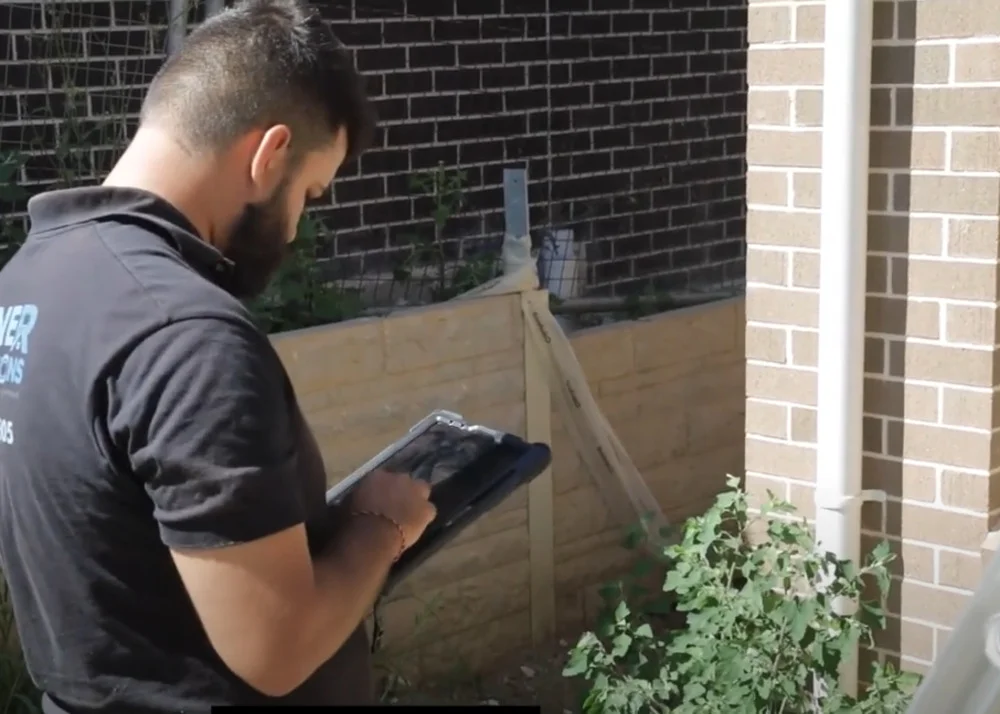
A Comprehensive Guide to House Inspections
Everything you need to know about house inspections in Australia, from what they cover to how to choose a qualified inspector.

What Does a Building Inspection Cover?
A detailed breakdown of what building inspectors assess during a standard residential inspection in Australia.

Pre-Purchase Inspection Checklist for Buyers
A pre-purchase inspection checklist helps buyers assess property condition before committing. Covers structural, electrical, plumbing, roofing, and pest checks.
For a complete overview, see our guide to pre-purchase building and pest inspections.
Need a Pre-Purchase Inspection?
Our licensed inspectors cover Sydney, Melbourne, and all major Australian cities.
Book a Building Inspection
Our licensed building inspectors provide detailed reports that comply with Australian Standards. Whether you are buying, building, or resolving a dispute, get a professional assessment you can rely on.