
Why You Need a Pre-Purchase Timber Pest Inspection
Termites alone cause an estimated $1.5 billion in damage to Australian homes every year. According to the CSIRO, approximately one in three Australian homes will be affected by termites at some point. The cost of treating an active termite infestation typically ranges from $5,000 to $10,000, while rebuilding damaged structural elements can cost up to $500,000 in severe cases.
A pre-purchase timber pest inspection identifies active infestations, evidence of past activity, and conditions that are conducive to future pest problems. This information is essential for making an informed purchasing decision and for negotiating the sale price if issues are found.
Termite damage is not covered by standard home insurance policies in Australia. A pre-purchase timber pest inspection is your best protection against buying a property with hidden pest damage.
What Happens During a Timber Pest Inspection
A professional timber pest inspection follows a systematic process designed to examine every accessible area of the property. The inspection is conducted in accordance with Australian Standard AS 4349.3.
Initial Property Assessment
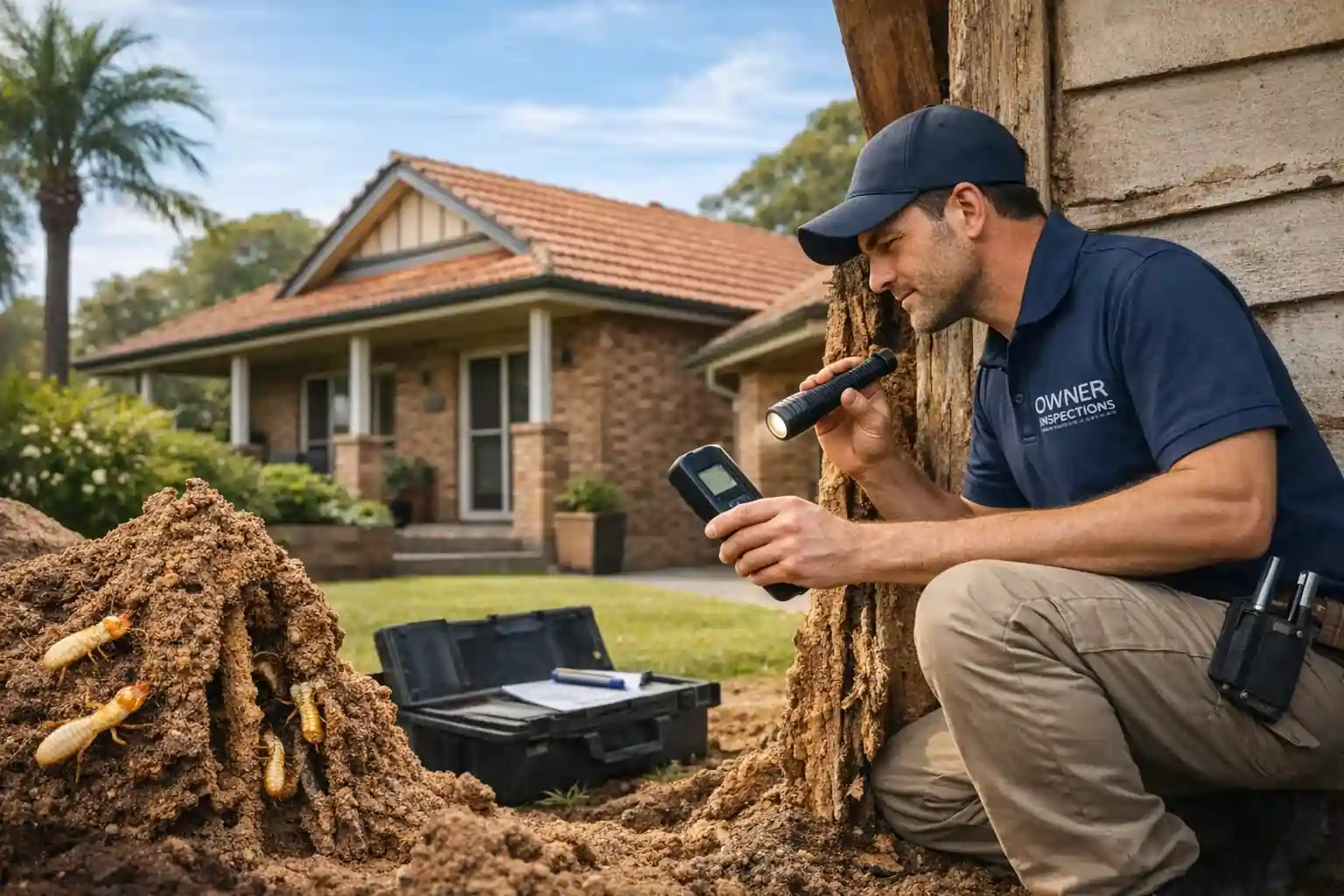
The inspector begins with a thorough walk-around of the property, assessing the overall condition and identifying areas of concern. This includes checking moisture levels in the surrounding soil, examining garden beds, retaining walls, fences, and the roofline for visible signs of pest activity. The landscape and drainage patterns are also evaluated as these can contribute to conditions favourable for termites.
Detailed Interior and Exterior Examination
The inspector systematically examines the interior and exterior of the building. Inside, this includes walls, floors, skirting boards, door frames, window frames, and built-in cabinetry. The inspector looks for telltale signs of termite activity such as mud tubes, hollowed timber, blistering paint, and sagging floors. Evidence of borer activity (small exit holes and fine dust) and wood decay fungi (soft or discoloured timber) is also documented.
Moisture Detection and Thermal Imaging
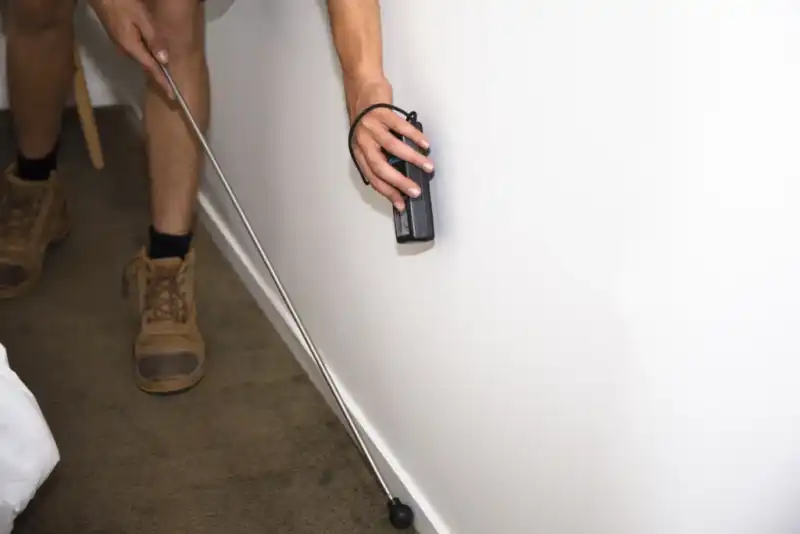
Where appropriate, the inspector uses specialised equipment to enhance the assessment. Moisture meters detect elevated moisture levels in timber and other materials, which can indicate hidden termite activity or conditions conducive to pest infestation. Thermal imaging cameras can reveal temperature anomalies behind walls and ceilings that may point to concealed termite nests or moisture sources. These tools are optional but highly recommended for a thorough inspection.
Roof Void and Subfloor Examination
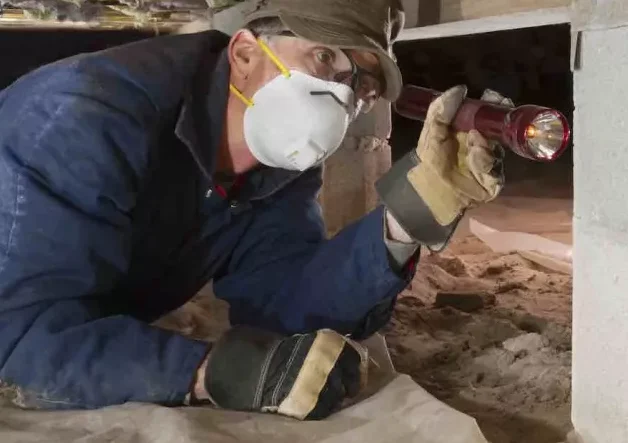
The roof void and subfloor are critical areas for timber pest inspections. These dark, damp spaces are particularly attractive to termites and other timber pests. The inspector examines roof timbers, ceiling joists, and any accessible framing in the roof space. In the subfloor, floor joists, bearers, stumps, and the underside of flooring are inspected. Access permitting, every reachable area is checked for signs of active or past pest activity.
Comprehensive Reporting
Following the inspection, a detailed report is prepared. The report includes photographs, descriptions of any findings, identification of pest species where applicable, the location and extent of any damage, and recommendations for treatment or further investigation. The report also notes any areas that were inaccessible and could not be inspected.
What if Timber Pests Are Found
If the inspection reveals active timber pest activity or significant damage, buyers have several options. Treatment for active infestations can range from chemical barrier treatments to baiting systems, depending on the species and extent of the problem.
Buyers can use the inspection findings to negotiate with the seller. Common outcomes include a reduction in the sale price to account for treatment and repair costs, a requirement for the seller to arrange treatment before settlement, or in some cases, a decision to withdraw from the purchase altogether.
The inspection report provides the evidence needed to make these decisions with confidence.
Why a Professional Inspection Matters
Timber pest inspections should be carried out by a qualified and experienced inspector who understands the behaviour of Australian timber pests and the conditions that promote infestation. Professional inspectors conduct their assessments in accordance with Australian Standard AS 4349.3, ensuring a consistent and thorough approach.
An experienced inspector can distinguish between active and past infestations, identify species-specific risks, and provide practical recommendations tailored to the property. This level of expertise cannot be replicated by a visual check alone.
Frequently Asked Questions
How long does a timber pest inspection take?
A standard timber pest inspection takes between one and two hours, depending on the size and complexity of the property. Larger homes or properties with extensive subfloor and roof void areas may take longer.
Which areas of a home are most vulnerable to termites?
Subfloor spaces, roof voids, bathroom and laundry wet areas, and any timber in direct contact with soil are the most vulnerable areas. Garden beds against external walls, timber retaining walls, and stored timber near the house also increase risk.
What are the signs of a termite infestation?
Common signs include mud tubes on walls or foundations, hollow-sounding timber when tapped, blistering or bubbling paint, sagging floors or ceilings, discarded wings near windows or doors, and fine muddy deposits in or around timber joints.
Are homes in cooler climates at risk of termites?
Yes. While termites are most active in warm, humid climates, they are found across most of Australia including cooler regions. Subterranean termites can thrive in heated buildings regardless of external temperatures. No region should be considered completely free of risk.
What should I do if termites are detected in a property I want to buy?
If termites are detected, you can negotiate with the seller to reduce the purchase price, request that treatment be completed before settlement, or seek further specialist advice. In cases of extensive damage, you may choose to withdraw from the purchase. Your inspection report will provide the information needed to make this decision.
Are all termites harmful to buildings?
Not all termite species damage buildings. Of the approximately 350 termite species in Australia, around 30 are known to cause structural damage. The most destructive species include Coptotermes acinaciformis, Schedorhinotermes intermedius, and Nasutitermes walkeri. A professional inspector can identify which species is present and assess the risk.
How can I reduce the risk of termite infestation?
Reduce moisture around the building by fixing leaks and improving drainage. Remove timber stored against the house, maintain garden beds away from external walls, and ensure subfloor ventilation is adequate. Regular professional inspections, ideally annually, are the best way to detect activity early.
What is borer activity and how is it different from termites?
Borers are beetles whose larvae tunnel into timber, leaving small round exit holes and fine powdery dust (frass). Unlike termites, which consume timber from the inside out, borers create visible exit holes on the surface. Borer damage is typically less severe than termite damage but still requires professional assessment and treatment.
Can previous termite damage be repaired?
Yes. Depending on the extent of the damage, affected timber can be treated, reinforced, or replaced. Structural repairs should be carried out by a qualified builder, and a termite management system should be installed to prevent future infestation. The cost of repairs varies depending on the severity and location of the damage.
Is a timber pest inspection the same as a building inspection?
No. A timber pest inspection focuses specifically on timber-destroying pests including termites, borers, and wood decay fungi. A building inspection assesses the overall structural condition of the property. Both inspections are recommended before purchasing a property and are often conducted together as a combined building and pest inspection.
How often should a property be inspected for timber pests?
The Australian Standard recommends annual timber pest inspections for all properties. Homes in high-risk areas or those without a termite management system in place should be inspected at least once a year. Regular inspections allow early detection, which significantly reduces the cost and extent of any required treatment.
Key Takeaways
- Termites cause an estimated $1.5 billion in damage to Australian homes annually
- One in three Australian homes will be affected by termites according to the CSIRO - Treatment costs range from $5,000 to $10,000, with rebuilding costs reaching up to $500,000
- A timber pest inspection covers the interior, exterior, subfloor, and roof void of the property
- Moisture meters and thermal imaging cameras enhance detection of concealed pest activity
- Inspections are conducted in accordance with Australian Standard AS 4349.3
- Inspection findings can be used to negotiate the purchase price or request treatment before settlement
- Annual inspections are recommended for all Australian properties
References and Resources
Related Articles
Termite Inspection to Protect Your Home
Termites cause approximately $1.5 billion in damage to Australian properties annually. Learn how professional termite inspections can protect your home and investment.
Termite Inspections: Expectations and Preparations
Termite damage can be catastrophic for properties. Learn what to expect during a termite inspection and how to prepare your property.
What's Involved in a Building and Pest Inspection
Building and pest inspections evaluate structural integrity and pest-related issues in Australian properties. Learn what inspectors check, common issues detected, costs, and legal requirements.
For a complete overview, see our guide to pre-purchase building and pest inspections.
Need a Pre-Purchase Inspection?
Our licensed inspectors cover Sydney, Melbourne, and all major Australian cities.
Book a Timber Pest Inspection
Protect yourself from hidden termite damage, borer activity, and wood decay before you buy. Our professional timber pest inspections follow Australian Standard AS 4349.3 and include detailed reporting with photographs.