
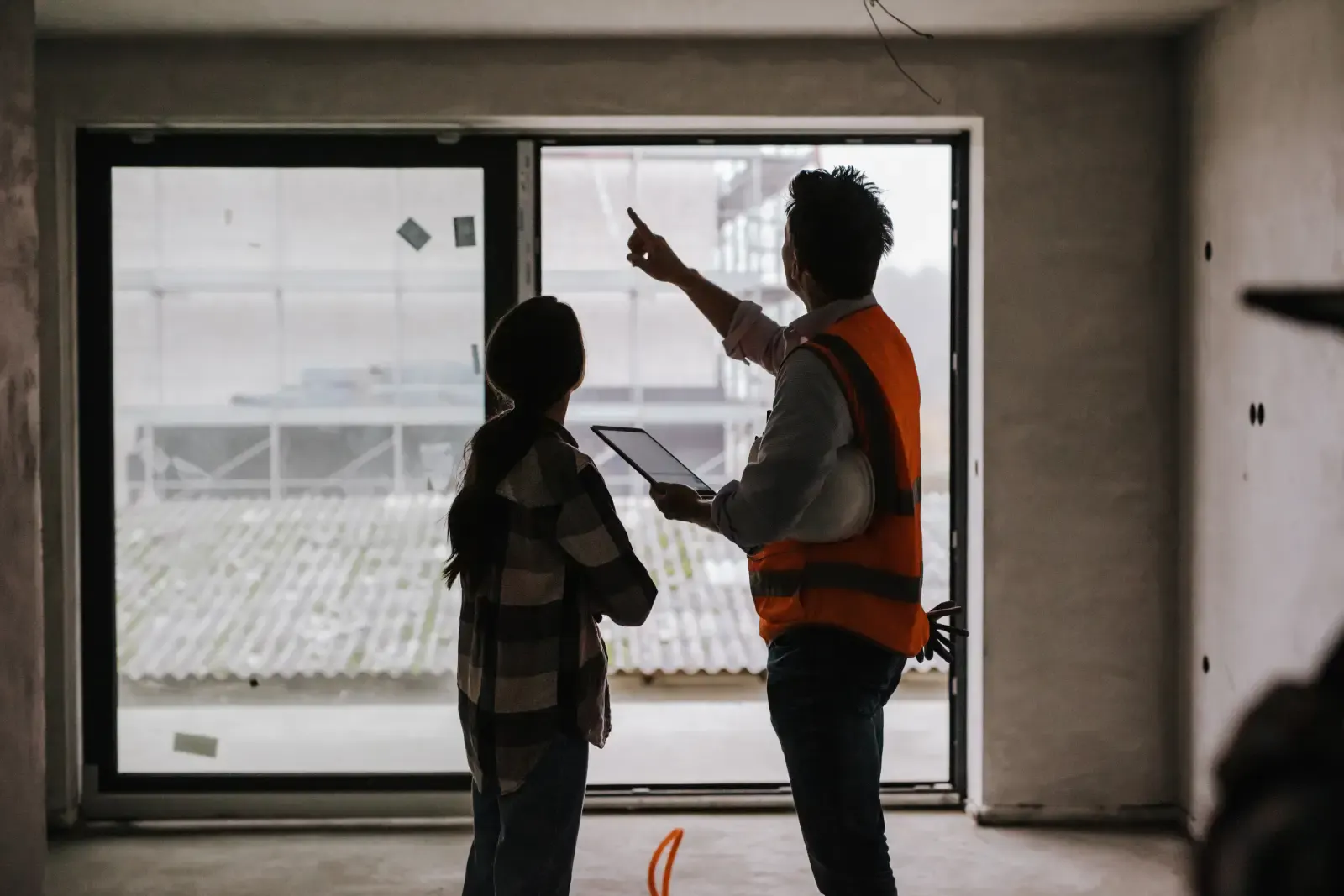
Purchasing a home without a defect inspection report carries significant financial risk. Strict building codes exist in Australia, but defects still occur in both new and older properties. A professional inspection provides a clear picture of the property's condition, allowing all parties to make informed decisions and take appropriate action.
What Is a Home Defect Inspection Report?
A home defect inspection report is a comprehensive document that evaluates a property's condition across its structure, services, and safety features. It covers everything from foundations and roofing to plumbing, electrical systems, and fire safety compliance.
The report serves multiple purposes. For buyers, it prevents unexpected repair costs. For sellers, it reduces legal liability by identifying issues that must be disclosed. For investors, it provides an accurate assessment of the property's condition and potential maintenance costs.
QWho Conducts These Inspections?
Qualified building inspectors or structural engineers perform these inspections following Australian Standard AS 4349.1. They use specialised tools including moisture meters, infrared cameras, and borescopes to detect hidden defects that are not visible during a standard walkthrough.
Certified inspectors have expertise in construction, electrical systems, plumbing, and roofing. They are typically engaged by buyers, sellers, real estate agents, and property managers to provide independent, unbiased reports.
QWhen Are They Needed?
- Before purchasing a property, to identify hidden defects and negotiate the price
- Before selling, to meet disclosure obligations and avoid post-sale disputes
- Periodically as a homeowner, to catch developing maintenance issues early
- Before investing, to evaluate whether a property is a sound financial decision
Common Defects Identified
Structural Defects
- Foundation issues: Uneven floors or cracks in walls and ceilings may indicate foundation movement, which can lead to serious structural instability
- Wall cracks: Can signal structural instability, often requiring professional assessment and potentially costly repairs if left unattended
Mechanical and System Defects
- Plumbing problems: Leaks, low water pressure, or faulty drainage can lead to water damage, mould growth, and increased water bills
- Electrical system faults: Outdated wiring, exposed conductors, or overloaded circuits pose fire hazards and require immediate attention
Safety Hazards
- Fire safety non-compliance: Missing or non-functional smoke alarms, faulty wiring, or combustible materials near electrical fixtures
- Asbestos presence: Older homes may contain asbestos-containing materials, which require professional removal to prevent serious respiratory health risks
| Examples | Impact | Urgency | |
|---|---|---|---|
| Minor Defects | Small plaster cracks, cosmetic paint issues, minor fitting adjustments | Require basic maintenance, do not significantly affect property value | Low, but should be monitored |
| Major Defects | Foundation instability, waterproofing failure, electrical hazards, asbestos | Can affect safety, habitability, and property value significantly | High, requiring immediate professional attention |
The Inspection Process
Initial property assessment
The inspector evaluates structural components, roofing, plumbing, and electrical systems, identifying visible damage and areas that need closer examination.
Advanced tool assessment
Thermal imaging cameras, moisture meters, and borescopes are used to detect hidden defects such as water damage behind walls, electrical hot spots, and concealed pest activity.
Report compilation
All findings are documented in a detailed report with photographs, descriptions of each defect, severity ratings, and professional recommendations for repair or further assessment.
Duration and Delivery
A standard inspection takes 2 to 4 hours depending on the property's size and condition. Reports are typically delivered within 24 to 48 hours, giving buyers time to review the findings before making a purchase decision.
Understanding the Report
Report Structure
A home defect inspection report includes:
- General property information: Address, age, and type of building
- List of identified defects: Categorised as minor or major issues
- Severity ratings: Indicating the urgency of repairs needed
- Photographic evidence: Supporting each finding with visual documentation
- Recommendations: For repair, further specialist assessment, or monitoring
How to Interpret the Findings
Minor defects such as small cracks or cosmetic issues generally require routine maintenance and do not significantly affect property value. Major defects like foundation instability, waterproofing failure, or electrical hazards demand immediate attention and could influence your purchase decision or require renegotiation of the price.
Even newly built homes can have defects. New construction is not exempt from structural or compliance issues, making an independent inspection worthwhile regardless of the property's age.
Legal Implications and Compliance
Failing to address significant defects may breach Australian Consumer Law (ACL) and impact property transactions. Sellers who do not disclose known defects risk legal action from buyers after settlement. For buyers, a defect inspection report provides evidence that can be used in negotiations or, if needed, in legal proceedings.
In NSW, the Home Building Act 1989 provides statutory warranty protections for residential building work. In Victoria, the Domestic Building Contracts Act 1995 offers similar protections. In Queensland, the QBCC administers the dispute resolution process.
Choosing a Qualified Inspector
Questions to Ask
- What inspection standards do you follow?
- Can you provide sample reports?
- What tools and technology do you use?
- How long have you been in the industry?
| Scope | Starting Cost | |
|---|---|---|
| Standard Inspection | Structural, plumbing, electrical, and safety assessment | From $300 + GST |
| Comprehensive Inspection | Full defect assessment including pest, mould, and compliance checks | From $700 + GST |
Key Takeaways
- A home defect inspection report assesses structural integrity, safety hazards, and building code compliance using specialised tools and professional expertise.
- Common defects include foundation issues, wall cracks, plumbing leaks, electrical faults, asbestos, and fire safety non-compliance.
- Even new homes can have defects, so inspections are recommended for all property types regardless of age.
- Reports follow Australian Standard AS 4349.1 and include severity ratings, photographic evidence, and repair recommendations.
- Standard inspections take 2 to 4 hours, with reports delivered within 24 to 48 hours.
- Inspections start at around $300 plus GST for standard assessments, with comprehensive packages from $700.
- A professional inspection protects buyers from unexpected repair costs, sellers from legal liability, and investors from poor decisions.
Frequently Asked Questions
What is included in a home defect inspection report?
The report covers structural integrity, electrical systems, plumbing, roofing, fire safety compliance, and any safety hazards such as asbestos or mould. It includes photographs, severity ratings for each finding, and recommendations for repair or further assessment.
How much does a home defect inspection cost in Australia?
Standard inspections start at around $300 plus GST depending on property size and the depth of the assessment. Comprehensive packages that include pest, mould, and compliance checks start at around $700 plus GST. The cost is small relative to the financial risk of buying a property with hidden defects.
Can I perform a home inspection myself?
You can conduct a visual check, but a DIY inspection lacks the professional tools and expertise needed to detect hidden defects. Licensed inspectors use thermal cameras, moisture meters, and borescopes, and their reports carry credibility with buyers, agents, solicitors, and courts.
How long does a home defect inspection take?
Standard inspections take between 2 and 4 hours depending on the property's size and condition. Reports are typically delivered within 24 to 48 hours, giving buyers time to review the findings before making a purchase decision.
Are new homes exempt from defects?
No. Even newly built homes can have structural or compliance issues that require inspection. Common defects in new builds include waterproofing failures, poor finishes, non-compliant electrical work, and drainage problems. An independent inspection is recommended regardless of the property's age.
What are the most common defects found in Australian homes?
The most common defects are roof leaks, plumbing issues, electrical system faults, poor drainage, and foundation cracks. Waterproofing failures and mould growth are also frequently identified, particularly in properties with poor ventilation or in high-humidity areas.
How do I verify an inspector's credentials?
Check their licence number with the relevant state regulatory body, such as the VBA in Victoria or the QBCC in Queensland. Verify their professional certifications, read online reviews, and ask for sample reports. An inspector with professional indemnity insurance provides an additional layer of credibility.
Is a home defect inspection mandatory before purchasing a property?
While not legally required in most states, it is strongly recommended by lenders, real estate professionals, and consumer protection bodies. The cost of an inspection is minor compared to the potential cost of discovering major defects after settlement.
What should I do if defects are found in the report?
Use the report to negotiate with the seller. You can request repairs, ask for a price reduction, or walk away from the purchase if the defects are severe. For minor issues, you can factor the repair costs into your budget and proceed with the purchase. Your solicitor can advise on your options under the contract.
Can a home defect inspection report be used in legal proceedings?
Yes. A professional inspection report prepared by a licensed inspector is admissible evidence in legal proceedings, tribunal hearings, and insurance disputes. The photographic documentation, severity ratings, and expert analysis make it a strong evidentiary tool for resolving property-related disputes.
References and Resources
- Standards Australia - AS 4349.1 - Australian Standard for general building inspections
- NSW Fair Trading - Building Defects - Defect reporting and consumer protection in NSW
- Victorian Building Authority (VBA) - Building regulations and inspector licensing in Victoria
- Queensland Building and Construction Commission (QBCC) - Construction standards and dispute resolution in QLD
Related Articles
Understanding Your Property Inspection Report
Property inspection reports contain technical findings that can be difficult to interpret. This guide explains how to read your report, distinguish critical issues from maintenance items, and take effective action.
Pre-Purchase Defect Report for Buyers
A pre-purchase defect report provides an independent, expert assessment of a property's condition before you buy. It identifies structural defects, pest damage, electrical faults, plumbing issues, and safety hazards that could cost thousands to repair. Licensed building inspectors conduct these reports in line with Australian Standard AS 4349.1, giving buyers the information they need to make a confident purchasing decision.
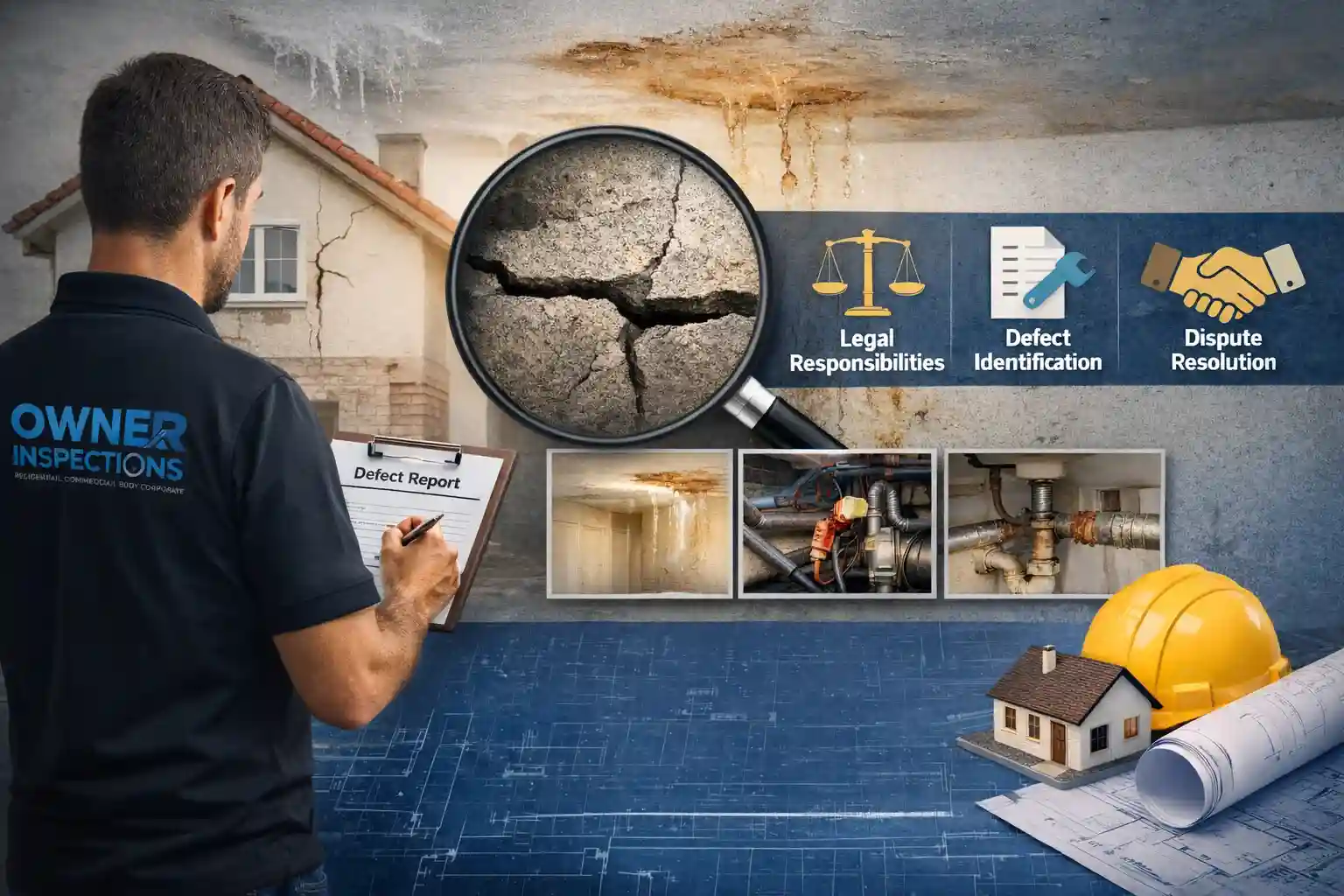
Effective Defect Rectification Strategies in Construction
Defect rectification in construction is a structured process of identifying, documenting, and repairing faults in a building to meet quality, safety, and compliance standards. This guide covers early detection, legal obligations, prioritisation methods, and preventive strategies for Australian property owners and developers.
Buying a property or concerned about defects in your home? Owner Inspections provides independent home defect inspections across NSW, Victoria, and Queensland. Our licensed inspectors use advanced tools to detect hidden defects and deliver detailed reports within 24 hours. Book a pre-purchase inspection before you buy, arrange a defect investigation for a home you already own, or call us on 1300 471 805.
For a complete overview, see our guide to pre-purchase building and pest inspections.
Need a Pre-Purchase Inspection?
Our licensed inspectors cover Sydney, Melbourne, and all major Australian cities.
If you have already purchased and discovered defects, see our guide to building defect investigations for your next steps.