
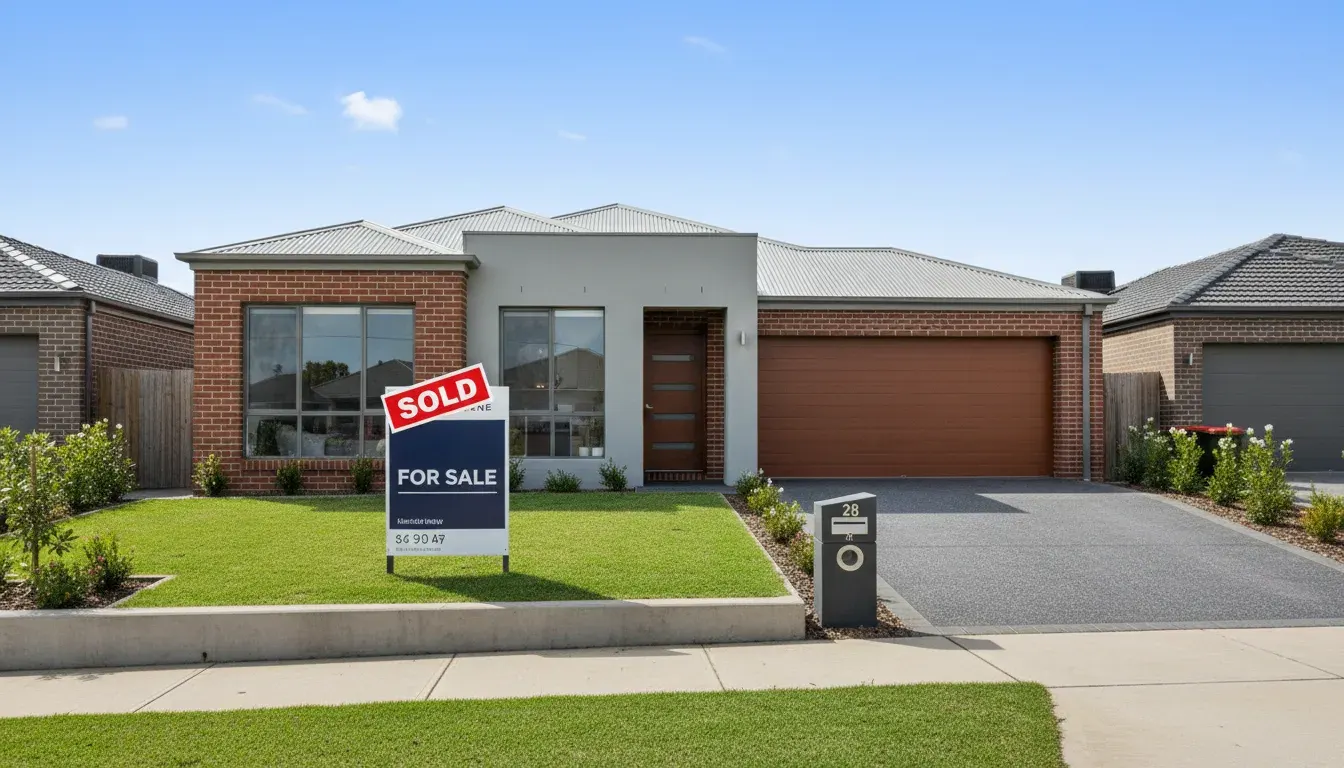
Whether you are building a new home, buying an existing property, or planning a major renovation, understanding when inspections are legally required and when they are simply a smart decision can save you from costly surprises. The rules differ by state and territory, and the 2018 Building Confidence Report has been pushing for greater consistency across the country.
Understanding Home Inspections in Australia
A home inspection is a professional assessment of a property's physical condition. Conducted by a licensed or certified inspector, it examines everything from the structure and roof to plumbing, electrical systems, and timber pest activity. The main types of home inspections include:
- Structural inspections covering foundations, walls, roof framing, and load-bearing elements
- Timber pest inspections checking for termites, borers, and wood decay under Australian Standard AS 4349.3
- Electrical safety checks confirming wiring, switchboards, and safety switches meet current standards
- Plumbing assessments identifying leaks, drainage problems, and compliance with AS 3500
- Combined building and pest inspections, which are the most common type ordered by home buyers
When Are Inspections Legally Required?
The short answer is: it depends on what type of property transaction you are involved in.
| Mandatory? | Details | |
|---|---|---|
| New Construction | Yes, at prescribed stages | State legislation requires inspections at stages such as slab, frame, lock-up, and final. A building surveyor or registered inspector must sign off before the next stage proceeds. |
| Buying an Existing Home | Not legally required in most states | Pre-purchase inspections are optional but strongly recommended. Lenders may require a valuation but not a building inspection. Some contracts include a building inspection clause. |
| Major Renovations | Yes, if a building permit is required | Renovations requiring a building permit are subject to inspections at stages specified by the relevant building surveyor. |
| Strata and Body Corporate | Yes, under specific schemes | In NSW, the Strata Building Bond and Inspection Scheme requires independent inspections of new strata buildings within set timeframes. |
State-by-State Inspection Requirements
Each Australian state and territory has its own building legislation that governs when and how inspections must occur during construction.
Victoria (VIC)
Under the Building Act 1993 and the Domestic Building Contracts Act 1995, prescribed inspections are required at specific stages of new residential construction. The Victorian Building Authority (VBA) oversees compliance. Homeowners can appoint a private building inspector (registered building practitioner) in addition to the building surveyor.
New South Wales (NSW)
The Environmental Planning and Assessment Act 1979 and the Home Building Act 1989 require mandatory inspections at construction stages for new builds. NSW Fair Trading provides consumer protections for home building. The Strata Building Bond and Inspection Scheme adds further inspection requirements for new strata buildings.
Queensland (QLD)
The Queensland Building and Construction Commission Act 1991 requires building certifiers to inspect construction at prescribed stages. The QBCC regulates builders and provides dispute resolution services. Queensland also has specific requirements for pest inspections in high-risk termite zones.
South Australia (SA)
The Building Work Contractors Act 1995 and the Planning, Development and Infrastructure Act 2016 govern building inspections. Consumer and Business Services SA oversees compliance for residential construction.
ACT
The Building Act 2004 (ACT) mandates inspections at specific construction stages. The ACT Planning and Land Authority manages building approvals and compliance.
Regardless of whether your state makes pre-purchase inspections mandatory, every consumer protection authority in Australia recommends getting one before buying a home. The cost of an inspection is a fraction of the cost of repairing hidden defects.
The Building Confidence Report and National Reforms
The Building Confidence Report (BCR), published in 2018 by Professor Peter Shergold and Bronwyn Weir, reviewed the effectiveness of building regulations across all Australian states and territories. The report found significant gaps in compliance and enforcement and made 24 recommendations to improve the system.
Key recommendations included:
- Mandatory inspections at prescribed stages of construction in every jurisdiction
- Stronger registration and accountability requirements for building practitioners
- Greater consistency in building regulations across states and territories
- Improved documentation and record-keeping throughout the construction process
Since 2018, state governments have been progressively implementing these recommendations. The result is a trend towards more frequent and more rigorous inspections during construction, which ultimately benefits homeowners and buyers.
Pre-Purchase Inspections for Existing Homes
While not legally required, a pre-purchase building inspection is one of the most important steps a buyer can take. It follows Australian Standard AS 4349.1 and provides a professional assessment of the property's condition before you commit to the purchase.
A standard pre-purchase inspection covers:
Most property sale contracts in Australia include a "subject to building inspection" clause that allows the buyer to arrange an inspection within a set period (usually five to seven business days) and withdraw from the contract if significant defects are found.
The Buyer's Perspective
For buyers, a home inspection is a practical tool for making informed decisions. Knowing the true condition of a property before you sign the contract gives you the ability to:
- Negotiate a lower purchase price based on identified defects
- Request the seller to complete repairs before settlement
- Walk away from the purchase if the defects are too serious or costly to fix
- Budget accurately for future maintenance and repairs
- Avoid properties with hidden structural or pest problems that could cost tens of thousands to resolve
The typical cost of a pre-purchase building and pest inspection in Australia ranges from $400 to $800 depending on the property's size and location. That is a small price compared to the potential cost of undiscovered defects.
The Seller's Perspective
Sellers can also benefit from arranging a pre-sale inspection before listing. This proactive approach allows you to:
- Identify and fix issues before they become a negotiation point for buyers
- Present the property in its best condition, reducing the chance of surprises during the buyer's inspection
- Speed up the sales process by removing common causes of delay
- Build trust with potential buyers by providing an independent inspection report
A property that has been inspected and repaired in advance signals quality and transparency, which can attract stronger offers and a quicker sale.
New Constructions and Renovations
For new homes and significant renovations, inspections are required at specific construction stages. These typically include:
Slab or footing stage
Before concrete is poured, the inspector checks formwork, reinforcement, and site drainage to confirm compliance with engineering specifications.
Frame stage
Once the structural frame is erected, the inspector checks timber or steel framing, bracing, tie-downs, and alignment against the approved plans.
Lock-up stage
At this point, the roof is on, external walls are clad, and windows and doors are installed. The inspector checks waterproofing, insulation, and structural completeness.
Fixing and fit-out stage
Internal linings, wet area waterproofing, cabinetry, and service rough-ins are inspected.
Final inspection
A comprehensive check before the occupancy certificate is issued. This confirms the build complies with the NCC, approved plans, and all relevant Australian Standards.
Even though the building surveyor conducts mandatory inspections, homeowners can and should appoint their own independent building inspector to review each stage. The building surveyor works for compliance, but an independent inspector works for you and looks at workmanship and quality in detail.
Choosing the Right Home Inspector
Selecting a qualified inspector is the foundation of a useful inspection. Here is what to look for:
- Registration or licensing with the relevant state authority (VBA, NSW Fair Trading, QBCC)
- Professional indemnity insurance to protect you if something is missed
- Experience with the specific property type you are buying or building
- Detailed digital reports with photographs, descriptions, and clear recommendations
- Positive reviews and references from previous clients
Key Takeaways
- Home inspections for new construction are mandatory at prescribed stages in every Australian state and territory.
- Pre-purchase inspections for existing homes are not legally required in most states, but they are strongly recommended by consumer protection authorities.
- The 2018 Building Confidence Report has driven national reforms towards more consistent and rigorous inspection requirements.
- A pre-purchase building and pest inspection typically costs $400 to $800 and can save buyers from costly hidden defects.
- Sellers benefit from pre-sale inspections by identifying and fixing issues before listing, leading to smoother sales.
- Homeowners building a new home should appoint their own independent inspector in addition to the building surveyor.
- Each state has its own legislation governing building inspections, so check the rules in your jurisdiction.
Frequently Asked Questions
Are pre-purchase building inspections mandatory when buying a home in Australia?
No. Pre-purchase building inspections are not legally required when buying an existing home in any Australian state or territory. However, they are strongly recommended by consumer protection bodies including NSW Fair Trading, the VBA, and the QBCC. Most property sale contracts include a "subject to building inspection" clause that gives buyers the right to arrange one.
Are building inspections mandatory for new homes in Australia?
Yes. All Australian states and territories require mandatory inspections at prescribed construction stages for new residential builds. These inspections are conducted by a building surveyor or certifier and must be completed before the builder can proceed to the next stage. The exact stages and requirements vary by state.
How much does a home inspection cost in Australia?
A standard pre-purchase building and pest inspection typically costs between $400 and $800 depending on the property's size, location, and age. Larger or more complex properties may cost more. This is a small expense compared to the potential cost of undiscovered structural or pest issues, which can run into tens of thousands of dollars.
What does a building inspection cover?
A building inspection under Australian Standard AS 4349.1 covers the structural condition of the property including foundations, walls, roof, floors, ceilings, windows, doors, sub-floor areas, and roof void. It also assesses external areas such as driveways, fencing, and drainage. A combined building and pest inspection adds a timber pest assessment under AS 4349.3.
Can I do a home inspection myself instead of hiring a professional?
While you can look over a property yourself, a professional building inspector has the training, experience, and tools to identify issues that most people would miss. Structural defects, early termite activity, and concealed moisture problems are often invisible to the untrained eye. A professional report also carries weight in negotiations and legal disputes.
How long does a typical home inspection take?
A thorough building and pest inspection usually takes two to four hours on site, depending on the property's size and condition. The written report is typically delivered within 24 to 48 hours after the inspection. Larger properties or those with significant issues may take longer.
Can a home inspection affect my insurance premiums?
A building inspection that identifies and allows you to fix problems such as faulty wiring, structural issues, or water damage can reduce your risk profile. Some insurers may offer more favourable premiums for properties in good, documented condition. Having a recent inspection report can also support your claim in the event of future damage.
What is the Building Confidence Report and why does it matter?
The Building Confidence Report (BCR) was published in 2018 after a national review of building regulations. It made 24 recommendations to improve the quality and safety of Australian construction, including mandatory inspections at prescribed stages and stronger practitioner accountability. State governments have been progressively implementing these reforms.
Should I get an inspection even if the property looks new and well maintained?
Yes. Many defects are not visible on the surface. Issues such as concealed water damage, termite activity behind walls, faulty waterproofing in wet areas, and structural problems under the floor are common even in newer or well-presented properties. An inspection provides an objective, professional assessment that goes beyond what you can see.
Can I attend the home inspection?
Yes, and it is encouraged. Being present during the inspection allows you to see the issues firsthand, ask questions, and get a better understanding of the property's condition. Most professional inspectors welcome buyer attendance and will walk you through their findings on site.
References and Resources
- Victorian Building Authority (VBA) - Regulator for building in Victoria
- NSW Fair Trading - Home Building - Consumer protection for home building in NSW
- Queensland Building and Construction Commission (QBCC) - Regulator for building in Queensland
- National Construction Code (NCC) - Australian Building Codes Board
Related Articles
What Does a Building Inspection Cover?
Building inspections serve as a critical investment safeguard, examining structural integrity, electrical systems, plumbing, and more before property purchase.
How Often Are Buildings Inspected in Australia?
Regular building inspections are essential for maintaining safety. Australia implements mandatory checks for new construction and optional assessments for existing buildings.
Pre-Purchase Inspection Checklist for Buyers
A pre-purchase inspection checklist helps buyers assess property condition before committing. Covers structural, electrical, plumbing, roofing, and pest checks.
For a complete overview, see our guide to pre-purchase building and pest inspections.
Need a Pre-Purchase Inspection?
Our licensed inspectors cover Sydney, Melbourne, and all major Australian cities.
Whether you are buying, selling, or building, Owner Inspections provides thorough building and pest inspections across NSW, Victoria, and Queensland. Our licensed inspectors deliver detailed digital reports with photographs and clear recommendations. Get a quote today or call us on 1300 471 805.