

A property inspection report is one of the most valuable documents you will receive during the buying, selling, or maintenance process for a home. It provides a detailed assessment of a building's condition, covering everything from the roof structure down to the subfloor.
Yet many homeowners and buyers find themselves overwhelmed by the technical language, grading systems, and lengthy observations contained in these reports. Knowing how to read and act on the findings can mean the difference between a sound investment and a costly mistake.
Your property inspection report is not simply a checklist of problems. It is a prioritised guide that helps you make informed decisions about repairs, maintenance, and negotiations. Treat it as a roadmap for protecting your investment.
What a Property Inspection Report Includes
A standard property inspection report in Australia follows the guidelines set out in Australian Standard AS 4349.1. This standard defines the scope, limitations, and reporting requirements for residential building inspections.
Reports are typically divided into clearly defined sections, each covering a specific area or system within the property. The level of detail varies between inspection companies, but a thorough report will address the following areas.
Structural Elements
The structural section is often the most critical part of the report. It covers the building's load-bearing components, including foundations, footings, floor framing, wall framing, roof trusses, and load-bearing walls.
Inspectors look for signs of movement, cracking, deflection, and deterioration. Structural issues can range from minor cosmetic cracking to significant foundation failure that threatens the safety of occupants.
If your report flags structural concerns, it is worth cross-referencing the findings with our guide on what a building inspection covers for additional context.
Exterior Condition
The exterior assessment examines cladding, brickwork, render, paintwork, windows, doors, balconies, decks, fencing, driveways, and retaining walls. Inspectors note any damage, deterioration, or non-compliance with building standards.
Water ingress points are given particular attention. Gaps in cladding, failed sealants around windows, and poor drainage can all lead to moisture problems that worsen over time.
Roof and Roof Space
Roof inspections cover the external roof covering (tiles, metal sheeting, or other materials), guttering, downpipes, flashings, and the roof space including framing, insulation, and sarking. The inspector will note any signs of leaks, rust, broken tiles, sagging, or inadequate ventilation.
Roof defects left unaddressed can escalate quickly. A small leak can lead to timber rot, mould growth, and even structural compromise within months.
Interior Condition
The interior section assesses walls, ceilings, floors, doors, windows, wet areas (bathrooms, laundry, kitchen), and built-in fittings. Inspectors check for cracks, moisture damage, poor ventilation, uneven floors, and signs of water staining.
Wet area assessments are particularly significant because failed waterproofing is one of the most common and expensive defects found in Australian homes.
Subfloor Area
Where accessible, inspectors examine the subfloor for ventilation, moisture levels, timber condition, stumps or piers, and evidence of pest activity. Subfloor problems are often invisible from inside the home but can have serious implications for structural integrity.
Electrical and Plumbing Observations
Building inspectors are not licensed electricians or plumbers. Their role is to make visual observations about the general condition of these systems. They may note outdated wiring, leaking taps, poor water pressure, or non-compliant installations.
If the report raises concerns about electrical or plumbing systems, the inspector will typically recommend engaging a licensed specialist for a detailed assessment.
HVAC and Ventilation
Heating, ventilation, and air conditioning systems are assessed at a visual level. Inspectors check for obvious defects, age-related wear, and accessibility for servicing. They may also comment on the adequacy of ventilation in wet areas and roof spaces.
How Reports Classify Issues
One of the most valuable aspects of a professional inspection report is its classification system. Issues are typically graded by severity, helping you distinguish between problems that need immediate attention and those that can be scheduled into a long-term maintenance plan.
The table below outlines the three main categories used in most Australian inspection reports.
| Classification | Definition | Typical Examples | Recommended Action |
|---|---|---|---|
| Major Defect | A significant building deficiency that is serious in nature, requires immediate rectification, or could make the building unsafe or uninhabitable | Foundation movement, significant structural cracking, active roof leaks, failed retaining walls, major water ingress | Engage a specialist immediately; may affect purchasing decision or require urgent repair |
| Minor Defect | A deficiency that is not serious in nature but requires rectification to prevent further deterioration or potential escalation | Hairline cracking, minor timber decay, worn sealants, small areas of damaged render, sticking doors or windows | Schedule repairs within 3 to 12 months to prevent escalation |
| Maintenance Item | A condition resulting from normal wear and tear or lack of routine upkeep that does not currently affect the building's structural integrity | Peeling paint, dirty gutters, minor surface corrosion, worn grout, garden encroaching on the structure | Include in a regular maintenance schedule; address during routine upkeep |
This classification system is the backbone of your report. Focus your attention on major defects first, then work through minor defects, and finally incorporate maintenance items into your ongoing property care routine.
Breaking Down Each Section of Your Report
Most reports follow a consistent structure. Familiarising yourself with each section will make the document far easier to interpret.
Executive Summary
The executive summary appears at the front of the report and provides a high-level overview of the property's condition. It highlights the most significant findings and gives you an immediate sense of whether the property has serious problems.
Read this section first. It will tell you whether the report has identified any major defects that require further investigation.
Property and Inspection Details
This section records the property address, date of inspection, weather conditions at the time, the scope of the inspection, and any limitations or exclusions. Pay close attention to the limitations section, as it explains what the inspector could not access or assess.
Common limitations include inaccessible roof spaces, locked rooms, furniture obstructing walls, and areas concealed by stored goods. If significant areas were inaccessible, you may need to arrange a follow-up inspection.
Detailed Findings
The body of the report presents findings room by room or system by system. Each finding will typically include a description of the issue, its location, a photograph, and a severity rating.
When reading this section, focus on the pattern of defects rather than individual items in isolation. Multiple minor cracks in different locations, for example, may collectively indicate a more significant structural issue than any single crack would suggest on its own.
Photographs and Evidence
A quality report includes clear, labelled photographs for each finding. These images serve as evidence and make it easier to communicate with tradespeople about repairs.
Check that each photograph corresponds to the written description. If something is unclear, do not hesitate to contact the inspector for clarification.
Recommendations
The recommendations section summarises what action should be taken for each finding. This is where you will find guidance on whether to engage a structural engineer, licensed plumber, electrician, or other specialist.
For a deeper look at interpreting inspection recommendations, see our article on decoding pre-purchase inspection reports.
Distinguishing Critical Issues from Routine Maintenance
Not every item in your report requires urgent action. Learning to separate critical defects from routine maintenance will help you allocate your time and budget effectively.
Signs of Critical Issues
Critical issues are those that affect the safety, structural integrity, or habitability of the property. Look for language in your report such as "significant," "immediate attention required," "structural concern," or "safety hazard."
Common critical issues include active termite infestation, significant foundation movement, major roof leaks, failed waterproofing in wet areas, and non-compliant electrical installations. These items should be addressed before or immediately after settlement.
Routine Maintenance Items
Routine maintenance items are conditions resulting from normal ageing and wear. Peeling exterior paint, minor surface rust on metal fixtures, dirty gutters, and worn caulking are all examples.
While these items do not pose an immediate risk, neglecting them over time can lead to more serious problems. A blocked gutter, for instance, can cause water to pool against the fascia and eventually lead to timber rot.
Prioritising Repairs After Receiving Your Report
Once you have read through the full report, create a prioritised action plan. This approach ensures you address the most pressing issues first and avoids the common mistake of spending money on cosmetic fixes while ignoring structural problems.
Step 1: Address Safety Hazards
Any item that poses a risk to the health or safety of occupants should be dealt with first. This includes electrical faults, unstable structures, asbestos-containing materials, and trip hazards.
Step 2: Tackle Major Defects
Major defects that are not immediate safety hazards but will worsen without intervention should be your next priority. Engage the recommended specialists to provide detailed assessments and quotes.
Step 3: Schedule Minor Defect Repairs
Minor defects can typically be scheduled over the coming months. Group related repairs together where possible to reduce costs. For example, addressing all exterior sealant and render repairs at the same time is more cost-effective than handling them individually.
Step 4: Create a Maintenance Schedule
Use the maintenance items in your report as the basis for an ongoing property care schedule. Seasonal maintenance, such as gutter cleaning before the wet season and exterior painting every few years, will protect your property and reduce the likelihood of minor issues becoming major ones.
Our comprehensive guide to house inspections provides additional advice on establishing a long-term maintenance routine.
Using Your Report for Property Negotiations
A detailed inspection report is a powerful negotiation tool. Whether you are buying, selling, or resolving a dispute, the documented findings give you objective evidence to support your position.
For Buyers
Buyers can use the report to request a price reduction, ask the seller to complete repairs before settlement, or negotiate special conditions in the contract. Major defects carry the most weight in negotiations because they represent significant costs.
When presenting findings to the seller or their agent, focus on major and minor defects with clear cost implications. Obtain quotes from licensed tradespeople to support your position with concrete figures.
For buyers entering the market for the first time, our first-time homebuyer's guide to building and pest inspections covers the negotiation process in more detail.
For Sellers
Sellers who commission a pre-purchase inspection before listing can address issues proactively, avoid surprises during the buyer's inspection, and demonstrate transparency.
A clean or well-managed report builds buyer confidence and can speed up the sale process. It also reduces the risk of post-settlement disputes.
For Dispute Resolution
In cases where defects are discovered after purchase or during construction, inspection reports serve as key evidence. Reports prepared by qualified inspectors can support claims through bodies such as the NSW Civil and Administrative Tribunal (NCAT) or Queensland Building and Construction Commission (QBCC).
If your situation involves a defect inspection, the report findings may form the basis of a formal claim or insurance assessment.
When to Consult a Specialist
Your building inspector will often recommend engaging a specialist for specific issues identified in the report. It is essential to follow these recommendations rather than assuming the problem is minor.
Structural Engineer
Engage a structural engineer when the report identifies significant cracking, foundation movement, wall bowing, or load-bearing concerns. A structural engineer can determine the cause, assess the severity, and recommend appropriate remediation.
Licensed Electrician
Outdated wiring, non-compliant switchboards, and missing safety switches all warrant an electrical assessment. Electrical faults are a leading cause of house fires in Australia.
Licensed Plumber
Leaking pipes, poor drainage, low water pressure, and non-compliant plumbing installations should be assessed by a licensed plumber. Plumbing defects can cause water damage, mould growth, and structural deterioration if left unchecked.
Pest Inspector
If the report notes evidence of timber pest activity, such as termite workings, borer damage, or fungal decay, a specialist pest inspection is strongly recommended. Termite damage is not covered by standard home insurance in Australia, making early detection critical.
For more on why defect inspections matter, read our article on why property defect inspections are important for buyers.
Waterproofing Specialist
Failed waterproofing in bathrooms, showers, and balconies is one of the most expensive defects to rectify. If your report identifies moisture in wet areas or balcony membranes, a waterproofing specialist can determine whether remediation or full replacement is required.
Creating a Long-Term Maintenance Plan from Your Report
Your inspection report should not sit in a drawer once you have acted on the urgent items. Use it as the foundation for a long-term property maintenance plan.
Review the maintenance items section and assign each item to a timeframe: monthly, quarterly, biannually, or annually. Common recurring tasks include clearing gutters and downpipes, checking exterior caulking, inspecting subfloor ventilation, testing smoke alarms, and servicing HVAC systems.
Keeping a record of completed maintenance also adds value when you eventually sell the property. Buyers and their inspectors will look favourably on a well-maintained home with documented upkeep.
Common Mistakes When Reading Inspection Reports
Many homeowners make avoidable errors when interpreting their reports. Being aware of these pitfalls will help you get the most from the document.
Ignoring the limitations section is a common oversight. If the inspector could not access the roof space or subfloor, those areas remain unassessed and could harbour hidden defects.
Focusing solely on the number of items rather than their severity is another mistake. A report with 30 maintenance items and no major defects is far better than a report with five items that includes two major structural concerns.
Failing to act on recommendations is perhaps the most costly mistake. Inspectors flag issues for a reason. Delaying specialist assessments or repairs allows minor problems to escalate into major, expensive ones.
Frequently Asked Questions
QWhat is included in a standard property inspection report in Australia?
A standard report covers the structural elements, exterior, interior, roof and roof space, subfloor, wet areas, and visual observations of electrical and plumbing systems. Reports follow Australian Standard AS 4349.1 and include photographs, descriptions, severity ratings, and recommendations for each finding.
QHow long does it take to receive my inspection report?
Most inspection companies deliver the report within 24 to 48 hours after the inspection. Some offer same-day turnaround for urgent situations, such as properties going to auction.
QWhat is the difference between a major defect and a minor defect?
A major defect is a significant issue that affects the structural integrity, safety, or habitability of the building and requires immediate attention. A minor defect is less serious but still requires rectification to prevent deterioration. Maintenance items are conditions from normal wear that need routine upkeep.
QCan I use my inspection report to negotiate the purchase price?
Yes. Buyers commonly use inspection findings to negotiate a price reduction or request that the seller complete repairs before settlement. Major defects supported by specialist quotes carry the most weight in negotiations.
QWhat should I do if the report identifies major structural defects?
Engage a qualified structural engineer to assess the defects in detail. The engineer will determine the cause, severity, and recommended remediation. Depending on the findings, you may choose to renegotiate, request repairs, or withdraw from the purchase.
QAre electrical and plumbing systems fully assessed in a building inspection?
No. Building inspectors provide visual observations only. They are not licensed to test electrical circuits or pressure-test plumbing systems. If concerns are noted, the inspector will recommend engaging a licensed electrician or plumber for a detailed assessment.
QHow often should I get a property inspection done on my home?
For an owner-occupied home, a full building inspection every three to five years is a good practice. Annual visual checks of the roof, gutters, subfloor, and exterior are also recommended. Pest inspections should be conducted annually in termite-prone areas.
QWhat areas of the property might not be covered by the inspection?
Common exclusions include areas concealed by furniture, stored goods, floor coverings, wall linings, and vegetation. Locked rooms, inaccessible roof spaces, and underground services are also typically excluded. The limitations section of your report will detail what could not be inspected.
QIs a building inspection the same as a pest inspection?
No. A building inspection assesses the structural and general condition of the property. A pest inspection specifically looks for evidence of timber pests, including termites, borers, and fungal decay. Many companies offer combined building and pest inspections for convenience and cost savings.
QShould I attend the inspection in person?
Attending the inspection is highly recommended. It gives you the opportunity to see the findings firsthand, ask questions, and gain a better sense of the property's condition. Most inspectors welcome buyers or owners on site during the assessment.
QWhat happens if defects are found after I have already purchased the property?
If defects are discovered after settlement, your options depend on the circumstances. You may have recourse through consumer protection laws, building warranty insurance, or tribunal proceedings. A defect inspection report can serve as evidence in these situations.
QCan a property fail an inspection?
A property cannot technically fail an inspection. The report documents the current condition and identifies defects, but it does not issue a pass or fail verdict. The decision about whether to proceed with a purchase rests with the buyer based on the findings.
Take the Next Step
If you have received an inspection report and need help interpreting the findings, or if you are looking to arrange a thorough property inspection, our team of licensed building inspectors is here to help. Contact Owner Inspections to book an inspection or discuss your report with a qualified professional.
Related Articles

What Does a Building Inspection Cover
Building inspections serve as a critical investment safeguard, examining structural integrity, electrical systems, plumbing, and more before property purchase.
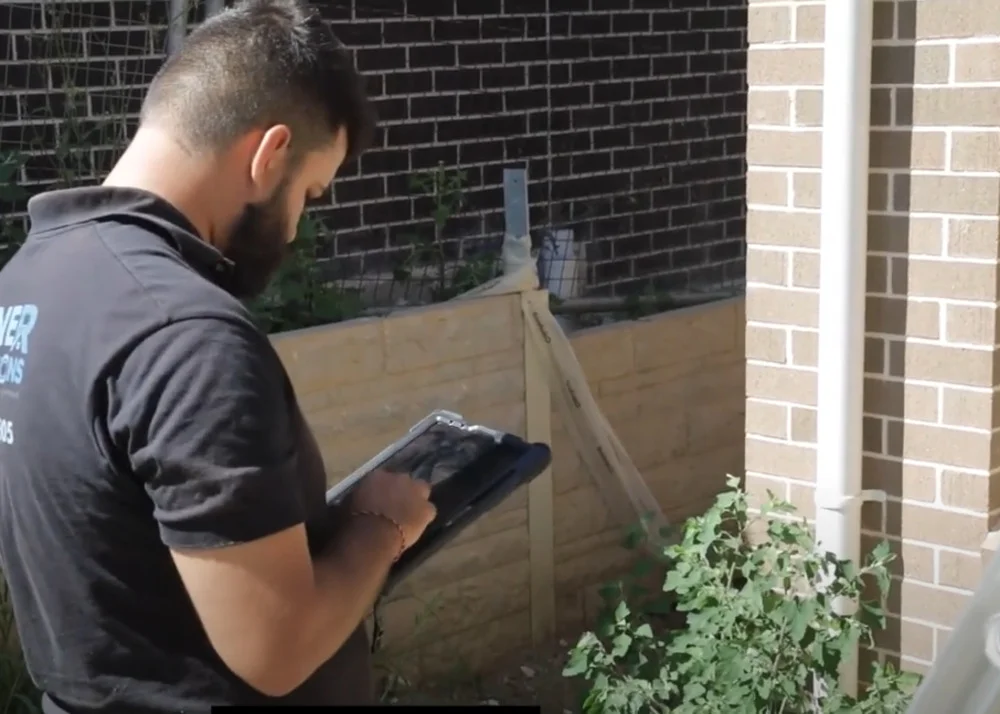
A Comprehensive Guide to House Inspections
House inspections are detailed professional assessments evaluating structural integrity, safety systems, and component functionality. Learn everything you need to know.

Building Inspection Stages: A Comprehensive Guide
With new home starts projected to exceed 190,000 annually by 2025, quality assurance at each construction phase is increasingly important. Learn the six key stages.
For a complete overview, see our guide to pre-purchase building and pest inspections.
Need a Pre-Purchase Inspection?
Our licensed inspectors cover Sydney, Melbourne, and all major Australian cities.