
For buyers concerned about hidden problems, an independent pre-purchase building inspection can document visible defects and condition issues before they commit to a property. Owner Inspections has a dedicated pre-purchase service for identifying potential property issues before purchase.
This article is general information, not financial or legal advice. Always read your insurer’s Product Disclosure Statement (PDS) and Key Fact Sheet (KFS), and ask your insurer about your situation before you rely on cover.
What this guide will help with:
- Which defect types most often lead to insurance disputes, exclusions, or reduced payouts.
- What a home inspection can document, and what it cannot confirm without specialist checks.
- Practical next steps to reduce future claim friction, using evidence, photos, and maintenance records.
Found a Defect That Could Become a Dispute?
Learn how to record cracks, leaks, moisture damage and other building defects with clear photos, written notes and supporting reports.
Document Defects
How Home Insurance Exclusions Work in Australia
Most home insurance policies are built around insured events. These are sudden incidents like storm damage, fire, or some types of water damage. What they usually do not do is pay to fix the thing that made the damage more likely in the first place, like an old roof leak, failed grout, or long-term damp. Allianz puts it plainly: insurance is for unexpected events, and it “doesn’t usually cover normal wear and tear or poor maintenance”.
Here are the terms that matter when reading a PDS and KFS:
- Exclusion: something the policy will not cover (or will cover only in limited cases).
- Condition: something you must do to keep cover valid, like taking reasonable care or notifying the insurer of certain changes.
- Maintenance obligation: the idea that routine upkeep is the owner’s job, not the insurer’s. CommBank’s guidance says policies do not cover general wear and tear or insufficient maintenance.
- Existing damage: problems already there, or damage that began before the event you are claiming for. CommBank warns that if existing problems contributed, cover is unlikely.
Defect vs Insured Event: The Difference That Drives Claim Outcomes
A useful mental test is: did the damage happen suddenly, or did it build up over weeks, months, or years?
Scenario: storm plus cracked tiles A storm hits and water gets in. The roof also has cracked tiles, rusted flashing, and blocked gutters that have been that way for a long time.
What can happen in practice is a split argument: the storm is sudden, but the insurer may say part of the loss links to poor maintenance or existing damage. This is one reason buyers should take visible defects seriously before settlement. Owner Inspections’ guide to hidden building defects and property protection explains how concealed or overlooked problems can affect buyers, owners and maintenance decisions.
If you think a denial is wrong, you can challenge it. The Financial Rights Legal Centre outlines dispute options, including internal dispute resolution and escalating to AFCA if needed.
Home Inspection Defects That Can Affect Insurance
To make this practical, each defect below follows the same template: what it looks like, why it matters to insurance, what an inspection can and cannot confirm, and what to do next.
1. Water Ingress, Leaks, and Moisture Damage
What it looks like (signs)
- Staining on ceilings or cornices, bubbling paint, swollen skirting boards
- Musty smells, damp carpets, mould patches
- Efflorescence (white salts) on brickwork, damp subfloor timbers
- Rusting around wet areas, loose tiles, cracking grout or failed silicone
Why it matters to insurance
Water claims are common, but disputes often centre on whether the cause was sudden or gradual. Allianz reported managing 78,066 home-related claims in 2024 excluding natural catastrophes, and recorded over 19,000 claims involving burst pipes and water damage.
What a home inspection can and cannot confirm
- Can: document visible water staining, damp indicators, poor drainage and run-off, roof and gutter issues that let moisture in, and likely entry points.
- Cannot: confirm concealed plumbing leaks, waterproof membrane failure behind tiles, or pipe condition inside walls without invasive or specialist checks.
Action
- Fix moisture entry points early, before they become “long-term”.
- Get specialist checks where needed: plumber (leak detection), waterproofing assessment, drain camera, mould specialist.
- Keep receipts and photos of repairs and servicing, so you can show reasonable maintenance later.
2. Roof Condition and Rainwater Disposal Defects
What it looks like (signs)
- Cracked roof tiles, missing ridge capping pointing, rusted metal sheets
- Deteriorated flashings, blocked gutters, downpipes discharging too close to footings
- Poor fall to gutters, water ponding, overflow marks
Why it matters to insurance
Roof issues sit right at the intersection of storm claims and maintenance exclusions. Allianz’s guidance uses examples like cracked roof tiles or gutters causing leaks over time and links it to poor maintenance and denied claims.
What a home inspection can and cannot confirm
- Can: visually assess accessible roof exterior areas, gutters, downpipes, and signs of overflow or past patch repairs. NSW Government lists roof exterior and stormwater run-off as typical accessible items.
- Cannot: guarantee watertightness in future storms, or detect every concealed roof leak.
Action
- Clean gutters and confirm downpipe discharge and drainage.
- Repair cracked tiles, flashings, and rust before the next weather event.
- Photograph roof condition before and after repairs and keep invoices.
3. Structural Movement, Cracking, and Subsidence Red Flags
What it looks like (signs)
- Stair-step cracking in brickwork, widening cracks around doors/windows
- Doors or windows sticking, uneven floors, sloping verandahs
- Gaps at skirtings or cornices, fresh patching in crack zones
Why it matters to insurance
Some policies exclude subsidence or ground movement, or require specific cover. Even where cover exists, disputes can arise if cracking is ongoing deterioration rather than a sudden event. The safest approach is to treat structural movement as a risk area that needs clarity from the PDS and insurer.
What a home inspection can and cannot confirm
- Can: document visible cracking patterns and other movement indicators, and recommend further assessment where needed. NSW Government notes the report should list significant problems and may recommend a structural engineer.
- Cannot: confirm cause (soil movement, footing failure, drainage issues) without engineering or geotechnical input.
Action
- Get an engineer or geotechnical opinion where red flags exist.
- Improve drainage and stormwater run-off control where water is contributing.
- Keep an “evidence pack” of crack photos with dates so changes are clear.
4. Mould and Ventilation-related Deterioration
What it looks like (signs)
- Black spotting on ceilings and window frames, peeling paint, condensation
- Musty smell in wardrobes or bedrooms, soft plaster, damp insulation
Why it matters to insurance
Mould is usually a symptom. If the moisture source is long-term condensation, a chronic leak, or poor ventilation, insurers may treat it as gradual deterioration or maintenance related. Allianz lists mould and mildew damage from condensation over time as an example of a wear and tear style issue.
What a home inspection can and cannot confirm
- Can: identify visible mould, likely moisture sources, and ventilation gaps such as exhaust fans not vented correctly.
- Cannot: confirm hidden mould inside wall cavities without specialist inspection.
Action
- Treat mould as a “find the source” job, not just a clean-up.
- Improve bathroom and laundry ventilation, fix leaks, and address subfloor damp.
- Keep records of remediation and repairs.
Need a Closer Look at a Specific Building Defect?
A focused defect investigation can document visible evidence, examine likely causes and provide clear findings for repair, insurance or dispute discussions.
Investigation Reports
5. Faulty Workmanship and Unapproved Renovations
What it looks like (signs)
- DIY wet areas, uneven tiling, missing waterproofing details
- Decks or handrails that look unstable, poorly fixed pergolas
- Patch repairs that hide repeated leaks, mismatched materials
Why it matters to insurance
Defective workmanship often becomes the argument behind “this is not an insured event”. CommBank points out renovations can affect cover and insurers may not cover damage connected with renovation work.
On the building defects side, ABCB notes that major defect categories tied to regulatory non-compliance include waterproofing, weatherproofing, structural, and fire safety.
What a home inspection can and cannot confirm
- Can: flag workmanship red flags and recommend specialist review if compliance looks doubtful.
- Cannot: certify compliance with building codes, approvals, or waterproof membrane installation without specific documentation and specialist checks.
Action
- Ask for approvals, warranties, and invoices, especially for wet areas and structural changes.
- Use a specialist where risk is high: engineer, waterproofing assessment, licensed trades.
6. Safety Hazards (Electrical and Fire) That Insurers Care About Indirectly
What it looks like (signs)
- Aging switchboards, visible wiring issues, scorch marks
- Missing smoke alarms, no visible safety switch, damaged power points
Why it matters to insurance
Insurers often focus on cause and reasonableness. Poor safety setup can increase loss severity and increase disputes about maintenance and reasonable care. NSW Government notes you can ask for checks like an operable electrical safety switch and operable smoke alarms as part of pre-purchase reporting requests.
What a home inspection can and cannot confirm
- Can: note visible hazards and whether common safety items appear present, where accessible.
- Cannot: confirm electrical compliance without a licensed electrician’s inspection. NSW Government lists electrical wiring as something inspectors would not normally check.
Action
- Book an electrician for compliance and safety checks when risk markers are present.
- Replace missing or outdated alarms and safety devices through licensed trades.
7. Hazardous Materials (Asbestos) and Disclosure Limits
What it looks like (signs)
- Fibro sheeting in older homes, old eaves/soffits, older wet area linings
- Renovation debris that may include suspect material
Why it matters to insurance
Asbestos is not just a safety issue. It affects renovation costs, repair planning, and what you disclose when buying or selling. The Asbestos Safety and Eradication Agency fact sheet says sellers should disclose asbestos to buyers if the home contains asbestos, and agents must not provide false or misleading information.
What a home inspection can and cannot confirm
- Can: note visible signs that suggest asbestos may be present, where accessible. NSW Government says you may ask for visible signs of asbestos to be inspected.
- Cannot: confirm asbestos without sampling and a specialist asbestos assessment.
Action
If the building age and materials suggest risk, get a specialist asbestos assessor before any renovation or disturbance.
8. Strata and Apartments: Common Property Defects and Disclosure
What it looks like (signs)
- Balcony leaks, membrane failures, cracking in common areas
- Water staining in basements, car parks, and shared walls
- Fire safety or access issues in shared areas
Why it matters to insurance
Strata insurance decisions often hinge on defect severity and whether there is a remediation plan. CHU says insurers assess the risk using factors like defect severity, building age, legal action, and remediation plans, and that premiums and excess can be affected. CHU also highlights that defects may be excluded in property cover, while liability exposure can still exist.
Waterproofing defects are a known problem area at a national level. ABCB’s waterproofing impact analysis notes evidence of high prevalence of waterproofing defects and summarises literature that places Class 2 waterproofing defect prevalence between 20% and 40%.
What a home inspection can and cannot confirm
- Can: inspect the unit interior and immediate exterior, and document visible issues. NSW Government notes strata inspections usually focus on the unit unless you request a special-purpose report for common property.
- Cannot: fully assess common property defects, capital works plans, or building-wide waterproofing without body corporate records and specialist reporting.
Action
- Ask for strata records, defect reports, and rectification plans where available.
- If defects exist, document them clearly and confirm what is disclosed to the insurer.
Defect to Insurance Risk Theme: What To Do
| Defect type | What insurers often argue | What a home inspection can document | Next step |
|---|---|---|---|
| Roof leak or overflow gutters | Wear and tear, lack of maintenance | Cracked tiles, blocked gutters, overflow marks, patch repairs | Consider a roof inspection, repair defects and keep maintenance records |
| Shower waterproofing leak | Gradual deterioration, defective workmanship | Failed grout, cracked tiles, moisture signs | Waterproofing assessment, plumber, keep invoices |
| Rising damp or subfloor moisture | Gradual moisture, poor drainage | Subfloor damp, drainage and run-off issues | Drainage fix, ventilation, specialist where needed |
| Structural cracking | Movement exclusion, ongoing deterioration | Crack patterns, doors/windows sticking | Review the structural integrity inspection guide and seek engineering advice where required |
| Mould | Condensation over time, maintenance | Visible mould, likely moisture drivers | Consider a professional mould inspection |
| Complex recurring defect | Cause disputed or unclear | Visible evidence, photos and severity observations | Consider a defect investigation report |
What a Home Inspection Should Cover (and What it Will Not)
A standard pre-purchase inspection is visual and non-invasive. NSW Government says the inspector should check all accessible parts of the property, including interior, exterior, roof space, under-floor space, roof exterior, surface water drainage, stormwater run-off, and more. It also lists optional requests like visible signs of asbestos, an operable electrical safety switch, and operable smoke alarms.
It also has limits. NSW Government explains a building inspection report identifies major problems visible at the time and does not generally include things like termite detection, and inspectors would not normally check concealed damp-proofing, wiring, plumbing/drainage/gasfitting, or hazards in a comprehensive way.
AS 4349.1 context
- ABLIS describes AS 4349.1 as setting recommendations for visual inspection of residential buildings and preparation of inspection reports.
- QBCC’s licensing scope also references report preparation in accordance with Australian Standard 4349.1 for completed residential building inspections.
Home inspection scope vs specialist checks
| Check type | What it usually covers | When it helps most |
|---|---|---|
| Home inspection | Visual, accessible areas, major visible defects, evidence photos and recommendations ([NSW Government][1]) | Pre-purchase risk scan, prioritising repairs, documenting condition |
| Pest inspection | Timber pests, termite activity and risk | When timber damage risk is high or region is termite-prone |
| Electrical compliance inspection | Switchboard, wiring safety, testing by electrician | When safety switch or wiring is uncertain |
| Plumbing camera or drain check | Pipe condition, blockages, stormwater issues | Recurring damp, blocked drains, older plumbing |
| Asbestos assessment | Sampling and risk assessment | Older homes, fibro materials, renovation plans |
How to Use Your Inspection Report to Reduce Future Claim Friction
A good report is not just for negotiation on purchase day. It becomes a baseline record that can help later when the argument is pre-existing versus sudden.
Steps that tend to help
- Fix urgent moisture entry points fast: roof leaks, overflowing gutters, failed wet area seals. Allianz links preventable water and burst pipe claims to maintenance like replacing flexi hoses and checking seals.
- Keep a simple maintenance log: date, work done, photos, receipts. This supports a reasonable maintenance story if wear and tear is raised.
- Disclose known defects accurately when seeking cover or renewing. Financial Rights notes non-disclosure and misrepresentation can be reasons a claim is refused.
- When an insured event happens, separate what was sudden from what was already there. Document the event timing, damage spread, and prior condition evidence.
If Your Claim is Refused: Practical Steps
A refusal is not always the end of the road. Start with calm documentation and process.
Checklist
- Ask for the insurer’s reasons in writing and what evidence they relied on.
- Gather your inspection report, photos, maintenance records, and receipts.
- Consider an independent expert opinion where the dispute is technical (engineer, plumber, remedial builder).
- Use internal dispute resolution (IDR) first, then AFCA if unresolved. Financial Rights sets out that pathway and notes AFCA is free and independent.
- Keep an eye on complaint timeframes. ASIC reporting on general insurance complaints references that a written IDR response is generally required within 30 calendar days, with some exceptions for complexity.
Getting the Most Value from Your Home and Building Investment
A risk-aware homebuyer is not trying to predict the future. The goal is to reduce nasty surprises by spotting defects that often turn into wear and tear debates, existing damage disputes, and gradual deterioration arguments. Use the inspection report as a baseline record, act fast on moisture entry points, keep a maintenance trail, and be accurate with disclosures when arranging cover.
If you’re buying, renewing insurance, or planning repairs, a professional home inspection helps you spot high-risk defects early, especially moisture entry points, roofing issues, and safety hazards, so you can prioritise fixes and document the property’s condition. Book an independent home inspection with Owner Inspections for a clear, evidence-based report you can act on.
Concerned About Defects, Damage or Your Property’s Condition?
Speak with Owner Inspections about the right inspection approach for your property, whether you are buying, planning repairs or dealing with a building concern.
Frequently Asked Questions
Does home insurance cover building defects?
Can a claim be denied due to wear and tear or lack of maintenance?
What is “gradual deterioration” in insurance terms?
Will insurance cover water damage from a leaking roof?
What defects matter most in a home inspection if I care about insurance risk?
Should I disclose known defects when applying for insurance?
Can I use a building inspection report as proof for an insurance policy?
Does a home inspection include asbestos checks?
What is the difference between a home inspection and a pest inspection?
What should I do if my claim is refused?
Can insurers increase premiums if defects are found?
What should an AS 4349.1-style inspection report include?
How often should homeowners do maintenance checks to avoid wear and tear disputes?
Related Articles
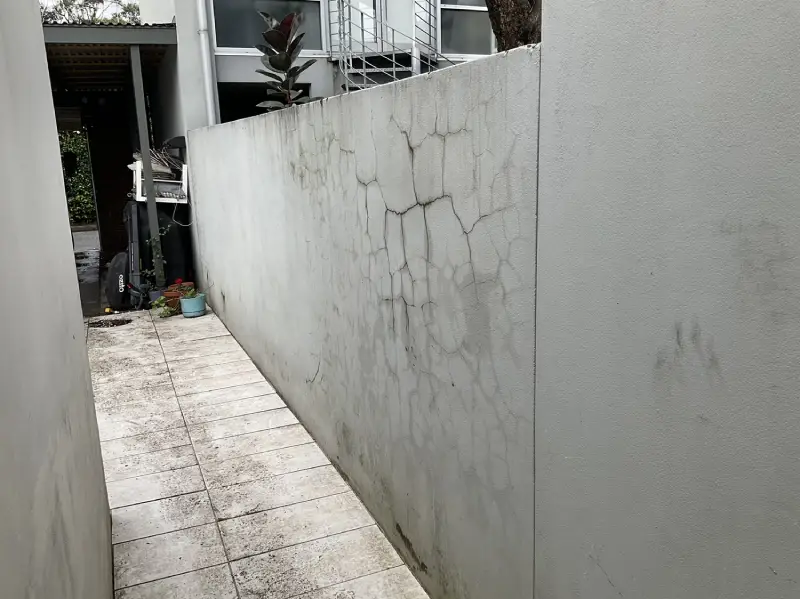
Dilapidation Reports for Insurance Claims: Why They Matter
A dilapidation report documents a property's condition before and after nearby construction work, providing strong evidence for insurance claims. This guide covers what reports include, Australian standards, and how they protect property owners from disputes and financial loss.
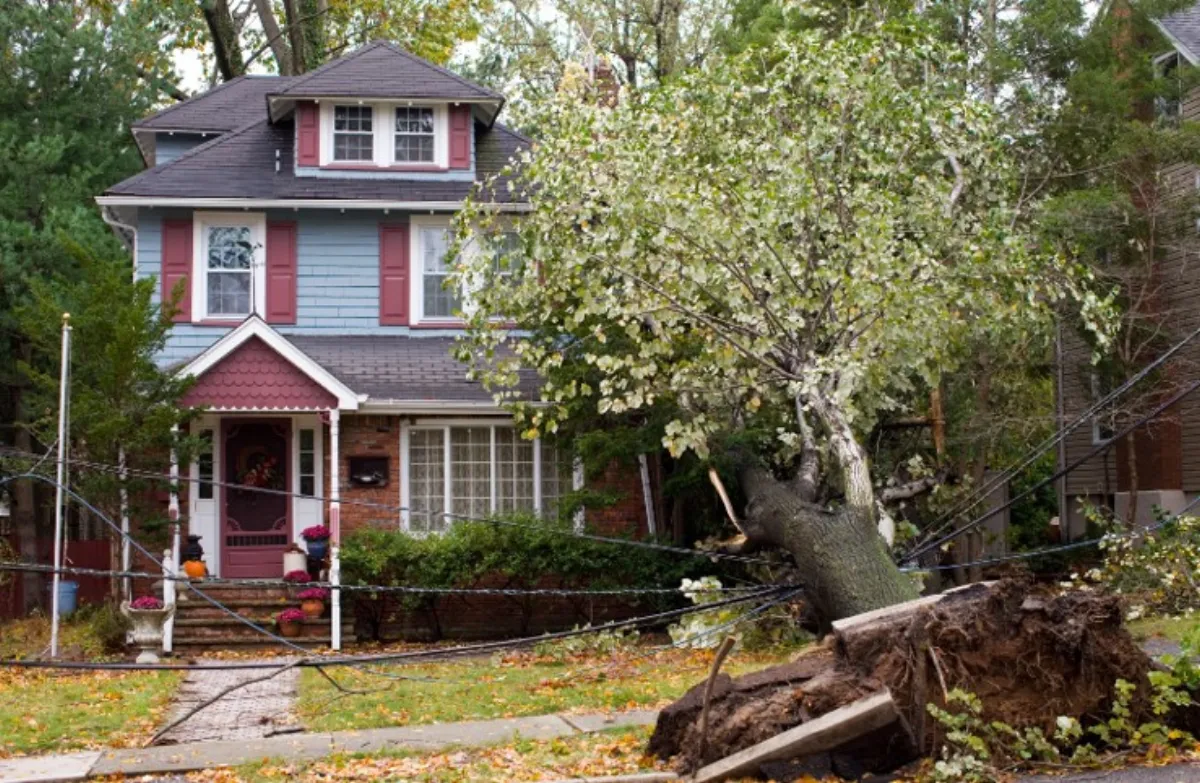
Guide to Insurance Claim Assessments for Property Damage
Property damage insurance claims in Australia have surged due to extreme weather events. This guide walks you through the assessment process, from documenting damage to disputing low settlement offers, so you can secure fair compensation.

How Do Insurance Companies Assess Claims in Australia?
Insurance claim assessments in Australia follow a structured six-stage process from lodgement to settlement. Understanding each step helps builders, contractors, and property owners prepare stronger claims and avoid common pitfalls that lead to underpayment or denial.