
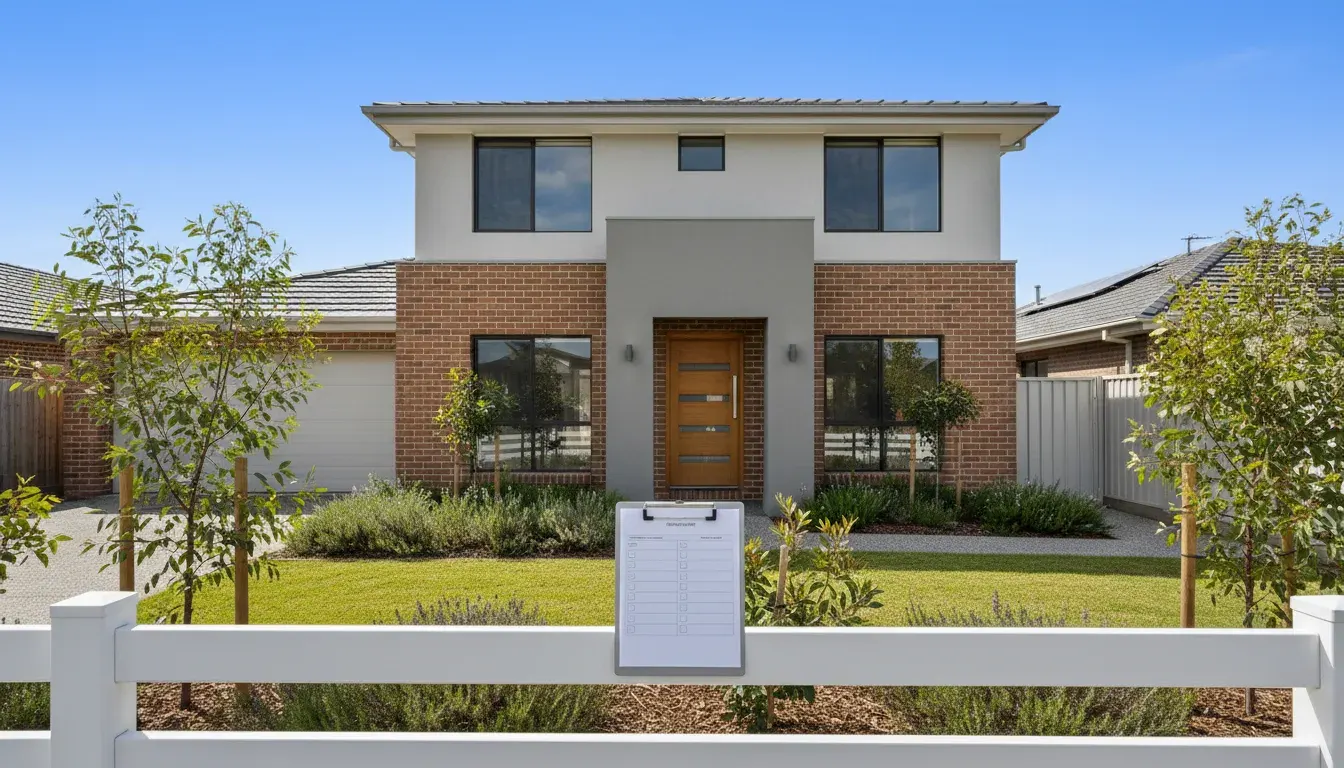
Buying a property is one of the largest financial commitments most Australians will make. Without a professional inspection, buyers risk inheriting structural problems, pest infestations, or non-compliant building work that can cost tens of thousands of dollars to fix. A pre-purchase inspection gives you a clear picture of the property's true condition so you can make an informed decision, negotiate a fair price, or walk away from a bad deal.
What Does a Pre-Purchase Inspection Cover?
A standard pre-purchase building inspection covers a wide range of areas and systems within the property.
Interior and Exterior Assessment
Roof and Roof Space
Under-Floor Space
Additional Structures
Safety Issues
Buying soon? Check the property before you commit
Get an independent pre-purchase inspection to uncover major defects, safety issues and hidden repair costs before settlement.
Pre-Purchase Inspection
Why Pre-Purchase Inspections Matter
Identifying Structural Defects and Safety Hazards
Properties may look sound on the surface, but underlying issues such as subsidence, major cracking, or weak foundations can be extremely costly to repair. A professional inspection catches these problems early, giving you the chance to factor them into your purchasing decision.
Understanding Potential Repair Costs
Hidden issues like water damage, rising damp, or roof deterioration are common in Australian properties. Identifying these before settlement lets you budget for repairs and avoid financial surprises after moving in.
Strengthening Your Negotiation Position
A detailed inspection report gives you evidence to negotiate a lower purchase price or request that the seller complete repairs before settlement. Sellers are often willing to adjust the price when significant defects are documented by an independent inspector.
| Buyer Advantage | Risk Level | Typical Cost | |
|---|---|---|---|
| With Inspection | Full knowledge of property condition, evidence for price negotiation | Low, defects identified before purchase | $400 to $800 |
| Without Inspection | None, relying on visual assessment only | High, hidden defects may cost thousands to fix | $0 upfront, potentially $10,000+ in unexpected repairs |
Common Issues Found During Inspections
- Structural damage: Cracks in walls, shifting foundations, and subsidence issues that affect the building's stability.
- Water damage: Poor drainage, leaking pipes, mould growth, and damp walls that can worsen over time.
- Roof deterioration: Loose or missing tiles, sagging roof frames, and compromised flashing or sarking.
- Pest infestations: Termite damage, wood borer activity, and signs of timber decay caused by pest activity.
- Non-compliance with building codes: Unapproved modifications, missing permits, or construction that does not meet current NCC requirements.
- Electrical and plumbing issues: Outdated wiring, missing safety switches, leaking taps, and faulty hot water systems.
Need both building and pest checks?
A standard building inspection does not always include timber pests. A combined inspection gives buyers a clearer picture before they sign.
Inspection Options
The Role of Pest Inspections
A pest inspection, often conducted alongside the building inspection, assesses the property for termites, wood borers, and other destructive pests. In Australia, termite damage is one of the most expensive repair issues a homeowner can face. The inspection follows Australian Standard AS 4349.3.
- Termite damage can be hidden within walls, ceilings, sub-floor areas, and roof spaces.
- Infestations can spread quickly and cause ongoing structural harm if not treated.
- Preventative pest management saves money by addressing issues before they cause major damage.
A standard pre-purchase building inspection does not always include a pest inspection. It is strongly recommended that you arrange a separate timber pest inspection, or book a combined building and pest inspection package, to get a complete picture of the property's condition.
Choosing a Qualified Inspector
Selecting a licensed, experienced, and independent inspector is one of the most important steps in the pre-purchase process. Avoid using inspectors recommended by the selling agent, as their independence may be compromised.
| Pros | Cons | |
|---|---|---|
| Independent Inspector | Unbiased assessment, works for the buyer's interest, no conflict of interest | Buyer must arrange and pay for the inspection |
| Vendor-Commissioned Report | Already available, no cost to buyer | May be less thorough, potential bias towards seller's interest |
Questions to Ask Before Hiring an Inspector
- What does your inspection cover and what is excluded?
- How long will the inspection take?
- Can you provide a sample report before I book?
- Are you insured for professional indemnity and public liability?
- What qualifications and licences do you hold?
Understanding Your Inspection Report
A comprehensive inspection report provides a detailed breakdown of the property's condition. Key sections include:
- Summary of defects: A list of all identified issues ranked by severity (minor, moderate, major).
- Recommendations: Suggested repairs, further specialist assessments, or monitoring requirements.
- Estimated repair costs: An indication of what it may cost to fix identified defects.
- Photographic evidence: Images documenting each defect for clear reference.
For a detailed breakdown of inspection reports, read our guide to understanding your property inspection report.
What to Do After Receiving the Report
Review the findings carefully
Read the full report, not just the summary. Pay attention to major and moderate defects, safety issues, and any items flagged for further investigation.
Proceed if only minor defects are found
Minor cosmetic issues are normal in most properties and are unlikely to affect the property's value or safety.
Negotiate if significant defects are found
Use the report as evidence to request a lower purchase price, ask the seller to complete repairs, or negotiate a repair credit.
Walk away if serious risks are identified
If the property has severe structural, safety, or financial risks that outweigh the potential value, walking away may be the best decision.
Still deciding on the next step?
Speak with Owner Inspections about timing, report questions, or the right inspection for the property you are planning to buy.
Key Takeaways
- A pre-purchase property inspection is an independent assessment of a building's condition before you buy, following AS 4349.1.
- The inspection covers structural integrity, roof, sub-floor, exterior, interior, safety systems, and additional structures.
- Common issues found include structural cracking, water damage, roof deterioration, pest activity, and non-compliant building work.
- A pest inspection should be arranged separately or as part of a combined package, as it is not always included in a standard building inspection.
- The inspection report gives you evidence to negotiate a fair price, request repairs, or walk away from a risky purchase.
- Always choose an independent, licensed inspector rather than relying on a vendor-commissioned report.
- A pre-purchase inspection typically costs between $400 and $800 and can save you thousands in unexpected repair costs.
Frequently Asked Questions
What is a pre-purchase property inspection?
A pre-purchase property inspection is a thorough, independent assessment of a building's condition carried out before you complete the purchase. It identifies structural defects, safety hazards, moisture issues, and maintenance concerns. The inspection follows Australian Standard AS 4349.1 and results in a detailed written report with photographs and recommendations.
Why should I get a pre-purchase inspection before buying?
A pre-purchase inspection helps you understand the true condition of a property before committing financially. It identifies defects that could be expensive to repair, gives you evidence for price negotiations, and highlights safety issues you may not have noticed during a casual viewing. Without an inspection, you risk inheriting hidden problems that could cost thousands to fix.
What does a pre-purchase building inspection typically cover?
The inspection evaluates the property's interior and exterior including walls, ceilings, floors, doors, and windows. It also covers the roof and roof space, sub-floor areas, additional structures like garages and sheds, site drainage, and safety items such as electrical hazards and smoke detectors. The scope follows AS 4349.1, but specific inclusions may vary by inspector.
Are pest inspections included in a standard pre-purchase building inspection?
Not always. A standard building inspection and a timber pest inspection are separate assessments that follow different Australian Standards (AS 4349.1 for buildings and AS 4349.3 for timber pests). Many inspection companies offer combined building and pest packages, which is the recommended approach for a complete picture of the property's condition.
How much does a pre-purchase inspection cost in Australia?
A standard pre-purchase building inspection in Australia typically costs between $400 and $800, depending on the property's size, age, and location. Combined building and pest inspection packages usually range from $500 to $900. Given that the inspection can identify defects worth thousands in repairs, the cost is a small investment for the peace of mind it provides.
How do I choose a qualified building inspector?
Look for a licensed building professional, such as a registered builder, building surveyor, or engineer, with experience in property inspections. They should carry professional indemnity and public liability insurance, provide detailed reports with photographic evidence, and be independent from the seller or selling agent. Ask to see a sample report before booking.
Can I use the inspection report to negotiate the purchase price?
Yes. If the inspection identifies significant defects, you can use the report as evidence to negotiate a lower price, request that the seller complete repairs before settlement, or negotiate a repair credit. Sellers are often willing to adjust the price when presented with a professional, independent inspection report documenting specific issues.
What are the most common defects found in pre-purchase inspections?
The most common issues include structural cracking, water damage and rising damp, roof deterioration, termite or timber pest damage, faulty or outdated electrical work, plumbing leaks, and building work that does not comply with current codes or standards. Older properties are more likely to have multiple issues, but new builds can also have defects.
What should I do if the inspection finds major defects?
If major defects are found, you have several options: negotiate a lower purchase price reflecting the cost of repairs, ask the seller to fix the defects before settlement, negotiate a repair credit, or walk away from the purchase entirely. For severe structural or safety issues, it may be wise to seek further advice from a specialist engineer or building surveyor.
Is a pre-purchase inspection legally required in Australia?
A pre-purchase building inspection is not legally required in most Australian states, but it is strongly recommended. In some states, the principle of "buyer beware" applies, meaning the responsibility to identify defects falls on the buyer. Getting an independent inspection is the most effective way to protect yourself from hidden problems and make an informed purchase decision.
References and Resources
- Australian Standard AS 4349.1 - Inspection of Buildings - The standard governing pre-purchase building inspections in Australia
- Victorian Building Authority (VBA) - Building standards and consumer protections in Victoria
- Consumer Affairs Victoria - Buying Property - Buyer rights and property inspection guidance
- Australian Government - Your Home Guide - Independent information on home design and construction
Related Articles
Understanding Your Property Inspection Report
Property inspection reports contain technical findings that can be difficult to interpret. This guide explains how to read your report, distinguish critical issues from maintenance items, and take effective action.
Pre-Purchase Inspection Checklist for Buyers
A pre-purchase inspection checklist helps buyers assess property condition before committing. Covers structural, electrical, plumbing, roofing, and pest checks.
What Does a Building Inspection Cover?
Building inspections serve as a critical investment safeguard, examining structural integrity, electrical systems, plumbing, and more before property purchase.
For a complete overview, see our guide to pre-purchase building and pest inspections.
Need a Pre-Purchase Inspection?
Our licensed inspectors cover Sydney, Melbourne, and all major Australian cities.