
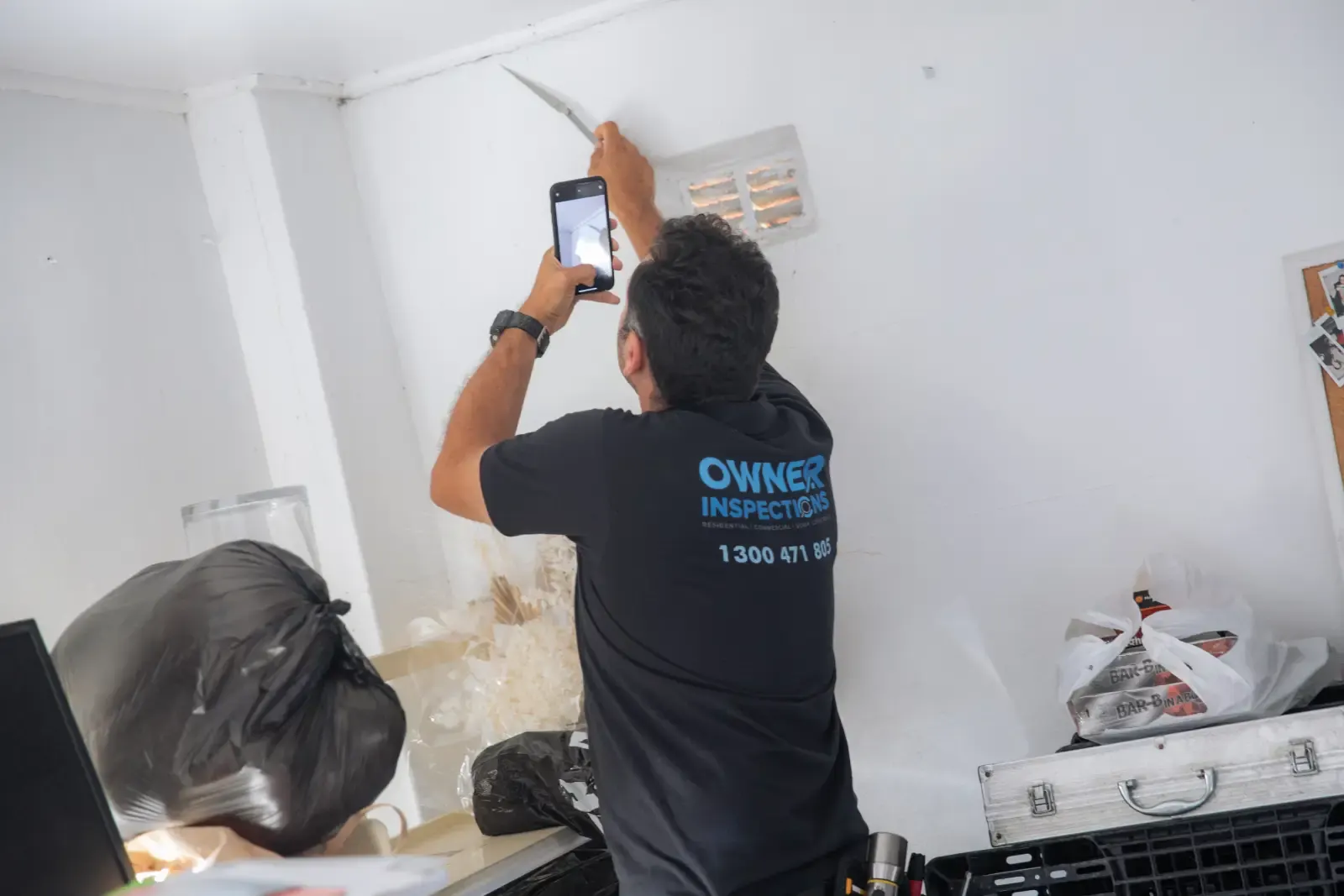
Regular building maintenance inspections involve scheduling periodic professional assessments of your property to identify defects, wear, and developing issues before they become expensive problems. In Australia, property owners and managers should aim for at least one comprehensive inspection per year, with more frequent checks for older buildings, rental properties, and commercial premises. These inspections typically cover the roof, gutters, external walls, foundations, wet areas, plumbing, electrical systems, drainage, and structural elements. The cost of a maintenance inspection (usually $300 to $600) is a fraction of the expense involved in repairing damage that could have been caught early.
Most property owners wait until something goes wrong before calling in a professional. A roof leak, a cracked foundation, or a termite colony that has been silently eating through structural timbers for years can result in repair costs that far exceed what regular inspections would have cost over the same period.
This guide explains the practical benefits of regular building maintenance inspections, what they cover, how often you should schedule them, and how they protect your investment over the long term.
Preventing Costly Repairs
The most immediate benefit of regular maintenance inspections is catching small problems before they become big, expensive ones.
A minor roof leak detected early might cost a few hundred dollars to fix. Left undetected for months, it can lead to water damage in ceilings, walls, and insulation, mould growth, and even structural timber decay, turning a simple repair into a bill of $5,000 to $20,000 or more.
- Water leaks caught early avoid internal water damage, mould, and timber rot
- Cracking identified at the hairline stage can be monitored and addressed before it becomes structural
- Drainage issues detected before they cause foundation movement save thousands in underpinning costs
- Termite activity found during a routine inspection prevents the extensive damage that occurs when colonies go undetected for years
According to industry data, the average cost of termite damage repair in Australia is between $7,000 and $10,000, with severe cases exceeding $100,000. Regular inspections that include a timber pest check can detect activity before it causes major damage.
Extending Your Building's Lifespan
Every building has components with different lifespans. Roofs, gutters, waterproofing membranes, paintwork, plumbing, and electrical systems all deteriorate over time. Regular inspections help you stay ahead of this deterioration by identifying components that are nearing the end of their service life.
- Roof inspections identify loose tiles, corroded sheeting, or failing flashings before they lead to leaks
- Gutter and downpipe checks prevent overflow and water damage to fascia and external walls
- Subfloor inspections detect moisture problems and poor ventilation that accelerate timber decay
- External paint and render inspections identify areas where the protective coating is failing, exposing the substrate to weather damage
By addressing each issue as it arises rather than waiting for a cascade of failures, you extend the overall lifespan of the building and avoid the much larger cost of major renovations or rebuilds.
Maintaining Property Value
A well-maintained building retains its market value better than one that shows obvious signs of neglect. Buyers and their inspectors can quickly tell the difference between a property that has been regularly looked after and one that has been left to deteriorate.
Regular maintenance inspections give you a documented history of property care, which is a strong selling point when the time comes to sell or refinance.
Pros
- Higher market valuation at sale time
- More attractive to buyers and tenants
- Fewer issues found during a buyer's pre-purchase inspection
- Documented maintenance history builds buyer confidence
Cons
- Lower sale price due to visible defects and required repairs
- Buyers negotiate harder based on inspection findings
- Deals can fall through when pre-purchase inspections reveal significant issues
- Higher insurance premiums or claim denials due to maintenance-related damage
Improving Tenant Satisfaction and Safety
For rental properties and commercial premises, the condition of the building directly affects tenant satisfaction, retention, and safety.
- Tenants are more likely to renew their lease in a well-maintained property
- Addressing maintenance issues before tenants complain prevents disputes and legal complications
- In Australia, landlords have a legal obligation to provide rental properties that are in reasonable repair and fit for habitation
- Safety-related issues such as electrical faults, unstable structures, or mould can create liability for the property owner
Under the Residential Tenancies Act in each state, landlords must maintain the property in a reasonable state of repair. Regular inspections help you meet this obligation and avoid tenant-initiated repair orders or compensation claims.
Supporting Insurance Claims
Insurance policies typically require that the property be maintained in reasonable condition. If the insurer determines that damage resulted from a lack of maintenance rather than a covered event, they can deny or reduce your claim.
Regular inspection reports provide documented evidence that you have been maintaining the property diligently. This evidence can support your position if a claim is ever disputed by the insurer.
What a Maintenance Inspection Covers
A comprehensive building maintenance inspection should cover all major building elements:
| What Is Checked | Common Issues Found | |
|---|---|---|
| Roof and Gutters | Roof covering, ridge capping, flashings, gutters, downpipes, fascia, soffit | Loose or cracked tiles, corroded sheeting, blocked gutters, failed flashings, rust |
| External Walls and Cladding | Brick, render, weatherboard, fibre cement, paintwork, sealants, weep holes | Cracking, spalling, failed paint, damaged render, blocked weep holes |
| Foundation and Subfloor | Foundations (where accessible), stumps/piers, subfloor ventilation, moisture, drainage | Cracking, movement, dampness, poor ventilation, timber decay |
| Internal Areas | Walls, ceilings, floors, doors, windows, wet areas, kitchen, bathrooms, laundry | Water stains, cracking, mould, tiling failures, sealant deterioration |
| Drainage and Site | Surface drainage, stormwater, retaining walls, paths, driveways, fencing, landscaping | Poor drainage, water pooling, retaining wall movement, path settlement |
How Often Should You Inspect?
| Recommended Frequency | Why | |
|---|---|---|
| Residential Home (under 10 years old) | Every 12 to 24 months | Newer homes need less frequent inspection but should still be checked regularly for warranty defects and early signs of issues |
| Residential Home (over 10 years old) | Every 12 months | Older homes have more components approaching the end of their lifespan and are more likely to develop new issues |
| Rental / Investment Property | Every 12 months | Landlords have a legal obligation to maintain the property and regular inspections help meet this requirement |
| Commercial Property | Every 6 to 12 months | Commercial buildings have higher occupancy, heavier use, and more complex systems requiring more frequent oversight |
| Strata / Body Corporate | Annually for common areas | Common property maintenance is the body corporate's responsibility and affects all lot owners |
Cost of Inspections vs Cost of Neglect
| Typical Cost (AUD) | Potential Saving | |
|---|---|---|
| Annual Maintenance Inspection | $300 to $600 | Catches issues before they escalate |
| Roof Leak (undetected for 12+ months) | $5,000 to $20,000 | Water damage to ceilings, walls, insulation, and framing |
| Termite Damage (undetected) | $7,000 to $100,000+ | Structural timber destruction requiring major repair or replacement |
| Foundation Movement (undetected) | $10,000 to $50,000+ | Progressive cracking, door and window jamming, structural compromise |
Key Takeaways
- Regular building maintenance inspections catch small problems before they become expensive repairs.
- Annual inspections are recommended for most residential properties, with more frequent checks for older buildings, rentals, and commercial premises.
- A maintenance inspection typically costs $300 to $600, which is a fraction of the cost of repairing damage caused by neglect.
- Well-maintained properties retain higher market value and are more attractive to buyers and tenants.
- Landlords in Australia have a legal obligation to maintain rental properties in reasonable repair, and regular inspections help meet this requirement.
- Inspection reports provide documented evidence of property maintenance that supports insurance claims.
- Key areas to check include the roof, gutters, external walls, foundations, wet areas, drainage, and subfloor.
Frequently Asked Questions
How often should I get a building maintenance inspection?
For most residential properties in Australia, an annual inspection is recommended. Older homes, rental properties, and commercial buildings may benefit from inspections every 6 to 12 months. Properties in areas with high termite risk, coastal exposure, or reactive soils may also need more frequent checks.
How much does a building maintenance inspection cost in Australia?
A standard building maintenance inspection typically costs between $300 and $600, depending on the property size, age, and location. This cost is a small investment compared to the potential expense of repairing undetected damage, which can run into thousands or tens of thousands of dollars.
What does a maintenance inspection cover?
A comprehensive maintenance inspection covers the roof, gutters, downpipes, external walls and cladding, foundations (where accessible), subfloor areas, internal walls and ceilings, wet areas (bathrooms, kitchen, laundry), doors and windows, drainage, retaining walls, paths, driveways, and fencing. The inspector identifies defects, areas of wear, and items requiring attention.
Can regular inspections really save me money?
Yes. The cost of an annual inspection ($300 to $600) is minor compared to the cost of repairing damage that goes undetected. For example, a small roof leak that costs $200 to $500 to fix can lead to $10,000 or more in water damage if left unaddressed. Termite damage discovered early might cost $1,000 to $3,000 to treat, but advanced infestations can cost $50,000 to $100,000 or more to rectify.
Do I need a maintenance inspection for a new home?
Yes, although new homes generally need less frequent inspections (every 12 to 24 months). Maintenance inspections help identify any warranty defects that should be reported to the builder before the warranty period expires. They also catch early signs of issues such as settlement cracking, drainage problems, or waterproofing failures.
Are landlords required to maintain rental properties in Australia?
Yes. Under the Residential Tenancies Act in each Australian state and territory, landlords are legally required to provide and maintain rental properties in a reasonable state of repair and fit for habitation. Regular maintenance inspections help landlords meet this obligation and avoid tenant-initiated repair orders or compensation claims.
Will a maintenance inspection help with insurance claims?
Yes. Insurance policies typically require properties to be maintained in reasonable condition. If the insurer attributes damage to maintenance negligence, they can deny or reduce your claim. Regular inspection reports provide documented evidence that you have been maintaining the property, which strengthens your position in a claim dispute.
Can I do the maintenance inspection myself?
You can conduct your own visual checks between professional inspections, and this is a good practice. However, a licensed building inspector has the training, experience, and tools to identify issues that are not visible to the untrained eye, such as early termite activity, hidden moisture, structural movement, and non-compliant work. Professional inspections provide a level of thoroughness and credibility that self-checks cannot match.
What is the difference between a maintenance inspection and a pre-purchase inspection?
Both types of inspection assess the property's condition, but their purpose differs. A pre-purchase inspection is a one-off assessment conducted before buying a property to inform the purchase decision. A maintenance inspection is an ongoing, periodic assessment conducted by the property owner or manager to identify and address developing issues, maintain the property, and plan for future repairs.
How do I choose a building inspector for maintenance inspections?
Look for a licensed building inspector with experience in your local area. Confirm they carry professional indemnity insurance, provide detailed written reports with photographs, and are available to explain their findings. Consistency is also valuable, as having the same inspector conduct your inspections each year allows them to track changes over time.
References and Resources
- National Construction Code (NCC) - Australian Building Codes Board
- CSIRO - Termites in Australia - Research on termite activity and management
- NSW Fair Trading - Rental Repairs and Maintenance - Landlord obligations in NSW
- Consumer Affairs Victoria - Renting - Landlord obligations in Victoria
Related Articles
How Often Are Buildings Inspected in Australia?
Regular building inspections are essential for maintaining safety. Australia implements mandatory checks for new construction and optional assessments for existing buildings.
Structural Defect Inspections to Prevent Future Problems
Approximately one in five Australian homes experience structural issues. Learn how structural defect inspections can prevent expensive repairs and ensure safety.

Waterproofing Inspections: Prevent Water Damage and Save Costs
Waterproofing inspections are one of the most effective ways to protect your property from water damage. By identifying vulnerabilities early, you can avoid costly repairs, prevent mould growth, and maintain the structural integrity of your building. This guide covers the benefits, what to expect, and how to find a qualified inspector.
Keep your property in top condition with regular maintenance inspections from Owner Inspections. Our licensed building inspectors provide detailed reports that help you stay ahead of problems and protect your investment. We serve properties across NSW, Victoria, and Queensland. Get a quote today or call us on 1300 471 805.