

A mould inspection report provides a detailed assessment of a property's moisture levels, mould presence, and the conditions that promote mould growth. However, these reports contain technical information that can be difficult to interpret without some background knowledge. This guide explains what causes mould in Australian homes, what a professional mould inspection involves, and how to read and understand the findings in a mould inspection report.
Water damage that goes unaddressed for even a short period can lead to mould growth that spreads through wall cavities, ceiling spaces, and subfloor areas. By the time visible signs appear, the problem may already be extensive. A professional mould inspection reveals what the eye cannot see.
Australia's Climate and Mould Growth
Australia's climate varies significantly across the continent, but many populated regions experience conditions that are conducive to mould growth. The eastern seaboard, from Queensland through New South Wales to Victoria, is particularly susceptible due to its combination of warm temperatures and high humidity.
La Nina weather patterns intensify these conditions. During La Nina events, increased rainfall, persistent cloud cover, and elevated humidity levels create a prolonged moist environment both inside and outside properties. Properties that may have been unaffected by mould during drier periods can develop significant mould problems during and after a La Nina cycle.
- Subtropical regions such as South East Queensland and Northern NSW experience year-round humidity that promotes continuous mould growth
- Temperate regions including Sydney and Melbourne experience seasonal mould risks, particularly during wetter autumn and winter months
- Coastal properties are exposed to higher humidity levels and salt-laden moisture that can accelerate material degradation and mould growth
- Properties with poor ventilation trap humid air inside, creating microclimates where mould thrives regardless of the external climate
Why Ignoring Water Damage Is Risky
Water damage in a property should never be dismissed as a cosmetic issue. When water intrudes into building materials and is not promptly addressed, the consequences extend far beyond surface staining.
Physical Damage to the Property
Water that penetrates building materials causes progressive structural degradation. Timber framing can rot, steel components can corrode, plasterboard can lose structural integrity, and adhesives used in flooring and tiling can fail. Over time, these issues compromise the safety and value of the property.
Health Risks to Occupants
Mould that grows in response to water damage releases spores and, in some species, mycotoxins into the indoor air. Exposure to mould spores can trigger allergic reactions, respiratory symptoms, asthma attacks, and in sensitive individuals, more serious health effects. Children, the elderly, and people with compromised immune systems are particularly vulnerable.
Mould can begin growing within 24 to 48 hours of water exposure. Early detection and remediation are critical for preventing both structural damage and health risks. A property that appears dry on the surface may harbour significant concealed moisture and mould growth.
Common Sources of Moisture in Homes
Understanding where moisture comes from helps buyers identify properties at higher risk of mould problems. The main sources of moisture in Australian homes fall into three categories.
Rainwater Intrusion
- Roof leaks from damaged tiles, deteriorated flashings, or blocked gutters
- Window and door leaks from failed seals, poor installation, or inadequate flashings
- Wall cracks that allow wind-driven rain to penetrate the building envelope
- Rising damp from inadequate damp-proof courses or failed subfloor drainage
- Stormwater and drainage issues that direct water towards the building
Household Activities
- Cooking generates significant steam and moisture, particularly when extraction fans are inadequate or not used
- Showering and bathing produce large volumes of moisture in a confined space
- Clothes drying indoors, particularly in winter, adds substantial moisture to the indoor environment
- Breathing and perspiration from occupants contribute to indoor humidity levels
Bathrooms and Kitchens
Bathrooms and kitchens are the areas most susceptible to mould growth due to the combination of moisture, warmth, and organic materials. Failed waterproofing in shower recesses, leaking plumbing connections, condensation on cold surfaces, and inadequate ventilation all contribute to moisture problems in these areas.
The Damage Mould Causes
Mould causes both physical damage to the property and health problems for occupants.
Physical Damage
- Degradation of timber framing, flooring, and structural components
- Deterioration of plasterboard walls and ceilings
- Staining and discolouration of surfaces that may require replacement rather than cleaning
- Damage to carpet, underlay, and soft furnishings that are difficult or impossible to remediate
- Corrosion of metal components and fixings
Health Effects
- Allergic reactions including sneezing, runny nose, red eyes, and skin rashes
- Respiratory symptoms including coughing, wheezing, and shortness of breath
- Aggravation of existing asthma conditions
- Persistent headaches and fatigue
- In severe cases, respiratory infections and hypersensitivity pneumonitis
Controlling and Preventing Moisture
Effective moisture control is the key to preventing mould growth. Property buyers should assess whether a property has adequate provisions for managing moisture.
When to Have a Mould Inspection
A mould inspection should be considered in several situations:
- Before purchasing a property, particularly if there are visible signs of moisture damage or musty odours
- After a property has experienced water damage from flooding, roof leaks, or plumbing failures
- When occupants are experiencing unexplained respiratory symptoms, allergies, or other health issues
- When visible mould growth is present and the extent of the problem is unknown
- In properties that have been closed up for extended periods, such as holiday homes or rental properties between tenancies
- During or after La Nina weather patterns that bring prolonged wet conditions
What Is a Mould Inspection?
A professional mould inspection is a systematic assessment of a property's moisture levels and mould presence using a combination of visual assessment and specialist equipment.
Thermal Imaging
Thermal imaging cameras detect temperature differences on surfaces that indicate the presence of moisture. Wet or damp areas appear as cooler zones on the thermal image, allowing the inspector to identify concealed moisture behind walls, above ceilings, and beneath floors without the need for destructive investigation.
Hygrometers
Hygrometers measure the relative humidity of the indoor environment. Elevated humidity levels indicate conditions that are conducive to mould growth, even if no moisture is currently entering the building. The inspector uses hygrometer readings to assess whether the property's ventilation and climate control are adequate to maintain safe humidity levels.
Moisture Meters
Moisture meters measure the moisture content of building materials including timber, plasterboard, and masonry. The inspector uses both pin-type and non-invasive moisture meters to assess moisture levels in walls, floors, ceilings, and other building elements. Elevated moisture readings indicate areas where mould growth is likely to occur or is already present.
What a Mould Report Contains
A comprehensive mould inspection report provides the information buyers need to understand the moisture and mould conditions in a property.
Executive summary: An overview of the key findings and recommendations
Property details: Address, type, age, and construction details of the property inspected
Inspection methodology: Description of the equipment used and the areas inspected
Environmental conditions: Temperature, humidity, and weather conditions at the time of inspection
Room-by-room findings: Detailed assessment of each area including moisture readings, thermal images, and photographs of any mould or moisture damage identified
Moisture mapping: A visual representation of moisture levels throughout the property, identifying problem areas
Mould identification: Description of any visible mould identified, including location, extent, and where applicable, species identification from laboratory analysis
Risk assessment: An overall assessment of the property's mould risk based on the inspection findings
Recommendations: Specific recommendations for remediation of existing mould, repair of moisture sources, and prevention of future mould growth
Frequently Asked Questions
What is a mould inspection report?
A mould inspection report is a detailed document prepared by a professional mould inspector that records the findings of a systematic assessment of a property's moisture levels and mould presence. It includes environmental data, room-by-room moisture readings, thermal images, photographs, mould identification, risk assessment, and recommendations for remediation and prevention.
Should I get a mould inspection before buying a property?
A mould inspection is highly recommended before purchasing a property, particularly if there are visible signs of moisture damage, musty odours, or if the property is in a region prone to high humidity. A mould inspection can reveal concealed moisture and mould problems that a standard building inspection may not detect, helping you make an informed purchasing decision.
How much does a mould inspection cost in Australia?
Mould inspection costs in Australia typically range from $300 to $800 for a standard residential property, depending on the size of the property and the scope of the inspection. Inspections that include laboratory analysis of mould samples may cost more. The cost is a worthwhile investment given the potential expense of remediating undiscovered mould problems.
What tools do mould inspectors use?
Professional mould inspectors use a range of specialist equipment including thermal imaging cameras to detect concealed moisture, hygrometers to measure indoor humidity levels, pin-type and non-invasive moisture meters to assess the moisture content of building materials, and in some cases air sampling equipment for laboratory analysis of mould spore concentrations.
Can mould be hidden inside walls?
Yes. Mould frequently grows in concealed locations including inside wall cavities, above ceilings, beneath flooring, and behind built-in fixtures. It can thrive in these areas for months or years before becoming visible. Thermal imaging and moisture meters allow inspectors to detect concealed moisture that indicates likely mould growth without the need for destructive investigation.
How does La Nina affect mould growth in Australian homes?
La Nina weather patterns bring increased rainfall, persistent cloud cover, and elevated humidity levels to much of eastern Australia. These conditions saturate the outdoor environment and increase indoor humidity, creating ideal conditions for mould growth. Properties that may have been unaffected during drier periods can develop significant mould problems during La Nina events.
What does thermal imaging show in a mould inspection?
Thermal imaging detects temperature differences on building surfaces. Moisture causes surfaces to be cooler than surrounding dry areas, which appears as distinct colour variations on the thermal image. This allows the inspector to identify concealed moisture behind walls, above ceilings, and beneath floors that would not be visible during a standard visual inspection.
Is mould covered by building insurance?
Standard building insurance policies generally cover mould damage that results from a sudden and accidental event such as a burst pipe or storm damage. However, mould that results from ongoing maintenance issues, poor ventilation, or gradual water ingress is typically excluded. Check your specific policy wording and discuss coverage with your insurer.
How long does a mould inspection take?
A professional mould inspection for a standard residential property typically takes between one and three hours, depending on the size of the property and the complexity of any issues found. Larger properties or those with significant moisture problems may require more time. The written report is usually provided within a few business days of the inspection.
Can I remove mould myself or do I need a professional?
Small areas of surface mould on hard, non-porous surfaces can often be cleaned by the property owner using appropriate cleaning products and protective equipment. However, if the mould covers an area larger than one square metre, is located in concealed areas, or is growing on porous materials such as plasterboard or carpet, professional remediation is recommended. A mould inspection report will advise on the appropriate level of remediation required.
Key Takeaways
- Australia's climate, particularly during La Nina events, creates ideal conditions for mould growth in residential properties
- Water damage should never be ignored as mould can begin growing within 24 to 48 hours of exposure
- Common moisture sources include rainwater intrusion, household activities, and failures in bathrooms and kitchens
- Mould causes both physical damage to the property and health problems for occupants
- Professional mould inspections use thermal imaging, hygrometers, and moisture meters to detect concealed moisture and mould
- A mould inspection report provides room-by-room findings, moisture mapping, risk assessment, and remediation recommendations
- Buyers should consider a mould inspection for any property with visible moisture signs, musty odours, or location in high-humidity regions
References and Resources
Related Articles
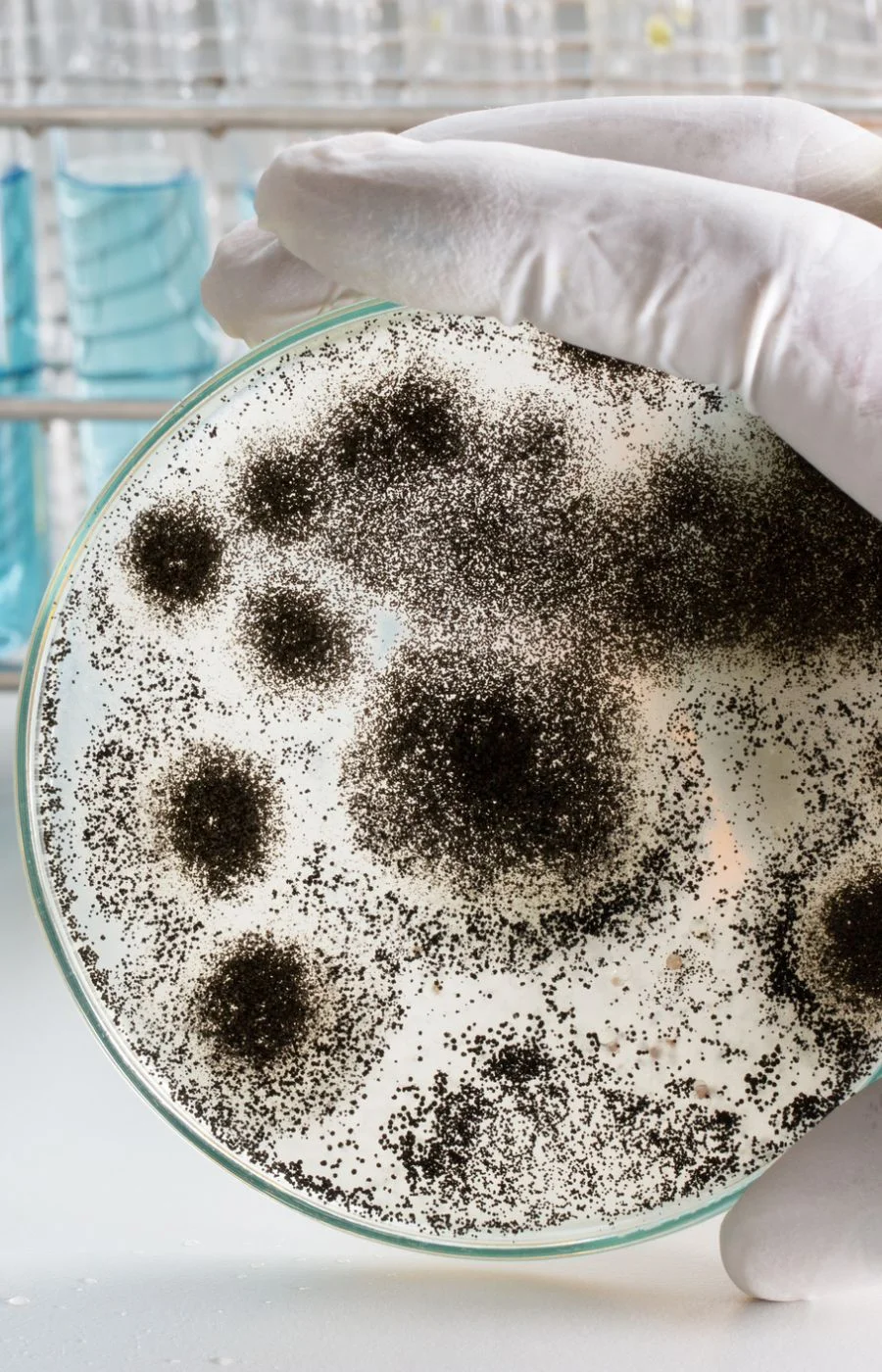
Professional Mould Inspections and Reports
Mould inspections identify growth locations and moisture sources within properties. Protect your property and health with comprehensive mould assessments.
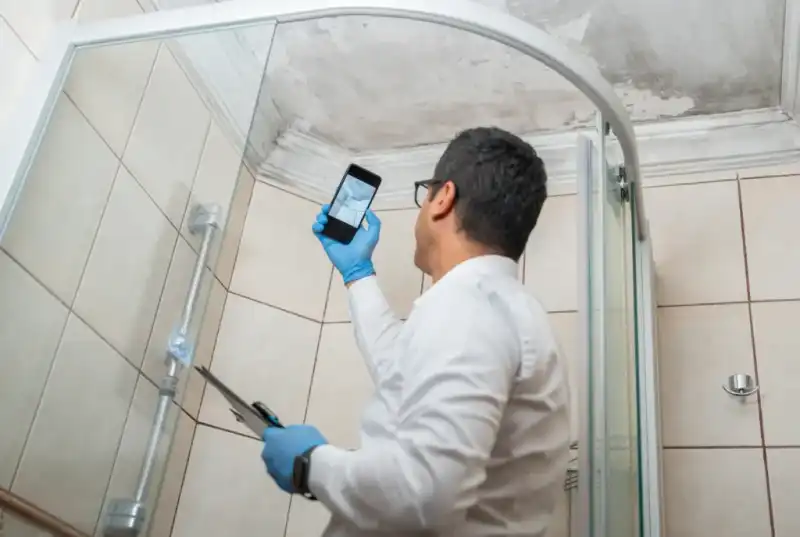
Mould Inspection for Home Damage
Mould often grows in hidden areas behind walls and within ventilation systems. Professional mould inspections detect contamination early, preventing structural damage and costly remediation.
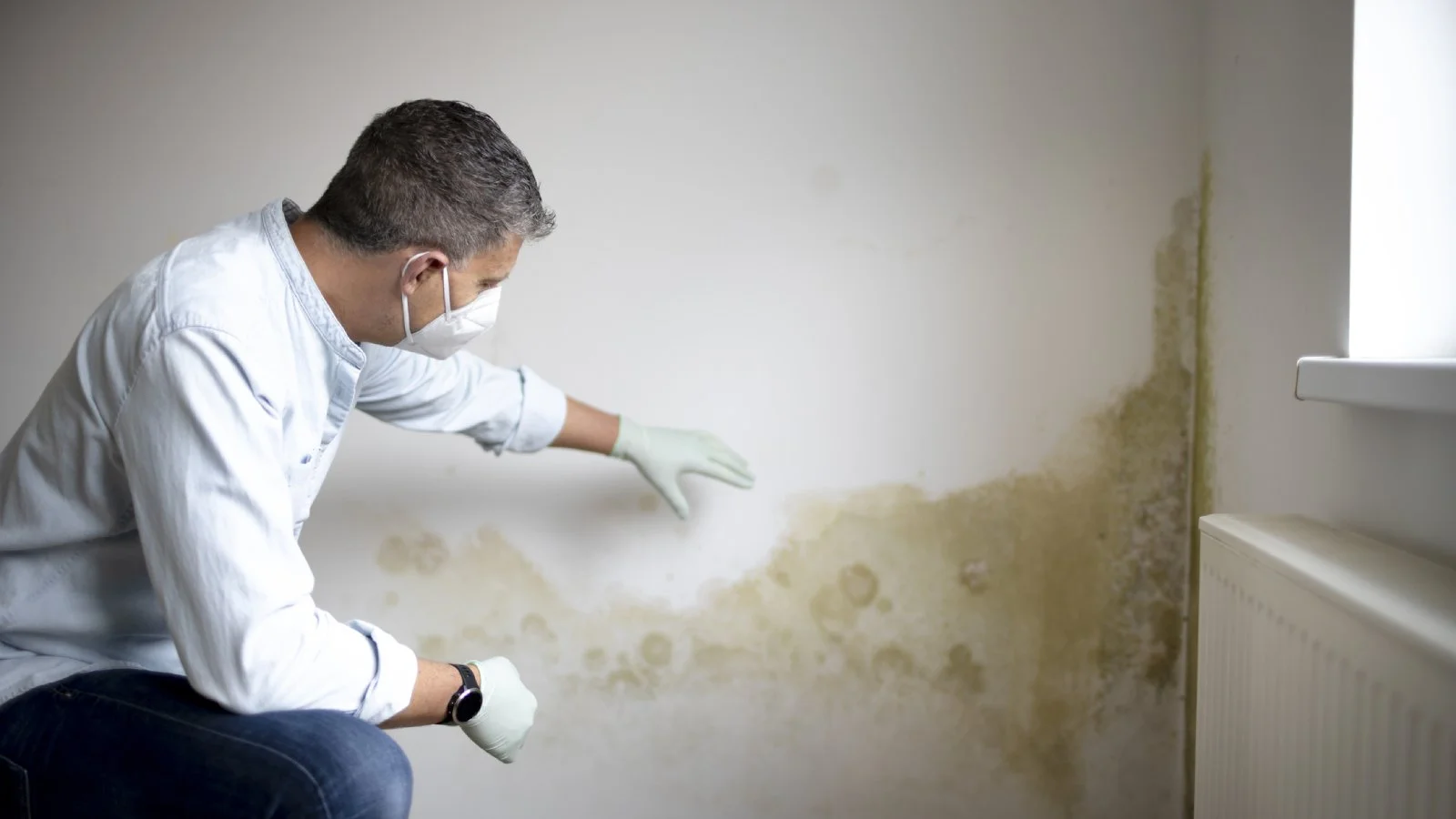
Mould Inspection Techniques, Tools and Methods
Professional mould inspections use thermal imaging, moisture meters, and laboratory analysis. Learn about the advanced techniques used to detect hidden mould.
Get a Professional Mould Inspection
Book a mould inspection with Owner Inspections to detect hidden moisture, mould growth, and air quality issues before your next property purchase.