
At every step, the outcome depends on the quality of your evidence. NCAT says cases are decided on the evidence presented, VCAT treats expert reports as evidence, and QCAT accepts documents such as contracts, receipts, correspondence, photos, videos and expert reports. This guide explains what a defect list and an inspection report establish. It is not legal advice: for your rights in a live dispute, speak to your state regulator or a construction solicitor.
What Should You Do If Your Builder Will Not Fix Defects?
Work up this ladder in order. Each rung builds the record the next one relies on.
Give written notice of every defect
List each defect with a photo, its exact location and a deadline for a response, typically 14 to 28 days. The sections below on photography, written records, correspondence and formal written notices show how to build that list.
Get an independent inspection report
A report from a qualified building consultant turns your complaint into evidence the builder has to answer item by item.
Complain to your state regulator
Building Commission NSW in New South Wales, the Building and Plumbing Commission in Victoria, or the QBCC in Queensland.
Take part in the regulator's dispute process
Each regulator runs a process to resolve the dispute, such as conciliation in Victoria. Its outcome letter or certificate is usually what lets you go further.
Apply to the tribunal
NCAT, VCAT or QCAT. Each generally expects the regulator's process to have been tried first, subject to exemptions.
For what each rung involves in more depth, including rectification orders and conciliation, see the full escalation guide for NSW and Victoria. The Queensland route is set out under When to Escalate the Dispute below.
What Does a Defect List Look Like When a Builder Acts?
Most defect notices that get ignored are vague. "Poor workmanship in the bathroom" gives the builder nothing to agree to and nothing to be held to. A line that names the item, the place, the problem, the standard and the deadline is much harder to argue with, and it reads the same way to a regulator or tribunal member later.
| Part of the line | Vague (easy to ignore) | Specific (hard to argue with) |
|---|---|---|
| Item | Bathroom | Item 4: ensuite shower |
| Location | Upstairs | First floor ensuite, wall shared with the hallway |
| What is wrong | Poor workmanship | Water staining and swelling on the hallway skirting behind the shower wall, appearing after showers |
| Standard | Not stated | AS 3740 (waterproofing of domestic wet areas), clause as cited in the inspection report |
| Evidence | None attached | Photos 12 to 15 and inspection report item 4 |
| Fix requested | Please fix | Investigate and rectify the shower waterproofing, then repair the damaged skirting and plasterboard |
| Response by | Not stated | Written response with a proposed start date within 14 days of this notice |
Do not guess at a clause number yourself. Cite the standard by name, or the National Construction Code, or your state's guide to standards and tolerances, and let the inspection report supply the clause.
Why Documentation Matters in Defect Claims
Tribunals such as NCAT in New South Wales and VCAT in Victoria make decisions based on the evidence presented by each party. If you claim that your builder left waterproofing defects in your bathroom, the tribunal will want to see photographs, inspection reports, and a record of when the problem first appeared and what was communicated to the builder.
A builder who disputes your claim may argue that the defect does not exist, that you caused it, that it falls outside the warranty period, or that they were never properly notified. Strong documentation removes these arguments one by one.
The goal is simple: create a clear, dated, verifiable record that tells the story of the defect from the moment you first noticed it through every communication and inspection to the present day.
Start documenting as soon as you notice a problem. Even if you are not thinking about legal action yet, early records become invaluable if the situation escalates later.
Photography and Video Tips
Photographs and videos are the most immediate and persuasive form of evidence in a defect claim. A tribunal member who can see a crack, a water stain, or a poorly installed fitting will understand the issue far more quickly than one reading a written description alone.
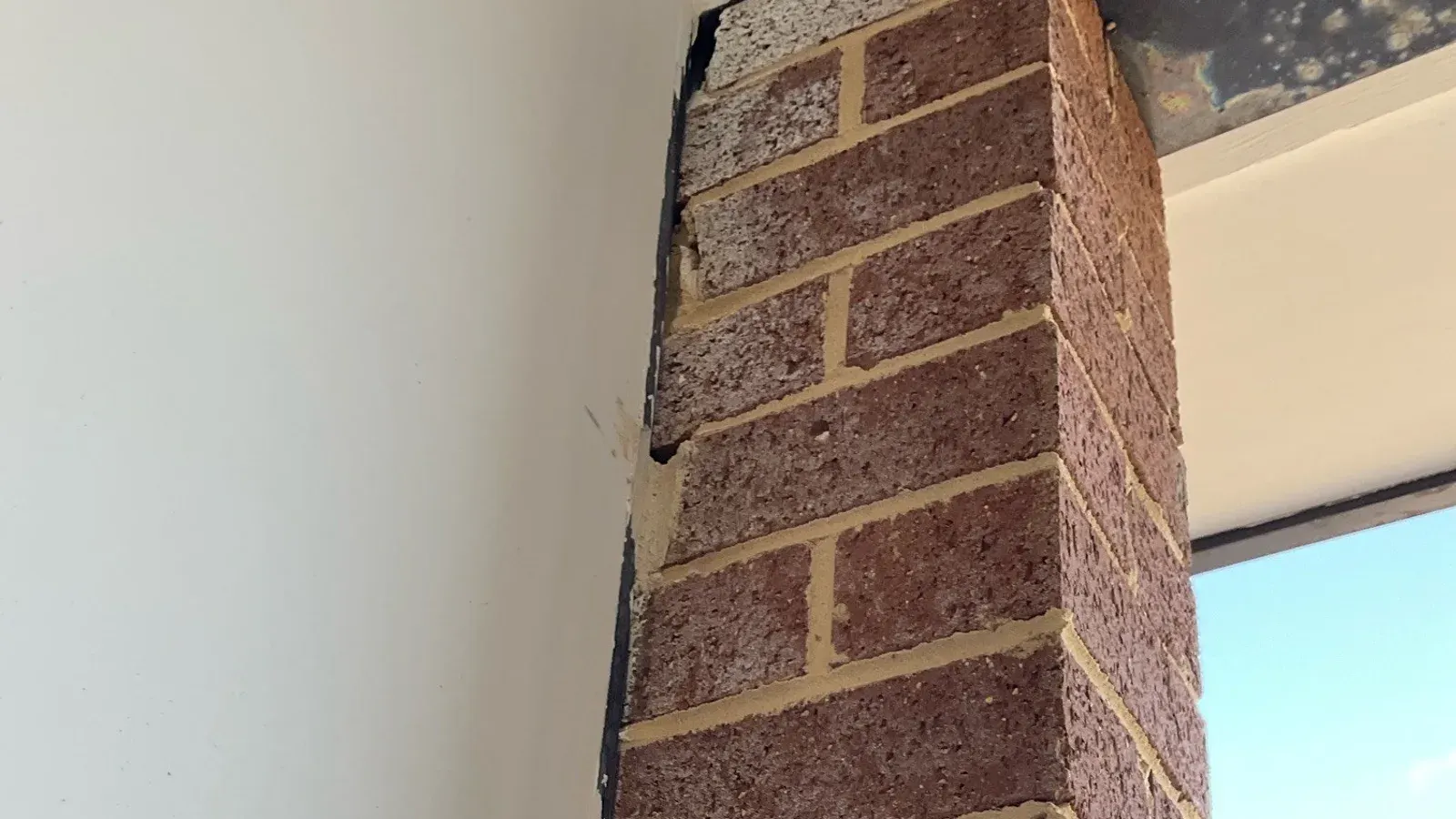
A ruler or tape measure in the frame is what makes a crack photo useful: it fixes the size of the crack on the day, so a later photo from the same spot shows whether it has grown.
What to Photograph
Every defect should be photographed from at least two perspectives: a wide shot that shows the defect in context within the room or area, and a close-up that shows the detail of the problem.
Video Walkthroughs
Video is especially useful for documenting water leaks, areas of extensive damage, and defects that are difficult to capture in a single photograph. Walk through the affected area slowly, narrating as you go. State the date, the room you are in, and describe what you are seeing.
Tip
Use your smartphone's built-in camera rather than apps that compress images. Keep the original files with their embedded metadata, which includes the date, time, and GPS coordinates of each photo. This metadata can serve as evidence of when and where the photo was taken.
Organising Your Photos
Keep photos in folders named by date, room and defect (for example, "2026-01-15 Bathroom waterproofing leak"). This makes it straightforward to retrieve specific evidence when preparing your claim or briefing an inspector.
Keeping Written Records
Written records provide the narrative that connects your photographs and reports into a coherent story. Every time you notice a new defect, observe an existing one getting worse, or have any interaction with the builder about the issue, write it down.
What to Record
Format
A simple dated log is the most effective format. You can use a spreadsheet, a notebook, or a document on your computer. The key is consistency. Record every observation and interaction as close to the time it happens as possible. Notes written weeks or months after the fact carry less weight.
Never rely solely on verbal conversations. If you speak with your builder on the phone, follow up with an email summarising what was discussed. This creates a written record that the builder cannot deny later.
Obtaining Independent Reports
Your own photographs and notes are important, but an independent building inspection report from a qualified professional adds significant weight to your claim. Builders can dispute your interpretation of a problem, but it is much harder to dismiss the findings of a licensed building consultant who has referenced the National Construction Code and relevant Australian Standards.
A marked-up handover defects list is the starting point, not the finished evidence: each item on it should end up as a numbered line with a photo and a standard, as in the table above.
When to Get an Independent Report
- As soon as you identify serious defects. Early reporting establishes the condition of the property at a specific point in time. If the builder argues that you caused the damage later, a dated report from when the defect first appeared undermines that argument.
- Before the warranty period expires. In NSW, major defects must be claimed within six years of completion. In Victoria, implied warranties apply for up to 10 years from completion of the work. An independent report obtained within the warranty period is strong evidence that the defect existed while the builder was still liable.
- Before any rectification work begins. Once a defect is repaired, the original evidence is gone. An inspection report and photographs taken before repairs preserve the evidence permanently.
What the Report Should Include
A useful defect investigation report for legal purposes will identify each defect, explain its likely cause, reference the specific clauses of the NCC or Australian Standards that have been breached, and provide an estimated cost of rectification. This structure mirrors what tribunals such as NCAT and VCAT expect to see in evidence.
When Owner Inspections or any other consultant prepares a defect report for a dispute, ask for each defect to be numbered and tied to a photograph, so your written notice to the builder can refer to the same item numbers.
Important
Choose a building consultant who has experience with defect investigations and, ideally, with providing evidence in tribunal proceedings. A pre-purchase inspector may not have the expertise to prepare a report that meets the evidentiary standard required for a legal claim.
Preserving All Correspondence
Every communication with the builder, developer, strata manager, or any other party involved in the defect is potential evidence. This includes emails, text messages, letters, and even social media messages.
How to Preserve Correspondence
Formal Written Notices
When you notify the builder of defects, do so in writing. A formal defect notice should list every defect with a description and reference to your photos, state that you expect rectification within a reasonable timeframe (typically 14 to 28 days), and reference the applicable statutory warranty provisions. Keep a copy of the notice and proof that it was delivered.
This formal notice is often a prerequisite before you can take the matter to a tribunal. In NSW, for example, NCAT will want to see that you gave the builder a reasonable opportunity to fix the defects before lodging an application.
If you are unsure whether a defect falls under warranty, the guide to construction warranty defect reports explains how those reports document faults and clarify the builder's obligations.
Building a Timeline of Events
A timeline brings all of your evidence into a single chronological narrative that shows when defects appeared, what was communicated, and how the builder responded (or failed to respond).
What to Include in Your Timeline
Construction and handover dates
The contract date, practical completion, the occupation certificate, and the date you moved in or settled.
First observation of each defect
The date (or approximate date) you first noticed each problem, linked to its photos and notes.
Communications with the builder
Every email, letter, call and meeting, with a one-line summary and any commitment made.
Inspections and reports
The date of each inspection by the builder, their tradespeople or your independent inspector, with key findings.
Rectification attempts
The date and scope of any repair, whether it worked, and photos before and after.
Escalation steps
When you complained to Building Commission NSW, the Building and Plumbing Commission in Victoria or the QBCC, applied to a tribunal, or engaged a solicitor.
Present the timeline as a simple table or list with the date in the first column and the event in the second. This format is easy for a tribunal member or solicitor to follow.
How Long is a Builder Liable for Defects?
Three different clocks run at once: the deadline you set in your own notice, the defects liability period in your contract, and the statutory warranty under your state's law. The statutory warranty usually runs much longer than the contract period, so the end of the defects liability period is rarely the end of the builder's responsibility.
The answer then depends on the state and on whether you are talking about a contract defect period, statutory rights, or insurance.
New South Wales
In NSW, there are usually two different periods to think about. The builder’s own defects and liability period is usually around 13 weeks for new homes, but that is a typical contract term, not a statutory one, and statutory warranties run longer. NSW says statutory warranties are 6 years for major defects and 2 years for all other defects for contracts signed on or after 1 February 2012. If the loss becomes apparent in the last six months of the warranty period, the owner gets an extra 6 months to enforce the warranty.
Victoria
In Victoria, some contracts include a defect liability clause giving the builder 3, 6 or 9 months to fix defects. That is not the end of the owner’s rights. Consumer Affairs Victoria says implied warranties apply to domestic building work for 10 years.
Queensland
In Queensland, QBCC says a new build or major renovation should have a defects liability period of 6 or 12 months in the contract, and that a contractor must repair any defects noticed at handover or within 12 months of when the work is finished. For non-structural defect disputes, QBCC says owners should first notify the contractor and, if unresolved, lodge a complaint as soon as possible and no later than 12 months from completion.
What Is the Difference Between a Major and a Minor Defect?
In NSW the label decides which warranty applies: six years for a major defect, two years for any other defect. A major defect is a defect in a major element, such as load-bearing parts, a fire safety system or waterproofing, that causes or is likely to cause the building or part of it to be unusable for its intended purpose, destroyed, or threatened with collapse. A leak is not automatically a major defect, so ask your inspector to say in the report which category each item falls into and why.
What Is the 12 Month Defects Liability Period?
A defect liability clause is a contract clause that gives the builder a set time after completion to return and fix certain defects. Twelve months is common but not universal. In Victoria, Consumer Affairs Victoria defines it as a clause that gives the builder 3, 6 or 9 months to fix defects arising from the contracted works, and says it should not be used to deal with defects already known at completion. Those should be fixed before final payment is made.
Queensland uses the same idea, with a period of 6 or 12 months in the contract. NSW also refers to a builder’s own defects and liability period, usually about 13 weeks for new homes. For how the repairs themselves are scoped and checked, see the defect rectification process.
The key point is that a defect liability period is not the same thing as your full legal rights. It is one contract mechanism for early rectification. Statutory warranties and insurance rights can run longer.
Does Insurance Cover Building Defects?
Sometimes, but only in limited situations, and the rules differ by state and by when your contract was signed. Homeowners should not assume that any defect will be paid by insurance.
- NSW. Home building compensation protects owners if the builder cannot complete work or fix defects because of insolvency, licence suspension for not complying with a court or tribunal money order in the homeowner's favour, death or disappearance. SIRA says the cover protects homeowners for 6 years against major construction defects and 2 years for other losses from completion.
- Victoria. It depends on when your contract was signed. For contracts signed before 1 July 2026, domestic building insurance generally covers you only if the builder has died, disappeared or become insolvent, and, for policies the VMIA issued on or after 1 July 2015, if the builder does not follow a final VCAT or court order. For eligible contracts signed on or after 1 July 2026, the Building and Plumbing Commission's Home Warranty may apply where the work is incomplete, defective or non-compliant and the builder fails or refuses to complete or fix it. Check your certificate of insurance or notice of cover for the limits and periods that apply.
- Queensland. QBCC home warranty insurance covers defective or incomplete building work and subsidence. For structural defects, cover generally applies if you first become aware of the defect within 6 years 6 months of the cover start date and lodge within 3 months of becoming aware. For non-structural defects, the defect must usually appear within 6 months of substantial completion and the claim must be made within 7 months.
Practical Takeaway
Insurance may help, but it is not a substitute for fast documentation and written notice.
When to Escalate the Dispute
If the builder does not fix the issue after written notice, the next step depends on the state.
New South Wales
Complain to Building Commission NSW, the regulator that now handles home building complaints. It asks you to give the other party an opportunity to resolve the issue first. NCAT generally won't accept a home building application until the dispute has been referred to the regulator (NCAT's page still calls this NSW Fair Trading), unless an exemption applies, for example where the time to lodge expires within three months.
Victoria
The regulator is the Building and Plumbing Commission, the name the VBA now trades under, which runs the dispute resolution service previously known as Domestic Building Dispute Resolution Victoria (DBDRV). You must first try to resolve the dispute with the builder yourself. If conciliation fails, the Commission can issue binding dispute resolution orders or a certificate that lets you take the dispute to VCAT. For a domestic building dispute involving a home owner, VCAT expects the dispute to have been through that service first (its page still uses the DBDRV name), except for an injunction. VCAT also treats expert evidence as important in building matters, and expert reports must be impartial.
Queensland
Notify the builder in writing first, then lodge a complaint with the QBCC. Lodge a complaint about non-structural defects within 12 months of the work being completed. For structural defects, lodge within 12 months of noticing the defect. The QBCC can only direct a builder to rectify within 6 years and 6 months of completion. Before applying to QCAT, you must take part in the QBCC's dispute resolution process and supply its outcome letter. Without it, QCAT may refuse or dismiss the application. These complaint time limits are separate from the shorter home warranty insurance limits above.
Need independent evidence for a legal or tribunal claim?
An expert witness report can help you present defects, incomplete work, and non-compliant construction in a clear, court-ready format.
What Should You Not Say or Sign When a Builder Will Not Fix Defects?
Most of the damage to a defect claim is done in the weeks before anyone thinks of it as a dispute.
- Accepting a verbal promise to "come back and sort it" without an email confirming what was agreed and by when
- Signing a handover or practical completion document as complete while defects are still open, unless every open defect is listed on it
- Making the final payment as though everything is resolved without first checking what your contract says about defects. The rules on withholding payment from your builder depend on the contract, so do not hold back more than it allows
- Allowing the builder to carry out repairs without first documenting the original defect with photos and an independent report
- Deleting text messages or emails, even if they seem routine
- Waiting weeks or months to photograph defects after first noticing them
- Using photos without scale references, making it impossible to determine the size of cracks or damage
- Failing to back up digital files, or to record the dates of phone conversations and site visits
Frequently Asked Questions
Can I stop the builder from coming back to fix defects?
Usually not without consequences. In most cases the builder is entitled to a reasonable opportunity to rectify, and refusing access can weaken your claim later. Document the defects and get an independent report before any repair starts. The full escalation guide for NSW and Victoria covers when refusing access may be justified.
Does the builder have to fix defects after the defects liability period ends?
Often, yes. The defects liability period is a contract term for early rectification. Statutory warranties usually run longer: in NSW, 6 years for major defects and 2 years for other defects, and in Victoria, 10 years for implied warranties on domestic building work.
Who do I complain to if my builder will not fix defects in Queensland?
The QBCC. Notify the builder in writing first, then lodge a defective work complaint: within 12 months of completion for non-structural defects, and within 12 months of noticing a structural defect. QCAT generally requires you to have been through the QBCC's dispute resolution process before it will hear a domestic building dispute.
Should I get my own inspection report before I complain?
It helps. A regulator or tribunal can weigh an independent report that names each defect, its cause and the standard it fails, where your own description may be disputed. Get it before any repair work starts, because once a defect is repaired the original evidence is gone.
Key Takeaways
- If your builder will not fix defects, the order is written notice, independent report, state regulator, then tribunal.
- Documentation is the single most important factor in a successful building defect claim.
- Write each defect as a specific line: item, location, problem, standard, photo, fix requested and a response date.
- Photograph every defect from multiple angles with a scale reference, and keep the original files with metadata intact.
- Maintain a dated written log of every observation, conversation, and interaction related to the defects.
- Obtain an independent defect investigation report from a qualified building consultant as early as possible.
- Preserve all correspondence, including emails, text messages, and letters, in an organised and backed-up filing system.
- Follow up all verbal conversations in writing to create a record the builder cannot later deny.
For a complete overview, see our guide to building defect investigations.
Related Articles
Builder won't fix defects: what are your options in NSW and Victoria?
When your builder ignores defect complaints or refuses to carry out repairs, you are not without options. This guide covers the steps available to homeowners in New South Wales and Victoria, from formal written notices through to NCAT and VCAT.

Can I Withhold Payment From My Builder if Work Is Incomplete?
You can usually withhold payment for genuinely incomplete or defective work, but only within your contract's terms and only with written notice. This guide covers what counts as incomplete versus defective, and how an independent inspection report turns a complaint into evidence.
What happens if my builder goes into liquidation?
A builder entering liquidation mid-build does not usually end your contract on its own. This guide covers who to tell, what to do with the next progress claim, and how to prove how far the build had got.
Concerned About Building Defects?
Our licensed inspectors cover Sydney, Melbourne, and all major Australian cities.