





Owner Inspections - Building and Pest Inspections Australia

Construction Stage Inspections
Melbourne & Victoria

Protect your new build with BPC-registered inspectors. We inspect all 6 construction stages across Melbourne, Geelong, Ballarat and regional Victoria.

Learn More
★★★★★4.8· 2,500+ reviews
Free & no obligation24-hour reportsFully licensed

Instant Quote

By submitting this quote you agree to our Terms and Conditions and Privacy Policy.

VIC Construction Stage Inspections You Can Trust

Owner Inspections is registered with the Building and Plumbing Commission (BPC, formerly the VBA) to provide construction stage inspections across Victoria. Our inspectors understand the specific challenges of building in Victoria, from Melbourne's highly reactive clay soils that cause significant ground movement, to drainage challenges in growth corridor estates across Melton, Wyndham, Casey and Cardinia. We verify compliance with the Building Act 1993, the Domestic Building Contracts Act 1995, the National Construction Code, and all applicable Australian Standards at every stage of your build.

Your Warranty Protection Starts During Construction

Victorian home owners have statutory warranties under the Domestic Building Contracts Act 1995 and generally up to 10 years under the Building Act 1993 to bring a claim for defective building work. Our stage inspections create a documented record of your build quality at every critical milestone. This documentation strengthens your position if defects emerge after handover and ensures your builder addresses issues while they are still accessible and cost-effective to fix. Our reports can be used as evidence at VCAT should a dispute arise.

Independent Stage Inspections vs Building Surveyor Inspections in Victoria

Every new home in Victoria is built under a building permit issued by a registered building surveyor, either at the council or in private practice. The surveyor must inspect the work at a set number of mandatory stages, the hold points, before the build moves on and before the occupancy permit or certificate of final inspection is issued. Those inspections check compliance with the permit and the building regulations. They are not a review of workmanship, and they are not commissioned to protect your interests as the owner.

An independent (third-party) stage inspection is a different job. You appoint the inspector, and the inspector has no contractual or financial relationship with your builder, the developer or the building surveyor. The inspection looks at workmanship as well as compliance, and checks the work against your approved plans, engineering and contract specifications. It can also cover points in the build that the mandatory inspections may not, such as lock-up before plaster and waterproofing before tiling. You receive a detailed report with photographs of every item, rather than a pass or fail.

The two work side by side. A stage can pass its mandatory inspection and still carry workmanship defects, and an independent inspection does not replace the surveyor or the permit process. Rely on the surveyor for the statutory sign-off, and on your own inspector for the detail.

How Booking Works With Your Builder

The best time to book is before work starts on site. Send us your building contract, approved plans, engineering drawings, specifications and any variations, so each stage is checked against what you are paying for rather than a generic checklist.

Then tell your builder in writing that you have appointed an independent inspector, and ask for notice when each stage is ready. Most building contracts include provisions for owner inspections, usually by arrangement with the builder. A construction site is a workplace, so each visit is booked at a time that suits the site and follows the builder's safety requirements.

Timing decides what can be seen. Each stage has a window between being ready and being covered: the slab before the concrete pour, the frame before cladding and linings, lock-up before the plasterboard goes up, and waterproofing before the tiles go down. As soon as your builder gives you a date, book the inspection so it falls inside that window.

The report arrives within 24 hours. Pass it to your builder with a request that the items are fixed before the next stage covers them. The lock-up inspection includes a free reassessment of the visible frame, so frame defects raised earlier can be confirmed as rectified before they disappear behind plaster.

Choosing an Independent Stage Inspector in Melbourne

Start with registration. Building practitioners in Victoria are registered with the Building and Plumbing Commission (BPC, formerly the VBA), and you can check an inspector's registration before you engage them.

Then ask three questions. Does the inspector specialise in new construction, rather than mainly pre-purchase inspections of established homes? Can you see a sample report for the stage you are booking, with clear photographs and the standard each item is assessed against? And does the inspector carry professional indemnity and public liability insurance?

Sample reports for each of the six stages are linked in the stage-by-stage section below, so you can see exactly what you will receive before you book.

When Should I Book a Construction Stage Inspection?

Our inspections are essential for various construction scenarios across Victoria

Reviewed across every major platform

Trusted by Thousands of Australians

Report Inclusions

Our construction stage inspections provide comprehensive documentation and peace of mind throughout your building journey. Each inspection ensures your investment is protected and your home is built to the highest standards.

  • Ensuring work meets safety and quality standards
  • Detecting potential issues before project completion
  • Reducing future repair costs
  • Documenting completed work and timelines
  • Confirming building code compliance
  • Verifying engineering specifications
  • Detailed photographic evidence
  • Same-day comprehensive reports

The Team at Owner Inspections are available at all hours to take your query. Click the Request Quote button below to get in touch with our Victorian Construction Stage Inspection Specialists today!

Construction stage inspectors

Six Construction Stages We Inspect

Comprehensive inspections at every critical phase of your build

1

Bored Piers (Screw Piles)

Optional

Verification of foundation stability by inspecting the depth, positioning, and integrity of bored piers or screw piles before concrete is poured, ensuring alignment with architectural plans.

Inspection Checklist:

  • Location of the piers
  • Number of piers
  • Depth of piers
  • Diameter of piers
  • Alignment and verticality
  • Site condition and type
  • Grouting integrity

Example Defects:

2

Slab Pre-Pour

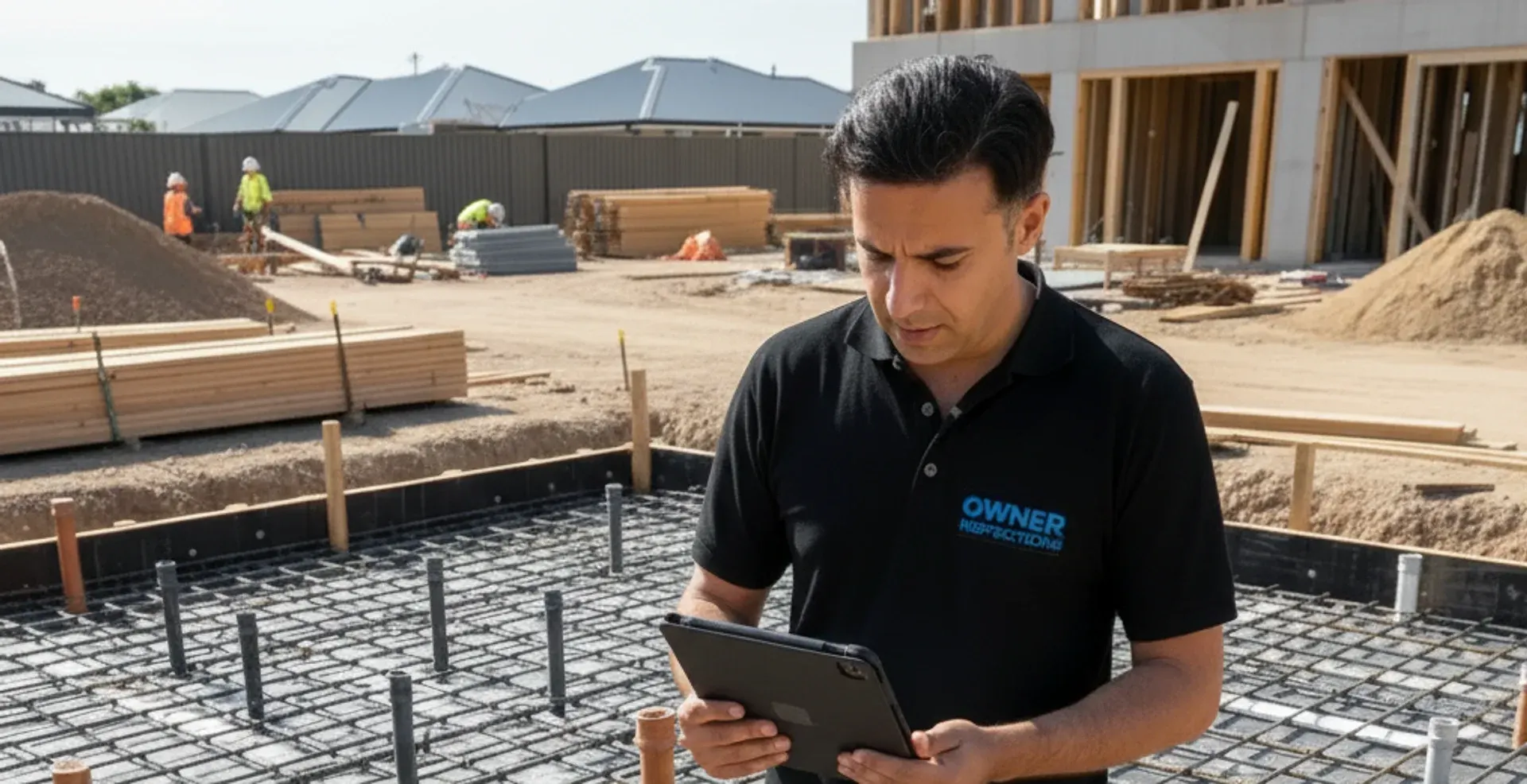
Assessment of site preparation for concrete slab, verifying that reinforcement bars, waffle pods, and related components are correctly positioned per engineering specifications.

Inspection Checklist:

  • Adherence to National Construction Codes (NCC)
  • Stormwater and sewer pipes
  • Rebars and steel reinforcement size
  • Expansion joints and curing systems
  • Engineering plans compliance
  • Forming and waffle placement
  • AS/NZS steel reinforcing requirements
  • Concrete cover and slab thickness
  • Vapour barriers
  • Steel placement, laps and fixings
  • Slab penetrations
  • Soil conditions
  • Shrinkage steels

Example Defects:

3

Frame Inspection (Post Slab Inspection - Internal and External)

Structural frame assessment for compliance with construction codes and design plans, including evaluation of frame integrity, material use, and installation quality.

Inspection Checklist:

  • National Construction Codes (NCC) requirements
  • Structural integrity (timber and steel)
  • Connections, brackets and tie-downs
  • Wall and roof fixings
  • Bracing material and fixings
  • Site drainage and grading
  • Roof, trusses and framing
  • Australian Standards (AS 1684) compliance
  • Timber flooring
  • Slab surface, levelling, cracks, edges and step downs
  • Termite protection
  • Door and window openings
  • Beams, columns and lintels
  • Walls, studs and noggings
  • Timber quality
  • Pipe locations

Example Defects:

4

Lock-Up (Pre-Plaster | Free Visible Frame Reassessment)

Evaluation of the building external enclosure before interior plastering begins, assessing windows, doors, and roofing for security and weather resistance.

Inspection Checklist:

  • Roof cladding (tiles, steel, etc.)
  • Roof fixings
  • Gutters and fascia
  • Wall plumbness and straightness
  • Substrate and sisalation
  • Structural elements
  • Penetrations
  • Electrical wiring and plumbing points
  • Downpipes
  • Windows and doors
  • Flashings
  • Trims and eaves
  • Exterior cladding
  • Ventilation
  • Insulation
  • Deviation tolerances

Example Defects:

5

Fixing including Waterproofing

Review of internal fixings including doors, cabinets, benchtops, and installation of plumbing and electrical components. Also includes verification of waterproofing in wet areas such as bathrooms, laundries, and kitchens.

Inspection Checklist:

  • National Construction Codes (NCC) requirements
  • Internal doors and hardware
  • Cabinets and benchtops
  • Plumbing fixtures and tapware
  • Electrical switches and power points
  • Waterproofing membrane installation
  • Wet area floor falls
  • Shower screen provisions
  • Tile preparation surfaces
  • Skirting and architraves
  • Paint preparation
  • Ventilation systems

Example Defects:

6

Completion (PCI) Pre-Handover

Final inspection before handover to ensure all work is complete, defects are rectified, and the property meets quality standards ready for occupancy. This comprehensive assessment covers all visible elements.

Inspection Checklist:

  • All previous stage items verified
  • Paint finish and quality
  • Floor coverings and tiles
  • Doors and windows operation
  • Plumbing functionality
  • Electrical functionality
  • Appliance installation
  • External works and landscaping
  • Driveway and paths
  • Fencing and gates
  • Overall finish quality
  • Cleaning and presentation

Example Defects:

Benefits for Victorian Home Builders

Identify defects early before they are hidden behind walls and concrete
Ensure compliance with the National Construction Code and Victorian building regulations
Hold your builder accountable with documented evidence accepted by VCAT
Prevent costly rectification work after handover
Protect your statutory warranty rights under the Domestic Building Contracts Act 1995
Verify engineering specifications are met throughout construction
Independent assessment by BPC-registered professionals
Same-day detailed reports with photographic evidence

Protect your Victorian new home investment with professional stage inspections - give the Owner Inspections Team a call today! 1300 471 805

Benefits for Victorian home builders

Benefits for Off-the-Plan Buyers in Victoria

Verify the finished product matches your contract specifications
Document defects before settlement for developer rectification
Independent pre-settlement assessment of construction quality
Identify variations from approved plans and specifications
Protect your investment with documentation recognised by the Victorian Civil and Administrative Tribunal (VCAT)
Expert knowledge of Victorian building standards and tolerances
Reports accepted by builders, developers, and Victorian tribunals
Licensed and insured inspectors across Victoria

Buying off the plan in Victoria? Ensure your new property meets the standards you are paying for - give the Owner Inspections Team a call today! 1300 471 805

Benefits for off-the-plan buyers in Victoria

Get Your Free Expert Quote Today

Need a construction stage inspection? Our qualified inspectors are ready to assess your property and provide a comprehensive, professional report.

Latest Tools and Technology

We use state-of-the-art equipment to deliver accurate and comprehensive inspections

Cloud-Based Reports

Cloud-Based Reports

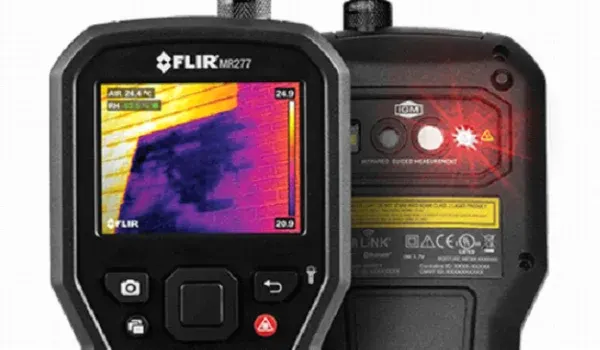
Thermal Imaging Camera

Thermal Imaging Camera

Moisture Hygrometer

Moisture Hygrometer

Termatrac T3i Radar

Termatrac T3i Radar

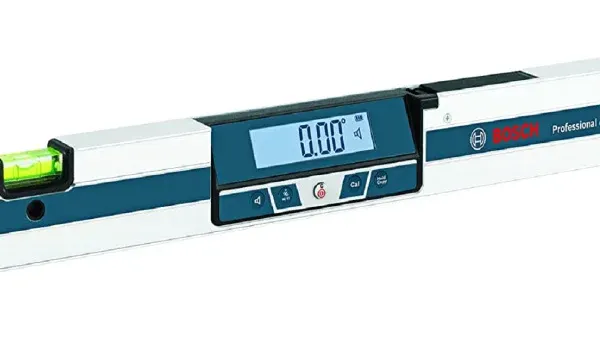
Digital Inclinometer

Digital Inclinometer

DJI Mavic 3 Drone

DJI Mavic 3 Drone

Explore our full toolkit→

Construction Stage Inspection FAQs for Victoria

Answers to common questions about our construction stage inspection services in Victoria

A construction stage inspection is an independent assessment of a new build at key milestones, from the slab to handover. The inspector is appointed by you and has no relationship with your builder, the developer or the building surveyor, which is why it is also called a third-party inspection. At each stage the work is checked against the National Construction Code (NCC), Australian Standards, your approved plans and Victoria-specific requirements under the Domestic Building Contracts Act 1995 and the Building Act 1993, before the next phase of construction covers it.

In Victoria, the Domestic Building Contracts Act 1995 implies statutory warranties into every domestic building contract, and the Building Act 1993 generally allows up to 10 years from the occupancy permit or certificate of final inspection to bring a claim for defective work. Construction stage inspections identify defects and non-compliance early, before they become hidden behind walls or concrete. This protects your warranty rights and helps avoid costly corrections later.

We recommend inspecting six key stages: Bored Piers/Screw Piles (optional), Slab Pre-Pour, Frame, Lock-Up (Pre-Plaster), Fixing including Waterproofing, and Completion (PCI) Pre-Handover. Each stage covers critical elements that will be inaccessible once construction continues.

Engage us before construction starts, so we can review your contract, approved plans and engineering before the first visit. Then ask your builder to tell you when each stage is ready, and book as soon as you have a date. The window is short: the slab must be inspected before the concrete pour, the frame before cladding and linings, lock-up before plasterboard, and waterproofing before tiling. Once the next stage begins, that work can no longer be seen.

All defects are documented in a detailed report with photographs. You can then present this report to your builder who is required to rectify the issues before proceeding. Under the Domestic Building Contracts Act 1995, your builder has statutory obligations to fix defective work. Our reports provide clear evidence to support your position and are accepted by VCAT.

Yes. Owner Inspections is registered with the Building and Plumbing Commission (BPC, formerly the VBA). Our inspectors are licensed building professionals with extensive experience in residential construction across Victoria, from Melbourne to Geelong, Ballarat, Bendigo and the growth corridors.

Each stage inspection typically takes 1-2 hours depending on the size of the property and complexity of the construction. We thoroughly examine all accessible elements relevant to that stage, with additional time possible for complex properties at no extra charge.

Our promise is a full report within 24 hours of your inspection completion, guaranteed. Reports are delivered via cloud-based online link, PDF email attachment, and SMS link for convenient access.

Owner Inspections provides construction stage inspections across all major Victorian regions including Melbourne (inner suburbs, eastern suburbs, western suburbs, northern suburbs), Geelong, Ballarat, Bendigo, Mornington Peninsula, Yarra Valley, and all growth corridors including Melton, Wyndham, Casey, Cardinia and Hume.

Our inspectors can work independently. You can submit requests 24 hours ahead via our online checklist system, though attendance is welcome if OHS requirements are met. This gives you the opportunity to see the construction progress firsthand and ask questions.

New construction in Victoria must comply with the National Construction Code (NCC), Australian Standards, the Building Act 1993, and the Domestic Building Contracts Act 1995. Our inspectors assess compliance with all applicable standards, including specific requirements for bushfire zones (AS 3959), termite management (AS 3660), and energy efficiency standards for Victorian climate zones.

No. Travel expenses are included in our fixed fee across all Victorian service areas with no additional transport costs. Our fixed-price quotations cover all inspection costs with no hidden charges upon agreement.

Common defects in Victorian new builds include reactive clay soil issues across Melbourne causing slab heave and cracking, inadequate subfloor ventilation, non-compliant waterproofing in wet areas, frame alignment issues due to high wind zones, insufficient insulation for NCC energy efficiency requirements in Victorian climate zones, and drainage problems in growth corridor estates with poorly prepared sites.

Under the Domestic Building Contracts Act 1995, every Victorian domestic building contract carries statutory warranties that the work will be done properly, with suitable materials and in line with the law. Under the Building Act 1993 you generally have up to 10 years from the occupancy permit or certificate of final inspection to bring a claim for defective building work. Construction stage inspections create documented evidence that strengthens your warranty claims.

A builder should not refuse reasonable access for an independent inspection. Most building contracts include provisions for owner inspections, usually by arrangement with the builder at an agreed time and subject to the site safety rules. Check the access clause in your contract before work starts, and tell your builder in writing that you have appointed an inspector. If your builder objects to any independent inspection at all, treat it as a warning sign and get advice on your contract.

Yes, we offer package pricing for multiple stage inspections that provides significant savings compared to booking each stage individually. Contact us for a customised quote based on your Victorian property details and the number of stages you would like inspected.

The building surveyor, council or private, carries out the mandatory inspections attached to your building permit. Those are regulatory checks of minimum compliance at set hold points, typically brief, with a pass or fail outcome. An independent stage inspection is commissioned by you, looks at workmanship as well as compliance, checks the build against your contract and approved plans, and gives you a photographed report of every defect. It does not replace the surveyor; it covers what the surveyor is not required to assess, and we act solely in your interest as the home owner.

Yes, we provide ATO-acceptable invoices and receipts for eligible tax deductions. Contact your accountant to confirm your specific situation.

Yes, you can book inspections at any remaining stage of construction. While inspecting all stages provides the best coverage, later stage inspections still add significant value. Our inspectors will assess all visible and accessible elements at the current stage of your build.

Yes. In Victoria, builders must hold domestic building insurance for residential building work above a minimum contract value. It is now administered by the Building and Plumbing Commission (BPC), which took over the domestic building insurance role of the Victorian Managed Insurance Authority (VMIA). Construction stage inspections complement this protection by ensuring quality workmanship throughout the build and creating documented evidence should you need to make a claim.

No. The inspections the law requires are the mandatory inspections carried out for your building surveyor under the Building Act 1993 and its regulations. An independent inspection is your choice as the owner. It is strongly recommended because it gives you a dated, photographed record of work that is later covered up. That is the evidence that carries weight with a builder, in dispute resolution and at VCAT. Domestic building disputes that used to go to Domestic Building Dispute Resolution Victoria (DBDRV) are now handled by the Building and Plumbing Commission (BPC).

They should not. Each inspection is booked for the point your builder says a stage is ready, takes one to two hours on site, and the builder can usually carry on with other work while we are there. What delays a build is a defect found late, when finished plaster, tiling or paint has to be stripped back to reach it. Finding the defect at the stage it happens is usually the quicker path to handover, as well as the cheaper one.

Payment Options

Flexible payment options to suit your needs

All Major Credit Cards
Apple Pay
Google Pay
Link
WeChat Pay
Afterpay
Klarna
Zip
PayID