
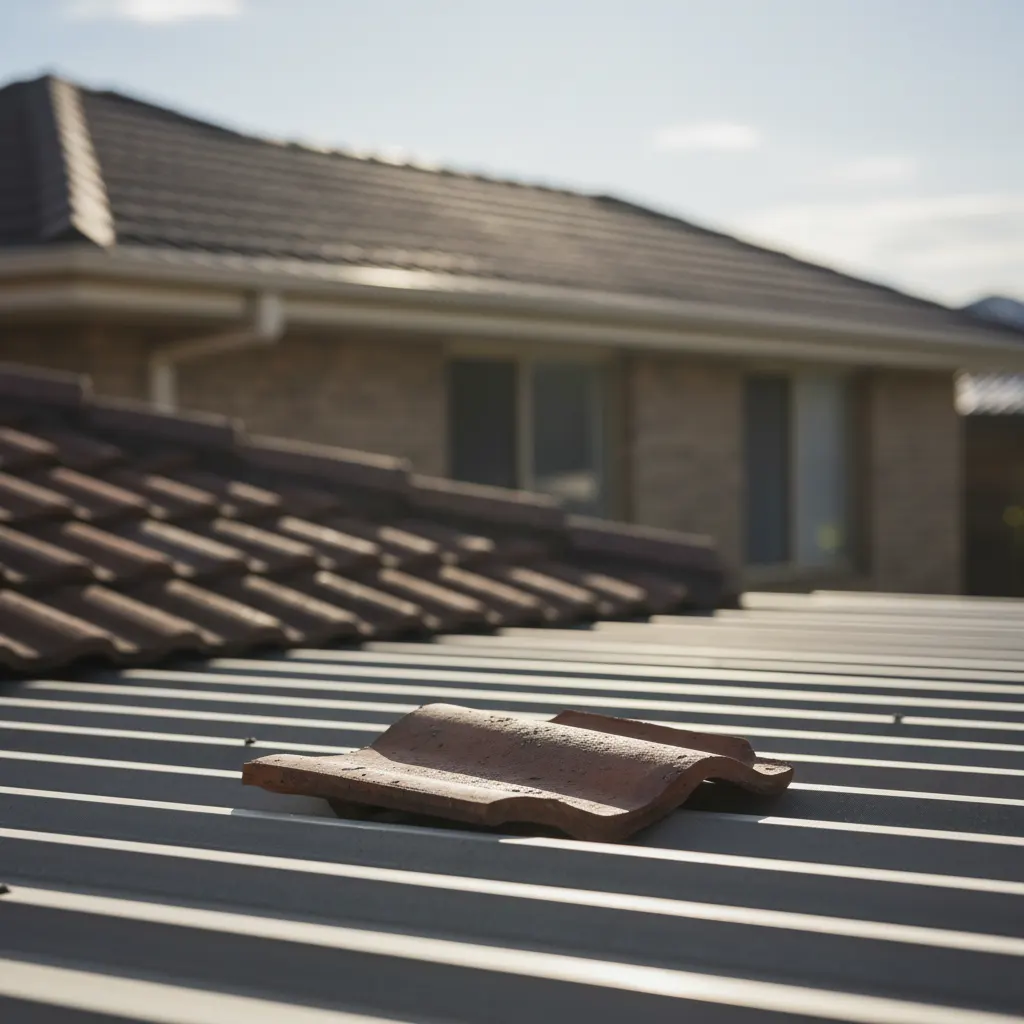
What does it mean when an insurer voids your home policy?
Voiding, which the legislation calls avoidance, treats the policy as though it never existed. That is far heavier than declining one claim while the policy stays in force, and it is not a decision about your roof. It is a decision about what you said on the application or at renewal.
The rules sit in section 28 of the Insurance Contracts Act 1984 (Cth), and they are narrower than most insurers' letters make them sound:
- Section 28(2): only fraud allows full avoidance. If the non-disclosure or misrepresentation was fraudulent, the insurer may avoid the contract.
- Section 28(3): if it was not fraudulent, the remedy operates on the claim, not on the policy. The insurer's liability "in respect of a claim" is reduced to the amount that would put it in the position it would have been in had the failure not occurred. Be clear-eyed about what that can mean: if the insurer would not have written the policy at all had it known, the reduction can be to nil. But it is still an adjustment to a claim. It does not authorise wiping out the policy.
- Section 28(1): if nothing would have changed, nothing happens. The section does not apply at all if the insurer would have entered into the contract for the same premium and on the same terms anyway.
So if the insurer has voided the whole policy rather than adjusting what it pays, and the letter does not allege fraud, that gap is the first thing to raise. Check which duty you are said to have breached, too. A policy taken out wholly or predominantly for personal, domestic or household purposes is a consumer insurance contract, so the duty that applies is the duty to take reasonable care not to make a misrepresentation (section 20B), not the older duty of disclosure. The question is what you were actually asked and how you answered, not what you should have volunteered.
Is voided the same as cancelled?
No, and the difference is financial. Cancellation is prospective: cover ends from a notice date forward, under the cancellation regime in the Act, which has its own notice requirement (section 59) and a right to written reasons on request (section 75). You were insured up until that date. Voidance is retrospective, meaning there was no cover at all for some or all of the policy period, which puts every claim in that window at risk rather than only the hail one.
Do not read the fraud requirement as meaning an honest mistake costs you nothing. Section 60(1)(b) lets an insurer cancel a general insurance contract going forward where there has been a relevant failure, fraudulent or not. What it cannot do without fraud is reach backwards and undo cover you have already had.
A third and much less severe outcome is a claim denied while the policy stays alive. If that is what has happened to you, the steps are simpler and they are set out in our guide to challenging a denied insurance claim. Read your letter closely before assuming which of the three you have, because "declined", "cancelled" and "avoided" get used loosely in correspondence and precisely in the file notes.
Why would an insurer void a policy after a hail damage claim?
Because a large claim is what makes a full underwriting review worth the cost. Insurers rarely re-examine your application while you are quietly paying premiums; a claim on a whole roof is what sends someone back through the file. What gets alleged is usually one of a short list: undisclosed prior claims history, pre-existing damage to the roof, the property being tenanted or unoccupied when the application implied otherwise, or renovations not declared at renewal.
The hail event is the trigger, not the legal reason. The legal reason is always the disclosure question. Big storm and structural claims attract this kind of scrutiny generally, which we cover in common issues in structural insurance claims.
Can an insurer void a policy for something unrelated to the hail damage?
In principle yes, and this surprises most people. The test is not whether the thing you left out caused the hail damage. Section 28(1) asks whether the insurer would have entered into the contract for the same premium and on the same terms had it known, so a misrepresentation about something with no connection to your roof can still matter if it would have changed the underwriting decision. The reverse is just as true and more useful to you: something that would not have changed the decision gets the insurer nowhere, however awkward it looks on the form.
A second argument usually runs alongside the first, and it is the one worth watching. Insurers also contend the damage is not hail damage at all: that the corrosion, lifted sheets, cracked tiles or crazed roof coating predate the storm and are ordinary wear or age being recharacterised after the fact. That is a factual dispute about the building, separate from the disclosure argument, and independent evidence can settle it.
Insurers decline and void under a specific clause rather than issuing a blanket refusal, which is why the exact wording of the letter matters. Our piece on an insurer denying a claim over asbestos shows how narrow those grounds usually are.
What happens to your premiums and your cover when a policy is voided?
Cover ends retrospectively, so any other claim you made during the disputed period is exposed as well. Practically, you are uninsured from the moment the letter lands. If your roof is open and unrepaired, that is the most urgent fact here: arranging replacement cover and making the building weathertight cannot wait for the dispute to resolve.
Premium refund practice varies between insurers and depends on whether the non-disclosure is treated as fraudulent. Some refund premiums paid for the avoided period, some do not. Ask in writing, in the same letter in which you ask for reasons.
How do you challenge a voided policy or a denied hail claim?
Three steps, in order, because the later stages expect the earlier ones to have happened.
- Ask for the reasons and the evidence in writing. You want the specific ground relied on, the section or policy clause, the documents the decision rests on including any assessor's report, and your original application record showing the questions asked and the answers recorded. This is a right, not a favour: section 75 of the Act requires an insurer to give a written statement of its reasons where it cancels a policy, refuses to insure you or refuses to renew, but only if you request it in writing. So put the request in writing, and say you are making it under section 75.
- Lodge an internal dispute resolution (IDR) complaint. Every general insurer must run one, to the standard in ASIC's Regulatory Guide 271, which sets the maximum time the insurer has to respond in writing. Check the current timeframe on ASIC's RG 271 page rather than a figure quoted in any article, including this one. In the letter, put the section 28 point squarely: if fraud is not alleged, ask on what basis the whole policy has been avoided rather than the claim adjusted.
- Take it to AFCA. If IDR does not resolve it, or the insurer misses its deadline, the Australian Financial Complaints Authority will consider the dispute at no cost to you, and its determinations bind the insurer if you accept them. There are monetary limits on what AFCA can award, so check the current figure on its site, as it is indexed and changes.
The Financial Rights Legal Centre runs a free national Insurance Law Service, and it is the right first port of call if the letter alleges fraud, which is a serious allegation with consequences well beyond this claim.
None of this guarantees an outcome, and nobody should tell you a voidance was unlawful without having read the file. What can be said is that the legal test is narrow and evidence is what moves it.
What evidence actually changes the outcome?
This is where most people lose it, avoidably. The insurer's decision rests on its assessor's report, and an objection made of disagreement does not displace a report. Another report does.
A dated, independent assessment of the damage. Not the insurer's assessor, and not the roofer quoting for the repair. You need a written assessment that identifies the damage, explains its mechanism and addresses timing: whether the pattern is consistent with hail impact on or around a specific date, or with progressive deterioration over years. That distinction is the whole argument in a recharacterisation dispute, and it has to be made in a document a dispute body will accept. That is what an insurance claim assessment is for.
Photographs that separate impact from wear. Hail leaves a signature, and it looks different on the roof types actually used here. On Colorbond or zincalume sheeting, look for dimples and dents in the pans and in soft metals such as gutters, flashings, vents, whirlybirds and air conditioning fins. On concrete or terracotta tile, look for fresh chips and cracks whose broken edges are lighter and unweathered, because an old break has dirtied and dulled and a new one has not. Across both, look for spatter marks where oxidation, moss or dirt has been knocked off in a scattered pattern. Wear does not do any of that, and it does not concentrate on the storm-facing side. Photograph the undamaged elevations too, because the contrast is itself evidence. Date everything, keep the originals with their metadata intact, and add any Bureau of Meteorology record or news report of hail in your suburb that day.
A paper trail on the non-disclosure allegation. Retrieve the application or renewal record and read the actual question wording. Often the fact you supposedly concealed was never asked about, or was asked in terms your answer did satisfy, or was already known to the insurer from an earlier claim or inspection. Any of those undercuts the allegation at its base.
Anything showing the insurer would have covered you anyway. Comparable policies, evidence the undisclosed matter is routinely accepted at standard rates, or the insurer's own underwriting guidance if it is produced during the dispute. That goes straight to the section 28(1) test.
Get the independent assessment before you write your substantive response, not after. Once you have argued a position without evidence, you are defending that position instead of presenting a case.
Do insurers check whether you have had a policy cancelled or voided before?
Some do, and you should assume yours will. The Financial Rights Legal Centre warns that being refused insurance can make it harder to get cover elsewhere, because some insurers ask whether you have previously been refused insurance or refused a renewal. The wording is not uniform across the market, and your duty to answer accurately applies both when you take out a policy and when you renew it.
That creates a compounding risk. Not disclosing a prior voidance on a new application is a fresh misrepresentation, which can put the new policy in the same position as the old one. If you are arranging replacement cover while the dispute is still running, describe it accurately: a voidance you are disputing is a voidance that has occurred. Our guide to filing a building insurance claim after storm damage covers what a new insurer will want to know.
How long does a cancellation or voidance stay on your record?
There is no single answer, and we would rather say so than invent one. Australian home insurers word the question differently: some ask about a defined window such as the last five years, others ask whether it has ever happened. No central industry register with a fixed retention period settles it, and we have not found a primary source setting a uniform lookback for home insurance.
The safe approach does not need the number. Answer the question the application actually asks, exactly as worded, every time. Never assume a past event has expired, and where the wording is ambiguous, disclose and let the insurer decide what to do with it. A disclosed fact that raises your premium is a better outcome than an undisclosed one that surfaces during a claim.
Frequently Asked Questions
Can my insurer void my home policy for an innocent mistake on the application?
Not under section 28. Full avoidance requires the failure to have been fraudulent. Where it was not fraudulent, the insurer's remedy is to reduce what it pays on the claim to the amount it would have been liable for had it known the truth. If you have received a full voidance and fraud is not alleged, that is the first thing to put to the insurer and then to AFCA.
The insurer says my roof damage is old, not from the hailstorm. What do I do?
Get an independent assessment that dates and characterises the damage, and photograph the storm-facing and sheltered elevations for comparison. This is a factual dispute about the building, not an argument about the policy, and it turns on evidence.
Am I still covered while I dispute the voidance?
Assume you are not. Voidance is retrospective, so treat the property as uninsured from the date of the letter, arrange replacement cover and make the building weathertight. Disputing the decision does not reinstate cover in the meantime.
Related Articles
Insurance Claim Denied? Steps to Challenge the Decision
Having your insurance claim denied can feel overwhelming, but you have options for challenging the decision.
Steps to File a Building Insurance Claim after Storm Damage
Filing a building insurance claim after storm damage requires fast action, thorough documentation and a clear process.

Common Issues in Structural Insurance Claims
Structural insurance claims in Australia are frequently delayed, denied or reduced. Here is what causes it.