
The Four Reasons an Asbestos Claim Gets Denied
The wording on your denial letter matters more than the word "asbestos" appearing in it. These four grounds behave very differently once you push back.
| What It Means | Worth Challenging? | |
|---|---|---|
| Asbestos or contamination exclusion | The policy carves out asbestos-related loss entirely | Only if the damage itself is not asbestos-related |
| Removal sub-limit | Cover exists but is capped well below the real cost | Rarely, the cap is the cap |
| Non-disclosure or reasonable precautions | You did not declare asbestos, or failed to manage it | Often, this turns on evidence |
| Gradual deterioration, not a sudden event | Weathered sheeting is wear and tear, not storm damage | Often, this turns on causation |
The bottom two are where claims are won. Both are findings of fact rather than pure policy wording, which means they can be met with better evidence than the insurer has.
Does Home Insurance Cover Asbestos Removal in Australia?
Usually not on its own, and this is the part homeowners are most often surprised by. The Asbestos Safety and Eradication Agency, the federal body responsible for asbestos policy, puts it plainly: insurance policies may have exclusions for asbestos, or the level of cover may not be enough to meet your actual expenses if asbestos materials are accidentally damaged or disturbed during renovations, in a house fire or in a storm.
There is one important exception. Where a separate, accepted claim requires repairs to an area that happens to contain asbestos, the safe removal of asbestos in that area is normally part of making good the damage. The practical limit is that the insurer will pay to remove asbestos from the damaged area only, not to clear the rest of the house while the removalists are on site.
Note
Asbestos is not automatically excluded from every Australian home policy. Product disclosure statements vary considerably between insurers. Read your own PDS rather than assuming, and if the denial letter does not quote a clause, ask for the clause.
Get the Denial in Writing, With the Clause
Before anything else, ask the insurer for three things in writing: the specific policy clause relied on, a copy of the product disclosure statement that applied when the policy was taken out, and any report the insurer's own assessor produced.
That last one matters more than people expect. The assessor's report is the document the denial rests on, and it is frequently where the weakness lies, because it may record a conclusion about cause without the measurements or sampling that would support it.
Check Whether the Exclusion Actually Fits Your Damage
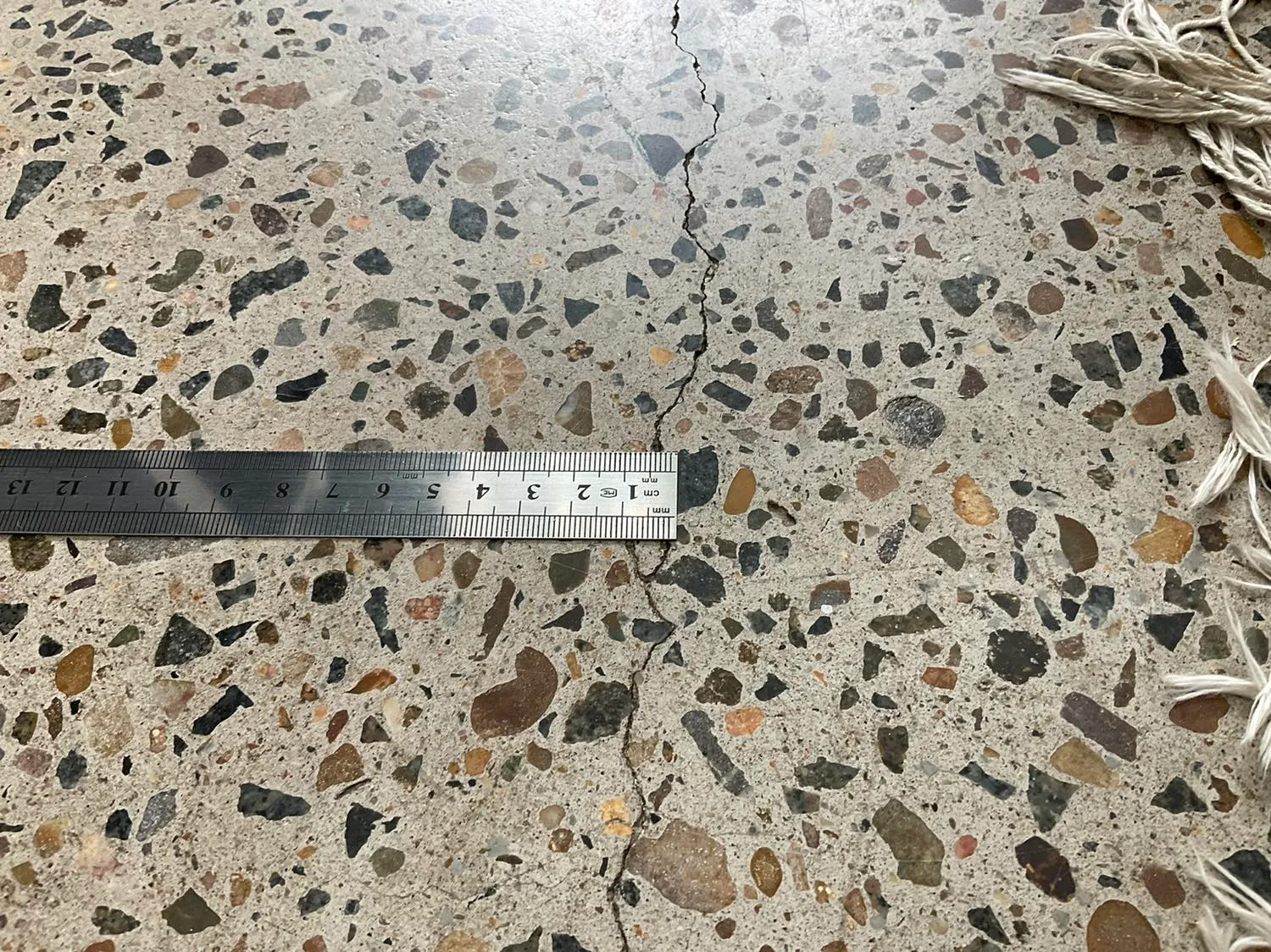
An asbestos exclusion removes cover for asbestos-related loss. It does not convert every claim on a house containing asbestos into an uninsured one. The question is whether the damage you are claiming for is asbestos-related, or whether asbestos is simply present in the building.
If a storm lifted roof sheeting and rain damaged ceilings, cabinetry and flooring, most of that loss is storm damage. The asbestos component is the additional cost of handling contaminated material safely. Those are separable, and they should be separated in your claim rather than allowed to sink it as a single item.
The same logic applies to the reasonable-precautions argument. Insurers can require policyholders to take reasonable steps to manage risk to the property, and the ASEA guidance notes there is also an expectation that a known risk such as asbestos is declared to the insurer when the policy is taken out. But "reasonable" is measured against what you knew. A homeowner who was never told the eaves were fibro is in a different position from one who had a report saying so and ignored it.
Where a third party caused the damage, the analysis changes again. In a determination published in October 2025, AFCA required RACQ to accept a claim after a contractor cut asbestos sheeting during reblocking work and spread contamination through the home. The insurer argued the vandalism cover did not apply because the contractor had entered with consent. AFCA found the homeowner's consent was limited to the terms of engagement and did not extend to what the contractor actually did, and that given industry knowledge of asbestos, the conduct was reckless enough to count as intentional damage.
What Licensed Removal Costs, and Why Insurers Fight It
Understanding the cost explains the resistance. Asbestos work is regulated, and the regulation is what makes contamination expensive.
- Friable asbestos, the loose and crumbly type, requires a Class A licensed removalist in every state and territory, regardless of how little there is.
- Non-friable asbestos above ten square metres requires a Class B licence, and so does any contaminated dust or debris associated with that removal.
- Ten square metres or less of non-friable material can be removed without a licence, but it still has to be done using safe work procedures, and Queensland requires homeowners to hold a homeowner's certificate to go beyond that threshold.
- Once fibres have been released into living areas, the job stops being removal and becomes decontamination, which brings in clearance testing and often temporary accommodation.
This is why ASEA's guidance emphasises that cleaning up contamination after accidental damage is significantly more hazardous and more expensive than removing the material safely beforehand. It is also why the sub-limit in many policies sits well below what a real contamination event costs.
How to Challenge: IDR, Then AFCA
The escalation path is fixed and free, and you do not need a lawyer to start it.
Lodge an internal dispute resolution complaint
Every insurer must have an IDR process. Put it in writing, name the clause you are disputing, and attach your evidence.
Wait for the IDR response
Under the General Insurance Code of Practice the insurer must give you a written response with reasons, normally within 30 calendar days.
Escalate to AFCA
If the response does not resolve it, or the deadline passes, take the complaint to the Australian Financial Complaints Authority. It is free to consumers and its determinations bind the insurer.
Get your own evidence in before AFCA decides
AFCA weighs the material in front of it, and an independent assessment carries more weight than an assertion.
Delay is the more common problem than outright refusal. The Financial Rights Legal Centre publishes practical guidance on what to do when a claim is being delayed rather than decided, which is worth reading if your claim has stalled instead of being denied.
Get an Independent Assessment of Your Damage
An independent report sets out cause, scope and cost separately from the insurer's assessor, which is the evidence IDR and AFCA actually weigh.
Where an Independent Assessment Changes the Outcome
A denial based on causation is a denial based on an opinion about how the damage happened. The way to contest an opinion is with a better documented one.
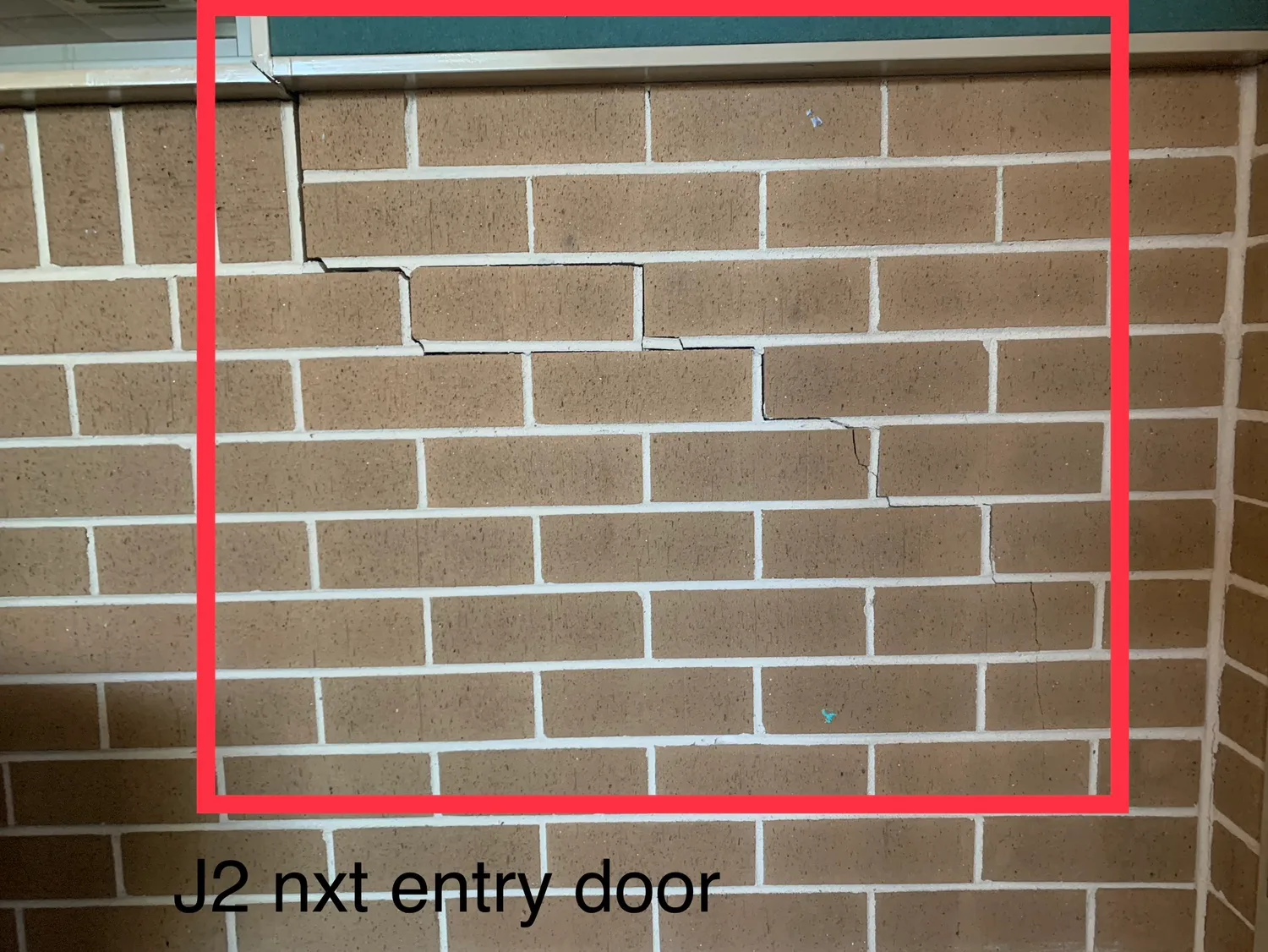
An independent assessment does three things the insurer's report often does not. It records the damage with measurements and dated photographs rather than descriptions. It separates the asbestos-related component of the loss from the rest, so an exclusion cannot be applied to the whole claim. And it states the cause in terms that can be tested, which is what an AFCA case manager needs in order to prefer your account over the insurer's.
Owner Inspections carries out the inspection and produces the report. Where a dispute turns on the meaning of a policy clause rather than on the condition of the building, that is a question for a solicitor or a financial counsellor, and the Financial Rights Legal Centre runs a free national insurance law service.
Key Takeaways
- An asbestos denial is a clause, not a category. Get the clause quoted in writing before deciding what to do.
- Non-disclosure and gradual-deterioration denials turn on evidence and are the most winnable of the four.
- Storm or fire damage to a house containing asbestos is mostly ordinary damage. Separate the asbestos component rather than letting it swallow the claim.
- Removal cost is driven by licensing. Friable material needs a Class A licensee at any quantity, non-friable above ten square metres needs Class B.
- IDR first, then AFCA. Both are free, and AFCA determinations bind the insurer.
Frequently Asked Questions
Does home insurance cover asbestos removal in Australia?
Can an insurer refuse a claim just because the house contains asbestos?
Do I have to tell my insurer my home has asbestos?
How long does an insurer have to respond to my complaint?
Does it cost anything to complain to AFCA?
Can I remove the asbestos myself to save money?
Related Articles
Insurance Claim Denied? Steps to Challenge the Decision
The general escalation path for any denied claim, from internal review through to AFCA.
Asbestos Inspections: Identifying Health Hazards in Australian Homes
Where asbestos is found in Australian homes, and what an inspection establishes about it.
Independent vs Insurer-Appointed Assessors: Why It Matters
Why the assessor who writes the report shapes the outcome of the claim.