

As a buyer, you never forget signing the last contracts and taking the keys. The days in between settlement and moving day tend to escape your attention. That stretch will pass in a blur, but it is the best time to set the house up, because you can reach every room, every cupboard and every wall cavity access point without furniture in the way.
Here are nine things worth doing before a single piece of furniture is moved in.
Sponsored
This article contains a sponsored link to Urgent Pro. Owner Inspections received payment or another commercial benefit for the placement, and Urgent Pro had no input into our inspection advice.
Why Should You Read Your Building Inspection Report Again?
Because the first read was about whether to buy, and the second read is about what to fix. Most buyers open the report once, at offer stage, and never look at it again. Now that the house is legally yours, the report stops being a negotiating document and becomes a work list with the jobs already sorted by urgency.
Building inspectors group findings into categories: major defects, safety hazards, minor defects and items needing further investigation by a specialist. Those categories are your sequence. Anything recorded as a safety hazard, exposed wiring, a failed balustrade, a rotted step, a gas appliance flagged for testing, needs dealing with before you occupy the house, not after. Items marked as needing prompt attention should not wait until you have settled in and stopped noticing them.

If you bought without one, or only ever saw the seller's copy, a pre-purchase building inspection after the fact still gives you an independent list of what the house actually needs, sorted by urgency.
Keep the report on hand while you make the calls. It tells you which trade to ring first, and it gives each one a photograph and a location rather than a vague description over the phone. If your report recommended a specialist follow-up, an electrician, a plumber, a structural engineer, that referral is the first call, not the last.
If you have not read a report in this level of detail before, our pre-purchase inspection checklist for buyers sets out what each section covers and what the category labels actually mean.
Which Repairs Should You Do While the Property Is Empty?
Do the structural, electrical, plumbing and drainage work now, and leave cosmetic work for later. An empty house is the easiest version of itself to repair. Trades can reach subfloors, switchboards, wall cavities and under-sink spaces without moving furniture, lifting rugs or laying drop sheets over your belongings, which cuts both the labour hours and the risk of damage to your things.
Go through the report and pull out every item in those four groups. Those are the jobs to schedule for the week of settlement, or the first week after it at the very latest. Wall patching, door adjustments, re-grouting and painting can all be done around furniture later without much penalty. If you are not sure which category a finding belongs to, our rundown of Australia's most common building defects covers what each one typically costs to put right.
| Job type | Examples | Do it while empty? |
|---|---|---|
| Safety | Exposed wiring, faulty switchboard, loose balustrade, unsafe steps | Yes, before you occupy |
| Structural | Subfloor timber damage, cracked masonry, roof frame movement | Yes, access is the whole problem |
| Wet services | Leaking pipes, blocked drains, failed shower waterproofing | Yes, these often need floors or walls opened |
| Cosmetic | Painting, patching, re-grouting, door hardware | Can wait, but cheaper now |
Book the trades as soon as settlement is confirmed rather than after you have the keys. Lead times on licensed trades are the single most common reason this whole window collapses, and a plumber who cannot come until the following month pushes the cleaner, the carpet steam and the removalists with them.
Not Sure Which Defects Are Actually Serious?
An independent defect investigation puts photographs, findings and repair recommendations behind each item, so you know what has to be fixed now and what can wait until after you move in.
Investigation
Should You Change the Locks on a House You Just Bought?
Yes, and it is worth doing on day one. You have no way of knowing how many keys are in circulation. Previous owners hand copies to family, neighbours and house sitters, tradespeople keep them after a job, and agents often still hold a set after the settlement date. Handing over the keys at settlement is not the same as accounting for every key ever cut.
Rekeying is usually cheaper than replacing hardware, so ask the locksmith for both prices. While they are on site, have them check every entry point rather than just the front door.
- Front and rear entry doors, including deadbolts
- Sliding doors, which inspection reports very often flag as worn or not latching
- Side gates and rear gates
- Garage doors, plus any remote controls that came with the property
- Window locks, particularly on ground floor and accessible upper windows
This is also the right moment to test the smoke alarms and check they meet current requirements, because the empty house makes ceiling access straightforward. Alarm type, placement and interconnection rules vary by state and by when the house was built. NSW Fair Trading sets out the alarm requirements for existing homes, and Queensland's rules for interconnected photoelectric alarms are stricter again.
What Do You Do With Rubbish and Items Left Behind?
Clear everything out before your own belongings arrive. It is common for previous owners to leave things behind. Occasionally it is useful, shelving, a mower, garden tools. More often it is leftover renovation material, paint tins, offcuts and items that were not worth the cost of moving.
Getting it out first is not just tidiness. It keeps the path from the truck to the rooms clear, removes a trip hazard for removalists carrying heavy loads, and lets you see the true condition of floors, cupboards and storage spaces before you cover them up again.
For a small volume, a council hard rubbish collection may be enough, though most councils cap the number of collections a year and exclude paint, chemicals and building waste. For a larger volume, or where you want rubbish removal, cleaning and a handyman on the same day, it is usually simpler to book through a home services platform that coordinates all of it in one place rather than chasing four separate bookings around one another.
Warning
Set aside anything that looks like asbestos sheeting, old paint tins or chemical drums rather than putting it in a skip. Pre-1990 homes can contain asbestos in eaves, wet area linings and fencing, and it must be handled and disposed of under state rules. If your inspection report flagged suspected asbestos, get it assessed before anything is moved or broken up.
Why Is It Easier to Deep Clean an Empty House?
Because every surface is reachable and nothing has to be worked around. You can get inside every cupboard, behind every door, along skirting boards and window tracks, and into the oven, rangehood and bathroom fittings properly. The same clean done around furniture takes longer and misses more.
Work top down and in the right order, or you will clean the same surface twice.
Start at the highest level
Ceilings, cornices, light fittings and the tops of cupboards first, so dust falls onto surfaces you have not cleaned yet.
Walls before floors
Wash walls, skirting boards, door frames and window tracks before anything touches the floor.
Cupboards before contents
Clean inside every cupboard, drawer and wardrobe before a single item goes into them.
Steam clean carpets last
Do the carpets after all wet work is finished and before any furniture is placed, so they dry with nothing standing on them.
Professional cleaning is worth considering for this one job even if you normally clean yourself, mainly because steam extraction needs equipment most people do not own. Schedule it after the trades have finished and before anything is moved in. A cleaner who arrives before the plumber has left will be cleaning up after them for free, and neither of you will be happy about it.
Which Small Repairs Are Worth Doing Before You Move In?
The ones that are quick, cheap and annoying to do later. Once the major report items are closed out, the small jobs become obvious. These are the ordinary irritations every house carries, and they are far easier to knock over in one visit while the rooms are clear.
- Filling and sanding small holes in walls
- Adjusting doors that catch, drop or do not latch
- Replacing tap washers on dripping taps
- Tightening loose cabinet handles, hinges and drawer runners
- Resealing gaps around windows and skirting boards
- Securing loose shelving and wardrobe rails before they carry weight
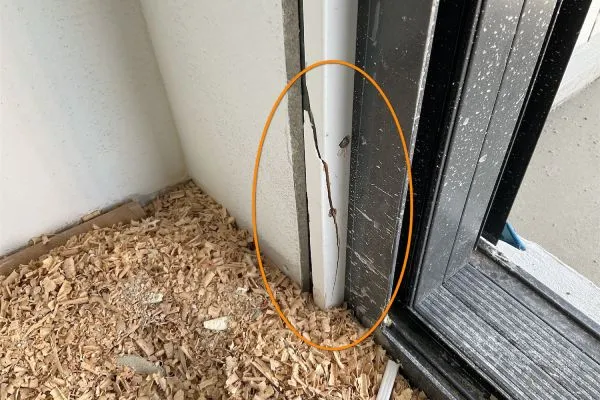
A handyman doing a room-by-room pass is almost always cheaper than booking a separate trade for each individual job, because you are paying one call-out fee instead of five. Walk the house with a list before they arrive so nothing gets missed and you are not calling them back a fortnight later.
When Should You Arrange Utilities and Internet?
Start as soon as the settlement date is confirmed, not on moving day. Water, electricity and gas all need to be connected in your name before you arrive, and internet takes the longest of the four by a wide margin.
Contact the retailers once you have a confirmed date. The Australian Energy Regulator's comparison service lets you check plans for the address rather than defaulting to whoever supplied the previous owner. Gas is the one that catches people out: if the supply has been off for an extended period, the connection may need a technician on site and a safety check before it can be turned back on.
Internet is almost always the forgotten one, and buyers discover it while sitting in an empty house with no service. Place the order immediately after settlement rather than after the move. Providers commonly quote a lead time of a couple of weeks, and longer where a technician appointment is needed. Check what technology and infrastructure the address already has on the nbn residential site before you order, because a property with no existing connection point will need an installation appointment on top of the activation.
| Service | When to arrange | Watch out for |
|---|---|---|
| Electricity | 1 to 2 weeks before | Meter access, and whether a reading is needed |
| Gas | 2 weeks before | Technician attendance if supply has been off a long time |
| Water | At settlement | Usually transfers with the property, confirm the account |
| Internet | Immediately after settlement | Longest lead time, may need a technician visit |
How Do You Plan the Actual Move?
Measure first, plan the placement second, and sort out truck access third. Moving day is chaotic by nature, and most of the chaos is avoidable with an hour of planning.
Measure your largest pieces, the fridge, the couch, the bed bases, the wardrobe, and check them against hallway widths, doorway heights and the turn at the top of any staircase. A couch that will not make the turn is a problem worth discovering on paper rather than with four people holding it.
Draw a simple floor plan showing where each large item goes and give a copy to everyone helping. It stops the same heavy item being moved three times, and it means you are not directing traffic all day.
If you are moving a long distance or emptying a large house, professional removalists earn their fee. They protect walls, door frames and floors, which matters more than usual in a house you have just had repaired and cleaned, and they take the physical risk out of the day. Friends and a hired van cost less and go wrong more.
Important
Check the truck can legally park. Apartment buildings and inner-city streets frequently require a permit, a booked loading dock or a reserved lift, and some strata schemes need notice in advance. A removal truck circling the block on an hourly rate is an expensive way to find this out.
What Should You Check in a Final Walk-Through?
Walk every room with the inspection report and your trades list in hand before the first box comes in, and photograph the condition of everything. This is the last time you will see the house empty, so it is the only chance to record its true starting condition.

Date-stamped photographs of each room, including scuffs, cracks and completed repair areas, give you a clear record of the property's condition at the point you took possession. That record is useful if a repair fails later, if a dispute arises over work you paid for, or if you need to distinguish pre-existing damage from something caused during the move. Consumer Affairs Victoria's guidance on buying and selling property is a useful reference for what settlement does and does not resolve.
Note
Owner Inspections is an inspection and reporting firm, not a law firm. This article explains what an inspection or report establishes. For advice on your contract, your settlement obligations or a dispute with a seller or trade, speak to a solicitor.
A home purchase is one of the largest financial commitments most people ever make. The week before moving in is a short window, but it is the one where problems are cheapest to find and cheapest to fix, because nothing is in the way and nothing has to be moved twice. Work through the list properly and you move into a house that is genuinely ready, rather than one you spend the next two years catching up on.
Frequently Asked Questions
What should I do before moving house?
How soon after settlement can you move in?
What is the first thing you should move into a new house?
Should I change the locks when I buy a house?
Do I need another inspection after settlement?
Who is responsible for defects found after settlement?
How long does it take to connect internet in a new home?
Related Articles

Pre-Purchase Inspection Checklist for Buyers
What a pre-purchase inspection covers across structure, electrical, plumbing, roofing and pests, and how to read the findings.

Can You Negotiate Price After a Building Inspection?
Which defects justify a price reduction, how to put the case to the seller, and what to do if they refuse.

Moving Interstate? Things to Know Before Moving Into Your Dream Home
What to check and arrange when you are buying in one state and moving from another.