
Yes, you can negotiate price after a building inspection if the report finds defects that affect the property’s value, safety, repair cost, or your willingness to proceed. A professional pre-purchase inspection report gives you written evidence, photos, defect notes, and recommended next steps, which can help you ask for a fair price reduction, request repairs, or reconsider the purchase.
Consumer Affairs Victoria says a professional building inspection report can list faults, whether they can be repaired, and likely repair costs, and buyers may be able to use the report to negotiate the price and contract conditions with the seller.
NSW Government also says a pre-purchase building inspection report can help buyers know problems in advance, use the information to negotiate a lower price, and seek specialist advice about major issues.
This guide explains how negotiating after building and pest inspections works, when renegotiating price after building inspection results is reasonable, what to do if the seller refuses, and when withdrawing offer after building inspection may be an option.
Need Defects Documented Clearly?
Get an independent defect investigation report with photos, findings, and repair recommendations before your issue becomes harder to prove.
Investigation
How Does a Building Inspection Help With Negotiations?
A building inspection helps with negotiations because it turns concerns into documented evidence. Instead of saying “the roof looks old” or “there might be moisture,” you can point to a written defect, a photo, a location, and a recommended action.
A standard building inspection report is a written account of the property’s condition and may identify significant defects such as rising damp, wall movement, safety hazards, or roof faults.
This matters because sellers and agents are more likely to take a negotiation seriously when the request is based on a qualified inspector’s findings, not guesswork.
A strong report can help you:
| Inspection finding | Why it helps your negotiation |
|---|---|
| Major structural cracking | Shows possible footing, foundation, or movement risk |
| Active termite damage | Supports further pest treatment and timber repair discussions |
| Roof leaks or failed flashings | Shows a clear repair cost and water damage risk |
| Failed waterproofing | Supports a price discussion because wet area repairs can be costly |
| Unsafe electrical or plumbing concerns | Gives reason to seek licensed trade advice |
| Unapproved building work | May affect insurance, resale, and future renovation plans |
NSW Government says building inspection reports are usually carried out before exchange so buyers can identify problems that may be costly if left unchecked.
A professional building inspection report is not just a list of problems. It is a detailed, evidence-based document that classifies defects by severity, includes photographs, and often provides guidance on the type of repairs required. This structure makes it a powerful negotiating tool for several reasons.
It is objective. The report comes from an independent, licensed inspector with no financial interest in the sale. This carries more weight with vendors and agents than a buyer simply pointing out issues.
It is specific. Rather than vague claims like "the roof looks old," the report identifies specific defects such as "cracked and displaced ridge capping on the western elevation, requiring repointing and partial replacement." Specificity makes it harder for the vendor to dismiss your concerns.
It quantifies risk. Major defects flagged in the report signal genuine financial exposure. When a vendor can see that a structural crack or a failing retaining wall will cost $15,000 to repair, they understand why a price adjustment is reasonable.
It creates a record. Once a defect is documented in a professional report, the vendor becomes aware of it. If they refuse to negotiate and then sell to another buyer without disclosing the issue, they may face legal consequences. This awareness often motivates vendors to negotiate in good faith.
Buying before auction or cooling-off ends?
A pre-purchase inspection can show defects, safety issues, and likely repair costs before you try to renegotiate the deal.
Inspection
Can You Negotiate After a Building and Pest Inspection?
Yes, you can negotiate after a building and pest inspection when the report identifies serious defects, active pest issues, timber damage, moisture problems, safety risks, or repair costs that were not reflected in the agreed price.
Negotiating after building and pest inspections is strongest when you focus on defects that affect value or liveability. Serious issues can include major termite infestation, latent structural damage, and extensive water damage.
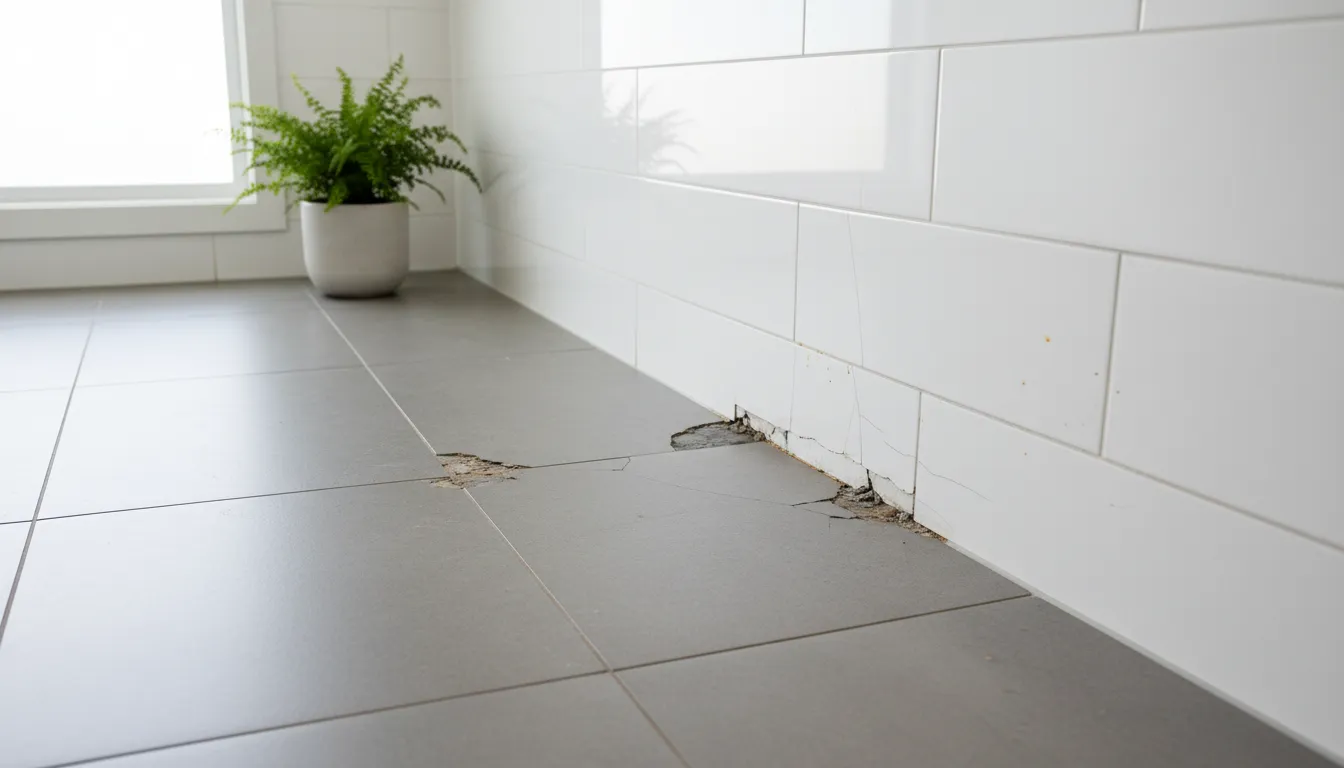
Minor cosmetic issues are usually weaker grounds for negotiation. REIQ gives examples such as general deterioration, wear and tear, weathering, cleanliness, or a cracked bathroom tile as issues that may not justify termination or renegotiation on their own.
Renegotiating Price After Building Inspection Results
Renegotiating price after building inspection results should be based on repair evidence, not fear. The best approach is to separate major defects from minor defects, get quotes where possible, then make a clear request.
Use this simple process:
- Read the full report, not only the summary.
- Highlight defects linked to safety, structure, water entry, termites, or unapproved work.
- Ask the inspector to explain anything unclear.
- Get written repair quotes from licensed trades.
- Speak with your conveyancer or solicitor before sending a formal request.
- Ask for a price reduction, seller repairs, or a contract condition that matches the defect.
A standard building inspection report is not intended to estimate repair costs, so buyers may need a special-purpose report or separate trade quotes when they need cost details.
What Defects Justify a Price Reduction
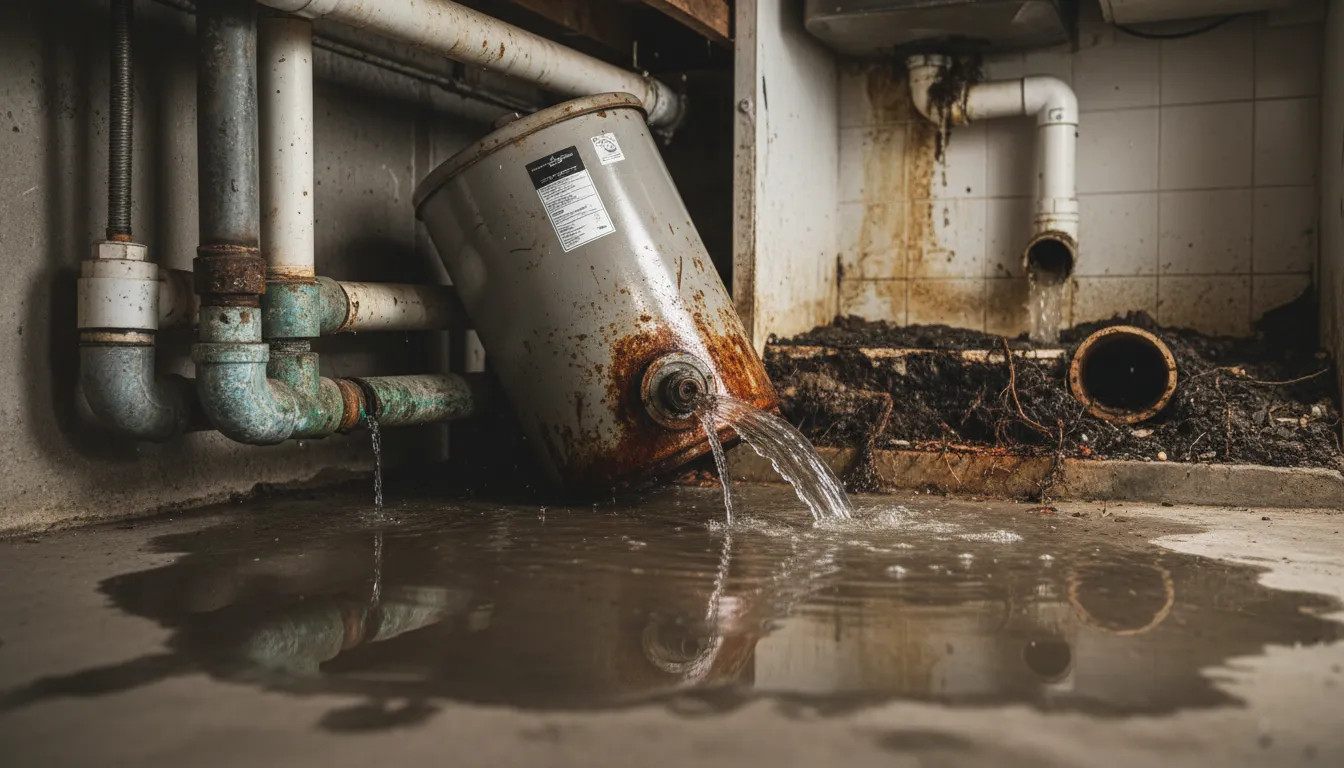
Not every defect justifies a price reduction. The strongest cases usually involve defects that are costly, unsafe, hidden, structural, or likely to worsen after settlement.
| Defect type | Usually worth negotiating? | Why it matters |
|---|---|---|
| Major structural movement | Yes | Can affect safety, repair cost, insurance, and resale |
| Active termite activity | Yes | May need treatment, timber replacement, and further investigation |
| Roof leaks or sagging roof frame | Yes | Can damage ceilings, insulation, wiring, and framing |
| Failed waterproofing or rising damp | Yes | Can lead to mould, timber decay, and costly wet area repairs |
| Unsafe electrical observations | Yes, with electrician advice | May need licensed specialist repair |
| Non-compliant renovation work | Yes | May affect future approvals, finance, insurance, or resale |
| Old carpet or dated paint | Usually no | Often considered normal wear and tear |
| Small plaster cracks | Usually no | May be normal ageing unless linked to wider movement |
| Dirty gutters or loose handles | Usually no | Better treated as maintenance |
Consumer Affairs Victoria lists warning signs buyers should check for, including sloping floors, damp brick walls, termite indicators, cracked walls, moisture in wet areas, fretting mortar, sagging roof lines, damaged roof tiles, and damaged asbestos materials.
What Defects Usually Do Not Justify Negotiation?
Minor and cosmetic items are weak negotiation points unless they form part of a larger pattern.
These usually do not justify a major price reduction:
- Worn carpet
- Dated paint
- Small chips or scratches
- Minor grout wear
- Loose fittings
- General weathering
- Minor deterioration consistent with age
- Small plaster cracks with no movement pattern
Most properties have minor defects, including blemishes, corrosion, cracking, weathering, general deterioration, unevenness, and physical damage to finishes.
Withdrawing Offer After Building Inspection
Withdrawing offer after building inspection may be possible if your contract gives you that right, the cooling-off period applies, or the contract is subject to a satisfactory building and pest inspection. The exact position depends on your state, contract wording, timing, and the defect findings.
Do not assume every defect gives you an automatic right to walk away. NAB says a correctly worded building and pest clause may give a buyer the right to withdraw if the report is not satisfactory, but buyers should seek solicitor advice on wording and act reasonably during building and pest negotiations.
In NSW, buyers usually have a 5 business day cooling-off period after exchange, but they may forfeit 0.25% of the purchase price if they withdraw, and the cooling-off period does not apply to auction purchases or some auction-related exchanges.
In Victoria, private residential property buyers generally have three clear business days to cool off, but there are exceptions, including some auction-related purchases.
Withdrawing Offer After Building Inspection QLD
Withdrawing offer after building inspection QLD should be handled carefully. In Queensland, buyers commonly rely on a building and pest condition, but the buyer’s response must usually be reasonable and tied to the inspection report.
REIQ explains that under the standard Queensland residential land sale contract, a buyer seeking to terminate based on a building and pest inspection report must act reasonably.
REIQ also says reasonableness can depend on the age of the property, severity of the building and pest problems, whether the issues were evident on inspection, and the potential cost of rectifying the defects.
For Queensland buyers, the safest next step is to send the report to your conveyancer or solicitor before withdrawing, renegotiating, or issuing any formal notice.
What If the Seller Is Not Willing to Negotiate After Inspection?
If the seller is not willing to negotiate after inspection, you still have options. The right choice depends on the contract, the defects, the market, and your risk tolerance.
| Seller response | Buyer option |
|---|---|
| Seller refuses any discount | Decide whether the property is still worth the agreed price |
| Seller offers a smaller reduction | Compare the offer against repair quotes and future risk |
| Seller offers repairs before settlement | Ask who will do the work, whether licensed trades are used, and how completion will be proven |
| Seller disputes the report | Ask whether they will allow a specialist inspection or provide counter-evidence |
| Seller ignores serious defects | Speak with your conveyancer about contract rights and deadlines |
Keep the conversation factual. Focus on the report, the repair quotes, and the risk. Avoid asking for a large discount on every small issue, as that can weaken the negotiation.
Preparing for a Building Dispute?
An expert witness report can help document defects, explain technical issues, and support your position in tribunal or legal proceedings.
Report Support
Average Price Reduction After Home Inspection
There is no fixed average price reduction after home inspection in Australia. The reduction depends on the defect type, repair quotes, property price, buyer demand, contract terms, and whether the issue was already obvious before the offer.
A roof replacement may support a larger request than worn paint. Active termite damage may lead to treatment costs, timber repair costs, and further investigation. A small cosmetic defect may support no reduction at all.
Use this simple formula as a starting point:
| Step | What to calculate |
|---|---|
| Repair quote total | Add written quotes for major defects |
| Urgency | Give more weight to safety, water, termite, and structural issues |
| Market condition | Strong seller markets may reduce bargaining power |
| Contract risk | Check deadlines and withdrawal rights with your conveyancer |
| Fair request | Ask for a reduction that matches evidence, not emotion |
Example Negotiation Scenarios
Scenario 1: Roof Repairs
The report identifies rusted roof sheets, failed flashings, and water entry into the ceiling space. The buyer obtains two roof repair quotes and asks for a price reduction based on the lower quote.
This is stronger than asking for a random discount because the request is linked to a report finding and a trade quote.
Scenario 2: Termite Damage
The pest inspection finds active termites in subfloor timbers. The buyer asks for treatment before settlement and a price reduction for timber repairs.
This is a strong negotiation point because REIQ lists major termite infestation as a serious issue that can affect value or liveability.
Scenario 3: Cosmetic Wear
The report notes worn carpet, old paint, and loose cupboard handles. The buyer asks for a large discount.
This is a weak request because minor defects and general wear are common in established properties and are often already reflected in the asking price. NSW Government notes most properties have minor defects such as blemishes, cracking, corrosion, weathering, and general deterioration.
How to Negotiate House Price After Inspection
When negotiating house price after inspection, keep the request short, factual, and tied to evidence.
Use this structure:
- Thank the seller or agent for access.
- State that the inspection found significant defects.
- Attach the relevant report pages and photos.
- Attach repair quotes if available.
- Explain the requested price reduction or repair condition.
- Ask for a written response before the contract deadline.
Sample wording: “Following the building and pest inspection, the report identified active water entry to the roof space and failed flashings. We have attached the relevant report pages and a repair quote. Based on these findings, we request a price reduction of $X or completion of the listed repairs by licensed trades before settlement.”
What is the Biggest Red Flag in a Home Inspection?
The biggest red flag in a home inspection is major structural movement or damage.
This is the issue buyers should treat most seriously because it can affect safety, cost, insurability, and resale value all at once. Structural problems also tend to trigger follow-on defects, such as cracking, leaking, sticking doors and windows, uneven floors, and roof distortion.
Signs that deserve close attention include:
- Wide or stepped cracks in brickwork
- Sloping or springy floors
- Soors and windows that no longer sit square in their frames
- Sagging roof lines
- Movement in retaining walls
- Signs of ongoing water entry around the building.
One isolated crack does not always mean a major structural problem. But when several signs appear together, buyers should slow down and get extra advice before moving forward.
Not sure which defects are deal breakers?
See the warning signs that often lead buyers to renegotiate, get specialist advice, or walk away from the property.
Red Flags
What Devalues a House the Most?
When buyers ask what devalues a house the most, the answer is usually not one small defect. It is a pattern of deferred maintenance that points to bigger cost and risk.
The defects that hit value hardest are usually:
- Structural movement and foundation issues
- Chronic water damage or failed waterproofing
- Termite damage
- Roof failure
- Mould linked to moisture problems
- Unapproved or non-compliant renovations
- Safety issues involving electrical, stairs, balconies, or handrails.
These problems can reduce value because they do more than cost money to fix. They make buyers nervous, raise questions from lenders and insurers, and create uncertainty about what else may be hidden.
How to Approach the Negotiation
The way you present your case matters as much as the evidence itself. Here is a practical approach that tends to produce the best results.
Step 1: Review the report carefully. Read the entire report and identify the defects that are significant enough to justify a price adjustment. Separate major issues from minor ones.
Step 2: Get repair quotes. For significant defects, obtain written quotes from licensed tradespeople. This gives you concrete cost figures to support your negotiation rather than guesswork.
Step 3: Calculate your request. Add up the estimated repair costs for all significant defects. This total forms the basis of your price reduction request. In some cases, you may not ask for the full amount, as negotiation involves give and take.
Step 4: Present through your conveyancer or solicitor. In most property transactions, negotiation happens through your legal representative or buyer's agent. They present the inspection findings and repair quotes to the vendor's agent or solicitor in a professional, factual manner.
Step 5: Be prepared to compromise. The vendor may counter-offer with a smaller reduction. Consider whether the revised price is still fair given the defects. If the vendor refuses to negotiate at all, you need to decide whether to proceed at the original price or walk away.
Your Options After a Building Inspection
After receiving your inspection report, you generally have four options:
-
Proceed at the agreed price. If the inspection reveals only minor defects consistent with the property's age and asking price, you may be comfortable going ahead without negotiation.
-
Negotiate a price reduction. Request a lower price that reflects the cost of addressing significant defects. This is the most common outcome when meaningful defects are found.
-
Request the vendor make repairs. Instead of a price reduction, you can ask the vendor to fix specific defects before settlement. This works best for clearly defined issues with straightforward repairs. Be aware that vendor-arranged repairs may not meet the standard you would choose.
-
Withdraw from the contract. If the inspection reveals serious problems that make the property unsuitable or too risky, you can exercise your cooling-off rights or invoke a "subject to inspection" clause to walk away. Depending on your contract terms, you may lose a small portion of your deposit.
What is One Thing You Should Do After You Finish an Inspection?
The one thing you should do after you finish an inspection is review the report with your inspector and identify which findings affect safety, structure, water entry, pest risk, or legal compliance.
That step turns a long report into a negotiation plan. Without quotes, buyers often guess. With quotes, you can show the seller what the defect is likely to cost and why your request is reasonable.
A good next-step checklist looks like this:
- Read the summary and defect ratings carefully
- Highlight the items that affect safety, structure, water entry, or legal compliance
- Ask the inspector to explain anything unclear
- Get quotes from licensed trades for the major issues
- Speak with your conveyancer or solicitor before making a formal request.
Tips for Successful Negotiation
- Be reasonable. Asking for a reduction that reflects actual repair costs is fair. Asking for a large discount based on minor issues will not be taken seriously.
- Do not wait. Cooling-off periods and contract conditions have deadlines. Start your negotiation promptly after receiving the report.
- Focus on facts. Present the inspector's findings and repair quotes rather than opinions or emotional arguments.
- Prioritise safety and structural issues. These carry the most weight with vendors, agents, and solicitors because they represent genuine risk and liability.
- Keep the relationship professional. You may still need to work with the vendor through settlement. A respectful negotiation keeps the process smooth.
- Know your walk-away point. Before negotiating, decide what price reduction would make the purchase worthwhile for you given the defects found. If the vendor will not meet your minimum, be prepared to walk away.
- Consider the market. In a buyer's market, vendors are more likely to negotiate. In a hot seller's market with competing offers, your leverage is reduced, but documented defects still carry weight.
A pre-purchase inspection is not just about finding problems. It is about giving you the information and evidence you need to buy a property at a fair price that accounts for its true condition.
For a complete overview, see our guide to pre-purchase building and pest inspections.
Getting the Most Value from Your Home and Building Investment
A building inspection gives you the facts you need before committing fully to a property. The report can help you negotiate price after a building inspection, request repairs, avoid hidden costs, or walk away from a risky deal when your contract allows it.
The strongest negotiations are based on clear defects, written evidence, realistic repair quotes, and advice from your conveyancer or solicitor.
Owner Inspections provides independent pre-purchase building and pest inspections across Sydney, Melbourne, Brisbane, and major Australian locations. Book an inspection before your contract deadline so you have the evidence needed to make a clear decision.
Need Help With a Defect Claim?
Speak with Owner Inspections about the right report for your situation, from defect documentation to expert evidence for disputes.
Frequently Asked Questions
Can I renegotiate the price after getting the home inspection results?
What is reasonable to ask for after home inspection?
Can you lower your offer on a house after inspection?
What happens if the seller is not willing to negotiate after inspection?
Can I withdraw my offer after building inspection?
Can I withdraw after building inspection in QLD?
Does a building inspection include termite detection?
Should I get quotes before negotiating?
Need a Pre-Purchase Inspection?
Our licensed inspectors cover Sydney, Melbourne, and all major Australian cities.
Related Articles

Pre-Sale Defect Inspection to Prevent Buyer Negotiations
A pre-sale defect inspection gives sellers the upper hand by identifying structural, plumbing, electrical, and pest issues before listing. This guide explains how addressing defects early reduces buyer repair requests and protects your sale price.

Rising Oil Prices and the Impact on Building Costs and Delays
Rising oil prices are pushing up building costs across Australia by lifting diesel, freight and material prices at the same time. For homebuyers, homeowners and investors, that can mean higher repair bills, longer lead times and more pressure on renovation or building budgets. This article explains how global oil benchmarks flow through to local fuel costs, why materials like PVC and bitumen are exposed, and what practical steps property owners can take to reduce risk before they buy, build or renovate.

Why Pre-Settlement Inspections Are Non-Negotiable for Property Buyers
Pre-settlement inspections give buyers their final opportunity to verify a property matches the contract before ownership transfers. This guide explains why they matter, your legal rights by state, what to check, and how to handle problems discovered during the walkthrough.