
Buying property in Australia is a major financial commitment, and many defects are not visible during a standard open home walkthrough. Cracked foundations, concealed termite damage, faulty wiring and leaking plumbing can remain hidden until they become expensive problems after settlement. A thorough pre-purchase inspection, guided by a detailed checklist, gives buyers the information they need to make confident purchasing decisions.
This guide provides a complete pre-purchase inspection checklist aligned with Australian Standard AS 4349.1 (Inspection of Buildings: Pre-purchase Inspections for Existing Buildings) and AS 4349.3 (Timber Pest Inspections). Whether you are a first home buyer or an experienced investor, this checklist will help you understand exactly what a qualified inspector examines and what to look for yourself during property viewings.
A pre-purchase inspection is not a cost. It is an investment that can save you tens of thousands of dollars by identifying defects before you sign a contract. The National Construction Code and Australian Standards set clear benchmarks for what your inspector should assess.
What Is a Pre-Purchase Building Inspection?
A pre-purchase building inspection is a professional assessment of a property's physical condition conducted by a licensed building inspector. The inspection follows the procedures set out in AS 4349.1 and produces a written report detailing the condition of all accessible building elements.
The inspection is typically arranged by the buyer during the cooling-off period or as a condition of the purchase contract. It is a visual, non-invasive assessment, meaning the inspector examines what is accessible and visible without moving furniture, lifting carpet or removing wall linings.
What the Australian Standard Requires
AS 4349.1 sets the minimum standard for pre-purchase building inspections in Australia. Inspectors must identify major defects, minor defects and areas of concern. A major defect is defined as one that requires significant expenditure to rectify or is a safety hazard. The report must also document any areas that could not be accessed or inspected.
Buying soon? Get the property checked before you commit
A pre-purchase inspection helps uncover major defects, safety issues and hidden risks before they turn into expensive surprises.
Inspection
What a Pre-Purchase Inspection Covers
A standard pre-purchase inspection examines the following areas and systems:
What a Pre-Purchase Inspection Does Not Cover
It is equally important to understand the limitations. A standard inspection under AS 4349.1 does not include:
| Excluded Item | Reason for Exclusion | Additional Inspection Required |
|---|---|---|
| Pest and termite assessment | Separate standard (AS 4349.3) | Timber pest inspection |
| Concealed plumbing and wiring | Non-invasive inspection only | Specialist plumbing or electrical report |
| Swimming pool compliance | Separate regulatory requirement | Pool safety inspection |
| Asbestos identification | Requires laboratory testing | Asbestos survey and testing |
| Soil conditions and contamination | Beyond scope of building inspection | Geotechnical or environmental report |
| Compliance with original building approval | Requires council records search | Section 10.7 or building certificate |
Important
A building inspection and a pest inspection are separate assessments governed by different Australian Standards. Always book both for a comprehensive understanding of the property's condition. Many inspectors offer combined building and pest inspections.
The Complete Pre-Purchase Inspection Checklist
The following checklist covers every area a qualified inspector should examine. You can also use this as a guide when attending open homes, though a professional inspection is always recommended before making a purchase.
Exterior Inspection Checklist
The exterior of the building often reveals the first signs of structural movement, water damage and maintenance neglect.
| Component | What to Check | Warning Signs |
|---|---|---|
| External walls | Cracking, bowing, staining, mortar condition | Diagonal cracks wider than 2mm, horizontal cracking |
| Cladding | Secure attachment, damage, weathering | Loose boards, peeling paint, gaps at joints |
| Windows and doors | Operation, seals, frames | Sticking, rotting frames, broken seals |
| Balconies and decks | Structural condition, waterproofing, balustrades | Bouncing, rust staining, non-compliant height |
| Fascia and eaves | Rot, paint condition, gaps | Soft timber, peeling paint, bird or pest entry points |
| Driveways and paths | Cracking, settlement, trip hazards | Heaving, tree root damage, ponding water |
| Fencing | Structural condition, lean, compliance | Leaning posts, rotting timber, non-compliant pool fencing |
| Retaining walls | Lean, cracking, drainage | Bowing, weep hole blockages, soil washout |
Interior Inspection Checklist
Internal defects can indicate problems with the structure, plumbing, ventilation or previous poor repairs.
Walls and Ceilings
Check for cracking, water stains, bubbling paint, uneven surfaces and signs of previous patching. Diagonal cracks near door and window frames may indicate structural movement. Water stains on ceilings often point to roof or plumbing leaks.
Floors
Walk across all floors checking for bouncing, unevenness, squeaking and soft spots. Uneven floors may indicate foundation movement. Soft spots in wet areas can signal water damage to the substructure.
Doors and Windows
Open and close every door and window. Check for sticking, gaps, broken hardware and draughts. Doors that stick at the top but have gaps at the bottom may indicate differential foundation settlement.
Wet Areas
Examine bathrooms, laundry and kitchen for signs of water damage, mould, failing grout and silicone, and adequate ventilation. Check under sinks for leaking pipes and staining. Test taps for water pressure and drainage speed.
Electrical
Verify the switchboard has safety switches (RCDs) installed. Check that power points and light switches operate correctly. Look for signs of amateur wiring such as exposed cables or non-standard installations. Note the age of the switchboard and whether it uses circuit breakers or older ceramic fuses.
Ventilation and Moisture
Look for condensation on windows, musty odours and visible mould growth. Inadequate ventilation in wet areas and subfloor spaces leads to moisture accumulation and potential structural damage over time.
Concerned about termites, moisture or hidden damage?
Read our pre-purchase building and pest inspection guide to understand what is covered, what is not, and what to check before you buy.
Inspections Guide
Roof Space Inspection Checklist
The roof void provides valuable information about the structural frame, insulation, ventilation and signs of water ingress or pest activity.
Roof frame condition: check for cracking, sagging, bowing or inadequate bracing in trusses and rafters
Sarking and underlayment: verify presence and condition of roofing membrane
Insulation: check type, coverage and condition, noting any gaps or compression
Water stains: look for evidence of past or current leaks at valleys, penetrations and gutters
Ventilation: assess whether adequate ventilation exists to prevent moisture buildup
Electrical wiring: check visible wiring for condition and compliance
Pest evidence: look for termite workings, mud tubes, borer holes and rodent activity
Subfloor Inspection Checklist
For properties with accessible subfloor spaces (raised or stumped homes), the subfloor inspection is one of the most telling parts of the assessment.
Stumps, piers and footings: check for deterioration, movement, ant caps and adequate bearing
Bearers and joists: assess for rot, termite damage, deflection and adequate connections
Moisture levels: use a moisture meter to identify damp areas and drainage problems
Ventilation: confirm adequate cross-ventilation exists to keep the subfloor dry
Plumbing: inspect visible waste and supply pipes for leaks, corrosion and compliance
Termite evidence: examine all timber for mud tubes, workings and damage
Drainage: check for standing water, soil erosion or blocked drainage paths
Roof Exterior Checklist
| Component | What to Check | Common Defects |
|---|---|---|
| Roof tiles or sheeting | Cracking, displacement, corrosion, condition | Broken tiles, rusted metal, lifted sheets |
| Ridge capping | Bedding and pointing condition | Cracked mortar, missing pointing |
| Valleys | Condition, rust, alignment | Corroded valley irons, debris buildup |
| Gutters and downpipes | Rust, sagging, leaks, capacity | Overflowing, disconnected, corroded |
| Flashings | Condition, seal integrity | Lifted flashings, poor sealing at penetrations |
| Chimneys and vents | Structural condition, flashing | Cracked masonry, deteriorated flashing |
Common Issues Found During Pre-Purchase Inspections
Understanding the most frequently identified defects helps you assess the significance of findings in your inspection report.
Most Common Major Defects
Data from thousands of Australian pre-purchase inspections shows the following are the most frequently identified major defects: rising damp and moisture ingress, cracking from foundation movement (particularly in reactive clay soils), termite damage or active infestation, non-compliant electrical installations, and defective waterproofing in wet areas.
Structural movement is particularly common across much of Australia due to reactive clay soils. These soils expand and contract with moisture changes, placing stress on foundations and causing cracking in walls and floors. Properties in Sydney, Melbourne and Brisbane are commonly affected.
Termite damage remains one of the most significant risks for Australian property buyers. CSIRO estimates that one in three Australian homes will be affected by termites during their lifetime. A timber pest inspection under AS 4349.3 is essential to identify current activity and previous damage.
Moisture and waterproofing failures affect both older and newer buildings. Poor waterproofing in bathrooms and on balconies can lead to structural timber decay, mould growth and expensive remediation.
Choosing a Qualified Building Inspector
Not all building inspectors offer the same level of service. Selecting the right inspector is just as important as getting the inspection done.
| Feature | Budget Inspector | Professional Inspector |
|---|---|---|
| Licensed and insured | Sometimes | |
| Follows AS 4349.1 | Not always | |
| Detailed photo report | ||
| Post-inspection phone consultation | ||
| Thermal imaging included | ||
| Combined building and pest option |
How to Use Your Inspection Report for Negotiation
Your inspection report is a powerful tool at the negotiating table. The findings give you documented evidence to support price reductions, repair requests or withdrawal from the purchase.
Review the Report Thoroughly
Read every section of the report, paying particular attention to major defects and safety items. Ask your inspector to explain anything you do not understand during the post-inspection consultation.
Obtain Repair Estimates
For significant defects, get written quotes from licensed tradespeople for the required repairs. These quotes provide concrete figures to support your negotiation position.
Prioritise the Issues
Separate major defects (structural, safety, compliance) from minor maintenance items. Focus negotiation on major defects that affect the property's value and livability.
Present Your Case
Share the relevant findings with the seller or their agent, supported by the inspection report and repair quotes. Request either a price reduction reflecting the repair costs or that the seller complete repairs before settlement.
Consider Your Options
If the defects are too severe or the seller refuses to negotiate, you may choose to walk away. A serious structural issue, active termite infestation or asbestos contamination can make a property a poor investment regardless of price.
Important
If your purchase contract includes a building inspection clause, ensure you act within the timeframe specified. Most contracts allow between five and fourteen business days for inspections and negotiation. Failing to respond within this period may mean you lose the right to negotiate or withdraw.
Australian Standards and Regulations
Pre-purchase inspections in Australia are governed by a framework of standards and regulations that set minimum requirements for inspection scope, methodology and reporting.
AS 4349.1 (Inspection of Buildings: Pre-purchase Inspections) defines the scope for building inspections, including what must be examined, how findings are categorised and what constitutes a major defect.
AS 4349.3 (Inspection of Buildings: Timber Pest Inspections) covers pest inspections, specifying procedures for identifying termites, borers and wood decay fungi.
The National Construction Code (NCC) sets the minimum performance requirements for new building work in Australia. While pre-purchase inspections apply to existing buildings, the NCC provides benchmarks for assessing compliance of additions, renovations and recently constructed homes.
State and territory licensing requirements vary. In NSW, building inspectors typically hold a builders licence or accredited inspector qualification. In Queensland, inspectors must hold appropriate licensing under the QBCC framework. Always verify your inspector's credentials with the relevant state authority.
Need clarity before you sign the contract?
Speak with Owner Inspections to arrange the right inspection and get clear advice on the next steps before settlement.
Frequently Asked Questions
How much does a pre-purchase building inspection cost in Australia?
Combined building and pest inspections usually range from $500 to $800. Larger properties, multi-storey homes and properties with extensive outbuildings may attract higher fees. The cost is minor compared to the potential expense of undiscovered defects.
How long does a pre-purchase inspection take?
The duration depends on the property's size, age, accessibility and condition. Larger or older properties require more time. Be cautious of inspectors who complete assessments in under an hour, as this rarely allows adequate time for a thorough examination.
Can I attend the pre-purchase inspection?
Attending the inspection allows you to see defects firsthand, ask questions in real time and gain a better understanding of the property's condition. Most inspectors will walk you through their findings at the end of the on-site inspection.
What is the difference between a major defect and a minor defect?
Examples of major defects include structural cracking, active termite damage, failed waterproofing and non-compliant electrical systems. Minor defects include cosmetic cracking, minor paint deterioration and worn fixtures. The distinction matters because major defects have direct implications for property value and safety.
Does a pre-purchase inspection check for asbestos?
Inspectors may note the suspected presence of asbestos-containing materials based on the age of the property and visual assessment, but laboratory testing is required for positive identification. Properties built before 1990 in Australia may contain asbestos in roofing, wall cladding, flooring, insulation and wet area linings. A separate asbestos survey is recommended if asbestos is suspected.
Is a building inspection mandatory when buying property in Australia?
Most conveyancers and solicitors advise buyers to include a building and pest inspection clause in their purchase contracts. Without an inspection, you accept full risk for any defects present at the time of purchase.
What happens if the inspection finds major defects?
Your inspector and solicitor can advise on the severity of the findings. For significant structural issues, it may be worth commissioning a specialist engineer's report before making a final decision.
Do I need both a building inspection and a pest inspection?
A building inspection under AS 4349.1 covers structural and general building condition. A pest inspection under AS 4349.3 specifically targets termites, borers and wood decay fungi. Combined inspections are offered by many qualified inspectors and provide the most comprehensive assessment.
Can a building inspection uncover illegal building work?
Common signs of unapproved work include additions with different construction quality, enclosed verandas, converted garages and non-compliant stairways. If unapproved work is suspected, a Section 10.7 Planning Certificate or council building records search is recommended.
What should I do before the inspection appointment?
Inform the real estate agent that you need access to manhole covers, meter boxes and locked areas. Clear access saves time and ensures a more thorough inspection. Provide the inspector with any specific concerns you have about the property so they can pay particular attention to those areas.
How soon after the inspection will I receive the report?
Reports are typically delivered electronically as a PDF document with colour photographs. Many inspectors also offer a verbal summary at the end of the on-site inspection and a follow-up phone consultation to discuss findings in detail.
Are pre-purchase inspections only for houses, or do apartments need them too?
For apartments, the inspection focuses on the individual unit, common areas and visible building elements. A strata records inspection is also recommended to assess the building's financial health, maintenance history and any pending special levies or legal disputes. For houses, the full scope of AS 4349.1 applies.
Key Takeaways
- A pre-purchase inspection under AS 4349.1 examines all accessible structural, electrical, plumbing and building elements
- Always book both a building inspection and a pest inspection (AS 4349.3) for comprehensive property assessment
- Major defects include structural cracking, active termite damage, failed waterproofing and non-compliant electrical systems
- Standard inspections are visual and non-invasive, so some defects may require specialist follow-up investigations
- Use your inspection report and repair quotes to negotiate a fair purchase price or request repairs before settlement
- Verify your inspector holds a current licence, carries professional indemnity insurance and follows Australian Standards
- Attend the inspection in person to see defects firsthand and ask questions
- Act within the timeframe specified in your contract's building inspection clause to preserve your negotiation rights
References and Resources
Related Articles

Decoding Pre-Purchase Inspection Reports
Understanding your pre-purchase inspection report is essential for making confident purchasing decisions. Learn how to decode technical findings and identify significant problems.
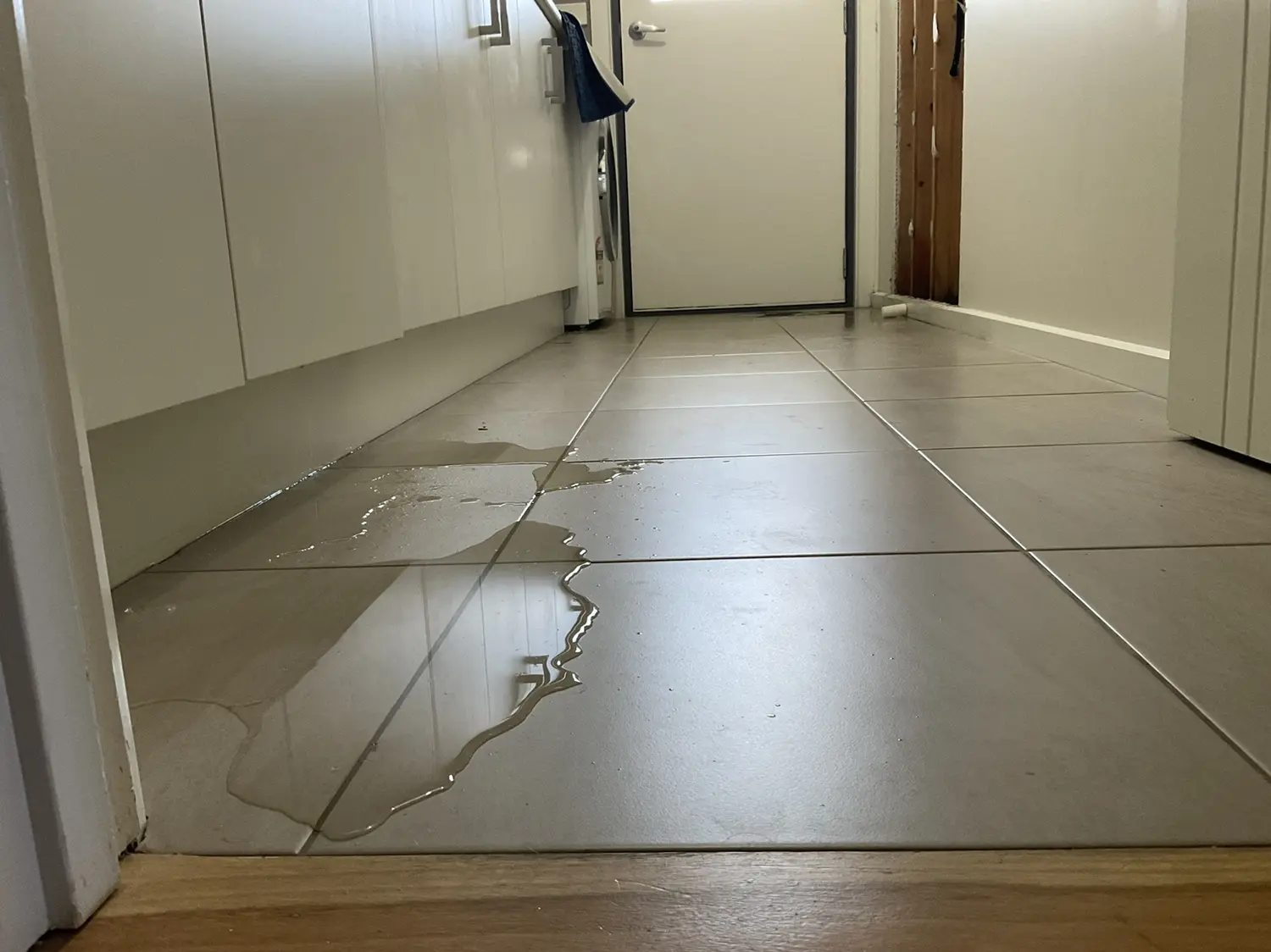
Why Property Defect Inspections Are Important for Buyers
Property defect inspections help buyers identify hidden problems before purchasing. Learn what inspectors look for and how findings affect your buying decision.
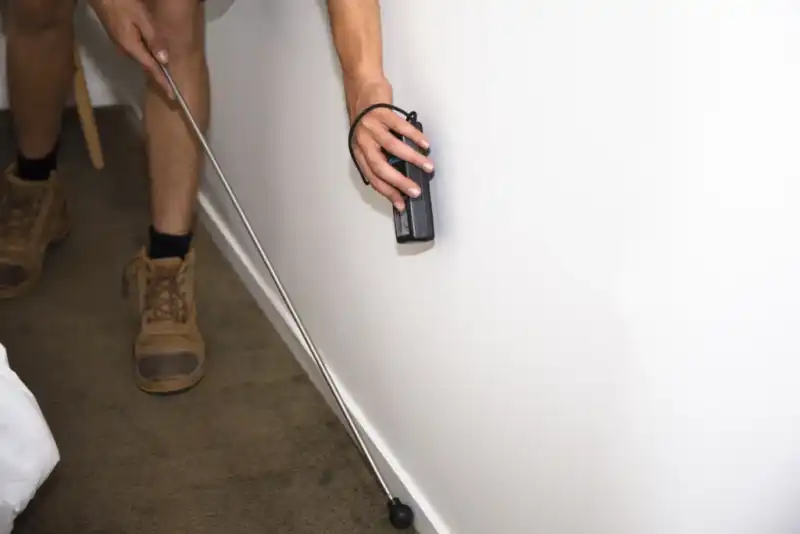
What's Involved in a Building and Pest Inspection
Building and pest inspections are essential before purchasing property. Understand what the process involves and what inspectors examine.
Need a Pre-Purchase Inspection?
Our licensed inspectors cover Sydney, Melbourne, and all major Australian cities.