

Yet moving interstate is not just about booking removalists and packing boxes. It can also mean buying into a property market you do not know well, relying on listing photos, dealing with settlement from another state and trying to judge the condition of a home before your furniture arrives.
19,092
Queensland net interstate migration gain, year ending September 2025. Source: ABS
23,353
NSW net interstate migration loss, year ending September 2025. Source: ABS
Reference: Australian Bureau of Statistics, National, state and territory population, September 2025.
That risk is real for many Australians. In the year ending September 2025, Queensland gained 19,092 people through net interstate migration, while NSW recorded a net interstate migration loss of 23,353. That means plenty of Australians are crossing state borders and making major housing decisions at the same time.
Your dream home should not come with unexpected structural defects, pest damage or urgent repair bills. Before the moving truck arrives, check both your moving plan and the actual condition of the property.
Below is a practical moving interstate checklist for Australian home buyers, homeowners and investors who want fewer surprises before move-in day.
Disclaimer: This article is general information only and is not legal, financial or building compliance advice. Speak with your conveyancer, solicitor, insurer or licensed specialist for advice about your situation.
Document Defects Before They Become Bigger Problems
Moving into a new home and notice cracks, leaks, poor finishes or signs of damage? Learn how to record building defects properly before a repair dispute starts.
Documentation Guide
What Should You Know Before Moving Interstate?
Before moving interstate, focus on five checks.
-
Set a realistic moving budget that includes removalists, travel, utilities, insurance, storage, cleaning, inspections and repair money.
-
Create a packing and unpacking plan early, including labelled boxes, a first-week box and a separate document folder.
-
Confirm the property condition with a professional pre-purchase inspection, building and pest inspection or property condition report before settlement where possible.
-
Research the neighbourhood, including schools, commute times, shops, healthcare, public transport, local risks and access to trades.
-
Prepare an overnight bag for the first 24 to 48 hours, including clothing, medication, chargers, key documents, children’s items, pet supplies and a saved copy of your inspection report.
Things to Know Before Moving Into Your Dream Home
1. Build a Realistic Interstate Moving Budget
One of the first things to get right when moving interstate is the budget. Many buyers plan for the property price, deposit and stamp duty, then underestimate how much the move itself will cost.
Interstate relocation can involve removalist costs, packing supplies, flights, fuel, accommodation, meals, utility connection fees, insurance, storage, cleaning and pet relocation. Those smaller expenses can build quickly, especially if you are moving with children, pets or large furniture.
A better moving budget should also include property checks and repair money. This matters because the home may need work before it is safe or comfortable to live in. A building inspection or pest inspection may find roof issues, moisture, safety hazards, termite activity or drainage concerns that affect your first few months in the property.
| Cost category | What to budget for |
|---|---|
| Removalists | Interstate transport, access issues, heavy items, packing support and transit insurance |
| Travel | Flights, fuel, hire car, accommodation, meals and pet transport |
| Utilities | Electricity, gas, water, internet and connection fees |
| Property checks | Building inspection, pest inspection, pool inspection or solar inspection where needed |
| Repairs | Urgent defects, moisture problems, roof issues, pest damage or safety hazards |
| Storage and cleaning | Short-term storage, end-of-lease cleaning, rubbish removal and bond cleaning |
A moving budget should reduce pressure, not add to it. Give yourself room for the items you cannot see from a listing photo. If the inspection report shows work is needed, you will have a clearer idea of what to deal with before and after settlement.
Here are some of the expenses in details that you must consider before moving out of your original home:
- Removalist costs: Hiring removalist services from Muval interstate movers or other local movers will rack up a pretty penny, but they’re essential to ensuring your items get moved safely. Ensure that you have enough funds to cover their services, and consider vetting different movers to find one that offers the best value for your needs.
- Packing materials: If you don’t have cardboard boxes at home or other packing materials like styrofoam or duct tape, then you may need to head to the hardware store to get some high-grade stuff.
- Travel expenses: Besides the payment for moving your belongings, you should also consider your own relocation. This may entail a ticket flight from a ferry or aircraft. If you’re bringing family along, consider their ticket as well.
- Utility setup costs: One-time installation fees may be charged to you as you move into your new space. Have these values in mind before heading to your dream home to ensure your water and electricity are operational by the time you move in.
2. Plan Your Packing and Unpacking Strategy Early
Packing for an interstate move takes longer than most people expect. You are not just boxing up plates and clothing. You are deciding what should travel, what should be sold, what should be donated and what should stay within reach during settlement.
Start with decluttering. Sell, donate or dispose of items that do not suit the new home. This can reduce removalist volume and may lower your moving cost.
Pack by room and priority. Use clear labels such as “Kitchen, open first”, “Bedroom, low priority” or “Garage, tools”. Keep fragile, valuable and personal items separate. Take photos of electronics before unplugging cables, so setting them up later is easier.
Create a first-week box for items you will need straight away. Include basic cookware, towels, linen, cleaning wipes, toilet paper, bin bags, school items, work items and a few tools.
Do not pack your inspection report, contract documents, insurance papers or settlement notes into general boxes. Keep them in your overnight bag or document folder. When a question comes up about a defect, inclusion, appliance, access issue or repair, you do not want that paperwork buried in the moving truck.
3. Check Your New Property’s Condition Before Moving In
This is the check many interstate buyers leave too late.
When you are buying from another state, you may only see the home through listing photos, video tours, agent walkthroughs or one rushed inspection. Those tools help, but they do not replace an independent view of the property’s condition.
Listing photos are designed to show the property at its best. They may not show roof defects, subfloor moisture, drainage issues, cracking, dampness, damaged decks, pest activity or poor ventilation. A cosmetic renovation can also make a home look move-in ready while hiding defects that cost money later.
NSW Government says a building inspection report is a written account of a property’s condition and may include defects or problems such as rising damp, cracking from wall movement, safety hazards or a faulty roof. It also notes that reports are usually carried out before contract exchange so buyers can identify problems that may be costly to repair if left unchecked.
Consumer Affairs Victoria also advises buyers to consider engaging a qualified building inspector, surveyor or architect to provide a professional building inspection report before signing a contract of sale.
For interstate buyers, that timing matters. It is far better to learn about structural defects, roof leaks, timber pest risk or safety hazards before the moving truck arrives. Once your furniture is inside, repairs become harder to plan and more disruptive.
A professional inspection can also help you speak with your conveyancer, solicitor or agent using clearer information. It gives you photos, findings and defect notes rather than guesswork.
QWhat Should an Interstate Buyer’s Inspection Report Include?
A useful inspection report should be clear, visual and practical. It should help you understand what the inspector saw, why it matters and what may need further review.
Look for reporting on:
- Structural defects
- Roof and ceiling condition
- Wall cracks and movement
- Dampness and moisture
- Drainage and stormwater issues
- Pest activity or pest-friendly conditions
- Safety hazards
- Major and minor defects
- Photos of key findings
- Recommendations for further specialist assessment where needed
The goal is not to make every home look bad. The goal is to understand what you are buying before you move your family, furniture and finances into it.
QWhich Inspection Should You Book Before Moving Interstate?
| Inspection type | Best for |
|---|---|
| Pre-purchase building inspection | Understanding the condition of the property before settlement |
| Pest inspection | Checking termite, timber pest or pest-related risks |
| Combined building and pest inspection | Buyers who want one practical report pathway before moving |
| Structural integrity report | Serious cracking, movement or suspected structural problems |
| Property condition report | Move-in planning, maintenance and documentation |
Queensland buyers should also check who is allowed to complete the work. QBCC states that only a licensed residential building inspector can complete pre-purchase building inspections, and only a licensed pest controller can complete termite inspections. A building and pest inspection is a practical option for buyers who want one clear report pathway before moving.
4. Research the Neighbourhood and Nearby Amenities
A home may look perfect on paper, but the surrounding neighbourhood will shape daily life.
Check commute times during peak hours, not just on a quiet Sunday. Look at school and childcare options, hospitals, clinics, supermarkets, public transport, local parks, gyms, fuel stations and council services.
Safety and comfort matter too. Research traffic noise, flight paths, nightlife, nearby industrial areas, flood overlays, bushfire exposure, stormwater issues and local repair access. If a pipe bursts, a roof leaks or an electrical fault appears, you need to know whether local trades are easy to contact.
Neighbourhood research should also include property-risk context. A buyer moving to Queensland, for example, may need more awareness of termite risk, weather exposure, drainage and stormwater issues. Queensland Government advises buyers to get inspections done before purchase to identify property issues, including building, pest, swimming pool and solar system inspections where relevant.
Speak with local residents where possible. Walk the area at different times of day if you can. Check how close you are to shops, schools and medical care. Your home is not only the building. It is the lifestyle and risk profile around it.
Found Defects Before Move-In Day?
An independent defect investigation report can help identify the issue, record the evidence and give you clearer next steps before repairs or disputes begin.
Investigation Report
5. Prepare an Overnight Bag and First-Week Safety Kit
The first night after moving interstate can be messy. You may arrive tired, hungry and surrounded by boxes. If your key items are packed away, even simple tasks become stressful.
Pack an overnight bag for the first 24 to 48 hours. Include clothes, toiletries, medication, phone chargers, laptops, children’s items, pet supplies, basic kitchen items, snacks and water bottles.
Add a first-week safety kit as well. Include a torch, tape measure, first-aid kit, cleaning wipes, bin bags, basic tools, spare batteries and a list of emergency contacts.
Documents to Keep With You, Not in the Moving Truck
Keep these documents in a folder or saved securely on your phone:
- Building inspection report
- Pest inspection report
- Property condition report
- Contract documents
- Settlement notes
- Insurance papers
- Utility account details
- Removalist booking details
- Contact details for your inspector, conveyancer, agent, insurer and utility providers
This is a simple step, but it can save time if there is damage during the move, a question about settlement, a utility delay or a repair issue that needs quick attention.
Interstate Move-In Timeline: What to Do and When
An interstate move works best when relocation tasks and property checks happen together.
| Timing | Moving task | Property task |
|---|---|---|
| 8 to 12 weeks out | Research removalists, schools, suburbs and travel | Shortlist inspection providers in the destination state |
| Before signing or contract period | Confirm finance and legal advice | Book building and pest inspection |
| 4 to 6 weeks out | Declutter and start packing | Review report findings and repair priorities |
| 2 to 3 weeks out | Transfer utilities and update address | Arrange follow-up checks if needed |
| Week of settlement | Confirm keys, access and removalist timing | Conduct final inspection where applicable |
| First week after move | Unpack priority boxes and settle in | Address urgent safety or maintenance issues |
This timeline is flexible, but the main point is simple. Do not treat inspection as a last-minute task. If you are buying remotely, book early enough to review the report and ask questions before decisions become harder to change.
Common Defects to Check Before Moving Into a Dream Home
Every property has some wear. The key is knowing which defects are minor maintenance items and which ones may affect safety, repair budgets or liveability.
Common defects to check before moving into a home include:
Rising damp Cracking in walls Roof leaks Faulty roof coverings Poor drainage Subfloor moisture Termite or timber pest activity Poor ventilation Unsafe decks or balconies Water damage Unapproved renovations Electrical or plumbing concerns that need a licensed specialist review
Australian Standards also give inspection work a clearer framework. Standards Australia lists AS 4349.1-2007 as “Inspection of buildings, Part 1: Pre-purchase inspections, Residential buildings”, while AS 4349.3-2010 relates to “Inspection of buildings, Part 3: Timber pest inspections”.
A report does not remove every risk. It gives you a better view of the property at the time of inspection. For interstate buyers, that view can be the difference between moving in prepared and moving in shocked.
Should You Book a Building and Pest Inspection Before Moving Interstate?
Yes, especially if you are buying remotely, relying on listing images or moving into an unfamiliar property market.
A building and pest inspection can help identify defects before move-in day. It may also help you understand repair priorities, protect your moving budget and support clearer discussions with your conveyancer or agent.
For remote buyers, photos and written findings are especially useful. They give you evidence you can review from another state. This matters when you cannot easily revisit the home, bring a trusted builder through or check every roof space, subfloor area or damp patch yourself.
A building inspection may help identify visible defects and safety concerns. A pest inspection may help identify termite activity, timber pest damage or pest-friendly conditions. A structural integrity report may be more suitable if there are signs of serious movement, cracking or structural concern.
Owner Inspections provides independent pre-purchase building inspections, building and pest inspection reports, pest inspections, structural integrity reports and property condition reports. These reports are designed to give buyers clearer findings, photos and practical recommendations before they move.
Key Takeaways
- Moving interstate requires relocation planning and property due diligence.
- Budget for more than removalists, packing and travel.
- A professional inspection can help identify defects before move-in day.
- Keep inspection and settlement documents separate from packed boxes.
- Research the neighbourhood, including amenities, safety and local property risks.
- Keep your first-night items with you, not in the moving truck.
- Owner Inspections can help interstate buyers understand property condition before they relocate.
Moving Interstate? Speak With Owner Inspections
Before you move your family, furniture and finances into a new home, get clear advice from an independent inspection team that understands property defects and buyer risk.
Getting the Most Value from Your Home and Building Investment
Moving interstate into a newly purchased home is a major step. The right planning can help you avoid stress, delays and repair surprises.
Start with your moving budget. Plan your packing early. Research the neighbourhood. Keep your first-night bag ready. Most of all, confirm the condition of the home before move-in day.
Before you move your family, furniture and finances into an interstate property, make sure the home is safe, inspected and ready. Owner Inspections provides independent building inspections, pest inspections, structural integrity reports and property condition reports with clear findings, photos and practical recommendations.
Book an inspection before settlement and move into your dream home with fewer surprises.
Frequently Asked Questions
What should I check before moving interstate into a new home?
Should I get a building inspection before moving interstate?
Is a pest inspection important before moving into a new home?
How early should I start planning an interstate move?
What costs should I include in an interstate moving budget?
What should be in my overnight bag when moving interstate?
Can I rely on listing photos when buying a home interstate?
What defects should I look for before moving into a house?
What is a final inspection before settlement?
Do inspection rules differ by Australian state?
What Australian Standard applies to pre-purchase building inspections?
Can Owner Inspections help if I am moving from another state?
Related Articles
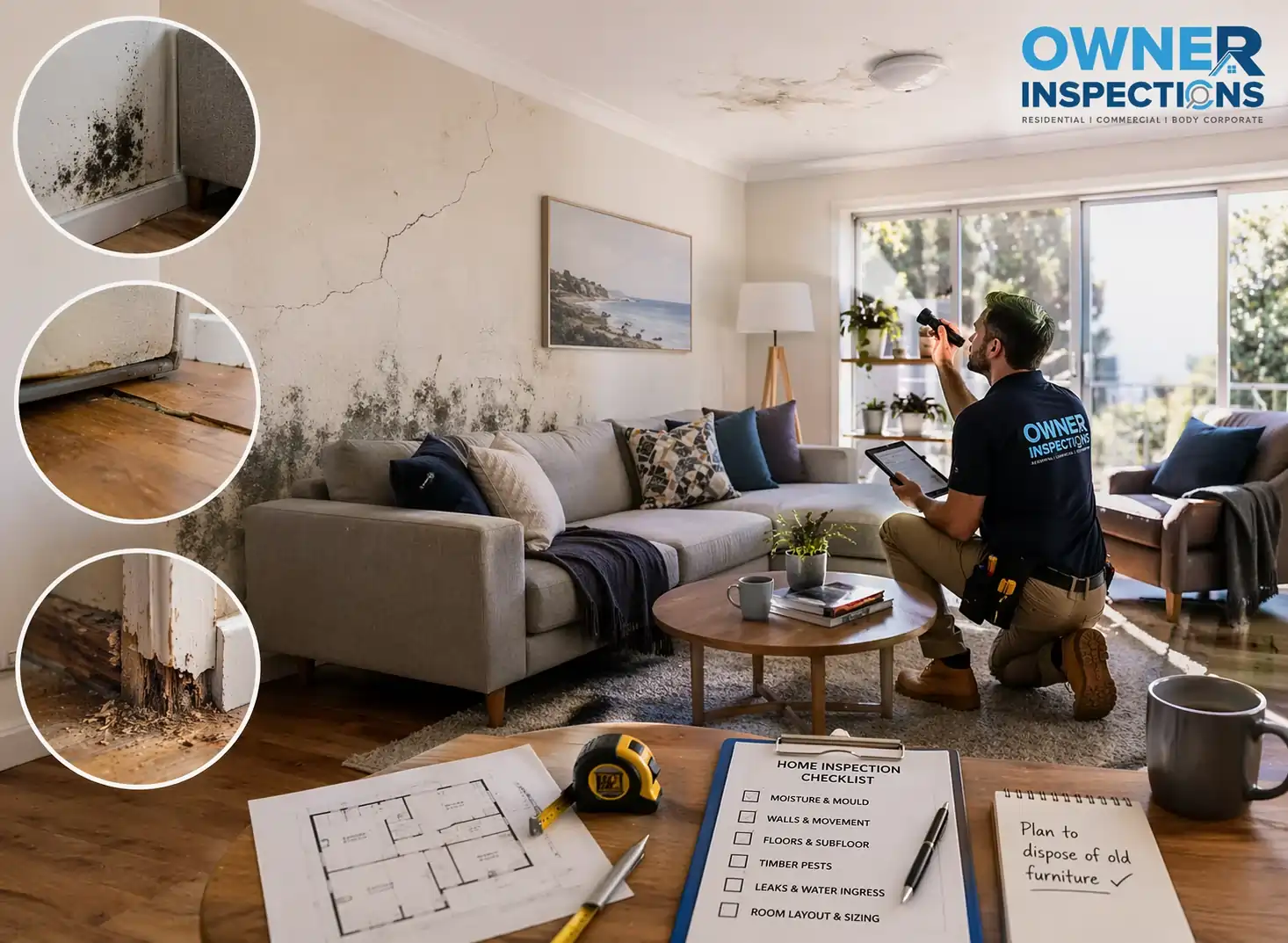
6 Hidden Home Issues to Check Before Replacing Your Living Room Furniture
Before replacing your living room furniture, check whether the real problem is hidden in the room itself. This guide explains how to spot damp, mould, cracks, uneven floors, leaks and termite damage, then decide whether you need an inspection, a repair, or simply a better furniture plan.

Benefits of Pre-Sale Inspections for Sellers and Buyers
A pre-sale building inspection gives sellers the chance to fix defects before listing, justify their asking price, and build buyer trust. For buyers, it removes uncertainty, reduces risk, and speeds up the purchase process. This guide covers the full range of benefits for both sides of the transaction.
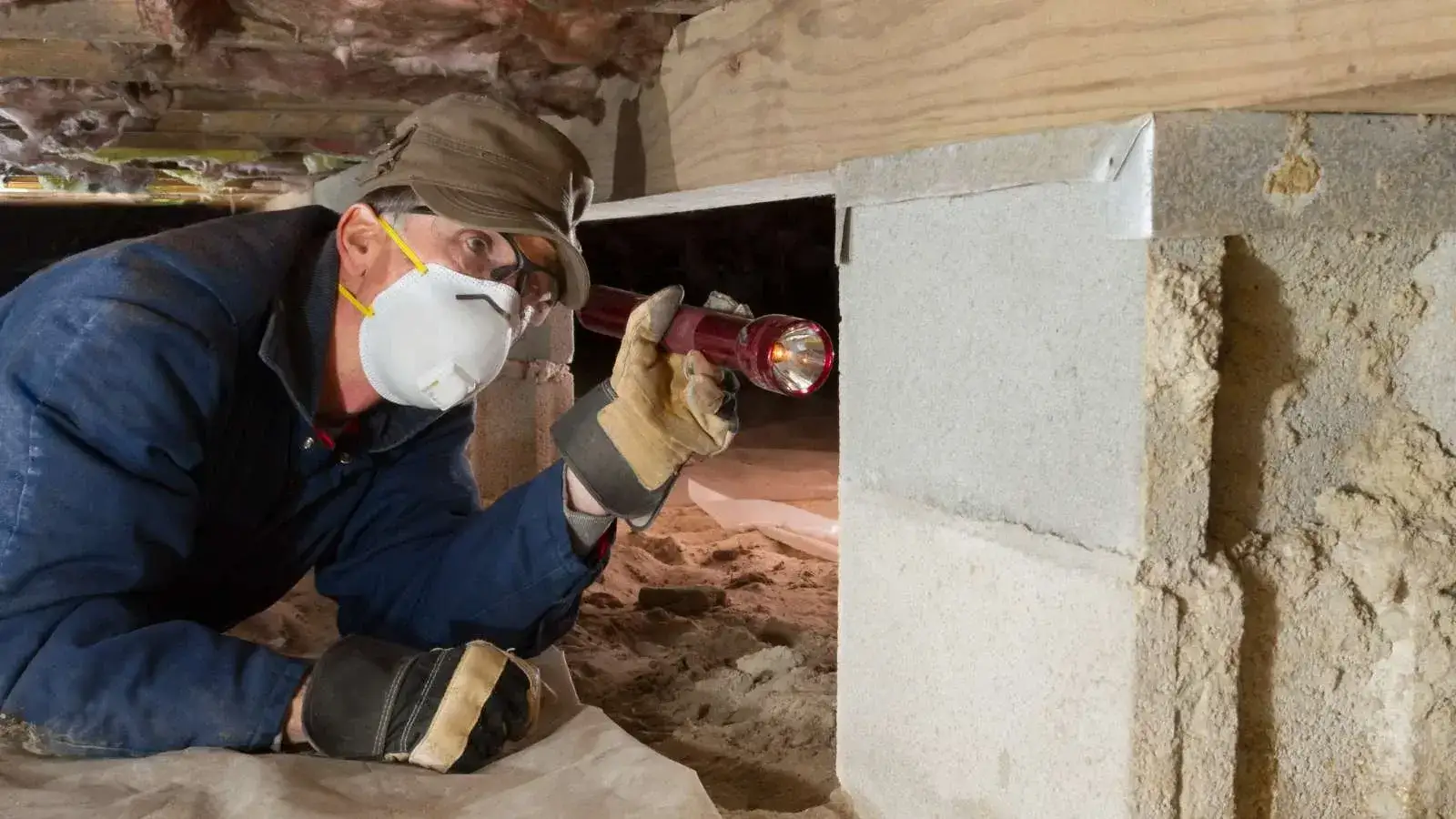
First-Time Homebuyer's Building and Pest Inspection Guide
A building and pest inspection is one of the most important steps for first-time homebuyers in Australia. This guide covers what the inspection includes, typical costs, common defects found, how to read the report, and how to use the findings to make a confident purchase decision.