
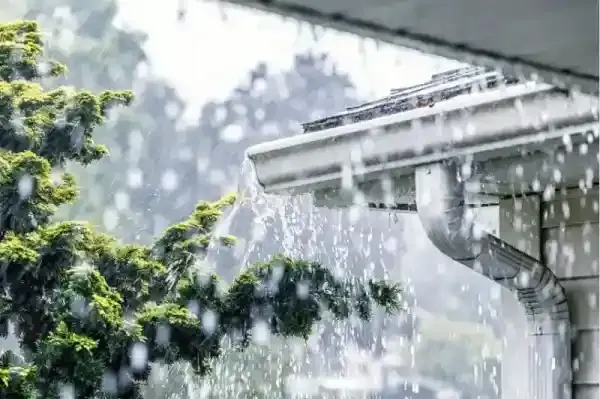
Australia is no stranger to extreme weather. From the devastating bushfire seasons that sweep through New South Wales and Victoria to the cyclones battering Queensland's coastline, homeowners face a growing list of climate hazards. Building a resilient home is no longer a luxury. It is a necessity.
Resilient construction focuses on designing and building homes that can withstand, adapt to, and recover quickly from extreme weather events. Whether you are planning a new build or looking to retrofit an existing property, understanding the principles of resilient construction can save you significant costs, protect your family, and preserve the long-term value of your home.
This guide walks through the essential strategies for building a home that stands up to Australia's harshest conditions.
Why Resilient Construction Matters in Australia
Australia's climate is becoming more volatile. The Bureau of Meteorology has recorded rising average temperatures, longer drought periods, and more intense rainfall events over the past two decades. These changes translate directly into increased risk for homeowners.
Insurance claims related to natural disasters have surged. The Insurance Council of Australia has reported billions of dollars in claims from storms, floods, and bushfires in recent years alone. Homes built without resilience in mind suffer disproportionately.
"Investing in resilient construction at the design stage typically adds 5 to 10 per cent to build costs, but can reduce long-term repair and insurance expenses by 30 per cent or more. It is one of the most cost-effective decisions a homeowner can make."
The Australian Building Codes Board (ABCB) sets minimum standards through the National Construction Code (NCC), but building beyond minimum compliance is strongly recommended for properties in high-risk areas.
Site Selection and Preparation
Choosing the Right Location
Before a single footing is poured, the site itself plays a critical role in your home's resilience. Key considerations include:
- Flood mapping. Check local council flood maps and avoid building in designated flood zones wherever possible.
- Bushfire Attack Level (BAL). Properties in bushfire-prone areas receive a BAL rating under AS 3959, which determines construction requirements.
- Soil type and stability. Reactive clay soils expand and contract with moisture changes, placing stress on foundations.
- Topography. Hilltop and ridgeline sites face higher wind loads, while low-lying areas are more flood-prone.
Site Preparation Best Practices
Proper site preparation reduces long-term risk. This includes clearing vegetation to create defensible space around the home (particularly important for bushfire zones), ensuring adequate drainage away from the building envelope, and conducting thorough geotechnical surveys to understand soil conditions.
A professional building inspection at the site preparation stage can identify potential issues before construction begins.
Structural Fortification
Foundations Built to Last
The foundation is your home's first line of defence against extreme weather. In cyclone-prone regions of northern Australia, engineered slab-on-ground or deep pier foundations are commonly specified to resist uplift forces.
For flood-prone areas, raising the floor level above the defined flood level is essential. The NCC provides guidance on minimum floor heights, but building above these minimums offers additional protection.
Reactive soil sites benefit from waffle pod or stiffened raft slab systems that distribute loads evenly and accommodate ground movement.
Reinforced Framing
Standard timber framing may not provide adequate resistance in high-wind zones. Options for reinforced framing include:
- Steel framing for superior strength-to-weight ratios and termite resistance.
- Engineered timber products such as laminated veneer lumber (LVL) that offer consistent structural performance.
- Cyclone tie-down systems that connect the roof to the walls and walls to the foundations, creating a continuous load path.
The Housing Industry Association (HIA) provides resources for builders on compliant tie-down and bracing systems for various wind classifications.
Roof Construction and Wind Resistance
The roof is the most vulnerable element of a home during storms and cyclones. A well-designed roof can mean the difference between minor repairs and catastrophic failure.
Key design principles include:
- Hip roof profiles perform better in high winds than gable roofs, as they present less surface area to wind forces.
- Roof pitch between 25 and 35 degrees offers a good balance of wind resistance and water shedding.
- Triple-grip brackets and structural screws at every rafter-to-top-plate connection provide additional security.
Understanding different roof types and their inspection needs is vital when planning a resilient build. Regular inspections help ensure that connections remain secure over the life of the building. For homeowners in Queensland, professional roof inspections can identify vulnerabilities before storm season arrives.
Resilient Construction Strategies by Hazard Type
| Hazard | Key Strategies | Relevant Standards |
|---|---|---|
| Bushfire | Non-combustible cladding, ember guards, BAL-rated windows, defendable space | AS 3959, NCC Section G5 |
| Flooding | Elevated floor levels, water-resistant materials below flood line, backflow valves | NCC, local council overlays |
| Cyclone/Storm | Continuous tie-down systems, hip roofs, impact-resistant glazing | AS/NZS 1170.2 (Wind Actions) |
| Heatwave | High-performance insulation, reflective roofing, cross-ventilation | NCC Section J (Energy Efficiency) |
| Hail | Impact-rated roofing materials, protected skylights, hail guards on equipment | AS 2049 (Roof Tiles) |
| Earthquake | Reinforced masonry, flexible connections, braced frames | AS 1170.4 (Earthquake Actions) |
Water Intrusion Protection
Water damage is one of the most common and costly issues in Australian homes. Resilient construction addresses water intrusion at every level.
External Waterproofing
The building envelope must shed water effectively. This involves:
- Quality sarking and building wrap installed correctly beneath cladding and roofing to act as a secondary moisture barrier.
- Properly detailed flashings at all wall-to-roof junctions, window heads, and penetrations.
- Adequate eave overhangs (minimum 450mm) to protect walls from driving rain.
Drainage and Stormwater
On-site stormwater management is a critical but often overlooked element. Adequate sizing of gutters, downpipes, and stormwater drains prevents overflows during intense rainfall. Permeable paving and rain gardens can reduce runoff and lower the burden on municipal drainage systems.
Internal Moisture Control
Condensation causes hidden damage within wall and roof cavities. Effective vapour barriers, adequate ventilation, and correct insulation placement work together to manage internal moisture. Understanding how weather affects building performance helps homeowners plan maintenance schedules and identify warning signs early.
Fire-Resistant Design Under AS 3959
For properties in bushfire-prone areas, compliance with AS 3959 (Construction of Buildings in Bushfire-Prone Areas) is mandatory. The standard assigns a Bushfire Attack Level (BAL) based on vegetation type, slope, and distance from the hazard.
BAL Ratings and Their Requirements
BAL ratings range from BAL-LOW (minimal risk) to BAL-FZ (flame zone, direct flame contact expected). Higher BAL ratings require increasingly robust construction methods:
- BAL 12.5 to BAL 19. Ember protection is the primary concern. Mesh screens on openings, non-combustible gutters, and tempered glass windows are required.
- BAL 29. Increased radiant heat exposure demands fire-rated external walls, bushfire-rated windows, and enclosed subfloor spaces.
- BAL 40 and BAL-FZ. Construction must withstand direct flame contact. Non-combustible external materials throughout, bushfire shutters, and metal or concrete construction are typically necessary.
Practical Fire-Resistant Design Elements
Beyond code compliance, practical steps include:
- Installing ember-proof seals on all external doors.
- Using steel or fibre cement cladding instead of timber.
- Fitting 2mm aluminium mesh over all vents, weep holes, and openings.
- Creating and maintaining an Asset Protection Zone (APZ) around the home with low-fuel landscaping.
Energy Efficiency and Sustainability
Resilient homes are also energy-efficient homes. A well-insulated, well-sealed building envelope not only withstands extreme weather but also reduces heating and cooling costs significantly.
High-Performance Building Envelope
Achieving a high NatHERS star rating (7 stars or above) aligns closely with resilience goals. Strategies include:
- Double-glazed or low-E windows that reduce heat transfer while providing impact resistance.
- Bulk and reflective insulation in walls, ceilings, and floors exceeding minimum R-values.
- Airtight construction with controlled ventilation to manage both energy use and moisture.
Renewable Energy and Backup Systems
Solar panels paired with battery storage provide energy independence during grid outages caused by storms or bushfires. A resilient home should include provisions for backup power to run essential systems such as water pumps, refrigeration, and communications.
Rainwater harvesting systems with adequate storage capacity supplement mains water supply and provide an independent water source during emergencies.
Smart Home Technology for Resilience
Modern technology offers homeowners additional layers of protection and awareness.
- Weather monitoring systems provide real-time alerts for approaching storms, extreme heat events, or bushfire conditions.
- Automated bushfire sprinkler systems activate when ember attack is detected.
- Leak detection sensors alert homeowners to water intrusion before significant damage occurs.
- Smart shutters and blinds close automatically in response to high wind or heat events.
These technologies complement physical resilience measures and give homeowners greater control over their property's safety.
Benefits of Resilient Home Construction
Property Preservation
Homes built to withstand extreme weather maintain their structural integrity and aesthetic value over time. This reduces ongoing maintenance costs and avoids the disruption and expense of major repairs after weather events.
Insurance Savings
Many insurers offer premium reductions for homes that exceed minimum building code requirements. Documenting resilient construction features and maintaining records of inspections can support applications for lower premiums.
Peace of Mind
Knowing your home is designed and built to handle the worst that Australian weather can deliver provides genuine peace of mind. During emergency events, a resilient home is a safer place to shelter.
Increased Property Value
Buyers are increasingly aware of climate risk. A demonstrably resilient home commands higher resale values, particularly in areas with a history of natural disasters.
Financing Resilient Construction
Building beyond minimum code adds cost, but several options can help manage the investment:
- Green home loans. Some lenders offer discounted rates for homes that meet sustainability and resilience benchmarks.
- Government grants and rebates. Programs such as the Clean Energy Finance Corporation initiatives and state-based schemes may offset costs for energy-efficient and resilient features.
- Staged upgrades. For retrofits, prioritise the highest-risk elements first and address additional items over time.
Master Builders Australia can connect homeowners with accredited builders experienced in resilient construction techniques.
Retrofitting Existing Homes for Resilience
Not everyone is building new. Fortunately, many resilience upgrades can be applied to existing homes.
Priority Retrofits
The most impactful retrofits for existing homes include:
- Roof tie-down upgrades. Adding cyclone straps or brackets to secure the roof structure to walls.
- Window protection. Installing shutters, impact-resistant film, or upgrading to BAL-rated windows in bushfire zones.
- Sealing gaps. Closing openings where embers, water, or pests can enter the building envelope.
- Drainage improvements. Upgrading gutters, downpipes, and site drainage to handle increased rainfall intensity.
- Subfloor enclosure. Closing off open subfloor areas to prevent ember entry and reduce flood damage potential.
Getting a Professional Assessment
A qualified building inspector can assess your home's current resilience and recommend targeted improvements. This approach ensures you invest in the upgrades that deliver the greatest benefit for your specific location and risk profile.
Key Takeaways
- Site selection is foundational. Choosing an appropriate location and understanding local hazards sets the stage for a resilient home.
- Structural continuity matters. A continuous load path from roof to foundation is essential for wind resistance.
- Water management is multi-layered. Effective sarking, flashing, drainage, and moisture control work together to prevent water damage.
- AS 3959 compliance is mandatory in bushfire areas. Building beyond the minimum BAL requirements provides additional safety margins.
- Energy efficiency and resilience go hand in hand. A high-performance building envelope serves both goals simultaneously.
- Retrofitting is worthwhile. Even modest upgrades to existing homes can significantly reduce vulnerability to extreme weather.
- Professional inspections are essential. Regular inspections at every stage of construction and throughout the life of the building ensure resilience measures remain effective.
Frequently Asked Questions
QWhat is resilient home construction?
Resilient home construction refers to design and building practices that enable a home to withstand, adapt to, and recover from extreme weather events such as bushfires, floods, storms, and heatwaves. It goes beyond minimum building code requirements to provide enhanced protection.
QHow much extra does it cost to build a resilient home in Australia?
Building a resilient home typically adds 5 to 15 per cent to standard construction costs, depending on the level of protection and local hazard requirements. This additional investment is often recovered through lower insurance premiums, reduced maintenance costs, and higher property values.
QWhat is a Bushfire Attack Level (BAL) rating?
A BAL rating is an assessment under AS 3959 that classifies the level of bushfire threat to a building site. Ratings range from BAL-LOW to BAL-FZ (flame zone) and determine the construction requirements for external walls, windows, doors, roofing, and other elements.
QCan I retrofit my existing home for resilience?
Yes. Many resilience measures can be added to existing homes, including roof tie-down upgrades, window protection, improved drainage, sealing of gaps and openings, and installation of bushfire sprinkler systems. A professional inspection helps identify the most effective upgrades for your property.
QWhat roof shape is most resistant to wind?
Hip roofs, which slope inward on all four sides, generally perform best in high-wind conditions. They present less surface area to wind forces compared to gable roofs and distribute wind loads more evenly across the structure.
QDoes resilient construction improve my home's energy efficiency?
Yes. Many resilience strategies, such as high-performance insulation, quality glazing, and airtight construction, directly improve energy efficiency. A resilient home typically achieves a higher NatHERS star rating and lower running costs.
QAre there government incentives for building resilient homes?
Various federal and state government programmes offer grants, rebates, or low-interest loans for energy-efficient and disaster-resilient construction. The availability and scope of these programmes change regularly, so check with your local council and state government for current offerings.
QHow often should a resilient home be inspected?
Annual inspections are recommended, with additional checks before and after severe weather seasons. Key areas to monitor include roof connections, drainage systems, seals around openings, and the condition of fire-resistant elements.
QWhat materials are best for bushfire-prone areas?
Non-combustible materials such as steel framing, fibre cement cladding, concrete or clay roof tiles, and tempered or toughened glass are preferred in bushfire zones. Timber can be used in lower BAL zones with appropriate treatment and detailing.
Many insurers recognise resilient construction features and may offer reduced premiums. Providing documentation of your home's resilience measures, including inspection reports and compliance certificates, strengthens your case for premium reductions.
QWhat is a continuous load path and why is it important?
A continuous load path is a structural system that transfers forces from the roof through the walls and into the foundations without interruption. It is critical for resisting uplift and racking forces during high-wind events such as cyclones and severe storms.
QHow does climate change affect home construction requirements in Australia?
Climate change is increasing the frequency and intensity of extreme weather events across Australia. This is driving updates to the National Construction Code and state planning regulations, with higher standards for wind resistance, bushfire protection, flood resilience, and energy efficiency.
Build with Confidence
Extreme weather is an unavoidable reality for Australian homeowners. The good news is that proven construction methods and materials exist to protect your home and family from the worst that nature can deliver.
Whether you are planning a new build or upgrading an existing property, professional guidance makes a significant difference. Our licensed building inspectors can assess your site, review your plans, and ensure your home meets or exceeds the standards required for your specific hazard profile.
Contact Owner Inspections today to discuss how we can help you build or retrofit a home that stands strong through every season.
Related Articles
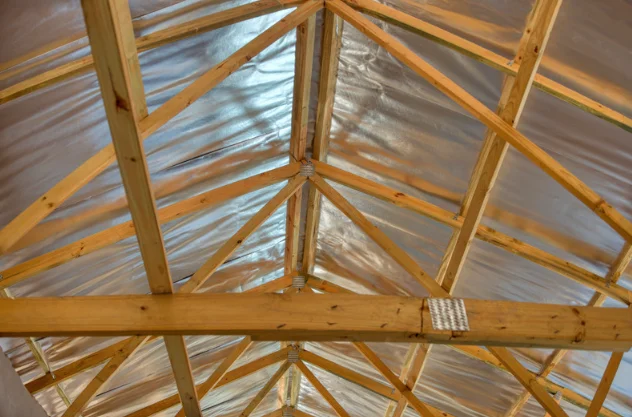
The Importance of Sarking in Building Construction
Sarking provides essential protection beneath your roof, preventing moisture, dust, and radiant heat from penetrating your home. Learn why it should not be skipped.
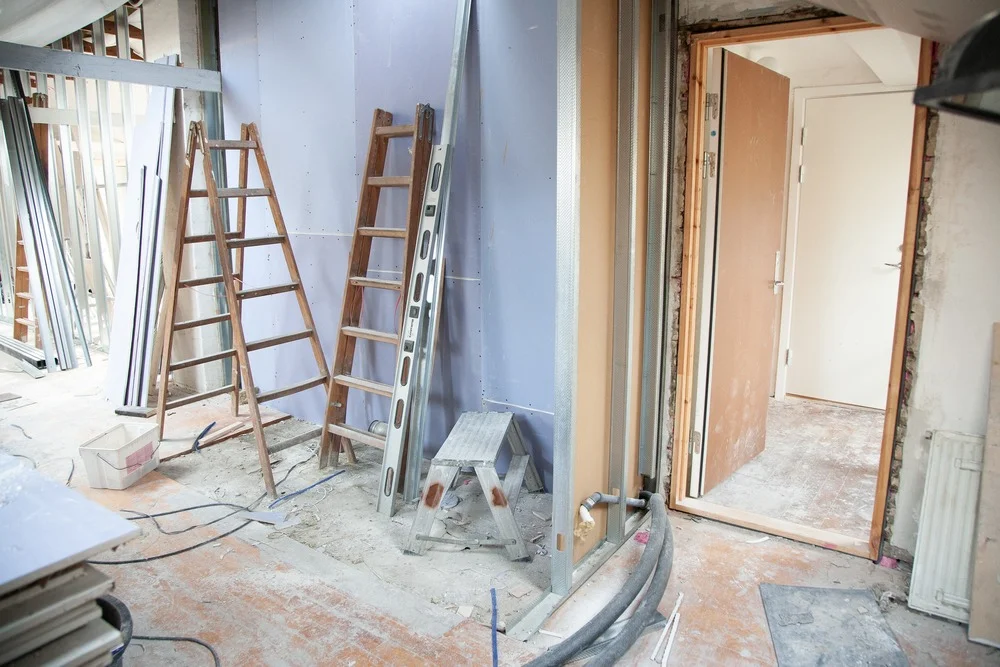
Cost-Saving Strategies for the Lock Up Stage in Construction
The lock up phase involves substantial expenses for windows, doors, and insulation. Learn proactive planning strategies and cost reduction tactics.

All You Need to Know About Fixing Inspections
A fixing stage inspection evaluates internal components before they are concealed, including cladding, architraves, doors, and built-in shelves. Learn what to expect.