
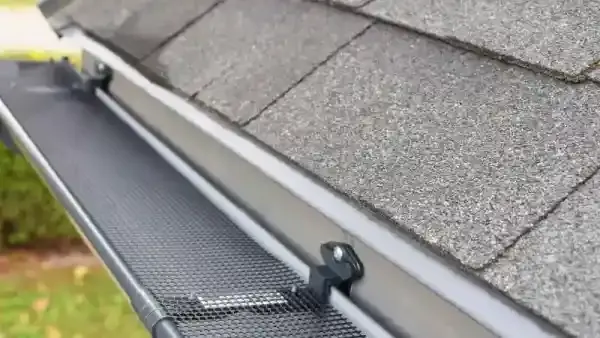
Yet many Brisbane homeowners overlook regular roof inspections until water is dripping through the ceiling or tiles are scattered across the yard after a storm. By that point, the damage is extensive and the repair bill is significant.
This guide explains how routine roof inspections protect your property, what they involve, when to schedule them, and how they can save you thousands of dollars over the life of your home.
Why Brisbane's Climate Is Tough on Roofs
Brisbane sits in a subtropical zone that delivers a unique combination of weather challenges. Understanding these pressures helps explain why roof inspections are not optional for local homeowners.
Extreme Heat and UV Exposure
Brisbane regularly records summer temperatures above 35 degrees Celsius, with roof surface temperatures climbing far higher. The Bureau of Meteorology confirms that Brisbane receives some of the highest UV index readings in the country. This relentless UV exposure degrades roofing materials over time, causing metal to oxidise, tiles to become brittle, and protective coatings to break down.
Severe Storms and Hail
The storm season from October to March brings intense thunderstorms, damaging winds, and hail events. In recent years, Brisbane has experienced multiple severe hail events that caused hundreds of millions of dollars in insured losses. Wind gusts during supercell thunderstorms can exceed 100 kilometres per hour, dislodging tiles, lifting metal sheeting, and driving rain into the smallest gaps.
High Humidity and Moisture
Brisbane's average humidity sits between 50 and 70 percent for much of the year. This persistent moisture encourages mould growth, timber rot in roof framing, and corrosion of metal fixings. Without regular inspection, these hidden issues can compromise structural integrity long before any visible signs appear inside the home.
Seasonal Temperature Swings
The cycle of heating and cooling causes roofing materials to expand and contract repeatedly. Over years, this thermal movement loosens fixings, cracks mortar bedding on tile roofs, and opens gaps in flashing. These small openings become entry points for water during the next downpour.
Types of Roof Inspections
Not all roof inspections are the same. The level of detail depends on the method used and the expertise of the inspector. For a broader look at how different roofing materials influence inspection requirements, see our guide on roof types and inspections.
Visual Roof Inspection
A visual inspection is the most common starting point. The inspector examines the roof from ground level, from a ladder at the eaves, and where safe, by walking on the roof surface. This type of inspection covers:
- Condition of tiles, metal sheeting, or other cladding
- State of ridge capping and mortar bedding
- Flashing around penetrations such as vents, skylights, and chimneys
- Gutters, downpipes, and drainage
- Visible signs of rust, cracking, or displacement
- Condition of the roof cavity (where accessible)
A visual inspection is suitable for annual maintenance checks and provides a good overview of the roof's general condition.
In-Depth Inspection with Technology
For a more thorough assessment, licensed inspectors use advanced tools that reveal problems invisible to the naked eye.
Drone Inspections allow detailed examination of steep or multi-storey roofs without risk to the inspector. High-resolution cameras capture close-up images of every section, including areas that are difficult or dangerous to access on foot.
Thermal Imaging detects moisture trapped beneath roofing materials, within insulation, or in the roof cavity. Wet areas show up as distinct temperature variations on a thermal camera. This technology identifies leaks that have not yet caused visible water stains inside the home.
Moisture Meters provide precise readings of moisture content in timber framing, confirming whether rot or fungal decay is present or likely to develop.
| Feature | Visual Inspection | In-Depth Inspection |
|---|---|---|
| Method | Ground level, ladder, roof walk | Drone, thermal imaging, moisture meters |
| Time Required | 30 to 60 minutes | 1.5 to 3 hours |
| Detects Hidden Leaks | Limited | Yes, through thermal imaging |
| Suitable for Steep Roofs | Restricted access | Full coverage via drone |
| Structural Assessment | Surface level only | Includes framing and cavity |
| Report Detail | Summary with photos | Comprehensive with thermal images and data |
| Typical Cost Range | $200 to $400 | $500 to $900+ |
| Best Used For | Annual maintenance checks | Pre-purchase, post-storm, ageing roofs |
Key Benefits of Regular Roof Inspections
Preventing Small Problems from Becoming Major Repairs
A cracked tile costs a few dollars to replace. Left undetected, it allows water to reach the sarking, timber battens, and eventually the ceiling. Within a few storm seasons, what was a $50 fix becomes a $5,000 repair involving timber replacement, replastering, and repainting. To understand how sarking plays a protective role in your roof system, read about the importance of sarking in building construction.
"The most expensive roof repair is the one you did not catch early. In Brisbane's climate, a single storm season can turn a minor crack into a major structural problem."
Protecting Structural Safety
Roof framing carries significant loads, including the weight of the cladding, any solar panel installations, and the forces generated by wind uplift during storms. Timber rot caused by undetected leaks weakens this framing. In severe cases, compromised roof structures have collapsed during storms, putting occupants at serious risk.
Regular inspections verify that framing connections remain sound, that timber is free from rot and termite damage, and that the roof can withstand the wind loads it was designed to resist.
Improving Energy Efficiency
A roof in poor condition directly affects your energy bills. Gaps in roofing materials or damaged insulation allow conditioned air to escape and external heat to enter. In Brisbane, where air conditioning runs for months at a time, even small reductions in roof performance translate to noticeably higher electricity costs.
Inspections identify insulation displacement, ventilation issues, and gaps that reduce your home's thermal envelope. Addressing these issues can lower cooling costs by 10 to 20 percent in many homes.
Extending Roof Lifespan
A well-maintained tile roof in Brisbane can last 50 years or more. A neglected one may need full replacement within 25 to 30 years. Metal roofing, when regularly inspected and maintained, can exceed 40 years of service life. The difference between these timelines often comes down to whether minor issues were identified and resolved promptly through regular inspections.
Supporting Insurance Claims
Insurance companies expect homeowners to maintain their properties in reasonable condition. If a storm damages your roof and the insurer's assessor finds evidence of pre-existing neglect, your claim may be reduced or denied. A documented history of regular inspections demonstrates that you have met your maintenance obligations, strengthening your position when making a claim. For more context on how weather events interact with property assessments, see our article on how weather affects property inspection reports.
When to Schedule Roof Inspections in Brisbane
Annual Inspections
At minimum, Brisbane homeowners should have their roof inspected once per year. This provides a baseline record of the roof's condition and catches developing issues before they worsen.
Spring and Autumn Timing
The ideal times for scheduled inspections are spring (September to October) and autumn (March to April).
A spring inspection prepares your roof for the storm season ahead. Any damage from winter weather is identified and repaired before the first major thunderstorms arrive.
An autumn inspection assesses any storm damage sustained during summer and addresses issues before the cooler, drier months provide ideal conditions for repairs.
After Severe Weather Events
Do not wait for your next scheduled inspection if your area has experienced a significant weather event. After any severe storm, hail, or sustained high winds, arrange an inspection as soon as possible. Early detection of storm damage prevents secondary water ingress that can cause far greater harm than the original impact.
Before and After Major Work
If you are installing solar panels, adding a room, or making any modifications that affect the roof structure, an inspection before and after the work is essential. This documents the pre-existing condition and confirms that new work has not compromised the roof's integrity.
Warning Signs That Demand Immediate Attention
Between scheduled inspections, stay alert for these indicators that something may be wrong with your roof.
| Warning Sign | Possible Cause | Recommended Action |
|---|---|---|
| Water stains on ceilings or walls | Roof leak, flashing failure | Arrange inspection within 48 hours |
| Sagging or dipping roofline | Structural timber damage, overloading | Urgent professional assessment required |
| Mould or musty odours in upper rooms | Moisture ingress, poor ventilation | Inspection with thermal imaging |
| Tiles visibly cracked or displaced | Storm damage, age, thermal movement | Repair and full inspection |
| Rust stains running down walls | Corroded metal roofing or fixings | Inspection to assess extent of corrosion |
| Increased energy bills | Insulation damage, gaps in roof envelope | Inspection including cavity assessment |
| Granules from roof coating in gutters | Protective coating breaking down | Inspection to assess remaining coating life |
| Daylight visible through roof cavity | Gaps in cladding, missing tiles | Immediate repair needed |
Choosing a Roof Inspection Service in Brisbane
Verify Licensing
In Queensland, building inspectors must hold the appropriate licence issued by the Queensland Building and Construction Commission (QBCC). Always verify your inspector's licence before engaging their services. Unlicensed inspectors may miss critical defects, and their reports carry no regulatory standing.
Check Insurance and Qualifications
A reputable inspection service carries professional indemnity insurance and public liability insurance. Ask to see current certificates of insurance. Look for inspectors with qualifications in building and construction, and specific experience with Queensland roofing systems and the requirements of the Australian Building Codes Board (ABCB) National Construction Code.
Ask About Technology
Inspectors who use thermal imaging, drones, and moisture detection equipment provide a more thorough assessment than those relying on visual inspection alone. Ask what tools are included in the service and whether thermal imaging incurs an additional charge.
Request Sample Reports
A quality inspection report includes photographs, clear descriptions of each defect found, an assessment of severity, and recommended actions with timeframes. Ask to see a sample report before booking. Vague or generic reports provide little value. For a comprehensive overview of what to expect from a building inspection, refer to our comprehensive guide to house inspections.
Understanding Roof Inspection Costs in Brisbane
The cost of a roof inspection in Brisbane varies depending on the property size, roof complexity, and the level of technology used.
For a standard visual inspection on a single-storey home, expect to pay between $200 and $400. Larger or multi-storey properties with complex roof designs will sit at the higher end.
In-depth inspections that include drone surveys and thermal imaging typically range from $500 to $900 or more. While the upfront cost is higher, these inspections detect hidden issues that a visual check cannot identify.
Consider these costs against the alternative. A full roof replacement on a Brisbane home commonly costs between $15,000 and $40,000 depending on the size and materials. An annual inspection costing a few hundred dollars that extends your roof's life by even five years represents a significant return on investment.
How Inspections Support Resilient Home Ownership
Brisbane's growth and the increasing frequency of severe weather events make resilient home construction and maintenance more important than ever. Our article on resilient home construction for extreme weather explores how modern building practices address these challenges.
Roof inspections fit within a broader strategy of proactive property maintenance. Rather than reacting to failures as they occur, regular inspections allow you to plan and budget for maintenance, prioritise repairs based on severity, and maintain your home's value over the long term.
For homeowners approaching retirement, this approach is particularly valuable. A well-documented maintenance history that includes regular roof inspections makes a property more attractive to buyers and can positively influence the sale price when the time comes.
Key Takeaways
-
Brisbane's subtropical climate subjects roofs to UV degradation, storm damage, high humidity, and thermal cycling, making regular inspections essential rather than optional.
-
Two inspection levels exist. Visual inspections suit annual maintenance checks, while in-depth inspections with thermal imaging and drones are necessary for ageing roofs, post-storm assessments, and pre-purchase evaluations.
-
Early detection saves money. A minor repair caught during an inspection typically costs a fraction of the damage that results from leaving it undetected through another storm season.
-
Schedule inspections in spring and autumn. Spring inspections prepare your roof for storm season, while autumn inspections assess any damage sustained during summer.
-
Warning signs should not be ignored. Water stains, sagging rooflines, mould, and unusual energy bill increases all indicate potential roof problems that require professional assessment.
-
Always use a QBCC-licensed inspector with appropriate insurance, relevant qualifications, and access to modern inspection technology.
-
Inspection costs are modest compared to the expense of major repairs or premature roof replacement, delivering strong return on investment over your roof's lifespan.
Frequently Asked Questions
How often should I have my roof inspected in Brisbane?
Can I inspect my own roof instead of hiring a professional?
What qualifications should a roof inspector have in Queensland?
Will a roof inspection help with my insurance claim?
How long does a roof inspection take?
What happens if the inspector finds problems?
QIs thermal imaging worth the extra cost?
For roofs older than 15 years or properties where leaks are suspected but not visible, thermal imaging is highly worthwhile. It detects moisture trapped within the roof structure that would otherwise go unnoticed until significant damage has occurred. The additional cost of thermal imaging is small compared to the potential cost of undetected water damage.
QDo metal roofs need inspection as often as tile roofs?
Yes. While metal roofs have different failure modes compared to tile roofs, they are still subject to corrosion, fastener deterioration, and flashing failures. Expansion and contraction of metal sheets can loosen screws over time, and scratches or chips in protective coatings allow rust to develop. Annual inspection is recommended regardless of roof material.
QWhen is the best time of year for a roof inspection in Brisbane?
September to October (spring) and March to April (autumn) are the optimal windows. Spring inspections prepare your roof for the approaching storm season. Autumn inspections assess any damage from summer storms and allow repairs during the milder weather that follows.
QCan a roof inspection detect termite damage?
A roof inspection that includes cavity access may identify signs of termite activity in roof timbers, such as mudding, hollowed timber, or visible termite workings. However, a roof inspection is not a substitute for a dedicated timber pest inspection. If termite signs are found during a roof inspection, a full pest assessment should be arranged immediately.
QHow do I prepare my home for a roof inspection?
Ensure the inspector has clear access to all sides of the property and to the roof cavity access point (usually in a hallway ceiling or wardrobe). Trim any overhanging branches that obstruct the roof. Move vehicles away from the house to allow ladder placement. If you have noticed any specific concerns, make a note of their location to share with the inspector.
Protect Your Brisbane Home with Professional Roof Inspections
Your roof protects everything beneath it. In Brisbane's demanding climate, regular professional inspections are the most effective way to catch problems early, avoid costly repairs, and extend the working life of your roof by years or even decades.
Whether you need a routine annual check, a post-storm assessment, or a comprehensive in-depth inspection before purchasing a property, our licensed building inspectors have the experience and technology to deliver thorough, actionable results.
Contact us today to book a professional roof inspection for your Brisbane home.
Related Articles
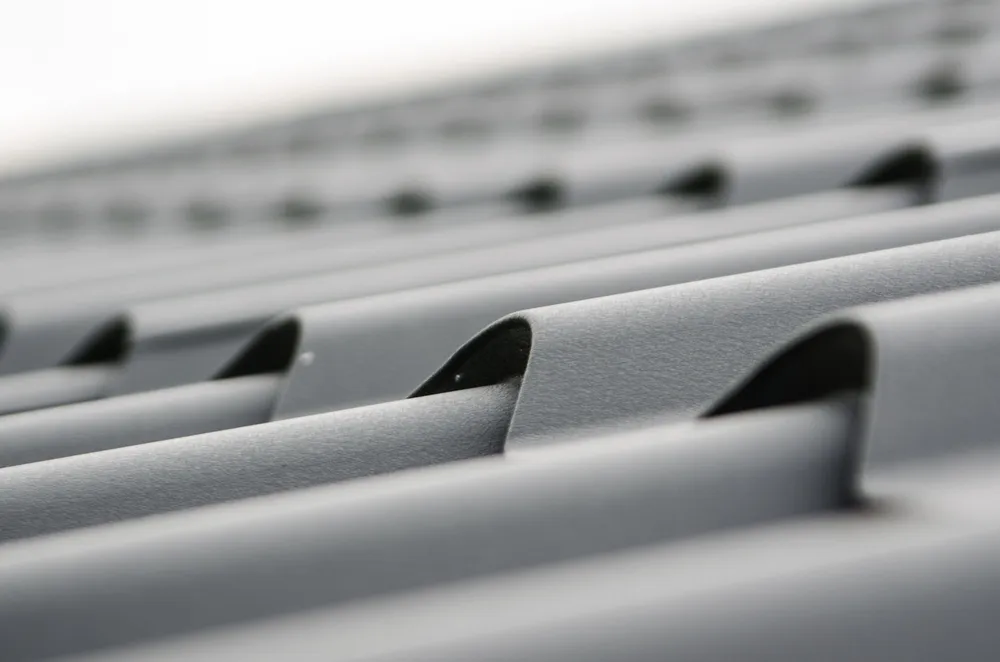
What Are the Different Roof Types and Their Inspection Needs?
Your roof protects your home from the elements, but different roof types and materials have unique inspection requirements. This guide covers common roof styles, materials, and what inspectors look for during assessments.
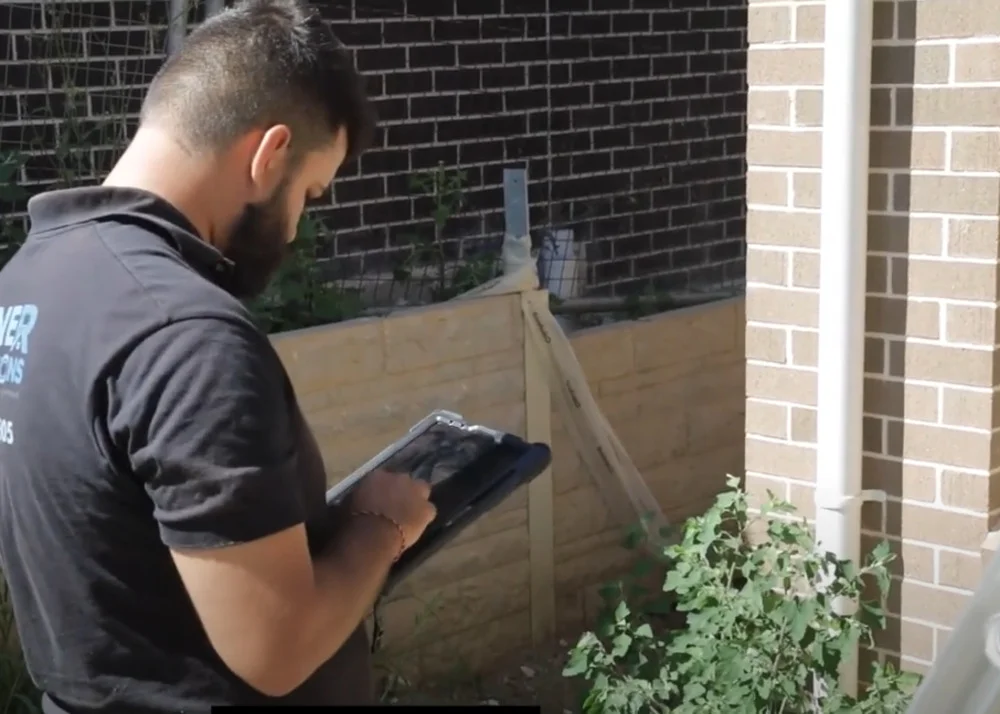
A Comprehensive Guide to House Inspections
House inspections are detailed professional assessments evaluating structural integrity, safety systems, and component functionality. Learn everything you need to know.
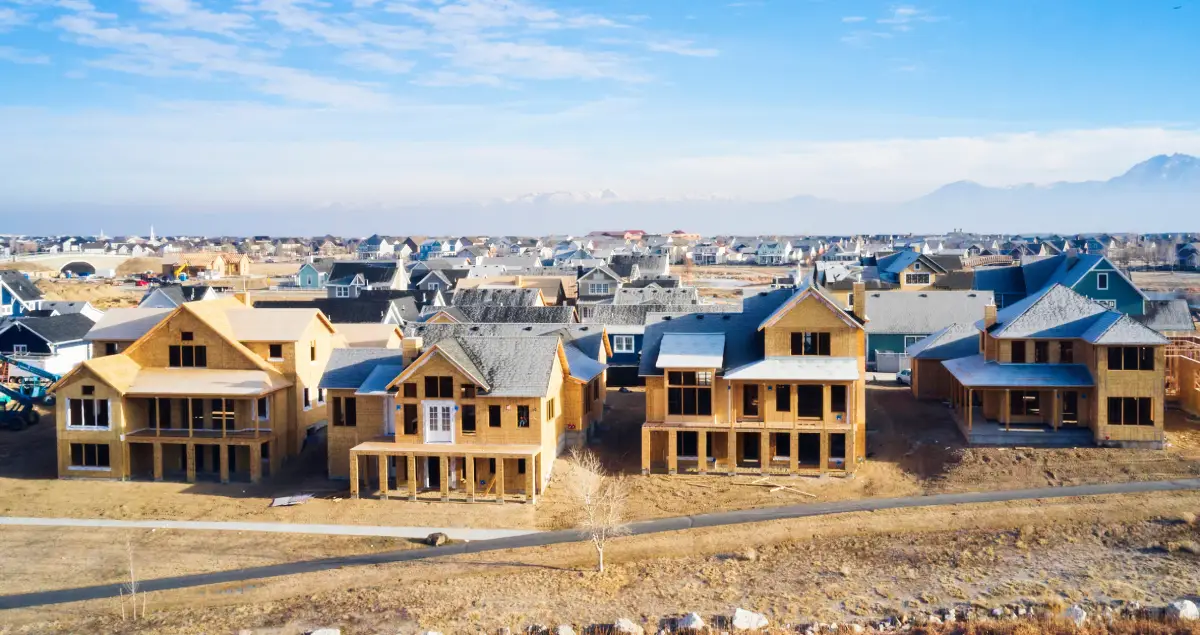
Building Inspection Stages: A Comprehensive Guide
With new home starts projected to exceed 190,000 annually by 2025, quality assurance at each construction phase is increasingly important. Learn the six key stages.