
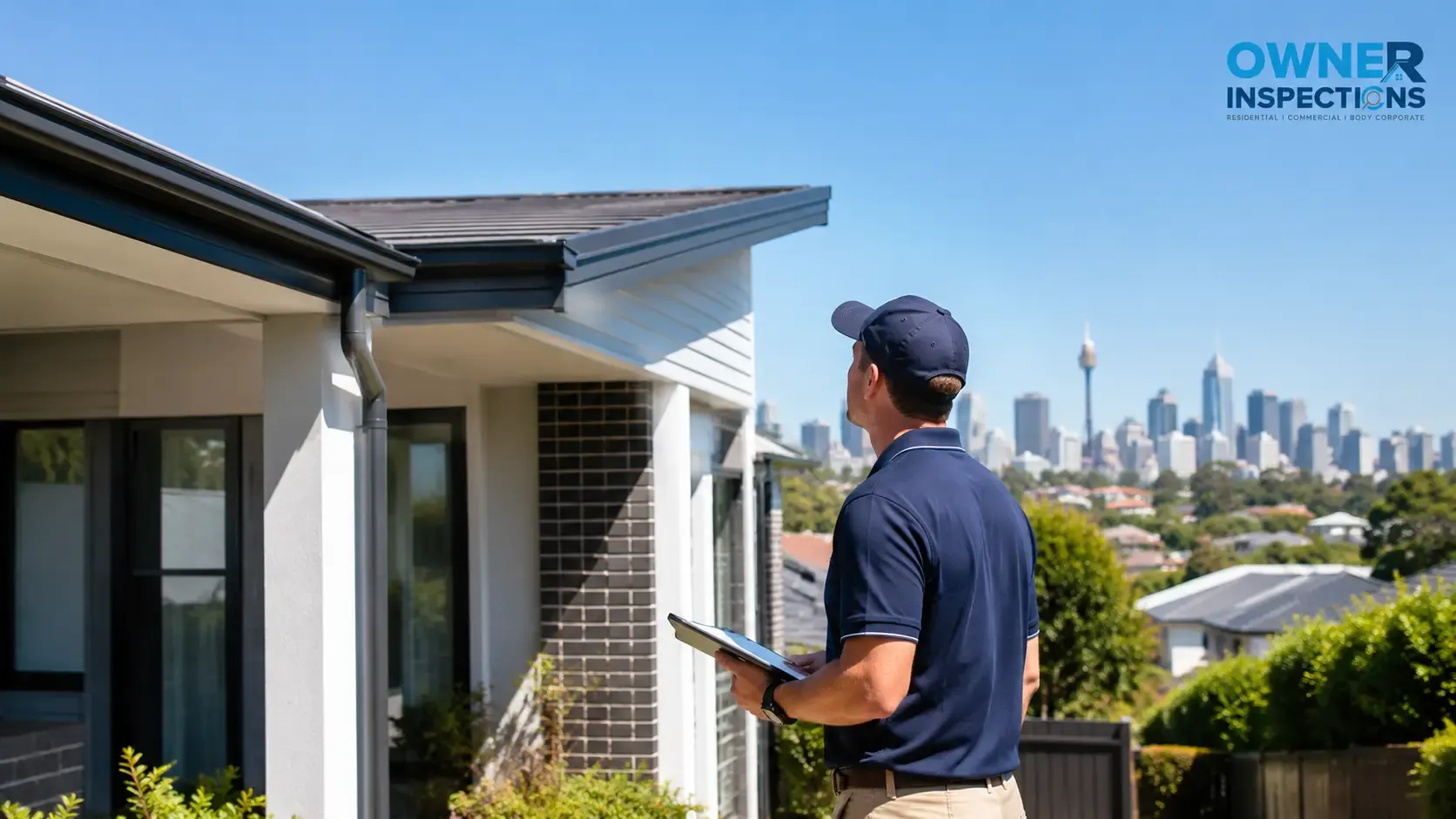
A building inspection before buying can help you understand the condition of the property before exchange, auction or settlement. NSW Government says a written building inspection report can help buyers know problems in advance, negotiate based on findings and seek specialist advice about major issues.
This guide explains building inspector Sydney costs, what is included in a standard checklist, what reports do not cover, and how to choose an independent inspector before buying.
Buying in Sydney? Start with a Clear Inspection Report
Book an independent Sydney building inspection or pre-purchase building inspection Sydney service with Owner Inspections to understand visible defects, safety concerns and next steps before you commit.
Building Inspection
What Does a Building Inspector in Sydney Do?
A building inspector visually assesses the accessible parts of a property and prepares a written report about the property’s condition. The goal is not to “pass” or “fail” the home. The goal is to help the buyer understand visible defects, safety concerns and areas that may need further investigation.
NSW Government says a building inspection report is a written account of the property’s condition and may include significant building defects or problems such as rising damp, wall movement, cracking, safety hazards or a faulty roof.
A standard pre-purchase building inspection usually covers accessible parts of the property, including the interior, exterior, roof space, under-floor space, roof exterior and site areas. Areas such as garages, carports, garden sheds, small retaining walls, steps, fencing, surface water drainage, stormwater run-off, paths and driveways as areas an inspector should check where accessible.
What Do Building Inspectors Look For Before Buying a House?
A Sydney building inspector may look for signs such as:
| Inspection Area | What the Inspector May Look For |
|---|---|
| Walls, ceilings and floors | Cracking, movement, sagging, stains or unevenness |
| Roof and roof space | Leaks, damaged roof coverings, timber issues or poor ventilation |
| Wet areas | Waterproofing failure, damp, mould indicators or leaking fixtures |
| Subfloor | Moisture, timber decay, poor ventilation or termite damage indicators |
| Exterior areas | Drainage issues, damaged cladding, render cracks or site fall problems |
| Safety areas | Loose balustrades, unsafe stairs, deck movement or trip hazards |
| Outbuildings and site areas | Garages, sheds, paths, driveways, fencing and small retaining walls |
The report gives the buyer clearer evidence before exchange, auction or settlement. It also helps the buyer decide whether to proceed, seek quotes, request specialist advice or speak with their conveyancer before making contract decisions.
Building Inspection Before Buying a House in Sydney
A building inspection before buying is one of the most useful checks a buyer can arrange before committing to a property. It is sometimes called a home buyers inspection, home buyer building inspection, or building report for buying a house.
NSW Government says the building inspection is usually carried out before the exchange of sale contracts, so buyers can identify problems that may be costly to repair if left unchecked.
A home inspector for buying a house does not replace legal, pest, electrical, plumbing or engineering advice. Instead, the inspection gives the buyer a clearer understanding of visible building defects and whether further specialist checks are needed.
For a Sydney buyer, this matters because many properties are purchased under time pressure. Auctions, short cooling-off periods and competitive private treaty negotiations can leave little time to investigate defects after the buyer has already become emotionally committed.
A building inspection when buying a house may help with:
- Identifying visible major defects
- Understanding safety concerns
- Deciding whether to proceed
- Asking for repair quotes
- Negotiating with the seller
- Requesting further specialist advice
- Planning future maintenance
NSW Government lists negotiation and specialist advice as benefits of getting a building inspection report before buying.
How Much Does a Building Inspector Cost in Sydney?
The building inspector Sydney cost depends on the property type, size, age, access and scope. A small apartment often costs less than a large freestanding house because there may be fewer roof, subfloor and external site areas to inspect.
Older properties, difficult roof access, tight subfloors, extra structures and same-day reporting may increase the fee.
Use this as a general market guide, not as a fixed pricing, because of factors that affect the pricing.
| Inspection Type | Typical Sydney Cost Guide | Notes |
|---|---|---|
| Apartment building inspection | $395 to $460+ | Usually simpler access, but strata issues may need separate document review. |
| 1 to 2 bedroom house or townhouse | $425 to $500+ | Depends on access, age and inspection scope. |
| 3 to 4 bedroom house | $455 to $600+ | Larger roof, subfloor and site areas can increase time. |
| 5+ bedroom or large property | $485 to $700+ | Larger homes may require more inspection time. |
| Combined building and pest inspection | $425 to $650+ | Strong option for houses and timber-framed properties. |
| Commercial building inspection | Quote required | Scope depends on building type, use, size and compliance needs. |
A cheap report may not be good value if it is vague, rushed or hard to understand. The better question is whether the report explains visible defects, limitations, major concerns, photos and recommended next steps in plain language.
What Should Be Included in a Sydney Building Inspection Checklist?
A Sydney building inspection checklist should help buyers understand what they are paying for. NSW Government says buyers can ask for particular items or parts of the property to be inspected, including visible signs of asbestos, an operable electrical safety switch and operable smoke alarms.
A practical checklist should include:
| Area | What to Check |
|---|---|
| Interior | Walls, ceilings, floors, doors, windows and visible cracking |
| Wet areas | Bathrooms, laundries, kitchens, moisture indicators and water staining |
| Roof space | Roof void where safe access is available |
| Roof exterior | Roof coverings, gutters, downpipes and visible stormwater issues |
| Subfloor | Subfloor space where accessible |
| Exterior | External walls, cladding, brickwork and render |
| Safety areas | Balconies, decks, stairs and balustrades |
| Outbuildings | Garage, carport, sheds and other accessible structures |
| Site areas | Driveways, paths, fencing, small retaining walls and site drainage |
| Buyer-requested items | Visible asbestos indicators, safety switch visibility and smoke alarm visibility where noted within inspection limits |
A detailed Sydney building inspection can help buyers understand visible defects, access limits and recommended next steps before exchange or settlement.
The report should also record the property address, inspection date, scope, inaccessible areas, major faults, significant problems and recommendations for further inspection where needed. The report should also record the property address, inspection date, scope, inaccessible areas, major faults, significant problems and recommendations for further inspection where needed. NSW Government says reports should list areas not inspected, reasons why they were not inspected and, where needed, recommend further investigation by a suitable specialist.
For buyers, this matters because access is often limited during a sale campaign. Stored items, locked areas, low roof clearance, unsafe roof access, tight subfloors and bad weather can all affect what the inspector can see.
Building Inspection vs Pest Inspection: Do You Need Both?
A building inspection focuses on visible building defects and property condition. A pest inspection focuses on timber pests, termite activity, termite damage and conditions that may attract pests.
A combined building and pest inspection Sydney buyers book before purchase can be useful for houses, townhouses and older properties because it gives both building and timber pest context.
NSW Government says a building report may identify visible termite damage, but it will not include whether termites or other timber-destroying pests are still present. It recommends getting a pest inspection as well, especially where termites are a known problem.
| Report Type | Best For | What It Helps Identify |
|---|---|---|
| Building inspection | Buyers assessing property condition | Major defects, visible damage, damp indicators, roof issues, drainage issues and safety hazards. |
| Pest inspection | Buyers concerned about termites and timber pests | Termite activity, timber pest damage and conditions that may attract pests. |
| Combined building and pest inspection | Most house and townhouse buyers | Broader due diligence before exchange, auction or settlement. |
| Strata report | Apartment and unit buyers | Owners corporation records, levies, defects, disputes and building history. |
Apartment buyers should not assume a strata report replaces a building inspection. A building inspection checks visible unit condition and immediate exterior areas, while a strata report reviews owners corporation records and building history.
What Australian Standards Apply to Building Inspections?
For residential pre-purchase inspections, AS 4349.1 is the key Australian Standard. It sets the framework for a visual pre-purchase inspection of residential buildings. NSW Government says there is an Australian Standard that pre-purchase building inspection reports must comply with, though it does not prescribe every style or content detail.
AS 4349.3 relates to timber pest inspections. It is relevant when a buyer books a pest inspection or combined building and pest inspection.
Scope and limitations matter. An AS 4349.1-style report should identify accessible areas, inaccessible areas, major defects and recommendations for further investigation where needed. It should not be treated as an engineering certificate, warranty or guarantee against future defects.
Standards Australia describes standards as a trusted and consistent foundation for how products, services and systems are designed, built and regulated.
A good inspector should explain the standard in plain English. Buyers should be able to see what was inspected, what was not inspected and what needs specialist review.
What a Building Inspection Report Does Not Cover
A standard pre-purchase building inspection is visual and non-invasive. It does not deal with every part of a property. NSW Government says the role of the report is to identify major problems visible at the time of inspection, and that the extent of a problem can be influenced by the age and type of property.
A standard report usually does not include:
- Inaccessible areas
- Concealed defects behind walls, floors, ceilings or stored items
- Matters outside the inspector’s expertise
- Repair cost estimates
- Minor defects unless relevant to larger concerns
- Termite detection
- Electrical, plumbing, gas or structural engineering certification
- A compliance certificate
- A warranty or insurance against future problems
A building inspection report should not be used as a certificate of compliance, warranty or insurance policy against future problems. It also says repair cost estimates usually need a special-purpose property report.
Owner Inspections clearly explain limitations in the report so buyers understand what was inspected, what was inaccessible and where specialist advice may be needed.
Can a Building Inspector Find Hidden Defects?
No inspector can find every hidden defect during a standard visual inspection. Concealed damp, covered structural issues, faults under floor coverings and areas blocked by furniture or stored items may not be visible. Weather, access, information provided to the consultant and deliberately covered problems can affect the final report.
Owner Inspections clearly explains limitations in the report so buyers understand what was inspected, what was inaccessible and where specialist advice may be needed.
Common Building Defects Sydney Buyers Should Watch For
Sydney buyers see many property types, from older brick homes and renovated terraces to townhouses, apartments and newer strata buildings. Defects vary by age, construction type, maintenance history and site conditions.
Common issues include:
- Waterproofing defects in bathrooms, balconies and laundries
- Roof leaks and damaged roof coverings
- Blocked or poor stormwater drainage
- Cracking in walls, brickwork or render
- Subfloor moisture and poor ventilation
- Timber decay
- Termite damage indicators
- Rusted gutters and downpipes
- Balcony, deck and balustrade safety concerns
- Poor renovations or owner-builder work
- Damp, mould and water staining
- Fire safety concerns in apartments and strata buildings
NSW strata buyers should pay close attention to waterproofing and fire safety issues. Building Commission NSW’s 2025 strata defects research found that 53% of buildings surveyed had serious defects. It also reported waterproofing defects at 22%, making them the most common serious defect, and fire safety systems defects at 16%, the second most common.
| Defect Type | Example | Buyer Action |
|---|---|---|
| Major defect | Significant structural movement, major roof leak, failed waterproofing | Seek specialist advice and repair estimates before proceeding. |
| Safety hazard | Loose balustrade, unsafe stairs, visible electrical risk indicator | Treat as urgent and request qualified trade review. |
| Maintenance issue | Rusted gutter, minor cracking, worn sealant | Budget for repair or maintenance. |
| Further investigation item | Inaccessible roof space, obstructed subfloor, suspected concealed moisture | Ask for reinspection or specialist assessment. |
Found Building Defects? Document Them Properly
If defects may affect a purchase, dispute or legal claim, learn how to record photos, reports and timelines clearly before taking the next step.
Documentation Guide
How to Choose the Best Building Inspector in Sydney
The best building inspector Sydney buyers can choose is not always the cheapest. A buyer should look for independence, suitable experience, clear reporting and proper insurance.
NSW Government recommends using a suitably qualified person such as a licensed builder, surveyor or architect. It also says buyers should ensure the person has adequate insurance cover, particularly professional indemnity insurance.
Look for:
- Relevant building experience
- Suitable qualifications
- Professional indemnity insurance
- Public liability insurance
- Sample reports
- Clear explanation of the inspection scope
- Experience with Sydney houses, apartments, townhouses and strata properties
- Ability to provide building and pest services where needed
- Independence from the selling agent
- Clear report turnaround time
- Willingness to explain findings after the inspection
Owner Inspections provides independent reports with photos, practical findings and clear explanations for buyers who need a trusted building inspector Sydney service.
Before booking, ask:
| Question to Ask | Why It Matters |
|---|---|
| Are you independent of the selling agent? | Helps reduce conflict-of-interest concerns |
| What standard does your report follow? | Helps clarify scope and limitations |
| Do you carry professional indemnity insurance? | NSW Government recommends adequate insurance cover |
| Can I see a sample report? | Helps you judge report clarity before booking |
| Will the report identify inaccessible areas? | Helps you understand inspection limits |
| Can I ask questions after receiving the report? | Helps you understand defects before making decisions |
A certified building inspector Sydney buyers hire should make the process clearer, not more confusing.
When Should You Book a Building Inspection in Sydney?
Book before exchange where possible. This gives the buyer more time to read the report, ask questions, get quotes and seek contract advice before becoming bound.
For auction properties, book before bidding. Auction purchases are often unconditional, and NSW Government says the cooling-off period does not apply when a buyer buys at auction or exchanges contracts on the same day as an auction after the property is passed in.
For private treaty purchases, buyers sometimes order the report during the cooling-off period. NSW Government says most consultants need at least 2 to 3 days’ notice, and buyers should get vendor permission as early as possible.
It also states that NSW buyers usually have a 5 business day cooling-off period after exchange, but if they withdraw, they forfeit 0.25% of the purchase price.
That timing can be tight. Book early so the inspection, report review and any specialist advice can happen before the buyer needs to make a contract decision.
For time-sensitive purchases, an independent building inspection in Sydney can help buyers act with clearer information during the buying process.
Can You Use a Building Inspection Report to Negotiate?
Yes, a building inspection report may support negotiation. NSW Government lists negotiation as one benefit of getting a building inspection report before buying, because the buyer may need to pay to repair some of the problems found.
Buyers may use findings to:
- Request a lower purchase price
- Ask the vendor to fix certain items
- Seek repair quotes
- Renegotiate contract terms with professional advice
- Walk away if risks are unacceptable, subject to contract conditions
A report can also help separate cosmetic issues from more serious concerns. A fresh coat of paint may hide mould, and neat staging may distract from damp, poor drainage or roof issues.
For more guidance, read Owner Inspections’ article on how to negotiate price after a building inspection.
Building Inspector Sydney Cost vs Risk: Is It Worth It?
A building inspection costs a few hundred dollars in many Sydney cases. That cost should be weighed against the risk of buying a property with visible roof leaks, failed waterproofing, drainage issues, major cracking, subfloor moisture or termite damage indicators.
An inspection cannot find every hidden defect, but it can help identify visible red flags before you commit. It also gives the buyer a written record that can be discussed with trades, specialists, a solicitor or a buyer’s agent.
Owner Inspections’ shows buyers often want to avoid hidden defects, future repair costs and legal or financial risk. Buyers value accurate reporting, clear explanations and practical next steps.
This makes an inspection a risk management step. It does not remove all uncertainty, but it can reduce guesswork.
How to Get a Building Inspection in Sydney
Here is the usual process:
| Step | What to Do | Why It Matters |
|---|---|---|
| 1 | Choose the inspection type | Decide between building only, pest only, or combined building and pest |
| 2 | Confirm the property type | Apartment, townhouse, freestanding house, strata property or commercial property |
| 3 | Book early | Most consultants need notice, and auction buyers may not have a cooling-off period |
| 4 | Arrange access | The vendor or agent must allow access before the inspection can occur |
| 5 | Share known concerns | Send the listing, contract, floor plan and visible issues if available |
| 6 | Read the report carefully | Look for major defects, limitations, inaccessible areas and recommendations |
| 7 | Ask follow-up questions | A good inspector should explain findings clearly |
| 8 | Seek specialist advice if needed | Structural, pest, electrical, plumbing, legal or waterproofing advice may be required |
NSW Government says buyers should get the vendor’s permission to have the property inspected as early as possible in the sale negotiations.
Buyer Tips Before Booking a Sydney Building Inspector
Use these tips before booking:
- Check the inspector’s qualifications and insurance.
- Ask whether the inspection follows AS 4349.1 for residential pre-purchase inspections.
- Ask what is excluded from the report.
- Book early, especially before auction.
- Confirm whether pest inspection is included.
- Ask whether the inspector can explain the report after delivery.
- Send the contract, listing, floor plan and known concerns if available.
- Ask about access to roof space, subfloor, garage and exterior areas.
- Do not rely only on cosmetic presentation.
- Keep the report and photos for future maintenance planning.
Vendor-supplied reports can be useful, but buyers should check who commissioned the report, whether they can legally rely on it, what it covers and whether the inspector is independent.
Vendors may get a building report to give to interested buyers, but it is not a substitute for a buyer’s own independent report.
Getting the Most Value from Your Home and Building Investment
Buying in Sydney is a major decision, and a clear inspection report can help you understand visible defects before you commit. Owner Inspections provides independent building inspections, combined building and pest inspections, and practical reports with photos, findings and recommended next steps.
Book an independent building inspection in Sydney with Owner Inspections to understand visible defects, safety concerns and next steps before committing to a property.
Need Help Choosing the Right Inspection?
Speak with Owner Inspections about your Sydney property, inspection type, timing and report needs before booking.
Frequently Asked Questions
How much does a building inspector cost in Sydney?
What does a building inspector check in Sydney?
Does a building inspection include pest inspection?
Is a building inspection required before buying a house in NSW?
What is AS 4349.1?
How long does a building inspection take?
How quickly will I receive the report?
Can a building inspector find hidden defects?
Can I use the report to negotiate?
Should apartment buyers book a building inspector?
What is the difference between a building inspection and a strata inspection?
Should I use the agent’s building report?
What should I ask before booking?
What happens if the inspector finds major defects?
Who is the best building inspector in Sydney?
Related Articles
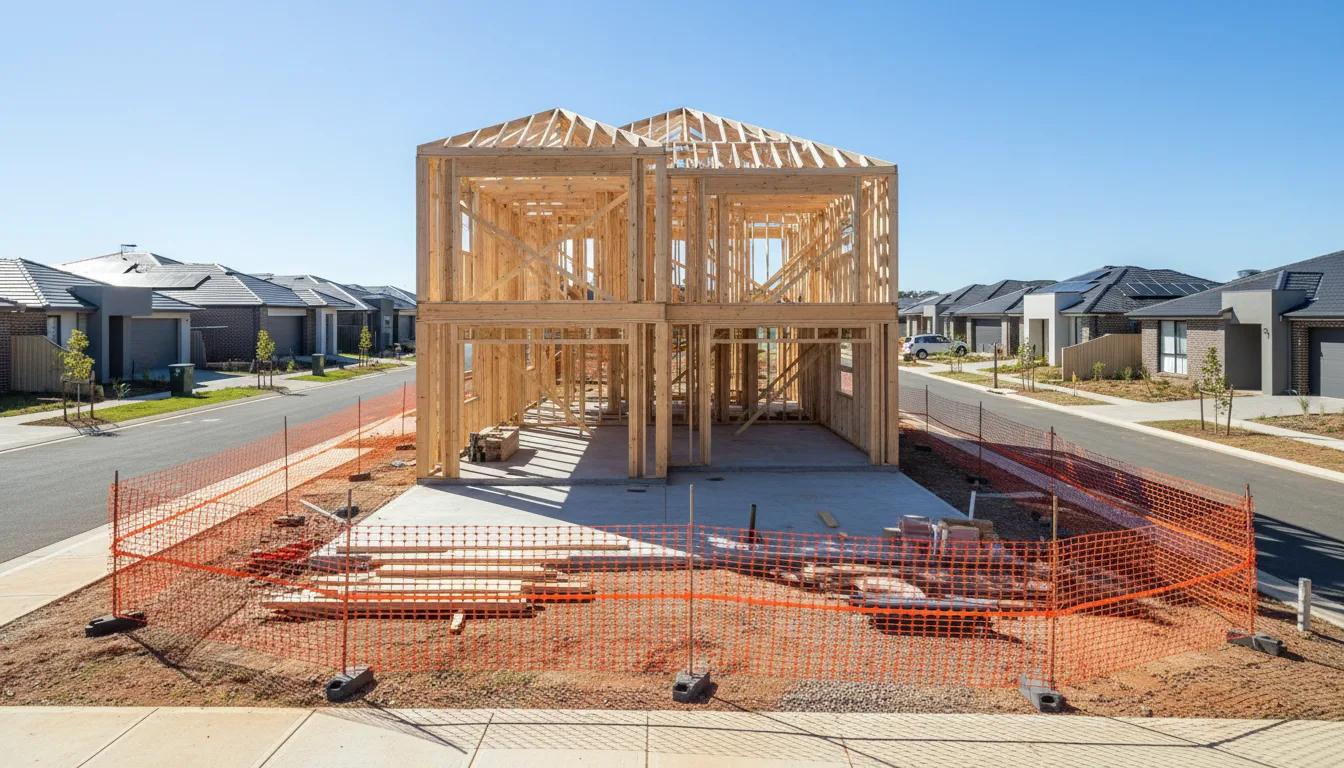
How Much Do Construction Stage Inspections Cost in Sydney and Melbourne?
Construction stage inspections in Sydney and Melbourne typically cost between $400 and $600 per stage, with full five-stage packages ranging from $1,500 to $2,500. This guide breaks down what you can expect to pay and why the investment is worth it.
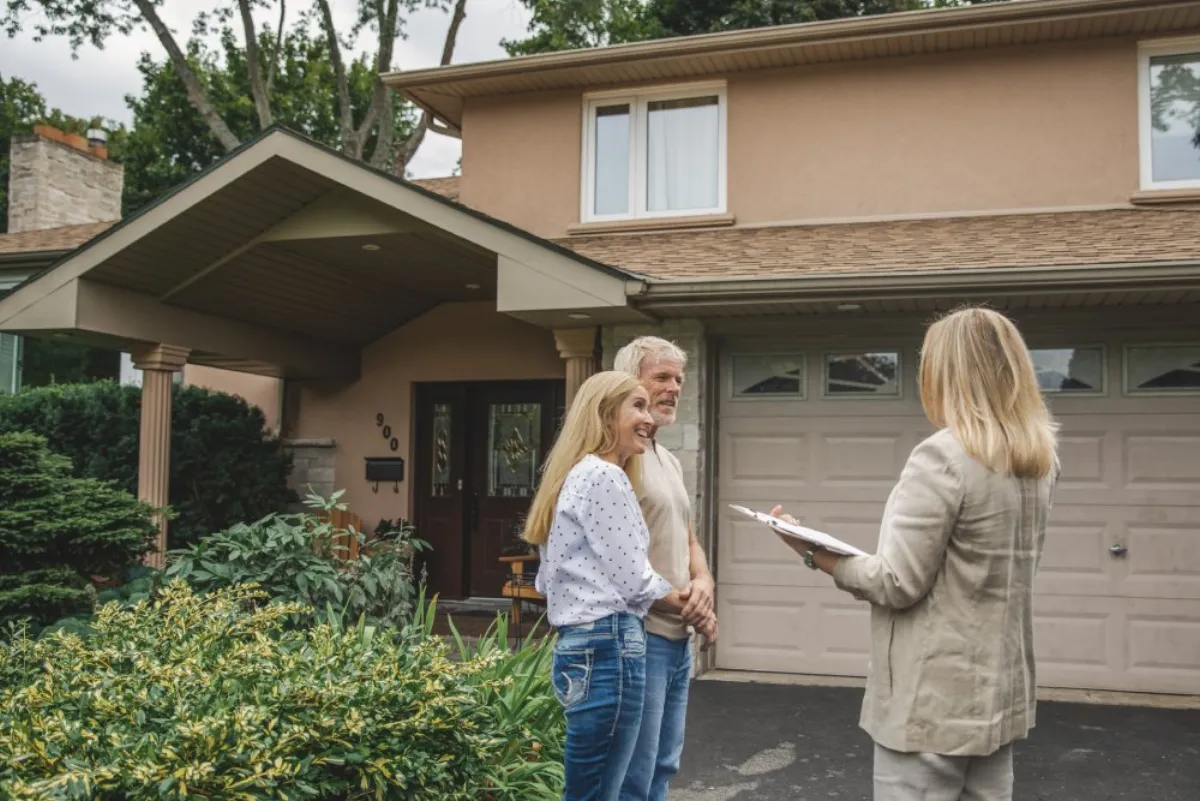
The Importance of Pre-Purchase Inspections in Sydney
In Sydney's competitive property market, pre-purchase inspections play a pivotal role for prospective homebuyers. These detailed assessments go beyond surface appearances to uncover hidden structural defects, outdated electrical systems, and other issues that could cost thousands. This guide covers the benefits, common issues found, and how to choose the right inspector.
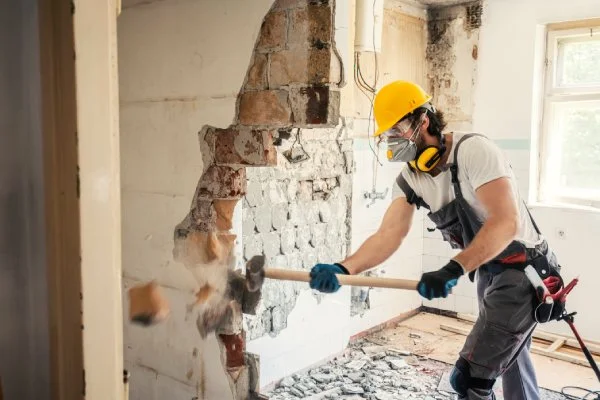
The Most Common Building Defects in Sydney
Sydney's construction boom has exposed systemic problems in building quality. Research shows up to 85% of new apartments contain significant defects, with waterproofing failures and structural issues being most prevalent.