
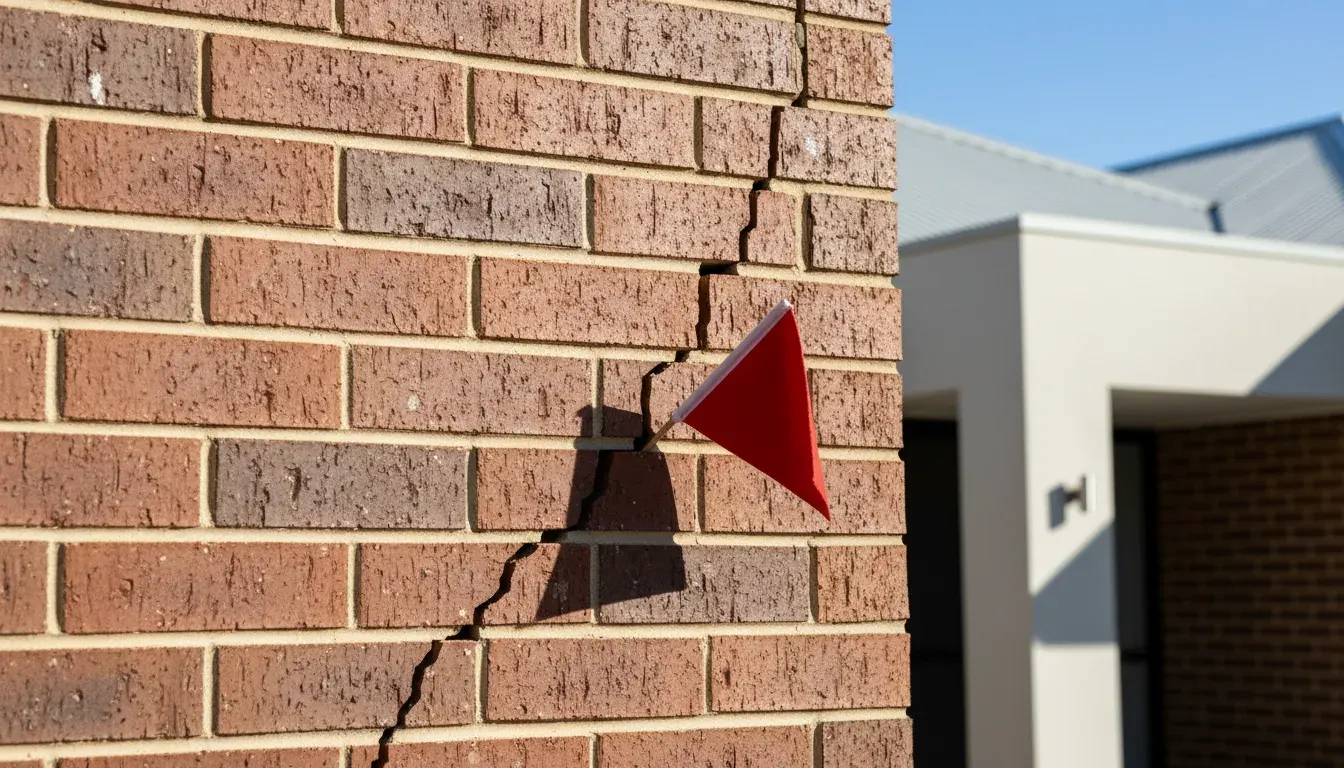
A pre-purchase inspection will almost always find some defects. That is normal. Every property, no matter how well maintained, has minor issues that come with age and use. But some findings go beyond normal wear and tear. Certain defects are serious enough that they should make you pause, reconsider the purchase price, or walk away from the deal entirely.
Knowing the difference between a manageable problem and a genuine red flag can save you from buying a property that costs far more than you bargained for. This guide covers the most critical warning signs that inspectors find, explains why they matter, and helps you understand what each one could mean for your decision.
The Biggest Red Flags at a Glance
The red flags that deserve the closest attention are:
- Structural movement and major cracking
- Water ingress, damp and failed waterproofing
- Active termites or clear termite damage
- Roof and drainage defects
- Unapproved or non-compliant building work
- Asbestos risks in older homes
- Electrical safety issues
- Pool compliance problems
- Signs that defects may have been covered up.
These issues matter because they can affect safety, insurance, future renovation plans, resale value and your repair budget after settlement.
Buying soon? Get the property checked before you commit
A pre-purchase inspection helps uncover major defects, safety issues and hidden risks before they turn into expensive surprises.
Our Guide
Structural Cracking
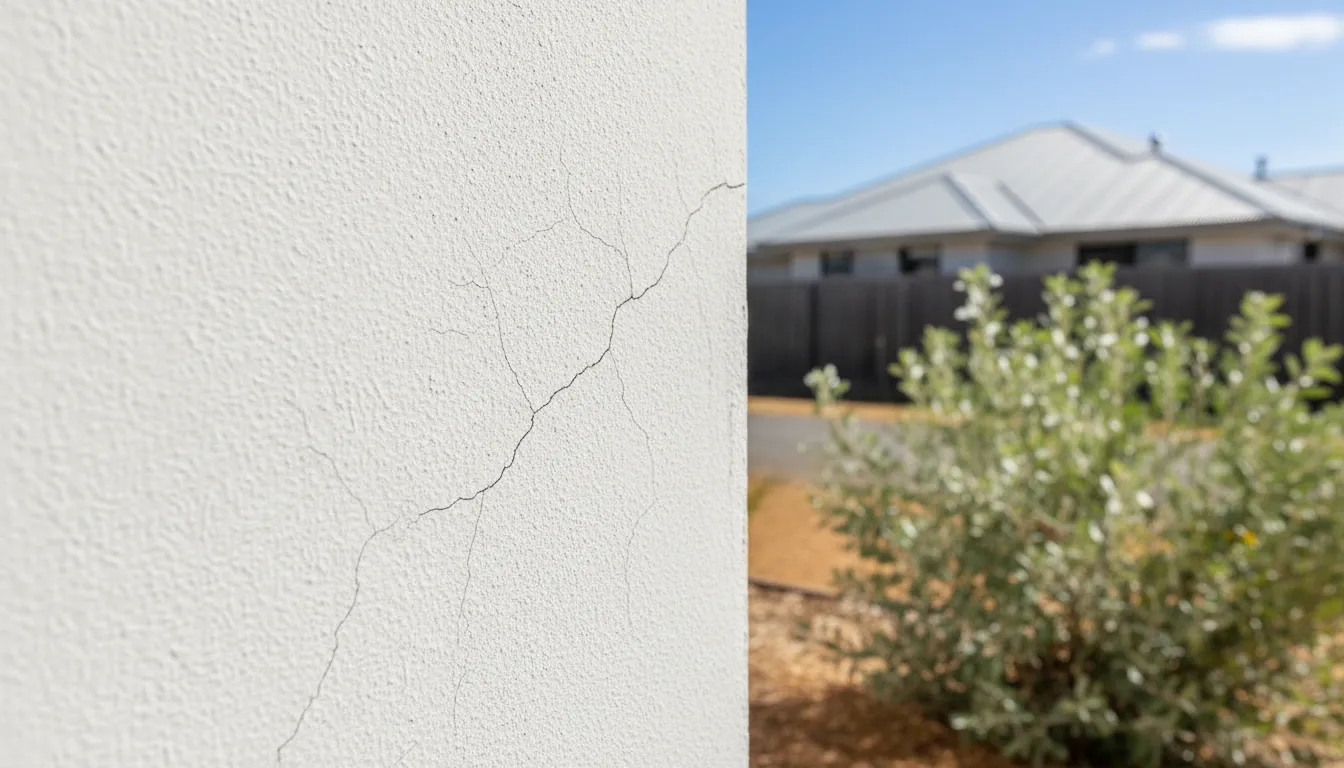
Not all cracks are created equal. Hairline cracks in plaster or render are common and usually cosmetic. They result from normal building settlement, thermal expansion, or minor ground movement. But certain types of cracking indicate serious structural problems that can cost tens of thousands of dollars to repair.
Red flag signs to watch for:
- Cracks wider than 5mm in masonry walls
- Stepped cracking that follows the mortar joints in brickwork, typically running diagonally
- Horizontal cracks in retaining walls or foundation walls
- Cracks that are wider at the top than at the bottom (or vice versa), indicating active rotation
- Cracks accompanied by doors or windows that no longer open or close properly
- Cracking that has been filled or patched but has reopened, indicating ongoing movement
Why it matters. Structural cracking often indicates foundation movement, inadequate footings, reactive soil problems, or overloading of structural elements. Remediation can involve underpinning (installing additional support beneath foundations), which typically costs $10,000 to $50,000 or more depending on the extent of the work. In severe cases, structural cracking can render a property unliveable until repairs are completed.
What the inspector will recommend. If significant cracking is identified, the building inspector will almost always recommend further assessment by a structural engineer. The engineer determines the cause, assesses the severity, and specifies the repair method. Do not proceed with a purchase until you have the engineer's report and a clear understanding of the repair cost.
Active Termite Infestation
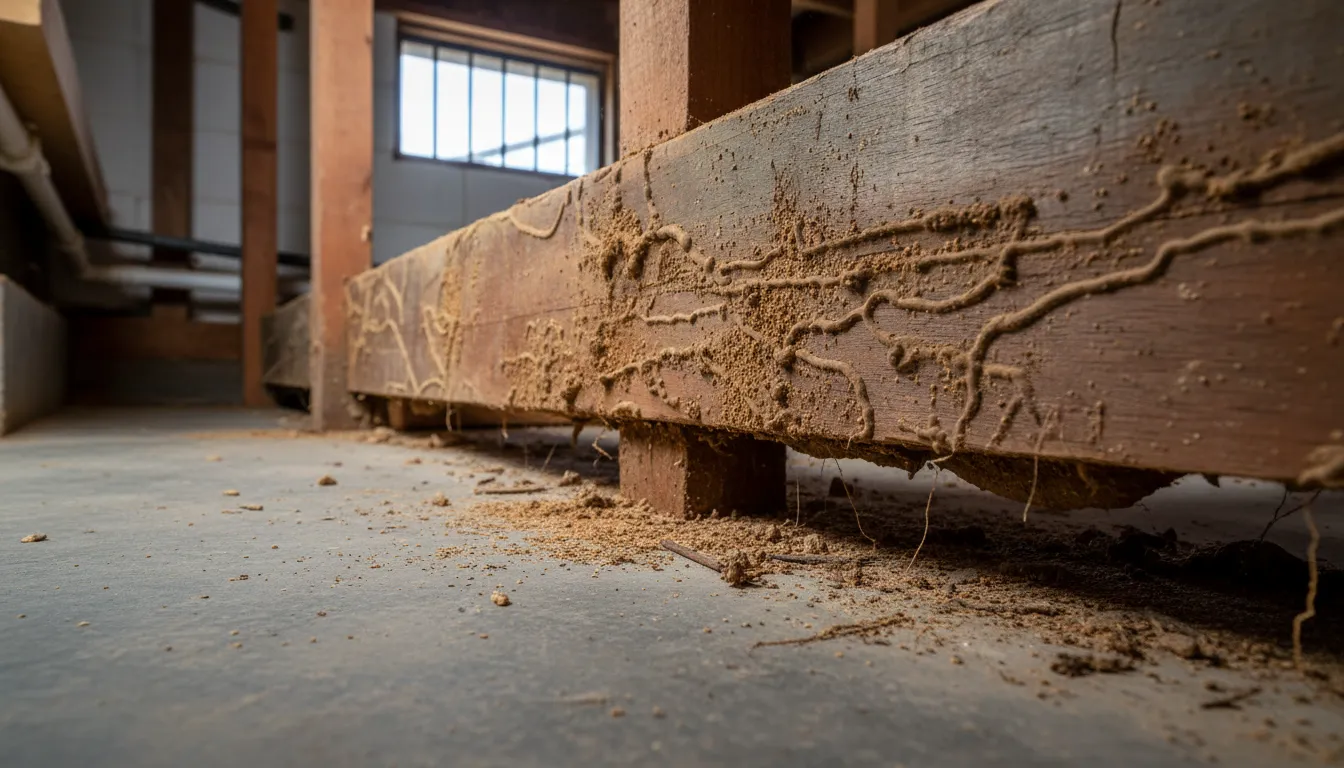
Australia has one of the highest rates of termite activity in the world. Termites cause more damage to Australian homes each year than fire, flood, and storms combined. Finding active termites during a pre-purchase inspection is one of the most significant red flags you can encounter.
Red flag signs to watch for:
- Live termites detected in structural timbers, wall framing, or subfloor
- Extensive termite damage to bearers, joists, or wall studs
- Hollow-sounding timbers when tapped, indicating internal consumption
- Mud leads (shelter tubes) on foundations, walls, or plumbing pipes
- Damaged or weakened floor areas that feel spongy underfoot
- Evidence of previous termite treatment with no current management system in place
Why it matters. Active termites mean the colony is currently feeding on the property's timber structure. Every day without treatment results in further damage. Repair costs depend on the extent of damage but regularly range from $5,000 to $30,000 for moderate infestations. Severe cases where structural timbers are comprehensively damaged can exceed $100,000. Beyond the repair cost, you also need to budget for ongoing termite management, which costs $1,500 to $3,000 per year.
What the inspector will recommend. The pest inspector will recommend immediate treatment by a licensed pest controller and a full assessment of the damage by a builder or structural engineer. Before proceeding with the purchase, you need to know the full extent of the damage and the total cost of treatment plus repairs.
Asbestos-Containing Materials
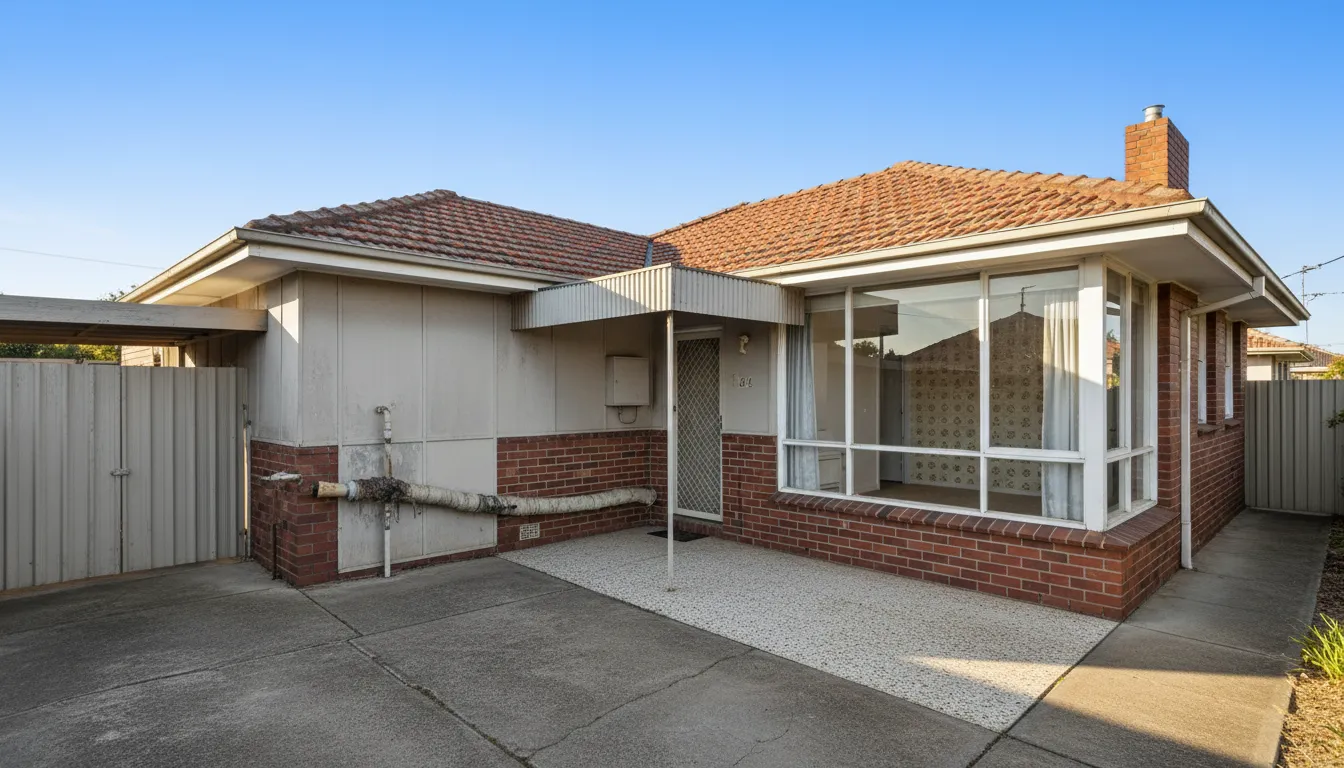
Asbestos was widely used in Australian building materials from the 1940s through to the mid-1980s. It can be found in fibro sheeting (flat and corrugated), vinyl floor tiles, insulation, pipe lagging, eaves lining, and many other products. Homes built before 1990 have a high likelihood of containing asbestos somewhere in the structure.
Red flag signs to watch for:
- Damaged, broken, or deteriorating fibro sheeting on walls, eaves, or fencing
- Disturbed or friable asbestos insulation in the roof void or around pipes
- Asbestos materials that have been cut, drilled, or sanded during renovations, releasing fibres
- Large quantities of asbestos products that would need removal for planned renovations
- No asbestos register or management plan for a property known to contain asbestos
Why it matters. Asbestos in good condition and left undisturbed is generally considered low risk. The red flag arises when asbestos materials are damaged, deteriorating, or when you plan renovations that would disturb them. Asbestos removal in Australia must be performed by licensed removalists, and costs can be substantial. Removing asbestos from an entire house (roofing, eaves, wall cladding) can cost $15,000 to $40,000 or more. Friable asbestos removal is even more expensive due to the additional safety requirements.
What the inspector will recommend. The inspector will note any suspected asbestos-containing materials and recommend laboratory testing to confirm. If confirmed, they will advise on the condition of the materials and whether removal or management is appropriate. Factor the cost of removal into your purchase decision, especially if you plan to renovate.
Concerned about termites, moisture or hidden damage?
A combined building and pest inspection gives buyers a clearer picture of structural issues, timber pest risks and defects that may affect the purchase.
[Pest Inspections](/timber-pest-inspections)
Failed Waterproofing
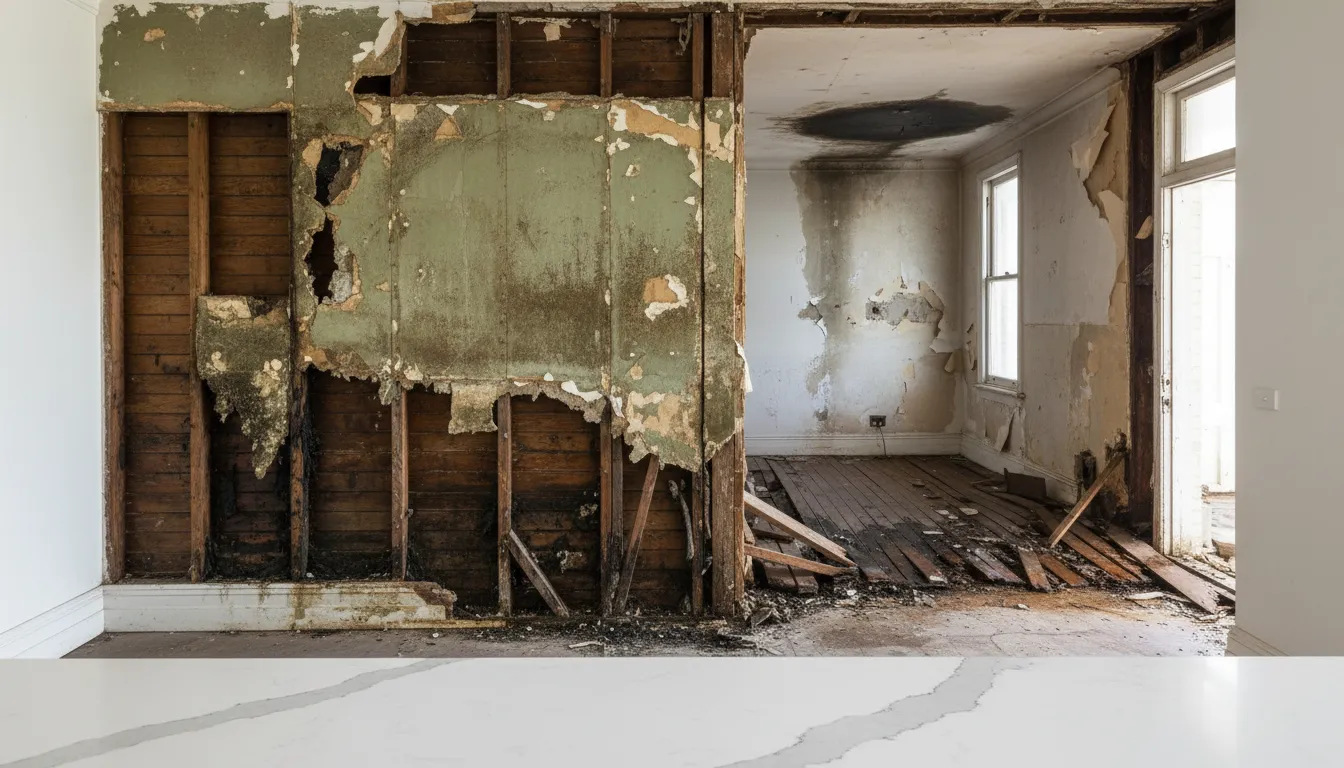
Water is one of the most destructive forces a building can face. When waterproofing fails, water penetrates areas it should not reach, causing rot, mould growth, structural damage, and deterioration of finishes. The damage often extends far beyond what is visible on the surface.
Red flag signs to watch for:
- Elevated moisture readings in bathroom floors and walls, indicating water is escaping the shower or bath area
- Staining, bubbling, or peeling paint on ceilings below bathrooms or balconies
- Musty or mouldy smells, particularly in enclosed areas or rooms below wet areas
- Water staining or efflorescence (white salt deposits) on external or internal walls
- Leaking balconies with cracked tiles, failed grout, or deteriorated membranes
- Visible mould growth in corners, behind furniture, or in cupboards against external walls
Why it matters. Failed waterproofing rarely fixes itself. The damage is progressive and gets worse over time. Repairing a failed bathroom waterproofing membrane requires stripping the entire bathroom back to the substrate, re-waterproofing, and then retiling and refitting. This typically costs $8,000 to $15,000 per bathroom. Balcony waterproofing repairs can cost $10,000 to $25,000 or more, depending on the size and complexity. If the water damage has reached structural timbers, the repair cost escalates further.
What the inspector will recommend. The inspector will document moisture readings and visible damage, and may recommend further investigation by a waterproofing specialist. Get a clear scope of work and repair quote before proceeding with the purchase.
Foundation Movement
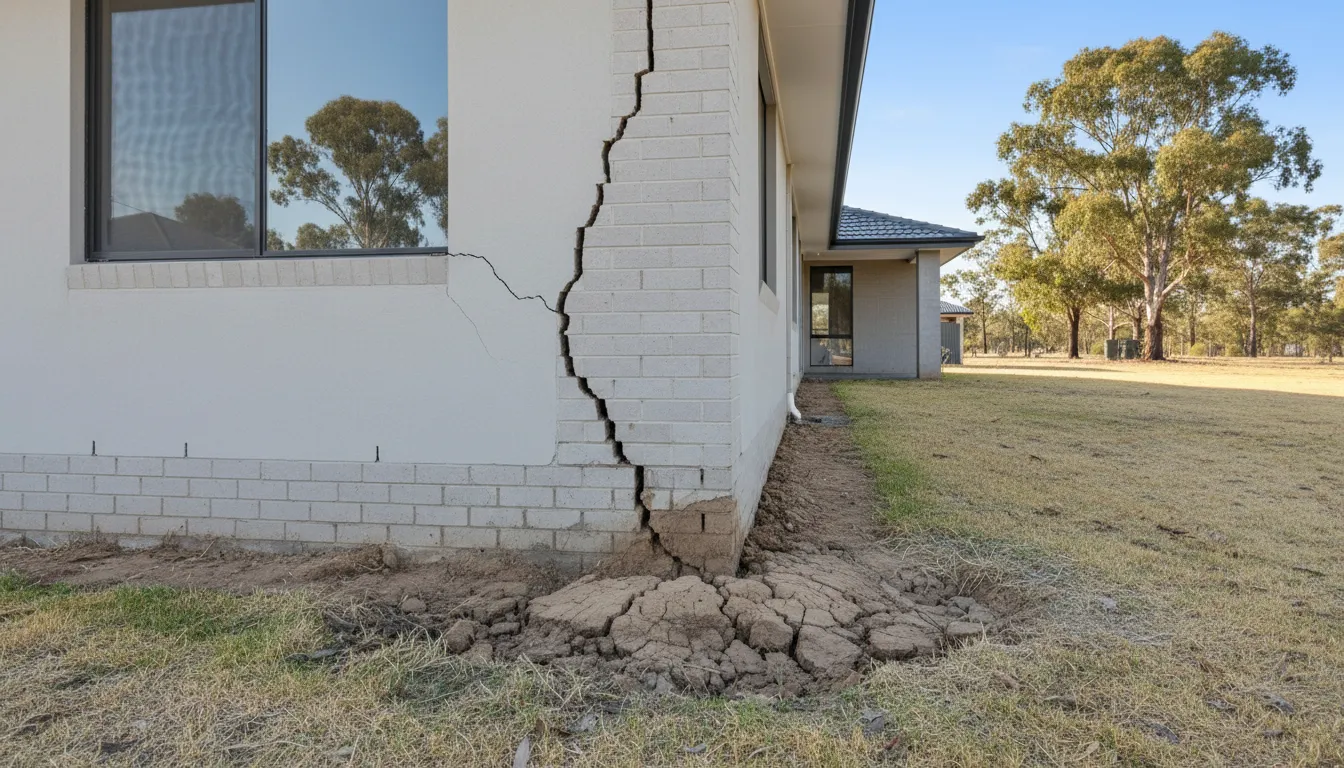
Foundation movement is one of the most expensive building defects to repair. It occurs when the soil beneath a building expands, contracts, or shifts, causing the foundation to move unevenly. This is particularly common in areas with reactive clay soils, which are prevalent across much of Sydney, Melbourne, Adelaide, and parts of Brisbane.
Red flag signs to watch for:
- Uneven or sloping floors, detectable by placing a ball on the floor and watching it roll
- Gaps between walls and ceilings, or walls and floors
- Doors and windows that stick, jam, or will not latch properly
- Cracking in multiple areas of the building, following a consistent pattern
- Separation between the house and attached structures such as garages, verandahs, or extensions
- Visible underpinning or previous foundation repair work, which may indicate an ongoing problem
Why it matters. Foundation movement affects the entire building. As the foundation shifts, it distorts the frame, cracks walls, displaces windows and doors, and can compromise the roof structure. Underpinning a residential property typically costs $15,000 to $60,000 depending on the method and the number of piers required. In extreme cases, foundation failure can render a property structurally unsound and unsafe to occupy.
What the inspector will recommend. The inspector will recommend a structural engineering assessment, which involves a site investigation, soil testing, level survey, and engineering analysis. The engineer's report will specify the cause of the movement, whether it is active or historic, and the recommended remediation method and estimated cost.
What to Do if Red Flags Appear in the Report
Red flags do not always mean you should walk away. They do mean you should slow down and make a decision based on evidence.
Start with three steps:
- Get the right specialist advice for any issue outside the inspector’s scope
- Ask your conveyancer or solicitor to check approvals, contract conditions and any pool or council compliance issues
- Work out whether the issue changes the price, the timing, or the wisdom of proceeding at all.
NSW says inspection reports should list significant problems, identify areas not inspected and recommend further investigation where needed. That is exactly how buyers should use them.
A Smarter Way to Read a Pre-purchase Inspection Report
A good report is not just a defect list. It is a decision tool.
Use it to separate:
- Cosmetic defects from major defects
- Manageable maintenance from safety concerns
- Standard wear from signs of movement, moisture or non-compliant work
- Issues you can budget for from issues that need more expert advice before exchange or settlement.
That approach gives you a better chance of negotiating well, planning properly, or walking away before a bad purchase becomes your problem.
Non-Compliant or Unapproved Building Work
Unapproved renovations and building work that does not comply with the National Construction Code or relevant state regulations is a red flag that many buyers overlook. It creates legal, financial, and safety risks that can follow you long after settlement.
Red flag signs to watch for:
- Enclosed carports, garages, or verandahs converted into living spaces without obvious council approval
- Additional rooms, bathrooms, or granny flats that do not appear on the original plans
- Structural walls that have been removed without proper engineering
- Electrical or plumbing work that appears to be DIY rather than professionally installed
- Decks, pergolas, or retaining walls that do not meet current standards for height, balustrades, or structural capacity
- Swimming pools without compliant fencing
Why it matters. If you buy a property with unapproved work, the liability transfers to you as the new owner. Council can issue orders requiring you to bring the work up to compliance, obtain retrospective approval (which may require modifications), or in some cases demolish the non-compliant work entirely. Insurance may also be affected if a claim relates to non-compliant work. Retrospective approval costs vary widely, from a few thousand dollars for a simple deck to $20,000 or more for complex structural modifications.
What the inspector will recommend. The inspector will flag any work that appears non-compliant or potentially unapproved and recommend verification with the local council. Before committing to the purchase, check council records for development applications and building approvals. Your solicitor or conveyancer can assist with this process.
Other Red Flags Worth Noting
Beyond the six major red flags above, there are several other findings that should prompt careful consideration:
- Significant roof defects. A roof nearing the end of its useful life, with widespread deterioration, can cost $15,000 to $30,000 to replace.
- Drainage problems. Poor site drainage that directs water towards or under the building can cause foundation movement, rising damp, and structural damage over time.
- Evidence of concealment. Fresh paint over stained areas, new carpet over damaged floors, or recently rendered walls can indicate an attempt to hide defects. Inspectors are trained to look for these patterns.
- Electrical safety hazards. Absence of safety switches, exposed wiring, overloaded circuits, or a switchboard that does not meet current standards are safety risks that require immediate remediation.
- Severe timber decay. Fungal decay (wood rot) in structural timbers, particularly in subfloor areas or around wet areas, compromises structural integrity and can be as damaging as termite attack.
What is the Biggest Red Flag in a Home Inspection?
If you want the short answer, it is usually structural movement or major foundation-related damage.
That is an informed judgement rather than a formal government label. NSW and QBCC guidance both highlight movement in walls, weak or cracked walls, damaged foundations and safety hazards as serious findings in pre-purchase inspections. When structural movement is active, one defect can spread into many others, including sticking doors, uneven floors, cracked finishes and roof or framing stress.
What to Do When Red Flags Appear
Finding a red flag in your inspection report does not automatically mean you should walk away. But it does mean you need to take deliberate steps before proceeding.
Get specialist assessments. For structural issues, engage a structural engineer. For termite damage, get a licensed pest controller and a builder to assess the full extent. For asbestos, arrange testing and removal quotes. Do not rely on guesswork.
Understand the full cost. Add up the cost of all required repairs and treatments. Include ongoing management costs (such as annual termite inspections) in your calculations. Compare this total against the purchase price and the property's value once repaired.
Negotiate or walk away. If the total repair cost is manageable and you can negotiate a fair price reduction, the property may still be a good purchase. If the defects are too severe, the repair costs too high, or the vendor refuses to negotiate, walking away is a legitimate and sometimes necessary decision. Losing a deposit during the cooling-off period is far less expensive than inheriting a property with $50,000 or more in hidden repair costs.
Consult your legal advisor. Your solicitor or conveyancer can advise on your contract rights, including whether you can withdraw under a subject-to-inspection clause or during the cooling-off period.
A pre-purchase inspection exists to protect you. When it reveals red flags, it is doing its job. The most important thing is to take those findings seriously, gather the information you need, and make a decision based on facts rather than emotion.
For a complete overview, see our guide to pre-purchase building and pest inspections.
Need a Pre-Purchase Inspection?
Our licensed inspectors cover Sydney, Melbourne, and all major Australian cities.