
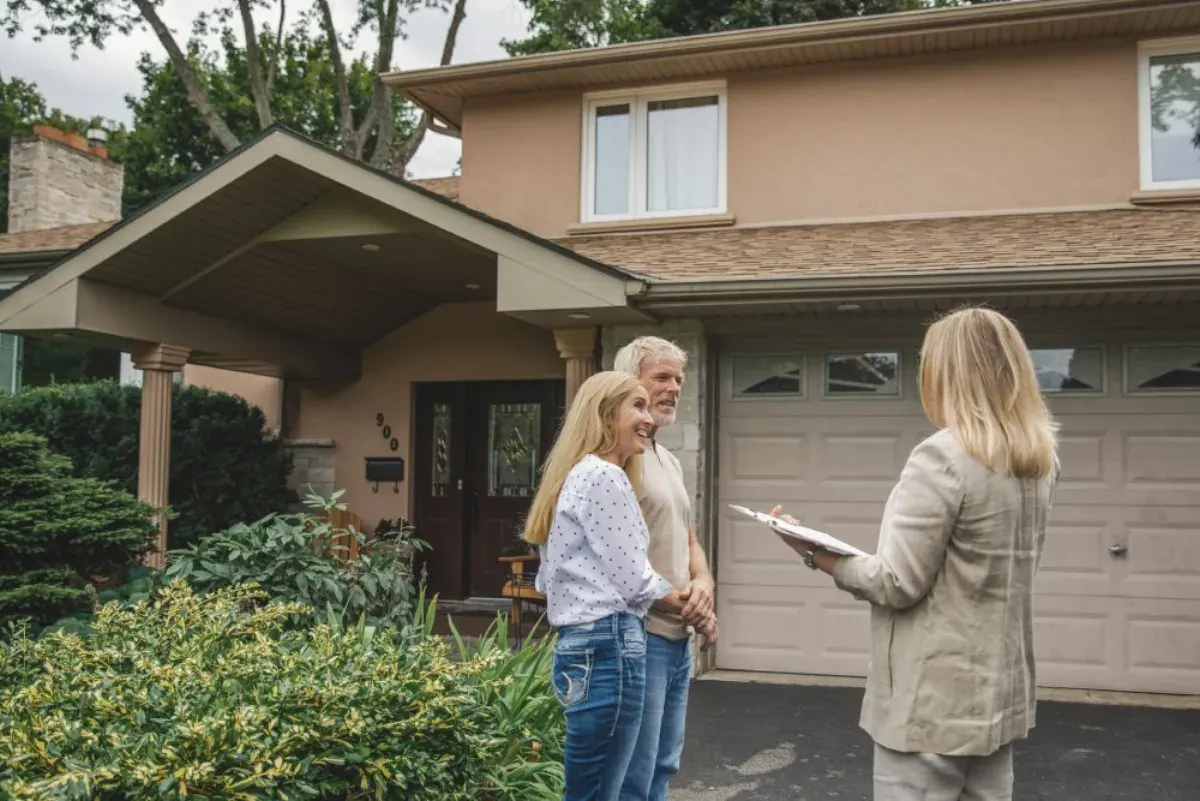
Fresh paint, styled rooms and good lighting can hide cracking, moisture stains, roof leaks, poor drainage, timber pest damage and unsafe renovation work. Consumer Affairs Victoria recommends that buyers consider engaging a qualified building inspector, surveyor or architect before signing a contract of sale because a professional report can list faults, whether they can be repaired and likely repair costs.
A pre purchase building inspection in Melbourne is especially useful because local homes face a mix of older housing stock, reactive soil movement, changing weather, terrace-style drainage issues, ageing roofs and renovation history.
This guide explains what a pre purchase inspection in Melbourne includes, what defects are commonly found, what happens before auction, how pest inspections fit in, and how to use the building inspection report before making your next move.
What Does a Pre Purchase Inspection in Melbourne Include?
A pre purchase building inspection Melbourne buyers book is a visual assessment of the property’s accessible areas. It is designed to identify defects, safety risks and repair concerns before the buyer becomes fully committed.
Consumer Affairs Victoria says a written building inspection report can list property faults, whether those faults can be repaired, and how much repairs are likely to cost. The report can also highlight unsafe or unauthorised renovations and extensions.
| Area Checked | What the Inspector Looks For | Why It Matters |
|---|---|---|
| Structure | Cracking, movement, uneven floors, wall distortion, damaged stumps or footings | Helps identify major defects and movement risks |
| Roof exterior | Broken tiles, rusted sheets, poor flashing, blocked gutters, sagging roof lines | Roof leaks can lead to ceiling damage, mould and timber decay |
| Roof void | Water stains, insulation issues, frame damage, ventilation concerns | Hidden roof defects are often missed during open homes |
| Subfloor | Dampness, termite damage, timber rot, poor ventilation, stump movement | Subfloor problems can affect structural safety |
| Plumbing | Leaks, poor drainage, old pipework, hot water system condition | Water damage can spread quickly if left untreated |
| Electrical visibility | Old switchboards, missing safety switches, exposed or unsafe-looking wiring | Visible electrical concerns may need a licensed electrician |
| Wet areas | Bathroom leaks, failed waterproofing, mould, loose tiles | Failed waterproofing is one of the most expensive hidden defects |
| External areas | Drainage, retaining walls, balconies, paths, fences and site grading | Poor drainage can worsen soil movement and moisture issues |
Why Melbourne Buyers Should Book an Inspection Before They Buy
Melbourne buyers often make fast decisions, especially when a property is going to auction. That makes the inspection timing important.
Consumer Affairs Victoria’s buying checklist says that if you are buying at auction, you should get the inspection report before the auction because you cannot place conditions on the contract of sale at auction without the vendor’s agreement.
For private sales, a cooling-off period of three clear business days applies to residential and small rural property sales in Victoria.
| Buying Situation | Best Time to Book the Inspection | Why |
|---|---|---|
| Auction | Before auction day | Auction contracts usually do not allow inspection conditions unless agreed by the vendor |
| Private sale | Before signing or during the cooling-off period | Gives time to review defects and seek advice |
| Older home | Before making a firm offer | Older homes often have roofing, drainage, asbestos or wiring concerns |
| Renovated property | Before signing | The report may flag unsafe or unauthorised work |
| Investment purchase | Before final commitment | Helps estimate repair costs and rental safety risks |
Understanding Pre-Purchase Inspections in Victoria
In Victoria, pre-purchase building inspections are carried out by registered building practitioners or licensed building inspectors under the Victorian Building Authority (VBA) framework. The VBA regulates building practitioners and sets the standards for inspection quality across the state.
A pre-purchase inspection under AS 4349.1 is a visual, non-invasive assessment. The inspector examines all reasonably accessible areas of the property and provides a written report documenting defects, areas of concern and any sections that could not be inspected.
Victorian Building Authority (VBA) Requirements
The VBA requires that building inspectors in Victoria hold appropriate registration. When booking a pre-purchase inspection in Melbourne, confirm that your inspector is registered with the VBA and carries professional indemnity insurance. This protects you if an inspector fails to identify a defect that a competent practitioner should have detected.
Buyers in Victoria typically arrange a pre-purchase inspection during the cooling-off period after signing a contract of sale, or as a condition precedent in the contract. Under the Sale of Land Act 1962 (Vic), buyers of residential property have a three business day cooling-off period during which they can withdraw from the contract, subject to a penalty. Some buyers arrange inspections before auction to avoid buying without full knowledge of the property's condition.
Found a serious issue in a pre-purchase inspection?
Learn how to document cracks, leaks, movement, and incomplete work properly so you have a clear record before negotiating, requesting repairs, or moving forward.
documentation guide
Melbourne Property Types and What Inspectors Often Find
Different Melbourne property types often come with different inspection risks.
| Property Type | Common Inspection Concerns |
|---|---|
| Victorian and Edwardian homes | Rising damp, cracked brickwork, old wiring, roof leaks, timber decay |
| Post-war brick veneer homes | Stump movement, drainage faults, ageing plumbing, roof tile damage |
| Renovated homes | Poor workmanship, unauthorised work, waterproofing failures |
| Townhouses | Party wall issues, balcony drainage, roof flashing, garage water entry |
| Apartments | Water ingress, balcony defects, ventilation, owners corporation maintenance |
| Newer homes | Settlement cracks, drainage, waterproofing, workmanship defects |
Key Areas Inspected in Melbourne Properties
A thorough pre-purchase inspection in Melbourne covers the following building elements and systems.
Structural Elements
Structural assessment is the foundation of any pre-purchase inspection. In Melbourne, inspectors pay particular attention to:
- Foundations and footings, especially signs of movement from reactive clay soils
- Load-bearing walls, beams, columns and lintels
- Subfloor structure including stumps, bearers and joists
- Floor levels and evenness, checked with a spirit level or laser
- Cracking patterns in brickwork, render and internal plaster
Melbourne sits on a range of soil types, but large areas of the eastern, northern and western suburbs are built on highly reactive Basalt and Silurian clay soils. These soils expand when wet and contract when dry, causing seasonal ground movement that can crack foundations, shift stumps and distort wall and floor levels.
Electrical Systems
Inspectors assess the visible components of the electrical system, including the switchboard, safety switches (RCDs), wiring type and condition, power points and light fittings. Many older Melbourne homes still have ceramic fuse boxes, aluminium wiring or wiring insulated with rubber or cloth, all of which pose safety risks and require upgrading.
Plumbing
The plumbing inspection covers visible pipework, taps, water pressure, hot water systems, drainage and stormwater management. Melbourne's ageing housing stock means many properties still have galvanised steel or cast iron pipes that corrode over time, leading to leaks, low water pressure and potential water damage.
HVAC and Ventilation
Heating and cooling systems are checked for visible defects and general condition. Melbourne's climate demands both heating in winter and cooling in summer, so inspectors assess ducted heating, split systems, evaporative coolers and subfloor ventilation. Poor ventilation in subfloor spaces is a common finding in Melbourne homes and can lead to timber decay and mould growth.
Roofing
The roof is inspected from both outside and within the roof void. Inspectors check for damaged or missing tiles, deteriorated flashing, sagging ridge lines, corroded metal roofing, blocked gutters and evidence of leaks. Melbourne experiences significant rainfall across autumn and winter, and wind-driven rain can exploit even minor gaps in roofing materials.
Pest Activity
While a dedicated timber pest inspection under AS 4349.3 is a separate service, many Melbourne inspectors offer combined building and pest inspections. Termite activity is found across Melbourne, particularly in suburbs with mature tree cover. Borers, dampwood termites and subterranean termites are all present in the greater Melbourne area.
Common Defects Found in Melbourne Pre Purchase Inspections
A property inspection Melbourne buyers arrange can reveal issues linked to local soil, weather, building age and renovation quality.
The Bureau of Meteorology’s Melbourne climate statistics show long-term annual mean rainfall of about 648.3 mm at the Melbourne Regional Office station, which helps explain why roof drainage, stormwater, damp and waterproofing checks matter in local inspections.
| Defect Category | Common Melbourne Findings | Buyer Risk |
|---|---|---|
| Structural cracking | Stepped brick cracks, slab edge cracks, internal plaster cracks | May suggest movement or footing issues |
| Roof deterioration | Cracked tiles, rusted metal sheets, failed flashing, blocked gutters | Can lead to leaks and ceiling damage |
| Moisture and damp | Rising damp, mould, damp subfloors, wet wall linings | Can affect health, timber framing and repair costs |
| Drainage faults | Water pooling near footings, blocked downpipes, poor site fall | Can worsen movement and moisture problems |
| Timber pest damage | Termite damage, borer activity, damp timber | May require pest treatment and structural repair |
| Old electrical systems | Old switchboards, visible unsafe wiring, limited safety devices | Needs review by a licensed electrician |
| Plumbing defects | Corroded pipes, poor water pressure, leaks, poor stormwater control | Can cause water damage and costly repairs |
| Asbestos risk | Suspected asbestos cement in eaves, cladding, wet areas or fences | Needs specialist assessment before renovation |
Structural Cracking and Reactive Soil Movement
Many Melbourne homes show some form of cracking, but not every crack is serious.
Fine plaster cracks may be minor, while diagonal cracks, stepped brick cracks, uneven floors and doors that no longer close properly can point to movement. Reactive clay soil can expand and shrink with seasonal moisture changes, and YourHome advises seeking professional advice from an engineer before repairing movement-related cracking because some repairs can worsen structural damage when foundations move again.
A good building inspection Melbourne report should explain whether cracking appears minor, needs monitoring, or requires further investigation by a structural engineer.
| Crack Type | Possible Meaning | Recommended Next Step |
|---|---|---|
| Hairline plaster cracks | Minor settlement or age-related movement | Monitor and maintain |
| Stepped brick cracks | Possible footing or soil movement | Ask inspector if engineer review is needed |
| Wide external cracks | Possible structural movement | Seek further assessment before purchase |
| Cracks near windows or doors | Movement around openings | Check if doors/windows stick |
| Cracks with sloping floors | Potential structural concern | Get specialist advice |
Faulty and Outdated Electrical Wiring
Many Melbourne homes built before the 1980s have electrical systems that do not meet current standards. Common findings include switchboards without residual current devices (RCDs), which are now mandatory under AS/NZS 3000. Homes with old wiring insulation that has degraded present fire and electrocution risks.
Roof Deterioration
Melbourne's weather, with its combination of UV exposure in summer, heavy rain in winter and occasional hailstorms, takes a toll on roofing materials. Terracotta tile roofs on older homes often show cracked, chipped or displaced tiles. Metal roofing can develop corrosion at fixings and overlaps. Box gutters, common on Melbourne's period homes and row terraces, are a frequent source of concealed leaks when flashings fail or gutters block.
Plumbing Problems
Galvanised steel pipes, common in homes built before 1970, corrode internally and restrict water flow over time. Inspectors often find evidence of ongoing leaks, water staining on ceilings and walls, and poor drainage that causes water to pool against foundations, which in turn exacerbates soil movement and damp issues.
What to Do If the Inspection Finds Major Defects
A major defect does not always mean the property should be avoided, but it should change the decision-making process.
| Finding | Buyer Action |
|---|---|
| Structural movement | Ask whether engineer review is needed |
| Active water leak | Request repair scope and likely cost |
| Termite damage | Arrange timber pest treatment advice and repair estimate |
| Unsafe electrical concern | Ask a licensed electrician to assess |
| Failed waterproofing | Get repair quote before committing |
| Unauthorised works | Ask your conveyancer to review risk |
Major defect in the report? Keep the right evidence from day one
See what photos, notes, emails, and timelines matter most when a building issue needs follow-up after a pre-purchase inspection.
investigation guide
Building and Pest Inspection Melbourne: Why Pest Checks Matter
A standard building inspection may note visible signs of pest damage, but a dedicated timber pest inspection gives stronger coverage for termites, borers and timber decay.
Standards Australia lists AS 4349.3-2010 as the Australian Standard for inspection of buildings, Part 3: Timber pest inspections.
For Melbourne buyers, a building and pest inspection Melbourne package can be useful when buying older timber-framed homes, properties with poor subfloor ventilation, homes close to mature trees, or properties with past moisture problems.
| Pest Risk Area | What Inspectors Look For |
|---|---|
| Subfloor | Termite leads, timber decay, poor ventilation, damp soil |
| Roof void | Damaged timber, moisture, pest evidence |
| External timbers | Decay, soil contact, damaged posts or decking |
| Fences and landscaping | Timber in ground contact, termite-friendly conditions |
| Wet areas | Moisture that may attract timber pests |
How Melbourne's Climate Affects Properties
Melbourne's climate is classified as temperate oceanic, with warm summers averaging around 25 degrees Celsius and cool winters averaging approximately 7 degrees Celsius. The city receives about 600mm of rainfall per year, distributed primarily across the cooler months.
This climate creates specific challenges for buildings.
| Climate Factor | Impact on Melbourne Properties | What Inspectors Check |
|---|---|---|
| Seasonal temperature variation | Expansion and contraction of building materials, particularly metal roofing and flashing | Joint integrity, flashing condition, gaps at material junctions |
| Reactive soil movement | Foundation heave in winter, settlement in summer, differential movement year-round | Crack patterns, floor levels, door and window operation |
| Winter rainfall and damp | Moisture ingress through roofs, walls and subfloor; rising damp in older homes | Moisture readings, staining, mould, efflorescence on brickwork |
| UV exposure | Degradation of paint, sealants, rubber flashings and timber surfaces exposed to sun | Condition of external finishes, sealant integrity, timber decay |
Waterproofing and Drainage
Waterproofing failures are among the most costly defects found in Melbourne properties. In wet areas such as bathrooms, laundries and balconies, failed waterproofing membranes allow water to penetrate the building structure, causing timber rot, corrosion of steel framing and mould growth.
Drainage is equally important. Melbourne's stormwater system relies on properties directing rainwater away from foundations. Inspectors assess the grading of the site, the condition of downpipes and stormwater connections, and whether surface water is being managed effectively. Poor drainage on reactive soils accelerates foundation movement.
Important
If you are purchasing a property built on reactive clay soils in Melbourne, ask your inspector specifically about foundation condition, drainage adequacy and whether a geotechnical assessment may be warranted. Trees planted close to the building can worsen soil movement by extracting moisture during dry periods.
How to Read a Building Inspection Report Melbourne Buyers Receive
A building inspection report Melbourne buyers receive should not be treated as a pass or fail document. It is a risk report.
Standards Australia lists AS 4349.1-2007 as the Australian Standard for inspection of buildings, Part 1: Pre-purchase inspections for residential buildings.
Focus on these parts of the report:
| Report Section | What It Means | What Buyers Should Do |
|---|---|---|
| Major defects | Serious defects affecting safety, structure, use or future deterioration | Ask for repair advice, quotes or specialist review |
| Minor defects | Issues that need repair but may not affect structure | Use for maintenance planning |
| Safety hazards | Items that may create risk to occupants | Treat as urgent |
| Access limitations | Areas the inspector could not check | Understand that hidden risk remains |
| Further investigation | Items needing another specialist | Do this before going unconditional where possible |
| Photos | Visual proof of each issue | Use when discussing repairs or price |
When reviewing the report, focus on the major defects first. These are the items most likely to affect the property's safety, structural integrity and value. Ask your inspector to explain any findings you do not understand and to provide rough cost estimates for rectification where possible.
Look at the report's limitations section carefully. If the inspector could not access the subfloor, roof void or other areas, those areas remain unknown risks. You may need to arrange further investigation before committing to the purchase.
Legal and Financial Considerations in Victoria
Pre-purchase inspections have both legal and financial implications for Melbourne property buyers.
Under Victorian consumer law, a seller is generally not required to disclose building defects unless asked specific questions or the contract includes particular warranties. This places the burden on the buyer to investigate the property's condition independently.
If your contract of sale includes a building inspection clause (also known as a subject to inspection clause), you have a defined period to obtain and review the inspection report. If the report reveals significant defects, you may be able to renegotiate the price, request repairs before settlement or withdraw from the contract.
Pre Purchase Inspection Cost Melbourne Buyers Should Plan For
The pre purchase inspection cost Melbourne buyers pay depends on property size, age, access, location and whether pest inspection is included.
Consumer Affairs Victoria does not set one fixed inspection price, but it states that the fee for a professional inspection service is small compared with the cost of buying a property that needs extensive unforeseen repairs.
| Inspection Type | Best For | Notes |
|---|---|---|
| Building inspection only | Units, newer homes, basic condition checks | Focuses on visible building defects |
| Building and pest inspection | Houses, older homes, timber homes, leafy suburbs | Stronger option where termite risk or timber damage may exist |
| Specialist structural inspection | Cracking, movement, sloping floors | Often used after a building inspector recommends further review |
| Asbestos assessment | Homes built before 1990 | Needed if suspected materials require confirmation |
From a financial perspective, the cost of a pre-purchase inspection in Melbourne typically ranges from $400 to $800 for a standard building inspection, with combined building and pest inspections costing slightly more. Given that rectifying a major structural defect can cost $10,000 to $50,000 or more, the inspection represents a small investment relative to the potential savings.
Building Inspection Before Auction Melbourne Buyers Should Arrange Early
A building inspection before auction Melbourne buyers arrange should be completed before auction day.
Consumer Affairs Victoria says buyers should get building and pest inspection results before auction because conditions cannot be placed on the contract of sale at auction without the vendor’s agreement.
Consumer Affairs Victoria also states that if a pre-auction offer is accepted less than three clear business days before the auction date, the buyer does not get a cooling-off period.
| Auction Step | What to Do |
|---|---|
| Before bidding | Book a pre purchase inspection and pest inspection |
| Before signing | Ask your conveyancer to review the contract and Section 32 |
| Before auction day | Read the report and ask the inspector about major defects |
| Before setting a limit | Allow for repair costs in your maximum bid |
| After winning | Keep the report for maintenance planning and future repairs |
Auction Purchases in Melbourne
Properties sold at auction in Victoria do not have a cooling-off period. If you plan to bid at auction, arrange your pre-purchase inspection before auction day. This is the only way to have the full picture of the property's condition before you are legally bound to purchase.
Choosing a Registered Building Inspector Melbourne Buyers Can Trust
When searching for a registered building inspector Melbourne, do not rely only on a fast booking time or a low fee.
Consumer Affairs Victoria recommends engaging a qualified building inspector, surveyor or architect to provide a professional building inspection report before signing a contract of sale.
The Building and Plumbing Commission is now Victoria’s building and plumbing regulator, bringing together the former Victorian Building Authority, Domestic Building Dispute Resolution Victoria and the domestic building insurance arm of VMIA.
| What to Check | Why It Matters |
|---|---|
| Qualifications and registration | Helps confirm the inspector is suitable for the work |
| Professional indemnity insurance | Protects buyers if professional negligence becomes an issue |
| Melbourne experience | Local homes have soil, drainage, roof and age-related issues |
| Sample report | Shows whether the report is clear and useful |
| Pest inspection option | Saves time when timber pest risk is relevant |
| Clear defect ratings | Helps buyers understand urgency and repair priority |
A good inspector will not only identify defects but explain what they mean in context, whether they are progressing, and what rectification may involve. The inspector should explain major defects in plain English, not just list technical terms.
Getting the Most Value from Your Home and Building Investment
A pre purchase inspection Melbourne buyers arrange at the right time can protect them from hidden repair costs, unsafe work and rushed decisions.
The best report does more than list defects. It explains what matters, what can wait, what needs specialist advice, and what may affect the price or safety of the property.
Before you buy in Melbourne, book a pre purchase building inspection, consider a building and pest inspection, read the report carefully, and ask questions before signing or bidding.
Book an independent pre purchase inspection in Melbourne
Get clear reporting from Owner Inspections before you commit to buying.
inspection
Frequently Asked Questions
How much does a pre purchase inspection cost in Melbourne?
What does a pre purchase building inspection include?
Do I need a building inspection before auction in Melbourne?
Is there a cooling-off period after buying at auction in Victoria?
Can a pre purchase inspection find termites?
Should I get a building and pest inspection in Melbourne?
What is a major defect in a building inspection report?
Should I use a registered building inspector in Melbourne?
Can asbestos be found during a pre purchase inspection?
What should I do after receiving the inspection report?
Key Takeaways
- Pre-purchase inspections in Melbourne follow AS 4349.1 and should be conducted by a VBA-registered building inspector
- Melbourne's reactive clay soils cause foundation movement and structural cracking that inspectors specifically look for across the city's suburbs
- Common defects in Melbourne properties include outdated electrical systems, corroded plumbing, roof deterioration and moisture-related damage
- Melbourne's climate, with warm summers and cool wet winters, creates ongoing stress on building materials, waterproofing and drainage systems
- Properties purchased at auction in Victoria have no cooling-off period, so inspections must be arranged before auction day
- Inspection reports classify findings as major defects, minor defects and maintenance items under AS 4349.1
- The cost of a pre-purchase inspection is minimal compared to the potential expense of rectifying undisclosed structural or safety defects
Related Articles

Pre-Purchase Inspection Checklist for Buyers
A pre-purchase inspection checklist helps buyers assess property condition before committing. Covers structural, electrical, plumbing, roofing, and pest checks.

Decoding Pre-Purchase Inspection Reports
Understanding your pre-purchase inspection report is essential for making confident purchasing decisions. Learn how to decode technical findings and identify significant problems.
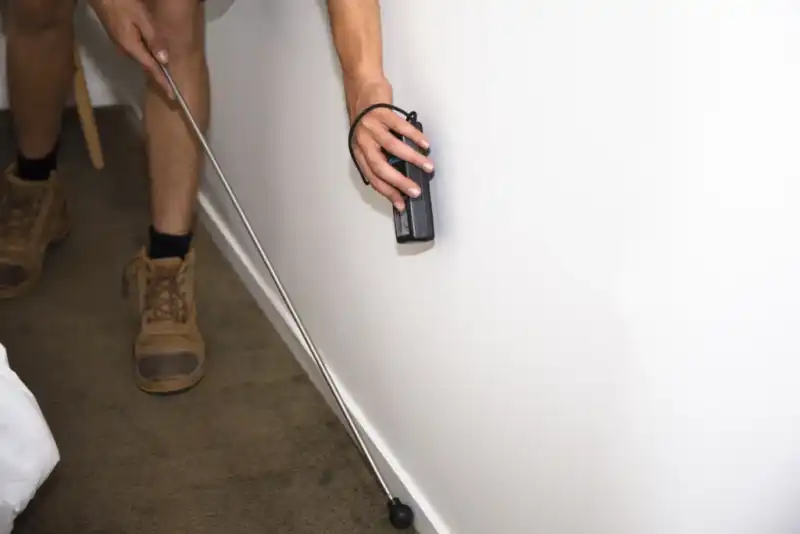
What's Involved in a Building and Pest Inspection
Building and pest inspections evaluate structural integrity and pest-related issues in Australian properties. Learn what inspectors check, common issues detected, costs, and legal requirements.
Book a Pre-Purchase Inspection in Melbourne
Our VBA-registered building inspectors provide comprehensive pre-purchase inspection reports for Melbourne properties. Get expert assessment of structural condition, pest activity, electrical systems and more before you buy.
For a complete overview, see our guide to pre-purchase building and pest inspections.