

When a defect surfaces months or years after a home is handed over, the builder bears the financial and legal burden under statutory warranty obligations that extend up to 10 years in some states. By that point, the subcontractor responsible for the faulty work has often moved on to other projects, leaving the builder to absorb the full cost of rectification. This dynamic creates a compelling business case for independent QA inspections at every construction stage.
This guide explains how QA inspections work, what they cover, when they should occur, and why they represent one of the most cost-effective investments a builder can make during any residential project in Australia.
A single waterproofing defect identified during construction might cost $200 to fix on site. The same defect discovered two years after handover, once tiles, cabinetry, and flooring are installed, can cost $15,000 or more to rectify. QA inspections exist to catch these problems while the fix is still straightforward.
Why Building Surveyors Are Not Enough
Many builders assume that mandatory building surveyor inspections provide sufficient quality oversight during construction. In reality, building surveyors (also known as building certifiers in some states) have a limited and defined scope of assessment. Their role is to confirm compliance with the building permit conditions and the National Construction Code at prescribed hold points. They do not perform trade-by-trade quality assessments.
A typical building surveyor inspection covers structural framing, bracing, tie-down connections, and overall compliance with the approved plans. However, numerous trades and systems fall outside the scope of these mandatory inspections, including:
- Waterproofing membrane installation and detailing
- Insulation placement and continuity
- Electrical rough-in and final fitout
- Plumbing pipe runs and connections
- Painting surface preparation and finish quality
- Tiling adhesion, layout, and grout lines
- Fixture and fitting installation
- Stormwater and site drainage
- Flooring installation and subfloor preparation
These areas are precisely where trade defects are most common and where the cost of late discovery is highest. An independent QA inspection fills this gap by assessing every trade's work against the relevant Australian Standards and the National Construction Code before it is covered by the next stage of construction.
The Warranty Problem for Builders
Australian consumer protection legislation imposes statutory warranty obligations on builders for defects that emerge after construction is complete. These warranty periods vary by state and territory, and they apply regardless of which subcontractor performed the defective work.
| State/Territory | Structural Defects | Non-Structural Defects | Regulating Authority |
|---|---|---|---|
| New South Wales | 6 years | 2 years | NSW Fair Trading |
| Victoria | 10 years | 6 years | Victorian Building Authority (VBA) |
| Queensland | 6 years 6 months | 6 months | QBCC |
| South Australia | 5 years | 1 year | Consumer and Business Services |
| Western Australia | 6 years | 2 years | Building Commission WA |
| Tasmania | 6 years | 2 years | Consumer, Building and Occupational Services |
| ACT | 6 years | 2 years | Access Canberra |
| Northern Territory | 6 years | 2 years | NT Building Advisory Services |
When a homeowner lodges a warranty claim for a defect in tiling, waterproofing, or plumbing, it is the builder who must respond, investigate, and pay for the rectification. Pursuing the original subcontractor for recovery is often impractical. The tradesperson may have ceased trading, moved interstate, or simply disputes liability.
QA inspections shift the accountability back to the point of construction. By identifying defective work while the responsible trade is still on site, the builder can direct the subcontractor to fix the issue at their own cost before the next stage proceeds. This avoids warranty claims, reduces disputes with homeowners, and protects the builder's reputation.
Two Approaches to QA Inspections
Builders can structure their QA inspection programme in two ways, depending on the size of the project, the trades involved, and the level of oversight required.
Stage-Based Inspections
Stage-based inspections align with the standard construction milestones and assess all work completed within each stage. This approach is the most common for residential builds and provides a structured checkpoint before the project moves forward.
The typical stages for QA inspection are:
- Bored piers and footings: Verifying pier depth, diameter, reinforcement placement, and soil conditions before concrete is poured
- Slab: Checking reinforcement layout, vapour barriers, service penetrations, and formwork before the slab pour
- Frame: Assessing timber or steel frame compliance with engineering specifications, bracing, tie-downs, and window/door openings
- Lock-up: Inspecting external cladding, roofing, windows, doors, and the building envelope for weathertightness. See our lock-up and pre-plaster inspection guide for more detail
- Fixing: Evaluating internal linings, cabinetry, doors, architraves, and built-in elements. Our fixing inspections complete guide covers this stage in depth
- Waterproofing: Verifying membrane application, floor falls, hob heights, and junction detailing in all wet areas
- Pre-handover: A final comprehensive assessment before the property is handed to the owner. See our pre-handover inspection service
For a full breakdown of every construction stage, refer to our building inspection stages guide.
Trade-Specific Inspections
Trade-specific inspections focus on the output of individual trades rather than the overall construction stage. This approach is useful when a builder has concerns about a particular subcontractor's work quality or when the project involves specialist trades that require independent verification.
Trade-specific QA inspections can be arranged for:
- Excavation and site preparation
- Concreting (footings, slabs, driveways)
- Carpentry and timber framing
- Structural steel fabrication and installation
- Masonry (brickwork, blockwork)
- Plumbing rough-in and final
- Rendering and external coatings
- Window and door installation
- HVAC ductwork and equipment
- Flooring (timber, tiles, carpet, vinyl)
- Tiling (wet areas, splashbacks, feature walls)
- Plastering and internal linings
- Cabinetry and joinery
- Painting and protective coatings
- Landscaping and external works
Each trade inspection assesses the work against the applicable Australian Standard, the manufacturer's installation instructions, and accepted industry practice.
What QA Inspectors Assess
A QA inspection is not a quick walk-through. It is a systematic assessment of every element within the inspection scope. Inspectors evaluate four primary areas.
Material Quality
Inspectors verify that the materials used on site match the specifications in the building contract and the approved plans. This includes checking:
- Concrete grade and slump test results
- Timber species, grade, and moisture content
- Steel member sizes and protective coatings
- Waterproofing membrane type and manufacturer compliance
- Insulation R-values and coverage
- Fixings, adhesives, and sealants against manufacturer specifications
Building Code Compliance
Every element is assessed against the National Construction Code and the relevant Australian Standards. Common compliance checks include:
- Structural member sizes and spacing per AS 1684 (timber) or engineering specifications (steel)
- Waterproofing installation per AS 3740
- Electrical work per AS/NZS 3000
- Plumbing and drainage per AS 3500
- Energy efficiency provisions per NCC Section J (commercial) or Part 3.12 (residential)
Installation Precision
Beyond code compliance, inspectors assess whether work has been carried out to an acceptable standard of workmanship. This includes:
- Plumb, level, and square measurements on framing and linings
- Tile layout, adhesion, and grout consistency
- Paint coverage, finish quality, and surface preparation
- Cabinet alignment, door operation, and hardware function
- Window and door sealing, operation, and adjustment
Trade-Specific Functionality
Each trade has specific functional requirements that go beyond appearance. Inspectors verify:
- Plumbing pressure testing and drainage fall
- Electrical circuit testing and safety switch operation
- HVAC airflow testing and duct sealing
- Waterproofing flood testing and membrane integrity
- Window water penetration resistance
Cost of QA Inspections vs Cost of Defect Rectification
The financial case for QA inspections is straightforward. The following table compares typical QA inspection costs with the cost of rectifying defects discovered after completion.
| Defect Type | QA Inspection Cost (Per Stage) | Rectification Cost (After Completion) |
|---|---|---|
| Waterproofing failure in bathroom | $400 to $600 | $12,000 to $25,000 |
| Incorrect framing member sizes | $400 to $600 | $8,000 to $20,000 |
| Tiling adhesion failure | $400 to $600 | $5,000 to $15,000 |
| Plumbing leak behind wall | $400 to $600 | $6,000 to $18,000 |
| Insulation gaps and thermal bridging | $400 to $600 | $3,000 to $10,000 |
| Painting defects (full repaint) | $400 to $600 | $4,000 to $12,000 |
| Drainage fall issues | $400 to $600 | $5,000 to $15,000 |
A single QA inspection that identifies one defect during construction pays for itself many times over. For builders managing multiple projects, a consistent QA programme can save tens of thousands of dollars annually in avoided warranty claims and rectification work.
Benefits for Builders
Reduced Disputes with Homeowners
Homeowners who discover defects after moving in are understandably frustrated. This frustration leads to formal complaints, negative reviews, and in many cases, applications to state tribunals such as NCAT (NSW), VCAT (Victoria), or QCAT (Queensland). QA inspections reduce the number and severity of post-completion defects, which directly reduces the likelihood of disputes.
Improved Trade Accountability
When subcontractors know that an independent inspector will review their work before it is covered, the standard of workmanship improves. Trades are more likely to self-check their work and address issues proactively when they know an inspection is scheduled.
Better Documentation
QA inspection reports create a documented record of construction quality at each stage. This documentation is valuable for:
- Responding to warranty claims with evidence of construction quality
- Supporting insurance claims related to construction defects
- Demonstrating compliance to building surveyors and regulatory authorities
- Providing homeowners with confidence in the build quality
Fewer Project Setbacks
Defects discovered late in the construction process cause delays while they are rectified. A frame defect found at lock-up stage, for example, may require removal of external cladding to access and fix the issue. QA inspections at each stage prevent these costly setbacks by catching problems early.
Lower Overall Project Costs
The combined effect of fewer warranty claims, fewer disputes, fewer delays, and improved trade accountability is a measurable reduction in overall project costs. Builders who invest in QA inspections consistently report lower defect rates and higher customer satisfaction.
Improved Safety
QA inspections identify safety hazards that may not be visible once construction is complete. Incorrect bracing, missing tie-downs, electrical faults, and inadequate fall protection in roof spaces are all examples of safety-related defects that QA inspections detect.
Inspector Qualifications and Licensing
QA inspectors working on Australian construction projects should hold relevant licences issued by the building regulatory authority in their state or territory. At Owner Inspections, our inspectors hold licences issued by:
- Victorian Building Authority (VBA): For inspections on Victorian residential and commercial projects
- NSW Fair Trading: For inspections on New South Wales residential building work
- QBCC (Queensland Building and Construction Commission): For inspections on Queensland building projects
Inspectors should also carry professional indemnity insurance and public liability insurance. Their qualifications typically include a Certificate IV or Diploma in Building and Construction (Building), a relevant degree in building surveying or construction management, or equivalent industry experience combined with formal licensing.
Confidentiality of QA Reports
QA inspection reports commissioned by the builder are confidential to the builder. They are not shared with homeowners, subcontractors, or third parties unless the builder chooses to release them. This confidentiality is a deliberate feature of the service. It allows builders to identify and rectify defects internally without exposing themselves to claims or disputes based on inspection findings.
The reports serve as an internal quality management tool. Builders use them to hold trades accountable, track recurring defect patterns across projects, and continuously improve their construction processes.
When to Schedule QA Inspections
Timing is everything with QA inspections. The inspection must occur after the trade has completed their work but before the next stage conceals it. In practice, this means coordinating inspection scheduling with the construction programme.
For stage-based inspections, the builder should book the inspection as soon as the relevant stage is complete and before any concealment work begins. For example:
- Frame inspection: After all framing, bracing, and tie-downs are complete, but before external cladding or internal linings begin
- Waterproofing inspection: After membrane application and before any tiling
- Fixing inspection: After all internal fittings are installed but before painting
Inspections can typically be arranged within 24 to 48 hours of the builder's request, and most single-stage residential inspections take between two and four hours on site.
Frequently Asked Questions
Frequently Asked Questions
What is a builders' quality assurance inspection?
A builders' QA inspection is an independent assessment of tradespeople's work during construction, designed to identify defects before the next stage of building conceals them.
These inspections are commissioned by the builder as a quality control measure. A licensed building inspector visits the site at agreed stages or after specific trades have completed their work. The inspector assesses material quality, code compliance, installation precision, and trade-specific functionality. A detailed report is provided to the builder, listing any defects or non-compliant work along with photographic evidence and references to the applicable Australian Standards or National Construction Code provisions. The builder then directs the responsible subcontractor to rectify the identified issues before the project moves to the next stage.
How does a QA inspection differ from a building surveyor inspection?
A building surveyor inspection is a mandatory regulatory checkpoint that assesses compliance with the building permit at prescribed hold points. A QA inspection is a voluntary, more detailed assessment that covers trades and elements outside the building surveyor's scope.
Building surveyors focus on structural compliance, bracing, and overall adherence to the approved plans at specific stages required by legislation. They do not inspect waterproofing application quality, insulation placement, electrical rough-in detail, plumbing connections, tiling workmanship, painting finish, or many other trade-specific elements. A QA inspection fills these gaps by providing a comprehensive, trade-by-trade assessment of every element completed within the inspection stage. The two inspections serve different purposes and are complementary rather than interchangeable.
At which construction stages should QA inspections be done?
QA inspections should be conducted at every stage where work will be concealed by the next phase of construction. The most common stages are bored piers, slab, frame, lock-up, fixing, waterproofing, and pre-handover.
The specific stages depend on the type of project and the construction method. A standard single-storey brick veneer home may require five to seven stage inspections. A multi-storey or architecturally designed home may require more frequent inspections due to the complexity of the build. Trade-specific inspections can also be added at any point where the builder wants independent verification of a particular subcontractor's work. The goal is to inspect all work before it becomes inaccessible or covered by subsequent trades.
Who pays for QA inspections?
The builder pays for QA inspections. They are commissioned by and reported to the builder as part of their internal quality management programme.
Some builders factor the cost of QA inspections into their project budget as a standard overhead. Others treat it as an optional expense for specific projects where trade quality is a concern. In either case, the cost is borne by the builder, not the homeowner. Given that a full set of stage inspections for a typical residential build costs between $2,000 and $5,000, and a single post-completion defect rectification can cost $10,000 or more, the return on investment is clear.
Are QA inspection reports shared with homeowners?
No. QA inspection reports are confidential to the builder and are not shared with homeowners or third parties unless the builder specifically authorises their release.
This confidentiality is a deliberate feature. It allows builders to use QA inspections as an internal quality tool without the risk that inspection findings will be used against them in disputes. The reports help builders identify and fix problems proactively. If reports were shared with homeowners by default, builders might be reluctant to commission inspections, which would ultimately result in more defects reaching completion. The confidentiality arrangement encourages builders to be thorough in their quality assurance without fear of adverse consequences.
What qualifications do QA inspectors need?
QA inspectors should hold a building inspection licence issued by the relevant state authority, such as the VBA (Victoria), NSW Fair Trading (New South Wales), or QBCC (Queensland).
Appropriate qualifications include a Certificate IV or Diploma in Building and Construction, a degree in building surveying or construction management, or equivalent practical experience combined with formal licensing. Inspectors should also carry professional indemnity insurance and public liability insurance. Experience in residential construction is particularly valuable, as inspectors need practical knowledge of trade practices, common defect patterns, and the applicable Australian Standards for each trade they assess.
How long does a construction stage QA inspection take?
A single-stage QA inspection on a standard residential project typically takes between two and four hours on site.
The duration depends on the size of the property, the complexity of the stage being inspected, and the number of defects identified. A slab inspection on a straightforward single-storey home may take around two hours, while a fixing stage inspection on a large, multi-level home can take four hours or more. The inspection report is usually delivered within 24 to 48 hours of the site visit. Builders should allow adequate lead time when scheduling inspections to avoid delays in the construction programme.
Can QA inspections be done on weekends?
Yes. Many inspection providers, including Owner Inspections, offer weekend appointments for QA inspections.
Weekend inspections are particularly useful when the construction site is quieter and the inspector can access all areas without interference from active trades. However, availability may vary depending on the provider and the location of the project. It is best to book weekend inspections at least a few days in advance to secure a suitable time slot. Weekday inspections remain the most common scheduling option and generally offer the widest availability.
What happens if defects are found during a QA inspection?
The inspector documents all defects in a detailed report with photographs, descriptions, and references to the applicable standards. The builder then directs the responsible subcontractor to rectify the defects before the next stage proceeds.
The report categorises defects by severity, helping the builder prioritise which items require immediate attention and which can be addressed within a reasonable timeframe. Structural and safety-related defects are flagged for urgent rectification. Workmanship and cosmetic defects are recorded for correction before the stage is signed off. In some cases, the builder may request a re-inspection after the subcontractor has completed the rectification work to confirm that the defects have been properly addressed.
How do QA inspections reduce warranty claims?
QA inspections reduce warranty claims by identifying and rectifying defects during construction, before the homeowner takes possession. Defects that are fixed during the build cannot become warranty claims after handover.
Warranty claims are expensive and time-consuming for builders to manage. Each claim requires investigation, potentially engaging an expert to assess liability, arranging rectification works (often in an occupied home), and managing the homeowner's expectations throughout the process. By catching defects during construction when the responsible trade is still on site and the work is accessible, QA inspections eliminate these costs entirely. Builders who use QA inspections consistently report a significant reduction in warranty claims across their project portfolio.
Are QA inspections available for commercial projects?
Yes. QA inspections are available for both residential and commercial construction projects across Australia.
Commercial projects often involve a wider range of specialist trades and more complex construction methods, making independent quality assurance even more valuable. Commercial QA inspections may cover structural steel fabrication, fire-rated construction, mechanical services, hydraulic systems, facade installation, and fit-out works. The inspection scope is tailored to the project requirements and agreed with the builder or project manager before the inspection programme begins.
Key Takeaways
Key Takeaways
- QA inspections are independent assessments that identify trade defects during construction before they are concealed by the next stage of work
- Building surveyor inspections have a limited scope and do not cover many trades including waterproofing, insulation, electrical, plumbing, tiling, and painting
- Australian builders face statutory warranty obligations of up to 10 years for structural defects, making early defect detection a financial priority
- A single QA inspection costs between $300 and $800 per stage, while post-completion defect rectification can cost $5,000 to $25,000 or more
- QA inspections can be structured as stage-based (aligned with construction milestones) or trade-specific (focused on individual subcontractors)
- QA reports are confidential to the builder and are not shared with homeowners or third parties
- Inspectors should hold licences from the VBA, NSW Fair Trading, QBCC, or equivalent state authority
- Consistent use of QA inspections reduces warranty claims, improves trade accountability, and lowers overall project costs
Related Articles
Building Inspection Stages: A Comprehensive Guide
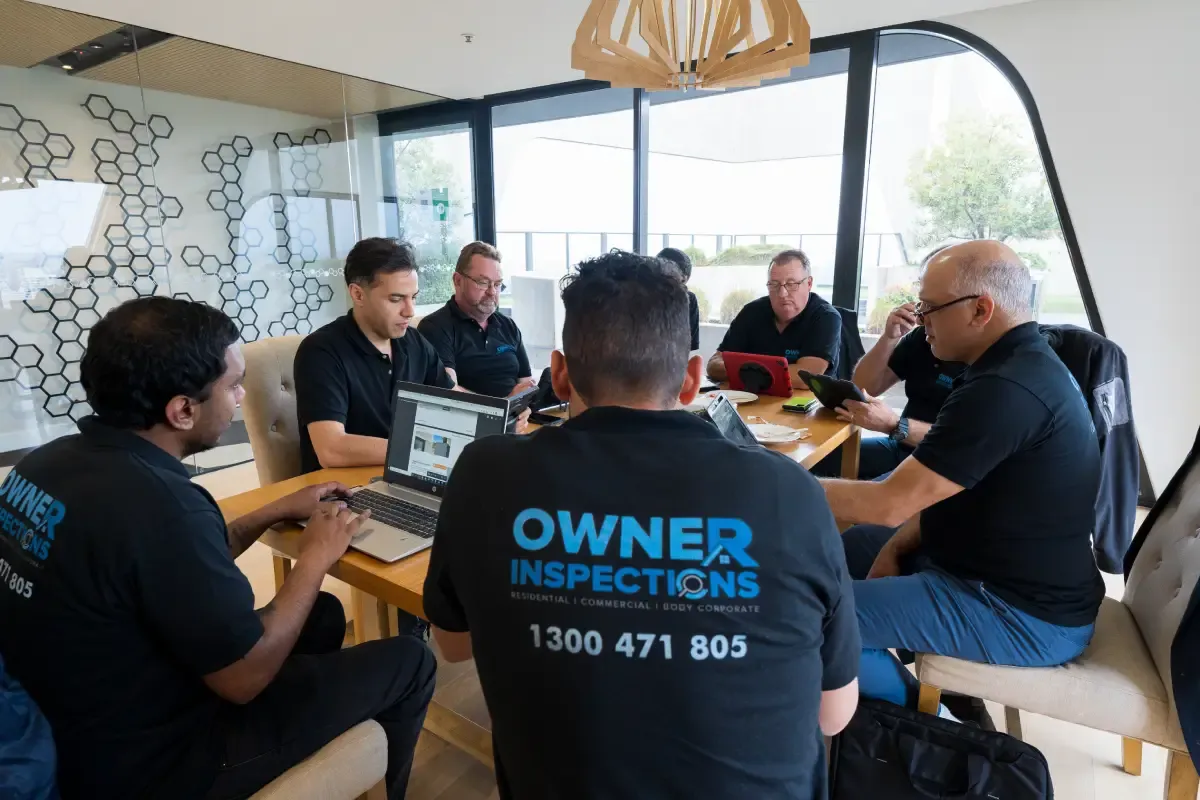
Independent Construction Inspections and Why They Matter
Independent construction inspections provide unbiased assessments of build quality and compliance. Learn why third-party inspections protect homeowners and investors.
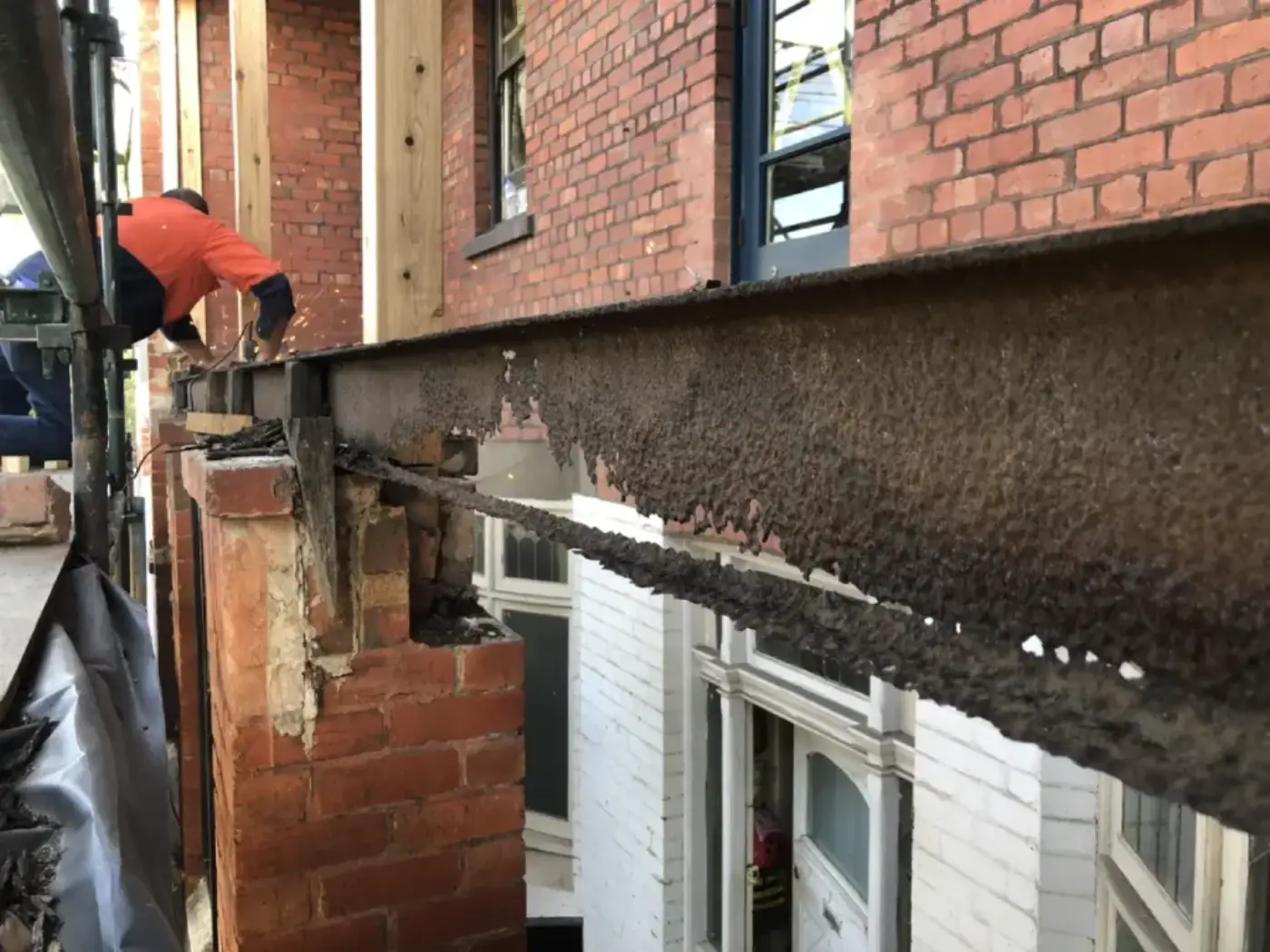
Construction Defect Inspection: Identify and Prevent Issues
Construction defect inspections systematically assess property structure, materials, and workmanship to identify faults and ensure compliance with Australian Building Codes.
Protect Your Builds With Independent QA Inspections
Catch trade defects before they are concealed by the next stage of construction. Our licensed inspectors provide detailed QA reports that reduce warranty claims, improve accountability, and lower project costs.