
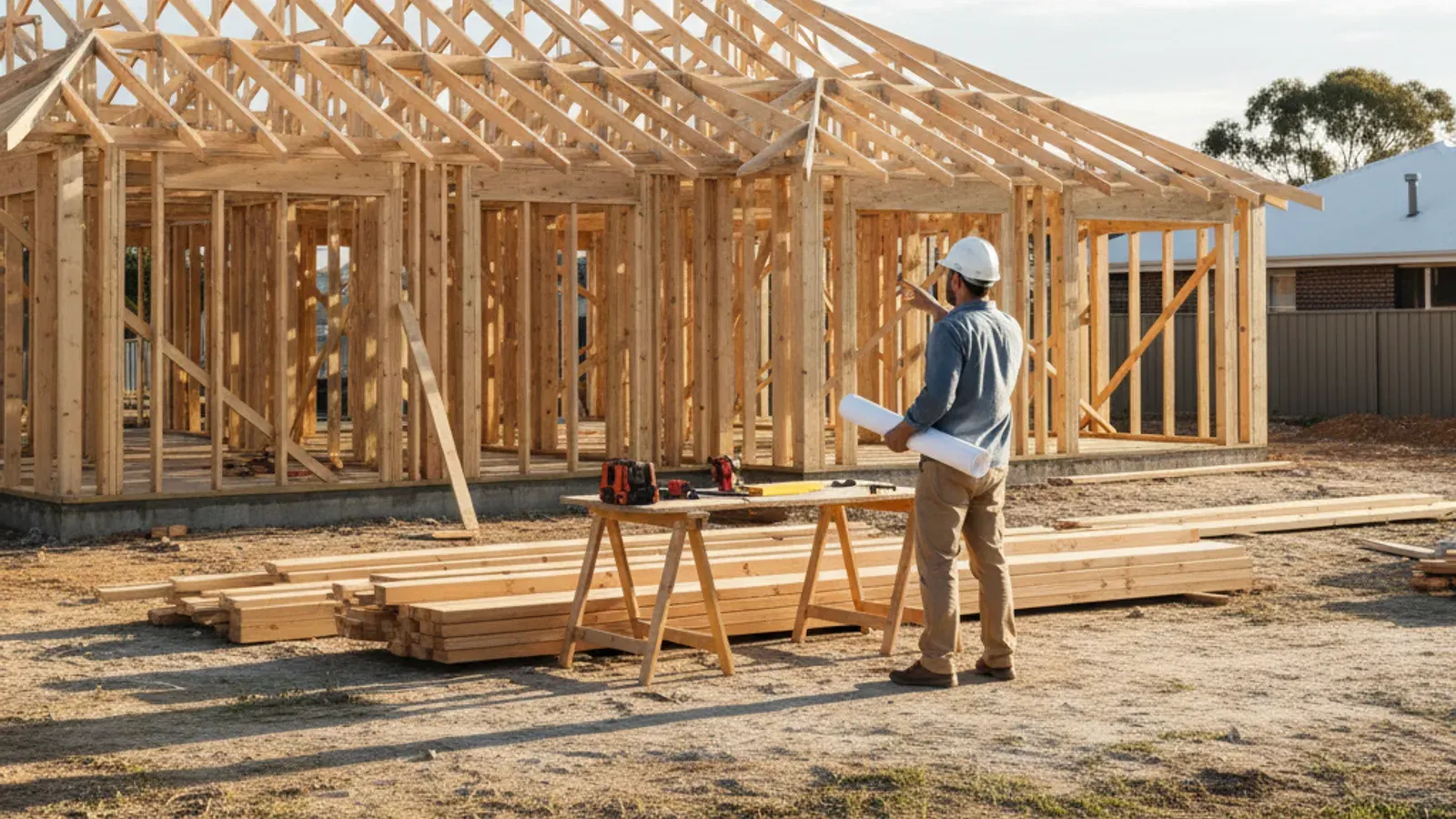
You only have to watch television shows like The Block to understand that taking on an owner builder project can be an exciting and potentially rewarding proposition.
To start with, you get to build something exactly how you want it. You have more control over your budget, your timescale, the decisions that need to be made, and the quality of the work completed.
However, you are also the person responsible for keeping everything moving smoothly. There are a lot of moving parts: organising tradies, comparing quotes, managing paperwork, and making sure each stage of the build happens in the right order.
It sounds like a lot, and it is. Some people do bite off more than they can chew. But with a bit of planning and a good system in place, it is far more manageable than you might expect. Here is how to manage everything from trades and quotes to site records, across the entire build.
Sponsored
This article contains a sponsored link to Fergus. Owner Inspections received payment or another commercial benefit for the placement, and Fergus had no input into our inspection advice.
What Permits and Approvals Do You Need Before You Start?
An owner builder permit or certificate of consent is required in NSW, Victoria and Queensland once the value of work passes a state threshold, and it has to be in hand before work begins. The thresholds are more than $10,000 in NSW, more than $16,000 in Victoria and more than $11,000 including GST in Queensland, counting both labour and materials.
Before any of the coordination matters, you need to be legally allowed to coordinate at all.
| State | What you need | Threshold (value of work) | Course required first? |
|---|---|---|---|
| NSW | Owner builder permit from NSW Fair Trading | More than $10,000 | Only if the work is $20,000 or more |
| VIC | Certificate of consent from the Building and Plumbing Commission | More than $16,000 | No set course, but check WorkSafe induction training |
| QLD | Owner builder permit from the QBCC | More than $11,000 including GST | Yes, and it must be less than 5 years old |
The course requirement is where people most often assume the states are the same when they are not. Queensland requires an approved owner builder course from every applicant before the permit is issued. NSW only requires the approved education once the cost of the work reaches $20,000, which means a smaller job can need a permit without needing the course. Victoria does not mandate an equivalent course for the certificate of consent at all, though construction induction training may still apply to you on site.
There is also a limit on how often you can do this. Queensland allows one owner builder permit every six years in most cases. NSW applies a five year restriction, and holding a permit inside that window requires special circumstances to be evidenced and assessed. A second project sooner than that is not automatically available to you in either state.
The official starting points are NSW Fair Trading on becoming an owner builder, Consumer Affairs Victoria on owner builders, and the QBCC's owner builder permit application page.
Important
Thresholds, course requirements and permit frequency rules change, and Victoria's certificate of consent moved to the Building and Plumbing Commission during the 2025 regulator reforms. Confirm the current position with your state regulator before you apply rather than relying on any article, including this one.
The point people miss is what the permit actually does. It does not just authorise you to build. It transfers to you the legal responsibility a licensed builder would otherwise carry, including defect liability and the statutory warranty obligations that follow the property when you sell it. You are not only the project manager. You are the builder, in the eyes of the law.
What Does an Owner Builder Actually Coordinate?
An owner builder coordinates people and paperwork far more than tools. The role covers hiring and sequencing trades, ordering materials, booking inspections, tracking a budget against incoming invoices, applying for permits and approvals, and storing the records that prove the work was done properly.
When people think about an owner builder, it is natural to picture someone swinging a hammer or laying bricks. In reality, a large part of the role is organising people and keeping the project on track.
You need to hire tradies, order materials, book inspections and make sure everyone knows when they are expected on site. You need to keep an eye on your budget and store important paperwork.
On top of that there are building permits and approvals to apply for, quotes and contracts to draw up, site inspections to complete, invoices and receipts to follow up, and warranties and manuals to collect.
Effectively, you are doing a lot of project management work as well as the physical work.
How Do You Plan Your Build Before Trades Arrive?
Map the major stages of the build before anyone starts work, because trade dependencies decide the order. An electrician cannot rough in until the frame is complete, and a plasterer cannot start until plumbing and electrical rough-ins are signed off. Have a timeline, material delivery dates, trade contacts, a budget with contingency, and your permit and insurance certificates ready first.
In the excitement of getting started, a common mistake first-time owner builders make is jumping straight into construction without spending enough time on planning.
If you know what needs to happen first and when, it becomes much easier to organise your tradies and avoid unnecessary delays.
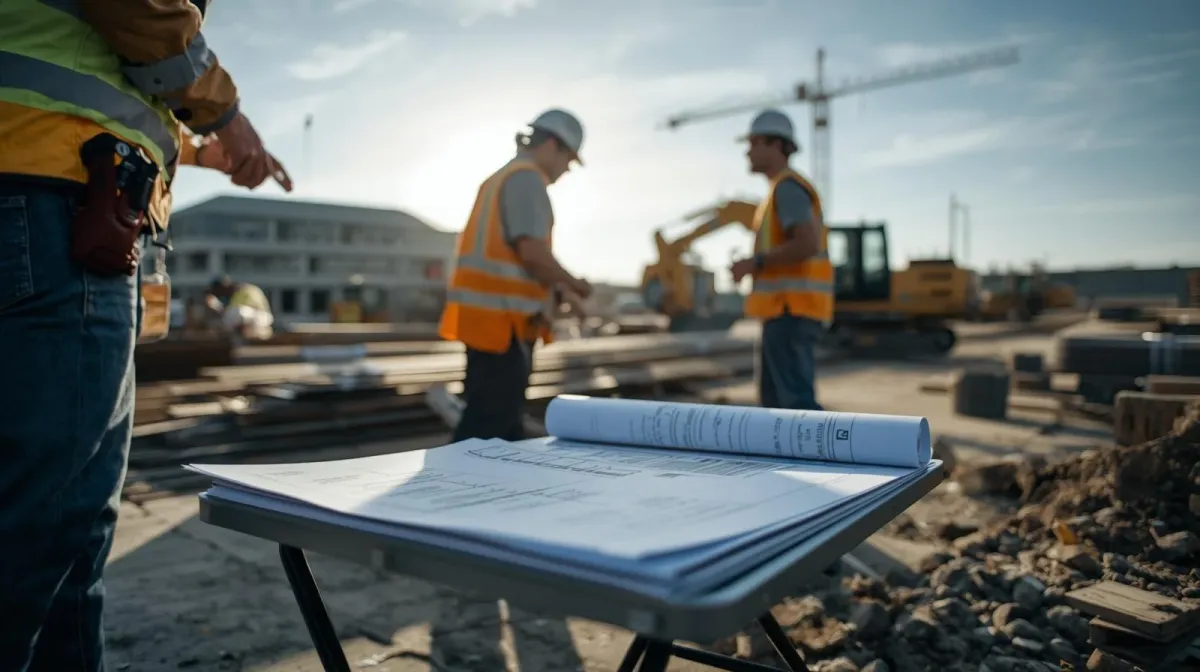
It can be difficult to keep up, especially for those new to coordinating builds. That is why many professionals use job management software to help them stay on track. It provides a centralised place to keep quotes, schedules, invoices and site notes, so instead of searching through emails or paperwork, everything is easy to find when you need it.
Before you give the green light for work to begin, try to have the following ready:
- A construction timeline
- Delivery dates for materials
- Contact details for every trade
- A realistic budget
- Money set aside for unexpected costs
- Your permit, approved plans and insurance certificates
Generally speaking, the more organised you are at the start, the smoother the rest of the project will be.
How Can You Get and Compare Quotes Effectively?
Ask every contractor for a written quote covering labour, materials, estimated completion time, payment terms and exclusions, then check they are all pricing the same scope. Price alone is a poor comparison, because the cheapest quote is often the one that excludes rubbish removal, site clean or making good. Verify licence and insurance before any work begins.
Human nature dictates that you will naturally be drawn to the company giving you the cheapest quote, especially when you are trying to stick to a budget. But price is only one factor when deciding which tradies to hire and which materials to buy.
A good quote should cover:
- Labour
- Materials
- Estimated completion time
- Payment terms
- Anything excluded from the price
When comparing quotes, make sure everyone is pricing the same job. If they are not, you may find one contractor includes rubbish removal while another does not, which is the only reason they look cheaper.
Check that your contractor holds the right licence and insurance before any work begins. Licence status can be checked free on your state regulator's public register, and it takes two minutes. If you are unsure about something in a quote, ask. You are better off knowing before you start than assuming and discovering later that it was not what you anticipated.
Tip
Capture the licence number and the insurance certificate at the moment you engage each trade, not later. Chasing a certificate from a trade who has already left the site, and who has no further reason to reply to you, is one of the most common gaps in an owner builder file.
What Is the Best Way to Schedule Multiple Trades?
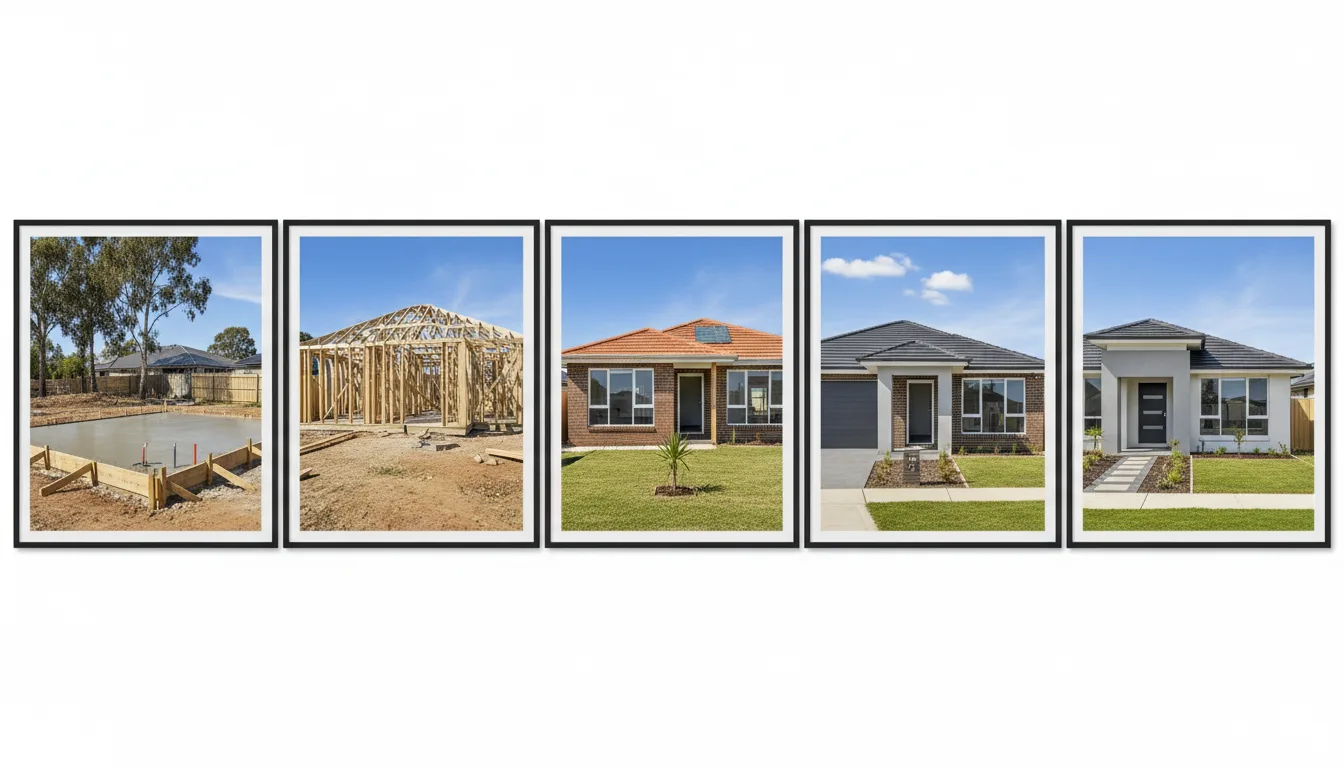
Break the project into sequential stages and leave deliberate buffer between them. Most trades depend on someone else finishing first, so a single delay propagates through every downstream booking. The workable order runs site preparation, foundations, framing, roofing, rough-ins, insulation, plastering, painting, flooring and final fit-off.
One of the trickiest parts of being an owner builder is getting the timing right. Any delay or misunderstanding quickly affects the rest of your schedule.
The simplest way to stay organised is to break the project into stages:
- Site preparation
- Foundations
- Framing
- Roofing
- Plumbing and electrical rough-ins
- Insulation
- Plastering
- Painting
- Flooring
- Final fit-off
Leave yourself breathing room between trades for the things that will go wrong: bad weather, supply chain issues, delays in site inspections, or unexpected repairs.
Which Inspections Do You Need to Book, and When?
Two different kinds of inspection happen on an owner builder site. Mandatory inspections are carried out by your building surveyor or certifier at the hold points named in your building permit, and work cannot legally continue past a hold point until it is signed off. Independent stage inspections are booked by you to check the quality of the work before it is covered up.
Confusing the two is a costly mistake.
Mandatory inspections confirm compliance with the permit and the National Construction Code. They are not a quality check, and the certifier is not acting for you.
Independent stage inspections are at your discretion. The critical windows are the same on almost every build:
- Slab or footing, before the pour. Reinforcement placement and set-out cannot be checked afterwards.
- Frame, before insulation and plasterboard. This is the single highest-value inspection on the build.
- Lock-up, once the roof, windows and external doors are on, for waterproofing and weather sealing.
- Fixing, before the final finishes hide the joinery and services.
- Practical completion, before final payment and handover.
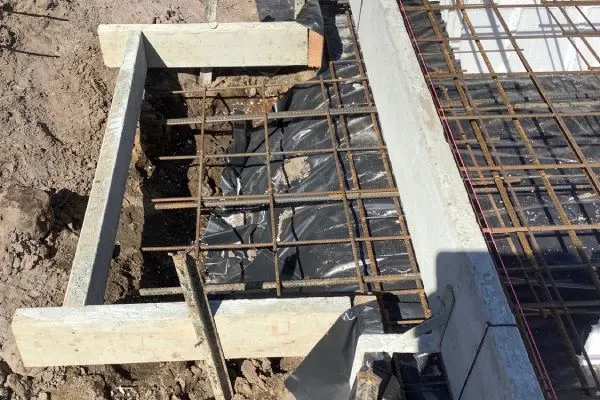
As an owner builder you carry the defect liability yourself, which flips the maths on independent inspections. A licensed builder's client can pursue the builder for defective work. You have no builder to pursue, only the individual trade, and only if you can show what they did and when. A written, photographed inspection report at each stage is the evidence that makes that possible.
For the full sequence and how much lead time each booking needs, see our guide on when to book each stage inspection.
Catch It Before the Plasterboard Goes On
Independent stage inspections check the work you are paying for at the points where defects are still visible and still cheap to fix. As an owner builder, the report is also your evidence if a trade disputes what they left behind.
Stage Inspection
How Can You Keep Your Build on Time and Within Budget?
Check in weekly rather than waiting for something to go wrong. Compare progress against the original timeline so you can see which downstream bookings need to move when a stage slips, and check every invoice against the original quote as it arrives. A variation is not a problem in itself. An undocumented variation is.
The most successful projects finish on time and within budget, and the easiest way to make that happen is to review both on a fixed cadence.
Doing this weekly is how you avoid a domino effect, where one slipped stage quietly pushes five trades out of sequence before anyone notices.
Do the same with your budget. As invoices arrive, compare each one against the original quote so there are no nasty surprises. Where the scope genuinely changed, get the change in writing, with a price, before the work happens.
What Site Records Do You Need to Keep, and for How Long?
Keep one central, backed-up file containing your permit, approved plans, every quote and contract, all invoices and receipts, trade licence and insurance certificates, certifier sign-offs, independent inspection reports, warranties and compliance certificates, and dated progress photographs. Keep it for at least your state's statutory warranty period, which is six years for structural defects in NSW and Queensland and ten years in Victoria.
This is the part owner builders most often get wrong, because the consequences do not arrive during the build. They arrive at sale.
- Owner builder permit or certificate of consent
- Building permit and approved plans, including every amendment
- Every written quote and signed contract
- All invoices and receipts, including materials
- Trade licence and insurance certificates, captured at the time of engagement
- Surveyor and certifier inspection sign-offs at each hold point
- Independent inspection reports and their photographs
- Product warranties, manuals and compliance certificates, particularly electrical, plumbing, waterproofing and glazing
- Dated progress photographs, especially of anything about to be covered up
Photograph services before they are concealed
Once plasterboard is on, an undocumented pipe run or cable route is effectively lost information, and recovering it later means opening a wall. A dated photograph of every wall cavity before it is closed costs nothing during the build and is worth a great deal during a defect dispute or a future renovation.
What Happens When You Sell an Owner Builder Home?
Selling is where the paperwork gets audited. Victoria requires a defects report from a registered building practitioner, no more than six months old, before an owner builder sells within six years and six months of completion. NSW requires a consumer warning in the contract of sale if you sell within seven years and six months of the permit being issued. Queensland requires notice to the buyer.
This is where owner builders discover what they failed to keep.
In Victoria, the obligation sits in section 137B of the Building Act 1993. The defects report is required for all the work regardless of its value, and domestic building insurance is separately required where the work exceeded $16,000. This is a genuine stop-sign: without the report, the sale cannot properly proceed. Our guide to the S137B Building Act and its importance covers what that report has to establish.
In NSW, the contract for sale must carry a consumer warning stating that an owner builder permit was issued for the land, and the date it was issued, where the sale falls within seven years and six months of that date. Leaving it out is a breach that can expose you to penalties and can allow the buyer to rescind. The warning exists because work done by an owner builder is not covered by home building compensation insurance, and the buyer is entitled to know that. Statutory warranties still apply to the work as they would to a licensed builder, running six years for major defects and two years for other defects.
In Queensland, the buyer must be given notice of the owner builder work. In all three states, the warranty obligations follow the property, not your intentions.

The practical implication is simple. The site records you keep during the build are the same records that let you sell cleanly at the end of it. Requirements differ by state, and our breakdown of owner builder inspection requirements by state sets out what each regulator expects.
Important
Owner Inspections is an inspection and reporting firm, not a law firm. This article explains what inspections and reports establish. For advice on your contracts, disclosure obligations or a dispute with a trade, speak to a solicitor.
Frequently Asked Questions
Do I need an owner builder permit for a renovation?
Do I have to complete an owner builder course first?
Can I do the electrical and plumbing work myself as an owner builder?
Are council or certifier inspections enough, or do I need my own?
What happens if I sell within the warranty period?
Who is liable if a trade does defective work on my owner builder site?
How often can I take out an owner builder permit?
Related Articles
Owner Builder Inspection Requirements by State in Australia
The mandatory inspection points, council obligations and independent inspection options for owner builders in NSW, Victoria and Queensland.
When to Book Each Stage Inspection: A Timeline Guide
When to schedule each of the five stage inspections relative to build progress, and how much lead time each booking needs.

Understanding the S137B Building Act and Its Importance
Why Victorian owner builders need a defects report from a registered building practitioner before selling within 6.5 years of completion.