
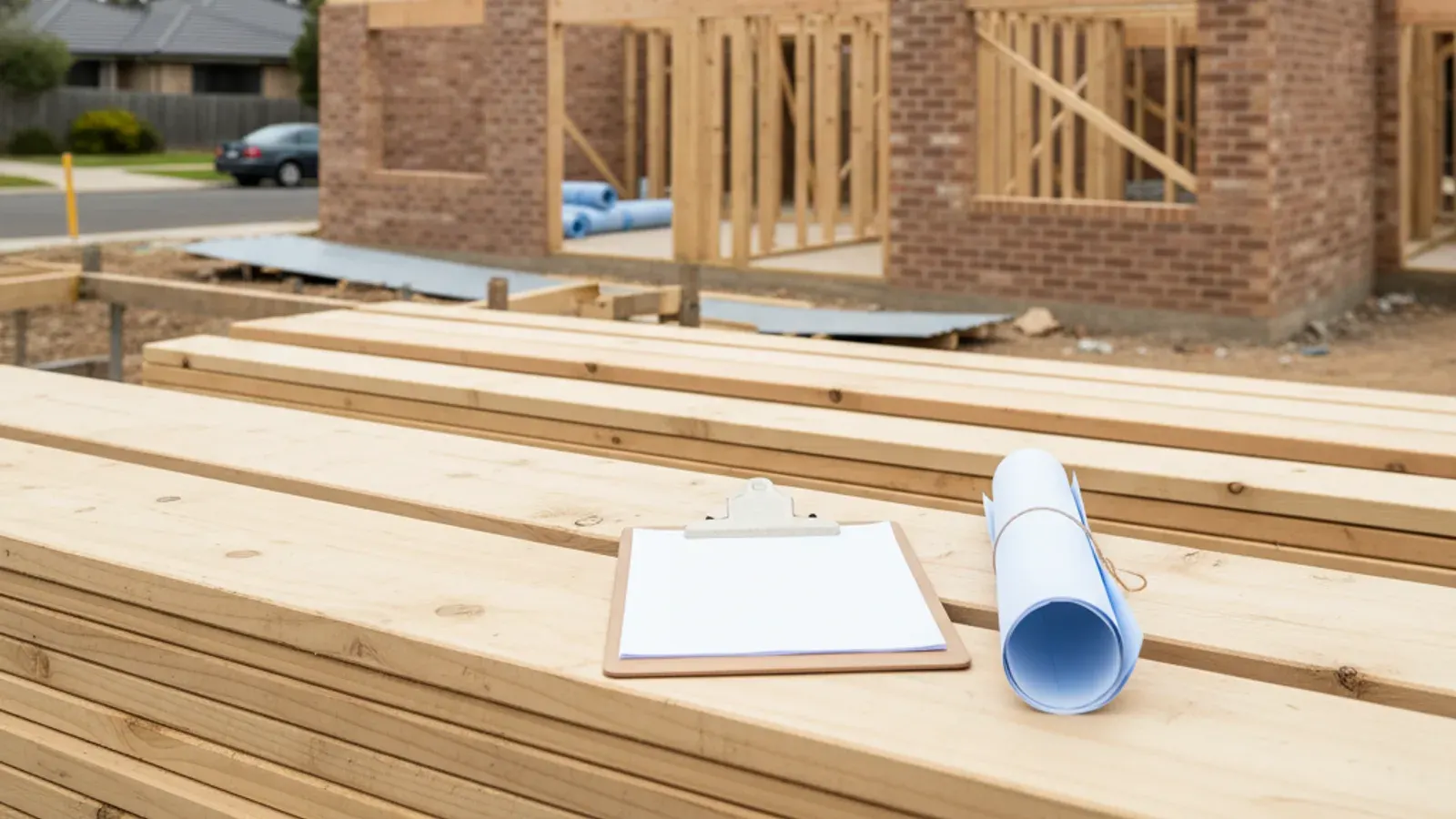
If your builder says a defect is "not our scope", they are only right when the item genuinely falls outside the contract they signed and the building permit they are named on. Work carried out by their own subcontractors is still their responsibility, because the head builder warrants the whole of the contracted work, not just the parts their own staff touched. The way to settle it is documentary: match the defect against the contract scope, the plans, the specification, the signed variations and the permit. If it appears in any of those, "not our scope" does not stand.
What does "not our scope" actually mean?
"Not our scope" is a claim that a particular item was never part of the work the builder agreed to carry out. It is a contractual argument, not a technical one, so it is answered by documents rather than by opinion. The contract scope of works, the architectural and engineering drawings, the specification, the signed variations and the building permit together define the boundary. A defect inside that boundary is the builder's problem regardless of which trade created it.
The phrase gets used in three quite different situations, and they do not carry the same weight:
- A genuine boundary: the item was contracted separately, by you or by a developer, under a different agreement
- An internal allocation: the item was done by a subcontractor the builder engaged, which is a matter between them and does not reduce what the builder owes you
- A negotiating position: the item is inside the contract, but rectification is expensive or awkward, so the builder tests whether you will accept the answer
The written description of what the builder has agreed to build, usually a schedule attached to the contract and read together with the plans, the specification and any signed variations.
Is a builder liable for work done by their subcontractors?
Yes. The head builder is the party you contracted with, and the statutory warranties attach to that contract, so defective work by a plumber, a bricklayer, a waterproofer or a roof plumber they engaged remains their liability to you. You have no contract with those trades and are not expected to pursue them. The builder may have a claim against the subcontractor, but that is their claim, not yours.
In Victoria this comes from the implied warranties in the Domestic Building Contracts Act 1995, which require the builder to carry out the work in a proper and workmanlike manner, with reasonable care and skill, using good and suitable materials, and in compliance with all laws including the National Construction Code. In New South Wales the equivalent obligations sit in the statutory warranties under the Home Building Act. In Queensland the QBCC assesses whether work is defective building work by the licensed contractor who carried it out.
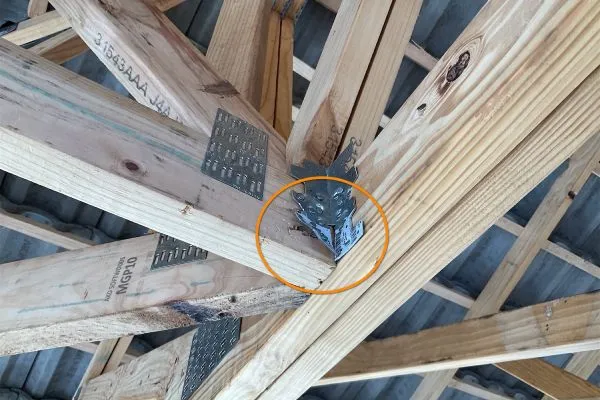
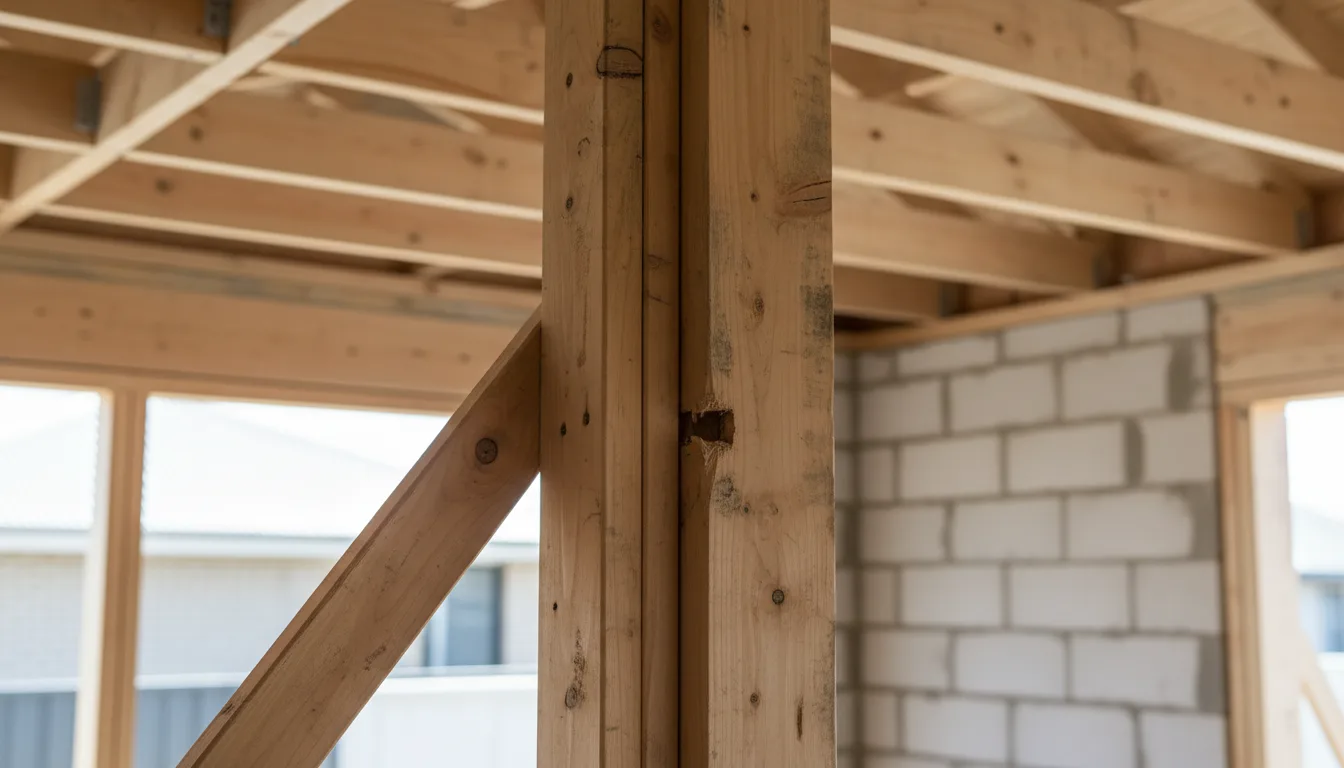
A frame stage defect like this one is typical. The bracket was installed by a framing subcontractor rather than the builder's own carpenters, but it sits squarely inside the contracted works and the engineer's drawings, so the builder answers for it.
When is "not our scope" actually correct?
The claim holds when the item was never inside the builder's contract in the first place. That happens more often than owners expect on sites where several parties are working, and it is worth checking honestly before escalating, because a demand aimed at the wrong party wastes time you may need.
- Owner-arranged trades: landscaping, driveways, fencing, blinds, security or a split system you contracted directly with a separate supplier
- Owner-supplied items: fittings or appliances you supplied. The builder is generally still responsible for installing them properly, but not for the product itself failing
- Developer or estate works: retaining walls, shared driveways, stormwater connections and civil works built under the estate's own contract before your build started
- Provisional sums and prime cost items never taken up: if a variation was never signed, the work was never in scope
- Work under a separate building permit: works carried out under a different permit, by a different registered practitioner, are that practitioner's responsibility
Important
Check whose name is on the building permit for the work in question. In Victoria the permit names the registered building practitioner responsible for the work carried out under it, and where a defect sits relative to that permit is often the single fact that decides the argument.
How do you prove a defect sits inside the builder's scope?
You prove it by putting the defect next to the documents and showing that it appears in them. That is a paperwork exercise and a technical one, and the pair together is what a regulator or a tribunal will look at. An independent inspection report supplies the technical half by describing the defect, its location, its likely cause and the standard or code clause it fails.
Collect the contract set
Locate the item in the documents
Check the building permit
Get an independent inspection
Put it in writing
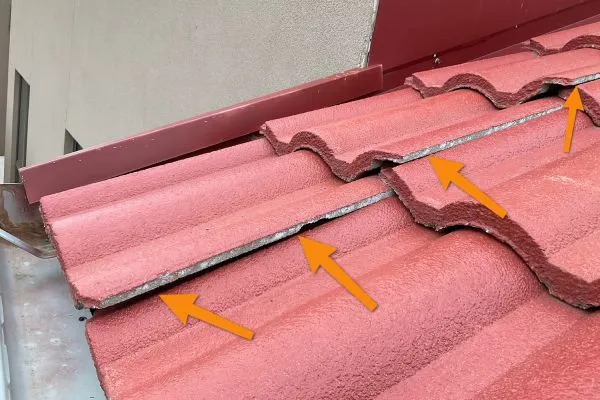
Defects like uneven tile laying at lock-up are easy for a builder to attribute to a roofing subcontractor. Recording them against the relevant clause of the standard, at the stage they occur, removes the argument later.
Settle the scope question before handover
A construction stage inspection records the state of the work at slab, frame, lock-up and fixing, so a defect is documented at the stage it was built rather than argued about at handover.
How long is a builder liable for defects in Australia?
A builder's liability for defects runs far longer than the contractual maintenance period in most domestic contracts. The three to twelve month "defects liability period" written into a building contract is the window in which the builder agrees to come back and fix things, not the limit of what they owe you. Statutory warranty and limitation periods sit behind it and run for years.
| State | Structural or major defects | Other defects |
|---|---|---|
| Victoria | Building actions within 10 years of the occupancy permit or final inspection | Same 10 year outer limit, subject to the contract and the warranty relied on |
| New South Wales | 6 years from completion for major defects | 2 years from completion |
| Queensland | 6 years and 6 months from completion for structural defective work | 12 months from completion for non-structural defective work |
The Victorian outer limit comes from the Building Act 1993, which requires a building action to be brought within ten years of the occupancy permit or the final inspection date. These are limitation and complaint windows, not a promise that a claim made inside them will succeed, and a specific matter can be time barred earlier for other reasons.
Tip
Raise the item in writing as soon as you notice it, even if you are still arguing about whose scope it is. The date you first notified the builder matters more than the date the argument was resolved.
What to do if the builder still refuses
If the builder maintains the item is out of scope after you have shown them where it sits in the documents, the next move is a regulator, not a longer email chain. Each state has a free or low cost pathway before a tribunal, and all of them expect independent evidence rather than an owner's photographs alone.
- Victoria: since 1 July 2025 the Building and Plumbing Commission has combined the former VBA, DBDRV and the domestic building insurance arm of the VMIA. Consumer Affairs Victoria explains the pathway for disputes, defects and delays, and conciliation can produce binding rectification orders
- New South Wales: the NSW Building Commission accepts building defect complaints and can inspect and issue rectification orders
- Queensland: the QBCC can issue a direction to rectify defective building work to the licensed contractor who carried it out
If that does not resolve it, the matter goes to VCAT, NCAT or QCAT, where an expert witness report carries the technical case. Owner Inspections prepares defect investigation reports for owners in exactly this position, and a solicitor should handle the contractual argument itself.
Frequently asked questions
Can a builder refuse to fix a defect caused by their subcontractor?
What is the defects liability period in a building contract?
What should you not say to a builder in a defect dispute?
Does the building permit decide who is liable?
Do I need an independent report before complaining to the regulator?
What does "not our scope" actually mean?
Is a builder liable for work done by their subcontractors?
When is "not our scope" actually correct?
How do you prove a defect sits inside the builder's scope?
How long is a builder liable for defects in Australia?
Related Articles
Builder won't fix defects: what are your options in NSW and Victoria?
The escalation path once the builder accepts the defect is theirs but still will not rectify it.
What Happens If Your Stage Inspection Finds Defects?
What an inspector does with defects found mid build, and how they get rectified before the next stage closes.
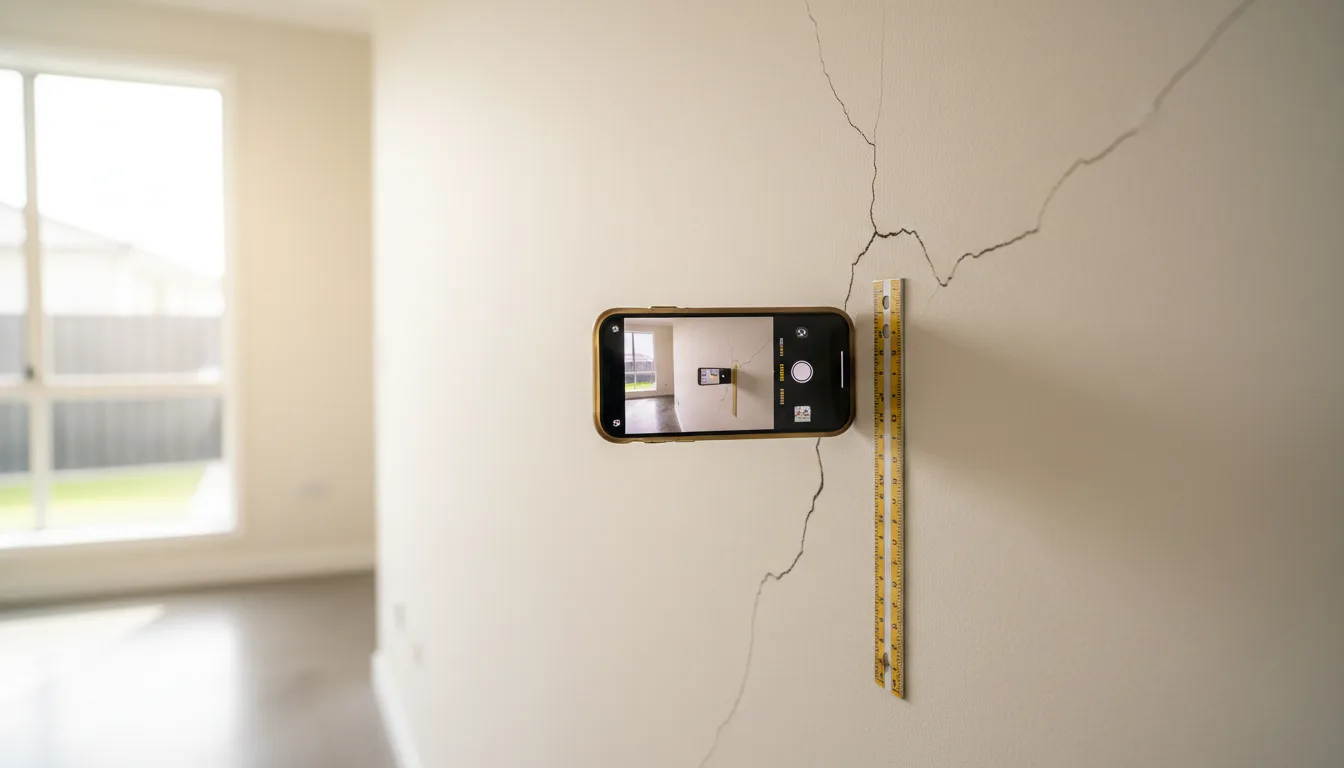
How to Document Building Defects for a Legal Claim
How to record defects with photos, dates and locations so the evidence stands up at a tribunal.