

Before buying a new sofa or entertainment unit, check whether the real problem is hidden in the walls, floors, moisture levels, or layout of the room.
Before replacing living room furniture, check for moisture, movement, pest damage, leaks, uneven floors, and layout problems. Fixing the underlying issue first can save money and stop damage from affecting new furniture.
A living room can feel tired for reasons that have nothing to do with the sofa. Musty air, warped boards, cracked walls, hidden leaks, or termite damage can make the space feel old, uneven, or uncomfortable. Many homeowners only notice the symptom. The room smells stale, the floor feels off, or the wall behind a cabinet looks marked. It is easy to assume the furniture is the whole problem.
That assumption can be expensive. Replacing a lounge suite, coffee table, rug, and TV unit often costs far more than expected. If you later discover water ingress, mould, movement, or timber pest damage, your new furniture may end up sitting in the same damaged room. You may also need to dispose of old furniture before delivery day, which adds another cost and another layer of logistics.
25%
Australian houses estimated to experience mould
32%
Australian houses estimated to experience condensation
12 months
Recommended termite inspection interval
References:
Not Sure Whether It’s the Furniture or the Room?
Start with a broader condition check before spending on a new lounge, rug, or TV unit. A maintenance inspection can help uncover hidden issues affecting how the room looks, smells, or feels.
Maintenance Inspection
Symptom to Hidden Issue Guide
| What You Notice | Possible Hidden Issue | What to Check Next | Relevant Owner Inspections Service |
|---|---|---|---|
| Musty smell near the sofa or TV unit | Damp, poor ventilation, mould growth, water ingress | Pull furniture away from the wall, inspect skirtings, look for staining or bubbling paint | Mould Inspections, Defect Investigation Reports, Maintenance Inspections |
| Dark marks behind furniture | Condensation, damp, mould | Check airflow, wall finish, nearby windows, and signs of recurring moisture | Mould Inspections |
| Wall cracks in the living room | Cosmetic shrinkage, footing movement, settlement | Measure crack width, check if cracks are growing, look at doors and windows nearby | Defect Investigation Reports, Pre-Purchase Inspections, Pre-Sale Inspections |
| Coffee table rocks or rug will not sit flat | Uneven flooring, subfloor issues, movement | Check for sloping, soft spots, bounce, gaps, or floor finish lifting | Maintenance Inspections, Defect Investigation Reports, Pre-Purchase Inspections |
| Soft or damaged skirtings | Moisture, decay, termite damage | Tap timber, inspect paint finish, look for frass, blistering, or softness | Timber Pest Inspections, Building and Pest Inspections |
| Ceiling stains or damp smell after rain | Roof leak, flashing issue, drainage problem, water ingress | Check if the staining worsens after rain and whether plaster or flooring is lifting | Roof Inspection, Defect Investigation Reports, Maintenance Inspections |
| Room still feels wrong after cleaning and repainting | Defect hidden under finishes or poor room setup | Rule out building issues before changing furniture layout or size | Maintenance Inspections, Defect Investigation Reports |
1. Moisture, Damp and Mould Behind Furniture
Why furniture often hides the issue
Large sofas, entertainment units, bookshelves, and cabinets often sit hard against internal and external walls. That can reduce airflow and hide early signs of trouble. A wall may look fine from the front of the room, while the space behind the furniture tells a very different story.
Damp patches, mould growth, flaking paint, staining, swollen skirtings, and warped flooring often show up first in spots people do not inspect often. If the room has a cold wall, limited ventilation, past water ingress, or ongoing condensation, furniture can act like a screen that delays detection.
A fresh sofa will not fix a moisture problem. In some cases, it can make the issue harder to spot until the damage spreads to the new piece.
Signs readers might notice
- A musty smell that returns even after cleaning
- Dark marks or mould behind furniture
- Bubbling paint or plaster staining
- Swelling in skirting boards
- Warped timber flooring or lifting edges
- Mould that keeps returning after being wiped away
What to do next
Pull larger items away from the wall and inspect the back edge of the room carefully. If marks are recurring, the question is not how to clean them better. The question is why moisture is still present.
This is where service-led help matters. Mould Inspections can help locate affected areas, while Defect Investigation Reports and Maintenance Inspections are useful when the source may be a building defect, leak, or ongoing moisture problem.
2. Wall Cracks, Movement and Settlement
Why a tired room may really be a defect clue
Many people look at cracked paint lines or wall marks and think the room just looks old. Sometimes that is true. Small cosmetic cracking can happen with normal movement, ageing materials, or minor shrinkage. But some cracks point to a bigger issue that deserves a closer look.
A living room often makes these signs obvious because it is one of the most used spaces in the home. Good light, plain wall finishes, and long sightlines make cracking easier to notice around openings, cornices, and skirtings.
What to mention
Look out for:
- Hairline cracks that stay stable
- Wider cracks that keep returning after patching
- Cracks near doors, windows, or corners of openings
- Doors or windows nearby that start sticking
- Gaps opening up around skirtings or cornices
Not every crack is a structural problem. Some are cosmetic and can be monitored. But if cracks are widening, returning, or appearing with sticking joinery and visible movement, further assessment makes sense.
When to get more certainty
If you are preparing to buy, Pre-Purchase Inspections can help flag visible concerns before you commit. If the issue is more specific or ongoing, Defect Investigation Reports can help identify whether you are looking at cosmetic wear, footing movement, or another building problem. Sellers who want a clearer picture before listing can also use Pre-Sale Inspections.
3. Uneven Floors or Subfloor Problems
Why furniture may not be the true issue
Sometimes the first clue is not dramatic. A coffee table rocks in one corner. The sofa feels uneven. A media unit needs packing under one leg. A rug never sits flat. These can look like furniture problems, but the room itself may be out of level or affected by subfloor conditions.
Flooring issues can show up in different ways. Timber floors may feel bouncy, sloped, soft, or noisy. Finished surfaces may cup, lift, or separate. In older homes, movement in stumps or subfloor framing can leave a room feeling subtly off long before it becomes obvious to the eye.
What to tell readers
New furniture cannot correct a floor issue. It may hide it for a while, but it will not make the room stable. If the floor feels uneven or the room feels unsteady underfoot, check the condition before upgrading anything expensive.
This is where Maintenance Inspections, Defect Investigation Reports, and Pre-Purchase Inspections can all be relevant, depending on whether you already own the property or are still deciding whether to buy.
4. Termites and Timber Pest Damage
Why this belongs in a living room article
Living rooms contain more timber than many people realise. Skirtings, architraves, floorboards, trims, door frames, and concealed framing can all be affected by timber pest activity. Damage in these areas can be mistaken for age, wear, or poor paintwork.
Signs to mention
Readers may notice:
- Hollow-sounding timber
- Bubbling or blistering paint
- Soft skirtings or trim
- Warped or deteriorating timber
- Small piles of frass or unexplained timber breakdown
Visible damage does not confirm active termites. Moisture, decay, and past repairs can create similar signs. But it is enough to justify a closer look.
What inspection path fits best
Timber Pest Inspections are the direct fit when the concern centres on termite damage, termite risk, borers, or decay fungi. Building and Pest Inspections make sense when you want both the general building condition and timber pest issues assessed together, especially before purchase.
5. Leaks, Drainage Problems and Water Ingress
How the living room becomes the symptom
A living room may be where the stain appears, but not where the problem starts. Water can travel from roof defects, failed flashings, blocked gutters, poor drainage, failed waterproofing, or plumbing issues elsewhere in the home.
That is why the symptom can feel confusing. The room smells damp after rain, yet there is no obvious leak. The ceiling has a stain, but the wall below it looks dry. The floorboards swell in one area, even though the nearest wet area is not in the living room at all.
Signs readers may notice
- Ceiling staining
- Paint peeling or plaster damage
- Damp smell after rain
- Flooring that swells, cups, or lifts
- Recurring mould in one localised area
- Stains that reappear after repainting
Why this should be checked first
Replacing the sofa while the roof, drainage, or water entry point remains unresolved usually leads to the same problem coming back. In some cases, new furniture becomes part of the damage story.
Relevant internal pathways here include Roof Inspection, Defect Investigation Reports, Mould Inspections, and Maintenance Inspections.
Seeing Stains, Damp Smells or Signs of Damage?
If the living room is showing cracks, swelling, leaks, or recurring mould, a defect investigation report can help identify the cause before new furniture goes in.
Investigation Reports
6. Before You Spend on Furniture, Check Whether the Room Setup Is the Real Problem
Room setup can be the issue even when there is no defect
Once moisture, movement, pests, and leaks are ruled out, the room may still feel wrong for reasons that have nothing to do with defects. The sofa may be too large, the walkways may be blocked, the room may have no clear focal point, or the materials may not suit kids, pets, or daily use.
This is the point where furniture advice becomes useful again. There is no value buying a better lounge if the room only feels awkward because the scale is wrong or the circulation path is poor.
Common setup problems include:
- Furniture that is too large or too small for the room
- Layouts that block movement
- No clear walkway between key points
- Materials that do not suit pets, children, or heavy use
- No plan to dispose of old furniture before replacement arrives
Once the room itself has been checked, the original furniture checklist becomes much more useful.
Smart Furniture Checks to Reuse from the Original Draft
Measure the living room and delivery path
Start with the actual floor area, not guesswork. Measure the wall lengths, window positions, doorway clearances, and the footprint available once walkways are left clear. Then check the access route into the home. Hallways, staircases, corners, lifts, entry doors, and internal doorways can all stop a large piece from reaching the room.
Be sure to measure the floor area where the furniture will sit, check hallways, staircases and doorways, and make a plan to dispose of old furniture before the new pieces arrive.
Think about the living room layout
Most living rooms work best when there is a clear focal point. That could be a window, fireplace, TV wall, or conversation area. Place the largest items first, then use smaller pieces to support the layout. Keep traffic flow simple so people can move through the room without squeezing past corners or cutting in front of seated people.
A common mistake is buying individual items that look good on a shop floor but do not work together once they are in the room.
Choose the right sofa size
A large sofa can overwhelm a modest living room and make the whole space feel cramped. A small sofa can make a bigger room feel empty or unfinished. Think about household size, how often the room is used, and whether the sofa needs to support everyday lounging, entertaining, or both.
Sizing should match the room and the way the household actually lives in it.
Consider comfort and everyday use
Looks matter, but so does comfort. A sofa that looks sharp online may not offer the back support, seat depth, or firmness your household needs. If possible, test key pieces in person. Sit in them for longer than a few seconds. Think about how the room is used at night, on weekends, and during longer periods at home.
Pick materials that suit your lifestyle
Material choice affects cleaning, wear, and long-term satisfaction. Fabric may feel softer and warmer, while leather can be easier to wipe down. Households with pets, children, or high daily use often do better with durable, easy-clean finishes and realistic expectations about upkeep.
The best material is not the one that looks best on day one. It is the one that still works after a year of real life.
Set a realistic budget
Living room upgrades often cost more than the sticker price. Delivery, assembly, protection plans, rugs, lamps, room touch-ups, and disposal costs all add up. If your old lounge cannot be donated, recycled, sold, or collected easily, you may also need to pay to dispose of old furniture before the replacement arrives.
A realistic budget leaves room for the furniture itself and the practical costs around it. It also stops you spending heavily on new pieces before you know whether the room needs inspection or repair.
Hidden Issue vs Replacement Decision
| Issue | Why New Furniture Won’t Fix It | Repair or Inspection Priority | Replace Furniture Now or Later? |
|---|---|---|---|
| Damp or living room mould | The moisture source remains and may damage new furniture | Identify and fix moisture source, then assess mould extent | Later |
| Wall cracks and movement | New furniture does not address settlement or footing movement | Monitor minor cracking, investigate if widening or recurring | Usually later |
| Uneven floor living room | Furniture may wobble and the room may still feel unstable | Assess floor level, subfloor, and movement signs | Later |
| Termite damage | New items do nothing for timber pest activity or damaged elements | Arrange timber pest or combined inspection | Later |
| Water ingress or leak | Stains, odours, and swelling usually return until water entry is fixed | Trace source and repair first | Later |
| Poor layout or wrong furniture scale | The room may simply be set up badly | Re-measure, replan, then replace if needed | Now, if defects are ruled out |
| Comfort or wear only | The room condition may be fine and the furniture may truly be the issue | Compare comfort, durability, and budget | Now |
Furniture Checklist After the Room Is Cleared
| Furniture Decision | What to Measure or Assess | Common Mistake | Better Choice |
|---|---|---|---|
| Sofa size | Room width, depth, wall space, walkway clearance | Buying the biggest sofa that fits the wall | Match size to room scale and daily use |
| Layout | Focal point, traffic flow, conversation zones | Pushing everything against the walls | Place large items first, then refine |
| Delivery access | Doorways, hallways, stairs, lift size, corners | Measuring the room but not the access path | Check the full delivery route |
| Comfort | Seat depth, back support, firmness, arm height | Choosing on looks alone | Test comfort for real daily use |
| Material | Pets, children, spills, sun exposure, cleaning needs | Choosing delicate finishes for busy households | Pick practical surfaces and realistic upkeep |
| Budget | Furniture cost plus delivery, assembly, rugs, touch-ups | Spending all money on the main piece only | Keep a whole-room budget |
| Old furniture removal | Assess whether to donate, recycle, sell, or dispose of old furniture | Leaving removal until delivery day | Arrange removal before the new furniture arrives |
When an Inspection Makes More Sense Than a Furniture Upgrade
In some living rooms, the signs are strong enough that inspection should come before shopping. That includes cases where:
- The room smells damp behind the sofa
- Mould keeps returning after cleaning
- The floor feels uneven or bouncy
- Wall cracks seem to be getting worse
- Skirting boards feel soft or look damaged
- Stains reappear after repainting
- You are about to buy, sell, or renovate the property
The best service depends on the concern.
- Use Mould Inspections when recurring mould, damp, or indoor air concerns are the main issue.
- Use Timber Pest Inspections when timber damage, soft skirtings, or termite signs need checking.
- Use Roof Inspection when signs point to ceiling stains, rain-related odours, or possible roof leaks.
- Use Defect Investigation Reports when the cause is unclear or the issue seems more complex than surface wear.
- Use Maintenance Inspections when you want a wider condition check before planning repairs or upgrades.
- Use Building and Pest Inspections or Pre-Purchase Inspections before buying, and Pre-Sale Inspections before listing.
Check the Room Before You Replace the Furniture
Replacing furniture may improve how a living room looks, but it will not solve the wrong problem. Damp, movement, pests, leaks, and flooring issues can all make a room feel old or uncomfortable, even when the furniture is only part of the story.
The smarter order is to rule out hidden property issues first. Once the room is clear, choose replacement furniture based on room size, layout, comfort, materials, budget, and a clear plan to dispose of old furniture before the new pieces arrive.
End checklist before you buy
- Pull large items away from the wall and check for damp, staining, and living room mould
- Look for wall cracks in the living room and note whether they are stable or growing
- Check whether the floor feels sloped, soft, bouncy, or uneven
- Inspect skirtings and trims for softness, blistering, or termite damage
- Watch for stains, odours, or swelling that suggest water ingress
- Measure the room and delivery path properly
- Set a budget that includes touch-ups, delivery, and the cost to dispose of old furniture
- Book the right inspection if the room condition still looks uncertain
Ready to Replace Furniture With More Confidence?
If your living room issues point to pests, movement, moisture, or hidden defects, book the right inspection first and avoid spending money in the wrong order.
Frequently Asked Questions
Why does my living room smell musty even after cleaning?
Can mould grow behind a sofa or entertainment unit?
Are wall cracks always a serious issue?
Why does my sofa or coffee table wobble in one part of the room?
Can termites affect a living room?
Should I replace furniture before fixing damp or leaks?
How do I know if the problem is my furniture or the room itself?
What type of inspection helps with living room moisture issues?
When should I book a building and pest inspection?
What should I check before I dispose of old furniture and buy new pieces?
Can hidden home issues damage new furniture too?
How do I plan a living room replacement without wasting money?
Related Articles

Australia's Top 10 Most Common Building Defects
Building defects remain one of the biggest concerns for Australian property owners and buyers. From water leaks and waterproofing failures to building movement and subsidence, these are the ten most common defects found during professional building inspections across the country.

Common Issues Found in Fixing Inspections and Their Solutions
The fixing stage is one of the most detail-intensive phases of new home construction. This guide covers the 10 most common issues found during fixing inspections, including misaligned plasterboards, window and door installation problems, gaps in skirting boards, and paint defects, along with practical solutions for each.
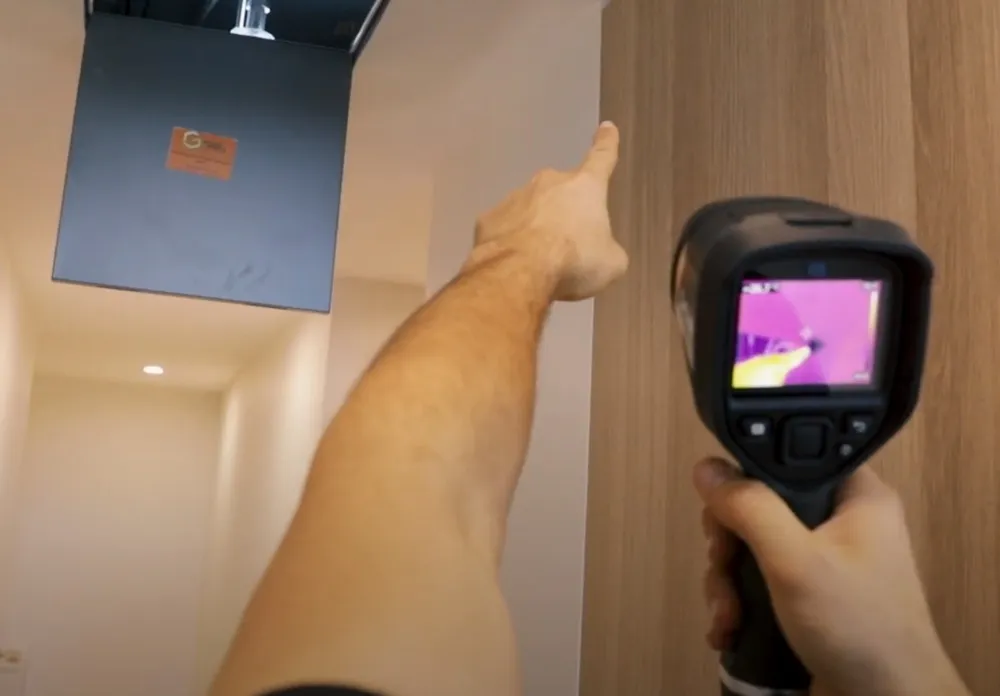
Identifying Common Mould Species in Indoor Environments
Australian homes are susceptible to several indoor mould species including Cladosporium, Aspergillus, Penicillium, and Stachybotrys chartarum. This guide explains how to identify each species, their health risks, common causes, and when to arrange a professional mould inspection.