
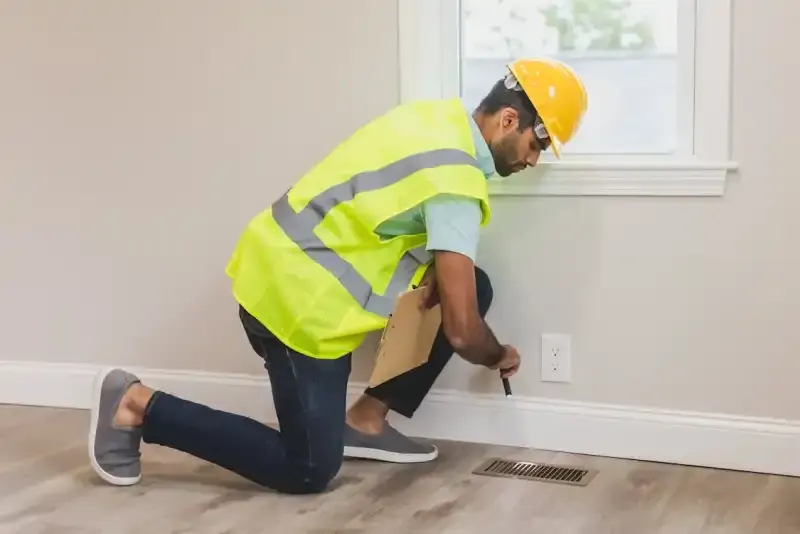
A professional mould inspection is one of the most effective ways to identify hidden mould growth, assess its severity, and develop a plan for safe removal. Whether you are buying a new home, selling your property, or simply concerned about indoor air quality, knowing what types of mould are common in Gold Coast homes and how to prevent them is essential knowledge for every property owner.
The Gold Coast receives an average annual rainfall of over 1,400 mm, with humidity levels regularly exceeding 70%. These conditions allow mould spores to germinate and colonise indoor surfaces in as little as 24 to 48 hours after water exposure.
Why Mould Thrives on the Gold Coast
The Gold Coast sits within a humid subtropical climate zone, characterised by warm, wet summers and mild winters. This climate pattern means that indoor environments are consistently exposed to moisture-laden air, particularly during the wet season from November through March.
Coastal properties face additional risks. Salt-laden air can accelerate the deterioration of building materials, creating micro-cracks and gaps that allow moisture ingress. Homes near canals, rivers, or the beach are especially vulnerable to condensation and damp conditions that promote mould colonisation.
Poor ventilation compounds the issue in many Gold Coast homes. Modern construction techniques that prioritise energy efficiency can inadvertently reduce natural airflow, trapping moisture inside wall cavities, ceiling spaces, and subfloor areas. Without adequate ventilation, even small amounts of moisture can lead to extensive mould growth within weeks.
Common Types of Mould in Gold Coast Homes
Not all moulds are the same. Different species pose varying levels of risk to both health and property. Identifying the type of mould present in your home is a critical step in determining the appropriate remediation approach. Below is an overview of the most common mould types found in Gold Coast properties.
Black Mould (Stachybotrys chartarum)
Black mould is often the most feared variety, and with good reason. Stachybotrys chartarum produces mycotoxins that can cause serious respiratory problems, chronic fatigue, headaches, and in severe cases, neurological symptoms. It typically appears as dark greenish-black patches with a slimy or wet texture.
This mould thrives on materials with high cellulose content, such as plasterboard, timber framing, and paper-backed insulation. It requires sustained moisture to grow, making it common in areas affected by leaking pipes, roof damage, or flooding. For a deeper look at the realities of this mould species, read our guide on black mould myths and mould inspections.
White Mould (Aspergillus niger)
Despite its name, Aspergillus niger can range in colour from white to dark brown or black as it matures. It is one of the most widespread mould species found indoors and grows readily on damp walls, fabrics, leather, and food. White mould is commonly mistaken for efflorescence (salt deposits) on concrete and masonry surfaces.
Aspergillus niger produces allergens and irritants that can trigger asthma attacks, sinus infections, and skin irritation. Immunocompromised individuals are at particular risk of developing aspergillosis, a serious fungal infection that can affect the lungs and other organs. A study published by the National Center for Biotechnology Information (NCBI) highlights the clinical significance of invasive aspergillosis in vulnerable populations.
Green Mould (Penicillium)
Penicillium species are among the most common indoor moulds in Australian homes. They appear as blue-green or grey-green fuzzy patches and are frequently found on water-damaged carpets, wallpaper, insulation, and furnishings. Green mould spreads rapidly and can colonise large areas in a short period.
Exposure to Penicillium spores can cause allergic reactions, chronic sinusitis, and respiratory infections. People with pre-existing lung conditions or compromised immune systems are at heightened risk. This mould species is also a major contributor to the musty odour commonly associated with damp or water-damaged buildings.
Yellow Mould (Aspergillus flavus)
Aspergillus flavus is a particularly dangerous mould species that produces aflatoxins, among the most potent naturally occurring carcinogens known. It appears as yellow to yellowish-green colonies and is often found on stored food, soil, and damp organic matter within homes.
The health risks associated with Aspergillus flavus are severe. In immunocompromised individuals, invasive aspergillosis caused by this species carries a mortality rate of approximately 45%. Even in healthy individuals, prolonged exposure can lead to allergic bronchopulmonary aspergillosis and chronic respiratory problems. This makes professional detection and removal an urgent priority when yellow mould is suspected.
Mould Types Comparison Table
| Mould Type | Scientific Name | Appearance | Common Locations | Health Risks | Severity |
|---|---|---|---|---|---|
| Black Mould | Stachybotrys chartarum | Dark greenish-black, slimy | Plasterboard, timber, insulation | Mycotoxin exposure, respiratory illness, neurological symptoms | High |
| White Mould | Aspergillus niger | White to dark brown/black | Walls, fabrics, concrete, masonry | Aspergillosis, asthma, sinus infections | Moderate to High |
| Green Mould | Penicillium | Blue-green or grey-green, fuzzy | Carpets, wallpaper, insulation | Allergic reactions, sinusitis, respiratory infections | Moderate |
| Yellow Mould | Aspergillus flavus | Yellow to yellowish-green | Food, soil, damp organic matter | Aflatoxin exposure, 45% mortality in immunocompromised | Very High |
Prevention Strategies for Gold Coast Homeowners
Preventing mould growth is far more cost-effective than remediating an established infestation. The following strategies are tailored to the specific challenges of the Gold Coast climate and can significantly reduce the risk of mould colonisation in your home.
Keep Your Home Dry
Moisture control is the single most important factor in mould prevention. Fix leaking taps, pipes, and roof damage as soon as they are identified. After heavy rain or flooding, dry affected areas within 24 to 48 hours to prevent mould spores from germinating.
Use exhaust fans in bathrooms, kitchens, and laundries to remove steam and moisture at the source. Make sure these fans vent directly to the outside rather than into the roof cavity, which is a common installation error that can lead to severe mould problems in ceiling spaces.
Create a Mould-Unfriendly Environment
Mould requires organic material, moisture, and warmth to grow. While you cannot eliminate warmth on the Gold Coast, you can reduce the availability of moisture and organic food sources. Keep indoor surfaces clean and dry. Avoid storing cardboard boxes, old newspapers, or other cellulose-rich materials in damp areas such as garages, sheds, or subfloor spaces.
Ensure adequate airflow throughout your home by opening windows when weather permits and keeping furniture away from external walls. In rooms that tend to accumulate moisture, such as bathrooms and laundries, consider using mould-resistant paint and materials during renovations.
Invest in a Quality Dehumidifier
For Gold Coast homes, a dehumidifier can be a valuable investment, particularly during the wet season and in rooms with limited ventilation. Aim to maintain indoor relative humidity below 60%, which is the threshold above which most mould species can actively grow.
When selecting a dehumidifier, consider the size of the space, the ambient humidity level, and the unit's extraction capacity measured in litres per day. For most Gold Coast homes, a unit capable of extracting 15 to 25 litres per day will be sufficient for a standard living area. Place the unit in the most humid room and empty or drain the collection tank regularly.
Schedule Regular Inspections
Routine mould inspections are a proactive measure that can catch problems before they escalate. Even if your home appears free of mould, hidden growth may be occurring within wall cavities, under flooring, or inside air conditioning ductwork.
A professional inspector uses specialised equipment such as thermal imaging cameras and moisture meters to detect moisture and mould in concealed areas. Learn more about these methods in our article on mould inspection techniques, tools, and methods. Annual inspections are recommended for Gold Coast properties, with additional checks following any water damage event, severe storm, or extended period of high humidity.
The Mould Removal Process
When mould is discovered in your home, a structured removal process is essential to ensure complete remediation and prevent recurrence. Attempting to remove significant mould growth without proper precautions can spread spores throughout your home and worsen the contamination.
Isolation and Containment
The first step in professional mould remediation is isolating the affected area. This involves sealing off the contaminated zone with plastic sheeting and creating negative air pressure using HEPA-filtered air scrubbers. Containment prevents mould spores from migrating to unaffected areas of the home during the removal process.
All air conditioning and ventilation systems serving the affected area should be shut down during remediation. Spores can travel through ductwork and contaminate other parts of the building if systems remain operational.
Cleaning and Removal
Depending on the extent of contamination, cleaning methods may range from surface wiping with antifungal solutions to the complete removal of affected building materials. Porous materials such as plasterboard, carpet, and insulation that have been heavily colonised by mould generally cannot be salvaged and must be discarded.
Non-porous surfaces like tiles, glass, and metal can usually be cleaned and treated with antifungal agents. All cleaning should be performed while wearing appropriate personal protective equipment, including P2 respirators, gloves, and eye protection.
Ventilation and Drying
After contaminated materials have been removed and surfaces cleaned, thorough drying of the area is critical. Industrial-grade dehumidifiers and air movers are used to reduce moisture levels in the structure to a point where mould regrowth is no longer possible.
Moisture readings should be taken at regular intervals during the drying process to confirm that building materials have returned to acceptable moisture content levels, typically below 15% for timber framing and below 1% for concrete.
Professional Remediation
For extensive mould infestations, or when toxic mould species such as Stachybotrys chartarum or Aspergillus flavus are present, professional remediation is strongly recommended. Licensed remediation specialists have the training, equipment, and experience to safely remove mould without putting your household at risk.
In Queensland, mould remediation work on residential properties may need to comply with the Queensland Building and Construction Commission (QBCC) standards, particularly if structural materials require replacement. Our article on mould inspection for home damage provides additional detail on when professional intervention is warranted.
Benefits of Professional Mould Inspections
Investing in a professional mould inspection delivers benefits that extend well beyond simply identifying visible mould. Here is what a thorough inspection can do for Gold Coast homeowners.
Protecting Your Health
Mould exposure is linked to a wide range of health conditions, from mild allergic reactions to severe respiratory illness and fungal infections. Children, the elderly, pregnant women, and individuals with asthma or compromised immune systems are especially vulnerable.
A professional inspection identifies not only visible mould but also hidden growth that may be releasing spores into your indoor air. By addressing these hidden sources, you can significantly improve indoor air quality and reduce the risk of mould-related illness for your household. Our comprehensive mould inspection guide covers the full scope of what a professional assessment involves.
Safeguarding Your Property
Mould can cause extensive damage to building materials over time. Timber framing can rot, plasterboard can deteriorate, and metal fixtures can corrode when exposed to prolonged moisture and mould growth. The cost of repairing mould damage increases significantly the longer the problem is left untreated.
A professional inspection identifies moisture sources and mould growth early, allowing you to address issues before they compromise your home's structural integrity. This proactive approach can save thousands of dollars in repair costs and prevent the need for major renovation work.
Real Estate Applications for Buyers
If you are purchasing a property on the Gold Coast, a mould inspection should be a standard part of your due diligence. Mould problems are not always disclosed by sellers, and a pre-purchase inspection can reveal hidden issues that may affect the property's value or your family's health.
A detailed mould report gives you the information needed to negotiate a fair purchase price or request remediation before settlement. Pairing a mould inspection with a building inspection on the Gold Coast provides a complete picture of the property's condition. For tips on tackling mould in similarly humid environments, see our guide to combatting mould growth in Sydney homes.
Real Estate Applications for Sellers
Sellers also benefit from pre-sale mould inspections. Identifying and addressing mould problems before listing your property removes a potential barrier to sale and demonstrates transparency to prospective buyers.
A clean mould inspection report can be a valuable marketing tool, providing buyers with confidence in the property's condition. In a competitive Gold Coast market, this assurance can make the difference between a quick sale and a protracted negotiation.
When to Book a Mould Inspection
Certain situations call for an immediate mould inspection. If you notice any of the following, contact a professional inspector without delay:
- Persistent musty or earthy odours, especially in enclosed areas
- Visible discolouration or staining on walls, ceilings, or floors
- Recent water damage from flooding, storm damage, or plumbing failures
- Condensation forming regularly on windows, pipes, or walls
- Unexplained respiratory symptoms, allergic reactions, or skin irritation among household members
- A property that has been unoccupied or poorly ventilated for an extended period
Even in the absence of these warning signs, annual inspections are a wise precaution for Gold Coast properties given the region's climate conditions.
Queensland Regulations and Standards
In Queensland, residential building work is regulated by the QBCC. While there is no specific standalone regulation governing mould in residential properties, several frameworks apply. The Australian Standard AS 4349.1 covers general property inspections, and mould assessments are typically conducted in accordance with industry best practice guidelines.
Landlords in Queensland have obligations under the Residential Tenancies and Rooming Accommodation Act 2008 to maintain rental properties in a condition that is fit for habitation. This includes addressing mould issues that arise from structural defects, plumbing failures, or inadequate ventilation that are the landlord's responsibility to maintain.
For properties undergoing renovation or remediation work, QBCC licensing requirements may apply depending on the scope of work involved. Always confirm that any tradesperson or remediation specialist you engage holds the appropriate QBCC licence for the work being performed.
Frequently Asked Questions
What are the early signs of mould in a Gold Coast home?
Early signs include a persistent musty smell, small spots of discolouration on walls or ceilings, peeling or bubbling paint, and condensation forming on windows or cold surfaces. You may also notice increased allergy symptoms or respiratory irritation among household members. These signs warrant a professional inspection to determine the extent of any hidden growth.
How often should I have my Gold Coast home inspected for mould?
Annual mould inspections are recommended for most Gold Coast properties. Properties in low-lying areas, near waterways, or with a history of water damage may benefit from inspections every six months. You should also book an inspection after any significant water event such as flooding, storm damage, or a plumbing leak.
How does the Gold Coast climate contribute to mould growth?
The Gold Coast's humid subtropical climate provides consistently warm temperatures and high humidity, both of which are essential for mould growth. Summer humidity levels frequently exceed 70 to 80%, and heavy rainfall during the wet season introduces additional moisture into buildings. Coastal salt air can also degrade building materials, creating pathways for moisture to enter wall cavities and roof spaces.
Are DIY mould testing kits reliable?
DIY mould testing kits have significant limitations. Most only detect surface mould and cannot identify hidden growth within wall cavities, ceiling spaces, or ductwork. They also lack the laboratory analysis needed to identify specific mould species and their associated health risks. Professional inspections using calibrated equipment and accredited laboratory testing provide far more accurate and actionable results.
What does a professional mould inspection include?
A professional mould inspection typically includes a visual assessment of all accessible areas, thermal imaging to detect hidden moisture, moisture meter readings on walls and floors, air quality sampling, and surface swab testing where mould is suspected. The results are compiled into a detailed report that identifies mould types, moisture sources, affected areas, and recommended remediation steps.
Can I clean small amounts of mould myself?
Small areas of surface mould on non-porous materials (less than one square metre) can generally be cleaned safely using a solution of water and white vinegar or a commercial antifungal cleaner. Wear a P2 mask, gloves, and eye protection during cleaning. If the mould returns after cleaning, or if it covers a larger area, professional assessment and remediation are recommended to address the underlying moisture source.
How do I choose the right dehumidifier for my Gold Coast home?
Select a dehumidifier based on the room size and typical humidity level. For a standard bedroom or living area on the Gold Coast, a unit extracting 15 to 20 litres per day is usually adequate. For larger open-plan areas or particularly damp rooms, consider a unit capable of 25 litres per day or more. Look for models with automatic humidity sensors, continuous drainage options, and energy-efficient ratings.
Can new homes get mould?
Yes. New construction is not immune to mould. Residual moisture from concrete curing, plastering, and painting can create conditions for mould growth if the building is sealed before materials have fully dried. Poor site drainage, inadequate ventilation design, and construction defects such as missing or improperly installed waterproof membranes can also lead to mould problems in newly built homes.
Does mould affect resale value?
Mould can significantly reduce a property's resale value. Buyers and their inspectors will often identify mould during pre-purchase assessments, leading to price renegotiations or withdrawn offers. A documented history of mould problems, even if remediated, may require disclosure and can affect buyer confidence. Proactive inspection and remediation before listing your property helps protect its market value.
Are HVAC systems vulnerable to mould?
Air conditioning and HVAC systems are among the most common sites for mould growth in Gold Coast homes. Condensation within ductwork, drain pans, and evaporator coils provides the moisture that mould needs. Once established in an HVAC system, mould spores are distributed throughout the home every time the system operates. Regular servicing of your air conditioning system, including cleaning drain lines and replacing filters, is essential. A professional mould inspection should always include an assessment of HVAC components.
Take Action to Protect Your Gold Coast Home
Mould is a serious concern for Gold Coast homeowners, but it is also a manageable one when addressed early and professionally. If you suspect mould in your home, or if it has been more than a year since your last inspection, now is the time to act.
Book a professional mould inspection with Owner Inspections today. Our licensed inspectors use advanced detection technology to identify hidden mould, assess moisture sources, and provide you with a clear remediation plan. Protect your health, your family, and your property investment with a thorough, expert assessment.
Related Articles
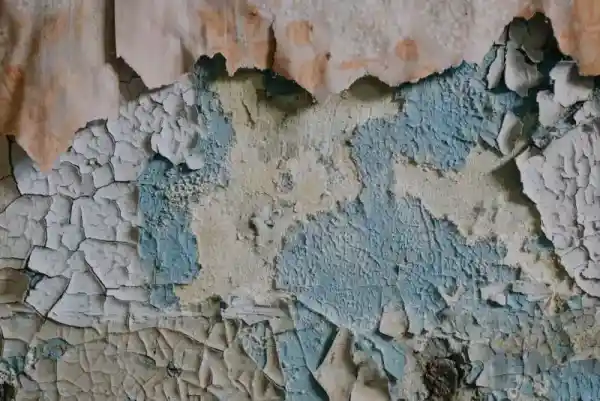
Key to Combatting Mould Growth in Sydney Homes
Sydney's humid subtropical climate creates ideal conditions for mould growth. This guide covers prevention strategies, natural remedies, and when to engage professional building inspectors for mould assessment.
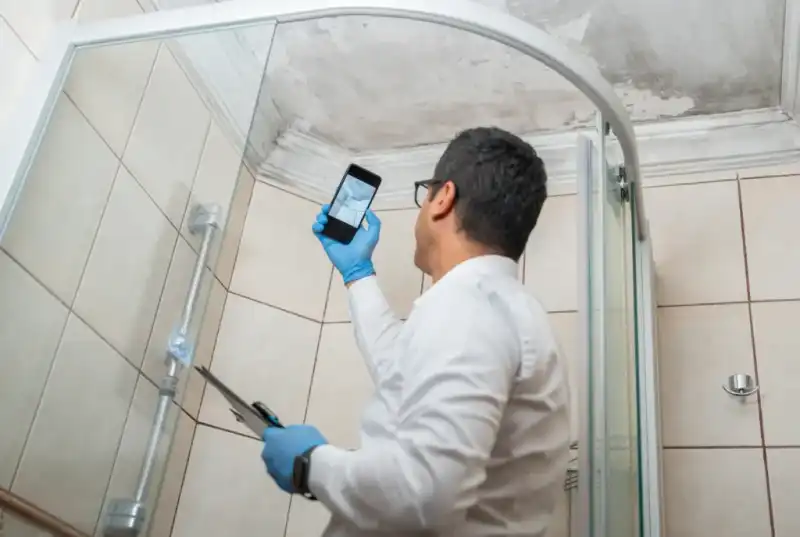
Mould Inspection to Detect and Prevent Home Damage
Mould often grows in hidden areas behind walls and within ventilation systems. Professional mould inspections detect contamination early, preventing structural damage and costly remediation.
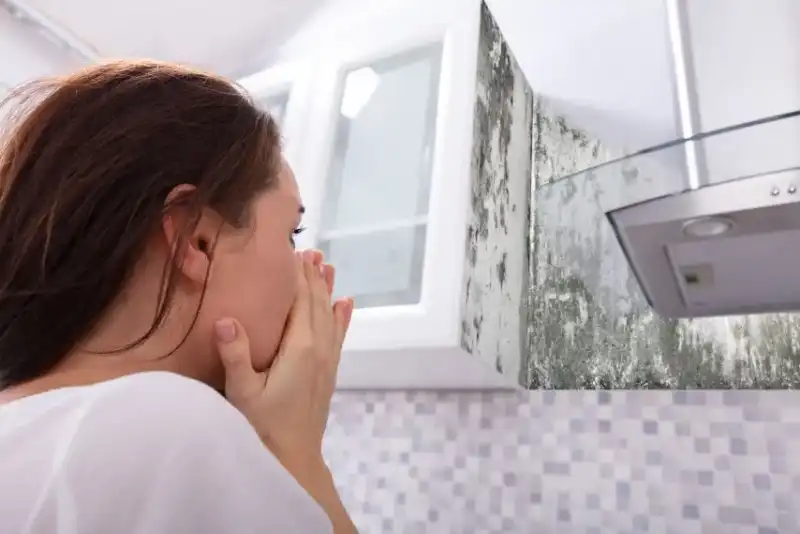
Black Mould Myths: Separating Fact from Fiction in Mould Inspections
Black mould generates fear among property owners, but much of that fear is based on myths. This guide debunks common misconceptions and explains why professional mould inspections are essential for accurate assessment.