
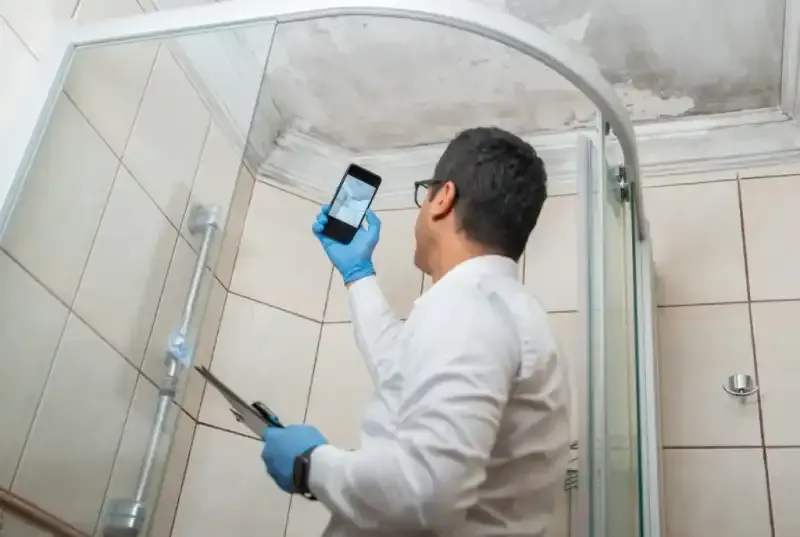
Many homeowners only become aware of mould when they notice discolouration on walls or a persistent musty smell. By that stage, the infestation has often been developing for weeks or months. Spores travel through air ducts and settle in areas that are difficult to access, making visual checks alone insufficient for detecting the full extent of contamination.
Mould can begin colonising damp surfaces within 24 to 48 hours of water exposure. Without prompt detection and remediation, a minor moisture event can rapidly evolve into a widespread infestation affecting your entire property.
Why Mould Inspection Is Essential for Every Australian Home
Australia's climate creates ideal conditions for mould growth. Coastal humidity, seasonal rainfall, and temperature fluctuations all contribute to moisture accumulation inside residential properties. From Sydney's wet winters to Brisbane's subtropical summers, no region is immune to the risk.
A professional mould inspection goes beyond surface-level observation. Trained inspectors assess the building envelope, internal moisture levels, ventilation adequacy, and air quality to build a complete picture of any mould contamination present. This comprehensive approach ensures that hidden problems are identified before they result in permanent damage.
Ignoring mould does not make it go away. Left unchecked, it will continue to spread and compromise the materials it feeds on, including timber framing, plasterboard, carpet, and insulation. The cost of remediating an advanced mould infestation is significantly higher than addressing it in the early stages.
The Impact of Mould on Your Home and Health
Structural and Material Damage
Mould feeds on organic materials found throughout residential construction. Timber framing, plasterboard linings, carpet backing, and wallpaper all provide a food source for mould colonies. Over time, this biological activity weakens structural components and degrades finishes.
Prolonged mould exposure can cause timber to rot, reducing the load-bearing capacity of structural members. Plasterboard becomes soft and crumbly, paint bubbles and peels, and adhesives lose their bonding strength. These forms of damage are often irreversible and require full replacement of affected materials.
In severe cases, mould contamination can render rooms or entire properties uninhabitable until professional remediation is completed. The financial cost of structural repairs, material replacement, and temporary accommodation can be substantial.
Health Risks for Occupants
The health effects of mould exposure are well documented by authorities including NSW Health and the Mayo Clinic. Mould releases spores and volatile organic compounds into the indoor air, which can trigger a range of symptoms.
Common health effects include:
- Persistent coughing, sneezing, and nasal congestion
- Eye irritation and watery eyes
- Skin rashes and dermatitis
- Wheezing and shortness of breath
- Aggravation of existing asthma conditions
- Headaches and fatigue
- Allergic alveolitis (inflammation of lung tissue)
Children, elderly residents, and individuals with compromised immune systems are particularly vulnerable to the effects of mould exposure. Pets can also experience respiratory distress and allergic reactions in mould-affected environments.
Property Value Decline
Mould contamination directly affects the market value of a property. Prospective buyers and their building inspectors will identify mould issues during pre-purchase assessments, leading to renegotiated prices or failed sales. Addressing mould proactively protects your investment and ensures a smoother transaction when the time comes to sell.
Common Causes of Mould Growth in Australian Homes
Mould requires three things to grow: moisture, a food source, and a suitable temperature. Since most homes contain organic building materials and maintain temperatures between 20 and 30 degrees Celsius, moisture is the primary factor that determines whether mould will establish itself.
Plumbing Leaks and Water Damage
Leaking pipes are one of the most frequent causes of indoor mould growth. Slow drips from concealed plumbing within wall cavities or under floors can go unnoticed for months, creating a persistently damp environment that is perfect for mould colonisation.
Burst pipes, failed seals around showers and baths, and leaking dishwasher or washing machine connections can all introduce enough moisture to trigger mould growth within days.
High Humidity and Condensation
Many Australian homes, particularly those in coastal and subtropical regions, experience indoor humidity levels above 60 percent. At these levels, condensation forms on cooler surfaces such as windows, external walls, and metal fixtures. This condensation provides the moisture mould needs to thrive.
Activities like cooking, showering, and drying clothes indoors add significant amounts of moisture to the air. Without adequate ventilation, this moisture has nowhere to go and accumulates on surfaces and within building materials.
Poor Ventilation
Insufficient airflow allows moisture to build up and remain trapped within a property. Bathrooms without exhaust fans, kitchens without rangehoods, and bedrooms with windows that are rarely opened all contribute to elevated humidity levels.
Subfloor areas with blocked or inadequate ventilation are particularly susceptible. Stagnant air beneath the floor allows moisture from the ground to accumulate, which can lead to mould growth on floor joists, bearers, and the underside of flooring materials.
Flooding and Storm Damage
Flood events and storm damage introduce large volumes of water into a property in a short period. Carpets, underlay, plasterboard, and insulation can absorb significant amounts of water, and if these materials are not dried within 24 to 48 hours, mould growth is almost certain.
Even after visible water has been removed, residual moisture within building materials can sustain mould growth for weeks. A thorough mould inspection after any water event is essential for confirming that all affected areas have been properly dried and treated.
Inadequate Waterproofing
Failed or substandard waterproofing in wet areas such as bathrooms, laundries, and balconies allows water to migrate into surrounding building materials. This type of moisture intrusion is often slow and difficult to detect without professional equipment, making it a common contributor to concealed mould growth.
Recognising the Signs of Mould in Your Home
Visible Indicators
The most obvious sign of mould is visible growth on surfaces. Mould can appear as black, green, white, or grey patches on walls, ceilings, grout lines, window frames, and other surfaces. Discolouration, staining, or a fuzzy texture on building materials should be investigated promptly.
Peeling paint, bubbling wallpaper, and warped timber can also indicate moisture problems that may be associated with hidden mould growth behind the surface.
Smell and Sensory Clues
A persistent musty or earthy odour is one of the most reliable indicators of mould, even when no visible growth is present. This smell is caused by microbial volatile organic compounds released by active mould colonies.
If you notice this odour in specific rooms or areas of your home, it is worth investigating further, even if surfaces appear clean and dry.
High-Risk Areas to Check
Some areas of a home are more prone to mould growth than others. Pay close attention to:
- Bathrooms and ensuites, particularly around showers and baths
- Kitchens, especially behind the dishwasher and under the sink
- Laundries and areas where clothes are dried indoors
- Wardrobes and cupboards against external walls
- Window sills and frames, particularly on south-facing walls
- Subfloor spaces and crawl areas
- Roof cavities and ceiling spaces near the roof line
- Air conditioning units, ducts, and return air grilles
Detecting Hidden Mould
Mould that grows within wall cavities, under flooring, or inside ceiling spaces cannot be seen during a visual inspection. This is where professional mould inspection techniques and tools become essential. Thermal imaging, moisture mapping, and air quality testing can reveal contamination that would otherwise go undetected.
Professional Mould Assessment Methods
A professional mould inspection involves a systematic evaluation of the property using specialised equipment and standardised assessment protocols. Qualified inspectors combine visual assessment with technology-driven testing to deliver accurate and actionable results.
Moisture Meters
Pin-type and pinless moisture meters are used to measure the moisture content of building materials including timber, plasterboard, concrete, and masonry. These readings help inspectors identify areas where moisture levels exceed acceptable thresholds, indicating conditions favourable for mould growth.
Pinless meters are particularly useful for scanning large areas quickly without damaging surfaces, while pin-type meters provide precise readings at specific points.
Infrared Thermal Imaging
Thermal imaging cameras detect temperature variations across surfaces, which can reveal hidden moisture within walls, ceilings, and floors. Wet areas appear cooler than surrounding dry materials on the thermal image, allowing inspectors to map moisture distribution without invasive testing.
This non-destructive technique is invaluable for identifying concealed leaks, condensation patterns, and areas of trapped moisture that would otherwise require physical removal of linings or finishes to investigate.
Air Quality and Spore Testing
Air sampling devices collect airborne particles from indoor environments for laboratory analysis. The samples are examined to identify the types and concentrations of mould spores present in the indoor air. This testing can confirm mould contamination even when no visible growth is found.
Results are compared against outdoor baseline readings and published guidelines to determine whether indoor mould levels are elevated and require remediation.
Surface Sampling
Tape lifts, swab samples, and bulk material samples can be collected from surfaces where mould is suspected. These samples are analysed in a laboratory to confirm the presence and species of mould, which informs the appropriate remediation approach.
DIY vs Professional Mould Inspection: A Comparison
Many homeowners wonder whether they can assess mould problems themselves or need to engage a professional. The table below outlines the key differences.
| Factor | DIY Inspection | Professional Inspection |
|---|---|---|
| Detection scope | Limited to visible surfaces | Includes hidden cavities, subfloor, and ceiling spaces |
| Equipment | Visual observation, basic moisture meter | Thermal imaging, calibrated moisture meters, air sampling |
| Mould identification | Cannot determine species | Laboratory analysis identifies species and concentration |
| Hidden mould | Unlikely to detect | Infrared and moisture mapping reveal concealed growth |
| Air quality assessment | Not possible | Spore counts compared against baseline standards |
| Moisture source identification | Limited to obvious leaks | Systematic assessment of all potential moisture pathways |
| Report and documentation | Informal notes | Detailed report with findings, images, and recommendations |
| Cost | Minimal upfront | Investment that prevents costly future remediation |
| Accuracy | Prone to missed or misidentified issues | High accuracy with technology and expertise |
| Suitability | Minor surface mould in accessible areas | Any suspected contamination, insurance claims, property transactions |
A DIY approach may be sufficient for cleaning small patches of surface mould in well-ventilated areas like shower recesses. For anything beyond minor surface contamination, a professional inspection is strongly recommended to ensure the full extent of the problem is identified and addressed correctly.
Learn more about the common myths surrounding black mould and what inspections actually reveal.
Prevention Strategies to Keep Your Home Mould-Free
Preventing mould is far more cost-effective than remediating it. The following strategies can significantly reduce the risk of mould establishing itself in your home.
Control Indoor Humidity
Aim to maintain indoor relative humidity below 60 percent. Use exhaust fans in bathrooms and kitchens during and after activities that generate moisture. A hygrometer is an inexpensive tool for monitoring humidity levels in different rooms.
In particularly humid climates, a dehumidifier can help maintain acceptable moisture levels, especially in enclosed spaces with limited natural ventilation.
Improve Ventilation
Good airflow is critical for preventing moisture accumulation. Open windows when weather permits to allow cross-ventilation. Ensure that exhaust fans in bathrooms and kitchens vent to the outside, not into the roof cavity.
Subfloor ventilation should be checked regularly to ensure vents are not blocked by garden beds, debris, or stored items. In some cases, mechanical ventilation systems may be needed to supplement natural airflow. Sydney homeowners can find specific advice on combatting mould growth in Sydney homes.
Address Leaks Promptly
Any plumbing leak, roof leak, or water intrusion should be repaired as quickly as possible. Even a small drip can introduce enough moisture to trigger mould growth within 24 to 48 hours. After repairs are completed, ensure that all affected materials are thoroughly dried.
Dry Wet Areas Quickly
After flooding, spills, or condensation events, dry affected areas within 24 hours. Remove wet carpets, underlay, and furnishings for drying or disposal. Use fans and dehumidifiers to accelerate the drying process.
Maintain Building Envelope Integrity
Regularly inspect and maintain the external envelope of your home, including roof coverings, flashings, gutters, downpipes, external wall cladding, and waterproofing in wet areas. Addressing maintenance issues promptly prevents water from entering the building fabric.
Use Mould-Resistant Products
When renovating or building, consider using mould-resistant plasterboard, paints, and sealants in areas prone to moisture exposure. These products do not prevent mould entirely but can slow its establishment and make cleaning easier.
Avoid Drying Clothes Indoors
Drying clothes on indoor racks or airers releases a significant amount of moisture into the home. Where possible, use an outdoor clothesline or a vented dryer to prevent this moisture from contributing to elevated indoor humidity.
When to Book a Professional Mould Inspection
There are several situations where a professional mould inspection is warranted:
- You can see or smell mould in your property
- You have experienced a water leak, flood, or storm damage
- Occupants are experiencing unexplained respiratory symptoms or allergies
- You are purchasing a property and want to confirm it is free from mould
- You are a landlord and need to meet your obligations under tenancy law
- You have previously had mould remediated and want to confirm it has not returned
- Your property has been unoccupied for an extended period
Early intervention is always more effective and less expensive than waiting until the problem becomes severe.
Frequently Asked Questions
Can I remove mould myself?
Small areas of surface mould on non-porous surfaces like tiles and glass can often be cleaned with a diluted bleach solution or commercial mould remover. Wear gloves, eye protection, and a P2 respirator mask during cleaning. For mould covering more than one square metre, or mould on porous materials like plasterboard and carpet, professional remediation is recommended.
What are the long-term health effects of living with mould?
Prolonged exposure to mould spores and mycotoxins can lead to chronic respiratory conditions, persistent allergic reactions, and immune system suppression. Children exposed to mould during early development may have a higher risk of developing asthma. If you suspect mould in your home and occupants are experiencing health symptoms, seek both medical advice and a professional inspection.
How do inspectors detect mould hidden inside walls?
Professional inspectors use infrared thermal imaging cameras to identify temperature anomalies caused by moisture within wall cavities. Calibrated moisture meters measure the moisture content of building materials without requiring destructive investigation. Air quality sampling can also confirm the presence of elevated spore levels even when mould is not visible.
Does renters insurance cover mould damage?
Most standard renters insurance policies in Australia do not cover mould damage caused by gradual deterioration, poor maintenance, or lack of ventilation. Some policies may cover mould damage resulting from a sudden and accidental insured event, such as a burst pipe, provided the tenant took reasonable steps to mitigate the damage. Review your policy wording or speak with your insurer for specific coverage details.
How can I improve ventilation to prevent mould?
Install or upgrade exhaust fans in bathrooms and kitchens, ensuring they vent directly to the outside. Open windows regularly to encourage cross-ventilation. Check that subfloor vents are unobstructed. Consider installing mechanical ventilation systems in rooms with limited natural airflow. Avoid blocking wall vents with furniture or stored items.
Is black mould more dangerous than other types?
The term "black mould" typically refers to Stachybotrys chartarum, which produces mycotoxins that can be harmful to health. While Stachybotrys is a concern, many other mould species also produce allergens and irritants that affect health. The colour of mould alone is not a reliable indicator of its toxicity. Professional testing is the only way to accurately identify species and assess risk. Read more about black mould myths and what inspections reveal.
How quickly can mould grow after water damage?
Mould can begin growing within 24 to 48 hours of a surface becoming wet. Spores are naturally present in the air and will colonise any damp organic material rapidly under favourable conditions. This is why prompt drying after any water event is critical for preventing mould establishment.
Can mould affect my pets?
Yes. Pets, particularly dogs and cats, can experience respiratory distress, skin irritation, and allergic reactions from mould exposure. Smaller animals and those with pre-existing respiratory conditions are especially vulnerable. If your pet shows signs of respiratory difficulty or unusual skin irritation, mould contamination in the home should be investigated.
What qualifications should a mould inspector have?
In Australia, look for inspectors who hold relevant qualifications in building inspection and mould assessment. Membership in professional bodies such as the Australian Institute of Building Surveyors or certifications in indoor air quality and mould remediation indicate a higher level of expertise. Ask about their equipment, sampling methods, and whether laboratory analysis is included in the inspection.
How much does a professional mould inspection cost?
The cost of a professional mould inspection varies based on the size of the property, the extent of testing required, and the location. Air sampling and laboratory analysis may incur additional costs. The investment is modest compared to the potential cost of undetected mould damage.
Can mould come back after remediation?
Yes, mould can return if the underlying moisture source is not resolved. Successful remediation requires both removing the existing mould and eliminating the conditions that allowed it to grow. A follow-up inspection after remediation confirms that moisture levels have been reduced to safe levels and that no residual contamination remains.
Do I need a mould inspection before buying a property?
A mould inspection is highly recommended when purchasing a property, particularly if there are signs of past water damage, musty odours, or visible staining. Mould issues discovered after settlement become the buyer's responsibility and can be extremely costly to remediate. A pre-purchase mould assessment provides peace of mind and protects your investment.
Protect Your Home with a Professional Mould Inspection
Mould contamination is a serious issue that affects the structural integrity of your home, the health of your family, and the value of your property. Early detection through professional inspection is the most effective way to prevent minor moisture issues from becoming major remediation projects.
If you suspect mould in your home, or want to ensure your property is free from hidden contamination, book a professional mould inspection with Owner Inspections. Our qualified inspectors use advanced detection technology to identify mould and moisture problems, providing you with a detailed report and clear recommendations for keeping your home safe and healthy.
Related Articles
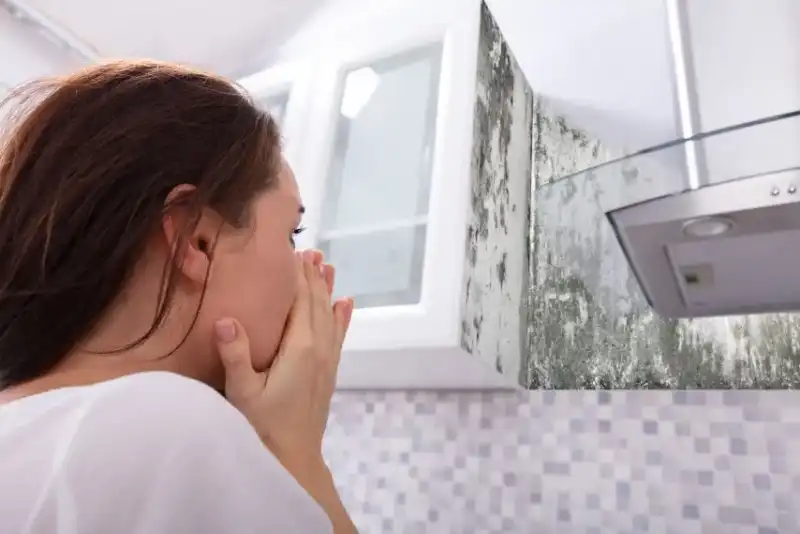
Black Mould Myths: Separating Fact from Fiction in Mould Inspections
Black mould generates fear among property owners, but much of that fear is based on myths. This guide debunks common misconceptions and explains why professional mould inspections are essential for accurate assessment.
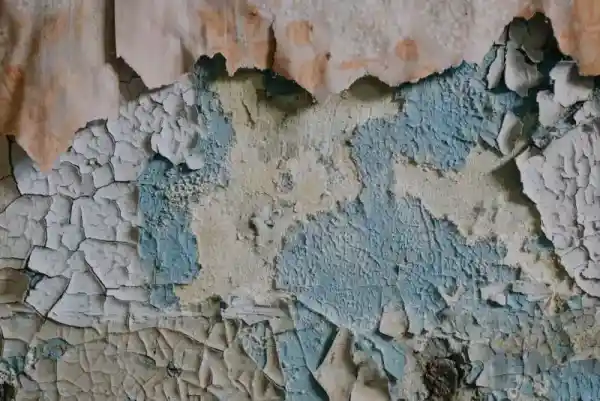
Key to Combatting Mould Growth in Sydney Homes
Sydney's humid subtropical climate creates ideal conditions for mould growth. This guide covers prevention strategies, natural remedies, and when to engage professional building inspectors for mould assessment.
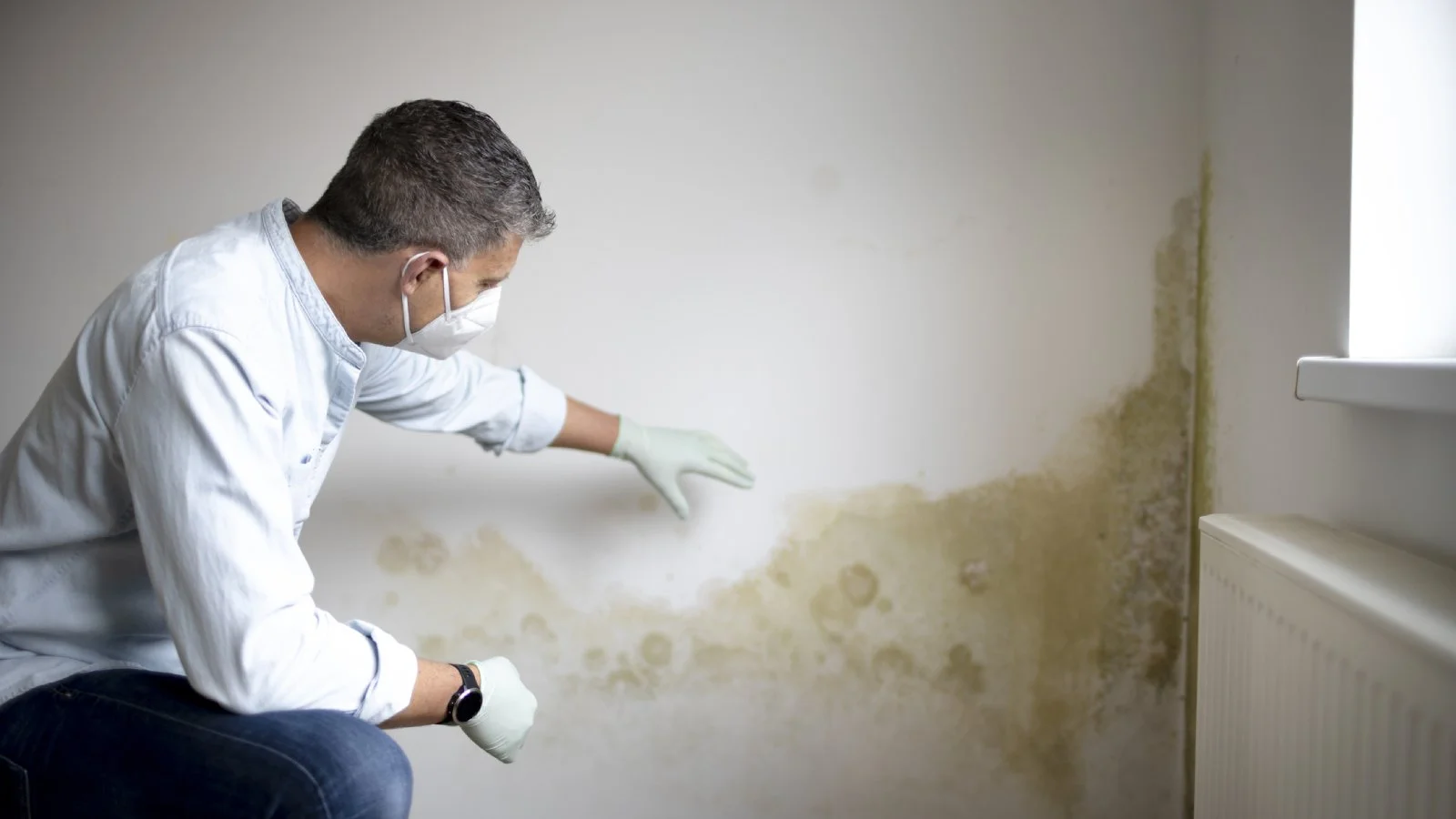
Mould Inspection Techniques: Tools and Methods
Professional mould inspections use thermal imaging, moisture meters, and laboratory analysis. Learn about the advanced techniques used to detect hidden mould.