
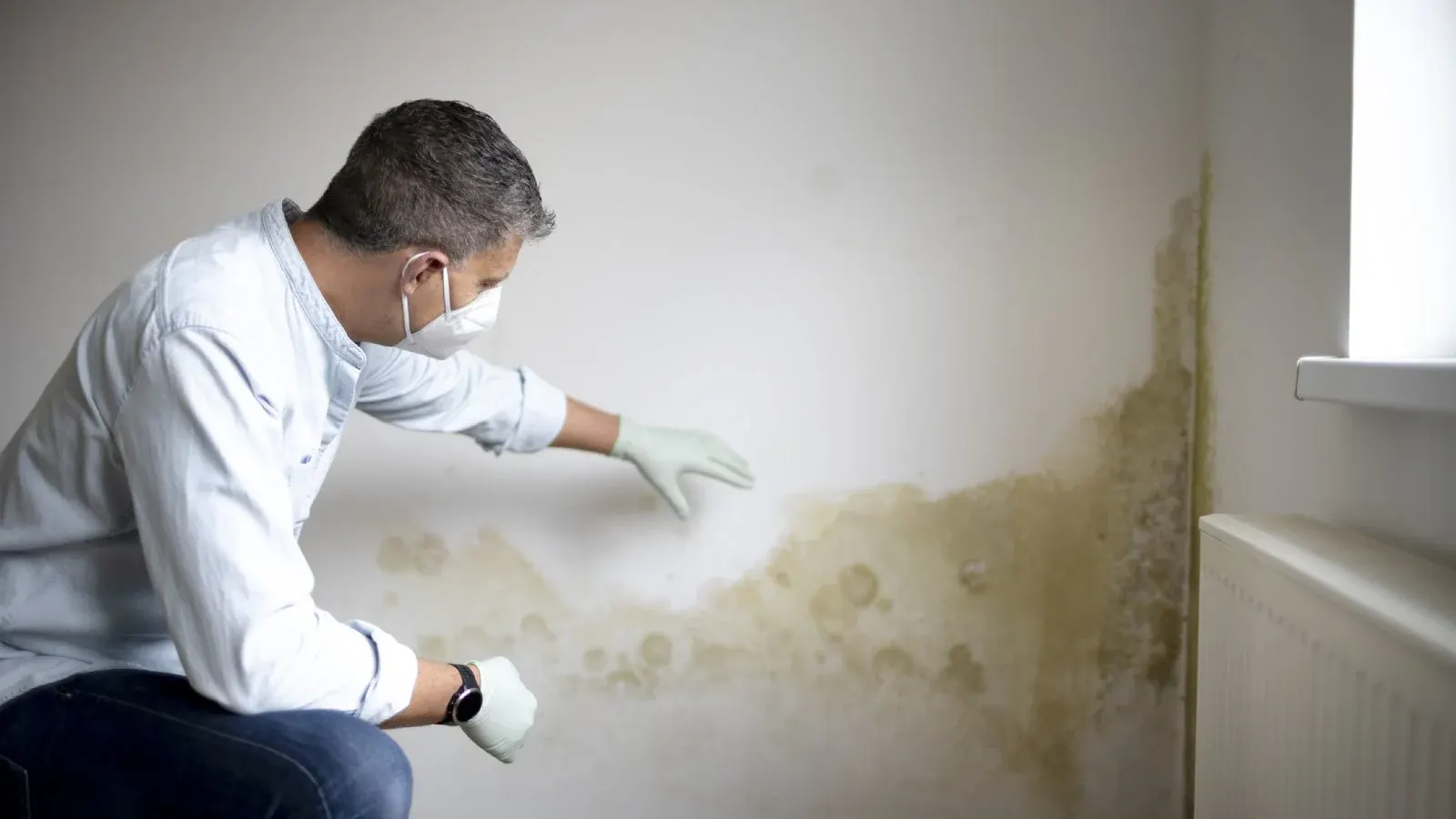
In Australia, where humid coastal climates and seasonal flooding create ideal conditions for mould growth, professional inspection services have become increasingly important. Modern mould detection has evolved far beyond simple visual assessment, now incorporating sophisticated technology and scientific sampling methods to identify contamination that often remains hidden from view.
Whether you are dealing with a suspected mould problem, purchasing a property, or simply want to ensure your home maintains healthy indoor air quality, understanding the tools and methods used in professional mould inspections will help you make informed decisions about protecting your property and your family's wellbeing.
Mould contamination often extends far beyond what is visible to the naked eye. Professional inspection using advanced detection technology is essential for identifying the true extent of mould problems and developing effective remediation strategies.
Why You Should Be Concerned About Mould
Mould contamination in buildings presents a multifaceted threat that extends well beyond aesthetic concerns. The implications of mould growth span health, property, and legal domains, making early detection and professional assessment critical for property owners, landlords, and tenants alike.
Health Effects of Mould Exposure
The health consequences of mould exposure can range from mild irritation to severe respiratory illness. The Australian Department of Health identifies several conditions associated with indoor mould exposure, and the World Health Organisation has published extensive guidelines on the health risks of damp and mouldy environments.
Common health effects associated with mould exposure include:
- Respiratory problems: Breathing difficulties, chronic coughing, wheezing, and shortness of breath are frequently reported among individuals exposed to mould
- Asthma exacerbation: Mould exposure can trigger asthma attacks in susceptible individuals and may contribute to the development of asthma in children
- Allergic responses: Eye irritation, skin rashes, nasal congestion, and sinus inflammation are common allergic reactions to mould spores
- Allergic alveolitis: Also known as hypersensitivity pneumonitis, this condition involves inflammation of the lung tissue caused by inhaling mould spores
- Fungal infections: Individuals with compromised immune systems are at risk of developing opportunistic fungal infections from certain mould species
- Compromised immune function: Prolonged mould exposure may affect the immune system's ability to respond to other pathogens and infections
Vulnerable populations including children, elderly individuals, pregnant women, and those with pre-existing respiratory conditions or compromised immune systems are at heightened risk from mould exposure. For these groups, professional mould inspection and remediation become particularly important.
Property Impact of Mould Growth
Beyond health concerns, mould contamination can cause significant damage to building materials and substantially affect property values. The longer mould is allowed to grow unchecked, the more extensive and costly the damage becomes.
- Structural degradation: Mould breaks down organic materials including timber framing, plasterboard, carpet, and insulation, potentially compromising structural integrity over time
- Aesthetic deterioration: Visible mould staining, discolouration, and musty odours make properties unpleasant and difficult to sell or rent
- Property value depreciation: Properties with documented mould problems or conditions conducive to mould growth typically sell for less than comparable properties without such issues
- Expensive remediation: Professional mould removal can cost thousands to tens of thousands of dollars depending on the extent of contamination, with structural repairs adding significantly to costs
- Contents damage: Mould can destroy furniture, clothing, books, artwork, and other personal belongings, many of which may be irreplaceable
Legal Consequences of Mould Problems
Property owners and landlords face potential legal liability when mould problems affect building occupants. Australian tenancy laws place obligations on landlords to provide properties that are fit for habitation, and mould contamination can breach these requirements.
- Tenant lawsuits: Tenants who suffer health problems due to mould exposure may pursue legal action against landlords for damages and medical costs
- Building code violations: Failure to address mould problems may constitute a breach of building codes and health regulations
- Disclosure obligations: When selling a property, vendors may be required to disclose known mould problems or risk future legal action from purchasers
- Rental bond disputes: Mould issues frequently lead to disputes over bond returns and responsibility for remediation costs
- Workplace health and safety: Commercial property owners have responsibilities under workplace health and safety legislation to provide safe working environments
Advanced Tools for Mould Detection
Professional mould inspectors employ a range of sophisticated technologies that enable detection of mould and moisture problems that would be impossible to identify through visual inspection alone. These tools allow inspectors to locate hidden mould growth, identify moisture sources, and assess the extent of contamination without causing unnecessary damage to building materials.
Thermal Imaging Cameras
Thermal imaging, also known as infrared thermography, has revolutionised mould inspection by enabling inspectors to visualise temperature variations within building materials. Since moisture affects the thermal properties of materials, areas with elevated moisture content appear distinctly different on thermal images.
Key applications of thermal imaging in mould inspection include:
- Detecting temperature variations that indicate moisture accumulation behind walls, ceilings, and floors
- Identifying hidden mould growth areas without the need for destructive investigation
- Locating water leaks from plumbing, roofing, or building envelope failures
- Mapping the extent of water damage following flooding or leak events
- Verifying the effectiveness of drying efforts during remediation
- Identifying areas of inadequate insulation that may lead to condensation
Professional grade thermal imaging cameras used in building inspection typically offer resolution sufficient to detect subtle temperature differences. When used by trained operators, these cameras can identify potential mould problems at early stages when remediation is simpler and less costly.
Digital Moisture Meters
While thermal imaging identifies areas of potential moisture concern, digital moisture meters provide quantitative measurements of moisture content in building materials. These devices are essential for confirming suspected moisture problems and for monitoring drying progress during remediation.
Types of moisture meters used in professional mould inspection include:
- Pin type meters: These devices use two metal probes that penetrate the material surface to measure electrical resistance, which correlates with moisture content. They are particularly useful for measuring moisture in timber and provide accurate readings at specific points.
- Pinless (capacitance) meters: Using electromagnetic signals, these meters can scan larger areas quickly without causing surface damage. They are ideal for initial surveys and for checking materials where pin holes would be unacceptable.
- Combination meters: Many professional inspectors use meters that offer both pin and pinless capabilities, allowing them to select the most appropriate method for each situation.
Digital moisture meters can measure moisture content in a variety of materials including timber, plasterboard, concrete, and masonry. This capability enables targeted remediation by precisely identifying which areas require treatment and which can be left undisturbed.
Borescopes and Inspection Cameras
Borescopes are flexible or rigid tubes with cameras and lighting at the tip that allow inspectors to visually examine spaces that would otherwise be inaccessible without destructive investigation. These devices are invaluable for mould inspection as they enable visual confirmation of contamination in concealed areas.
Applications for borescopes in mould inspection include:
- Inspecting wall cavities through small access holes drilled in inconspicuous locations
- Examining ductwork and HVAC systems for mould contamination
- Investigating confined spaces such as subfloor areas and roof voids
- Assessing the condition of pipes and drains that may be contributing to moisture
- Documenting mould growth in areas that cannot be easily photographed
Modern borescopes often feature articulating tips that can be steered to view around corners, along with high-definition cameras that capture clear images and video. Many units include wireless transmission to tablets or smartphones, making documentation and client communication more effective.
Mould Detection Tools and Their Applications
The following table summarises the primary tools used in professional mould inspection, their functions, and typical applications in the assessment process.
| Detection Tool | Primary Function | Applications | Limitations |
|---|---|---|---|
| Thermal Imaging Camera | Detects temperature variations indicating moisture | Hidden moisture, water leaks, insulation gaps, post-flood assessment | Cannot confirm mould presence; requires temperature differential |
| Pin Type Moisture Meter | Measures moisture content at specific points | Timber moisture, confirming thermal findings, monitoring drying | Creates small holes; point measurements only |
| Pinless Moisture Meter | Non-invasive moisture scanning | Rapid surveys, finished surfaces, mapping moisture extent | Less accurate than pin type; surface conditions affect readings |
| Borescope | Visual inspection of cavities | Wall cavities, ductwork, subfloor areas, pipe inspection | Requires access point; limited field of view |
| Air Sampling Equipment | Captures airborne mould spores | Quantifying contamination, identifying species, indoor air quality | Requires laboratory analysis; spore levels vary with conditions |
| Surface Sampling Kit | Collects mould samples from surfaces | Species identification, confirmation of mould presence | Requires laboratory analysis; point sample only |
| Hygrometer | Measures relative humidity | Assessing conditions for mould growth, HVAC evaluation | Ambient measurements only; affected by ventilation |
| Data Logger | Records temperature and humidity over time | Identifying condensation patterns, monitoring problematic areas | Requires extended deployment; location dependent |
Scientific Detection Methods
Beyond the physical inspection tools, professional mould assessment often involves scientific sampling and laboratory analysis. These methods provide objective data about mould species present, contamination levels, and potential health risks that cannot be determined through visual inspection alone.
Air Quality Sampling
Air sampling is one of the most important methods for assessing indoor mould contamination. This process involves collecting air samples from inside the building and comparing them to outdoor baseline samples to determine whether elevated mould spore levels exist indoors.
The air sampling process typically involves:
- Sample collection: Calibrated air sampling pumps draw a measured volume of air through collection media, typically either spore trap cassettes or culture plates
- Baseline comparison: Outdoor samples are collected simultaneously to provide a reference point for normal background spore levels
- Laboratory analysis: Samples are analysed under microscopy to identify and count mould spores, with results typically reported as spores per cubic metre of air
- Species identification: Laboratory technicians identify the types of mould present, which is important as some species pose greater health risks than others
Air sampling results can identify whether mould contamination exists even when the source is hidden. Elevated indoor spore counts compared to outdoor levels typically indicate an indoor mould source requiring investigation and remediation.
Laboratory Material Assessments
When visible or suspected mould is present, surface and material sampling provides detailed information about the contamination. Laboratory analysis of these samples enables targeted treatment plans based on the specific mould species identified.
Types of material sampling include:
- Tape lift samples: Clear adhesive tape is pressed against the surface to collect mould spores and fragments for microscopic analysis
- Swab samples: Sterile swabs are used to collect material from surfaces for culture analysis, which can identify viable mould and determine species
- Bulk samples: Sections of contaminated material are collected for comprehensive laboratory analysis, useful for assessing the extent of contamination within materials
Laboratory analysis can determine whether the mould present includes potentially hazardous species such as Stachybotrys chartarum (commonly known as black mould) or species known to produce mycotoxins. This information guides remediation protocols and protective measures for remediation workers.
Case Study: The Butler Family
The experience of the Butler family illustrates the value of professional mould inspection and the potential consequences of untreated mould contamination. Their case demonstrates how comprehensive inspection using advanced tools can reveal problems far more serious than initial appearances suggest.
Initial Concerns
The Butler family had recently purchased what they believed was their dream home. Shortly after moving in, family members began experiencing persistent respiratory symptoms including coughing, sneezing, and difficulty breathing. The youngest child developed worsening asthma symptoms that required increased medication.
Initial visual inspection of the property revealed some minor mould staining in the bathroom, which the family attempted to address with consumer cleaning products. However, the health symptoms persisted, prompting them to engage a professional mould inspection service.
Professional Inspection Findings
The professional inspection utilised thermal imaging, moisture meters, borescope inspection, and comprehensive air sampling. The findings were alarming and extended far beyond the visible bathroom mould.
Key findings included:
- Air quality results: Airborne mould spore levels inside the home were measured at 150 times the safe limit recommended by environmental health guidelines
- Carpet contamination: Laboratory analysis of carpet samples revealed mould contamination levels 5,000 times higher than acceptable standards
- Hidden contamination: Thermal imaging and borescope inspection revealed extensive mould growth within wall cavities, particularly around the bathroom and kitchen areas
- Structural concerns: The inspection identified five significant structural problems including compromised wall framing affected by moisture damage
- Safety defects: Six major safety defects were documented, including electrical hazards created by moisture infiltration
Root Cause Analysis
The inspection revealed that the mould contamination originated from multiple sources that had gone undetected or unaddressed for an extended period:
- A slow leak in the bathroom plumbing that had been releasing moisture into the subfloor
- Failed waterproofing in the shower recess allowing water penetration into wall cavities
- Inadequate ventilation in wet areas trapping humid air and promoting condensation
- A roof leak that had caused water damage to the ceiling space and adjacent walls
Remediation Requirements
Based on the inspection findings, the Butler family faced extensive remediation requirements including removal of all carpet and underlay, stripping and replacement of affected wall linings, treatment of structural timbers, replacement of insulation, and repairs to address the underlying moisture sources. The total remediation cost exceeded $80,000.
This case illustrates the importance of thorough pre-purchase inspections and demonstrates how mould problems that appear minor on the surface may indicate far more serious underlying contamination. The Butler family's experience also highlights the connection between unexplained health symptoms and hidden mould contamination.
Selecting Professional Mould Inspection Services
Choosing the right mould inspection service is crucial for obtaining accurate assessment and actionable recommendations. Not all inspection services are equal, and understanding what to look for can help property owners avoid inadequate inspections that fail to identify serious problems.
Selection Criteria
When evaluating potential mould inspection providers, consider the following essential criteria:
- Verified credentials: Look for inspectors with recognised qualifications in building inspection, indoor air quality, or environmental health. Membership in professional associations such as the Australian Institute of Building Surveyors or similar organisations indicates commitment to professional standards.
- Advanced equipment: Ensure the inspector uses thermal imaging cameras, digital moisture meters, and has access to air and surface sampling capabilities. Inspectors relying solely on visual assessment will miss hidden contamination.
- Laboratory relationships: Professional inspectors should work with NATA-accredited laboratories for sample analysis to ensure accurate and reliable results.
- Insurance coverage: Verify that the inspector carries professional indemnity insurance and public liability coverage to protect both parties.
- Transparent pricing: Reputable inspectors provide clear pricing that outlines what is included in the inspection fee and what additional services may be required.
- Independence: Choose inspectors who are independent of remediation companies to avoid conflicts of interest. Inspectors who also perform remediation may have incentives to overstate problems.
Questions to Ask Potential Inspectors
Before engaging a mould inspection service, ask the following questions to assess their suitability:
- What qualifications and experience do you have in mould inspection?
- What detection equipment will you use during the inspection?
- Do you perform air sampling and surface sampling as part of your assessment?
- Which laboratory do you use for sample analysis, and are they NATA accredited?
- How long will the inspection take, and how soon will I receive the report?
- What does your inspection fee include, and are there additional costs for sampling?
- Can you provide references from previous clients?
- Do you provide remediation services, or do you focus solely on inspection?
Evaluating Inspection Reports
A professional mould inspection report should provide comprehensive information that enables informed decision-making. When evaluating reports, look for the following qualities:
- Clarity: The report should be written in clear language that can be understood by property owners without specialised technical knowledge
- Comprehensive detail: All areas inspected should be documented, including findings, measurements, and photographs. Areas that could not be accessed should be noted.
- Laboratory results: Air and surface sampling results should be included with clear explanation of what the findings mean and how they compare to guidelines
- Actionable recommendations: The report should provide specific recommendations for remediation, including priority areas and suggested approaches
- Root cause identification: Beyond identifying mould presence, the report should identify moisture sources and contributing factors that must be addressed
Mould Prevention Measures
Prevention is always preferable to remediation when it comes to mould. Implementing effective moisture control and maintenance practices can significantly reduce the risk of mould growth and the associated health and property impacts.
Ventilation Management
Adequate ventilation is one of the most effective tools for preventing mould growth. Moisture-laden air must be removed from the building and replaced with drier outdoor air to prevent condensation and humidity buildup.
- Install and use exhaust fans in bathrooms, laundries, and kitchens to remove humid air at the source
- Ensure exhaust fans are ducted to the outside rather than into roof spaces or wall cavities
- Open windows regularly to promote cross-ventilation, particularly after activities that generate moisture
- Consider mechanical ventilation systems in areas with persistent humidity problems or limited natural ventilation
- Ensure subfloor areas have adequate ventilation to prevent moisture accumulation beneath the building
Moisture Control
Controlling moisture at its source prevents the conditions that allow mould to grow. This includes both addressing water intrusion and managing humidity levels.
- Repair leaking roofs, windows, and pipes promptly before water damage can promote mould growth
- Maintain gutters and downpipes to direct water away from the building
- Ensure adequate drainage around the building to prevent water pooling near foundations
- Address condensation problems by improving insulation, increasing ventilation, or using dehumidifiers
- Dry any water spills or flooding within 24 to 48 hours to prevent mould establishment
- Monitor indoor humidity levels and maintain them below 60 percent relative humidity
Regular Cleaning and Maintenance
Routine cleaning and maintenance help identify early signs of mould and prevent contamination from becoming established.
- Clean bathrooms and wet areas regularly using appropriate cleaning products
- Check under sinks, around toilets, and behind appliances for signs of leaks or moisture
- Inspect and clean air conditioning filters and drip trays regularly
- Address any visible mould growth immediately before it can spread
- Keep furniture and stored items away from exterior walls to allow air circulation
Annual Professional Inspections
Even with good maintenance practices, professional inspections provide an additional layer of protection by identifying problems that may not be apparent to occupants.
- Schedule annual inspections in properties with previous mould history or in high-risk climatic zones
- Arrange inspection following any water damage event, even if damage appears minor
- Include mould assessment as part of routine building and pest inspections for purchased properties
- Consider more frequent inspections for properties housing vulnerable individuals or in high-humidity coastal areas
When Professional Remediation Is Required
Understanding when mould problems require professional remediation versus when they can be safely addressed by property owners is important for protecting both health and property.
DIY Cleaning Guidelines
Small areas of surface mould on non-porous materials may be safely cleaned by property owners using appropriate precautions. However, there are strict limitations on what should be attempted without professional assistance.
DIY cleaning may be appropriate when:
- The affected area is less than one square metre
- Mould is limited to hard, non-porous surfaces such as tiles or glass
- There is no hidden mould within walls or other concealed areas
- The moisture source has been identified and eliminated
- Building occupants have no pre-existing respiratory conditions or allergies
When to Engage Professionals
Professional remediation is recommended in the following circumstances:
- Mould contamination covers an area larger than one square metre
- Mould is present on porous materials such as carpet, insulation, or plasterboard
- Hidden mould is suspected or confirmed within wall cavities or other concealed spaces
- Contamination involves potentially hazardous mould species
- Building occupants are experiencing health symptoms associated with mould exposure
- The moisture source cannot be easily identified or eliminated
- Previous cleaning attempts have been unsuccessful with mould returning
Frequently Asked Questions
How much does a professional mould inspection cost in Australia?
Short answer: Professional mould inspections in Australia typically cost between $300 and $800 for a standard residential property, with comprehensive assessments including laboratory sampling ranging from $500 to $1,500.
The cost varies depending on property size, the extent of investigation required, and whether air and surface sampling is included. Basic visual inspections with moisture mapping are at the lower end, while comprehensive assessments including thermal imaging, borescope inspection, and laboratory analysis of multiple samples are at the higher end. Given that remediation costs can easily reach tens of thousands of dollars, professional inspection represents excellent value for identifying problems early and developing effective treatment plans.
What are the signs that I might have hidden mould in my home?
Short answer: Musty odours, unexplained health symptoms, visible water staining, condensation problems, and past water damage events are common indicators of hidden mould.
Hidden mould often produces a distinctive musty or earthy smell even when no visible mould is present. Occupants may experience allergic symptoms, respiratory problems, or worsening asthma that improves when away from the property. Water stains on ceilings or walls, bubbling or peeling paint, and warped surfaces can indicate moisture problems that promote hidden mould growth. Properties that have experienced flooding, leaks, or water damage are at elevated risk even if the damage appeared to be dried and repaired.
QHow long does a mould inspection take?
Short answer: A comprehensive mould inspection typically takes 1.5 to 3 hours for an average-sized home, with laboratory results available within 3 to 5 business days.
The on-site inspection duration depends on property size, accessibility of areas, and the extent of suspected contamination. Inspectors need adequate time to conduct thermal imaging surveys, take moisture readings, perform borescope investigations, and collect air and surface samples. Rushing the inspection process can result in missed contamination. The full inspection report including laboratory analysis results is typically provided within 5 to 7 business days, though preliminary findings are often communicated immediately after the inspection.
Is black mould more dangerous than other types of mould?
Short answer: While Stachybotrys chartarum (black mould) produces mycotoxins and warrants serious attention, many mould species can cause health problems, and mould colour alone does not indicate toxicity.
The term "black mould" commonly refers to Stachybotrys chartarum, which produces mycotoxins that can cause serious health effects. However, many different mould species appear black or dark coloured, and not all are toxigenic. Conversely, some lighter coloured moulds can also produce harmful compounds. All significant mould contamination should be treated seriously regardless of colour. Professional laboratory analysis is the only reliable way to identify mould species and assess potential health risks.
QCan I sell a property with mould problems?
Short answer: You can sell a property with mould, but disclosure obligations apply, and buyers will likely negotiate price reductions or require remediation as a condition of sale.
Australian property law requires vendors to disclose known defects that would materially affect a buyer's decision. Failure to disclose known mould problems could expose you to legal action after settlement. Most buyers will request a building and pest inspection that may reveal mould issues. Addressing mould problems before listing typically results in better sale outcomes than attempting to sell as-is with corresponding price reductions. If selling without remediation, obtain a professional inspection report to support accurate disclosure and fair pricing.
QWhat causes mould to grow in homes?
Short answer: Mould requires moisture, organic material to feed on, suitable temperatures, and time to grow. Eliminating excess moisture is the key to preventing mould.
Mould spores are naturally present in all environments. When they land on surfaces with adequate moisture, they can establish and grow within 24 to 48 hours. Common moisture sources include plumbing leaks, roof leaks, condensation, flooding, and high humidity. Organic building materials such as timber, plasterboard, carpet, and insulation provide food sources for mould. Australian homes in humid coastal climates or properties with inadequate ventilation are particularly susceptible. Addressing the moisture source is essential, as cleaning mould without eliminating moisture will result in regrowth.
Should I get a mould inspection when buying a property?
Short answer: Yes, mould assessment should be included as part of pre-purchase inspections, particularly for older properties or those in humid climates.
Standard building inspections may note visible mould but typically do not include comprehensive mould assessment with moisture mapping, thermal imaging, and air sampling. Properties with any history of water damage, those in flood-prone areas, older homes with dated plumbing and waterproofing, and buildings in humid climates warrant specific mould assessment. The cost of a professional mould inspection is minimal compared to potential remediation costs that can reach tens of thousands of dollars. Inspection findings also provide leverage for price negotiation or can identify properties best avoided.
How do I know if mould remediation was successful?
Short answer: Post-remediation verification through professional inspection with air sampling confirms whether mould levels have returned to acceptable levels.
Successful remediation should eliminate visible mould, address all contaminated materials, and resolve the underlying moisture problem. Visual inspection alone cannot confirm success as mould may remain in concealed areas. Post-remediation air sampling compares indoor spore levels to outdoor baseline levels, with indoor levels at or below outdoor levels indicating successful remediation. Reputable remediation contractors should provide clearance testing as part of their service or coordinate with independent inspectors for verification. Avoid contractors who are reluctant to have their work verified by third-party inspection.
Key Takeaways
- Mould exposure is associated with serious health conditions including asthma, allergic alveolitis, and fungal infections, as documented by the Department of Health and World Health Organisation.
- Professional mould inspection uses advanced technology including thermal imaging cameras, digital moisture meters, and borescopes to detect hidden contamination.
- Air quality sampling can identify mould contamination levels and species present, providing objective data for remediation planning.
- Mould problems often extend far beyond visible growth, as demonstrated by cases where contamination levels exceeded safe limits by factors of 150 to 5,000 times.
- When selecting inspection services, look for verified credentials, advanced equipment, NATA-accredited laboratory relationships, and independence from remediation companies.
- Prevention through adequate ventilation, moisture control, regular cleaning, and annual inspections is more cost-effective than remediation.
- Professional remediation is recommended when contamination exceeds one square metre, involves porous materials, or affects building occupants' health.
- Pre-purchase mould inspection is advisable for all properties, particularly older homes and those in humid climates or with water damage history.
References and Resources
- Australian Department of Health
- World Health Organisation (WHO) Guidelines for Indoor Air Quality
- National Association of Testing Authorities (NATA)
- NSW Fair Trading
- Australian Institute of Building Surveyors (AIBS)
Related Articles
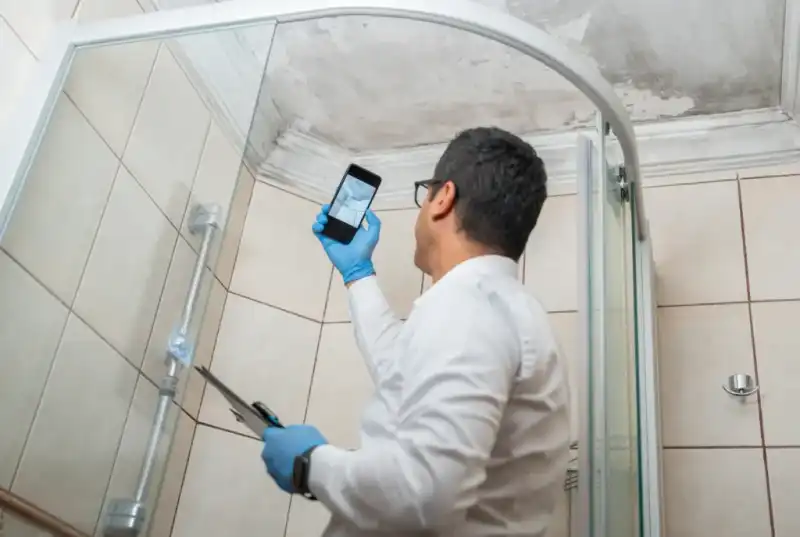
Mould Inspection to Detect and Prevent Home Damage
Mould often grows in hidden areas behind walls and within ventilation systems. Professional mould inspections detect contamination early, preventing structural damage and costly remediation.
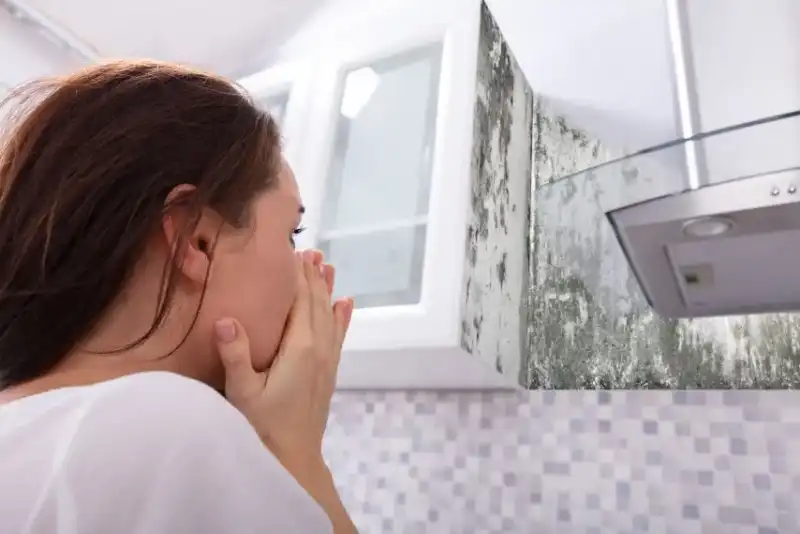
Black Mould Myths: Separating Fact from Fiction in Mould Inspections
Black mould generates fear among property owners, but much of that fear is based on myths. This guide debunks common misconceptions and explains why professional mould inspections are essential for accurate assessment.
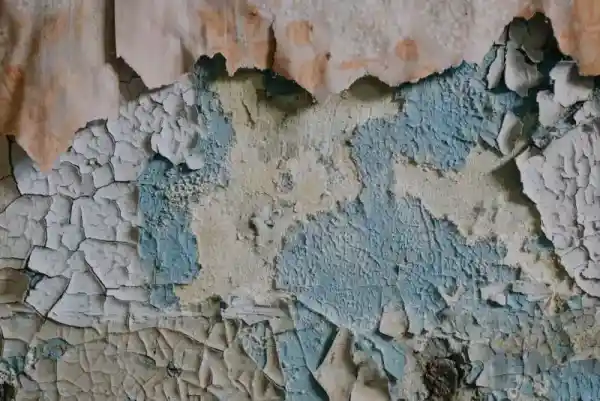
Key to Combatting Mould Growth in Sydney Homes
Sydney's humid subtropical climate creates ideal conditions for mould growth. This guide covers prevention strategies, natural remedies, and when to engage professional building inspectors for mould assessment.