
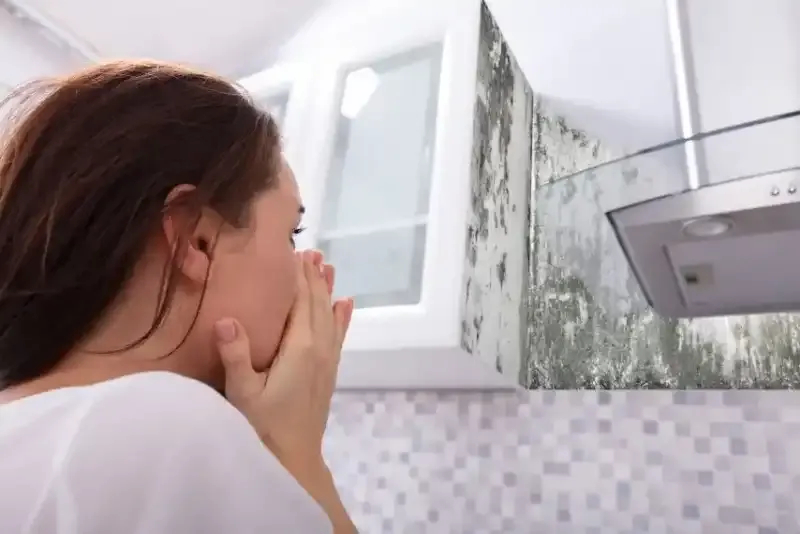
Misinformation about mould leads to two equally dangerous outcomes. Some property owners panic and spend thousands on unnecessary treatments, while others dismiss genuine mould problems because they do not see the dreaded "black" variety. Both responses can cause harm to your health and your property.
According to NSW Health, prolonged exposure to any type of indoor mould can trigger respiratory symptoms, allergic reactions, and worsen asthma. The colour of the mould is not a reliable indicator of how dangerous it is.
This article tackles the most persistent myths about black mould, presents the facts backed by Australian health authorities and building science, and explains why professional mould inspections are the only reliable way to assess mould risk in your property.
Myth 1: Only Black Mould Is Dangerous
This is arguably the most widespread and harmful myth about mould. Many people believe that unless mould appears black, it poses no real threat. This belief is completely false.
Mould comes in a wide range of colours, including white, green, grey, brown, orange, and black. The colour of mould depends on the species, the surface it grows on, and environmental conditions. A single mould species can even appear in different colours depending on these factors.
The Truth About Mould Colours
The species most commonly referred to as "black mould" is Stachybotrys chartarum. It produces mycotoxins that can cause health problems with prolonged exposure. But Stachybotrys is just one of thousands of mould species that can grow indoors.
Aspergillus, which often appears green or white, is one of the most common indoor moulds in Australia and can cause serious respiratory infections, particularly in people with weakened immune systems. Cladosporium, typically olive-green or brown, is another frequent offender that triggers allergic reactions and asthma attacks.
Relying on colour alone to judge danger is a mistake. A comprehensive mould inspection uses laboratory analysis to identify the exact species present and assess the actual risk to occupants.
Myth 2: Black Mould Causes Cancer
Fear-driven media reports have led many Australians to believe that black mould exposure directly causes cancer. Current scientific evidence does not support this claim.
The International Agency for Research on Cancer (IARC), which operates under the World Health Organisation, has not classified any mould species as a known or probable human carcinogen. While some mycotoxins produced by certain moulds have shown carcinogenic potential in animal studies at extremely high doses, these conditions do not reflect typical household exposure.
What Black Mould Actually Does to Your Health
That said, mould exposure is far from harmless. The genuine health risks associated with indoor mould are serious enough without exaggeration. According to NSW Health, common health effects of mould exposure include:
- Nasal congestion and sinus irritation
- Coughing, wheezing, and shortness of breath
- Eye irritation and watery eyes
- Skin rashes and irritation
- Worsening of existing asthma
- Allergic reactions ranging from mild to severe
- Respiratory infections in immunocompromised individuals
People with pre-existing respiratory conditions, allergies, or weakened immune systems are at greater risk. Young children and the elderly are also more vulnerable to mould-related health effects.
The focus should be on reducing all indoor mould exposure, not just worrying about one particular colour.
Myth 3: Small Amounts of Mould Are Harmless
Some property owners spot a small patch of mould on a bathroom ceiling or window sill and assume it is not worth worrying about. This casual attitude can lead to much bigger problems down the track.
Visible mould is often just the tip of the iceberg. A small patch on a surface frequently indicates a larger colony growing behind walls, under flooring, or within ceiling cavities. Mould spreads through microscopic spores that travel through the air and settle on new surfaces, meaning a minor visible issue can represent a significant hidden infestation.
Why Small Mould Growth Matters
Even genuinely small amounts of mould release spores into your indoor air. In a sealed modern home with limited ventilation, these spores accumulate and degrade air quality over time.
A study referenced by the Australian Institute of Health and Welfare found that Australians spend approximately 90% of their time indoors. That means any mould growth, no matter how small, contributes to the air you breathe for most of the day.
Small mould patches also indicate a moisture problem. Where there is enough moisture to support visible mould, conditions are right for more extensive growth in concealed areas. A professional mould inspection can determine whether surface mould is an isolated issue or a symptom of a deeper problem.
Myth 4: Bleach Kills All Mould
Reaching for a bottle of bleach is the default response for many homeowners who discover mould. While bleach can remove mould stains from hard, non-porous surfaces, it is far less effective than most people think.
Why Bleach Falls Short
Bleach works on the surface only. On porous materials such as timber, plasterboard, grout, and carpet, bleach cannot penetrate deep enough to reach mould roots (called hyphae) that grow into the material. The surface appears clean, but the mould regrows within days or weeks.
Bleach is primarily water. Once the chlorine component evaporates, the remaining water actually adds moisture to the affected area, potentially feeding the mould you are trying to eliminate.
Using bleach on mould also creates a false sense of security. The visible stain disappears, so the homeowner assumes the problem is solved. In reality, the mould continues to grow and release spores beneath the surface.
Professional mould remediation uses specialised antifungal treatments designed to penetrate porous materials and eliminate mould at its source. For properties in humid climates, such as those in Sydney or along the Gold Coast, professional treatment is particularly important because conditions favour rapid regrowth.
Myth 5: Homes Can Be 100% Mould-Free
Some mould remediation companies market their services with the promise of a completely mould-free home. This is misleading at best.
Mould spores are a natural part of the environment. They exist in outdoor air, and they enter homes through doors, windows, ventilation systems, and on clothing and pets. It is impossible to eliminate all mould spores from any indoor environment.
What Is Achievable
The realistic goal is not a mould-free home but a mould-controlled home. This means keeping indoor mould spore levels at or below outdoor ambient levels, eliminating active mould colonies, and controlling moisture to prevent new growth.
Achieving this requires a combination of strategies:
- Maintaining indoor humidity below 60% (ideally between 30% and 50%)
- Ensuring adequate ventilation in bathrooms, kitchens, and laundry areas
- Fixing plumbing leaks and water ingress promptly
- Using exhaust fans and ensuring they vent to the outside, not into roof cavities
- Cleaning and maintaining air conditioning systems regularly
- Addressing condensation issues on windows and cold surfaces
A professional mould inspection establishes a baseline of your indoor mould levels and identifies specific areas requiring attention. This data-driven approach is far more effective than chasing the impossible goal of zero mould.
The Mould Myths vs Facts at a Glance
| Myth | Fact |
|---|---|
| Only black mould is dangerous | Mould of any colour can cause health problems. Species identification requires lab testing. |
| Black mould causes cancer | No mould species is classified as a known human carcinogen by the IARC. |
| Small amounts of mould are harmless | Even small visible patches indicate moisture problems and release spores that affect air quality. |
| Bleach kills all mould | Bleach only works on non-porous surfaces and cannot reach mould roots in porous materials. |
| Homes can be 100% mould-free | Mould spores exist naturally in the environment. The goal is control, not elimination. |
| You can identify mould type by colour | Mould colour varies by species, surface, and conditions. Lab analysis is needed for identification. |
| Mould only grows in old homes | New homes with poor ventilation or building defects are equally susceptible to mould growth. |
| Painting over mould solves the problem | Paint traps moisture and mould continues to grow underneath, eventually breaking through the new coating. |
How Moisture Drives Mould Growth
Every mould myth traces back to one fundamental truth: mould needs moisture to grow. Without addressing moisture, no amount of cleaning, painting, or treating will solve a mould problem permanently.
Common Moisture Sources in Australian Homes
Australian homes face specific moisture challenges depending on their location and construction type. Coastal properties deal with salt air and high ambient humidity. Homes in subtropical regions such as Brisbane and the Gold Coast experience prolonged periods of warm, humid weather. Even properties in cooler climates like Melbourne and Hobart can develop condensation-related mould during winter.
The most common sources of moisture that lead to mould growth include:
- Leaking roofs and deteriorated flashing
- Rising damp from inadequate damp-proof courses
- Plumbing leaks in concealed pipework
- Poor drainage around foundations
- Inadequate bathroom and kitchen ventilation
- Blocked or absent subfloor ventilation
- Air conditioning condensate issues
- Flooding and storm damage
A thorough mould inspection identifies the moisture source driving mould growth. Without finding and fixing the source, remediation efforts will only provide temporary relief.
Why Professional Mould Inspections Matter
Given the myths and misinformation surrounding mould, professional inspections provide the objective, science-based assessment that property owners need to make informed decisions.
What a Professional Inspection Includes
A qualified mould inspector uses specialised tools and techniques to assess your property thoroughly. The inspection typically covers:
- Visual assessment of all accessible areas, including roof cavities, subfloor spaces, and wall cavities where possible
- Moisture mapping using thermal imaging cameras and pin-type or pinless moisture meters
- Air sampling to measure airborne mould spore concentrations
- Surface sampling of suspected mould growth for laboratory identification
- Assessment of ventilation systems and humidity levels
- Identification of moisture sources and water ingress points
- Detailed reporting with species identification, risk assessment, and remediation recommendations
The Value of Accurate Information
Professional inspections replace guesswork and fear with data. Instead of assuming that dark discolouration is deadly black mould, you get laboratory confirmation of exactly which species are present and at what concentrations. This information determines whether remediation is urgent, what methods are appropriate, and whether the property is safe for occupants during the process.
For landlords and property managers, professional inspection reports also provide documentation that may be needed to demonstrate compliance with tenant health and safety obligations under Australian residential tenancy laws.
Identifying High-Risk Areas in Your Property
Some areas of your home are more prone to mould growth than others. Knowing where to look can help you catch problems early, but a professional inspection remains essential for areas you cannot easily access or assess.
Bathrooms and Ensuites
These rooms combine warmth, moisture, and organic materials (grout, sealant, timber framing). Mould commonly develops on ceiling surfaces, in tile grout, behind shower walls, and under vanity units. Extractor fans that vent into the roof cavity rather than outside are a frequent cause of mould in ceiling spaces.
Kitchens and Laundries
Steam from cooking and clothes drying creates elevated humidity. Dishwasher and washing machine connections are common leak points. Mould often grows behind appliances and inside cabinets against external walls.
Bedrooms and Living Areas
Bedrooms generate significant moisture from breathing during sleep. Wardrobes against external walls are prone to condensation and mould, especially in poorly insulated homes. Carpeted areas near external walls can harbour mould growth that is invisible from the surface.
Roof Cavities and Subfloors
These areas are rarely inspected by homeowners but are among the most common locations for extensive mould growth. Roof leaks, condensation from uninsulated ductwork, and inadequate subfloor ventilation create ideal conditions for mould to thrive undetected.
When to Book a Mould Inspection
Certain situations call for an immediate professional mould assessment. Do not rely on visual inspection alone in any of these circumstances:
- You notice a persistent musty or earthy smell in any part of the property
- Visible mould appears on walls, ceilings, or other surfaces
- The property has experienced flooding, a burst pipe, or a roof leak
- Occupants report unexplained respiratory symptoms, allergic reactions, or skin irritation
- You are purchasing a property and want to assess mould risk before settlement
- The property has been unoccupied for an extended period
- Renovations have revealed mould behind walls or under flooring
- Condensation regularly forms on windows and cold surfaces
Early detection saves money and protects health. A mould problem caught at the inspection stage is far cheaper and simpler to address than one discovered after it has spread throughout wall cavities and structural timbers.
Frequently Asked Questions
What are the signs of hidden mould in a property?
Hidden mould often reveals itself through musty or earthy odours that persist even after cleaning. Unexplained health symptoms among occupants, such as recurring sinus infections, coughing, or skin irritation, can also indicate concealed mould. Physical signs include bubbling or peeling paint, warped skirting boards, and discolouration on walls or ceilings. Elevated humidity readings in specific areas and condensation on windows are also indicators.
How often should a mould inspection be carried out?
For most Australian homes, an annual mould inspection is sufficient as a preventive measure. Properties in high-humidity areas such as coastal Queensland or tropical regions benefit from inspections every six months. Any property that has experienced water damage, flooding, or a known leak should be inspected as soon as possible after the event, regardless of when the last inspection occurred.
Can mould grow in cold environments?
Yes. While mould grows faster in warm conditions, many species can grow at temperatures as low as 2 degrees Celsius. In colder climates, mould frequently develops on surfaces where warm indoor air meets cold external walls, creating condensation. This is common in poorly insulated homes during winter months in Melbourne, Canberra, and Hobart.
What should I do if renovations reveal mould behind walls?
Stop work immediately and ventilate the area by opening windows and doors. Do not attempt to scrape or disturb the mould, as this releases large quantities of spores into the air. Contact a professional mould inspector to assess the extent of the growth, identify the species, and recommend a remediation plan before construction resumes. Disturbing large mould colonies without proper containment can contaminate the entire property.
Is dead mould still a health risk?
Yes. Dead mould spores remain allergenic and can still trigger respiratory symptoms, allergic reactions, and asthma attacks. Simply killing mould with chemicals is not enough. The dead material must be physically removed from the affected surfaces. This is one reason why professional remediation is recommended over DIY approaches that focus only on killing mould.
What are the legal implications of mould in rental properties?
In Australia, landlords have a legal obligation to provide properties that are fit for habitation. Under the Residential Tenancies Act in each state and territory, tenants can request repairs for mould caused by building defects such as leaks or inadequate ventilation. If a landlord fails to address mould issues after being notified, tenants may apply to the relevant tribunal for orders. Landlords who ignore mould problems risk compensation claims, tribunal orders, and potential penalties.
How do I prevent mould growth after flooding?
Time is critical after flooding. Remove standing water as quickly as possible using pumps and wet vacuums. Strip out saturated carpets, underlay, and any plasterboard that has absorbed water. Run dehumidifiers and fans continuously until all materials are completely dry, which typically takes several days. Do not seal up the affected area until a professional has confirmed that moisture levels have returned to acceptable ranges. Mould can begin growing within 24 to 48 hours of water exposure.
Which building materials are most vulnerable to mould?
Porous and organic materials are most susceptible. Plasterboard (gyprock) is particularly vulnerable because it absorbs moisture readily and the paper facing provides a food source for mould. Timber framing, MDF, particle board, carpet, and carpet underlay are also high-risk materials. Natural fibre insulation, ceiling tiles, and wallpaper provide ideal conditions for mould growth when moisture is present.
Is it safe to stay in a property during mould remediation?
It depends on the scale of the remediation and the species involved. For small, localised areas being treated professionally, occupants can typically remain in other parts of the property while the affected area is sealed with containment barriers. For larger remediation projects or where toxic species such as Stachybotrys chartarum are confirmed, temporary relocation may be recommended, particularly for children, elderly occupants, pregnant women, and anyone with respiratory conditions or compromised immune systems.
Can mould return after professional remediation?
Mould can return if the underlying moisture source is not resolved. Professional remediation removes existing mould and treats affected surfaces, but it cannot prevent future growth if conditions remain favourable. Successful long-term mould prevention requires fixing the moisture source, improving ventilation, and maintaining appropriate indoor humidity levels. A good mould remediation company will address the root cause as part of their service, not just treat the symptoms.
How accurate are DIY mould testing kits?
DIY mould testing kits available from hardware stores have significant limitations. Settle plate tests (petri dish kits) collect whatever spores happen to land on them, providing unreliable results that do not represent actual indoor air quality. They cannot identify species or quantify spore concentrations accurately. Professional air sampling and surface swab analysis conducted by accredited laboratories provide far more accurate and actionable results.
Does insurance cover mould damage in Australia?
Most standard home insurance policies in Australia do not cover mould damage that results from gradual deterioration, poor maintenance, or lack of ventilation. Mould caused by a sudden, accidental event such as a burst pipe or storm damage may be covered under building or contents insurance, depending on your policy. Check your Product Disclosure Statement or contact your insurer for specific details. Documenting mould issues with a professional inspection report strengthens any insurance claim.
Take the Next Step
If you suspect mould in your property or simply want peace of mind, a professional mould inspection provides the clarity you need. Our licensed inspectors use laboratory-grade testing and thermal imaging to identify mould species, locate moisture sources, and deliver a detailed report with actionable recommendations.
Book a professional mould inspection today and get the facts about your property's mould risk.
Related Articles
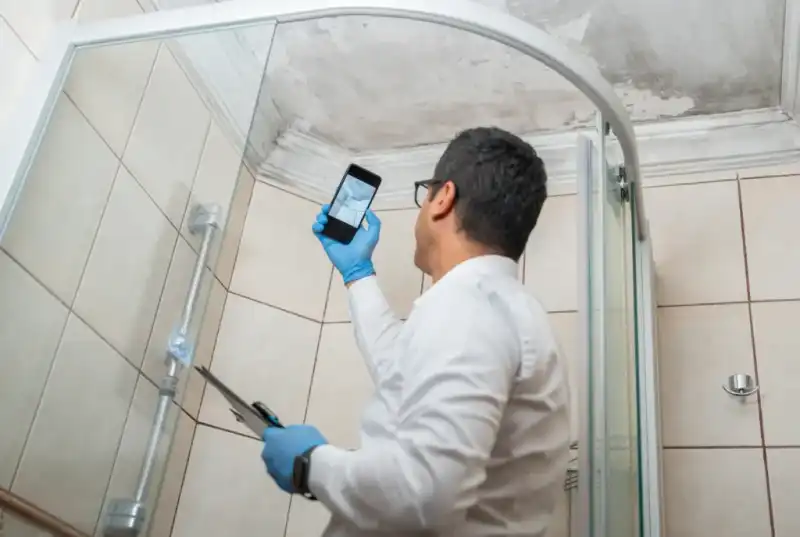
Mould Inspection to Detect and Prevent Home Damage
Mould often grows in hidden areas behind walls and within ventilation systems. Professional mould inspections detect contamination early, preventing structural damage and costly remediation.
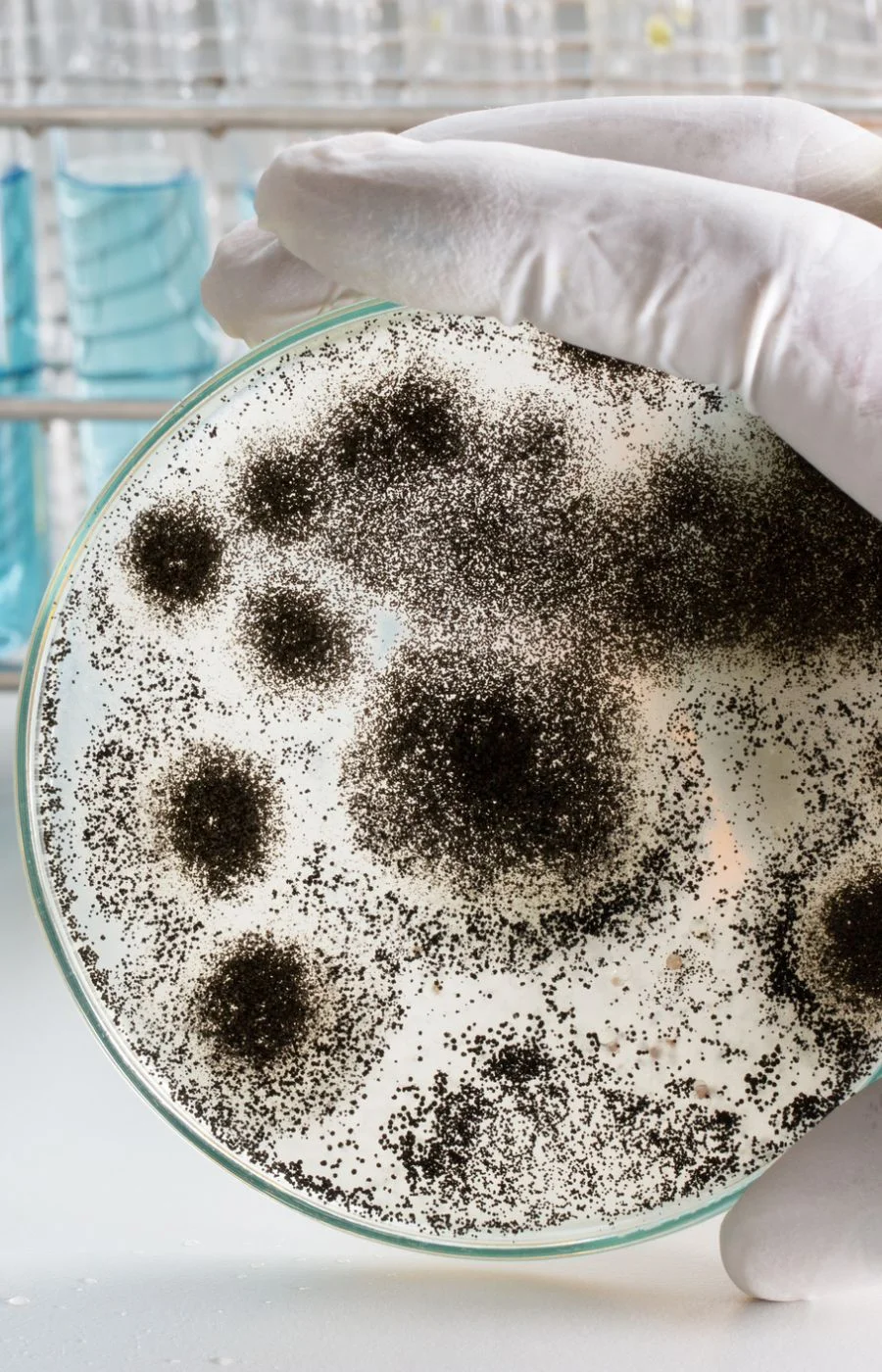
Professional Mould Inspections and Reports
Mould inspections identify growth locations and moisture sources within properties. Protect your property and health with comprehensive mould assessments.
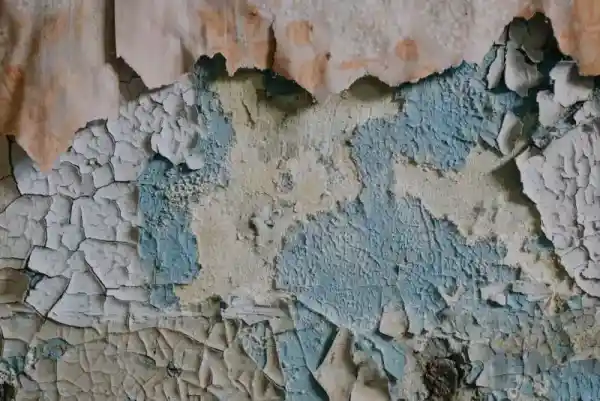
Key to Combatting Mould Growth in Sydney Homes
Sydney's humid subtropical climate creates ideal conditions for mould growth. This guide covers prevention strategies, natural remedies, and when to engage professional building inspectors for mould assessment.