
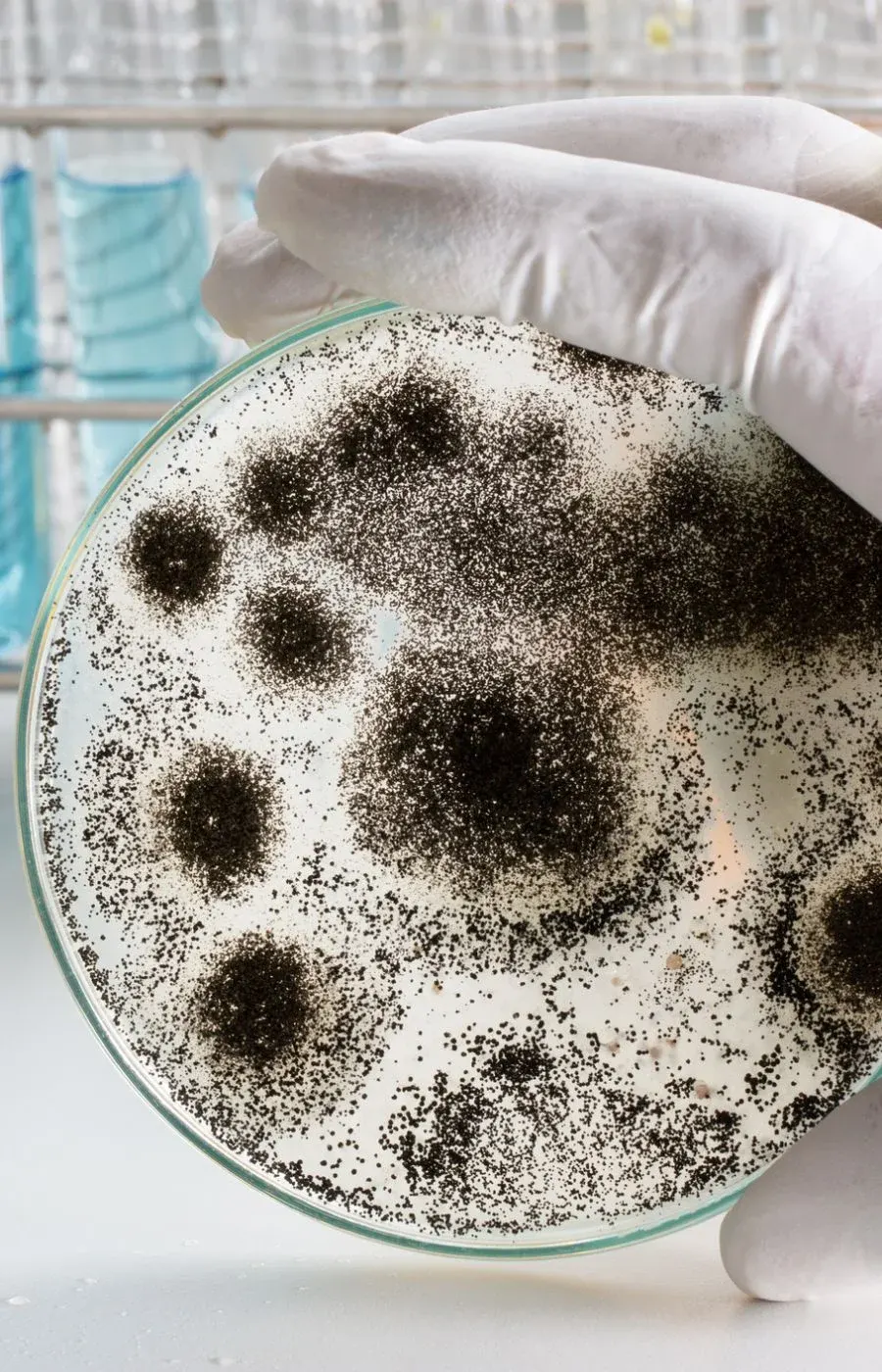
Mould thrives in damp, humid environments and can grow undetected within wall cavities, under flooring, inside ceiling spaces, and behind fixtures for months or even years. By the time visible signs appear, the problem may have already spread extensively throughout your property, affecting indoor air quality and potentially compromising building materials.
Whether you are concerned about musty odours, visible discolouration, recent water damage, or unexplained respiratory symptoms among occupants, a comprehensive mould inspection provides the answers you need. Our professional inspectors use advanced detection technology and laboratory analysis to identify mould issues and provide clear, actionable recommendations for remediation.
Mould can grow and spread within 24 to 48 hours of water exposure. Early detection and professional assessment are critical for protecting both your health and your property investment.
Why Are Mould Inspections Important?
Mould inspections are a vital component of property maintenance and health protection. Unlike visible surface issues, mould often grows in concealed areas where it can spread undetected while releasing spores into your indoor environment.
A professional mould inspection serves several critical purposes that protect both your property and the health of its occupants:
Identifying Growth Locations
Mould growth is frequently hidden from view. Professional inspectors are trained to identify both visible and concealed mould growth by examining areas that are commonly affected but often overlooked by property owners:
- Wall cavities where moisture has penetrated through cracks or failed waterproofing
- Ceiling spaces affected by roof leaks or condensation from air conditioning systems
- Subfloor areas with inadequate ventilation or rising damp issues
- Behind kitchen and bathroom fixtures where plumbing connections may leak
- Inside built-in wardrobes and cupboards against external walls
- Carpet and underlay in areas affected by flooding or persistent dampness
- Air conditioning ducts and units that harbour moisture and organic material
Locating Moisture Sources
Mould cannot grow without moisture. Identifying and addressing the source of moisture is essential for any successful remediation. Our inspections focus on finding:
- Plumbing leaks in visible and concealed pipe work
- Roof leaks and damaged flashing
- Failed or inadequate waterproofing in wet areas
- Condensation issues from poor ventilation or thermal bridging
- Rising damp from inadequate damp proofing
- Stormwater and drainage problems affecting the building envelope
- Air conditioning overflow and condensate line issues
Protecting Property Value
Unaddressed mould issues can significantly impact your property's value. Potential buyers and their inspectors will identify mould problems during pre-purchase inspections, often leading to renegotiated sale prices or failed settlements. Taking proactive steps to identify and remediate mould protects your investment and ensures a smoother sale process when the time comes.
Legal and Compliance Considerations
For landlords and property managers, mould issues carry legal implications. Under Australian tenancy laws, landlords have a responsibility to provide premises that are fit for habitation. Failure to address reported mould problems can result in compensation claims, tribunal orders for repairs, and potential liability for tenant health issues. Regular mould inspections help landlords meet their obligations and address issues before they escalate.
The Mould Inspection Process
Our comprehensive mould inspection process is designed to thoroughly assess your property, identify all mould issues, and provide you with the information needed to make informed decisions about remediation. The process involves several key stages.
Initial Consultation and Occupant Interview
Before the physical inspection begins, our inspectors take time to understand your concerns and gather important information about the property:
- Health symptoms: We ask about any respiratory concerns, allergic reactions, or health issues experienced by occupants that may be related to mould exposure
- Water damage history: Information about any flooding, leaks, or water damage events helps us focus our investigation on high-risk areas
- Ventilation and usage patterns: Understanding how the property is used and ventilated helps identify conditions that may promote mould growth
- Previous remediation attempts: Knowledge of any past mould treatment helps us assess whether underlying issues were properly addressed
- Building history: Age of the property, construction type, and any renovations can affect mould risk factors
Visual Assessment
A thorough visual inspection of all accessible areas is conducted to identify visible mould growth, water staining, and conditions conducive to mould development:
- All rooms including bedrooms, living areas, and storage spaces
- Wet areas including bathrooms, laundries, and kitchens
- Ceiling spaces and roof voids where accessible
- Subfloor areas and crawl spaces
- External walls and building envelope
- Air conditioning units, ducts, and ventilation systems
- Window frames, sills, and surrounding areas
Moisture Source Investigation
Locating the source of moisture is critical for preventing mould recurrence. Our inspectors systematically investigate potential moisture sources:
- Wall cavities: Using moisture meters and thermal imaging to detect hidden moisture within walls
- Carpets and flooring: Testing for elevated moisture levels in floor coverings and substrates
- Ceilings: Examining for signs of roof leaks, condensation, or plumbing issues from upper floors
- Air conditioning units: Checking for blocked drainage, condensation problems, and microbial growth within systems
- Plumbing fixtures: Inspecting for slow leaks around taps, drains, and pipe connections
Laboratory Sample Collection and Analysis
When mould is detected or suspected, we collect samples for professional laboratory analysis. This scientific approach provides definitive identification of mould types and concentration levels:
- Surface swab samples: Collected from visible mould growth to identify specific species present
- Tape lift samples: Used to capture mould from surfaces for microscopic examination
- Air quality samples: Spore trap analysis to measure airborne mould spore concentrations
- Bulk material samples: Sections of affected building materials for detailed laboratory analysis
How We Help You
Our mould inspection service combines experienced building professionals with advanced detection technology to provide comprehensive assessments that go beyond what the naked eye can see.
Advanced Detection Tools
We utilise professional-grade equipment to detect hidden moisture and mould that would otherwise remain undetected:
- Professional moisture meters: Pin-type and pinless moisture meters measure moisture content in building materials including timber, plasterboard, and concrete. These readings help identify areas with elevated moisture that may harbour mould growth.
- Thermal imaging cameras: Infrared technology detects temperature variations that indicate moisture presence. Wet materials appear cooler due to evaporative cooling, allowing us to identify hidden water damage and moisture pathways within walls and ceilings.
- Hygrometers: Ambient humidity measurements help assess environmental conditions and identify areas where humidity levels exceed safe thresholds.
- Borescopes: Small cameras allow visual inspection inside wall cavities, ceiling spaces, and other concealed areas without destructive investigation.
- Air sampling equipment: Calibrated spore trap samplers capture airborne particles for laboratory analysis of mould spore concentrations.
Focus on Humidity-Prone Areas
Certain areas of properties are more susceptible to mould growth due to their inherent moisture exposure or ventilation limitations. Our inspections pay particular attention to:
- Bathrooms: Steam from showers and baths creates high humidity environments. We examine tiles, grout, silicone seals, exhaust fans, and areas around plumbing fixtures.
- Basements and lower levels: These areas are prone to rising damp, condensation, and water ingress from surrounding soil. Limited air circulation often exacerbates mould growth.
- Attics and roof spaces: Poor ventilation, roof leaks, and condensation from temperature differentials can create ideal mould conditions in roof voids.
- Subfloor areas: Ventilation issues, plumbing leaks, and rising damp commonly affect subfloor spaces, particularly in older properties.
- Laundries: Washing machines, dryers, and associated plumbing create moisture-rich environments that require proper ventilation.
- Kitchens: Cooking generates significant moisture, and areas behind appliances and under sinks are common mould locations.
What Our Mould Inspection Reports Include
Our mould inspection service is delivered in two comprehensive stages, each providing specific information to help you understand and address mould issues in your property.
| Report Stage | Components | Purpose |
|---|---|---|
| Stage 1: Building Assessment | Comprehensive visual inspection findings | Documents all visible mould and water damage |
| Moisture readings and thermal imaging results | Identifies hidden moisture and affected areas | |
| Identification of building defects causing mould | Addresses root causes of moisture ingress | |
| Photographic evidence with annotations | Provides clear visual documentation | |
| Remediation recommendations and solutions | Outlines steps to address identified issues | |
| Stage 2: Laboratory Analysis | Professional mould sample collection | Captures samples for scientific analysis |
| NATA-accredited laboratory testing | Ensures accurate and reliable results | |
| Mould species identification | Determines specific mould types present | |
| Spore concentration measurements | Quantifies mould levels for risk assessment | |
| Detailed interpretation and health risk assessment | Explains findings in practical terms |
Stage 1: Building Assessment Report
The Stage 1 report provides a comprehensive assessment of your property's mould situation and the underlying causes. This report includes:
- Executive summary: A clear overview of key findings and recommended actions
- Detailed inspection findings: Room-by-room documentation of mould growth, water damage, and moisture readings
- Defect identification: Analysis of building defects that are causing or contributing to mould growth, such as waterproofing failures, ventilation issues, or plumbing problems
- Thermal imaging results: Annotated infrared images showing areas of moisture concern
- Remediation recommendations: Practical solutions for addressing both the mould growth and the underlying moisture sources
- Priority classification: Issues ranked by urgency to help you plan remediation works
Stage 2: Laboratory Analysis Report
The Stage 2 report provides scientific confirmation of mould types and concentration levels through professional laboratory testing:
- Sample collection methodology: Documentation of where and how samples were collected
- Laboratory analysis results: Testing conducted by NATA-accredited laboratories to Australian standards
- Mould species identification: Detailed breakdown of mould types found, including common species such as Aspergillus, Penicillium, Cladosporium, and Stachybotrys
- Concentration levels: Quantified spore counts compared to outdoor baseline levels and industry guidelines
- Health risk assessment: Interpretation of results in terms of potential health impacts based on identified species and concentrations
- Remediation guidance: Recommendations tailored to the specific mould types and severity identified through testing
Health Risks Associated with Mould Exposure
Mould exposure can cause a range of health problems, particularly for individuals with existing respiratory conditions, compromised immune systems, or mould sensitivities. Understanding these risks underscores the importance of prompt identification and remediation.
Respiratory Problems
Mould spores and fragments are easily inhaled and can cause significant respiratory issues:
- Chronic coughing and wheezing
- Shortness of breath and breathing difficulty
- Chest tightness and discomfort
- Persistent respiratory infections
- Development or worsening of asthma symptoms
Asthma and Allergic Reactions
For individuals with asthma or allergies, mould exposure can trigger severe reactions:
- Asthma attacks requiring medical intervention
- Increased frequency and severity of asthma symptoms
- Allergic rhinitis with sneezing and nasal congestion
- Skin rashes and dermatitis
- Hypersensitivity pneumonitis from prolonged exposure
Eye, Nose, and Throat Irritation
Even individuals without pre-existing conditions may experience irritation symptoms from mould exposure:
- Red, itchy, or watery eyes
- Nasal congestion and runny nose
- Sore throat and irritation
- Sinus headaches and facial pressure
- Post-nasal drip
Vulnerable Populations
Certain groups face heightened risks from mould exposure and require particular attention:
- Infants and young children: Developing respiratory systems are more susceptible to damage from mould spores
- Elderly individuals: Age-related immune decline increases vulnerability to mould-related health issues
- Immunocompromised individuals: Those with weakened immune systems face risk of serious fungal infections
- People with existing respiratory conditions: Asthma, COPD, and other lung conditions can be significantly worsened by mould exposure
- Individuals with mould allergies: Pre-existing sensitivities can cause severe allergic reactions even at lower exposure levels
| Health Impact Category | Common Symptoms | At-Risk Groups |
|---|---|---|
| Respiratory | Coughing, wheezing, shortness of breath, chest tightness | All occupants, especially those with lung conditions |
| Allergic | Sneezing, runny nose, skin rashes, allergic asthma | Individuals with allergies or asthma |
| Irritation | Eye irritation, sore throat, headaches, fatigue | All occupants during prolonged exposure |
| Infectious | Fungal infections, opportunistic infections | Immunocompromised individuals |
Common Areas Where Mould Grows in Australian Properties
Understanding where mould typically develops helps property owners identify potential problems early. In Australian properties, certain locations are particularly susceptible to mould growth due to moisture exposure, limited ventilation, or temperature fluctuations.
Wet Areas
Bathrooms, laundries, and kitchens are the most common locations for mould growth due to their regular exposure to water and steam:
- Shower recesses: Tile grout, silicone seals, and corners where water accumulates
- Bathroom ceilings: Steam rises and condenses on ceiling surfaces, especially where exhaust ventilation is inadequate
- Under sinks: Slow leaks from plumbing connections often go unnoticed
- Behind toilets: Condensation and occasional overflow can affect concealed areas
- Laundry areas: Washing machine connections and dryer condensation create moisture-rich environments
Wall Cavities and Concealed Spaces
Some of the most significant mould issues occur in hidden areas where moisture can accumulate without detection:
- Inside walls: Failed waterproofing, plumbing leaks, and condensation can create ideal mould conditions within wall cavities
- Behind built-in wardrobes: Limited air circulation against external walls promotes condensation and mould
- Under floating floors: Moisture trapped beneath flooring can promote extensive mould growth
- Inside ceiling spaces: Roof leaks and condensation often affect areas above insulation
Air Conditioning Systems
HVAC systems can both harbour and distribute mould throughout properties:
- Indoor units: Evaporator coils and drip trays collect moisture and organic matter
- Ductwork: Condensation within ducts creates conditions for mould colonisation
- Filters: Dirty filters trap organic material that can support mould growth
- Supply registers: Mould around air vents indicates contamination within the system
Subfloor and Foundation Areas
Areas beneath the property are particularly vulnerable to moisture-related mould issues:
- Subfloor timbers: Rising damp and poor ventilation affect floor joists and bearers
- Stumps and supports: Ground moisture can wick up through timber elements
- Concrete slabs: Moisture vapour transmission through concrete can affect floor coverings above
External Wall Interfaces
The junction between external walls and interior spaces often experiences temperature differentials that promote condensation:
- Window frames and sills: Condensation on cold glass surfaces and frames
- Corners of external walls: Thermal bridging causes cold spots where moisture condenses
- Behind furniture against walls: Limited air circulation prevents moisture evaporation
Mould Prevention Tips for Property Owners
Preventing mould growth is significantly easier and more cost-effective than remediation. By controlling moisture and improving ventilation, you can dramatically reduce the risk of mould problems in your property.
Moisture Control
Since mould requires moisture to grow, controlling water and humidity is the most effective prevention strategy:
- Fix all leaks promptly, including roof, plumbing, and fixture leaks
- Maintain gutters and downpipes to direct water away from the building
- Ensure proper grading around the property to prevent water pooling
- Address rising damp issues with appropriate damp proofing solutions
- Dry any water-damaged areas within 24 to 48 hours to prevent mould growth
- Monitor indoor humidity levels and maintain them below 60 percent
- Use dehumidifiers in naturally damp areas such as basements or subfloors
Ventilation Improvement
Adequate ventilation helps remove moisture-laden air and prevents condensation:
- Install and use exhaust fans in bathrooms, laundries, and kitchens
- Ensure exhaust fans are vented to the exterior, not into roof spaces
- Open windows regularly to allow fresh air circulation
- Maintain adequate ventilation in subfloor areas
- Consider installing additional ventilation where natural airflow is limited
- Ensure clothes dryers are properly vented to the outside
Building Maintenance
Regular maintenance helps prevent conditions that lead to mould growth:
- Inspect and maintain roof coverings, flashing, and sealants
- Check and reseal wet area waterproofing as needed
- Maintain external paintwork and sealants to protect the building envelope
- Clear debris from drainage channels and gutters
- Service air conditioning systems regularly, including cleaning filters and drains
- Address condensation issues on windows with improved ventilation or secondary glazing
Daily Habits
Simple daily practices can significantly reduce moisture accumulation:
- Use exhaust fans during and after showering for at least 20 minutes
- Wipe down wet surfaces in bathrooms after use
- Keep bathroom doors open after use to allow moisture to dissipate
- Avoid drying clothes indoors without adequate ventilation
- Use lids when cooking to reduce steam
- Avoid placing furniture directly against external walls
Common Mould Types Found in Australian Properties
Different mould species have varying health implications and growth characteristics. Understanding the common types helps interpret laboratory results and assess potential risks.
| Mould Type | Appearance | Common Locations | Health Considerations |
|---|---|---|---|
| Aspergillus | Various colours including green, white, and yellow | HVAC systems, insulation, damp walls | Can cause aspergillosis in immunocompromised individuals |
| Penicillium | Blue-green, powdery appearance | Water-damaged materials, wallpaper, carpets | Common allergen, can cause respiratory issues |
| Cladosporium | Olive green to brown, suede-like texture | Fabrics, wood surfaces, HVAC systems | Triggers allergies and asthma symptoms |
| Stachybotrys (Black Mould) | Dark green to black, slimy texture | Chronically wet materials, plasterboard, cellulose | Produces mycotoxins, associated with serious health effects |
| Alternaria | Dark brown to black with woolly texture | Bathrooms, showers, window frames | Major allergen, can worsen asthma |
| Chaetomium | White initially, darkens to grey or olive | Water-damaged drywall, roof leaks | Produces mycotoxins, can cause skin and nail infections |
| Trichoderma | White with green patches | Wet wallpaper, damp carpet, AC filters | Can trigger allergic reactions and lung infections |
Frequently Asked Questions
How much does a mould inspection cost in Australia?
Short answer: A professional mould inspection typically costs between $300 and $800 depending on the property size and scope of investigation required.
The cost varies based on several factors including property size, number of areas requiring investigation, and whether laboratory testing is included. A basic visual assessment with moisture mapping may be at the lower end, while comprehensive inspections with multiple air and surface samples for laboratory analysis will be higher. Given that mould remediation can cost thousands of dollars and untreated mould can cause significant health issues, professional inspection represents excellent value for accurate diagnosis and targeted treatment planning.
QHow long does a mould inspection take?
Short answer: A thorough mould inspection typically takes between 1 to 3 hours depending on the property size and extent of suspected mould issues.
The duration depends on the property's size, accessibility of areas requiring inspection, and whether mould is detected that requires detailed investigation. The inspector will need access to all rooms, wet areas, roof spaces, and subfloor areas where accessible. If laboratory samples are collected, these are sent for analysis with results typically available within 5 to 7 business days. The final report, including laboratory results where applicable, is usually provided within 2 weeks of the inspection.
Can I remove mould myself or do I need a professional?
Short answer: Small areas of surface mould (less than one square metre) can often be cleaned by homeowners, but larger infestations or hidden mould require professional remediation.
DIY cleaning is suitable for minor surface mould on non-porous materials like tiles or glass. However, professional remediation is recommended when mould covers more than one square metre, is located in concealed areas such as wall cavities, involves porous materials like plasterboard or carpet, or when occupants have health sensitivities. Professional remediators have appropriate equipment, training, and containment procedures to prevent cross-contamination during removal. Improper cleaning can spread mould spores throughout the property and worsen the problem.
QWhat causes mould to grow in homes?
Short answer: Mould requires moisture, warmth, and organic material to grow. The primary cause of indoor mould is excess moisture from leaks, condensation, or inadequate ventilation.
Common causes include plumbing leaks, roof leaks, failed waterproofing in wet areas, condensation from poor ventilation, rising damp, and flooding. Building materials such as timber, plasterboard, carpet, and insulation provide the organic nutrients mould needs. Australian climates, particularly in humid coastal regions and during wet seasons, create favourable conditions for mould growth. Addressing the moisture source is essential for any successful mould remediation, otherwise mould will return even after cleaning.
Is black mould more dangerous than other types?
Short answer: While Stachybotrys chartarum (commonly called black mould) produces mycotoxins and requires careful remediation, many mould types can cause health issues regardless of colour.
The term "black mould" is often used to refer to Stachybotrys, which produces mycotoxins that can cause serious health effects with prolonged exposure. However, mould colour alone does not indicate toxicity, as many moulds appear black or dark-coloured. Conversely, lighter-coloured moulds can also produce mycotoxins or trigger severe allergic reactions. All mould growth should be treated seriously and addressed promptly. Professional testing can identify specific mould species and assess associated health risks accurately.
How quickly can mould grow after water damage?
Short answer: Mould can begin growing within 24 to 48 hours of water exposure under favourable conditions.
Mould spores are present everywhere in the environment and will germinate rapidly when they land on wet organic materials. In warm, humid conditions, visible mould colonies can develop within 24 to 48 hours. This rapid growth timeline underscores the importance of drying water-damaged areas quickly after leaks, floods, or spills. If materials cannot be dried within 48 hours, mould growth is likely and professional assessment may be required. Materials that remain wet for extended periods often need to be removed and replaced rather than cleaned.
QDoes home insurance cover mould damage?
Short answer: Coverage varies by policy, but mould damage is often excluded unless it results from a sudden, covered event such as storm damage or burst pipes.
Most home insurance policies exclude mould damage that results from gradual leaks, condensation, or maintenance issues. However, if mould develops as a direct result of a covered peril, such as storm damage to the roof or a sudden pipe burst, some policies may cover remediation costs. Review your policy carefully and contact your insurer promptly if you discover mould following a covered event. Document all damage with photographs and professional inspection reports to support any claim. Prevention through regular maintenance and prompt leak repairs is the most reliable protection.
What should I do if I find mould in my rental property?
Short answer: Report the mould to your landlord or property manager in writing immediately and request professional assessment and remediation.
Tenants should document the mould with photographs and provide written notice to the landlord or property manager. Under Australian tenancy laws, landlords are responsible for maintaining premises in a reasonable state of repair and ensuring they are fit for habitation. If the landlord fails to address reported mould issues, tenants may seek orders through the relevant state tribunal. Landlords should arrange professional mould inspection to assess the extent of the problem and identify underlying causes. Both parties benefit from prompt action, as early intervention prevents health issues and more extensive property damage.
When Should You Get a Mould Inspection?
Certain situations warrant professional mould inspection to protect your health and property. Consider arranging an inspection if you experience any of the following:
Visible Signs
- Visible mould growth on walls, ceilings, or other surfaces
- Discolouration or staining on building materials
- Peeling paint or wallpaper
- Water stains indicating past or current leaks
Odour Indicators
- Musty or earthy odours, particularly in enclosed spaces
- Unusual smells when air conditioning operates
- Persistent damp smell despite cleaning efforts
Health Symptoms
- Unexplained respiratory symptoms among occupants
- Allergic reactions that improve when leaving the property
- Recurring sinus or respiratory infections
- Worsening asthma symptoms at home
Property Events
- After flooding or significant water damage
- Following roof leaks or plumbing failures
- When purchasing a property (as part of pre-purchase inspection)
- Before and after renovations, particularly in wet areas
- Following extended periods of vacancy
Key Takeaways
- Mould can grow within 24 to 48 hours of water exposure and often develops in concealed areas before becoming visible.
- Professional mould inspections use advanced technology including thermal imaging and moisture meters to detect hidden mould and moisture sources.
- Laboratory analysis provides definitive identification of mould species and concentration levels for accurate health risk assessment.
- Health effects from mould exposure include respiratory problems, allergic reactions, and eye, nose, and throat irritation, with greater risks for vulnerable populations.
- Common mould locations include wet areas, wall cavities, air conditioning systems, subfloors, and areas with poor ventilation.
- Prevention focuses on moisture control, adequate ventilation, regular building maintenance, and prompt response to water damage.
- Addressing the moisture source is essential for successful remediation, otherwise mould will return.
- Landlords have legal obligations to address mould issues in rental properties under Australian tenancy laws.
Contact Us
For professional mould inspection services across Australia, contact Owner Inspections:
- Phone: 1300 471 805
- Email: [email protected]
Related Articles
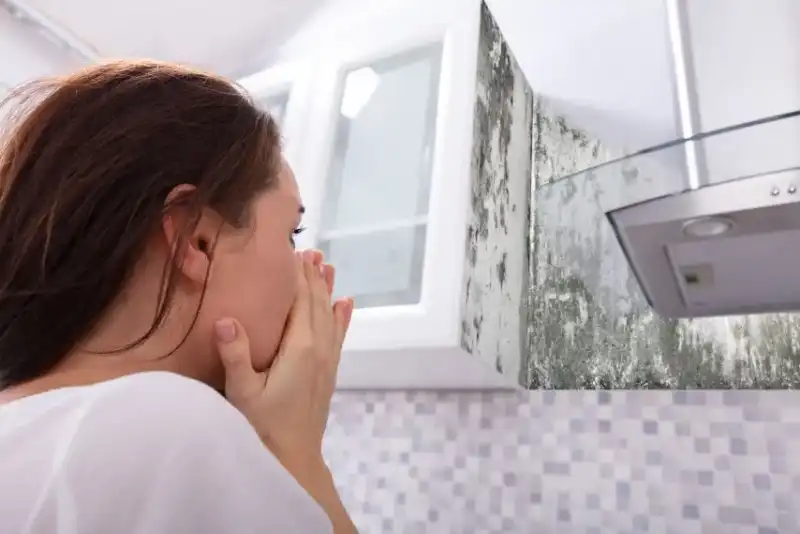
Black Mould Myths: Separating Fact from Fiction in Mould Inspections
Black mould generates fear among property owners, but much of that fear is based on myths. This guide debunks common misconceptions and explains why professional mould inspections are essential for accurate assessment.
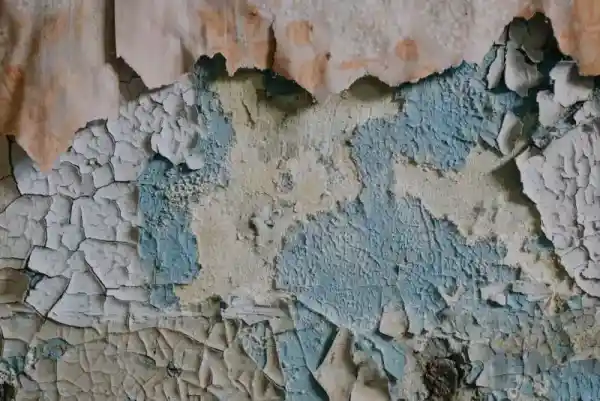
Key to Combatting Mould Growth in Sydney Homes
Sydney's humid subtropical climate creates ideal conditions for mould growth. This guide covers prevention strategies, natural remedies, and when to engage professional building inspectors for mould assessment.
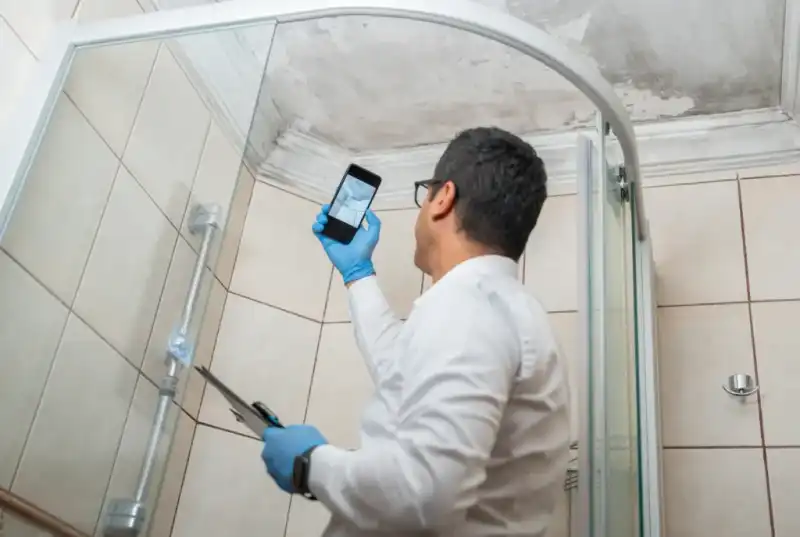
Mould Inspection to Detect and Prevent Home Damage
Mould often grows in hidden areas behind walls and within ventilation systems. Professional mould inspections detect contamination early, preventing structural damage and costly remediation.