
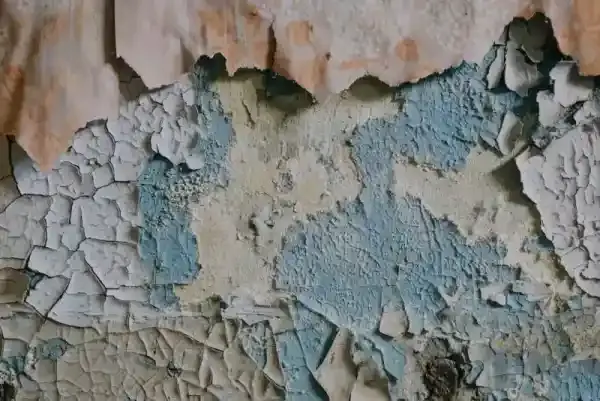
Mould is one of the most persistent and damaging problems facing Sydney homeowners. The city's humid subtropical climate, combined with modern building practices that prioritise energy efficiency over airflow, creates a perfect storm for mould growth in residential properties.
Left unchecked, mould can cause serious respiratory health issues, structural damage to building materials, and a significant reduction in property value. The good news is that with the right knowledge and proactive measures, you can protect your home and your family from mould's harmful effects.
According to the Australian Institute of Health and Welfare, around one in four Australian homes have issues with damp or mould. In Sydney, that figure is believed to be even higher due to the city's coastal humidity and rainfall patterns.
Why Sydney Homes Are Particularly Vulnerable to Mould
Sydney sits within a humid subtropical climate zone. Average relative humidity regularly exceeds 60%, and during the warmer months from October through March, humidity levels frequently push above 70%. These conditions are exactly what mould spores need to colonise and spread across surfaces.
The city also receives substantial rainfall throughout the year. Sydney's average annual rainfall sits around 1,200 millimetres, with rain events spread across all seasons. Prolonged wet periods saturate building materials, and without adequate drying time, moisture becomes trapped within walls, ceilings, and subfloor areas.
Coastal suburbs face additional challenges. Salt-laden air accelerates the deterioration of sealants, paint, and render, allowing moisture to penetrate building envelopes more easily. Properties in low-lying areas near rivers and creeks are also at greater risk due to higher groundwater levels and occasional flooding.
Modern Building Design and Reduced Ventilation
Many Sydney homes built or renovated in recent decades prioritise thermal insulation and airtight construction. While this improves energy efficiency, it also restricts natural airflow through the building. Older homes with timber floors, high ceilings, and operable windows generally fare better for ventilation than modern apartments with fixed glazing and sealed concrete slabs.
Apartments and townhouses in high-density developments are particularly susceptible. Internal bathrooms and laundries without windows rely entirely on mechanical exhaust fans, which are often undersized or poorly maintained. When these fans fail or are not used consistently, moisture from showers, cooking, and clothes drying has nowhere to go.
Common Areas Where Mould Develops in Sydney Homes
Mould tends to appear in predictable locations within a property. Recognising these hotspots early can help you act before a small issue becomes a major remediation project.
| Location | Primary Cause | Risk Level |
|---|---|---|
| Bathroom walls and ceilings | Steam from showers, poor exhaust ventilation | High |
| Bedroom wardrobes on external walls | Condensation from temperature differentials | High |
| Window frames and sills | Condensation, failed seals | Medium to High |
| Subfloor spaces | Rising damp, inadequate ventilation | High |
| Roof cavities | Roof leaks, condensation from HVAC | Medium |
| Kitchen splashbacks and rangehood areas | Cooking steam, grease buildup | Medium |
| Laundry rooms | Dryer moisture, wet clothing storage | Medium to High |
| Garage and storage areas | Ground moisture, poor airflow | Low to Medium |
If you suspect mould in any of these areas, a professional mould inspection can identify the full extent of the problem and its underlying causes.
Prevention Essentials: Keeping Mould Out of Your Home
Preventing mould growth is far more cost-effective than dealing with remediation after the fact. A combination of moisture control, ventilation improvements, and material choices will give your Sydney home the best protection.
Address Water Leaks and Moisture Ingress Promptly
The single most effective step you can take is to fix any source of water entry as soon as it appears. A dripping tap under a vanity, a small roof leak, or a crack in external render might seem minor, but these issues provide a constant moisture supply that mould needs to thrive.
Check your property regularly for signs of water ingress. Look for water stains on ceilings, bubbling paint on walls, damp patches around windows, and musty odours in enclosed spaces. If you discover a leak, have it repaired by a qualified tradesperson without delay.
Ensure that gutters and downpipes are clear of debris and directing water away from the building. Blocked gutters are one of the most common causes of moisture penetration in Sydney homes, particularly in suburbs with mature trees.
Improve Ventilation Throughout the Property
Good airflow is your strongest defence against mould. Open windows and doors whenever weather permits to allow cross-ventilation. Even 15 to 20 minutes of fresh air circulation each day can make a measurable difference to indoor humidity levels.
In bathrooms, always run the exhaust fan during and for at least 20 minutes after showering. If your bathroom does not have a window, consider upgrading to a more powerful fan unit. The Building Code of Australia requires mechanical ventilation in rooms without natural ventilation, and choosing a fan rated for the room size is essential.
Kitchens should have a rangehood that vents externally rather than recirculating air through a filter. Cooking generates large amounts of moisture, and recirculating rangehoods simply push that moisture back into the kitchen.
For properties with persistent humidity issues, installing a whole-house ventilation system can be a worthwhile investment. These systems continuously introduce filtered fresh air while expelling stale, humid air, maintaining consistent indoor air quality year-round.
Use Dehumidifiers in Problem Areas
In parts of your home where ventilation alone is not sufficient, a dehumidifier can help maintain humidity below the 60% threshold that discourages mould growth. Bedrooms, internal laundries, and basement-level rooms are common candidates.
Place a hygrometer (humidity gauge) in rooms you are concerned about. These inexpensive devices give you a clear reading of current humidity levels so you can decide when to run a dehumidifier. Digital hygrometers are available from most hardware stores for under $20.
During Sydney's humid summer months, you may need to run dehumidifiers more frequently. Empty the water collection tray regularly or connect a continuous drain hose to avoid overflow.
Choose Mould-Resistant Materials
When renovating or building, select materials that resist mould colonisation. Mould-resistant plasterboard is available for use in wet areas and high-humidity rooms. These boards feature a fibreglass face and a treated core that inhibits mould growth even when exposed to moisture.
For paint, choose products specifically formulated with anti-mould additives. Several Australian paint manufacturers offer ranges designed for bathrooms, laundries, and other high-moisture environments. These paints contain fungicides that prevent mould spores from establishing on painted surfaces.
In flooring selection, avoid carpet in bathrooms, laundries, and ground-floor rooms with known moisture issues. Tiles, polished concrete, and vinyl plank flooring are far more resistant to mould and easier to clean if surface mould does appear.
For more on how building materials and conditions affect mould risk, see our guide on mould inspection for home damage.
Natural Remedies for Surface Mould
Small patches of surface mould on non-porous surfaces can often be treated at home using natural cleaning solutions. These remedies are effective for minor surface contamination and avoid the harsh chemicals found in commercial mould removers.
White Vinegar Solution
White vinegar is one of the most effective natural mould treatments available. Research has shown that undiluted white vinegar kills over 80% of known mould species. Its acetic acid content disrupts the cellular structure of mould, killing it at the root rather than simply bleaching it from view.
To use vinegar for mould removal, pour undiluted white vinegar into a spray bottle. Spray the affected area generously and allow it to sit for at least one hour. Scrub the surface with a stiff brush, then wipe clean with a damp cloth. Allow the area to dry completely before applying any paint or sealant.
Vinegar is safe to use on most hard surfaces including tiles, glass, concrete, and painted walls. Avoid using it on natural stone surfaces such as marble or granite, as the acid can etch and damage the finish.
Baking Soda Paste
Baking soda (sodium bicarbonate) is another effective natural option, particularly for stubborn surface mould. Mix baking soda with a small amount of water to form a thick paste. Apply the paste to the mouldy area, leave it for 10 to 15 minutes, then scrub with a brush and rinse clean.
Baking soda also works well as a preventative measure. Dissolve a tablespoon of baking soda in a spray bottle of water and mist surfaces prone to mould growth after cleaning. The alkaline residue creates an environment that discourages mould spore germination.
For a combined approach, spray vinegar first, allow it to work, then follow up with a baking soda paste for any remaining staining. Do not mix vinegar and baking soda together before application, as the chemical reaction neutralises both agents and reduces their effectiveness.
Limitations of Natural Remedies
Natural remedies are suitable for small areas of surface mould on non-porous materials. They are not appropriate for treating mould on porous materials such as plasterboard, timber framing, carpet, or insulation. Mould that has penetrated into porous materials cannot be fully removed by surface treatment alone and typically requires professional remediation or material replacement.
If the affected area exceeds one square metre, or if mould keeps returning after treatment, this indicates a deeper moisture issue that needs professional assessment. Our article on mould inspection techniques, tools, and methods explains how professionals identify hidden mould and moisture sources.
Safe Disposal Protocols for Mould-Contaminated Materials
When removing mould-affected materials from your home, following safe disposal practices protects you and prevents cross-contamination to clean areas of the property.
Before starting any removal work, wear appropriate personal protective equipment (PPE). This includes an N95 or P2 respirator mask, safety goggles without ventilation holes, and disposable gloves. Mould spores become airborne when disturbed, and inhaling concentrated spore loads can cause serious respiratory irritation.
Seal off the work area from the rest of the home using plastic sheeting and tape. Close doors and turn off air conditioning systems to prevent spores from spreading through ductwork. Open windows in the work area to provide ventilation to the outside.
Place mould-contaminated materials directly into heavy-duty plastic bags. Seal the bags before carrying them through the house and dispose of them in your general waste bin. Do not attempt to recycle mould-affected building materials.
After removal, clean all surfaces in the work area with a HEPA vacuum followed by a damp wipe with a vinegar solution. Allow the area to dry thoroughly before installing replacement materials.
For extensive mould contamination or any situation involving structural materials, engage a qualified mould remediation specialist. Working with heavily contaminated materials without proper containment can expose you and your household to dangerous spore concentrations.
The Role of Professional Building Inspectors in Mould Assessment
While minor surface mould can be managed by homeowners, significant or recurring mould problems require professional expertise. Licensed building inspectors bring specialised knowledge, equipment, and training that allows them to identify issues invisible to the untrained eye.
What a Professional Mould Inspection Covers
A comprehensive mould inspection goes far beyond a visual check of walls and ceilings. Professional inspectors use a range of tools and techniques to assess the full scope of any mould problem.
Moisture meters detect elevated moisture levels within building materials before visible mould appears. Thermal imaging cameras reveal temperature variations behind walls and ceilings that indicate moisture accumulation. Air sampling equipment measures airborne spore concentrations and identifies specific mould species present in the indoor environment.
Inspectors also assess the building envelope for defects that allow moisture ingress. This includes checking roof coverings, flashing, gutters, external cladding, window seals, and waterproofing membranes in wet areas. Identifying and addressing these defects is essential for preventing mould recurrence after remediation.
For a detailed look at what inspectors assess, read our comprehensive mould inspection guide.
NSW Licensing and Qualifications
In New South Wales, building inspectors must hold appropriate qualifications and licensing through NSW Fair Trading. When engaging an inspector for mould assessment, verify that they hold a current licence and have specific experience with mould investigations.
A qualified inspector will provide a detailed written report documenting their findings, including photographs, moisture readings, and recommendations for remediation. This report can be used when engaging remediation contractors, negotiating with landlords or body corporates, or supporting insurance claims.
If you are buying or selling a property in Sydney, a mould inspection should form part of your due diligence. Mould issues discovered after settlement can be costly to remediate and may lead to disputes. For building inspections in Sydney, engaging an independent inspector protects your interests.
Myths About Mould and Professional Assessment
There are many misconceptions about mould that can lead homeowners to underestimate the severity of a problem or attempt inappropriate remediation. Black mould, for example, is often feared as uniquely dangerous, but many species of mould can cause health issues regardless of colour. Our article on black mould myths and mould inspections separates fact from fiction.
When to Call a Professional
Knowing when to handle mould yourself and when to call in experts can save you time, money, and potential health complications.
You should contact a professional mould inspector if any of the following apply to your situation:
- The mould-affected area exceeds one square metre
- Mould returns within weeks of cleaning
- You can smell a musty odour but cannot locate the source
- Mould is present on structural elements such as wall framing or floor joists
- Household members are experiencing unexplained respiratory symptoms, allergies, or skin irritation
- Your property has experienced flooding or significant water damage
- You are buying, selling, or leasing a property and need a formal assessment
- You suspect mould within wall cavities, ceiling spaces, or subfloor areas
Early professional intervention typically results in lower remediation costs and less disruption to your household. Mould that is allowed to spread through concealed building cavities can require extensive demolition and reconstruction to fully address.
According to a report by the Sydney Morning Herald, mould complaints in rental properties across Sydney have increased significantly in recent years, highlighting the scale of the problem across the city.
Sydney's subtropical climate means that mould prevention needs to be a year-round consideration, not just a seasonal task.
Creating a Mould Prevention Routine for Your Sydney Home
Consistency is the key to keeping mould at bay. A simple routine that addresses moisture control and ventilation will dramatically reduce your risk.
Each week, check common mould hotspots such as bathroom grout, window sills, wardrobe interiors, and under-sink areas. Wipe down any condensation on windows and ensure all exhaust fans are functioning correctly.
Each month, inspect external areas including gutters, downpipes, and the condition of external paint and render. Clear any vegetation that has grown close to external walls, as plants can trap moisture against the building.
Each season, check subfloor ventilation openings to ensure they are not blocked by garden beds or debris. Inspect the roof cavity for signs of leaks or condensation, particularly after heavy rain events. Service air conditioning systems to ensure condensate drains are clear and filters are clean.
By making these checks part of your regular home maintenance, you can catch moisture problems early and prevent mould from gaining a foothold in your property.
Frequently Asked Questions
QWhat exactly is mould?
Mould is a type of fungus that grows in multicellular structures called hyphae. It reproduces by releasing microscopic spores into the air, which settle on surfaces and begin growing when they encounter moisture and an organic food source. Mould can grow on a wide range of building materials including timber, plasterboard, carpet, fabric, and even dust deposits on glass and metal surfaces.
QWhat health risks does mould pose?
Exposure to mould can cause a range of health effects depending on the species present, the level of exposure, and individual sensitivity. Common symptoms include nasal congestion, sneezing, coughing, wheezing, eye irritation, and skin rashes. People with asthma, allergies, or compromised immune systems are at greater risk of severe reactions. Prolonged exposure to high spore concentrations can lead to chronic respiratory conditions.
QWhy is Sydney particularly susceptible to mould growth?
Sydney's humid subtropical climate provides warm temperatures and high humidity levels that mould requires to thrive. The city receives rainfall throughout the year, and coastal moisture keeps humidity elevated even during drier periods. Combined with modern building practices that reduce natural ventilation, Sydney homes provide ideal conditions for mould colonisation.
QWhat infrastructure factors contribute to mould in Sydney homes?
Several building-related factors increase mould risk in Sydney properties. These include inadequate bathroom and laundry ventilation, poor waterproofing in wet areas, lack of subfloor ventilation in older homes, flat or low-pitch roofs that are prone to ponding water, and sealed building envelopes that trap moisture indoors. High-density apartment buildings with internal rooms lacking natural ventilation are particularly vulnerable.
QWhat does a professional mould inspection cover?
A professional mould inspection includes a thorough visual assessment of all accessible areas, moisture meter readings of walls, floors, and ceilings, thermal imaging to detect hidden moisture, air quality sampling where required, an assessment of the building envelope for moisture ingress points, and a detailed written report with findings and remediation recommendations.
QWhat are the most effective mould prevention measures?
The most effective prevention measures include maintaining indoor humidity below 60%, ensuring all rooms have adequate ventilation (either natural or mechanical), repairing leaks and moisture ingress promptly, using exhaust fans during and after bathing and cooking, running dehumidifiers in problem areas, and choosing mould-resistant materials during renovations.
QHow should I manage humidity levels in my home?
Monitor humidity with a hygrometer placed in rooms of concern. Keep indoor humidity between 40% and 60% by using exhaust fans, opening windows for cross-ventilation, running dehumidifiers when needed, and avoiding drying clothes indoors without adequate ventilation. Air conditioning in cooling mode also reduces indoor humidity.
QHow effective are natural remedies for mould removal?
Natural remedies such as white vinegar and baking soda are effective for treating small areas of surface mould on non-porous materials. White vinegar kills over 80% of mould species when applied undiluted. These methods are not suitable for mould that has penetrated into porous materials such as plasterboard, timber, or carpet, which typically requires professional remediation or replacement.
QWhen should I consult a professional about mould?
You should seek professional advice when the mould-affected area exceeds one square metre, when mould recurs after cleaning, when you detect musty odours without a visible source, when mould is found on structural elements, or when occupants are experiencing health symptoms that may be related to mould exposure. A professional can identify hidden mould and moisture sources that are not apparent to homeowners.
QWhat role does a building inspector play in mould management?
A licensed building inspector conducts a comprehensive assessment of your property to identify all mould-affected areas, measure moisture levels in building materials, locate the sources of moisture driving the mould growth, and provide a detailed report with remediation recommendations. Inspectors use specialised equipment including moisture meters, thermal imaging cameras, and air sampling devices to detect issues that are not visible to the naked eye.
QCan mould affect the structural integrity of my home?
Yes, prolonged mould growth can compromise structural integrity. Mould feeds on organic materials, and over time it can break down timber framing, floor joists, roof trusses, and other structural components. When mould affects structural elements, the damage may require significant repair work. Early detection through regular inspections helps prevent structural deterioration.
Take Action Against Mould in Your Sydney Home
Mould is a serious issue that demands attention, but it is entirely manageable with the right approach. If you are concerned about mould in your property, or if you want a professional assessment to ensure your home is mould-free, our licensed building inspectors are here to help. We provide thorough mould inspections across Sydney with detailed reports delivered within 24 hours. Contact us today to book your inspection and protect your home.
Related Articles
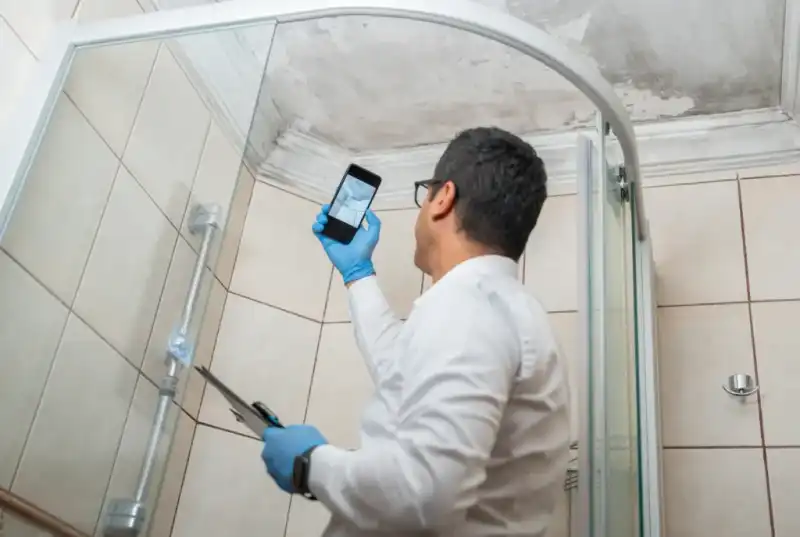
Mould Inspection to Detect and Prevent Home Damage
Mould often grows in hidden areas behind walls and within ventilation systems. Professional mould inspections detect contamination early, preventing structural damage and costly remediation.
Mould Inspections: Your Key to a Healthy Gold Coast Home
The Gold Coast's warm, humid climate creates ideal conditions for mould growth. This guide covers common mould types, prevention strategies, removal methods, and why professional inspections protect both health and property value.
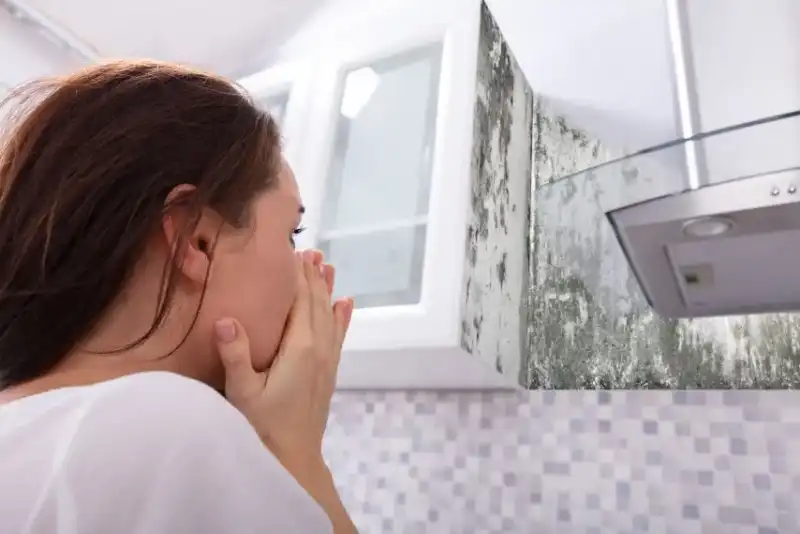
Black Mould Myths: Separating Fact from Fiction in Mould Inspections
Black mould generates fear among property owners, but much of that fear is based on myths. This guide debunks common misconceptions and explains why professional mould inspections are essential for accurate assessment.