
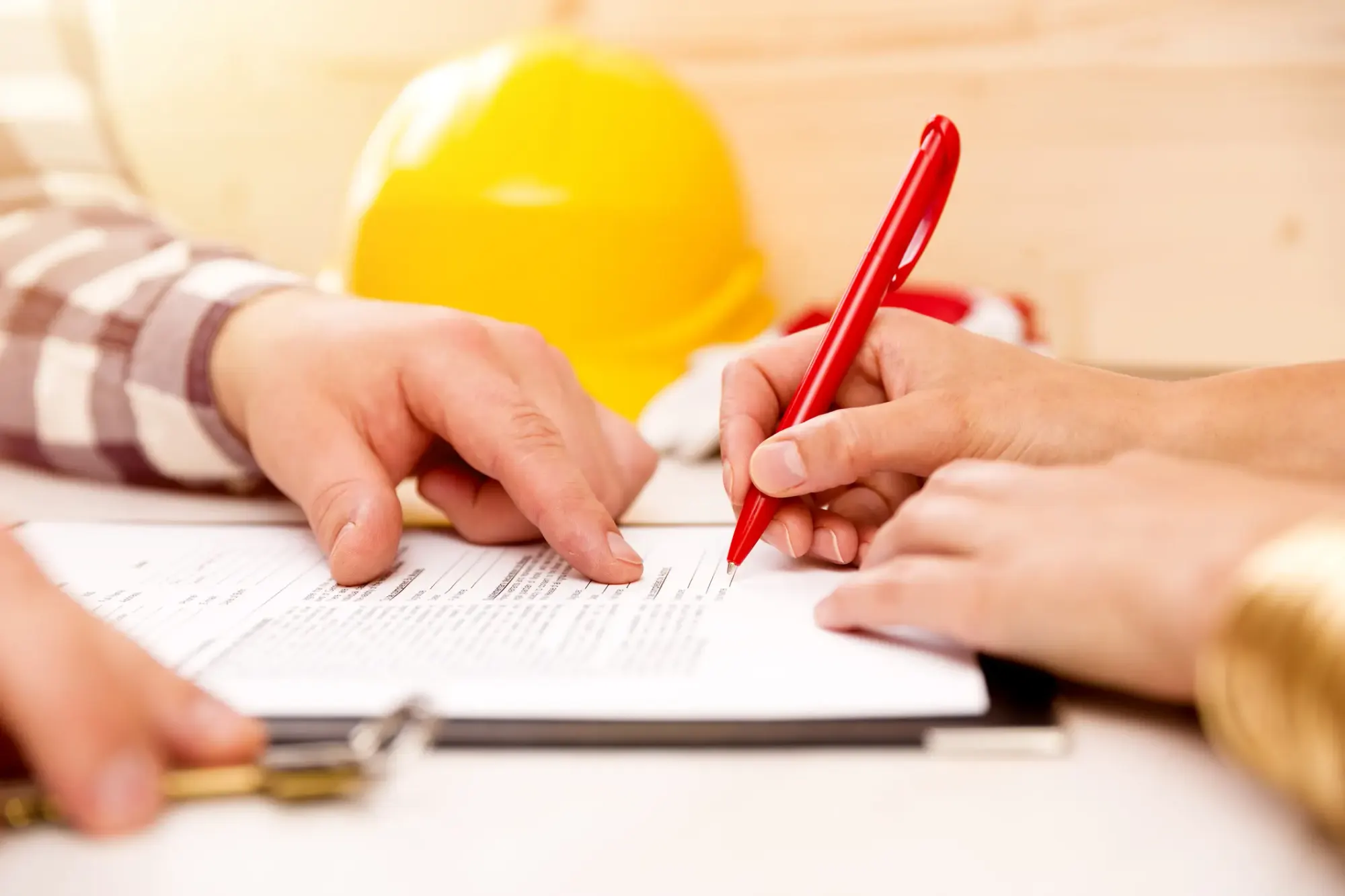
A property may look perfectly fine on the surface. Fresh paint, new carpets, and staged furniture can mask problems that run deep. Cracked foundations, termite damage behind walls, faulty wiring, and non-compliant plumbing are all issues that a qualified inspector will detect and document. Without a defect report, you are relying on appearances alone, and that is a risk most buyers cannot afford to take.
This guide explains what a pre-purchase defect report covers, why it matters for Australian buyers, how to choose the right inspection service, and what to do with the findings.
What Is a Pre-Purchase Defect Report?
A pre-purchase defect report is a detailed written assessment of a property's physical condition. It covers the building's structure, external and internal elements, roof, subfloor, electrical systems, plumbing, drainage, and any visible signs of pest activity. The report documents every defect found, rates its severity, and provides recommendations for repairs.
Unlike a quick walk-through or a verbal assessment from a real estate agent, a defect report is an independent document prepared by a licensed building inspector. It gives you an unbiased picture of what you are actually buying, not just what the seller wants you to see.
The report is yours to use as you see fit. You can use it to negotiate a lower purchase price, request that the seller fix certain issues before settlement, or decide to walk away from the deal entirely.
Buying soon? Get the property checked before you commit
Book a pre-purchase inspection with a licensed inspector and get a clear report on defects, safety issues, and repair risks before settlement.
[Pre-Purchase Inspection](/pre-purchase-inspections)
Who Carries Out the Inspection?
Pre-purchase defect reports are prepared by licensed building inspectors who hold qualifications recognised under state and territory legislation in Australia. These inspectors follow Australian Standard AS 4349.1 for general building inspections and AS 4349.3 for timber pest inspections.
A qualified inspector will have:
- A current building inspector licence issued by the relevant state authority (such as NSW Fair Trading, QBCC in Queensland, or VBA in Victoria)
- Professional indemnity insurance covering errors and omissions
- Experience inspecting residential, commercial, or heritage properties depending on the property type
- Knowledge of the National Construction Code (NCC) and state-specific building regulations
Always verify that your chosen inspector is licensed and insured before booking. An unlicensed inspection report may not hold up in negotiations or legal proceedings.
Key Components of a Pre-Purchase Defect Report
A thorough pre-purchase defect report covers multiple areas of the property. Here is a breakdown of the main components.
Structural Assessment
The structural assessment examines foundations, load-bearing walls, beams, columns, roofing frames, and the overall building framework. Inspectors look for cracks in walls, uneven floors, moisture damage, signs of subsidence, and any movement in the structure.
Structural issues are often the most expensive to repair. A hairline crack might be cosmetic, but a diagonal crack running from a window corner to the floor could indicate foundation movement that requires engineering work.
Pest Inspection
Timber pest inspections identify the presence of termites, wood borers, and wood decay fungi. Inspectors check for hollow-sounding timber, mud tubes, frass (wood dust), sagging floors, and discoloured or blistered paint near timber elements.
Australia has some of the most active termite species in the world, and the damage they cause can compromise the structural integrity of a building within months. According to CSIRO, termites cause more damage to Australian homes each year than fire, flood, and storms combined.
Electrical Systems
The inspector checks the switchboard, wiring, power points, light fittings, and safety switches. They look for outdated wiring (such as old rubber or cloth-insulated cables), missing safety switches, overloaded circuits, and any non-compliant installations.
Faulty electrical work is a leading cause of house fires in Australia. Non-compliant wiring can also affect your insurance coverage and create legal liability issues.
Plumbing and Drainage
This component covers water supply pipes, hot water systems, drainage, fixtures, and visible signs of leaks or water damage. Inspectors assess water pressure, check for corroded or blocked pipes, and look for evidence of poor drainage around the property.
Plumbing problems that go undetected can lead to mould growth, structural timber rot, and significant damage to internal finishes.
Safety Hazards
The report identifies potential health and safety risks such as asbestos-containing materials (common in Australian homes built before 1990), lead-based paint, mould, inadequate ventilation, and non-compliant smoke alarm installations.
The inspector also assesses fire safety compliance, checking that smoke alarms are in working order and positioned correctly, and that escape routes are clear and accessible.
| What Is Checked | Common Issues Found | |
|---|---|---|
| Structural Assessment | Foundations, walls, beams, roofing, floors, subfloor | Cracking, subsidence, moisture damage, movement |
| Pest Inspection | Timber elements, subfloor, roof void, exterior | Termites, wood borers, wood decay fungi |
| Electrical Systems | Switchboard, wiring, power points, safety switches | Outdated wiring, missing safety switches, overloaded circuits |
| Plumbing and Drainage | Pipes, hot water, drainage, fixtures, water pressure | Leaks, corrosion, blocked drains, low pressure |
| Safety Hazards | Asbestos, mould, smoke alarms, ventilation, lead paint | Asbestos sheeting, mould growth, non-compliant alarms |
Why Every Buyer Needs a Defect Report
Making an Informed Decision
A defect report gives you the facts about a property's condition before you sign a contract. Without one, you are relying on the seller's disclosure (which may be incomplete) and your own visual assessment (which cannot detect hidden problems).
The report lays out every defect, rates its severity, and explains what needs attention now and what can wait. This allows you to weigh up the true cost of ownership, not just the purchase price.
Negotiation Leverage
If the report reveals significant defects, you have a strong basis for negotiating a lower purchase price or requesting that the seller carry out repairs before settlement. Many buyers have saved tens of thousands of dollars by presenting documented evidence of defects that the seller was either unaware of or had failed to disclose.
For example, a defect report showing $15,000 worth of required waterproofing and drainage repairs gives you clear, documented grounds for a price reduction.
Long-Term Cost Savings
Identifying problems before they get worse saves money. A small roof leak detected during inspection might cost $500 to fix now, but if left unaddressed, the resulting water damage, timber rot, and mould remediation could cost $20,000 or more.
A defect report also helps you plan and budget for future maintenance, giving you a realistic picture of what the property will need over the coming years.
Compliance with Australian Property Regulations
The report checks whether the property meets the requirements of the National Construction Code, local council building standards, and state-specific legislation such as the Home Building Act 1989 (NSW), Domestic Building Contracts Act 1995 (VIC), or the Queensland Building and Construction Commission Act 1991 (QLD).
Non-compliant building work can result in council orders, insurance complications, and difficulty reselling the property later.
| Without a Defect Report | With a Defect Report | |
|---|---|---|
| Informed Decision | Relying on seller disclosure and visual assessment only | Full documented assessment of every accessible area |
| Negotiation Power | Limited basis for requesting price reductions | Documented evidence of defects supports price negotiations |
| Cost Planning | Unexpected repair costs after purchase | Clear understanding of short and long-term maintenance costs |
| Legal Protection | Potential liability for undisclosed non-compliant work | Awareness of compliance issues before you commit |
Common Defects Found During Pre-Purchase Inspections
Based on thousands of inspections conducted across NSW, Victoria, and Queensland, these are the most frequently identified defects.
- Cracking in internal and external walls, often caused by foundation movement or thermal expansion
- Roof defects including broken or displaced tiles, deteriorated flashing, and blocked gutters
- Rising damp and moisture penetration through walls, floors, and subfloor areas
- Termite damage or active termite activity, particularly in subfloor timbers and wall frames
- Waterproofing failures in wet areas such as bathrooms, laundries, and balconies
- Non-compliant electrical installations, including missing safety switches and outdated wiring
- Plumbing leaks, corroded pipes, and insufficient drainage around the property
- Asbestos-containing materials in eaves, wall cladding, fencing, and floor tiles
- Poor ventilation in subfloor and roof spaces, leading to moisture buildup and timber decay
- Defective or missing smoke alarms that do not meet current Australian standards
Need a clear guide before you book an inspection?
Read our complete pre-purchase building and pest inspection guide to understand what’s covered, when to book, what reports include, and what buyers should watch for.
Inspection Guide
What Happens If a Seller Refuses an Inspection?
Sellers in Australia are not legally required to allow a pre-purchase inspection. However, most sellers and their agents understand that refusing an inspection raises serious concerns for buyers.
If a seller refuses to allow an inspection:
- It may indicate that they are aware of defects they do not want documented
- You can request that an inspection clause be added to the contract of sale as a condition
- Your solicitor or conveyancer can review the vendor's disclosure documents for any red flags
- You may choose to walk away from the purchase if no inspection access is granted
A seller who refuses to allow a building inspection may be trying to conceal known defects. Consider this a significant warning sign and seek legal advice before proceeding with the purchase.
In competitive auction markets, some buyers skip inspections to speed up the process. This is a high-risk strategy. The cost of a defect report is a fraction of what you could lose if you buy a property with serious hidden problems.
How to Choose the Right Inspection Service
Not all building inspectors deliver the same quality of work. Here is what to look for when choosing an inspection service.
Licensing and Accreditation
Confirm that the inspector holds a current licence issued by your state's building authority. In NSW, this is managed by NSW Fair Trading. In Queensland, it is the QBCC. In Victoria, it is the VBA. A licensed inspector has met the educational, training, and insurance requirements set by the relevant authority.
Experience and Specialisation
Choose an inspector with experience in the type of property you are buying. Residential homes, apartments, heritage buildings, and commercial properties each have different inspection requirements. Ask how many inspections the inspector has completed and whether they have experience with properties similar to yours.
Report Quality
A good defect report is detailed, clearly written, and includes high-resolution photographs of every defect found. It should rate each issue by severity, explain the likely cause, and provide recommendations for repair. Reports that use vague language or lack supporting images are of limited value.
Professional Insurance
Your inspector should carry professional indemnity insurance. This protects you in the event that the inspector misses a significant defect or provides incorrect advice. Ask for proof of insurance before booking.
| What to Look For | Why It Matters | |
|---|---|---|
| Licensing | Current state-issued building inspector licence | Confirms qualifications and legal standing to inspect |
| Experience | Track record with your property type (house, unit, commercial) | Different property types have different common defects |
| Report Quality | Detailed descriptions, photos, severity ratings, recommendations | A clear report supports negotiations and future planning |
| Insurance | Professional indemnity insurance with current certificate | Protects you if significant defects are missed |
Defect Severity Levels Explained
Professional defect reports classify issues by severity so you can prioritise what needs attention. Here is how defects are typically rated.
- Minor defects are cosmetic or low-priority issues that do not affect the structural integrity or safety of the property. Examples include minor paint cracking, small chips in tiles, or minor wear on fixtures. These can usually be addressed during routine maintenance.
- Moderate defects require attention within a reasonable timeframe. They may worsen if left unaddressed but do not pose an immediate risk. Examples include minor water staining, deteriorated sealants, or small areas of rising damp.
- Major defects are significant issues that affect the property's structural integrity, safety, or habitability. Examples include large structural cracks, active termite damage, failed waterproofing, or non-compliant electrical installations. These require prompt professional repair.
- Safety hazards are defects that present an immediate danger to occupants. Examples include exposed live wiring, unstable balcony railings, asbestos in a friable state, or structural failure. These must be addressed before the property is occupied.
Understanding severity ratings helps you determine whether to proceed with the purchase, negotiate a lower price, or request that the seller fix certain defects before settlement.
Ready to move forward with confidence?
Speak with Owner Inspections for a fast quote and book an independent inspection before you sign, bid, or go unconditional.
Key Takeaways
- A pre-purchase defect report is an independent assessment of a property's condition conducted by a licensed building inspector before you buy.
- Reports follow Australian Standard AS 4349.1 and cover structure, pests, electrical, plumbing, and safety hazards.
- Defect reports give buyers documented evidence to negotiate a lower purchase price or request repairs before settlement.
- Termites cause more damage to Australian homes each year than fire, flood, and storms combined, making pest inspections a critical part of the report.
- Identifying defects early prevents small problems from becoming expensive repairs, saving buyers thousands of dollars in the long run.
- Always verify that your inspector is licensed, insured, and experienced with the type of property you are buying.
- A seller who refuses to allow an inspection should be treated as a warning sign, and legal advice should be sought before proceeding.
- The report helps confirm whether the property complies with the National Construction Code and relevant state building legislation.
Frequently Asked Questions
What is included in a pre-purchase defect report?
A pre-purchase defect report covers the property's structural elements (foundations, walls, roof, floors), pest activity (termites, wood borers, wood decay), electrical systems (switchboard, wiring, safety switches), plumbing and drainage, and safety hazards (asbestos, mould, smoke alarms, ventilation). Each defect is documented with photographs, rated by severity, and accompanied by repair recommendations. The report is prepared in accordance with Australian Standard AS 4349.1.
How much does a pre-purchase defect report cost in Australia?
Pre-purchase defect reports in Australia typically cost between $400 and $800 for a standard residential property. The price varies depending on the property's size, location, age, and the scope of the inspection. Combined building and pest inspections may cost slightly more. Compared to the potential cost of undetected defects, which can run into tens of thousands of dollars, the inspection fee represents a small and worthwhile investment.
How long does a pre-purchase building inspection take?
Most pre-purchase inspections take between 1 and 3 hours on site, depending on the size and complexity of the property. Larger homes, older properties, and multi-storey buildings take longer. After the on-site inspection, the written report is typically delivered within 24 to 48 hours. Some inspection services, including Owner Inspections, provide reports within 24 hours.
Can I use a defect report to negotiate the purchase price?
Yes. A defect report is one of the strongest tools available for price negotiation. If the report identifies significant defects, you can present the documented findings to the seller or their agent and request a price reduction that reflects the cost of necessary repairs. Sellers are often willing to negotiate when presented with a professional, evidence-based assessment of the property's condition.
Who should get a pre-purchase defect report?
Any person or entity purchasing property should consider getting a defect report. This includes first-home buyers, property investors, developers, real estate agents acting on behalf of clients, and commercial property managers. The report protects buyers from hidden defects regardless of whether the property is a house, apartment, townhouse, or commercial building.
What is the difference between a building inspection and a defect report?
A building inspection is the broader term for the physical assessment of a property. A defect report is the written document that the inspector produces after the inspection. The report lists every defect found, rates its severity, identifies the likely cause, and recommends repair actions. In practice, the terms are often used interchangeably, but the report itself is the deliverable that buyers rely on for decision-making and negotiations.
Are sellers in Australia legally required to allow a pre-purchase inspection?
No. Sellers in Australia are not legally obligated to allow a pre-purchase inspection. However, buyers have the right to request one, and most sellers agree because refusing can deter potential buyers. If a seller refuses, it may suggest that there are undisclosed defects. Buyers can include an inspection clause in the contract of sale as a condition of purchase, giving them the right to inspect before the contract becomes binding.
What Australian standards apply to pre-purchase building inspections?
Pre-purchase building inspections in Australia are conducted in accordance with Australian Standard AS 4349.1, which covers the scope, methodology, and reporting requirements for general building inspections. Timber pest inspections follow AS 4349.3. These standards ensure consistency, professionalism, and reliability across all inspections. Inspectors must also comply with the National Construction Code and relevant state building legislation.
What happens if defects are found after I have already purchased?
If defects are discovered after purchase and they were not disclosed by the seller, you may have legal options depending on your state. In NSW, the Home Building Act 1989 provides protections for buyers of properties with recent building work. In Victoria, the Domestic Building Contracts Act 1995 offers similar protections. Consulting a property lawyer is recommended. This situation highlights why getting a pre-purchase defect report before buying is so valuable.
Should I attend the pre-purchase inspection in person?
Attending the inspection is highly recommended. Being present allows you to ask the inspector questions in real time, see the defects firsthand, and gain a better understanding of the property's condition. The inspector can point out issues and explain their significance in a way that photographs and written descriptions alone may not fully convey. If you cannot attend, make sure to review the full report in detail and follow up with the inspector about any questions.
How do I verify that a building inspector is licensed in my state?
Each Australian state and territory has a public register or verification tool for licensed building practitioners. In NSW, you can check through the NSW Fair Trading licence checker. In Queensland, the QBCC provides an online licence search. In Victoria, the VBA maintains a register of building practitioners. Always ask your inspector for their licence number and verify it directly with the relevant authority before booking.
Can a defect report affect my mortgage approval?
Yes. Some lenders require or strongly recommend a building inspection report as part of the mortgage approval process. If the report identifies significant structural defects or safety issues, the lender may reduce the loan amount, impose conditions on the loan, or decline the application. A clean defect report, on the other hand, provides the lender with confidence in the property's value and condition, which can support a smoother approval process.
References and Resources
- NSW Fair Trading - Home Building - Licensing and building standards information for NSW
- QBCC - Queensland Building and Construction Commission - Licensing, complaints, and building standards in Queensland
- Victorian Building Authority (VBA) - Building practitioner registration and compliance in Victoria
- Australian Building Codes Board - National Construction Code - Australia's national building code and standards
- CSIRO - Termite Management - Research on termite activity and building protection in Australia
- Standards Australia - AS 4349.1 - Australian Standard for inspection of buildings
Related Articles

Pre-Purchase Report for Mortgage Approval: Key Details
A pre-purchase report is a property condition assessment that lenders use to verify a property meets financing criteria before granting final mortgage approval. This guide explains what the report covers, how it affects loan decisions, and what Australian buyers should know.
Pre-Purchase House Inspection Cost in Australia
Pre-purchase house inspection costs in Australia range from $300 to $800 depending on property size, location, and scope. Learn what affects pricing across Sydney, Melbourne, and Brisbane.

Pre-Purchase Inspection Checklist for Buyers
A pre-purchase inspection checklist helps buyers assess property condition before committing. Covers structural, electrical, plumbing, roofing, and pest checks.
Need a Pre-Purchase Inspection?
Our licensed inspectors cover Sydney, Melbourne, and all major Australian cities.