
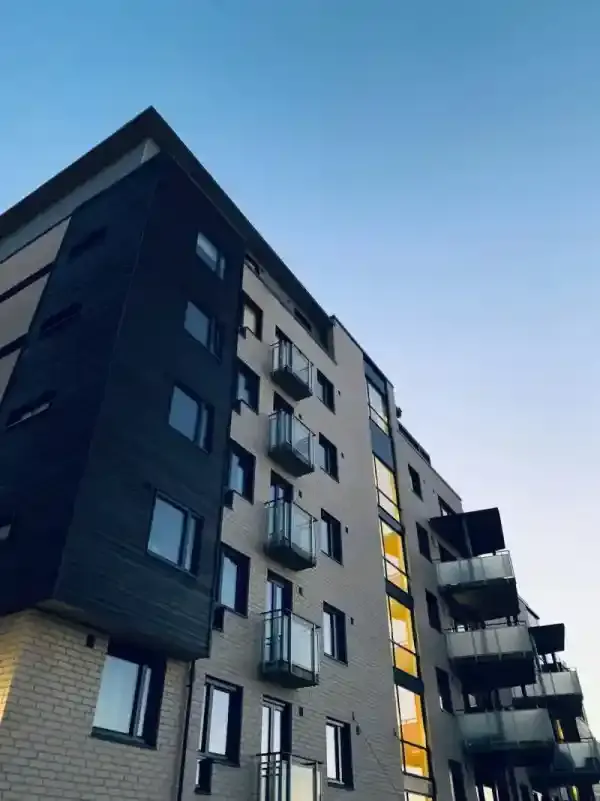
The Strata Building Bond and Inspection Scheme (SBBIS) is one of the most significant consumer protection measures introduced for apartment buyers in New South Wales. It was designed to address the widespread problem of building defects in newly constructed residential strata buildings, a problem that has cost Australian owners billions of dollars in rectification works.
This article covers how the scheme works, who must comply, what the bond amount is, and what happens when developers fail to meet their obligations.
The SBBIS requires developers of residential strata buildings of four or more storeys in NSW to lodge a bond equal to 2% of the total contract price. This bond is held as security against building defects identified during the statutory inspection process.
What Is the SBBIS?
The Strata Building Bond and Inspection Scheme was introduced under Part 11 of the Strata Schemes Management Act 2015 (NSW) and came into effect on 1 January 2018. It applies to new residential strata buildings in NSW that are four or more storeys high.
The scheme was created in response to mounting concerns about defective building work in the apartment sector. Reports from organisations such as the City Futures Research Centre at UNSW found that up to 85% of new apartment buildings in NSW contained at least one significant defect.
Under the scheme, developers must lodge a building bond with NSW Fair Trading before an occupation certificate is issued. This bond acts as a financial safety net for owners corporations, ensuring funds are available if defects are discovered.
The bond is equal to 2% of the total contract price for the building work. It is held for a period during which independent inspections are carried out to identify any defects that need rectification.
Who Does the SBBIS Apply To?
The scheme applies to residential strata buildings that meet all of the following criteria:
- The building is located in New South Wales.
- The building is a residential strata scheme (or a mixed-use building with a residential strata component).
- The building is four or more storeys in height.
- The building's occupation certificate was issued on or after 1 January 2018.
The obligation to lodge the bond rests with the developer. In this context, the developer is the person or entity that contracted the building work to be carried out.
Smaller residential strata buildings of three storeys or fewer are not covered by SBBIS, though they may still be subject to other warranty and defect rectification obligations under the Home Building Act 1989 (NSW).
It is worth emphasising that the scheme covers the building as a whole, not individual lots. The owners corporation (body corporate) is the entity that benefits from the bond and the inspection process. For more on how body corporates handle building disputes, see our guide on expert witnesses in body corporate building disputes.
How the Bond Amount Is Calculated
The bond amount is set at 2% of the total contract price for the building work. The contract price includes the full cost of the construction contract between the developer and the builder.
Here is an example of how the bond is calculated for different building sizes:
| Total Contract Price | Bond Amount (2%) | Typical Building Size |
|---|---|---|
| $10,000,000 | $200,000 | Small 4-storey complex |
| $25,000,000 | $500,000 | Mid-rise 6-8 storey building |
| $50,000,000 | $1,000,000 | Large 10-15 storey tower |
| $100,000,000 | $2,000,000 | Major high-rise development |
| $200,000,000 | $4,000,000 | Large-scale multi-tower project |
If there is no written contract or the contract price does not reflect the true cost of the work, the Secretary of the Department of Customer Service may determine the contract price based on a reasonable estimate.
The bond must be lodged with NSW Fair Trading before the developer can obtain an occupation certificate. It may be lodged as cash, a bank guarantee, or another form approved by NSW Fair Trading.
Compliance Steps for Developers
Developers must follow a defined sequence of steps to comply with the SBBIS. Failing to complete any of these steps can result in serious penalties.
Step 1: Determine Whether the Scheme Applies
The developer must assess whether the building meets the criteria outlined above. Buildings that are four or more storeys and contain a residential strata component are captured by the scheme.
Step 2: Calculate and Lodge the Bond
Before applying for an occupation certificate, the developer must calculate the bond at 2% of the contract price and lodge it with NSW Fair Trading. The bond can be in the form of cash, a bank guarantee, or an approved alternative.
Step 3: Provide Information to the Owners Corporation
Once the strata scheme is registered, the developer must provide the owners corporation with information about the bond, including the amount lodged and details of the building contract.
Step 4: Cooperate with the Inspection Process
The developer must allow the appointed building inspector to access the building for the purpose of conducting the interim and final inspections. The developer is also required to respond to any defects identified in the inspection reports.
Step 5: Rectify Identified Defects
If the inspection reports identify defects, the developer (or the builder engaged by the developer) must rectify those defects within the timeframes agreed upon or determined by the relevant authority.
Step 6: Apply for Bond Release
After the final inspection report is completed and any identified defects have been rectified, the developer may apply for the release of the bond. If defects remain unrectified, some or all of the bond may be paid to the owners corporation.
The Inspection Process
The SBBIS mandates two inspections of the building: an interim inspection and a final inspection. Both inspections must be carried out by a qualified building inspector appointed by the owners corporation.
The process is designed to catch defects early and give developers an opportunity to rectify them before the bond is released.
Appointing a Building Inspector
The owners corporation is responsible for appointing the building inspector. The inspector must be suitably qualified and hold the relevant licences. It is essential that the inspector is independent and has no conflict of interest with the developer or builder.
Choosing an experienced inspector is critical. Defects in large strata buildings can be complex, ranging from waterproofing failures and structural cracking to fire safety system deficiencies. Our article on construction defect inspections provides an overview of the types of defects commonly found in new buildings.
Timing of the Inspections
The interim inspection must be carried out between 15 and 18 months after the completion of the building work. The final inspection must be conducted between 18 and 24 months after completion.
These timeframes are designed to allow sufficient time for defects to become apparent. Many building defects, particularly those related to waterproofing and structural movement, only manifest after the building has been through at least one full cycle of seasonal weather changes.
Interim and Final Inspection Reports
Both inspections result in detailed reports that document any defects found in the building. These reports are critical documents for the owners corporation and play a key role in determining whether the bond is released or retained.
The Interim Report
The interim inspection report identifies defects in the building and provides the developer with an opportunity to rectify those defects before the final inspection. The report should cover:
- Structural elements, including foundations, columns, beams, and load-bearing walls.
- Waterproofing systems in wet areas, balconies, and the building envelope.
- Fire safety systems, including fire doors, sprinkler systems, and smoke detection.
- Common property areas such as corridors, car parks, lifts, and rooftops.
- External cladding and facade systems.
- Mechanical and electrical services.
The interim report is not just a snapshot. It serves as a roadmap for rectification work that must be completed before the final inspection. For more on what building inspections cover at different stages, see our building inspection stages guide.
The Final Report
The final inspection report assesses whether defects identified in the interim report have been properly rectified. It also identifies any new defects that have appeared since the interim inspection.
The final report is the document that determines the fate of the bond. If all defects have been rectified satisfactorily, the bond is released to the developer. If defects remain, some or all of the bond may be claimed by the owners corporation to fund rectification works.
The Role of Building Inspectors
Building inspectors play a central role in the SBBIS process. Their reports directly influence whether millions of dollars in bond money are released or retained.
An effective SBBIS inspector must have:
- Relevant qualifications and licensing in building inspection.
- Extensive experience with multi-storey residential construction.
- Knowledge of the Building Code of Australia (BCA) and relevant Australian Standards.
- The ability to identify defects across all building disciplines, from structural to hydraulic to fire safety.
- Experience in producing detailed, evidence-based reports that can withstand legal scrutiny.
The inspector's role is purely to identify and document defects. They do not carry out rectification work or act as a project manager. Their independence is fundamental to the integrity of the scheme.
For related information on how inspection reports are used in dispute resolution, read our article on structural defect inspections to prevent future problems.
How SBBIS Protects Apartment Owners
Before the SBBIS was introduced, apartment owners in NSW had limited recourse when defects were discovered in their buildings. Pursuing rectification through the courts was expensive, time-consuming, and often unsuccessful, particularly when developers had wound up the development company after completion.
The scheme protects owners in several ways:
Financial security. The 2% bond provides a pool of funds that can be used for defect rectification if the developer fails to carry out the work. This removes the burden of funding repairs from individual lot owners.
Mandatory inspections. The requirement for independent inspections ensures that defects are identified and documented by a qualified professional, rather than relying on owners to identify problems themselves.
Time-limited process. The defined timeframes for inspections and rectification create accountability and prevent developers from delaying action indefinitely.
Transparency. The inspection reports provide the owners corporation with a clear picture of the building's condition, enabling informed decision-making about rectification priorities.
The scheme is particularly valuable for owners of apartments in buildings where defects affect common property. Common property defects, such as waterproofing failures in the building envelope or deficiencies in fire safety systems, can be extremely costly to rectify. The bond ensures funds are available without requiring special levies on individual owners.
If you are considering purchasing an apartment in a strata building, a thorough inspection is essential. Learn more about the difference between building inspections and strata inspections to ensure you are fully informed before buying.
Common Compliance Mistakes
Both developers and owners corporations can make mistakes during the SBBIS process. Being aware of these pitfalls helps all parties avoid delays, disputes, and financial losses.
Developer Mistakes
Failing to lodge the bond on time. The bond must be lodged before the occupation certificate is issued. Developers who overlook this requirement face penalties and delays in obtaining the OC.
Underestimating the contract price. Some developers attempt to minimise the bond by understating the contract price. NSW Fair Trading has the power to assess the true contract price, and penalties apply for providing misleading information.
Ignoring interim report findings. Developers who fail to address defects identified in the interim report risk losing the entire bond at the final inspection stage.
Winding up the development company. Some developers dissolve the corporate entity that carried out the development, making it difficult for the owners corporation to pursue rectification. The SBBIS bond provides protection against this tactic because the funds are already held in trust.
Owners Corporation Mistakes
Delaying the appointment of an inspector. The owners corporation must appoint an inspector and schedule the interim inspection within the required timeframe. Missing this window can compromise the owners corporation's ability to claim against the bond.
Choosing an unqualified inspector. Engaging an inspector without relevant experience in multi-storey residential buildings can result in defects being missed. The quality of the inspection report directly impacts the owners corporation's position.
Failing to act on the reports. Once the inspection reports are received, the owners corporation must take steps to have defects rectified. Inaction can undermine the owners corporation's claim to the bond.
Penalties for Non-Compliance
The penalties for failing to comply with the SBBIS are severe. The NSW Government has signalled its commitment to enforcing the scheme through substantial fines and ongoing daily penalties.
Maximum penalty for a corporation: Up to $1,100,000.
Maximum penalty for an individual: Up to $220,000.
Daily penalties: Up to $22,000 per day for continuing offences.
These penalties apply to a range of non-compliance behaviours, including:
- Failing to lodge the building bond before the occupation certificate is issued.
- Providing false or misleading information about the contract price.
- Obstructing or failing to cooperate with the inspection process.
- Failing to comply with a notice or direction from NSW Fair Trading.
The size of these penalties reflects the seriousness with which the NSW Government treats building defects in strata properties. Given the scale of the defect crisis in Australian apartment construction, strong enforcement is necessary to ensure the scheme achieves its objectives.
For owners dealing with building defects and disputes, our defect inspections service provides the expert assessment needed to document issues and support claims.
SBBIS Compliance Checklist
The following checklist summarises the key steps for both developers and owners corporations:
For Developers
- Confirm the building is captured by the scheme (four or more storeys, residential strata, NSW).
- Calculate the bond at 2% of the total contract price.
- Lodge the bond with NSW Fair Trading before applying for the occupation certificate.
- Provide bond and contract information to the owners corporation after strata registration.
- Allow building inspector access for interim and final inspections.
- Rectify defects identified in inspection reports within required timeframes.
- Apply for bond release after the final report confirms all defects are rectified.
For Owners Corporations
- Appoint a qualified, independent building inspector.
- Schedule the interim inspection between 15 and 18 months after completion.
- Review the interim report and notify the developer of defects requiring rectification.
- Schedule the final inspection between 18 and 24 months after completion.
- Review the final report and determine whether to apply for bond release or retention.
- If defects remain unrectified, apply to retain part or all of the bond.
Understanding the full scope of building inspections is essential for strata owners. Our article on building inspection stages explains what each phase of the inspection process involves.
If you are purchasing an apartment and want to assess the property before settlement, our pre-purchase inspections service can help identify potential issues.
Frequently Asked Questions
QWhat does SBBIS stand for?
SBBIS stands for the Strata Building Bond and Inspection Scheme. It is a statutory scheme under the Strata Schemes Management Act 2015 (NSW) that requires developers of qualifying residential strata buildings to lodge a security bond and submit to independent building inspections.
QWhich buildings are covered by the SBBIS?
The scheme covers new residential strata buildings in NSW that are four or more storeys high and received their occupation certificate on or after 1 January 2018. Mixed-use buildings with a residential strata component are also captured.
QHow much is the building bond?
The building bond is set at 2% of the total contract price for the building work. For a building with a $50 million contract price, the bond would be $1 million.
QWho pays for the building bond?
The developer is responsible for lodging the building bond with NSW Fair Trading. The cost is borne by the developer, not by the apartment purchasers or the owners corporation.
QWhen must the bond be lodged?
The bond must be lodged before the developer can obtain an occupation certificate for the building. No occupation certificate will be issued until the bond has been lodged.
QWho appoints the building inspector for SBBIS inspections?
The owners corporation appoints the building inspector. The inspector must be independent of the developer and the builder and must hold relevant qualifications and licences.
QWhen are the SBBIS inspections carried out?
The interim inspection must occur between 15 and 18 months after the building work is completed. The final inspection must occur between 18 and 24 months after completion.
QWhat happens if defects are found during the inspections?
Defects identified in the interim report give the developer an opportunity to carry out rectification work before the final inspection. If defects remain unrectified after the final inspection, the owners corporation may apply to retain part or all of the bond to fund the rectification.
QWhat are the penalties for non-compliance with the SBBIS?
Penalties for non-compliance are significant. Corporations face fines of up to $1,100,000, individuals face fines of up to $220,000, and continuing offences attract daily penalties of up to $22,000 per day.
QCan the bond be released if some defects are still present?
The bond may be partially released if only some defects remain unrectified. The portion of the bond retained will reflect the estimated cost of rectifying the outstanding defects. NSW Fair Trading may make a determination on the appropriate split.
QDoes the SBBIS replace the statutory warranty period?
No. The SBBIS operates alongside the statutory warranty periods under the Home Building Act 1989 (NSW). Developers and builders remain liable for defects under the statutory warranty provisions, which provide a six-year warranty period for major defects and a two-year warranty period for other defects.
QWhat types of defects are commonly found in SBBIS inspections?
Common defects include waterproofing failures, cracking in structural elements, defective fire safety systems, poor-quality finishes in common areas, inadequate drainage, and non-compliant cladding. For a detailed look at structural issues, see our guide on structural defect inspections.
If your strata building requires an SBBIS inspection or you need expert advice on building defects, contact Owner Inspections. Our licensed building inspectors have extensive experience with multi-storey residential buildings across NSW and can provide the thorough, independent assessments required under the Strata Building Bond and Inspection Scheme.
Related Articles
The Most Common Building Defects in Sydney
Sydney
A Comprehensive Guide to House Inspections
House inspections are detailed professional assessments evaluating structural integrity, safety systems, and component functionality. Learn everything you need to know.

Building Inspection Stages: A Comprehensive Guide
With new home starts projected to exceed 190,000 annually by 2025, quality assurance at each construction phase is increasingly important. Learn the six key stages.