
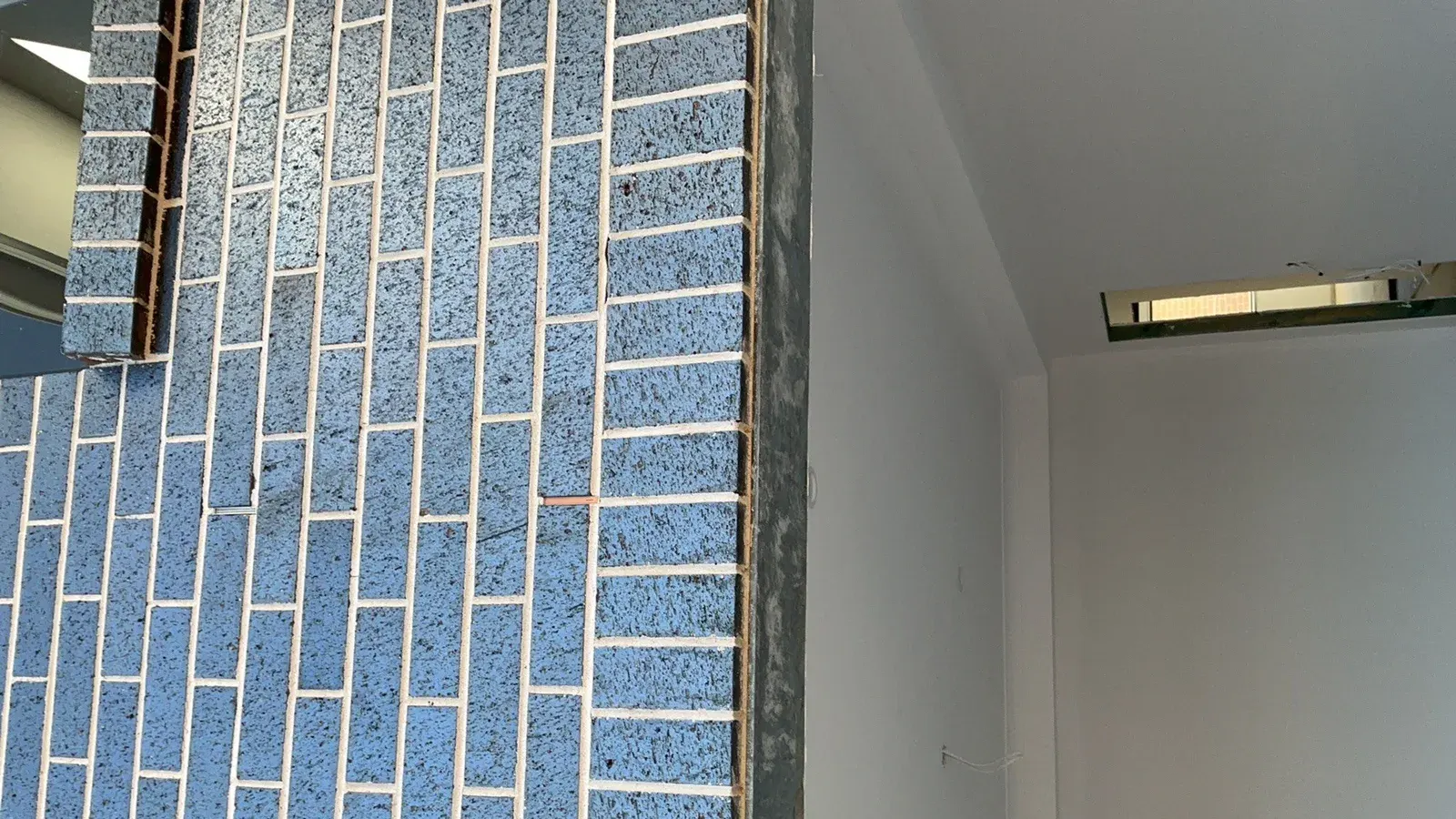
Do I need a pest inspection before buying a house?
Legally, no. The protection is contractual, not statutory: in most private sales the contract carries a building and pest inspection condition, or the sale comes with a cooling-off period, and either gives you a short window to inspect and then pull out or renegotiate if the report is bad.
That window is the whole point. A pest report you can still act on is worth a great deal. The same report read after the window has closed tells you what you have bought, and little else. Before you sign, find out the exact date your window closes and book the inspection inside it.
How long it lasts depends on your state and how you are buying. The statutory cooling-off period for a private residential sale is five business days in NSW and Queensland and three in Victoria, while Western Australia and Tasmania have none. Auction purchases generally carry no cooling-off period, Queensland included, so an auction buyer has to inspect before bidding. NSW Fair Trading, Consumer Affairs Victoria and the other states' fair trading offices publish the current rules.
Skipping it is defensible in narrow cases: you are buying to knock the house down, or buying a unit in a concrete building with no timber touching the ground. Even then the risk is lower, not nil. A unit still has timber skirting boards and door frames for termites to reach, and active termites on a knockdown site are a problem for the house you build next.
Does a building inspection include a pest inspection?
No, not by default. A standard building inspection is carried out to AS 4349.1 and looks at the condition of the structure. A timber pest inspection is a separate assessment carried out to AS 4349.3. A building inspector who notices termite damage will record it and recommend a timber pest inspection, but will not go looking for it the way a pest inspector does.
So check in writing what you ordered: the booking and the report should say "building and pest" or "timber pest". If they only say "building", you have half the picture, because a building inspection does not automatically include a pest inspection. "Pre-purchase inspection" does not settle it either: a pre-purchase inspection is a broader term that may or may not include pest.
Who pays for a pest inspection when buying a house?
The buyer, in almost every case. You commission it and the report is addressed to you, which matters: if you rely on a report somebody else ordered, you are not the inspector's client. Three situations change the shape of this:
- Auctions. You pay before you know whether you will win. That is the cost of having no cooling-off period.
- The ACT. Sellers must provide a pest inspection report for most house sales before marketing, so you start with one in hand. The seller chose the inspector and the timing, so check its date and scope.
- Off the plan. There is nothing finished to inspect when you sign, so the useful inspection is at completion, before settlement. A new house in a termite-prone area must have a termite management system under the National Construction Code, recorded on a durable notice usually fixed inside the meter box. Ask to see it.
What is the biggest red flag in a pest inspection?
Live termites. Active workings, meaning live termites in the timber or fresh mud leads (shelter tubes) up piers, stumps, slab edges or walls, are worse than old damage because nobody yet knows how far the colony has got, and it is still feeding. Old damage that was treated and documented is a known problem. Active damage is not.
The second is history without paperwork. A line of filled drill holes in the paths around the house usually means a chemical barrier was injected at some point. Without a treatment certificate saying when and by whom, you do not know whether it is current or why it was needed.
What are the most common things a pest inspection finds?
In our experience most findings are less dramatic than live termites, and they cluster in the same few places:
- Old termite damage in subfloor bearers and joists, and in skirting boards and door frames that sound hollow when tapped.
- Conducive conditions: garden beds, mulch or paving built up over the slab edge, which hides the one place termites have to cross in the open; fence palings or stored timber touching the soil; leaking taps, hot water overflows or air conditioner drains keeping the ground wet against a wall; poor subfloor ventilation; and blocked weep holes.
- Borer damage in older floor and roof timbers, and fungal decay (timber rot) in anything kept wet, such as deck boards, pergola posts and window sills.
Almost all of this is in the subfloor and roof void, which you never enter at an open home, and fresh paint or new skirting can hide what is behind it. The inspection is visual and non-invasive: tapping, moisture meters and sometimes a thermal camera find signs, but nobody sees inside a wall cavity. So the list of areas not inspected matters as much as the findings. A timber pest report from Owner Inspections lists each area the inspector could not reach and the reason, and that list is worth reading before the summary: a subfloor that was half inaccessible has only been half cleared.
Do buyers attend building and pest inspections?
You can, and it is worth it, but it is not required; the written report is the record either way. The most useful part is the end, when the inspector shows you what they found and answers questions on the spot.
Your job before the day is access. Ask the agent to make sure the garage, outbuildings and roof space can be reached, the manhole is clear, and nothing is stacked against the garage walls. An area that cannot be reached is an area the report cannot speak for. There is more on the day itself in this guide for first-time buyers walking through their first inspection.
Buying a house and weighing up the inspection?
A combined building and pest inspection covers both in one visit, before your cooling-off window closes.
How much does a building and pest inspection cost in Australia?
It depends on the size and age of the house, its location, whether the pest inspection is booked alone or combined with a building inspection, and how quickly you need the report. A large, older house on a timber subfloor takes longer to inspect properly than a small one on a slab. For figures, see the full inspection cost breakdown by city.
What happens if the inspection finds termites?
The report will say where the activity or damage is, how severe it looks and what it recommends. From there:
- Get a treatment quote from a licensed pest manager.
- Get the damage scoped by a builder or structural engineer if structural timbers are affected, so you have a repair figure as well as a treatment figure.
- Use both numbers to ask for a price reduction or vendor-funded treatment before settlement, or to withdraw under the inspection condition. Your solicitor or conveyancer handles the notice, and the deadline is strict.
If the vendor offers to deal with it, ask for the licensed pest manager's treatment certificate rather than a verbal assurance, and make sure nobody sprays the workings with surface spray, which tends to drive the colony elsewhere in the building rather than kill it.
Can I still buy the house if the report comes back bad?
Yes, in most cases. "Bad" covers everything from old, treated damage in one bearer to active termites through the wall framing, and the severity in the report matters more than the fact that something was found. Put a figure on treatment, repair and ongoing inspections, and ask whether the house is still good value at the price plus that figure.
The findings to be most cautious about are active termites combined with large areas the inspector could not reach, because then nobody can tell you the extent. And all of this only helps while you are still inside the window to act on it.
Frequently Asked Questions
How often should I get a termite inspection after I move in?
The Australian Standard for termite management in existing buildings, AS 3660.2, recommends an inspection at least once a year, and more often where termite pressure is high. A chemical barrier or bait system does not replace those inspections.
Does a pest inspection cover cockroaches, spiders or rodents?
No. A pre-purchase pest inspection covers timber pests only: termites, borers and wood decay fungi. General pest control is a separate service.
What if the seller already has a pest report?
Read it, but get your own. You are not the client, it was prepared on the seller's timing, and it may be weeks or months old. Even in the ACT, where the seller must supply one, check its date and whether it covers the areas you care about.
Related Articles
Building Inspection vs Building and Pest Inspection: Which Do You Need?
A building inspection covers structural and safety defects, while a building and pest inspection adds a full timber pest assessment. This guide breaks down the differences so you can make the right choice before buying.
Building and Pest vs Pre-Purchase Inspections in Brisbane
Building and pest inspections and pre-purchase inspections are closely related but not identical. This guide explains the differences, what each covers, typical costs in Brisbane, and how to decide which inspection you need before buying a property.
First-Time Homebuyer's Building and Pest Inspection Guide
A building and pest inspection is one of the most important steps for first-time homebuyers in Australia. This guide covers what the inspection includes, typical costs, common defects found, how to read the report, and how to use the findings to make a confident purchase decision.