

What Happens to a Defect Claim When a Builder Goes Into Liquidation?
When a builder goes into liquidation the company still owes you the rectification work, but there is rarely anything left to collect. Homeowners sit near the back of the queue as unsecured creditors, behind employees and secured lenders, so lodging a proof of debt with the liquidator usually returns nothing. The claim that actually pays is the home warranty policy taken out for your job.
This changes what you should be doing with your time. Chasing directors or waiting for a tribunal order against a company with no assets is a dead end once liquidation is confirmed. Do two things instead: confirm the insolvency through the ASIC published notices register or the appointed liquidator, and find your certificate of insurance, which should have been given to you before you paid a deposit.
If the builder is struggling but not yet formally insolvent, the ordinary dispute path still applies. Our guide on what to do when a builder will not fix defects in NSW and Victoria covers that road.
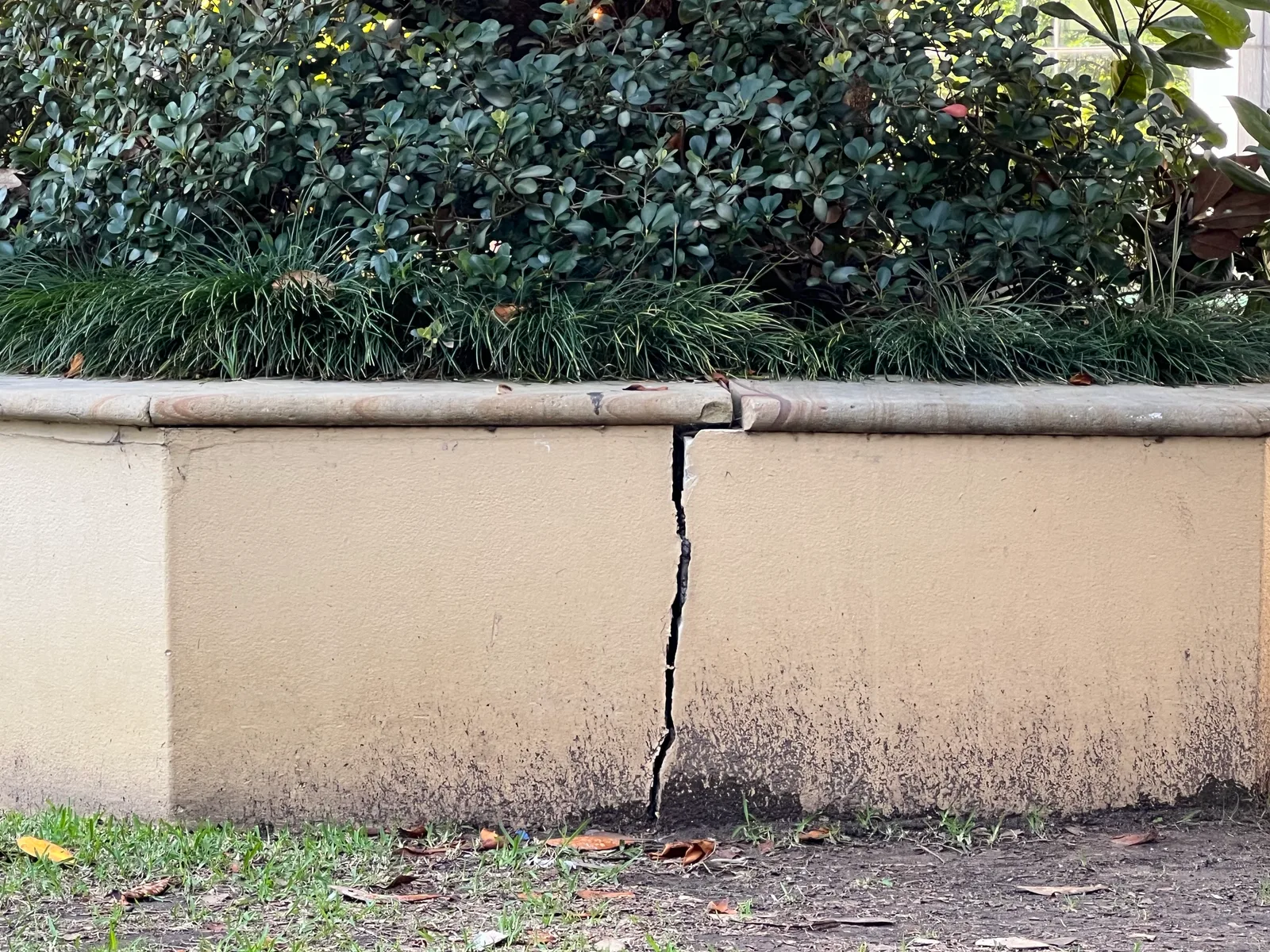
This separation crack runs the full height of the wall and continues below ground level, the pattern that separates structural movement from surface shrinkage. Insurers scope claims off findings like this, not off a homeowner's description.
Which Insurance Covers Defects When the Builder Is Insolvent?
Defects after builder insolvency are covered by the compulsory home warranty scheme in your state, not by your home and contents policy. Victoria uses Domestic Building Insurance, NSW uses the Home Building Compensation Fund, and Queensland uses the Queensland Home Warranty Scheme. All three are last resort policies, meaning they only respond once the builder has died, disappeared or become insolvent.
| Victoria (DBI) | NSW (HBCF) | Queensland (Home Warranty Scheme) | |
|---|---|---|---|
| Required when the contract exceeds | $16,000 | $20,000 | $3,300 |
| Maximum payable per policy | $300,000 for policies issued from 1 July 2014 | $340,000 | $200,000 |
| Structural or major defects covered for | 6 years from completion or termination | 6 years from completion | 6 years and 6 months |
| Other defects covered for | 2 years | 2 years | 6 months |
| Who you lodge with | VMIA or the private insurer named on the certificate | icare HBCF | QBCC |
Two details catch people out. The cap is per policy, not per defect, so one large structural rectification can exhaust it. And for incomplete work, NSW pays a maximum of 20 per cent of the contract price toward non completion, which is often far less than the shortfall on a job abandoned at lock up.
Consumer Affairs Victoria sets out the Victorian triggers, icare explains what HBCF covers in NSW, and the QBCC publishes both the time limits for cover and claims and the rules for non completion claims in Queensland.
How Long Do You Have to Lodge the Claim?
The deadline is set by the scheme and it runs on its own clock, not on how long the liquidation takes. Victoria expects a claim within 180 days of becoming aware of the loss. NSW allows 6 years for major defects and 2 years for other loss, plus up to 6 extra months if you only become aware in the final 6 months. Queensland gives 3 months from noticing a structural defect.
Waiting for the liquidator to finish is the single most common way homeowners lose a valid claim, because a liquidation can run for years. Lodge on the insurance timeline and let the two processes run in parallel.
NSW has one useful extension. If you have been actively pursuing the builder through Building Commission NSW dispute resolution, NCAT or a court, you can make a delayed claim up to 10 years after completion. That only helps with a documented paper trail, so keep every application, direction and tribunal file number.
Insurer Needs a Scope Before It Will Pay
Owner Inspections documents each defect, links it to the standard it breaches, and prices the rectification so your claim has a defensible number attached to it.
What If the Defect Appears Years After the Builder Disappeared?
If the defect surfaces after the cover period has closed, the home warranty policy will not respond and the builder no longer exists to sue. This is the hardest version of the problem and it is common with waterproofing failure and slab movement, both of which can take most of a decade to show themselves. A few options remain, and none of them are certain.
- The NSW delayed claim window. Up to 10 years after completion, but only where you have genuinely been pursuing the builder through the regulator or the tribunal.
- The certifier or building surveyor. If approvals or mandatory inspections were issued negligently, that practitioner carries professional indemnity insurance and is a separate party from the builder.
- The developer or vendor. If you bought from a developer rather than contracting directly, statutory warranties may run against them and pass to subsequent owners within the warranty period.
- Your own building insurance. It will not pay to fix defective work, but it may respond to resultant damage, for example water damage to floors caused by a failed shower membrane.
Be realistic. Where the cover period has expired, no other practitioner was negligent and the builder is deregistered, there is often no recoverable party and the cost falls on the owner. Owner Inspections is an inspection company, not a law firm. We can establish what the defect is, what caused it and what rectification costs, but whether a party remains liable is a question for a solicitor.
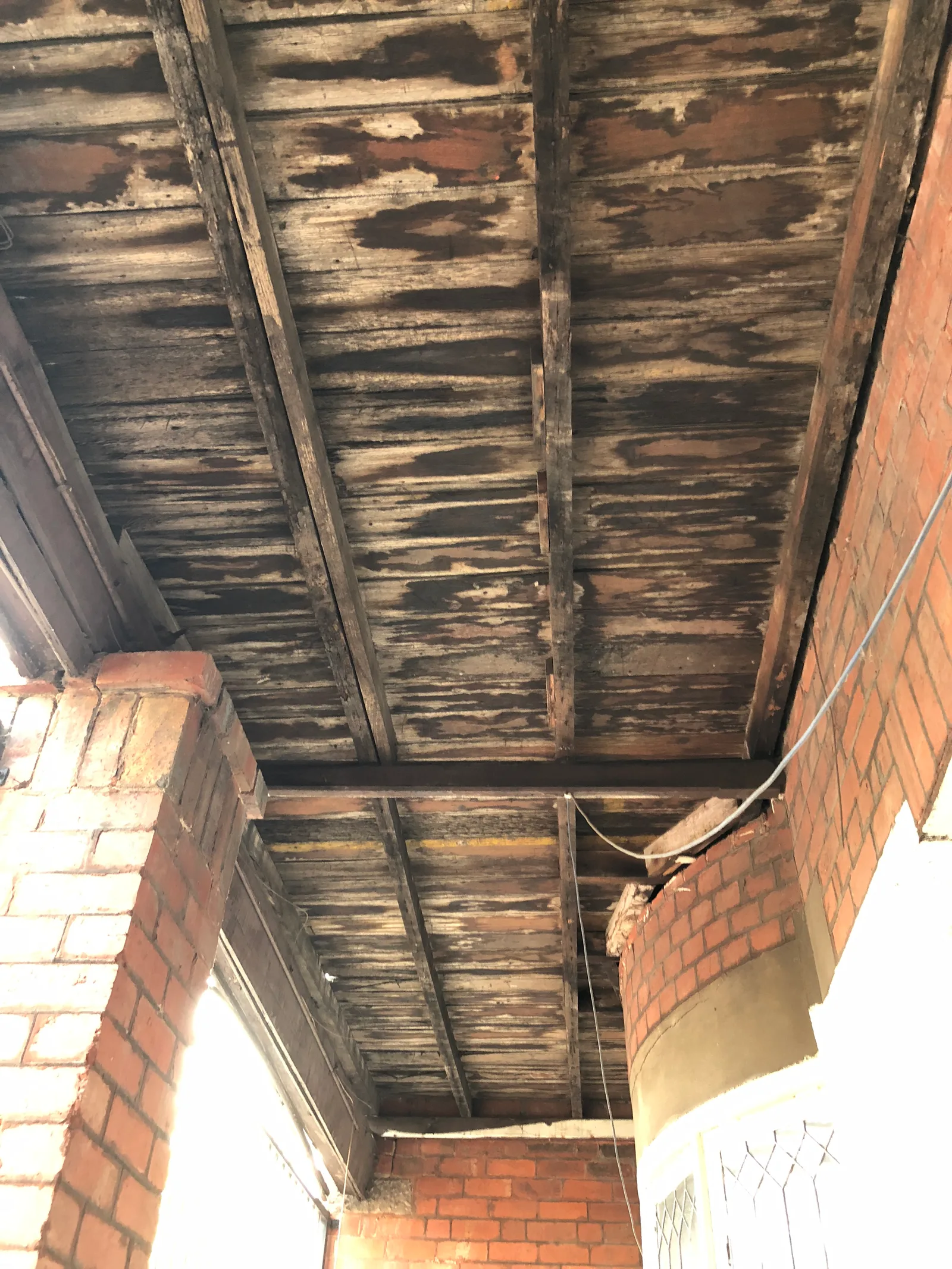
Concealed damage like this is why latent defects arrive late. Nothing was visible until the lining was opened, by which point staining covered most of the boarding and several rafters. A defect that takes eight or nine years to become obvious has usually been progressing since the day the work was done.
What Evidence Does the Insurer Need?
Insurers assess these claims on documents, so the quality of your evidence largely determines the outcome. At a minimum they will want the contract, the certificate of insurance, proof of what you paid, evidence of the insolvency, and an independent report that identifies each defect, its cause, and the cost to put it right.
- The signed building contract, all variations, and the approved plans
- The certificate of insurance issued for your job, which names the insurer and policy number
- Invoices, receipts and bank records showing every payment made to the builder
- Confirmation of the insolvency, such as the liquidator's appointment notice
- An independent defect investigation report with dated photographs, locations and the standard or NCC clause each defect breaches
- A costed rectification scope, since the insurer settles against a number, not a description
A builder's own defect list is not evidence for this purpose, and nor is a general pre-purchase style report, which is written to a different scope. What moves an insurance claim is a targeted report that ties each item to a requirement it fails.
What Is Not Covered When a Builder Becomes Insolvent?
Home warranty schemes are narrower than most people expect. They do not cover work below the state contract threshold, work where no policy was ever issued, owner builder work you carried out yourself, normal wear and tear, or your own consequential losses such as rent while the house sits unfinished.
The gap that hurts most is the missing policy. If your builder took your deposit without taking out the required insurance, there is usually nothing to claim against, because the schemes attach to the policy rather than to the licence. Check the certificate of insurance on the day you sign, not the day the builder collapses. The same principle applies to confirming the work you have paid for actually exists before releasing the next progress payment.
FAQs
Does house insurance cover building defects?
How long is a builder liable for defects in Victoria?
What is considered a major defect in NSW?
Can I claim if my builder never took out the insurance?
Should I wait for the liquidation to finish before claiming?
What Happens to a Defect Claim When a Builder Goes Into Liquidation?
Which Insurance Covers Defects When the Builder Is Insolvent?
How Long Do You Have to Lodge the Claim?
What If the Defect Appears Years After the Builder Disappeared?
What Evidence Does the Insurer Need?
What Is Not Covered When a Builder Becomes Insolvent?
Related Articles
Builder won't fix defects: what are your options in NSW and Victoria?
The escalation path while the builder is still trading, from written notice through to the tribunal.

How to Make a Warranty Claim for Defects in Your Apartment
Statutory warranty periods, evidence and the owners corporation's role in an apartment defect claim.

Common Issues in Structural Insurance Claims
Why structural claims get disputed and what evidence changes an insurer's position.